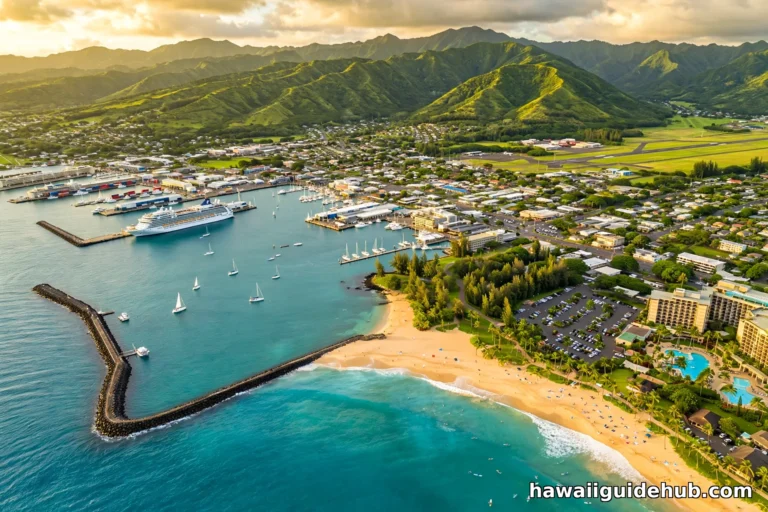
Best Kauai Travel Guide

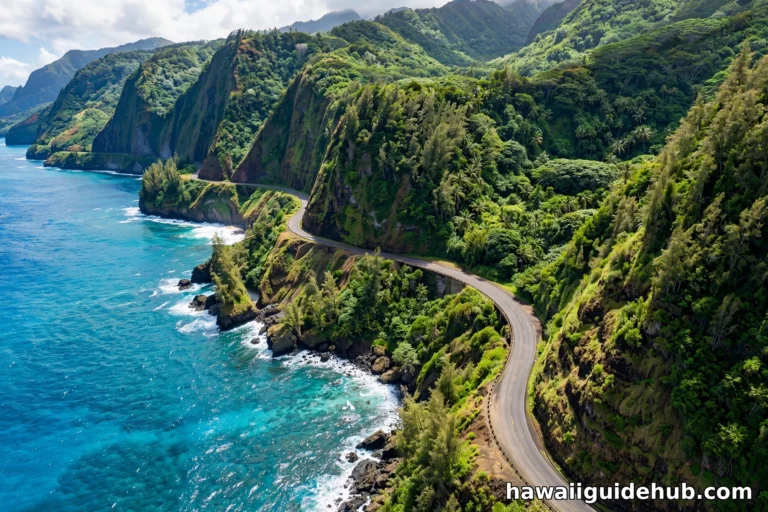
Kauaʻi is the island travelers describe as the one that looks like the Hawaiʻi of the imagination. It is the oldest of the main Hawaiian Islands, about five million years old, and time has carved it into the most dramatic landscape in the state: the fluted sea cliffs of the Nā Pali Coast, the red-striped depths of Waimea Canyon, and valleys so green they seem lit from within. Locals call it the Garden Isle, and the nickname is earned every time it rains, which is often.
This is the complete Kauai travel guide. It covers how to get there and get around, the four regions of the island and where to stay in each, the essential sights from Waimea Canyon to Hanalei Bay, realistic costs, the best time to visit, a sample seven-day itinerary, practical planning tips, and answers to the questions first-time visitors ask most. Everything about planning a Kauai trip lives here on this one page.
Kauai at a Glance
| Island fact | Trip-planning takeaway |
|---|---|
| The Garden Isle, about 5 million years old: the oldest main Hawaiian island | Give it five to seven days to see the island properly |
| About 73,000 residents; the gateway is Līhuʻe Airport (LIH) | Fly into LIH, then rent a car: it is essential, and public transit is limited |
| Four regions: North Shore, East Side, South Shore, West Side | Pick your base by region and the sights you want most |
| Signature sights: Nā Pali Coast, Waimea Canyon, Hanalei Bay, Wailua Falls | Go in April through June or September through November for the best balance |
| Two sights need advance reservations: Hāʻena State Park (Kalalau Trail, Kēʻʻ Beach) and Kīlauea Point Lighthouse | Book these before anything else |
Getting to Kauai and Getting Around
Almost every visitor arrives through Līhuʻe Airport (LIH) on the island’s east side, with direct flights from the US West Coast and easy inter-island hops from Honolulu, Maui, and the Big Island. Book your rental car at the same time as your flights. Kauai has limited public transportation and the sights are spread across the island, so a car is not optional. Rental prices spike during peak season and around holidays, and the island has sold out of cars before, so reserve early and re-check rates as your trip approaches.
Kauai has essentially one main road, and that shapes every itinerary. Highway 56 runs up the east side to the North Shore, where it ends at Kēʻē Beach. Highway 50 runs south and west to Waimea, where Waimea Canyon Road climbs into the mountains. You cannot drive around the Nā Pali Coast; the road simply stops at both ends, which is why the coast is reachable only by boat, helicopter, or the Kalalau Trail. Plan your days by region rather than zigzagging: the island looks small on a map, but the drives take longer than you expect. If you are deciding between islands, our guide to the best island in Hawaii for first-time visitors compares Kauai with its neighbors.
The Four Regions of Kauai
Kauai divides naturally into four regions, and where you stay determines the character of your trip. The North Shore, from Princeville to Hāʻena, is the lushest and most dramatic, with Hanalei Bay, Tunnels Beach, and the road’s end at Kēʻē Beach. It is also the wettest, and winter surf can close its beaches to swimming. The East Side, the Coconut Coast around Līhuʻe and Kapaʻa, is the most central and practical base, with Wailua Falls, the Wailua River, and easy access to everything. The South Shore around Poipu and Kōloa is the sunniest and driest, home to Poipu Beach, Spouting Horn, and most of the island’s resorts. The West Side, from Waimea to Kekaha, is plantation country and the gateway to Waimea Canyon and Polihale.
First-time visitors who want one home base usually choose Poipu for sunshine or Princeville for scenery. Travelers who want to minimize driving split their stay: a few nights north, a few nights south. Our sample itinerary below divides a week across all four regions. For a deep dive on the island’s prettiest bay, see our Hanalei Beach guide, and for the south shore, the complete Poipu guide.
Nā Pali Coast: The Island’s Crown Jewel
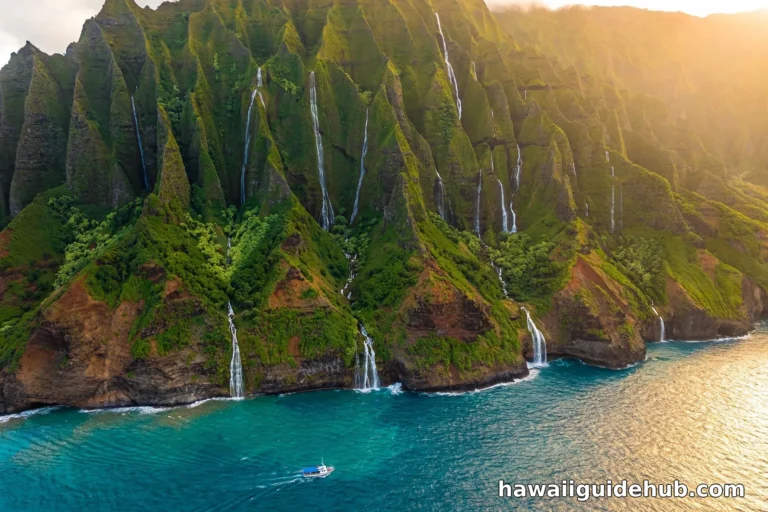
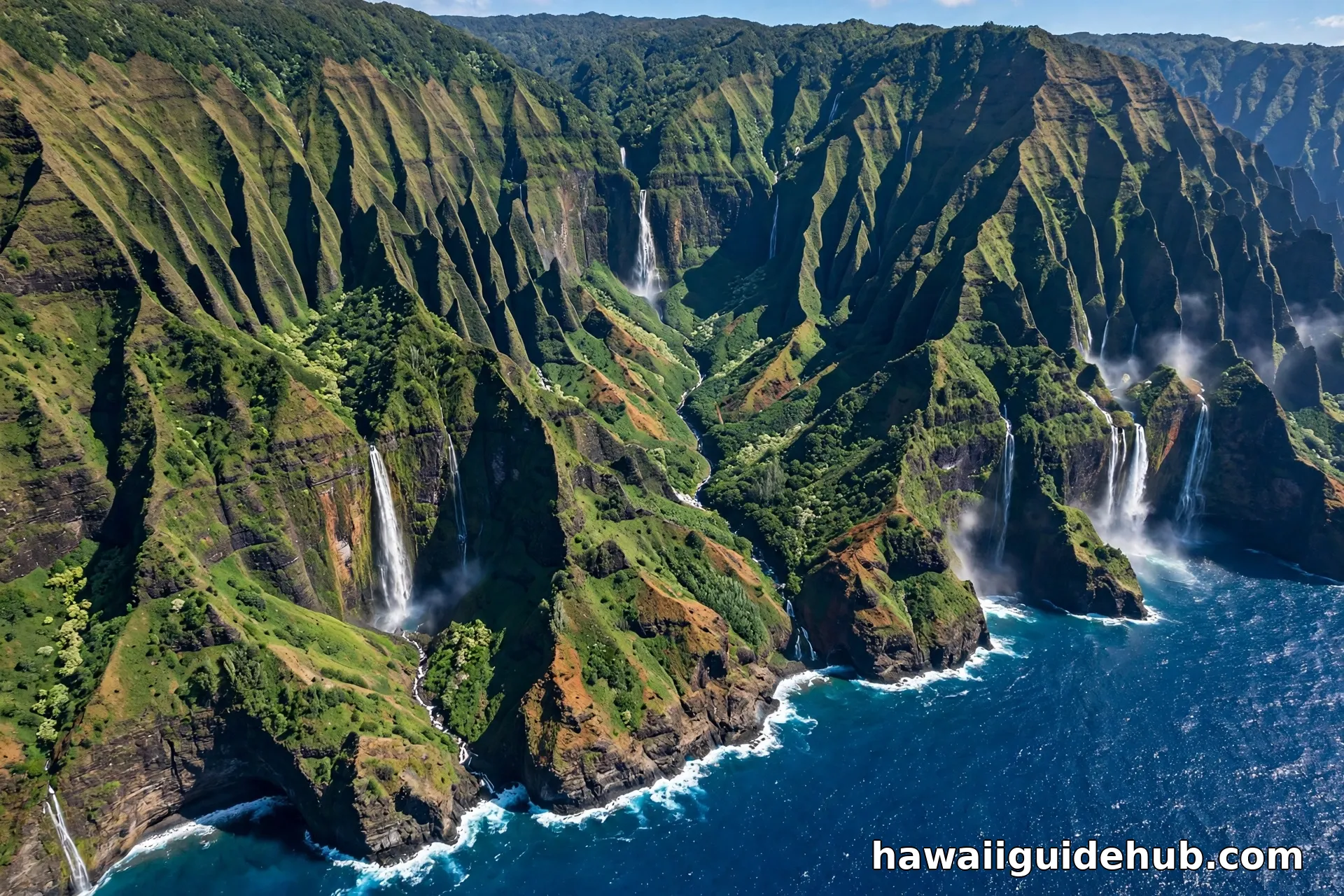
The Nā Pali Coast is a 17-mile stretch of fluted green sea cliffs on Kauai’s northwest shore, and it is the single most spectacular landscape in Hawaiʻi. There are three ways to experience it. The Kalalau Trail runs 11 miles along the coast from Kēʻē Beach to Kalalau Valley, with the famous first two miles to Hanakāpīʻai Beach open to day hikers. Every nonresident needs an advance reservation for Hāʻena State Park to access the trailhead, and those reservations cover either parking or a shuttle seat. Book them as early as possible.
Boat tours along the coast depart from the west side and run the length of the cliffs, often with snorkeling stops and, in winter, whale sightings. Helicopter tours fly over the valleys and waterfalls that no trail reaches. Each option shows you a different Nā Pali, and many visitors do two: the trail for the ground-level experience and a boat or helicopter for the scale. Whichever you choose, go in the morning when the light and the ocean are calmest.
Waimea Canyon and Kōkeʻe
Waimea Canyon is called the Grand Canyon of the Pacific, and the comparison holds: about ten miles long, a mile wide, and up to 3,600 feet deep, with striped red, green, and brown walls that change color through the day. Waimea Canyon Drive climbs from the town of Waimea past a series of lookouts, each one showing a different face of the gorge. Continue into Kōkeʻe State Park and the road ends at the Kalalau Lookout, where on a clear day you stare straight down into Kalalau Valley on the Nā Pali Coast, one of the great views in Hawaiʻi.
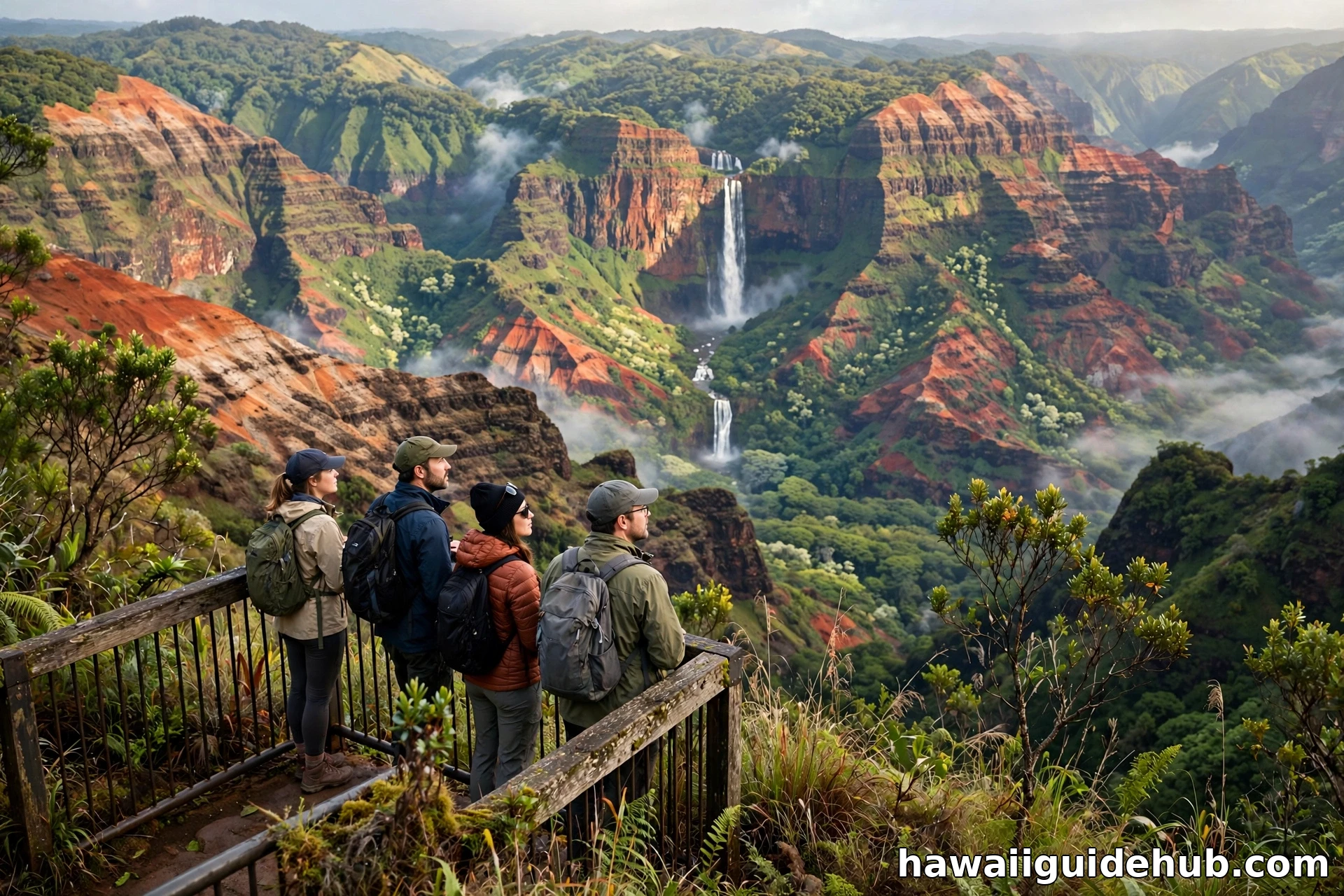
Give the canyon a full day. Mornings are clearest, before clouds fill the gorge, and the lookouts each deserve a stop. The Puʻu Hinahina Lookout is one of the finest vantage points on the drive; our Puʻu Hinahina Lookout guide covers what to expect there. Nonresidents pay parking fees at the canyon’s state parks, so bring a card. Pack layers: the canyon rim sits above 3,000 feet and can be 15 degrees cooler than the beach, and rain moves in fast.
Beaches: Where to Swim and Where to Look
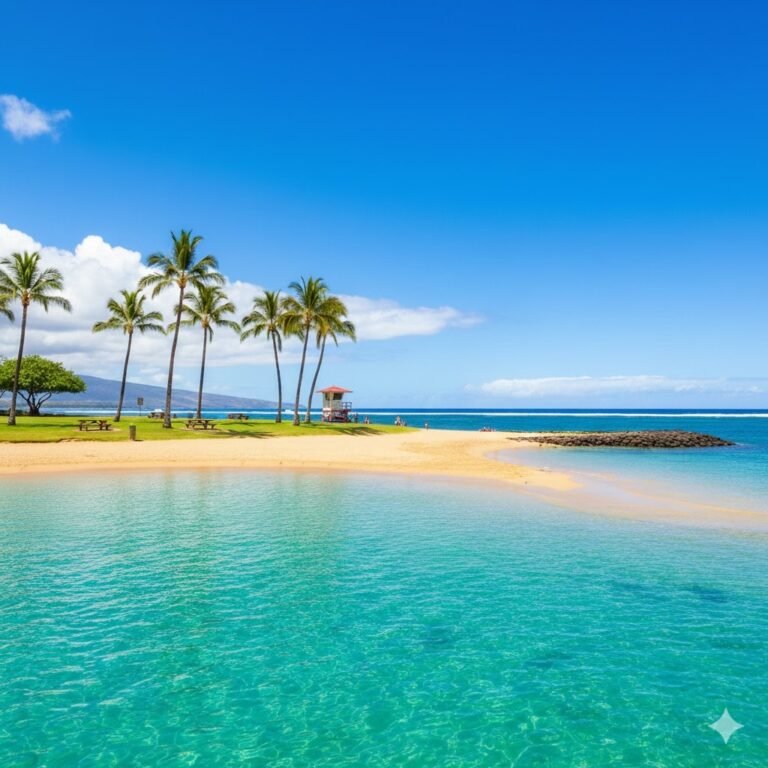
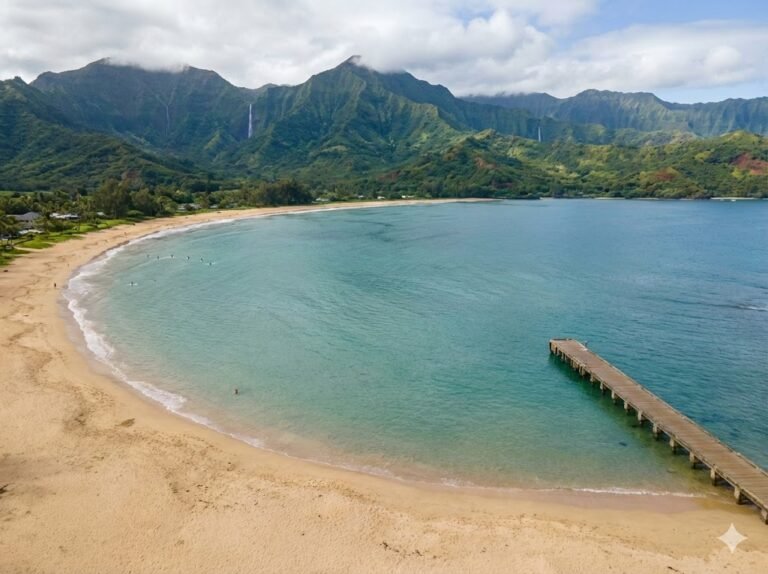
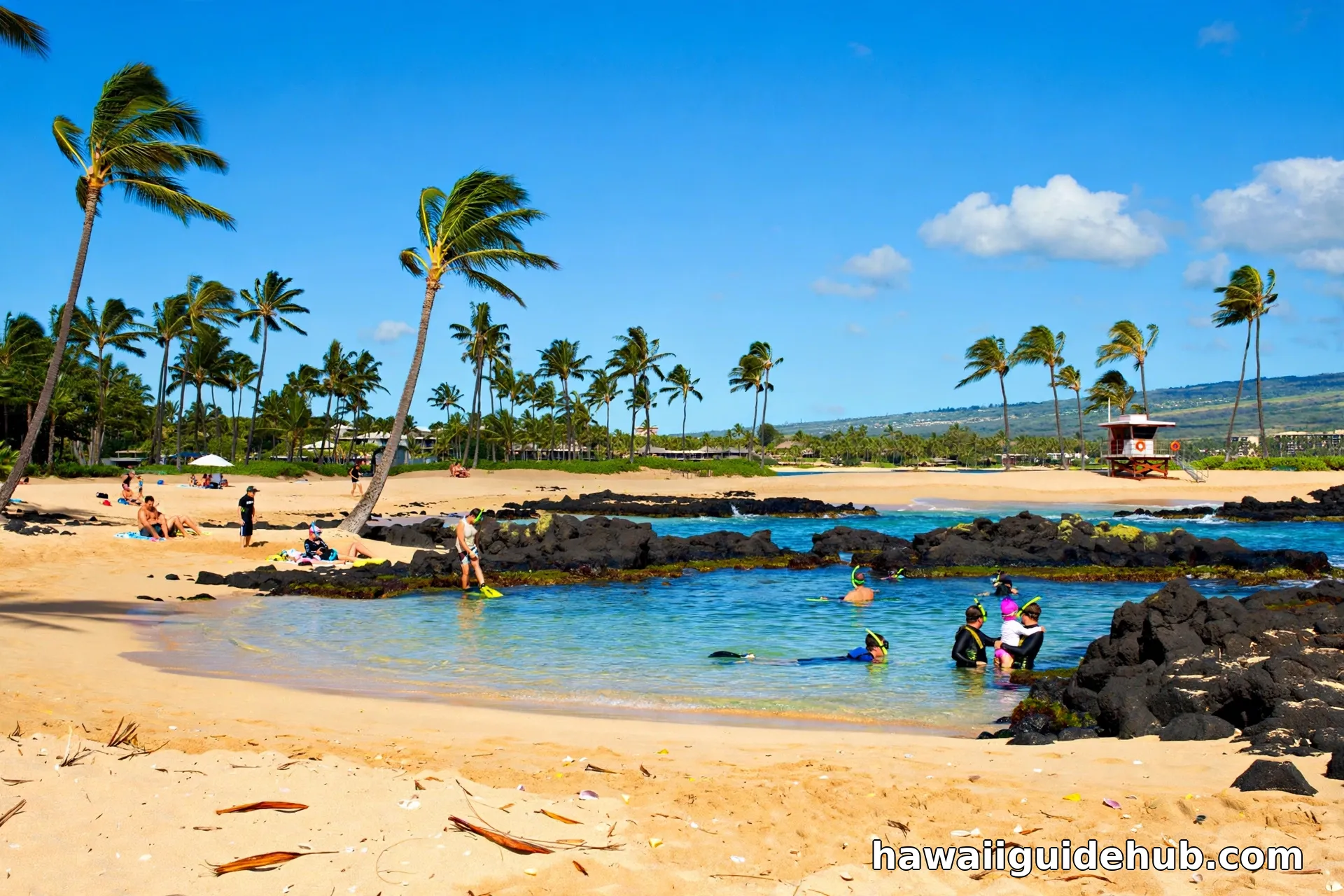
Kauai’s beaches demand more respect than its postcards suggest. Poipu Beach on the South Shore is the island’s best all-around swimming beach, with a lifeguard, a protected keiki pool, and frequent visits from endangered Hawaiian monk seals, which you should observe from at least 50 feet away. Hanalei Bay on the North Shore is two miles of gorgeous crescent beach, superb for surfing and sunsets in summer, but its winter surf is for experts only. Tunnels Beach, or Makua, offers the island’s best North Shore snorkeling when the ocean is calm, which means summer.
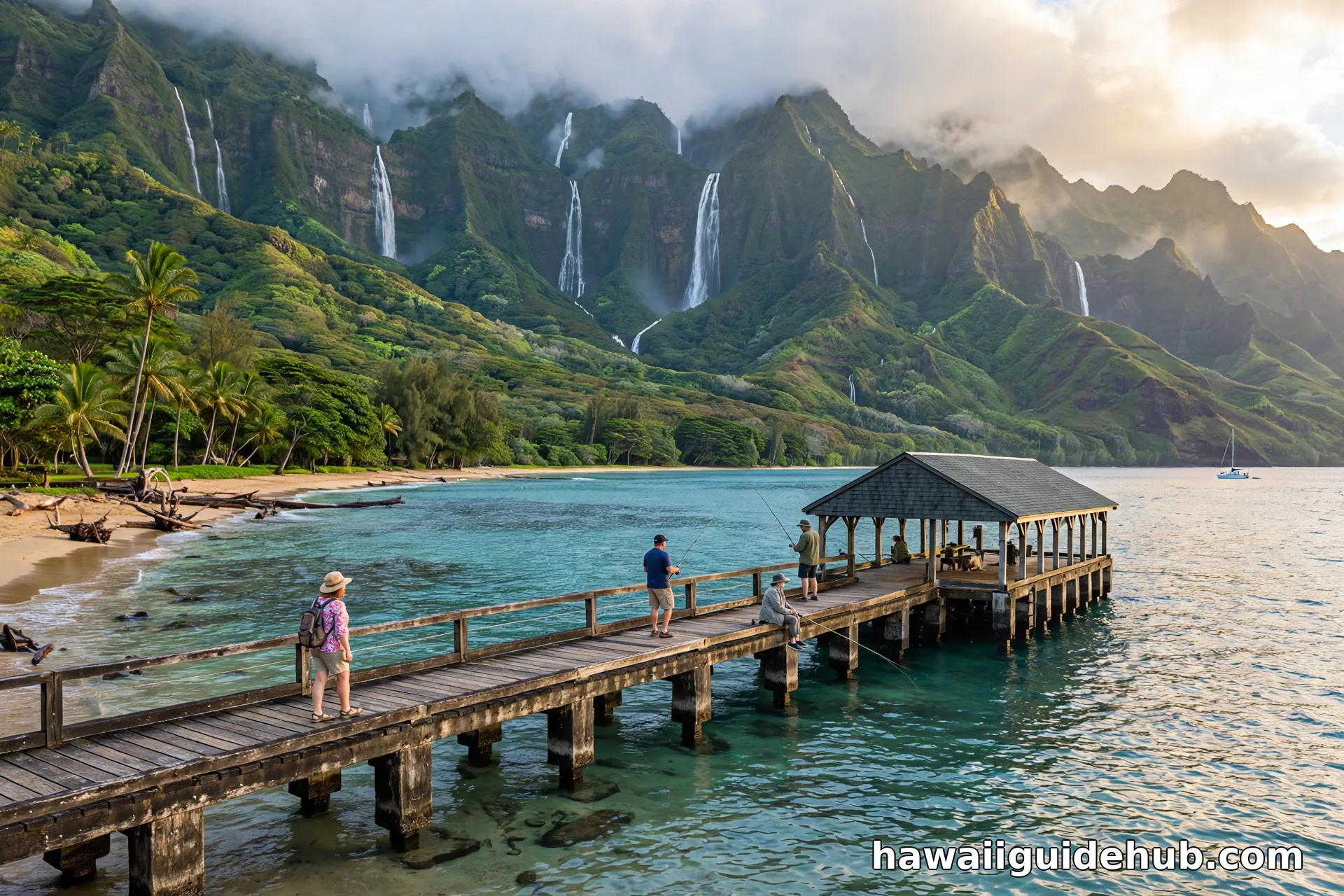
The rule for Kauai beaches is simple: swim at lifeguarded beaches, and check conditions every day. The North Shore’s surf runs big from October through March, and several beautiful beaches, including Kēʻē and Tunnels, have no lifeguards at all. Polihale State Park at the end of the west side’s dirt road is a stunning 17-mile beach for sunset watching, not swimming, and the rough access road calls for a high-clearance vehicle. For the full rundown of the Hanalei area, see 15 things to do in and around Hanalei.
Waterfalls, Gardens, and Small Towns
Kauai’s interior rewards explorers. Wailua Falls, an 80-foot double waterfall near Līhuʻe, is visible from a roadside overlook at the end of Maalo Road and starred in the opening credits of the old television show Fantasy Island. Stay at the official viewpoint: the unofficial trail to the base is steep, slippery, and dangerous. ʻŌpaekaʻa Falls and the Wailua River valley viewpoints line the same drive. The National Tropical Botanical Garden’s Allerton and McBryde Gardens in the Lāwaʻi Valley offer guided tours through one of the Pacific’s great plant collections, and Kīlauea Point’s historic lighthouse, now the Daniel K. Inouye Kīlauea Point Lighthouse, watches over a seabird refuge that requires advance reservations.
The small towns are half the charm. Hanalei’s handful of blocks hold galleries, shave ice, and some of the island’s best food trucks. Hanapepe, the “biggest little town,” has a swinging footbridge, plantation-era storefronts, and a Friday art night. Kōloa’s old sugar mill anchors the island’s plantation history, and the famous Tree Tunnel of eucalyptus on Maluhia Road shades the drive south. Waimea, where Captain Cook first landed in the Hawaiian Islands in 1778, hosts the island’s paniolo heritage and the start of the canyon road.
How Much a Kauai Trip Costs
Kauai is not a budget destination, but it rewards planners. Mid-range hotels and condos typically run from the mid 300s to the mid 500s per night, with luxury resorts climbing well above that and vacation rentals offering the best value for families. Rental cars generally cost between 50 and 100 dollars a day depending on season. Restaurant dinners run 30 to 60 dollars per person at mid-range spots, while plate lunches, poke bowls, and farmers markets keep daytime food affordable. A luau typically costs 150 to 200 dollars per person. Park fees are modest: expect small per-person and parking fees at the state parks that charge nonresidents, plus the national park style entrance system at Kīlauea Point.
The money-saving moves are the same ones that improve the trip. Stay in a condo with a kitchen and eat breakfast in. Visit in the shoulder seasons of April through June or September through November, when rates and crowds both drop. Book the big-ticket items, flights, car, and lodging, as early as you can, and fill the days with the island’s many free wonders: lookouts, beaches, and trails cost nothing but attention.
Sample Seven-Day Kauai Itinerary
Here is one sensible way to divide a week. Days one and two: settle in on the South Shore with Poipu Beach, Spouting Horn, and a garden tour. Day three: drive the East Side for Wailua Falls, the Wailua River viewpoints, and an evening in Kapaʻa. Days four and five: head north for Hanalei Bay, the Kalalau Trail day hike to Hanakāpīʻai (with your Hāʻena reservation), and snorkeling at Tunnels if the ocean allows. Day six: devote to Waimea Canyon and Kōkeʻe, ending at the Kalalau Lookout. Day seven: keep it open for whatever the weather favors, a Nā Pali boat tour, Kīlauea Lighthouse, or a slow morning in Hanapepe before your flight. Build in one flex day and you will never feel rushed.
When to Visit Kauai
Kauai is warm year round, with highs in the low to mid 80s in summer and the upper 70s in winter, but the island’s microclimates matter more than the calendar. The North Shore is wettest in winter, when surf also runs biggest, while the South Shore stays relatively dry all year. April through June and September through November offer the best balance of good weather, manageable crowds, and fair prices. December through March brings humpback whales, which you can spot from shore at lookouts like Kīlauea Point, along with the year’s biggest surf and highest prices. Mount Waiʻaleʻale in the island’s interior is one of the wettest places on Earth, which is why the island is so green and why a rain jacket belongs in your daypack in every month.
Video: Kauai Before You Go
A complete Kauai travel guide covering the Nā Pali Coast, Waimea Canyon, Hanalei, beaches, hikes, food, and when to visit.
Frequently Asked Questions
How many days do you need on Kauai?
Five to seven days is ideal. That gives you a day each for the Nā Pali Coast experience, Waimea Canyon, the North Shore, the South Shore, and the East Side, plus a flex day for weather. Fewer than four days forces painful choices.
Where should you stay on Kauai?
Poipu on the South Shore is the sunniest all-around base, Princeville and Hanalei on the North Shore are the most scenic, and Kapaʻa on the East Side is the most central and affordable. Splitting your stay between north and south cuts driving time.
Do you need a rental car on Kauai?
Yes. Kauai’s sights are spread around the island and public transit is limited. Reserve your car when you book your flights, because the island has sold out of rental cars during peak periods.
What is the best month to visit Kauai?
April, May, September, and October offer the best balance of good weather, smaller crowds, and lower prices. Winter brings whales and big surf but also more rain and higher rates, especially on the North Shore.
Can you drive around the whole island of Kauai?
No. The road ends at Kēʻē Beach on the north side and at Polihale on the west side of the Nā Pali Coast. The coast itself is reachable only by boat, helicopter, or the Kalalau Trail.
Is Kauai or Maui better for a first trip?
Kauai suits travelers who want dramatic nature, hiking, and a quieter pace, while Maui offers more resorts, dining, and variety. Kauai is smaller and easier to explore fully in a week. Our island comparison guide breaks down the choice in detail.
Kauaʻi does not try to be everything. It is not the island of nightlife or shopping or sprawling resorts. It is the island of cliffs and canyons, of rain that feeds waterfalls you can see from your car, of small towns where the shave ice stand knows your order by day three. Plan around its weather, respect its ocean, book the reservations that matter, and the Garden Isle will show you why so many travelers call it their favorite.