Altitude Sickness on Mauna Kea

Mauna Kea is the tallest mountain you can drive up in Hawaiʻi, and the altitude is no joke. The summit stands at 13,803 feet above sea level, where the air holds about 40 percent less oxygen than at the beach. Most visitors drive from sea level to the stars in under two hours, and that rapid ascent is exactly what causes altitude sickness: headaches, nausea, dizziness, and fatigue that can ruin a sunset you drove across the island to see, or turn serious in rare cases.
This is the complete guide to altitude sickness on Mauna Kea. It covers why the mountain affects visitors so strongly, the symptoms from mild to emergency, who should not go above the Visitor Information Station, how to acclimatize properly, the 4WD road realities, what to wear and pack, what to do if you feel sick, and the cultural respect the mountain deserves. Everything about staying safe at altitude on Mauna Kea lives here on this one page.
Mauna Kea Altitude at a Glance
| At altitude on Mauna Kea | The facts | Your move |
|---|---|---|
| The summit | 13,803 feet (4,207 meters); about 40 percent less oxygen than at sea level | Respect it; this is serious altitude |
| The staging point | Visitor Information Station at 9,200 feet (2,804 meters) | Stop at least 30 minutes here before ascending |
| Mild symptoms | Headache, nausea, dizziness, fatigue, shortness of breath | Descend to the VIS, rest, and hydrate |
| Emergency signs | Severe headache, vomiting, confusion, blue lips, loss of coordination | Descend immediately and seek help |
| Who must stay below the summit | Under 13, pregnant, heart or respiratory conditions, recent scuba divers | No exceptions; the risk is real |
| Getting up | 4WD required above the VIS; many rentals prohibit the summit road | Check your rental agreement before you go |
| The cold | Around 30°F at the summit; below freezing possible year-round | Dress for winter, not the beach |
| If things go wrong | Emergency response can take about 2 hours; no medical facilities on the mountain | Prevention is the only plan |
Why Mauna Kea Hits Visitors So Hard
Altitude sickness is a simple equation: less air pressure means less oxygen per breath, and your body needs time to adjust. At 13,803 feet, each breath delivers roughly 60 percent of the oxygen you get at sea level. Most mountain destinations ease you in over days; Mauna Kea does the opposite. You can eat breakfast at the beach in Kona and stand above the clouds by lunch, gaining nearly 14,000 feet in a single drive. That speed is the problem. The body acclimatizes over hours and days, not minutes, and a fast ascent is the single biggest risk factor for feeling sick.
The danger is democratic: fitness does not protect you. Young, athletic visitors get altitude sickness at the same rates as everyone else, and the only reliable predictors are how fast you ascend and whether you have been sick at altitude before. Add dehydration from the dry mountain air, a big meal or alcohol, and the physical effort of walking around at the top, and even a mild headache can escalate. Respect the elevation the way you would respect the ocean: it is not trying to hurt you, but it will if you ignore it.
The Science in Brief
At sea level, oxygen makes up about 21 percent of every breath, and the pressure drives it efficiently into your blood. At Mauna Kea’s summit, the percentage is the same but the pressure is roughly 60 percent of sea level, so each breath delivers far fewer oxygen molecules. Your body compensates by breathing faster and pumping harder, which is why your heart pounds on the summit stairs. Given hours, it adapts by producing more red blood cells; given only minutes, it cannot. The 30-minute VIS stop does not fully acclimatize you, nothing does that fast, but it lets the fast-acting adjustments begin and reveals who is struggling before they climb another 4,600 feet. In rare cases, the stress causes fluid to leak into the lungs or the brain to swell: that is HAPE and HACE, and that is why descent is the only real treatment.
Symptoms: From Mild to Emergency
Mild altitude sickness usually announces itself at or above the Visitor Information Station: a dull headache, light nausea, unusual tiredness, thirst, or feeling winded on stairs you would normally bound up. These symptoms are common, and the correct response is to stop ascending, rest, hydrate, and give your body time. If symptoms fade at the VIS, you can cautiously continue; if they persist, the summit will wait for another trip.
Know the emergency signs, because they demand immediate descent and medical attention: severe headache that does not ease, vomiting, confusion or impaired judgment, loss of balance and coordination, difficulty breathing or coughing, blue lips or fingernails, and extreme drowsiness. These can signal high altitude pulmonary edema or high altitude cerebral edema, fluid in the lungs or swelling in the brain, which are life-threatening. The mountain has no medical facilities, and emergency response can take about two hours. Do not wait to see if it gets better: descend immediately.
Who Should Not Go Above the Visitor Station
The University of Hawaiʻi, which manages the mountain’s visitor guidance, is explicit about who should not travel above the VIS at 9,200 feet: children under 13, because prolonged high-altitude exposure can cause lasting harm to developing bodies; anyone who is pregnant; anyone with high blood pressure or heart or respiratory conditions; anyone who has been scuba diving in the prior 24 hours; and anyone who is intoxicated. Alcohol is prohibited on the mountain. If you fall into any of these groups, the VIS itself is still a spectacular destination: sunset views, stargazing programs, and the mountain experience without the summit risk.
How to Acclimatize Properly
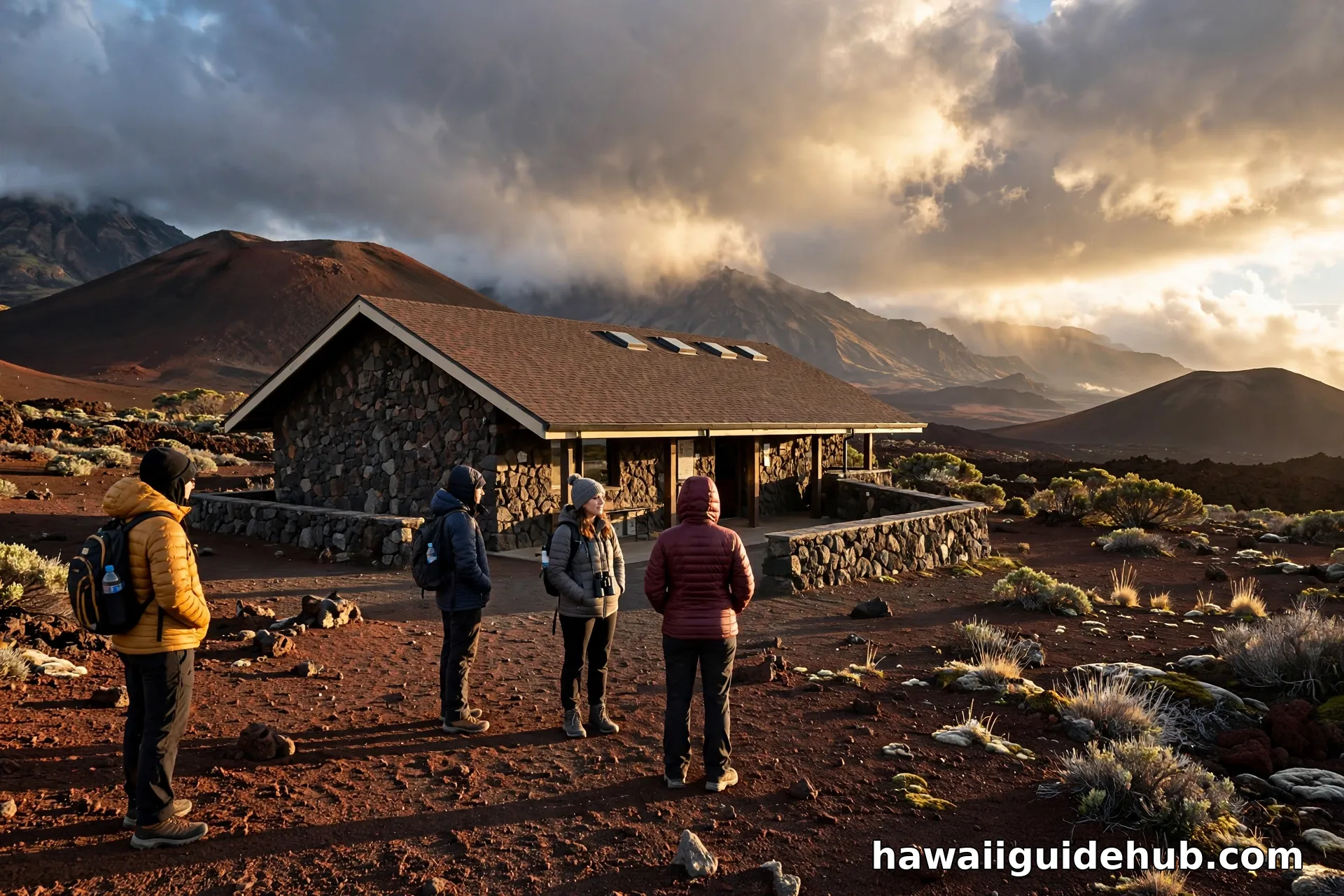
Acclimatization is not complicated, but it is non-negotiable. Stop at the Visitor Information Station for at least 30 minutes, longer if you can; walk around gently, drink water, and let your body register the altitude before you ask more of it. Hydrate all day before the drive and keep drinking on the mountain; the air is extremely dry. Avoid alcohol entirely on summit day. Eat a full meal before heading up, since altitude suppresses appetite and low blood sugar mimics sickness. Take it easy at the top: walk slowly, sit often, and skip the summit hike if you feel even slightly off. Many visitors find the VIS and its stargazing programs completely satisfying without ever going higher.
The Drive: 4WD and Road Realities
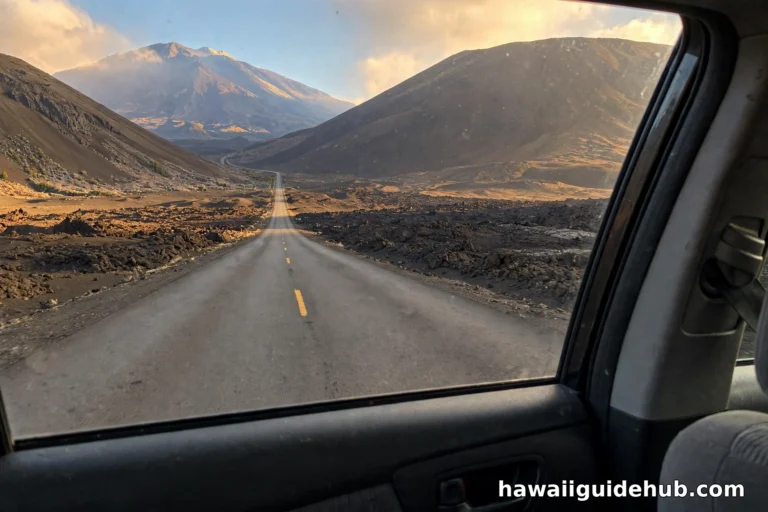
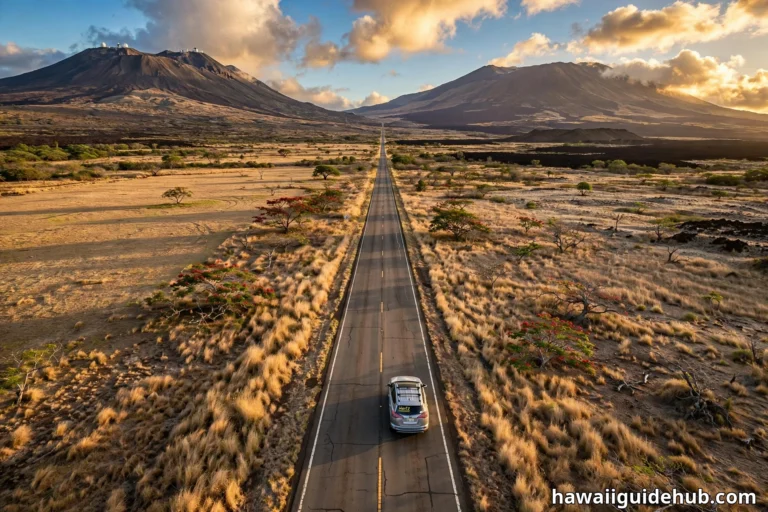
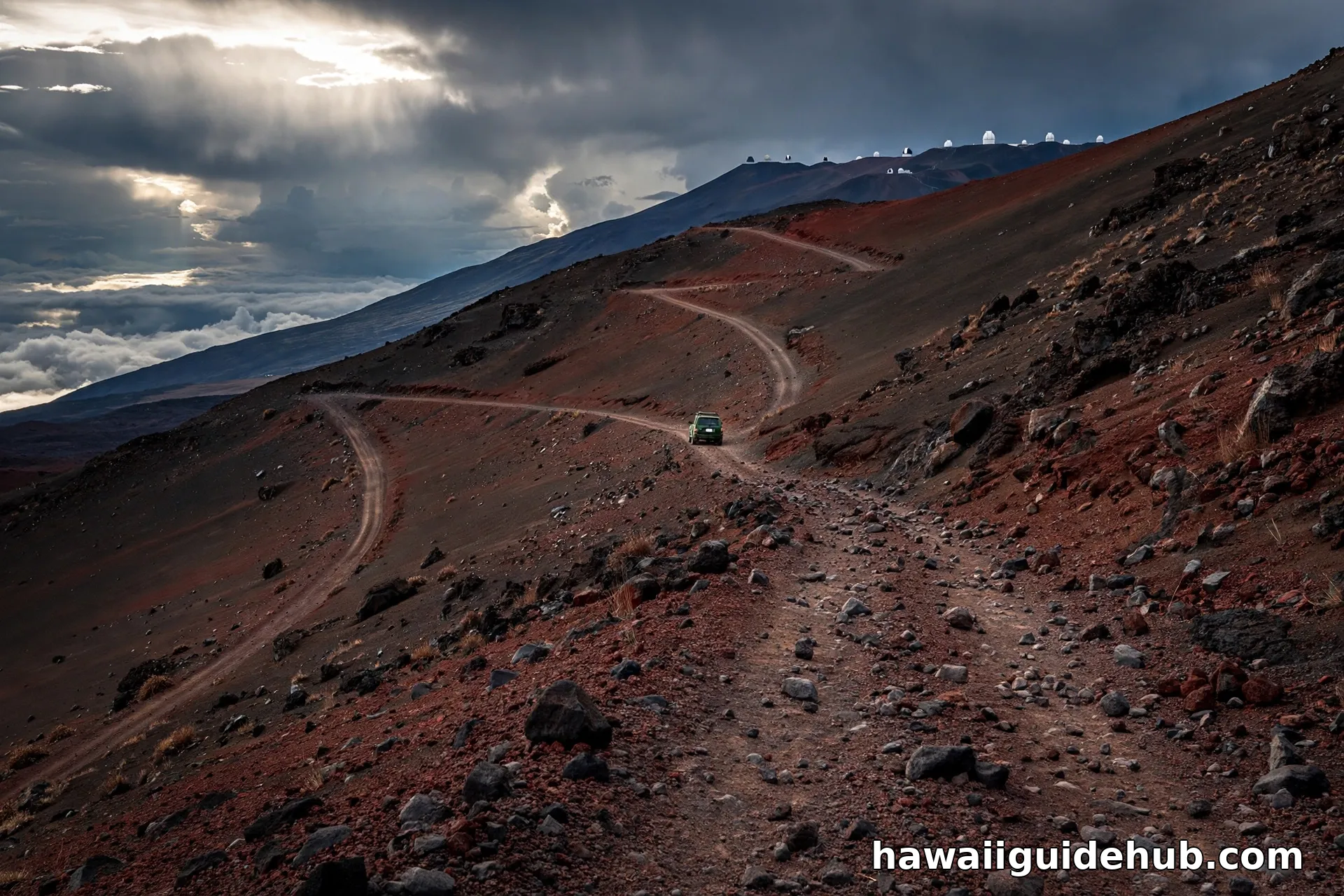
The road from the VIS to the summit is unpaved, steep, and rough, and a true 4WD vehicle is required above the station. This is not a suggestion: the grade and loose cinder punish two-wheel-drive cars, especially on the descent, where brakes overheat. Critically, many rental car companies explicitly prohibit their vehicles on the summit road, and violating the contract can void your coverage. Check your rental terms before you go. If you do not have a suitable vehicle, or you are not confident on rough mountain roads, book a guided summit tour instead: the operators handle the driving, the acclimatization pacing, and the cold-weather gear, and their guides watch guests for altitude symptoms.
What to Wear and Pack
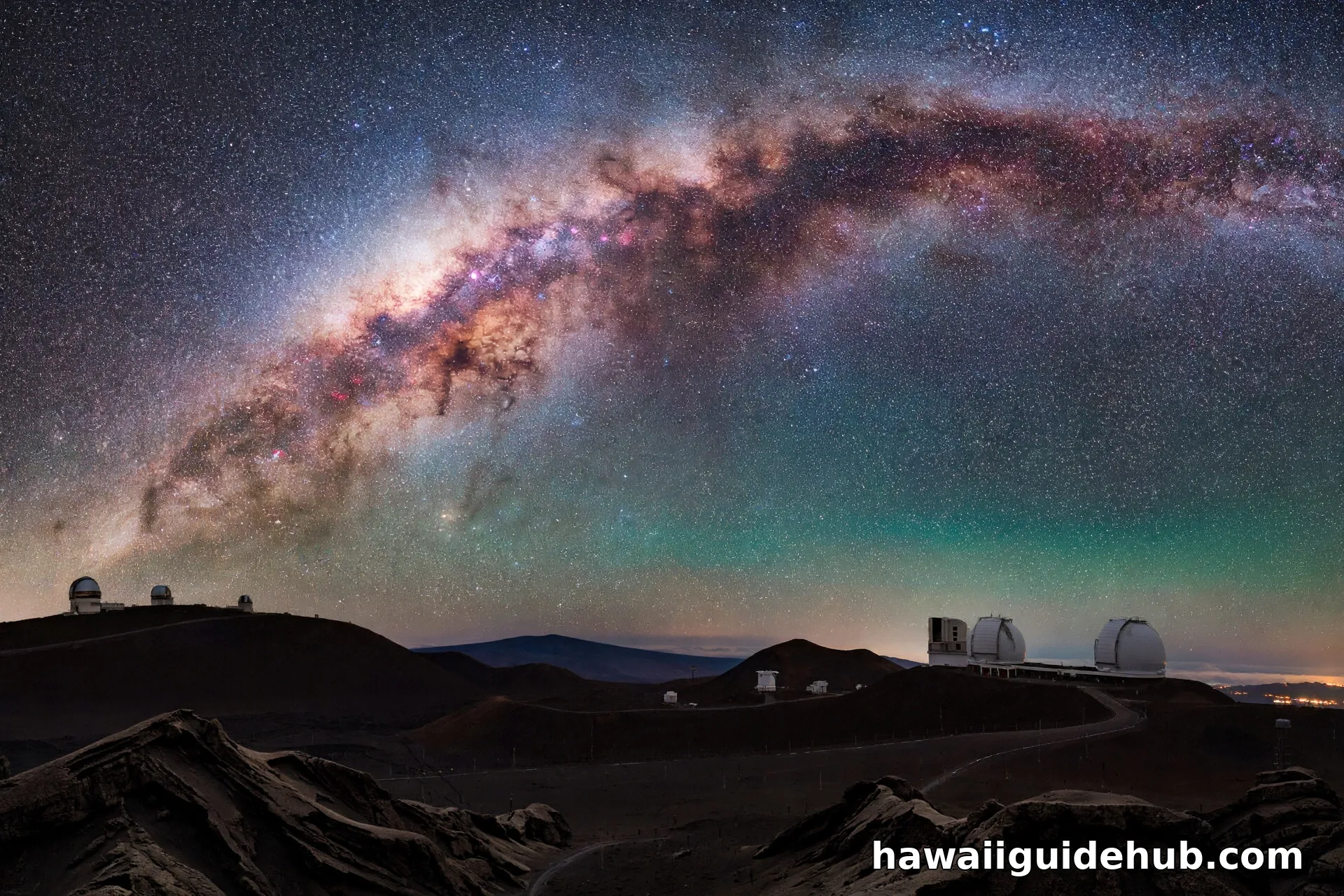
Pack for winter, not Hawaiʻi. Summit temperatures average around 30°F, and below-freezing wind chills happen year-round, even when it is 85 degrees at the beach. Bring warm layers, a windproof jacket, a hat, and gloves; jeans and a hoodie are not enough after sunset. The sun is brutally intense at altitude, so bring sunscreen, sunglasses, and a hat for the daytime. Carry more water than you think you need, plus snacks. Fill your gas tank before leaving the highway: there are no services on the mountain. And bring a flashlight or headlamp if you are staying for stargazing, since the summit area goes dark.
If You Feel Sick: What to Do
The treatment for altitude sickness is descent, and it works fast. If you develop a headache, nausea, or dizziness at the summit, get back in the car and drive down to the VIS; most people feel dramatically better within 30 minutes at the lower elevation. Do not try to push through it, do not take a nap at the summit hoping it passes, and do not let pride make the decision. If symptoms are severe, if someone is confused, vomiting, or struggling to breathe, descend immediately and call emergency services; remember that help can be two hours away. Tell your group how you feel early. Altitude impairs judgment, which is exactly why you should decide your turnaround rules before you go up.
Summit or VIS: Which Should You Choose?
Be honest about this choice, because the wrong one ruins evenings. Choose the summit if you have a proper 4WD, no disqualifying health conditions, and you felt fine during your VIS stop. Choose the VIS if you have any doubt at all: about your vehicle, your health, your kids, or the weather. The VIS sits at 9,200 feet, which is already higher than most mountains visitors have ever stood on, and its sunset views and free stargazing programs are genuinely world-class. There is no prize for the highest elevation, and a miserable, nauseous hour at the summit is worth less than a joyful evening at the station. The mountain will still be there next trip.
Respecting the Mountain
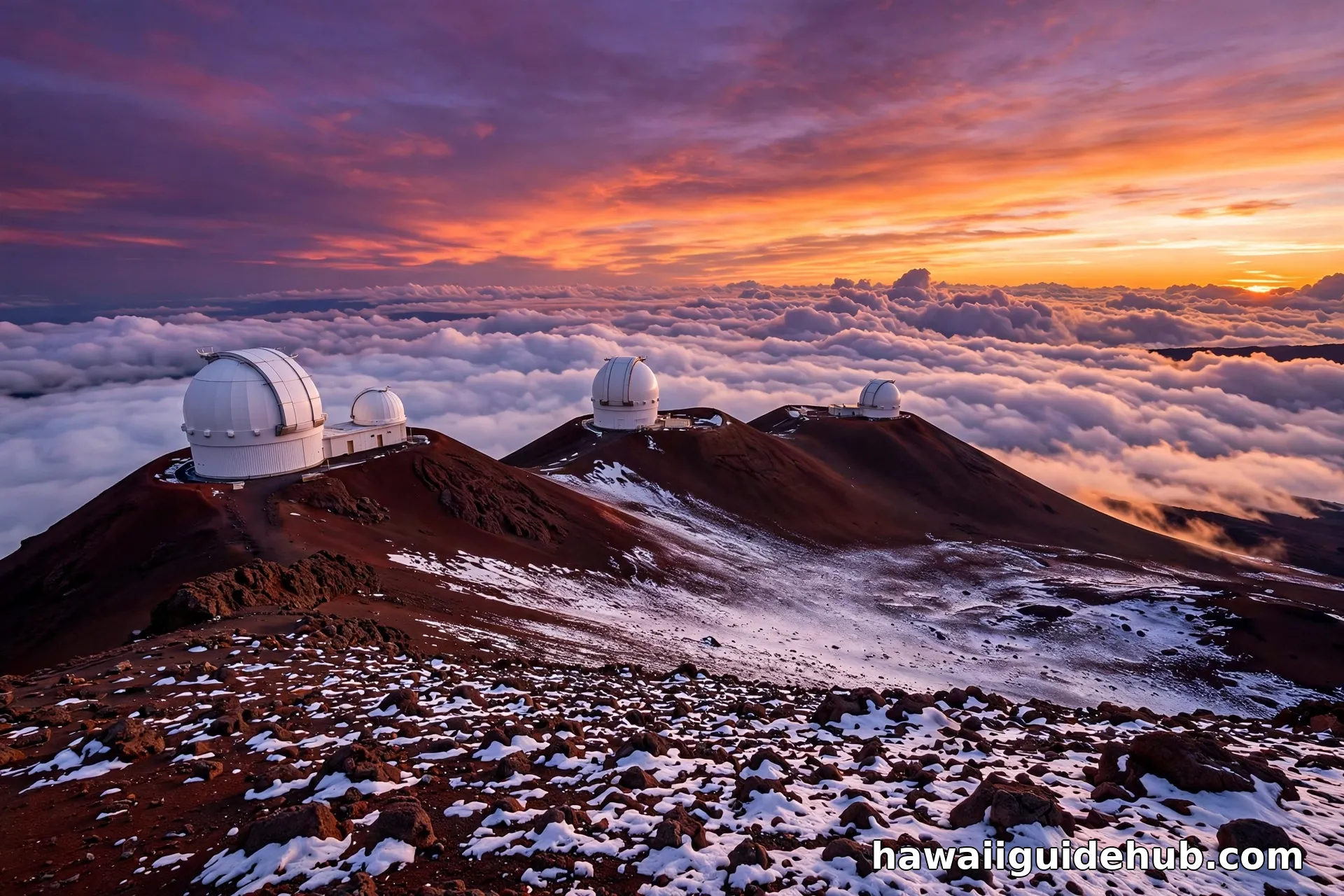
Mauna Kea is sacred to Native Hawaiians, the home of deities including Poliʻahu and a place of deep cultural significance. Treat it accordingly: stay on established roads and trails, do not move or stack rocks, do not disturb cultural sites, and keep noise down. Lake Waiau, one of the world’s highest lakes at 13,020 feet, is sacred: do not enter or disturb its waters. The summit’s observatories are active research facilities, not tourist attractions, and are not open to the public. Visiting respectfully is part of visiting safely; the mountain gives its best to those who approach it with humility. For more Big Island adventures at lower elevations, see our guides to Hawaiʻi Volcanoes National Park and the island’s best experiences.
Video: Driving to the Summit
A complete guide to driving the Mauna Kea summit road, covering vehicle readiness, altitude considerations, access rules, and safety tips.
Frequently Asked Questions
How common is altitude sickness on Mauna Kea?
Very common. A large share of visitors feel at least mild symptoms like headache or nausea, because almost everyone ascends from sea level in a couple of hours. Most cases are mild and resolve with rest and descent. Severe cases are rare but real, which is why the precautions matter.
How long should I acclimatize at the Visitor Information Station?
At least 30 minutes, per the University of Hawaiʻi’s guidance, and longer is better. Walk around gently, hydrate, and see how you feel before continuing to the summit. If you feel off at the VIS, do not ascend.
Can children go to the Mauna Kea summit?
Children under 13 should not travel above the Visitor Information Station; the guidance warns that prolonged high-altitude exposure may cause lasting harm to young bodies. The VIS itself, at 9,200 feet, is family-friendly and offers sunset views and stargazing.
Can I drive a rental car to the Mauna Kea summit?
Only if it is a true 4WD and your rental agreement allows it. The road above the VIS requires 4WD, and many rental companies explicitly prohibit the summit road. Violating the terms can void your coverage. When in doubt, book a guided tour.
What should I do if I get altitude sickness on Mauna Kea?
Descend immediately to the Visitor Information Station or lower. Most mild symptoms improve quickly at lower elevation. For severe symptoms like confusion, vomiting, or breathing difficulty, descend and seek emergency medical attention at once.
Is it cold at the Mauna Kea summit?
Yes. Summit temperatures average around 30°F, and wind chill can push it below freezing any month of the year. Dress in warm layers with a windproof jacket, hat, and gloves, even in summer.
Mauna Kea offers one of the great experiences in Hawaiʻi: sunset above the clouds, then the Milky Way rising over silent cinder cones. The altitude is the price of admission, and it is a price you pay with preparation, not suffering. Acclimatize at the VIS, hydrate, dress warm, know the symptoms, and descend at the first warning. Do that, and the mountain will give you a night you never forget. See our Kona guide for the rest of your Big Island trip.