What Not to Miss in Hilo, Hawaii

Hilo sits on the rainy, lush windward side of the Big Island, and what not to miss here is completely different from the Kona coast: waterfalls instead of beaches, rainforest instead of lava fields, and a volcano you can stand on the rim of. The essential Hilo experience is Rainbow Falls in the morning mist, Akaka Falls plunging 442 feet through the jungle, the gardens and bayfront of downtown, and Hawaii Volcanoes National Park. This is the single complete guide to what not to miss in Hilo, Hawaii.
This page covers the ten essential Hilo stops, how to prioritize them if you have only one day, what each costs, how long each takes, where to eat between stops, and FAQs. Everything worth your time in Hilo is here on this one page.
The Unmissable Five
If your time in Hilo is short, these five deliver the essence of the place. Everything else below is for a second day or a longer stay.
1. Hawaii Volcanoes National Park
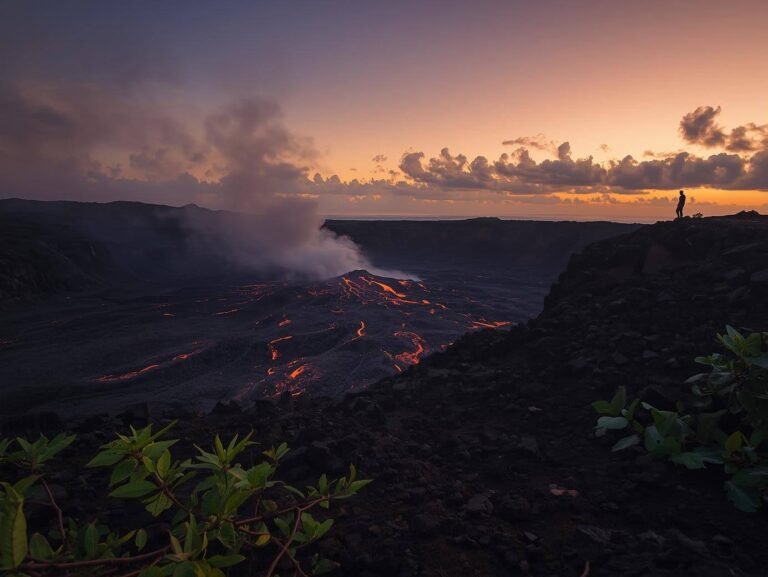
The single greatest attraction on the Big Island is 45 to 60 minutes south of Hilo. Hawaii Volcanoes National Park protects Kilauea, one of the most active volcanoes on Earth, and the experience of standing at the rim of a steaming caldera is unlike anything else in the United States. Entry is 30 dollars per private vehicle, valid for 7 days, per the National Park Service. Give it at least half a day: the crater overlooks, steam vents, and the Thurston Lava Tube walk are the core loop. If you have a full day, the Chain of Craters Road down to the sea is the park’s great drive. Check the park’s eruption status before you go, because an active lava lake changes everything. For the highlights, see the best five things to do in Hawaii Volcanoes National Park.
2. Rainbow Falls
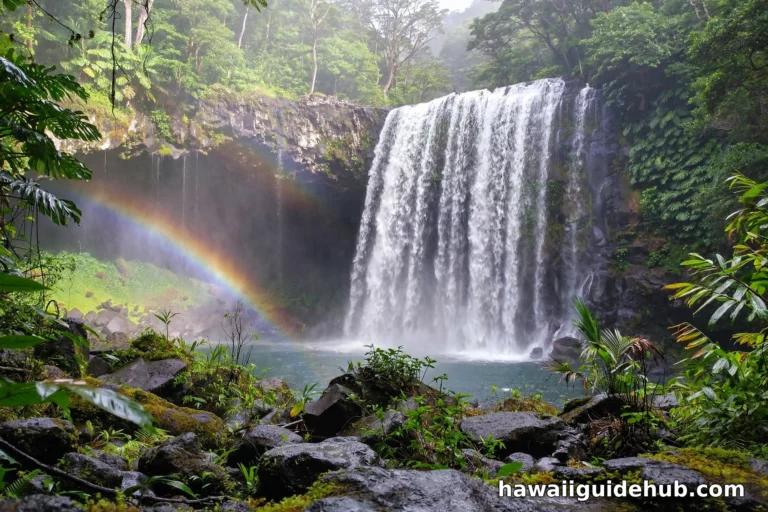
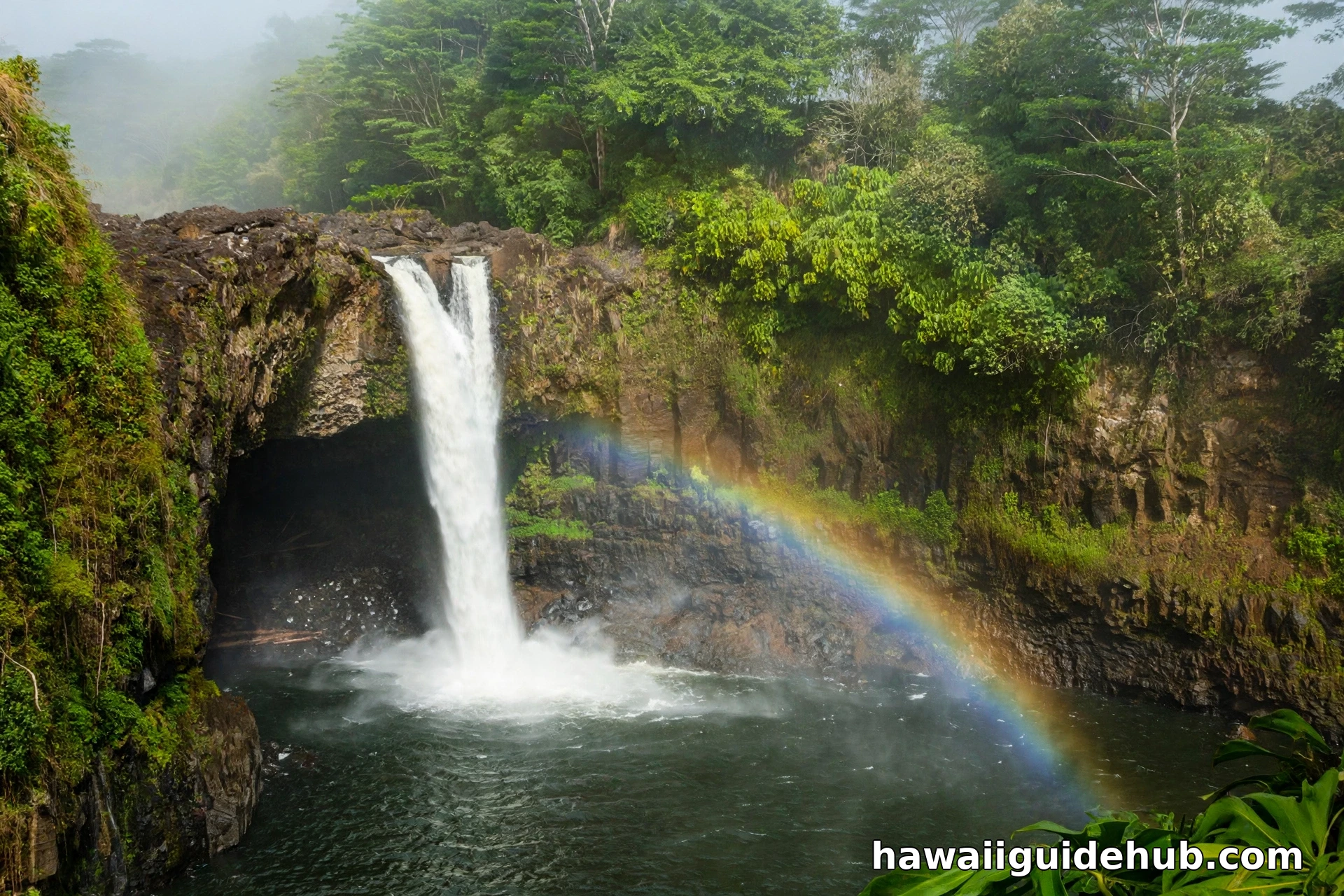
Five minutes from downtown, the Wailuku River drops 80 feet over a lava cave at Rainbow Falls, and on sunny mornings the mist throws rainbows across the gorge. Go before 10 AM for the best light. It is free, the walk from the parking lot is minutes, and the banyan trees around the falls are worth the visit alone. Combine it with the Boiling Pots upstream, where the river churns through a series of lava pools.
3. Akaka Falls State Park
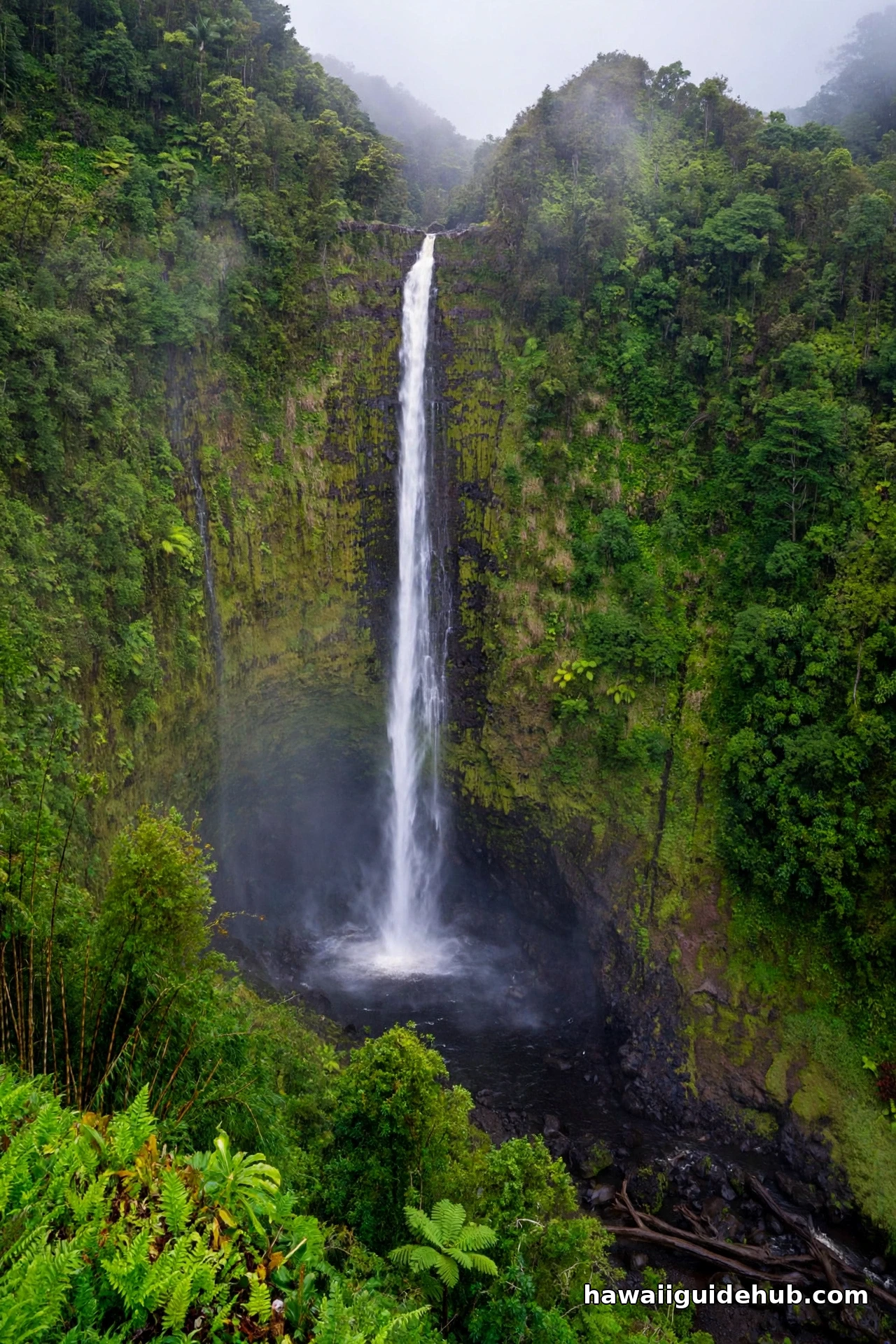
Eleven miles north of Hilo, Akaka Falls plunges 442 feet down a sheer cliff draped in jungle, one of the tallest and most photographed waterfalls in Hawaii. The paved loop trail takes 20 to 30 minutes through bamboo groves and wild orchids. Parking and entry fees apply for non residents, per Hawaii State Parks, so bring a card. Go early to beat the tour buses.
4. Liliuokalani Gardens and Coconut Island
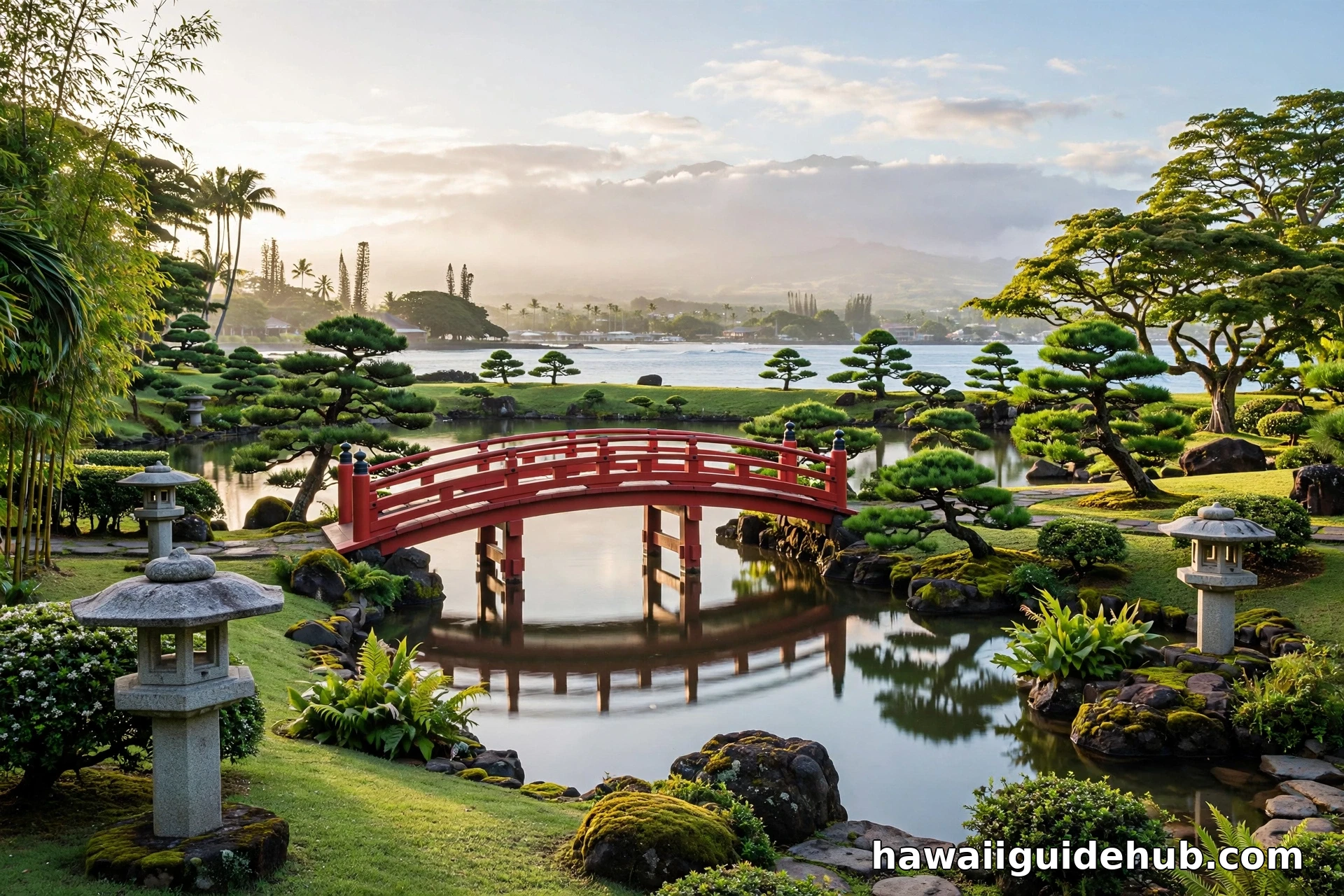
This 30 acre Japanese garden on Hilo Bay is the largest of its kind outside Japan, with arched bridges, stone lanterns, and views across the water to Mauna Kea. It is free, flat, and peaceful, a perfect slow hour between waterfall stops. Walk across the footbridge to Coconut Island, Moku Ola, for a swim spot locals love.
5. Hilo Farmers Market
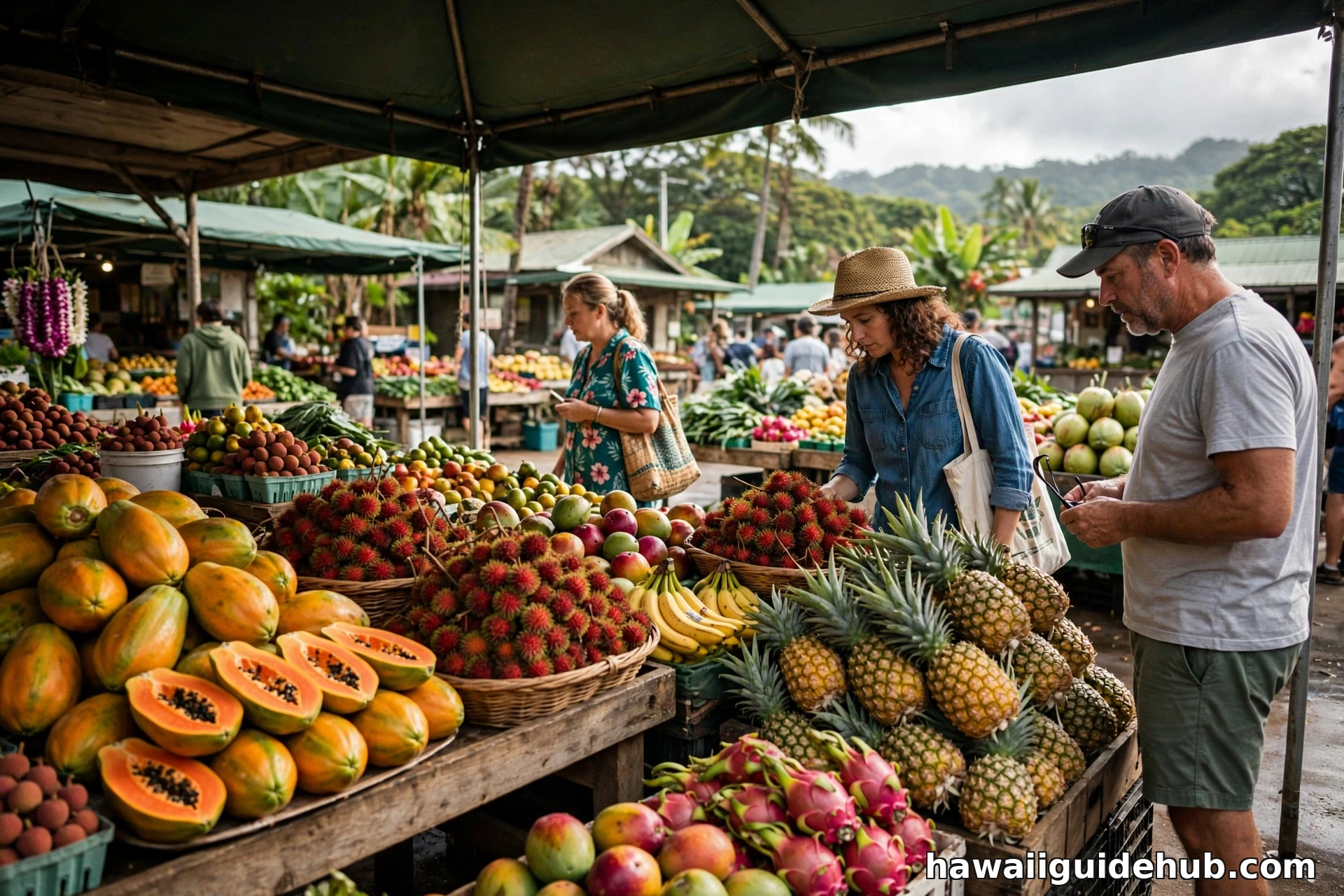
The downtown farmers market is Hilo’s living room: tropical fruit you cannot find on the mainland, fresh poke, orchids by the armful, and prepared food from every culture that settled the Hamakua coast. Wednesday and Saturday are the big market days. Go hungry, bring cash for the smaller stalls, and eat lunch here instead of a restaurant.
If You Have One Day in Hilo: How to Prioritize
Not every essential fits every traveler. Use this to build your day honestly.
| Stop | Time needed | Cost | Go if | Skip if |
| Hawaii Volcanoes National Park | Half to full day | $30 per vehicle, 7 days (per NPS) | You have never seen an active volcano | You only have a few hours in Hilo |
| Rainbow Falls | 30 to 45 minutes | Free | Everyone; it is 5 minutes from town | Almost never skip this one |
| Akaka Falls | 1 to 1.5 hours with drive | Parking plus per person fee for non residents (per Hawaii State Parks) | You love waterfalls and jungle walks | Mobility is limited or time is tight |
| Liliuokalani Gardens | 45 to 60 minutes | Free | You want a peaceful slow hour | You are waterfall chasing all day |
| Hilo Farmers Market | 45 minutes | Free entry | It is Wednesday or Saturday morning | You already ate; afternoons are thin |
| Richardson Ocean Park | 1 to 2 hours | Free | You want black sand and turtles | You need a classic swimming beach |
| Pacific Tsunami Museum | 1 hour | Modest admission (per the museum’s official site) | You want Hilo’s history and science | Kids under 8; some exhibits are intense |
| Imiloa Astronomy Center | 2 hours | Ticketed entry (per the center’s official site) | Space and Hawaiian navigation fascinate you | Clear night Mauna Kea stargazing is planned instead |
The classic one day formula: Rainbow Falls at 8 AM, Akaka Falls by 10, farmers market lunch at noon, Liliuokalani Gardens at 2, Richardson Ocean Park for the late afternoon. Volcanoes National Park needs its own day, or at minimum a dedicated half day with an early start.
More Worth Your Time
Richardson Ocean Park
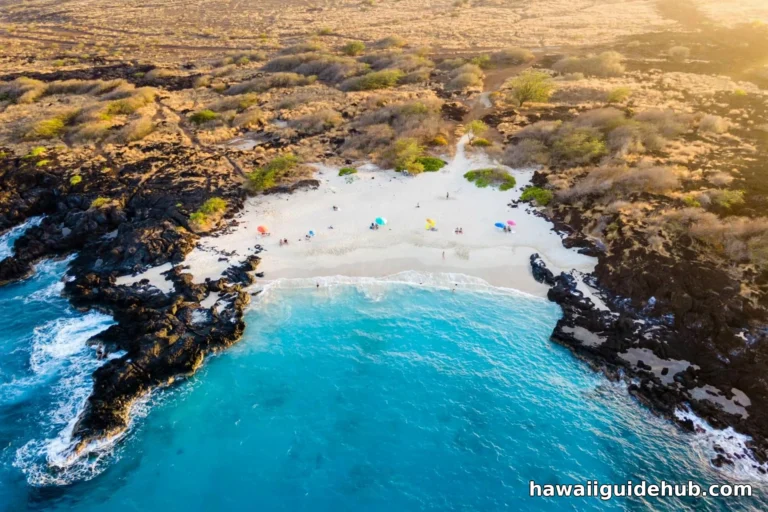
Hilo is not a beach town, but Richardson Ocean Park is the exception: a black sand beach 10 minutes from downtown where green sea turtles haul out and the snorkeling is decent on calm days. The black sand gets hot, so bring water shoes. It is the best swim spot on the Hilo side by a wide margin.
Pacific Tsunami Museum
Hilo has been hit by devastating tsunamis, most famously in 1946 and 1960, and this small downtown museum tells that story with survivor accounts and science exhibits. It is moving, well done, and gives you a completely different understanding of the bayfront you have been walking. Allow an hour.
Imiloa Astronomy Center
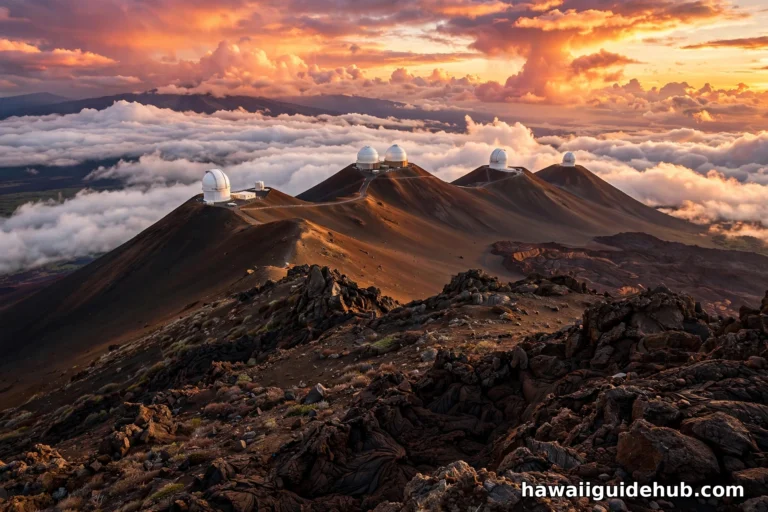
At the University of Hawaii at Hilo, the Imiloa Center connects Mauna Kea astronomy with Hawaiian navigation traditions under one of the world’s best planetariums. If the summit trip is not in your plans, this is the next best way to understand what Mauna Kea means. Check showtimes on the center’s official site.
Big Island Candies
A Hilo institution: watch shortbread cookies being dipped in chocolate through the factory windows, then buy the boxes everyone back home expects. Free to visit, dangerous for the wallet. It is on the way to nothing in particular, which is why you should plan it deliberately.
Kaumana Caves
A lava tube ten minutes uphill from downtown, free to enter, with a staircase descending into a dark tube you can explore with a flashlight. It is raw and undeveloped, which is the appeal and the warning: wear real shoes, bring a real light, and watch your head.
If you have an extra half day, drive the Hamakua Coast north of Hilo toward Honokaa. The old sugar coast road winds past sea cliffs, the Waipio Valley lookout, and tiny plantation towns, and it is one of the prettiest drives in Hawaii. Stop at the roadside fruit stands for apple bananas and white pineapple.
Where to Eat in Hilo
Hilo’s food scene is local, unpretentious, and excellent. Beyond the farmers market, the must tries are a loco moco plate lunch, fresh poke from a fish market, and shave ice. Pineapple’s Island Fresh Cuisine downtown is the nicest sit down meal in town, and the mom and pop plate lunch spots along Kamehameha Avenue feed you well for little money. For sweet things, Two Ladies Kitchen is famous for its strawberry mochi, and it sells out, so go early. Big Island Candies covers the souvenir box, and the Hilo Homemade Ice Cream shops handle dessert. Nothing in Hilo is fancy, and that is exactly the point.
Getting Around Hilo
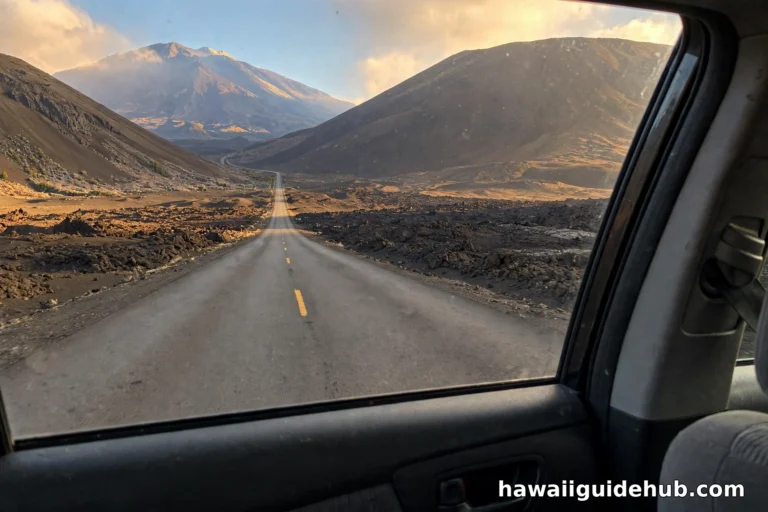
You need a rental car. Hilo’s essentials are spread out: Rainbow Falls is 5 minutes from downtown, Akaka Falls is 25 minutes north, Volcanoes National Park is an hour south, and the bus system will not get you to any of them efficiently. Book the car early if you are arriving by cruise ship, because port day demand empties the local fleets. Downtown Hilo itself is walkable, with the farmers market, museums, and bayfront all within a compact core. If you are driving between Hilo and Kona, the Saddle Road is the fastest cross island route at about 90 minutes, but check conditions: it climbs to 6,600 feet and weather can change fast.
Hilo Weather: Plan Around the Rain
Hilo is one of the rainiest cities in the United States, which is exactly why the waterfalls and gardens exist. Mornings are usually the driest and brightest; afternoons bring showers. Plan waterfall visits for the morning, keep a rain jacket in the car, and never let a forecast stop you. The rain is warm, brief, and part of the experience. The waterfalls are at their most powerful after rain, so a wet morning can be a gift.
For the broader island beyond Hilo, see the best things to do on the Big Island of Hawaii and the best things to do in Kona for the dry side contrast.
Hilo for Cruise Passengers
Hilo is a major cruise port, and most passengers get 8 to 10 hours ashore. The realistic one day formula from the port: Rainbow Falls first thing, then choose one big commitment. Volcanoes National Park is the classic ship excursion but eats 5 to 6 hours round trip; Akaka Falls plus the gardens and farmers market is the relaxed alternative that still feels complete. If you book a ship excursion, the volcano day trips are the best value because the logistics are handled. If you go independent, rent the car the night before online and be off the ship at first clearance.
Video: The Best of Hilo in One Day
Eight can’t miss Hilo destinations covered in a single day, from Akaka Falls to Liliuokalani Gardens.
Frequently Asked Questions
What is Hilo Hawaii known for?
Waterfalls, rainforest, the Hilo Farmers Market, and its proximity to Hawaii Volcanoes National Park. It is the lush, rainy counterpart to sunny Kona.
How many days do you need in Hilo?
Two full days is ideal: one for the town, waterfalls, and gardens, one for Hawaii Volcanoes National Park. You can cover the highlights in one packed day if needed.
Is Hilo worth visiting vs Kona?
Yes, for a completely different side of the island. Kona has the beaches and resorts; Hilo has the waterfalls, volcano, and local culture. Most visitors split their stay or day trip between the two.
Can you see lava at Hawaii Volcanoes National Park?
Sometimes. Kilauea erupts episodically, and when the summit lava lake is active it is visible from overlooks, best at night. Check the park’s official eruption status before visiting.
Is Rainbow Falls free?
Yes. Rainbow Falls at Wailuku River State Park has no entry or parking fee. Go in the morning for the rainbow in the mist.
How far is Akaka Falls from Hilo?
About 11 miles north, roughly a 25 minute drive along the Hamakua Coast. Non residents pay parking and per person entry fees per Hawaii State Parks.
What is the best free thing to do in Hilo?
Rainbow Falls. It is free, five minutes from downtown, and at its best on sunny mornings when the mist makes rainbows. Liliuokalani Gardens is the runner up.
Hilo rewards the traveler who looks past the beaches. Nowhere else in Hawaii packs this much into a small radius: an 80 foot waterfall five minutes from downtown, a 442 foot waterfall half an hour north, an active volcano an hour south, and a farmers market that might be the best lunch on the island. Do the morning waterfalls, eat at the market, walk the gardens, and you will understand why the rainy side has the fiercest local pride in Hawaii.