Free Things to Do in Hawaii: The Best Experiences That Cost Nothing

Hawaii has a reputation for emptying wallets, and it is not entirely undeserved: resorts, tours, and luaus add up fast. But the islands’ greatest treasures were never for sale. The beaches are public by law, the trails are free, the waterfalls do not charge admission, and the sunsets belong to everyone. Some of the best days you will ever have in Hawaii will cost exactly nothing, and this guide proves it.
This is the single complete guide to free things to do in Hawaii. It covers the free-versus-paid verdicts, the best free beaches, hikes, waterfalls, cultural experiences, scenic drives, stargazing, and wildlife watching across the islands, plus the honest costs that “free” still carries. If you have been searching for anything about doing Hawaii on a budget, the answers are all here on this one page.
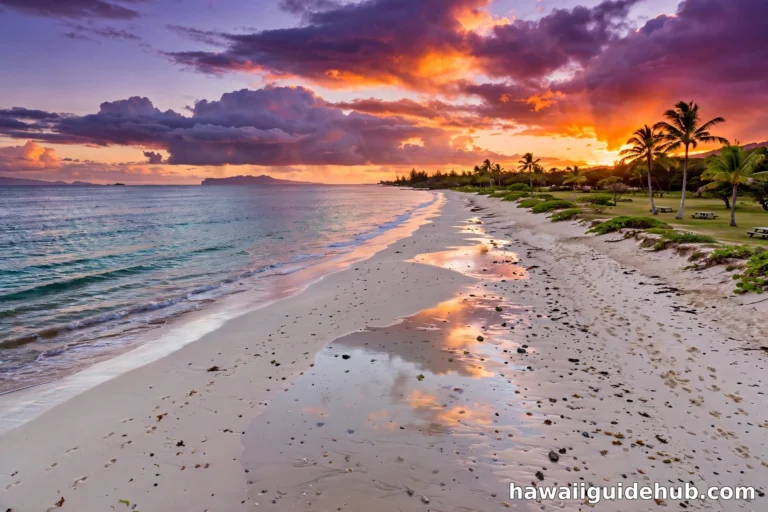
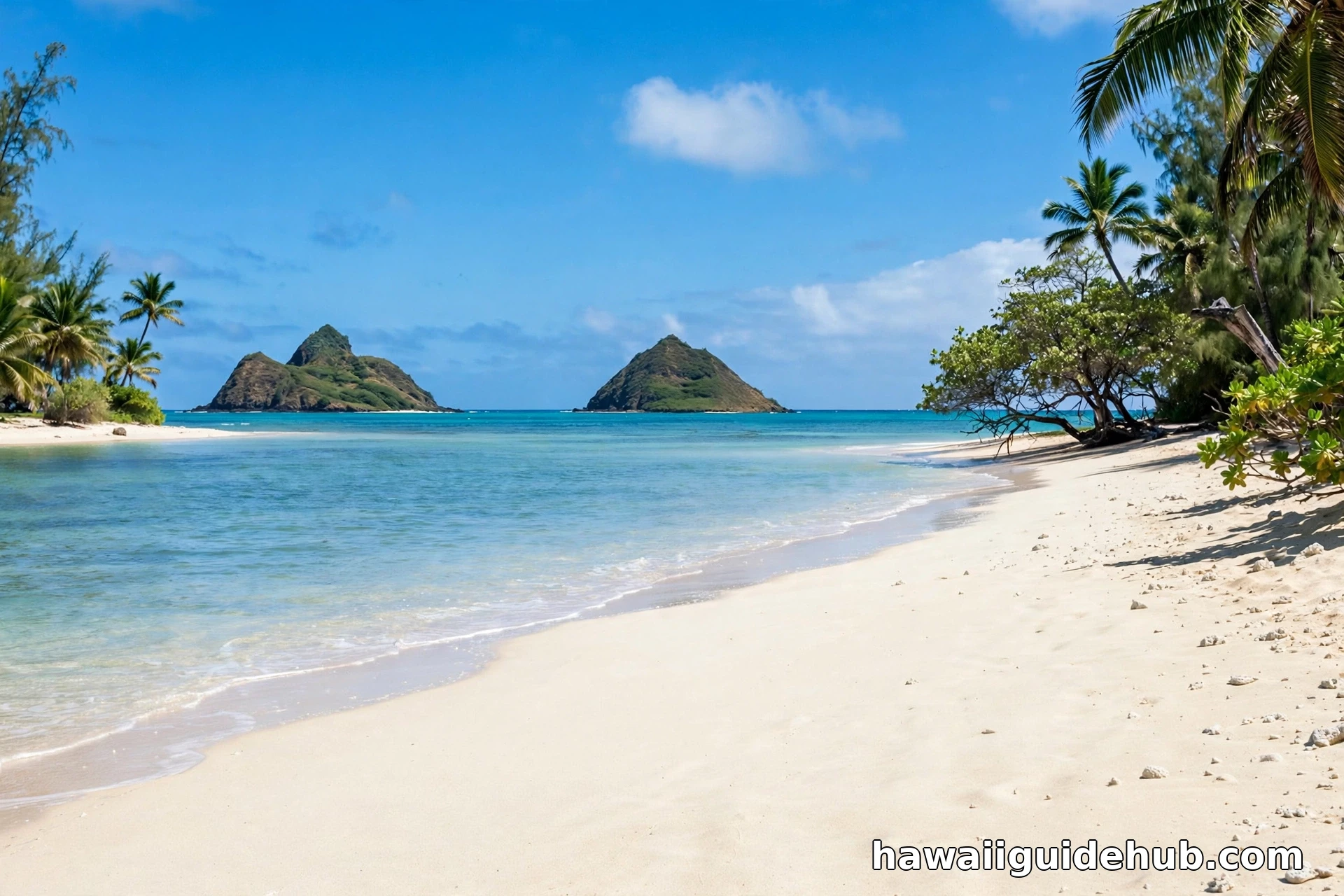
Lanikai at midday, empty and perfect: powder sand, turquoise water, the Mokulua islets standing offshore like a postcard that forgot to charge admission. This beach regularly tops “world’s best” lists, and it costs nothing. Arrive early for parking, bring everything you need, leave nothing behind. The free beach is a privilege; treat it like one.
The Free Day: A Sample Itinerary
Here is what a perfect $0 day looks like. Sunrise at a east-facing beach, Lanikai, Hapuna, or Poipu, with coffee from the condo. Mid-morning hike: Makapuʻu, Manoa Falls, or the Kapalua Coastal Trail. Picnic lunch from a grocery deli at a beach park. Afternoon shore snorkeling at the calmest nearby cove. Sunset at the island’s best west-facing viewpoint. Stargazing from the beach after dark. Total cost: gas, parking, and the groceries you would have bought anyway. Total memories: disproportionate.
Free Stargazing: Hawaii’s Dark Skies
Hawaii’s night skies are among the darkest accessible in America. The summit of Mauna Kea is the famous spot, and the visitor station area is free to access, but you do not need 13,000 feet: any beach away from town lights on a moonless night delivers the Milky Way in full glory. Kaʻena Point, the Kona coast’s dark stretches, and Haleakalā’s summit all work. Bring a blanket, a star app, and patience: your eyes need 20 minutes to fully adapt. The universe’s greatest show, no ticket required.
Free Waterfalls Worth the Drive
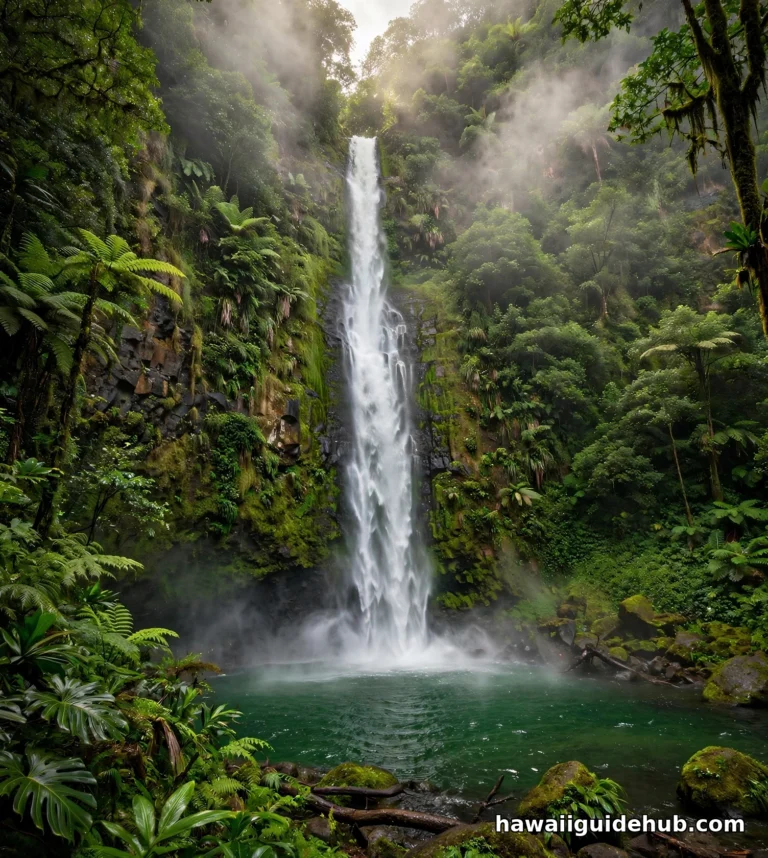
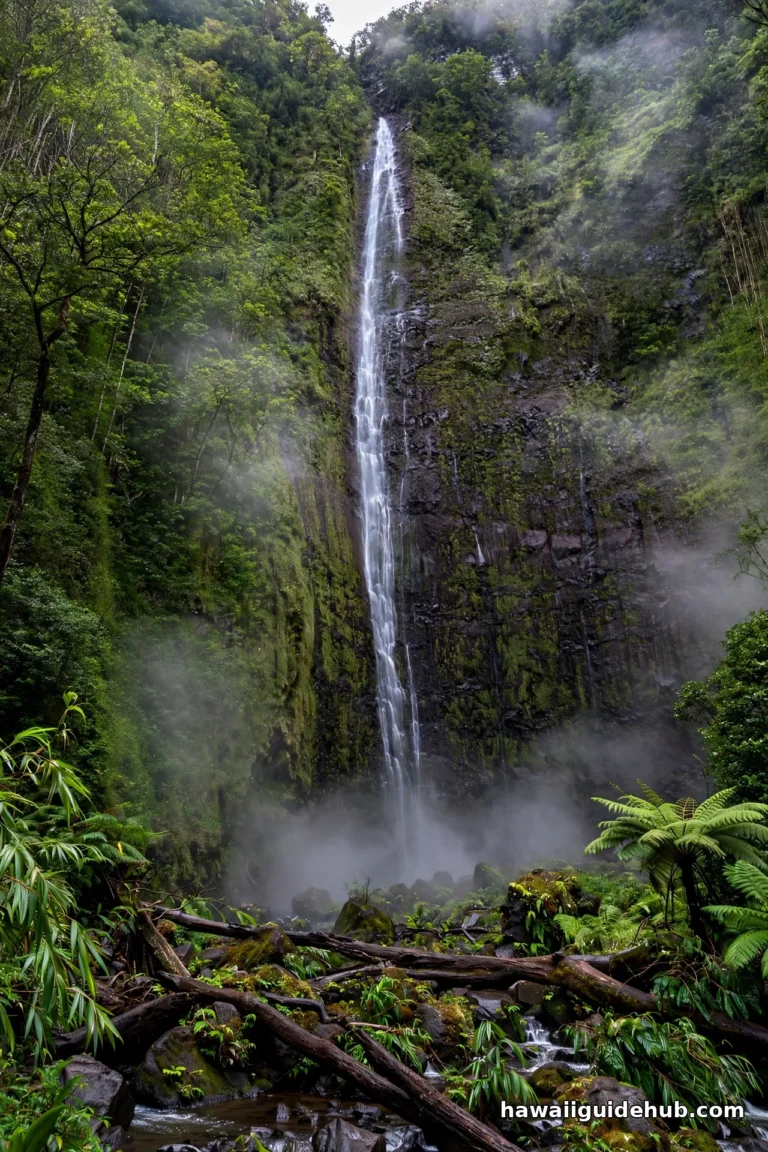
The waterfall circuit is free. Manoa Falls’ 150-foot cascade through bamboo forest, the roadside Wailua Falls on Kauaʻi, the Puaʻa Kaʻa and roadside falls along the Road to Hana, and Rainbow Falls in Hilo all charge nothing. Akaka Falls State Park has a small parking fee but the falls themselves are the free show. Go after rain for full flow, go early for empty overlooks, and never swim above or below waterfalls: the beauty hides real danger in currents and falling rocks.
Scenic Drives: The Free Road Trip
The drives are destinations. The Road to Hana’s 64 miles of waterfalls and coastline, the Kōkeʻe/Waimea Canyon drive’s “Grand Canyon of the Pacific,” the Chain of Craters Road’s lava fields meeting the sea, the Hamakua Coast’s waterfall-dotted cliffs, and Oʻahu’s windward coastal highway all cost exactly the gas. Pack the car with snacks and swim gear, leave early, stop often. The road trip is Hawaii’s original tour, and it has never charged admission.
When Free Isn’t Enough: Worth Paying For
Honesty requires the exceptions. A full luau, with the feast, the fire dancing, and the storytelling, is worth paying for once: the free hula shows are appetizers, not the meal. Molokini or a Nā Pali boat trip accesses places no shore can reach. A guided cultural tour with a Native Hawaiian guide offers depth no signboard provides. The smart budget is not zero spending; it is spending on the three or four experiences that free cannot replicate, and letting the islands’ generosity cover the rest.
Free for Families
Kids are the ultimate free-activity enthusiasts. Tide pooling at Shark’s Cove or the Kona coast, turtle spotting at Hoʻokipa, the free hula shows’ color and music, beach days with grocery-store sand toys, and the junior-ranger-style wonder of the volcano overlooks all entertain without a ticket. The children’s discovery: Hawaii’s free things are not the consolation prizes; they are the main event, and kids know it instinctively.
Free vs. Paid: Where Free Wins
The expert question is not “what is free” but “where does free beat paid.” The table below gives the verdicts.
| Free option | Paid equivalent | What you give up | Verdict |
| Shore snorkeling | $150+ boat snorkel tour | Access to offshore reefs; gear rental ~$20 | Free wins for beginners |
| Self-guided waterfall hikes | $200+ guided waterfall tour | Local stories; transport | Free wins if you research |
| Sunset at the beach | $100+ sunset sail | Drinks; being on the water | Free wins, honestly |
| Free hula shows | $150+ commercial luau | Dinner; fire dancing scale | Paid wins for the full night |
| Stargazing on your own | $75+ astronomy tour | Telescopes; expert narration | Free wins on clear nights |
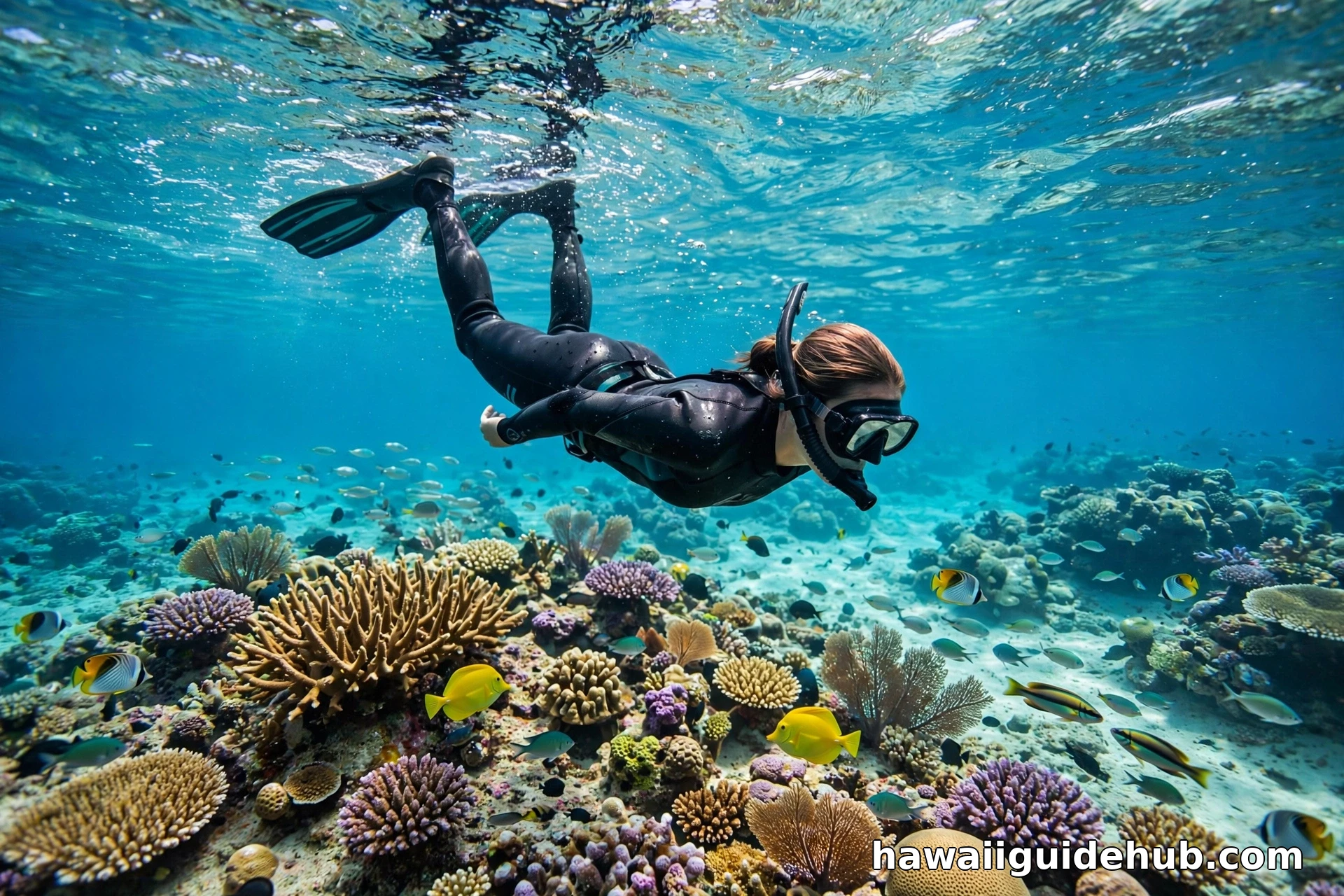
This is the $150 tour, for free: a snorkeler drifting over a coral garden alive with yellow tangs, butterflyfish, and coral heads in every color. Shore snorkeling at the right cove on the right morning is indistinguishable from the boat experience, minus the narration and the fruit platter. Rent the gear, check the conditions, swim with a buddy, and keep your distance from the reef. The ocean does not check your ticket.
The Best Free Beaches
Every beach in Hawaii is public, and the best ones are free. Lanikai’s powder sand and offshore islets, Waikiki’s golden stretch, Hapuna’s vast white expanse, and Poipu’s turtle-dotted shore all cost nothing but the drive. Snorkeling from shore at Hanauma Bay’s neighboring coves, Shark’s Cove in summer, or Kapalua Bay puts you over reefs that rival the boat tours. The beach is the original free attraction, and Hawaii’s are the world’s best argument for it.
The hiker on the cliff trail has paid nothing for this: golden light on sea cliffs, the Pacific stretching to the horizon, the whole wild coast to himself. This is the free Hawaii at its finest, the moment that no tour can sell because it cannot be scheduled. It happens to the traveler who laced up the shoes, brought the water, and walked out to meet it.
Free Hikes With Million-Dollar Views
The trailheads do not charge. The Makapuʻu Lighthouse Trail’s paved path to whale-season vistas, the Manoa Falls rainforest walk, the Koko Crater stairs’ brutal reward, Diamond Head’s crater panorama (small reservation fee aside), the Kapalua Coastal Trail’s lava and sea cliffs, and the Waimea Canyon overlooks all deliver views that tour companies sell for hundreds. Bring water, start early, respect closures, and the islands’ grandeur is yours for the walking.
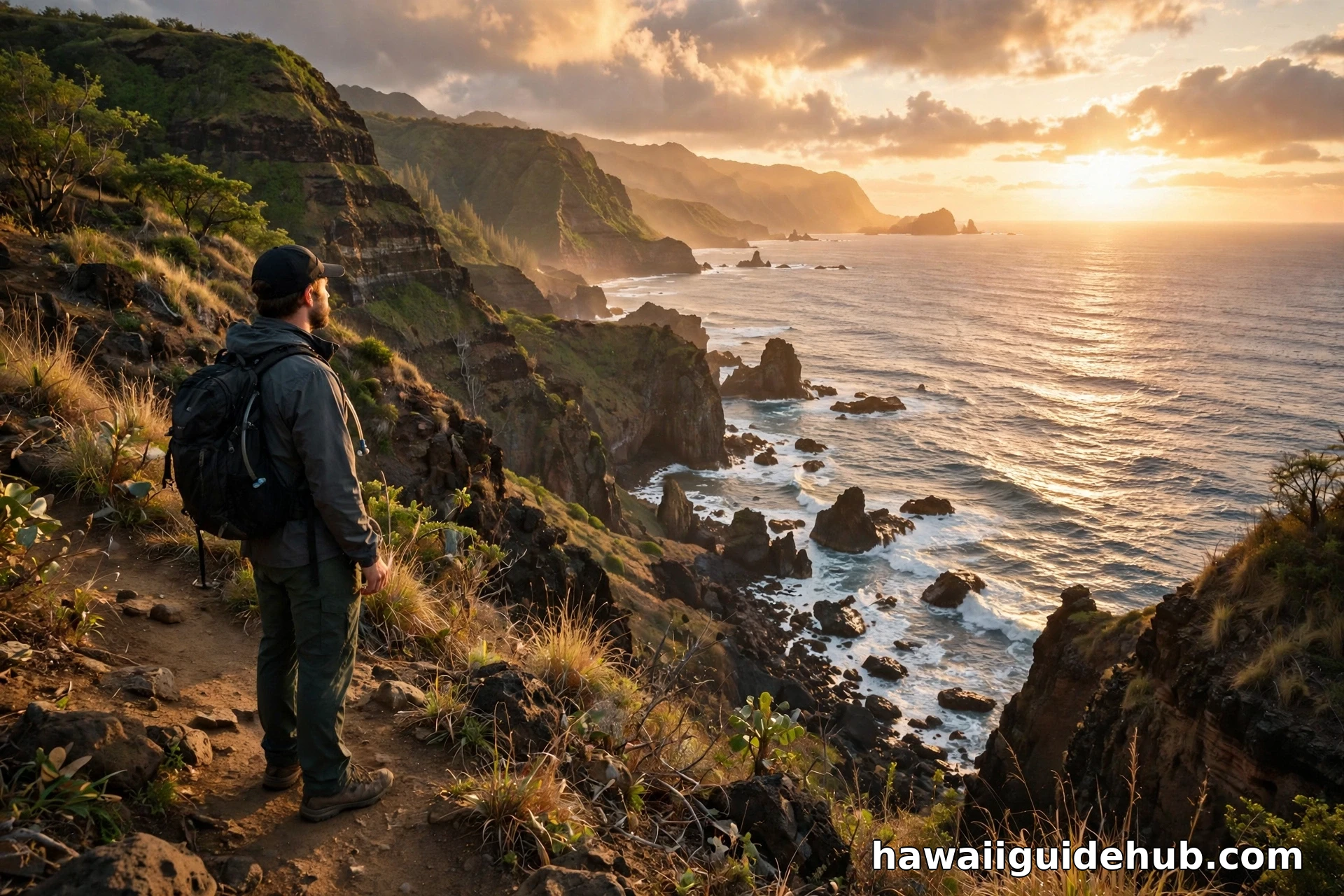
The deeper truth about free Hawaii is philosophical. The islands’ greatest experiences are not products; they are encounters: with the ocean, the forest, the light, the culture. Encounters cannot be sold, only had. The traveler who structures the trip around encounters rather than purchases comes home richer in the ways that matter, with a camera full of sunsets that cost nothing and a memory full of moments no concierge could arrange. The paid experiences have their place, but they are the garnish. The free islands are the meal.
Free Culture: Hula, History, and Ceremony
Culture in Hawaii is often free because it is living, not packaged. Free hula shows run weekly at shopping centers across the islands: the Shops at Wailea, Lahaina Cannery Mall, Queens’ Marketplace in Waikoloa. The cliff-dive ceremony at Black Rock in Kāʻanapali happens nightly at sunset. Historic sites like the Nuʻuanu Pali Lookout, the King Kamehameha statues, and countless heiau charge nothing. Farmers markets are free to browse and the samples are generous. The islands share their culture freely; accept the invitation.
Practical tip for the budget traveler: the grocery store is your best friend. A condo or hotel room with a kitchenette converts the food budget from restaurant prices to grocery prices, and Hawaii’s grocery stores, from Foodland to the farmers markets, are attractions in themselves: poke by the pound, tropical fruit you have never seen, bakery goods still warm. The picnic is the great equalizer: a $15 grocery spread at a beach park with a million-dollar view beats a $60 restaurant meal with a parking-lot view, and it is not close.
Free Wildlife Watching
Hawaii’s wildlife spectacles are all free. Winter whale watching from shore at Makapuʻu, the Wailea beach path, or Kauaʻi’s south shore rivals the boat tours when the humpbacks are close. Sea turtles haul out at Hoʻokipa, Poipu, and Punaluʻu; watch from the posted distance. Monk seals nap on the sand at Kaʻena Point and Poipu; give them 150 feet. Sunrise and sunset bring the spinner dolphins close to shore on the west sides. None of it costs a cent; all of it requires patience and respect.
One more free treasure: the public libraries. Hawaii’s state library system has branches on every island, and they are cool, quiet, air-conditioned sanctuaries with local history sections, free wifi, and often the best-curated Hawaii book collections you will find. On a scorching afternoon or a rainy one, an hour in the library with a book about the islands you are standing on is time magnificently spent. Free, civilized, and completely overlooked by the tour buses.
The Honest Costs of “Free”
Free is never entirely free. Parking at popular trailheads and beaches runs $5 to $25. Snorkel gear rental is $15 to $25 a day. Gas for the scenic drives adds up. Some “free” attractions have reservation fees: Diamond Head and Hanauma Bay charge small per-person fees, and parking reservations are required at popular spots. Budget $30 to $50 a day for the infrastructure around the free activities, and the free day stays genuinely cheap.
For more trip planning, the guide to Hawaiian cultural traditions adds the cultural layer, while responsible travel practices and the guide to Hawaii’s natural environments help you travel well.
Watch: 7 Free Things to Do in Oahu
Frequently Asked Questions
What is free to do in Hawaii?
Beaches, most hikes, waterfalls, scenic drives, free hula shows, wildlife watching, sunsets, stargazing, and farmers markets are all free.
Are Hawaii beaches free?
Yes. All beaches in Hawaii are public by law. You may pay for parking, but access to the sand and water is free.
Can you do Hawaii on a budget?
Yes. The best experiences, beaches, hikes, waterfalls, wildlife, are free. Budget $30 to $50 a day for parking, gear rental, and gas around them.
Are there free luaus in Hawaii?
Not full luaus, but free hula shows run weekly at shopping centers across the islands, offering authentic dance without the dinner-show price.
What is the best free activity in Hawaii?
Shore snorkeling and sunset watching tie for first: both rival their expensive paid equivalents and cost nothing.
Hawaii’s finest experiences were never behind a paywall. The islands give away their beaches, their trails, their waterfalls, their wildlife, and their sunsets with open hands; the only admission is showing up with respect and curiosity. Spend your money on the flight, the lodging, and the poke. Let the islands themselves be the free gift they have always been, to everyone willing to walk out and meet them. The budget traveler who understands this does not have a cheaper Hawaii; they have a deeper one, and the depth is free. So pack the reef-safe sunscreen, fill the cooler, gas up the car, and go collect the islands’ finest experiences at exactly zero dollars apiece. The best things in Hawaii are free, and now you know where to find every one of them, from the first sunrise on the sand to the last stars over the summit. Go well, spend little, and remember what the islands taught you: the finest things were never for sale, only waiting for someone curious enough to walk out, look around, and claim them as their own, free forever, for everyone, exactly as the islands always intended, from the first sunrise onward.