Hanakāpīʻai Falls: Kauai’s Nā Pali Coast Waterfall Hike Guide

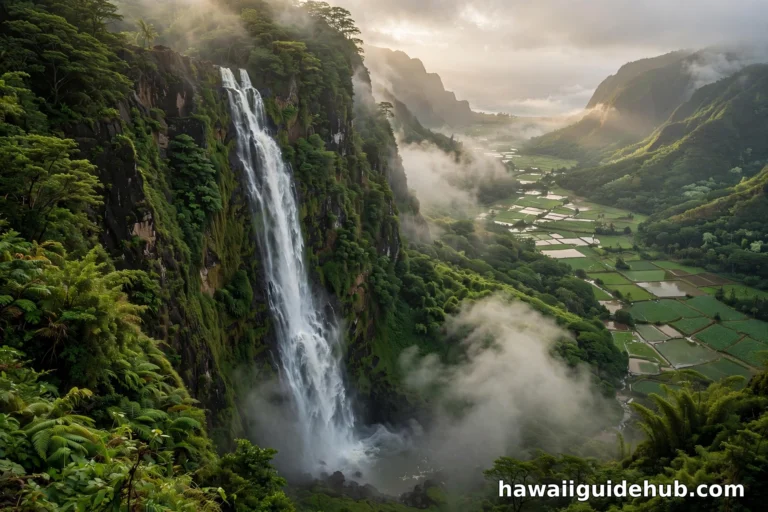
Hanakāpīʻai Falls drops 300 feet down a moss-covered cliff deep inside a Kauai valley, and the only way to see it is on foot. There is no road, no viewpoint pullout, no shortcut. You earn every glimpse of this waterfall with eight miles of trail, and that effort is exactly what makes it one of the most talked-about hikes in all of Hawaii.
This is the single complete guide to Hanakāpīʻai Falls. It covers the full trail, the reservations you must make before you go, the stream crossings that give this hike its dangerous reputation, the best time to attempt it, and what to pack. If you have been searching for anything about hanakapiai falls, the answers are all here on this one page.
Hanakapiai Falls at a Glance
| Detail | The fact | What it demands |
|---|---|---|
| Falls height | About 300 feet | The payoff for the effort |
| Hike distance | 8 miles round trip (4 miles each way) | A full-day commitment |
| Difficulty | Strenuous, muddy, rocky | Proper footwear; expect mud |
| Typical time | 6 to 8 hours round trip | Start early from Kēʻē Beach |
| Trailhead | Hāʻena State Park at Kēʻē Beach | Arrive with your reservation confirmation |
| Reservation | Required for park entry, booked in advance | Book before you fly to Kauaʻi |
| Permit needed | Not beyond the park reservation for the falls day hike | The reservation covers the hike; no separate permit |
| Best season | Late spring through early fall for drier trails | Drier is relative; the trail is often muddy |
| Cost | Park entry reservation fee for nonresidents | The only fee is the park reservation |
| Location | Hanakāpīʻai Valley, Nā Pali Coast, Kauai | On the Nā Pali Coast |
Where Hanakapiai Falls Is
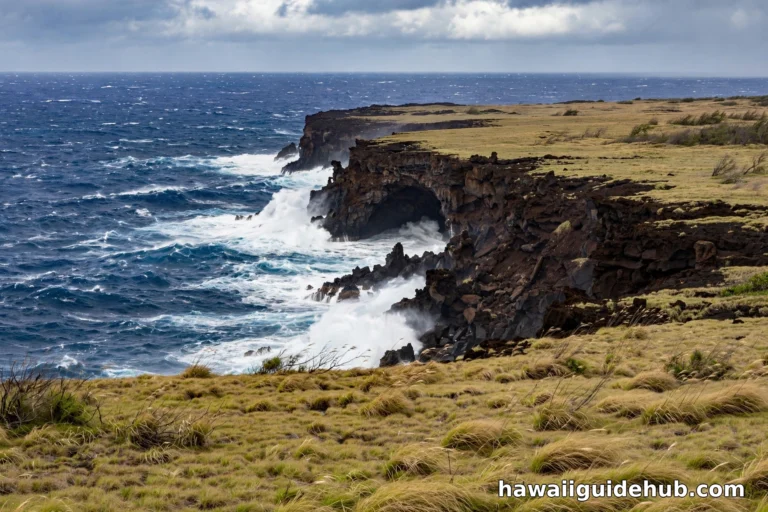
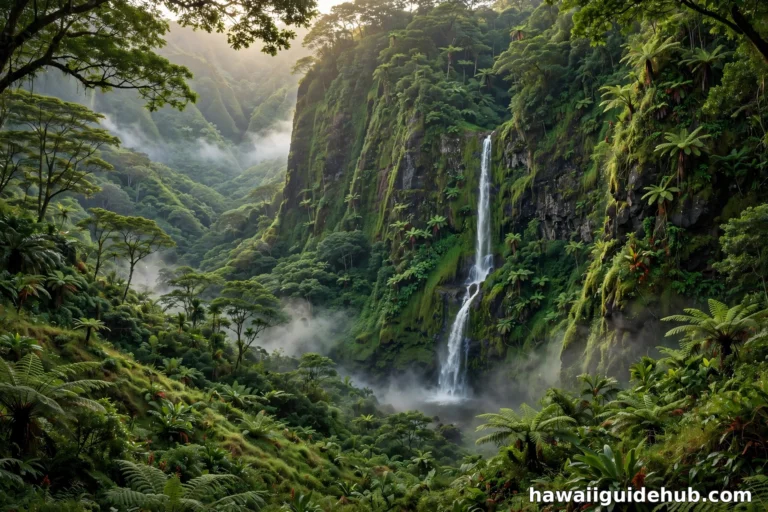
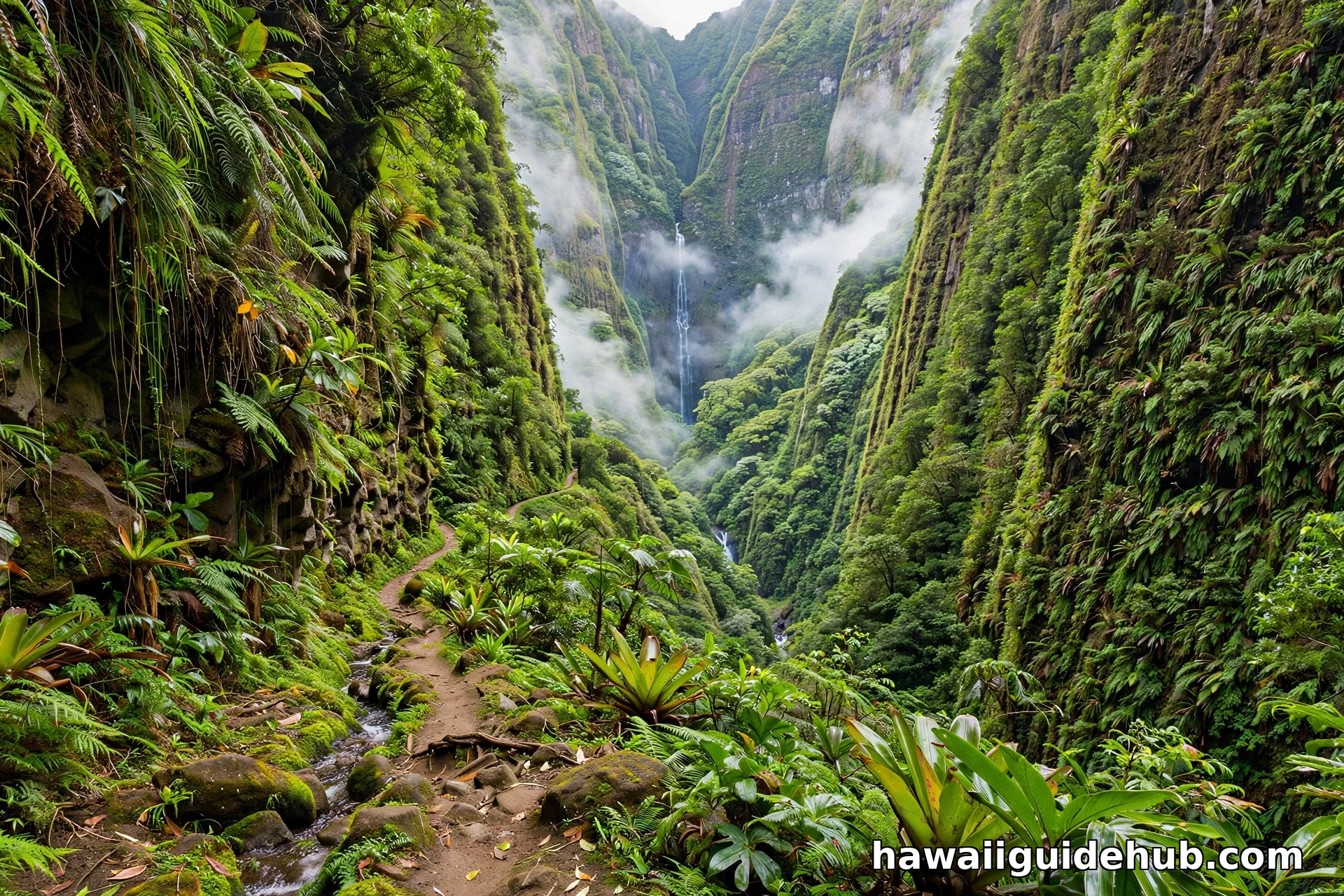
Hanakāpīʻai Falls sits at the head of Hanakāpīʻai Valley on Kauai’s Nā Pali Coast, one of the most dramatic stretches of coastline in the United States. The Nā Pali Coast is a line of fluted green sea cliffs that drop straight into the Pacific, and Hanakāpīʻai is one of the valleys carved between them. The falls are fed by Hanakāpīʻai Stream, which tumbles out of the island’s wet interior mountains and pours over a near-vertical cliff into a clear emerald pool.
Getting there means walking the first two miles of the famous Kalalau Trail along the coast, then turning inland and following the stream for two more miles. The trailhead is at Hāʻena State Park, right at Kēʻē Beach on Kauai’s north shore, where the island’s main highway ends. From here the Kalalau Trail runs 11 miles to Kalalau Valley, but the falls hike turns off at the two-mile mark and heads up the valley instead.
The Trail: Eight Miles to the Falls and Back
The Hanakāpīʻai Falls hike breaks neatly into two halves, and each half feels like a completely different trail. The coastal half is all ocean views and cliff edges. The inland half is all jungle, boulders, and stream crossings. Knowing what each section demands is the difference between a great day and a miserable one.
Miles One and Two: The Kalalau Trail Coastline
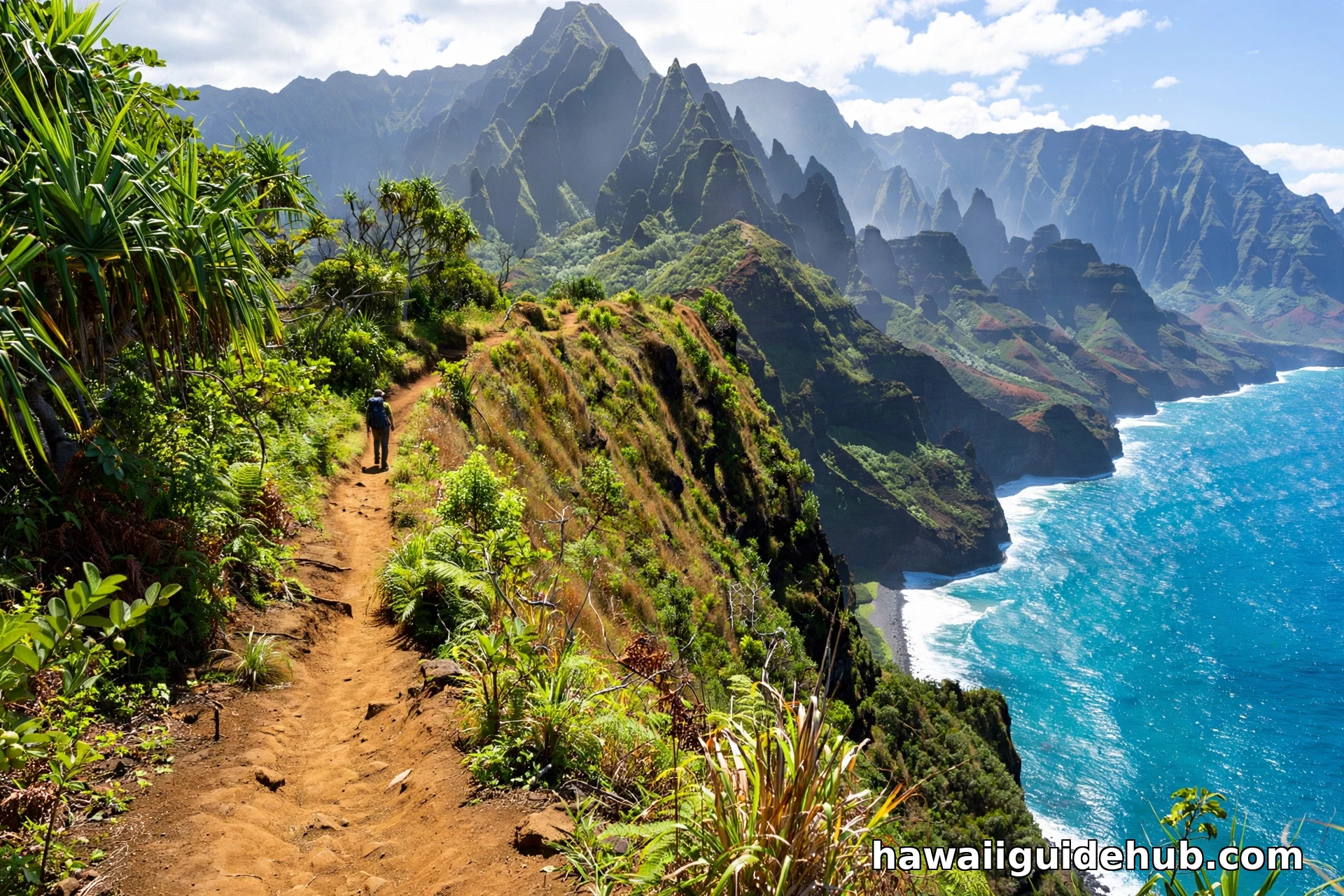
You start at Kēʻē Beach inside Hāʻena State Park and immediately begin climbing. The first mile of the Kalalau Trail is mostly uphill on an old Hawaiian footpath, rising a few hundred feet above the ocean. Every switchback opens another view of the Nā Pali cliffs marching down the coast. The second mile descends through guava and hala trees into Hanakāpīʻai Valley, ending at Hanakāpīʻai Beach.
This coastal section is the most traveled part of the entire Kalalau Trail, and it shows. The path is worn, often muddy, and slick after rain, which is frequent on the north shore. Wear real hiking shoes from the parking lot. This two-mile stretch alone takes most hikers one to two hours each way.
Hanakapiai Beach: The Halfway Landmark
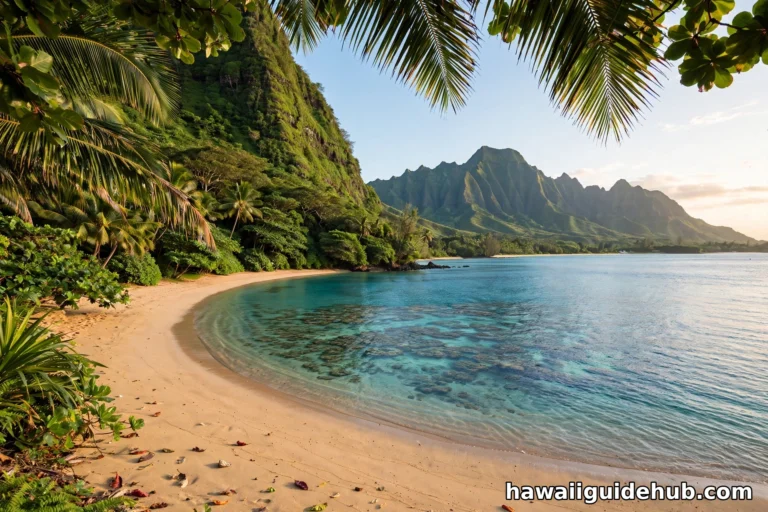
Hanakāpīʻai Beach is a beautiful, wild, rocky cove that you should look at but not swim in. The surf here is powerful year round, with strong currents and shore break that have pulled in swimmers and swept them away. There is a hand-painted wooden sign near the beach warning hikers about the stream and ocean dangers, and it is worth reading carefully. There are no lifeguards anywhere on this trail.
This is also where the falls trail branches off. Look for the signed junction near the stream just before the beach. Day hikers heading to the falls turn inland here. Anyone continuing along the coast past Hanakāpīʻai toward Kalalau needs an overnight camping permit, so the stream crossing here is the natural limit for the falls day hike.
Miles Three and Four: Up the Valley to the Falls
The inland trail follows Hanakāpīʻai Stream through dense jungle, and it is noticeably rougher than the coastal section. You will cross the stream several times, scramble over boulders, duck under fallen trees, and pick your way along ledges. The path can be hard to follow in spots, so watch for the worn route and cairns other hikers have left. This two-mile section typically takes two hours or more each way.
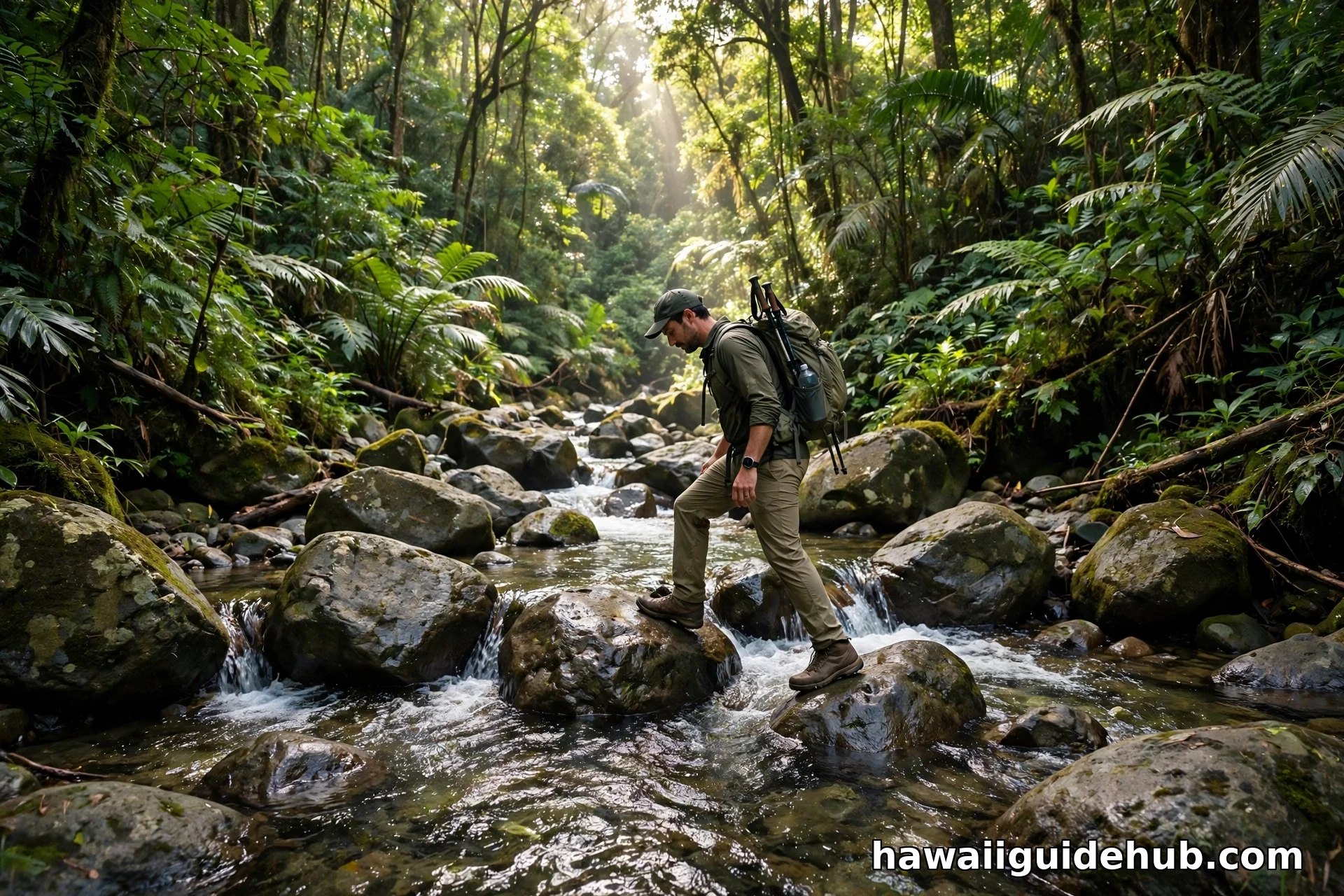
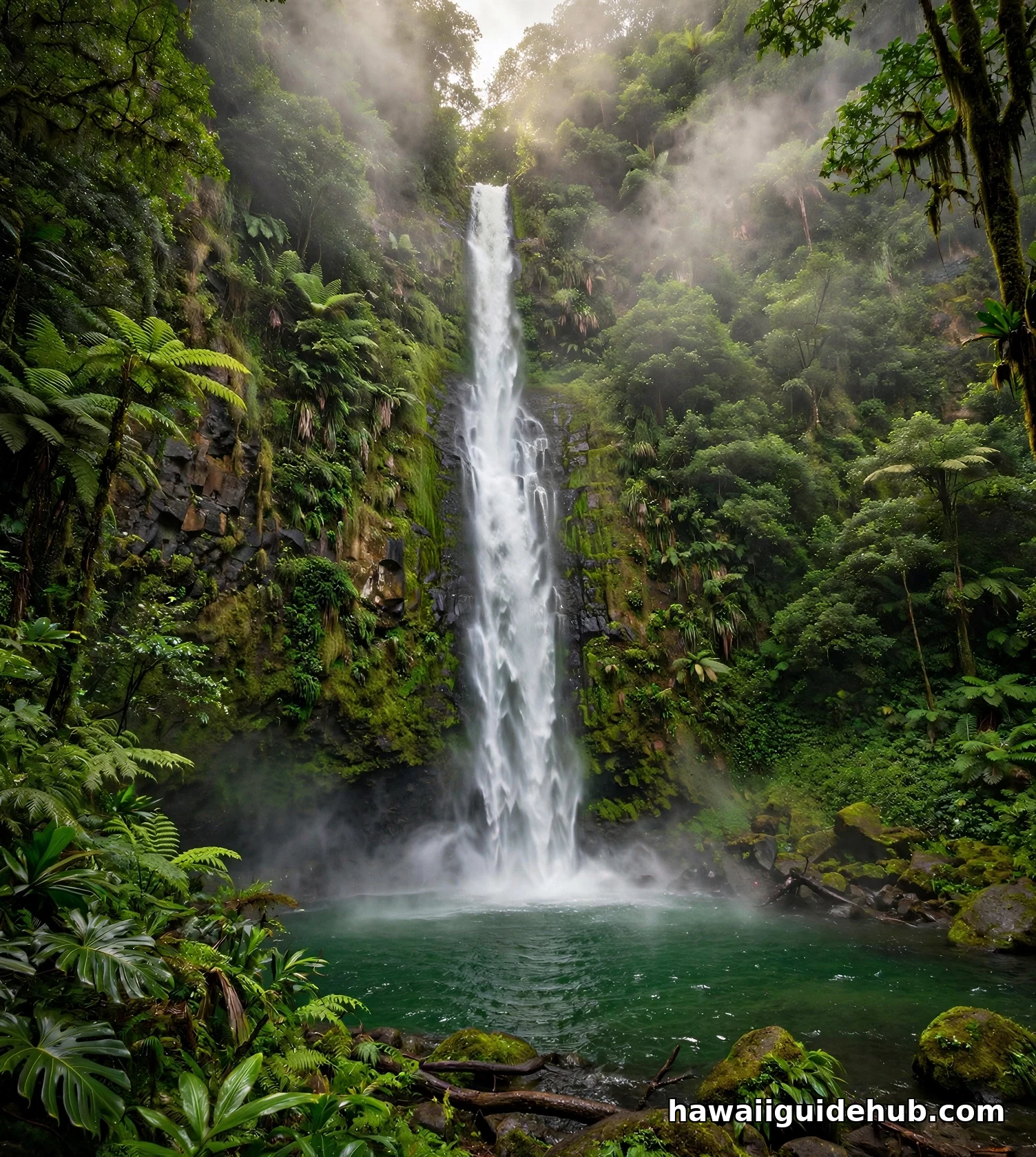
The reward arrives suddenly. The trail rounds a bend and the 300-foot falls appear through the trees, pouring down a sheer mossy wall into a deep green pool. Most hikers rest here, eat lunch, and cool off in the pool before turning around. The pool is inviting after the long walk in, and a careful dip is one of the great pleasures of this hike, as long as you respect the rocks and stay away from the direct base of the falling water where rocks can come down.
Reservations and Permits: What You Actually Need
This is the part that trips up more visitors than the trail itself. Since Hāʻena State Park reopened in 2019 with a new management plan, every nonresident must reserve park entry in advance. You cannot simply drive to Kēʻē Beach and start hiking. Reservations are made online through the park’s official reservation system, and they cover either a parking spot or a shuttle ride, depending on the option you choose. Slots sell out, especially in summer and on weekends, so book as early as you can.
Hawaii residents are exempt from the reservation and fee system, but visitors are not. Once you have your park entry reservation, you do not need any additional permit to hike to Hanakāpīʻai Beach or Hanakāpīʻai Falls. The permit requirement only starts if you continue past Hanakāpīʻai along the coast toward Hanakoa and Kalalau, which requires an overnight camping permit from the state. For the falls day hike, your park reservation is the only paperwork.
Plan your arrival time around the reservation you hold. Starting early is a real advantage on this trail. The full eight miles take six to eight hours for most hikers, and you want a comfortable buffer before your reservation window ends. Starting before 7 AM also means cooler temperatures, fewer people, and the best chance of finishing in daylight.
Why This Hike Is Dangerous (and How to Stay Safe)
Hanakāpīʻai has a serious reputation, and it is earned. This trail has seen injuries, rescues, and deaths over the years, almost always from the same two causes: flash floods in Hanakāpīʻai Stream and falls on the slippery inland section. Understanding these hazards before you go is not optional. It is the most important part of planning this hike.
Flash Floods in the Stream
Hanakāpīʻai Stream drains a huge, steep watershed in one of the wettest places on earth. Rain falling miles inland can turn the calm stream you crossed in the morning into a raging, uncrossable torrent in minutes, with no rain falling on you at all. Hikers have been stranded on the far side of the stream overnight and swept off their feet attempting to cross in high water. This is the single biggest danger of the hike.
The rule is simple and absolute. If it has been raining, is raining, or rain is forecast anywhere in the mountains above the valley, do not attempt the inland section. If the stream is running high or looks murky when you reach it, turn around. The falls will still be there another day. The Hawaii Department of Land and Natural Resources advises that only experienced hikers attempt the trail from Hanakāpīʻai Beach to the falls, and that guidance deserves respect.
Falls on the Trail
The inland trail is a maze of wet boulders, exposed roots, muddy ledges, and narrow sections with real drop-offs. Hikers have fallen and been seriously injured here, particularly in wet conditions. This is not a trail for flip-flops, smooth-soled sneakers, or anyone unsteady on their feet. Sturdy hiking shoes with aggressive tread make a genuine difference.
What to Pack for Hanakapiai Falls
Pack like you are going into the backcountry, because you are. There is no water, food, or shelter anywhere past the trailhead, and cell service is unreliable to nonexistent for much of the route. A daypack with the essentials below will keep you comfortable and safe.
Carry at least two liters of water per person, plus salty snacks and a real lunch. The hike burns far more energy than its distance suggests. Wear quick-dry hiking clothes, because you will get wet from stream crossings, sweat, and possibly rain. A lightweight rain jacket lives in the packs of experienced Kauai hikers for good reason. Bring sunscreen and insect repellent, a small first aid kit, a headlamp or flashlight in case the hike runs long, and a fully charged phone in a waterproof bag. Trekking poles help enormously on the muddy descents and boulder scrambles.
Swimwear is worth packing if conditions are safe. The pool at the base of the falls is one of the most beautiful swimming spots in Hawaii, and after four miles of hot jungle hiking, a dip feels earned. Just remember that rocks can fall near the cliff face, so keep your distance from the direct base of the falls.
Best Time to Hike to Hanakapiai Falls
Late spring through early fall, roughly May through September, is the best window for this hike. Trade winds keep the weather more stable, the stream runs lower, and the trail is as dry as it ever gets. That said, Kauai’s north shore can rain in any month, and afternoon showers are common even in summer. Always check the forecast the morning of your hike.
Winter brings the heaviest rain and the highest stream levels, along with bigger surf at the beaches. Many experienced hikers simply skip the falls hike during and after major winter storms. If you visit Kauai in winter, you can still try it during a dry stretch, but be extra conservative about stream conditions. For a broader look at what time of year it rains in Hawaii, our seasonal guide breaks it down island by island.
How This Hike Compares to Other Kauai Waterfall Hikes
Kauai has waterfalls you can see from your car and waterfalls that demand everything you have. Hanakāpīʻai Falls is firmly in the second group. If you want a spectacular waterfall with minimal effort, places like Wailua Falls near Līhuʻe are roadside stops. If you want a serious day hike with a waterfall payoff, Hanakāpīʻai is the classic choice, and it pairs naturally with other things to do on Kauai for an adventure-heavy itinerary.
For hikers who love this kind of challenge, the falls hike is a perfect entry point into Kauai’s bigger backcountry. The skills it teaches, reading stream conditions, managing mud and heat, pacing a long day, are the same ones you need for the island’s legendary longer routes. Our guide to outdoor adventures in Hawaii covers where to take those skills next, from ridge hikes to multi-day trails.
Video: The Full Hanakapiai Falls Hike
Watch the full trail from Kēʻē Beach to the falls, with honest hiking tips at the end.
Frequently Asked Questions
How long does the Hanakapiai Falls hike take?
Most hikers take 6 to 8 hours round trip, including rest stops and time at the falls. Fit, experienced hikers moving steadily can finish faster, but the mud, stream crossings, and boulder sections slow almost everyone down. Start early and give yourself the full day.
Do you need a permit to hike to Hanakapiai Falls?
You need an advance park entry reservation for Hāʻena State Park, which every nonresident must book online. You do not need a separate hiking permit for the falls themselves. Camping permits are only required if you continue past Hanakāpīʻai along the Kalalau Trail toward Kalalau Valley.
Can you swim at Hanakapiai Falls?
You can swim in the pool at the base of the falls when conditions are calm, and many hikers do. Stay away from the cliff face where rocks can fall, and never swim in Hanakāpīʻai Stream when it is running high. Do not swim in the ocean at Hanakāpīʻai Beach. The currents and shore break there are dangerous.
Is the Hanakapiai Falls trail kid friendly?
Not really. The eight-mile distance, stream crossings, and slippery boulders make this a poor choice for young children. Older teenagers who hike regularly can handle it with an experienced adult. Most families are happier with the two-mile round trip to Hanakāpīʻai Beach and back, which is still a real adventure. For more family ideas, see our guide to the best island in Hawaii for first time visitors.
What is the death toll at Hanakapiai?
Hanakāpīʻai Beach and the surrounding trail have a long history of drownings and fatal falls, which is why the warning signs are so prominent. Most deaths involve swimmers caught by ocean currents at the beach or hikers caught by flash floods in the stream. The hand-painted sign near the beach keeps a sobering tally. Take the warnings seriously and the hike is a calculated, manageable risk.
Can you do Hanakapiai Falls in the rain?
You should not. Rain makes the trail dangerously slick and can turn Hanakāpīʻai Stream into a deadly torrent with little warning. If rain is forecast or the ground is saturated from recent storms, postpone the hike. Kauai has plenty to offer beyond one trail, and the falls will be there on a drier day.
Hanakāpīʻai Falls is one of those rare hikes where the difficulty is the point. The mud, the stream crossings, and the long miles strip away the crowds and leave you alone in one of the wildest valleys in Hawaii, standing at the base of a 300-foot waterfall that most visitors will only ever see in photographs. Go prepared, go early, respect the stream, and it will be a day you talk about for years.