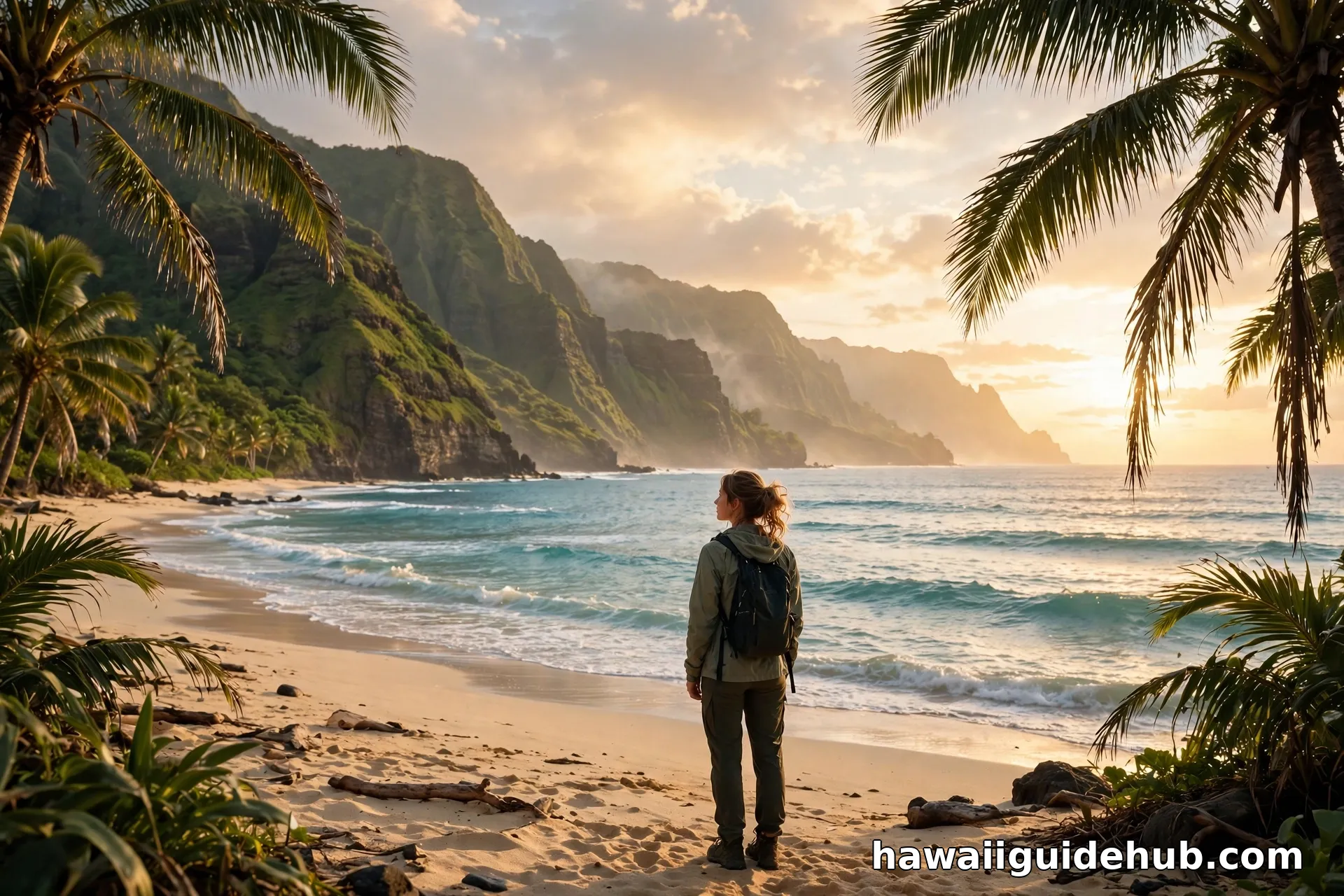
Hawaii Solo Travel Safety: The Complete Guide for Independent Travelers

Hawaii is one of the most welcoming places in the world for independent travelers. The islands are built for people who set their own pace: the beaches are public, the hiking trails are well marked, the bus system on Oahu is easy to figure out, and you will meet plenty of other travelers doing exactly the same thing you are.
This is the single complete guide to Hawaii solo travel safety. It covers the real risks backed by state data, ocean dangers, safe hiking and driving, where to stay, hurricanes and tsunami warnings, and everyday street smarts. If you have been searching for anything about traveling alone in Hawaii, the answers are all here on this one page.
Hawaii Solo Travel Safety at a Glance
| Risk | The reality | Your move |
|---|---|---|
| Emergency number | 911, works on every island, including from cell phones with no service plan | Save it before you need it |
| Violent crime | Low; Honolulu ranked the 4th safest large US city in a 2026 national study | Normal city awareness is enough |
| Biggest risk to visitors | The ocean; drowning is the leading cause of injury death among visitors | Respect the ocean more than the streets |
| Most common visitor crime | Property crime, especially rental car break-ins at trailheads and beaches | Leave the car empty and visibly so |
| Hurricane season | June 1 through November 30 | Know it, do not fear it |
| Warning sirens | Over 400 statewide; tested on the first business day of each month | A test siren is not an emergency |
| Best solo base | Oʻahu for first timers, thanks to public transit, lifeguarded beaches, and social hostels | Start where the infrastructure is |
| Travel insurance | Strongly recommended; medical evacuation from a neighbor island is expensive | Do not skip it to save a little |
Is Hawaii Safe for Solo Travelers?
The short answer is yes. Hawaii is one of the safest US destinations for traveling alone, and violent crime against visitors is rare. A 2026 national study ranked Honolulu the fourth safest large city in America, with 1.9 violent crimes per 1,000 residents. The islands have a homicide rate around 3 per 100,000 people, which compares favorably with the national picture. Millions of people visit every year, and the overwhelming majority experience nothing worse than sunburn.
That said, safe does not mean risk free, and the risks in Hawaii look different from a big mainland city. The danger that harms the most visitors is not crime at all. It is the ocean, followed by hiking accidents, car break-ins, and traffic. Picking the right island also matters, and our guide to the best island in Hawaii for first time visitors breaks down which island fits a solo trip best.
The Ocean Is Your Biggest Safety Risk
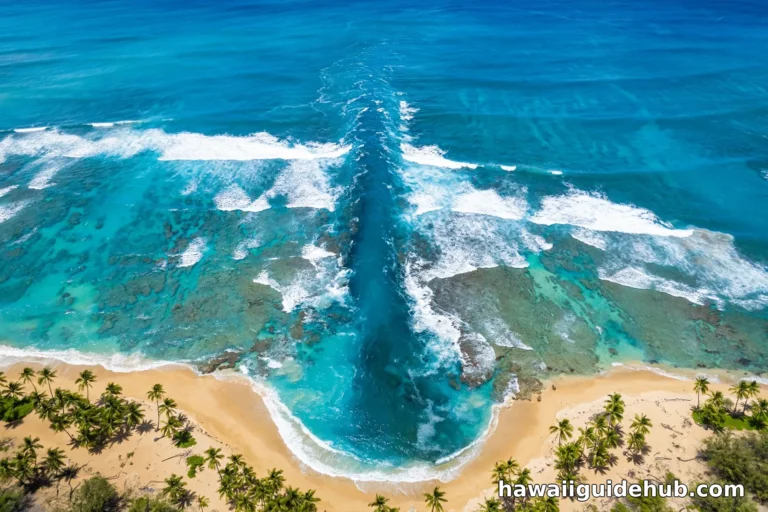
This is the single most important section of this guide. Drowning is the leading cause of injury related death for Hawaii visitors. The Hawaii Department of Health reports that nonresidents account for roughly half of all drowning deaths in the state, with an average of about 93 drowning deaths per year, and 84 percent happening in the ocean. Hawaii has the second highest drowning rate of any US state. These are not freak accidents. They happen to ordinary vacationers every single month.
Snorkeling is the activity most often involved. State data shows snorkeling was associated with 27 percent of all ocean drownings, and 42 percent among nonresidents. Many victims are middle-aged or older visitors with undiagnosed heart conditions. The 2025 Hawaii Water Safety Plan found that 69 percent of ocean drowning victims are visitors, and that Maui’s drowning rate is roughly double Oahu’s, partly because Maui has only about a dozen lifeguard towers along 120 miles of coastline.
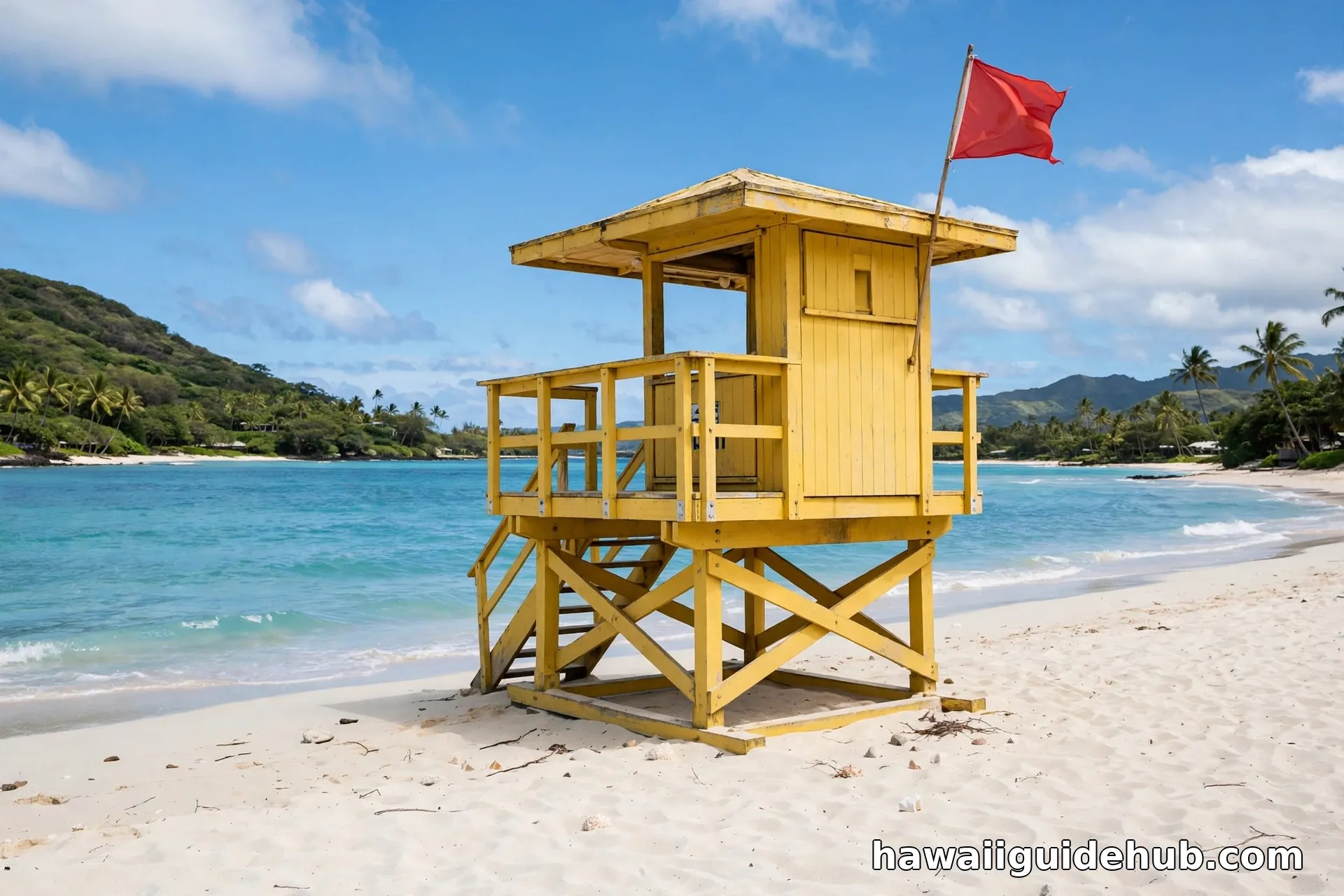
As a solo traveler, the ocean rules are simple and non negotiable. Swim only at lifeguarded beaches, and talk to the lifeguard before going in. Conditions change beach by beach and hour by hour, and the guard on duty knows what the water is doing right now. Check the Hawaii Beach Safety website run by the Department of Health, which rates beaches daily. Never turn your back on the ocean, because sneaker waves can sweep people off rocks even in calm looking water. If you snorkel alone, stay close to shore at a guarded beach, wear a flotation vest if you are not a confident swimmer, and skip the full face snorkel masks that have been linked to breathing difficulties. Currents, shore break, and sharp reef cause far more injuries than sharks ever will.
Solo Hiking Safety in Hawaii
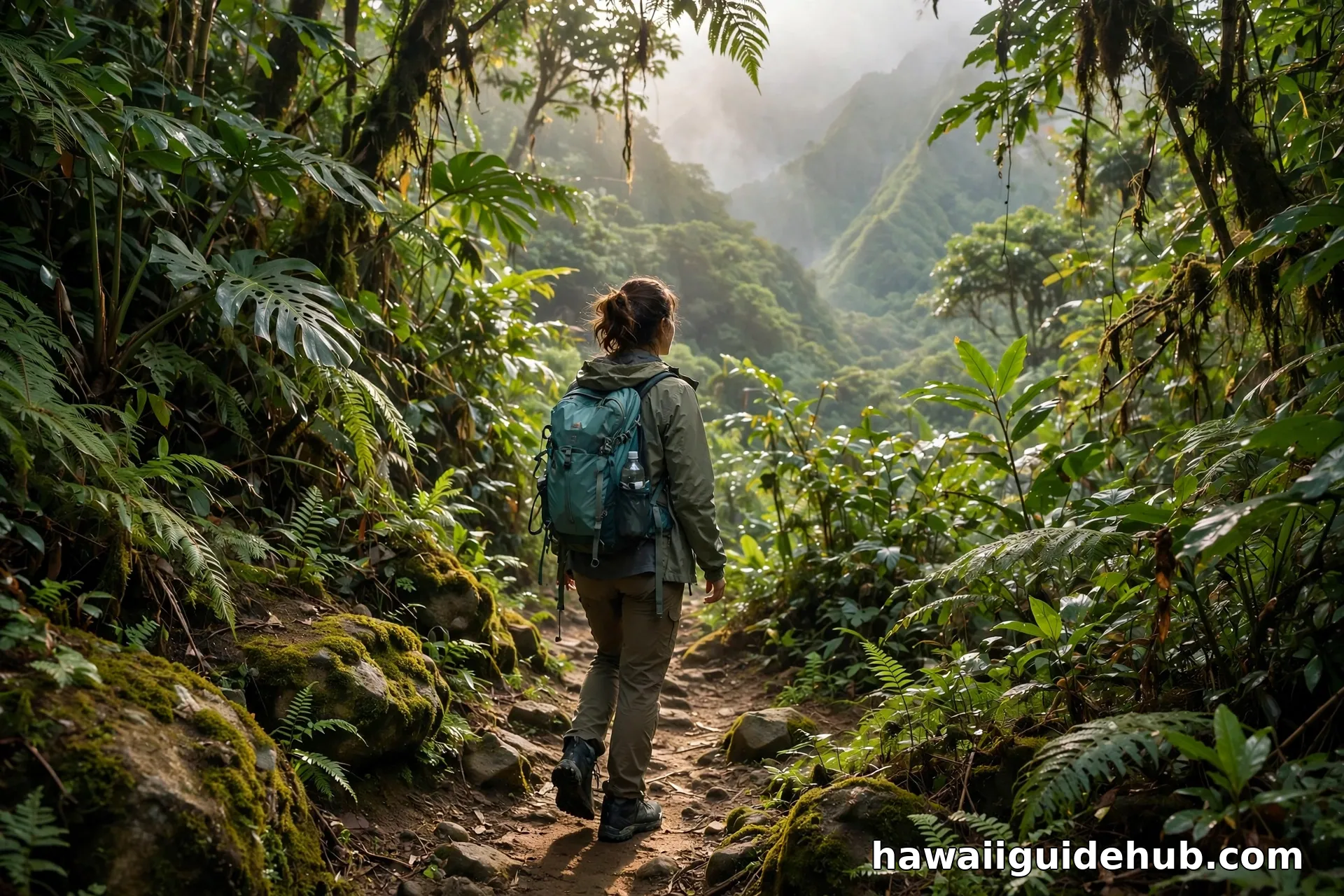
Hawaii’s trails are spectacular and, with preparation, very doable alone. The state’s Nā Ala Hele trail system maintains hundreds of miles of public trails, and popular routes like Diamond Head and Mānoa Falls see plenty of foot traffic, which is reassuring on your own. But Hawaiian trails have specific hazards: flash floods that can turn a calm stream deadly in minutes, razor sharp lava rock, crumbly cliff edges, and mud that turns steep sections into slides after rain.
The golden rule of solo hiking is that someone always knows your plan. Leave your exact trail name and expected return time with your hotel, hostel, or a friend back home, and check in when you are out. The Hawaiian Trail and Mountain Club’s safety guidelines recommend carrying 2 to 3 liters of water, a phone in a waterproof bag, a whistle, rain gear, a first aid kit, and a flashlight even for day hikes. Start early so you finish well before dark, stay on the marked trail, and turn back if the weather shifts. Cell coverage is spotty on many trails, especially on Kauai and the Big Island, so do not count on your phone to save you.
Respect closures and kapu signs absolutely. Trails close for good reasons, usually nesting wildlife, unstable cliffs, or cultural sensitivity. The infamous Haiku Stairs, known as the Stairway to Heaven, are illegal to climb, and trespassers face fines and arrest. For a beginner friendly outing with clear signage and crowds, Mānoa Falls on Oahu is a classic first solo hike, and our roundup of off the beaten path outdoor activities will help you judge which adventures match your experience level.
Driving Alone: Rental Cars and Road Safety
Most solo travelers rent a car, and driving in Hawaii is straightforward: roads are well maintained, signage is in English, and traffic drives on the right. The real driving safety issue for visitors is property crime, not accidents. Rental car break-ins are the most common crime affecting tourists, and trailheads, beach parks, and scenic lookouts are the favorite targets because thieves know cars sit unattended for hours.
Protect yourself with habits, not luck. Never leave anything visible in the car, including charging cables, bags, or even loose change. Take valuables with you or lock them in the trunk before arriving at the trailhead, since thieves watch parking lots. Leave the glove box open and empty so a quick glance shows there is nothing to steal. Park in well lit, busy areas at night, and choose lodging with secure or gated parking when you can. Keep your doors locked and windows up in slow traffic in urban Honolulu, the same as you would in any city.
On the road itself, slow down for the island pace. Narrow coastal highways, one lane bridges, sudden rain showers, and drivers pulling over for views all demand attention. The Road to Hana on Maui and the Hamakua Coast on the Big Island are beautiful and genuinely demanding drives, so avoid them at night, keep your gas tank above half on rural routes, and pull fully off the road before stopping for photos.
Choosing Safe Places to Stay Alone
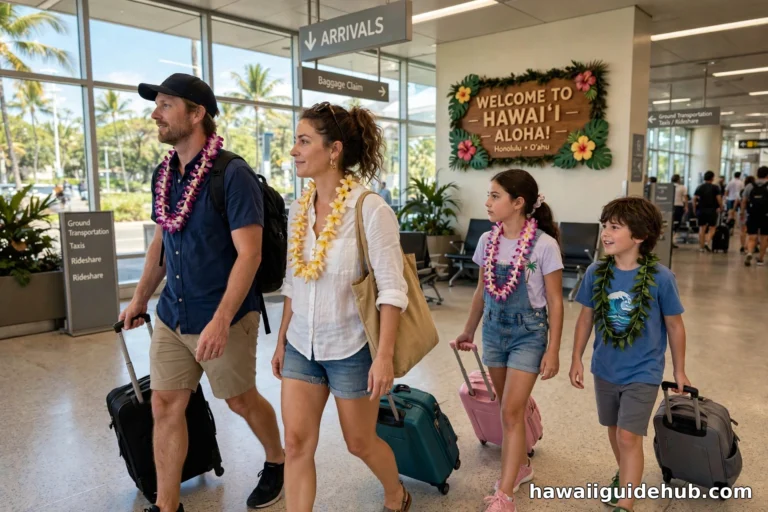
Where you sleep shapes your whole solo trip. Oahu, especially Waikiki, is the easiest island for a first solo visit: busy and well lit at night, with a bus system that reaches most sights and hostels that run group hikes, surf lessons, and dinners. Maui, Kauai, and the Big Island reward independent travelers with rental cars and a taste for quiet, but logistics take more effort.
Whatever you book, vet it like a local would. Read recent reviews specifically mentioning safety, lighting, and the surrounding neighborhood. In a hotel, use the room safe for your passport and extra cash, and keep your door locked and latched. In a vacation rental, confirm working locks on all doors and windows, exterior lighting, and a way to reach the host quickly. In a hostel dorm, bring a small padlock for the lockers and keep valuables locked up or on your person.
Natural Disasters: Hurricanes, Tsunamis, and Warning Sirens
Hawaii’s hurricane season runs from June 1 through November 30, and while direct hits are rare, tropical storms brush the islands most years. Watch the forecast from the National Weather Service Honolulu office, take storm warnings seriously, and never hike or visit exposed coastlines when advisories are posted. Our seasonal breakdown of what time of year it rains in Hawaii helps you understand the weather patterns behind these events.
You will also notice the emergency sirens. Hawaii operates an all hazard outdoor warning system with more than 400 sirens statewide, tested on the first business day of each month around 11:45 a.m. The monthly test is a steady tone followed by a wailing tone and needs no action. A real emergency uses a steady three minute tone, which means turn on local radio or TV and follow official instructions immediately. In July 2025, an 8.8 magnitude earthquake off Russia triggered a real statewide tsunami warning, with coastal evacuations ordered on every island. If you hear the siren outside of a test, move inland or to high ground, or vertically evacuate to the fourth floor or higher of a sturdy concrete building.
Know your tsunami evacuation zone before you need it. Your hotel front desk can show you the zone map, and county emergency management websites publish them online. After the 2023 Lahaina wildfire tragedy, wildfire awareness is also part of island safety: heed red flag warnings, never park on dry grass, and follow every evacuation order without delay.
Night Safety and Personal Security
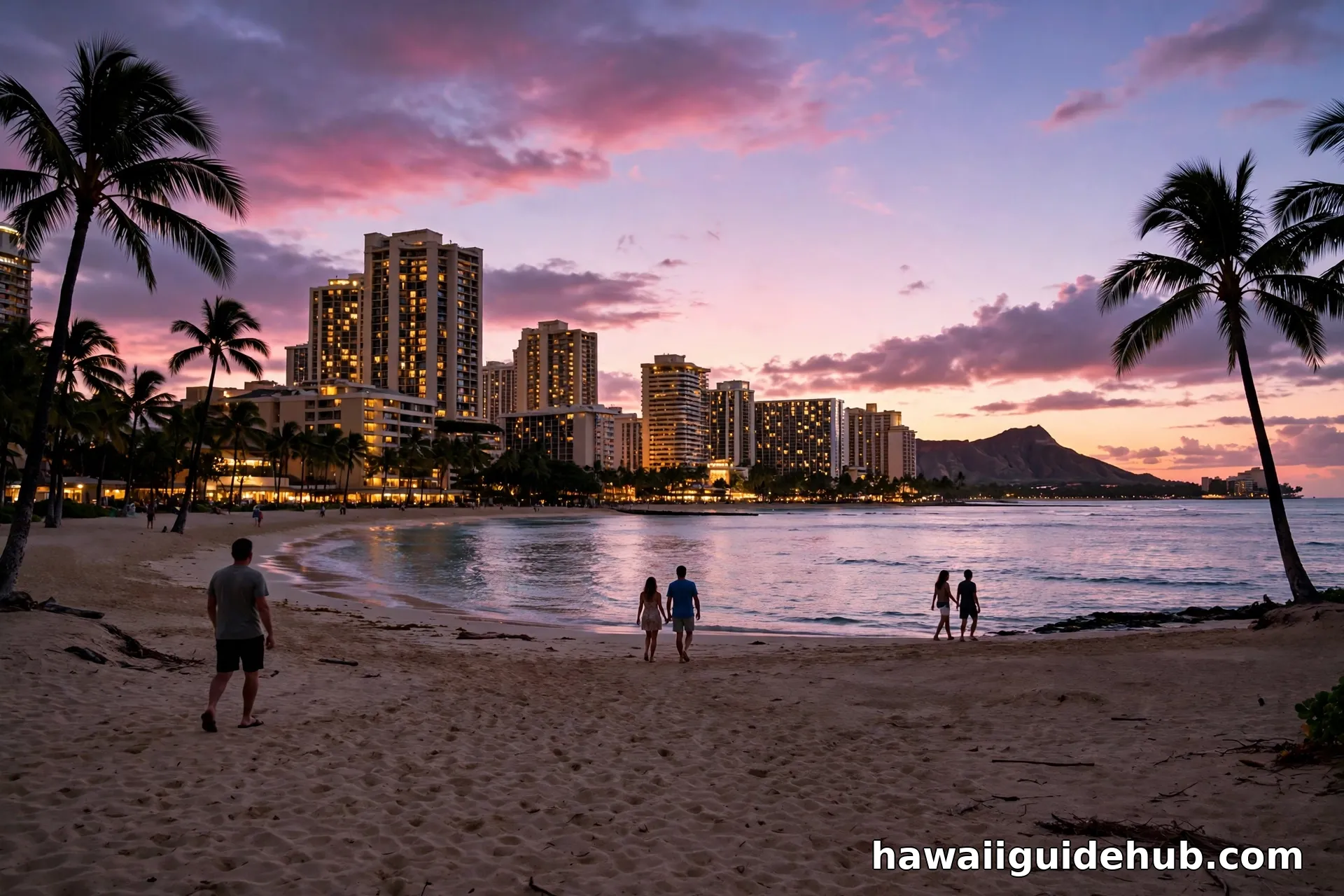
Hawaii’s towns are generally safe after dark, but solo travelers should still apply city smarts. Waikiki stays lively and well patrolled late into the evening, which makes it comfortable for a solo dinner or beachfront stroll. Quieter beach parks, isolated stretches of sand, and empty parking lots are different: avoid them alone at night. If you go out, watch your drink being made, never leave it unattended, and arrange your ride home before you leave.
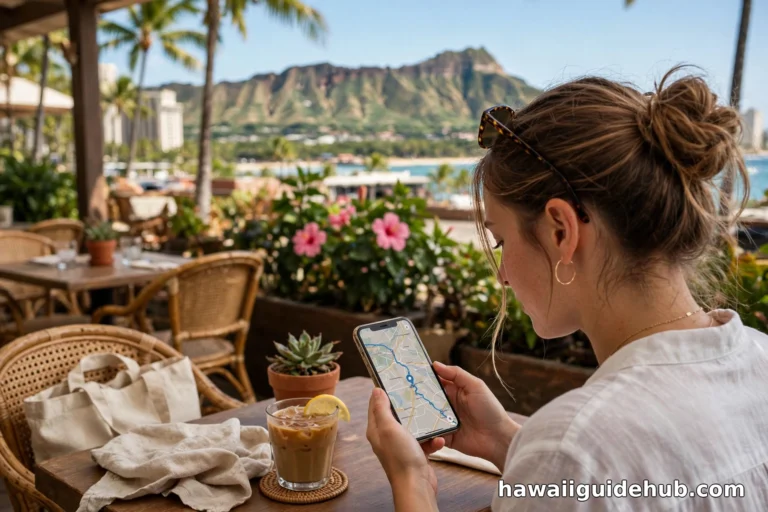
Trust your instincts with people, too. Hawaii’s aloha spirit is genuine, and most locals are happy to share directions or stories. But do not follow strangers to second locations, do not accept rides from people you just met, and be cautious about sharing your exact hotel or room number. Keep a charged phone, a portable battery, and offline maps downloaded, since a dead battery at night in an unfamiliar area is an avoidable vulnerability. For evenings out, our guide to late night eats in Hawaii points you to lively, well trafficked spots.
Solo Travel Safety Checklist for Hawaii
Run through this list before and during your trip:
- Share your full itinerary and lodging addresses with someone at home, with a daily check in time.
- Swim only at lifeguarded beaches; ask the lifeguard about conditions before entering the water.
- Leave your hiking plan and expected return time with your hotel or hostel every time.
- Never leave valuables visible in a rental car; use the trunk before you reach the trailhead.
- Learn the tsunami evacuation zone for your lodging on day one.
- Keep your phone charged with a portable battery and offline maps downloaded.
- Carry travel insurance that covers medical evacuation between islands.
- Respect kapu signs, closures, and private property without exception.
Video: Solo Travel to Hawaii, Safety and Savings
Practical advice on choosing an island, budgeting, accommodation, and staying safe as a solo traveler in Hawaii.
Frequently Asked Questions
Is Hawaii safe to travel alone?
Yes. Hawaii is one of the safest US destinations for solo travel, with low violent crime and millions of visitors each year. The main risks are natural, not criminal: the ocean, hiking terrain, and driving conditions. Travelers who respect the water, tell someone their plans, and use basic street smarts have safe, memorable trips.
What is the biggest danger for solo travelers in Hawaii?
The ocean, by a wide margin. Drowning is the leading cause of injury death among Hawaii visitors, and most victims are visitors rather than residents. Swim at lifeguarded beaches, heed warning flags and signs, never turn your back on the waves, and be extra cautious when snorkeling, which accounts for a large share of visitor drownings.
Is it safe to hike alone in Hawaii?
Popular, well trafficked trails are generally safe to hike alone if you prepare properly. Always leave your trail name and expected return time with someone, carry 2 to 3 liters of water, start early, stay on marked trails, and turn back in bad weather. Avoid remote or unmarked routes alone, and never attempt closed or illegal trails.
What should I do if there is a tsunami warning while I am in Hawaii?
Move out of the tsunami evacuation zone immediately: go inland to high ground, or up to the fourth floor or higher of a sturdy concrete building. Follow instructions from local radio, TV, and officials, keep your phone free for emergency calls, and do not return to the coast until the all clear is given.
Do I need travel insurance for a solo trip to Hawaii?
It is strongly recommended. Medical care on the neighbor islands is limited for serious emergencies, and air evacuation to Oahu can cost tens of thousands of dollars. A policy covering medical treatment, evacuation, and trip interruption protects you from bills that turn an accident into a financial crisis.
Is hitchhiking legal in Hawaii?
Hitchhiking itself is not explicitly banned statewide, but standing in roadways to solicit rides is illegal, and accepting rides from strangers carries obvious personal safety risks, especially when traveling alone. The bus systems on Oahu, Maui, and the Big Island, plus rideshares and rental cars, are far safer ways to get around.
Solo travel in Hawaii rewards the prepared. The islands are genuinely safe for independent travelers, and the precautions that matter most are simple: respect the ocean above everything else, tell someone where you are going, protect your rental car from break-ins, and know what to do when the sirens sound. Do those things and you are free to enjoy what makes a solo Hawaii trip special, the freedom to follow your own curiosity on your own terms.