Hawaii Female Solo Travel Guide: Tips for Women Traveling Alone

Hawaii might be the best first solo trip a woman can take. The islands combine the ease of domestic US travel with the feeling of a true escape: English everywhere, familiar laws and emergency services, and a culture built around welcoming visitors. Thousands of women explore Hawaii alone every year, from college students in Waikiki hostels to retirees on slow Big Island road trips, and most describe it as the trip where they finally felt comfortable traveling solo.
This is the single complete guide to Hawaii female solo travel. It covers how safe Hawaii really is for women traveling alone, which island to choose, where to stay, beach and ocean safety, nightlife and dining alone, getting around, meeting people, what to pack, and the cultural etiquette that earns respect. If you have been searching for anything about solo female travel in Hawaii, the answers are all here on this one page.
Hawaii Female Solo Travel at a Glance
| The concern | The reality | The smart move |
|---|---|---|
| Safety for women | High; Honolulu ranked 4th safest large US city in a 2026 national study | Hawaiʻi is among the easier solo destinations |
| Best island for a first solo trip | Oʻahu, for transit, lifeguarded beaches, and social hostels | Start where the infrastructure is |
| Best social base | Waikīkī hostels with female dorms and group activities | Built-in company on night one |
| Biggest risk | The ocean, not crime; swim only at lifeguarded beaches | Respect the water more than the streets |
| Nightlife safety | Good in Waikīkī; watch your drink and prearrange your ride home | Standard city rules apply |
| Getting around | Rental car for neighbor islands; bus and rideshare work well on Oʻahu | Match the transport to the island |
| Emergency number | 911 on every island | Save it before you land |
| What to pack | Portable door lock, personal alarm, padlock, portable charger | Cheap insurance for peace of mind |
Is Hawaii Safe for Women Traveling Alone?
Yes, and the data backs it up. A 2026 national study ranked Honolulu the fourth safest large city in America, with 1.9 violent crimes per 1,000 residents. That puts Honolulu well below cities like Boston at 6.3 per 1,000, and roughly on par with famously safe suburbs like Plano, Texas. Violent crime against visitors is rare, and crimes specifically targeting women travelers are uncommon. The Hawaii that most solo women experience is one of friendly shopkeepers, helpful bus drivers, and hostel common rooms full of other travelers.
The honest caveat is the same one that applies to solo travel anywhere: low crime does not mean no precautions. Petty theft, especially rental car break-ins, is the most common crime affecting visitors. Harassment happens occasionally, as it does in every tourist destination. And Hawaii’s real dangers are natural, with drowning the leading cause of injury death among visitors. The right mindset is relaxed but alert: enjoy the famous friendliness of the islands while keeping the practical habits that protect you in any new place.
Choosing the Right Island as a Solo Woman
Oahu is the clear winner for a first solo trip, and it is not close. Waikiki gives you a walkable beach town with constant foot traffic, the island’s best bus system, dozens of hostels and hotels at every price, and lifeguarded beaches in every direction. You can fill a week without ever renting a car, which removes a whole category of stress. Honolulu also has the most group activities built for solo travelers, from surf schools to hiking meetups to catamaran sails where you will naturally meet people.
Maui suits a second trip or a confident driver. The island is more spread out, the bus system is thin, and you will want a rental car, which means navigating the Road to Hana and upcountry routes on your own. The payoff is quieter beaches and a slower pace. Kauai and the Big Island reward experienced, self sufficient travelers: the scenery is wilder, the towns are smaller, and you will spend more evenings alone, which is wonderful if that is what you came for. Our breakdown of the best island in Hawaii for first time visitors walks through the tradeoffs in detail, and most of the logic applies double for women traveling alone.
Where to Stay: Accommodation Safety for Women
Your lodging choice is the single biggest lever on how safe and social your trip feels. Hotels are the simplest option: 24 hour front desks, keycard floors, room safes, and staff who can call you a cab or tell you which areas to avoid at night. Tell the front desk your rough plans when you head out for the day. It takes ten seconds and gives someone a timeline if anything goes wrong.
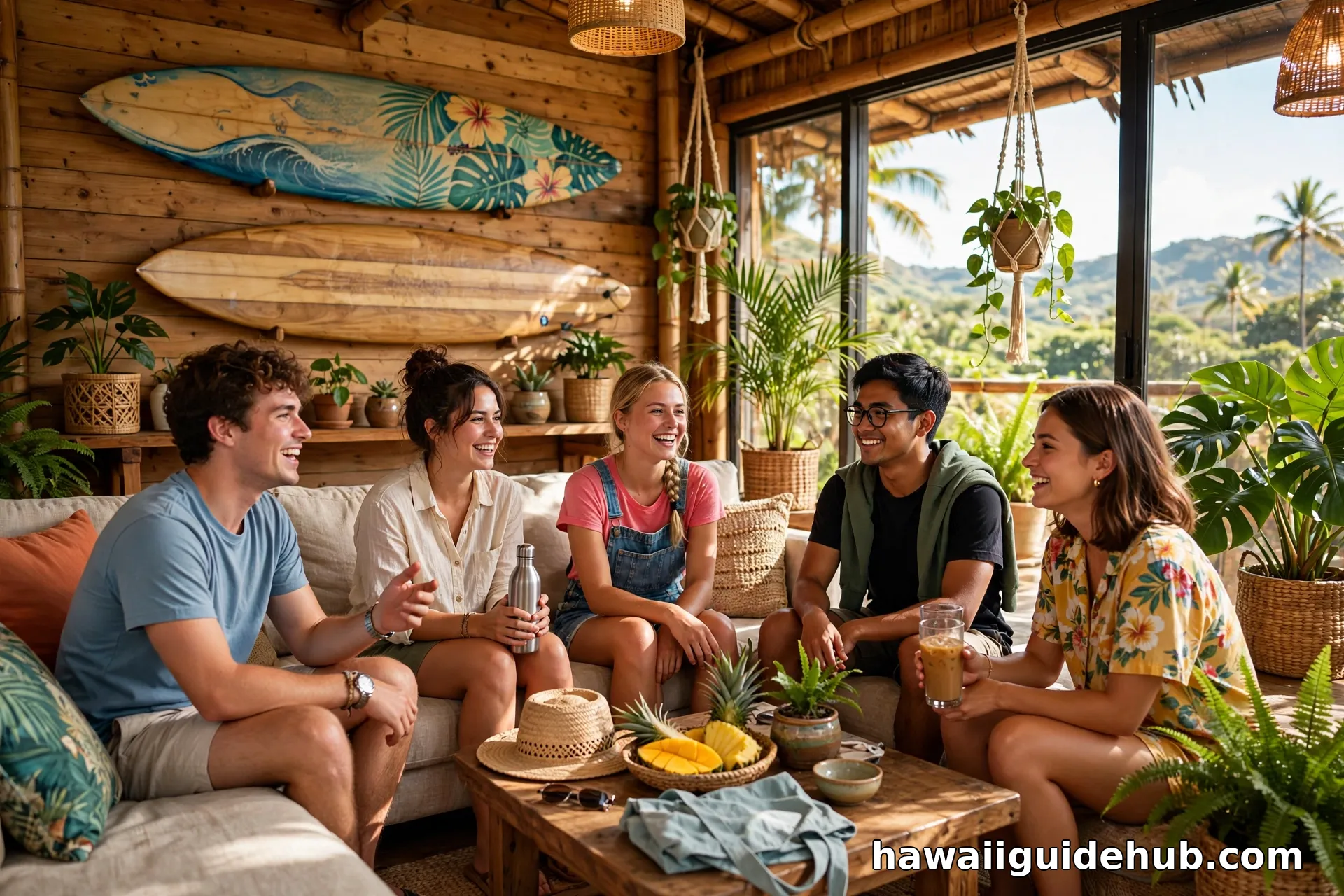
Hostels are the social option, and Hawaii has excellent ones, particularly around Waikiki. Book a female only dorm if you want extra comfort; most good hostels offer them. Bring a padlock for the lockers, keep your passport and cards on your body or locked up, and use the common areas to find hiking or dinner companions. Many hostels run daily group outings, which solve the safety in numbers question for activities like snorkeling trips or waterfall hikes. Vacation rentals work well for women who value privacy and a kitchen, but vet them carefully: recent reviews mentioning safety and lighting, working locks on every door and window, and a responsive host. If you want a quieter adults focused atmosphere, our guide to Hawaii’s best adults only resorts rounds up properties where the vibe is calm and the security is professional.
Beach and Ocean Safety for Solo Women
The ocean deserves your full respect, whatever your gender. Drowning is the leading cause of injury death among Hawaii visitors, and state health data shows nonresidents account for about half of all drowning deaths. Snorkeling alone is the riskiest common scenario: if you get into trouble with no buddy nearby, even strong swimmers can run out of options fast. The fix is easy. Swim and snorkel only at lifeguarded beaches, talk to the lifeguard about conditions before you go in, and join a group snorkel tour instead of going out alone. Tour boats carry safety equipment, the crew watches everyone in the water, and you will likely meet other travelers.
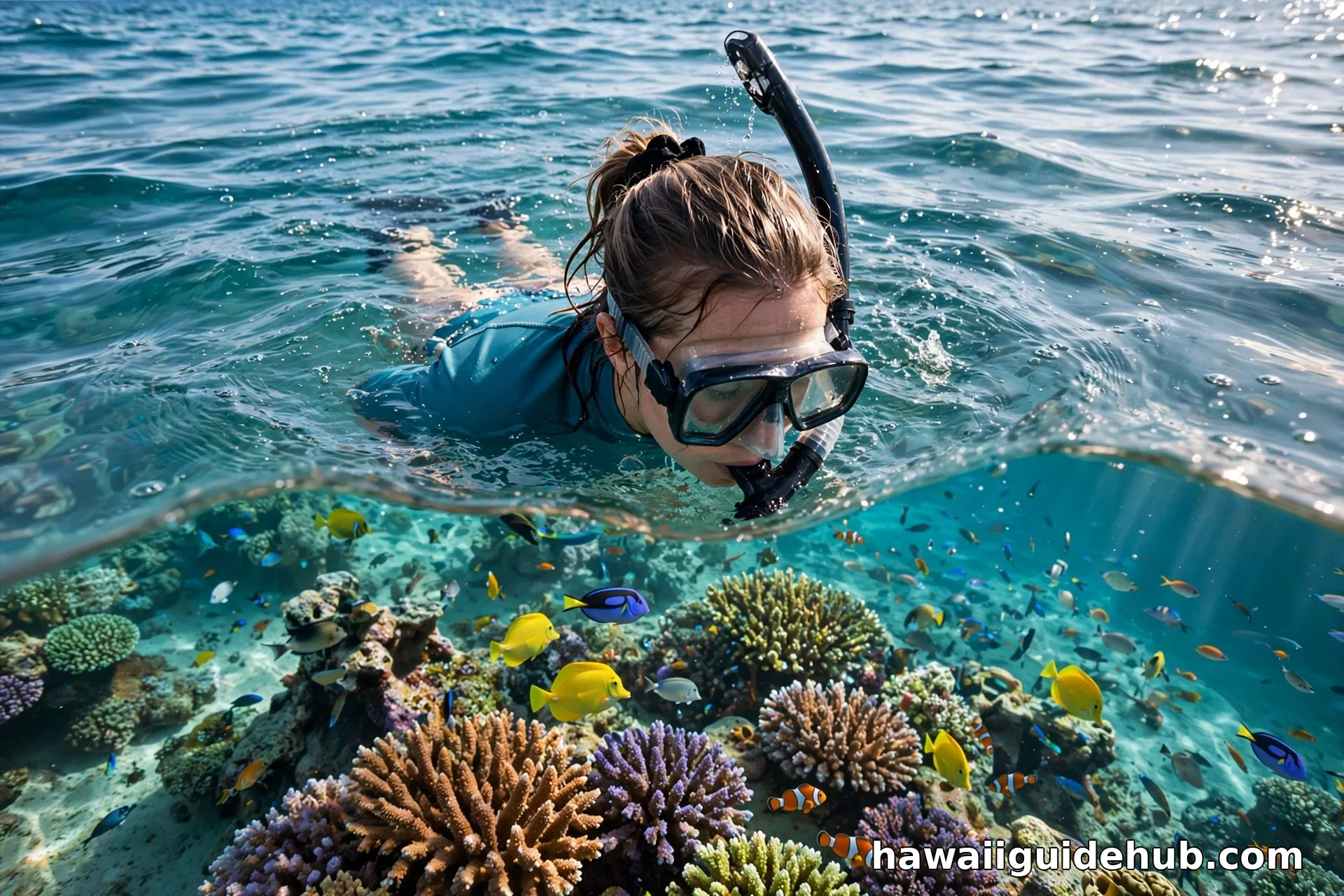
A few women specific beach notes. You do not need to dress or behave differently on Hawaiian beaches; swimwear is normal beachwear and nobody will think twice. That said, avoid isolated beaches alone, especially early morning or late evening when few people are around. Keep your belongings minimal at the beach: one bag you can watch, valuables left at your lodging. If anyone’s attention makes you uncomfortable, move closer to the lifeguard tower or a family group. Trust that instinct every time.
Nightlife and Solo Dining
Eating alone in Hawaii is a pleasure, not an ordeal. Counter service spots, food trucks, poke shops, and beachfront cafes are built for solo diners, and nobody will look at you strangely. Sit at the counter or the bar, bring a book or your journal, and treat dinner as one of the trip’s quiet highlights. For evenings, Waikiki is the comfortable choice: busy, well lit, and well patrolled, with live music venues and beach bars where a woman alone blends right in.
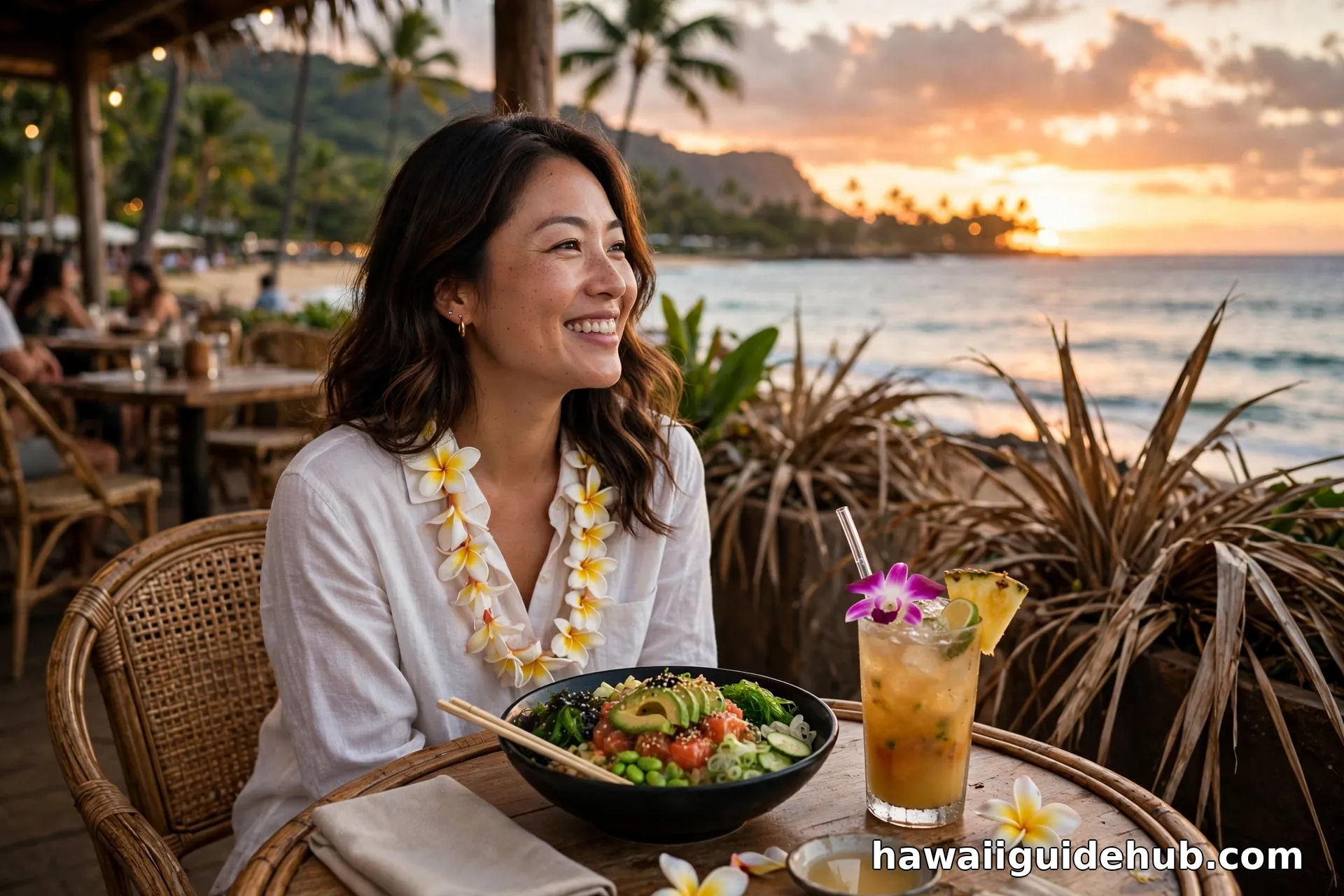
The standard nightlife rules apply with extra emphasis when you are alone. Watch your drink being made and never leave it unattended. Keep your alcohol intake moderate so you stay aware of your surroundings. Arrange your ride home before you go out, and avoid walking alone through quiet areas late at night; take a rideshare even for short distances. If someone is persistent with unwanted attention, a clear no plus moving toward staff or a group ends it. Our roundup of late night eats in Hawaii points to lively, well trafficked spots that are comfortable for a woman on her own.
Getting Around Safely
On Oahu, you can skip the rental car entirely. TheBus covers Waikiki, Honolulu, the windward coast, and the North Shore, and a day pass is cheap. Buses are safe and used by everyone, though service thins out at night, so plan evening returns with a rideshare. On Maui, Kauai, and the Big Island, a rental car is close to essential, and driving yourself is perfectly fine: roads are well signed and maintained.
The car safety rules matter more than the driving itself. Rental car break-ins are the top visitor crime, so never leave anything visible inside, use the trunk before you reach the trailhead, and park in busy, well lit areas. Keep your doors locked in slow Honolulu traffic. When driving rural routes alone, keep the tank above half, download offline maps since cell coverage drops in valleys and along remote coasts, and avoid unfamiliar back roads after dark. Share your driving route for the day with someone back home, just like you would a hiking plan.
Meeting People Without Compromising Safety
One of the quiet fears about solo female travel is loneliness, and Hawaii is an easy place to solve it. Hostel common rooms and group activities are the natural starting point. Surf lessons, group hikes, snorkel tours, lei making classes, and volunteer beach cleanups all put you around friendly people with zero awkwardness. Farmers markets and food truck gatherings are also naturally social.
Keep the socializing in public, staffed settings, especially at first. Daytime group activities are ideal. Be warm but measured with personal details: it is fine to say you are traveling, but you do not owe strangers your hotel name or room number. If you click with someone and want to extend the day, suggest a public place you choose. And remember that not meeting anyone is also a fine outcome. Some of the best solo trips are the quiet ones.
What to Pack for Safety
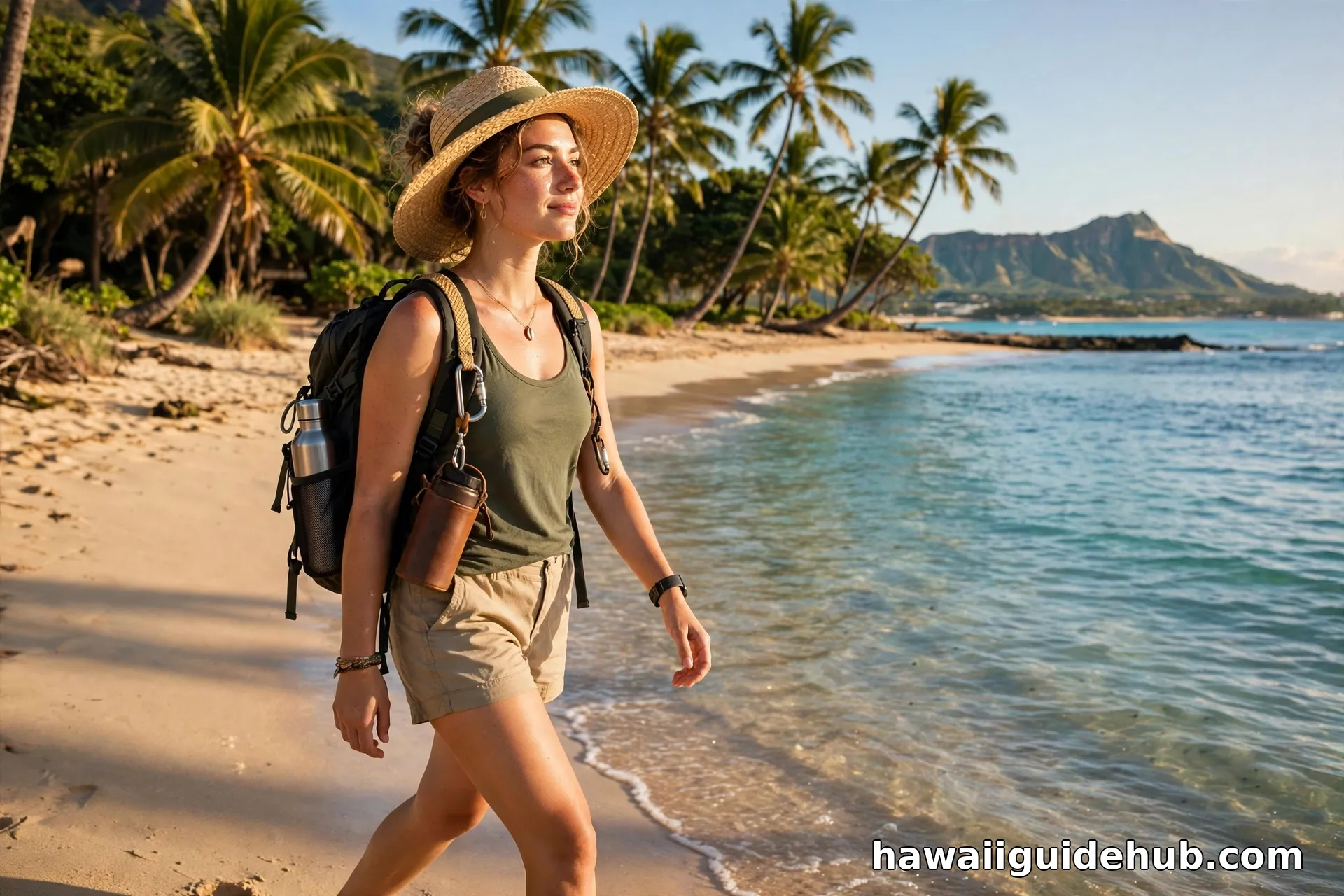
A small safety kit that fits in any carry on:
- Portable door lock or doorstop alarm for hotel and rental rooms.
- Personal safety alarm, the kind with a pull pin and loud siren.
- Small padlock for hostel lockers.
- Portable phone charger, because a dead phone is a safety problem.
- Offline maps of each island downloaded before you fly.
- A crossbody bag or belt bag that keeps valuables in front of you.
- Photocopies of your passport and ID, stored separately from the originals.
- Reef safe sunscreen and a rash guard, so sunburn never cuts a beach day short.
Respecting Local Culture as a Visitor
Safety in Hawaii is not only about avoiding harm. It is about moving through someone else’s home with respect, which in turn keeps you welcome and safe. Learn a little before you go: the ʻokina and kahakō in Hawaiian words matter, sacred sites marked kapu are off limits, and you should never take lava rocks, sand, or coral. Dress modestly when visiting temples, churches, or cultural sites, covering shoulders and knees. Ask before photographing people, especially at cultural events. Do not geotag sensitive natural spots on social media. Visitors who show this kind of care are met with the genuine warmth Hawaii is famous for, and that goodwill is its own layer of protection.
Video: A Solo Weekend in Oahu
Follow a solo female traveler through hikes, beach days, and food spots on a weekend trip to Oahu.
Frequently Asked Questions
Is Hawaii safe for a woman traveling alone?
Yes. Hawaii has low violent crime rates, Honolulu ranked as the fourth safest large US city in a 2026 national study, and thousands of women travel the islands solo every year without incident. Standard precautions apply: stay aware of your surroundings, secure your valuables, and respect the ocean, which is a bigger risk than crime.
Which Hawaiian island is best for solo female travelers?
Oahu is the best choice for a first solo trip, thanks to Waikiki’s walkability, the island bus system, social hostels, and lifeguarded beaches everywhere. Maui suits confident drivers who want a slower pace, while Kauai and the Big Island reward experienced, self sufficient travelers who enjoy solitude.
Is it safe to walk alone at night in Waikiki?
Waikiki’s main streets and beachfront stay busy and well lit into the night, and walking there alone is generally comfortable. Stick to the populated areas, avoid quiet side streets and empty beach stretches after dark, and take a rideshare for longer distances at night.
Should I stay in a hostel or hotel as a solo woman in Hawaii?
Both work well. Hotels offer 24 hour staff, keycard security, and room safes. Hostels offer a social scene, female only dorms, and group activities that make it easy to meet people. Choose based on whether you want privacy or company, and vet any lodging with recent reviews that mention safety and lighting.
What should a solo woman avoid in Hawaii?
Avoid swimming at unguarded or isolated beaches, hiking remote trails alone without telling anyone your plan, leaving valuables visible in a rental car, walking alone in quiet areas late at night, and accepting rides or invitations from strangers. Also avoid trespassing at closed trails or sacred sites marked kapu.
Do I need to dress differently as a woman in Hawaii?
No. Swimwear at the beach, shorts and casual clothes in town, and sundresses at dinner are all completely normal. The only exception is cultural and religious sites, where modest dress covering shoulders and knees shows respect. Comfortable, practical clothing also helps you blend in and move freely.
Hawaii earns its reputation as a great destination for women traveling alone, not because it is perfectly free of risk, but because the risks are knowable and manageable. Choose the island that matches your confidence level, stay somewhere with people around, treat the ocean with more caution than the streets, and keep your instincts switched on after dark. Do that, and a solo trip to Hawaii delivers exactly what it promises: the rare feeling of being completely on your own and completely at ease at the same time.