Hawaii Medical Care for Visitors

Nobody plans to need a doctor on vacation, but Hawaii sends a steady stream of visitors to clinics and emergency rooms every day. Sunburns that turn into second-degree burns, coral cuts that get infected, sprained ankles on lava rock, jellyfish stings, dehydration on hot trails. The good news is that Hawaii has solid hospitals on every major island, urgent care clinics in all the tourist areas, and the same 911 emergency system as the mainland.
This is the single complete guide to Hawaii medical care for visitors. It covers where the hospitals are on each island, when to choose urgent care over the emergency room, what care typically costs if you are uninsured, how to handle prescriptions, and the health problems visitors run into most. Read it once before you fly, and you will know exactly what to do if anyone in your group gets sick or hurt.
Hawaii Medical Care at a Glance
| Need | Where to go |
| Life-threatening emergency | Call 911, then the nearest hospital emergency room |
| Serious injury or illness | Hospital ER on your island (see the list below) |
| Minor injury, infection, or illness | Urgent care clinic, faster and cheaper than the ER |
| Prescription refill | Longs Drugs, Walgreens, or any major pharmacy |
| Poisoning or dangerous sting | Poison Control at 1-800-222-1222, then 911 if severe |
| Ongoing condition | Know your nearest hospital before you need it |

Hospital Emergency Rooms on Each Island
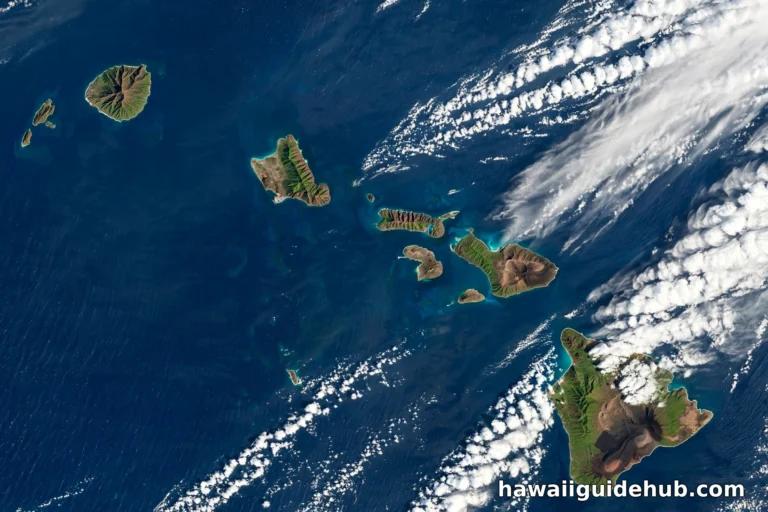
Hawaii’s hospital system is thinner than what most mainland visitors are used to, and the gaps matter most on the neighbor islands. On Oʻahu you are never far from a major hospital. On Maui there is essentially one. On the Big Island the hospitals are far apart. Knowing the right hospital before you need it saves critical time.
Oʻahu
Oʻahu has the deepest medical resources in the state. The Queen’s Medical Center in Honolulu is Hawaii’s only Level 1 Trauma Center, which makes it the destination for the most serious injuries statewide. Other Honolulu hospitals include Straub Benioff Medical Center, Kaiser Permanente Moanalua Medical Center, and Kapiʻolani Medical Center for Women and Children. Outside Honolulu, options include Pali Momi Medical Center in ʻAiea, Adventist Health Castle in Kailua, and The Queen’s Medical Center West Oʻahu in ʻEwa Beach. If you are staying in Waikiki, Queen’s and Straub are both a short drive away. If you have not chosen your island yet, our guide to the best island in Hawaii for first-time visitors can help you decide.
Maui
Maui Memorial Medical Center in Wailuku is the only acute care hospital on Maui, and its emergency department is a state-designated Level III Trauma Center that handles more than 50,000 visits a year. If you are staying in West Maui or South Maui, the drive to Wailuku can take 45 minutes or more in traffic, so factor that into any emergency plan. Visitors with serious conditions are sometimes flown to Oʻahu, which is one more reason travel insurance with medical evacuation coverage matters here.
Big Island
The Big Island has three main hospitals spread across a very large island: Hilo Medical Center on the east side, Kona Community Hospital on the west side near Kealakekua, and Queen’s North Hawaiʻi Community Hospital in Waimea. The island’s size is the real story. Depending on where you are staying, the nearest hospital can be an hour or more away on two-lane roads, so visitors exploring remote areas like the far southern coast should be extra cautious about injuries.
Kauaʻi, Molokaʻi, and Lānaʻi
On Kauaʻi, Wilcox Medical Center in Līhuʻe is the main hospital, with Kauaʻi Veterans Memorial Hospital serving the west side in Waimea. Molokaʻi has Molokaʻi General Hospital in Kaunakakai, and Lānaʻi has Lānaʻi Community Hospital. These smaller facilities stabilize patients and transfer serious cases to Oʻahu when needed. If you have a significant chronic condition and are visiting Molokaʻi or Lānaʻi, talk to your doctor before the trip about a plan for emergencies.
Urgent Care or Emergency Room: How to Choose
This is the decision that saves visitors the most money and waiting time. Go to the emergency room for anything that could be life or limb threatening: chest pain, difficulty breathing, serious bleeding, head injuries, broken bones that look deformed, signs of stroke, or severe allergic reactions. Call 911 rather than driving yourself for these.
Choose urgent care for everything else that still needs same-day attention: ear infections from swimming, urinary tract infections, minor cuts that might need stitches, sprains, rashes, bad sunburns, fevers, and stomach bugs. Urgent care clinics are all over the tourist zones of Oʻahu, Maui, Kauaʻi, and the Big Island, many with evening and weekend hours. You will typically be seen far faster than at an ER, and the bill will be a fraction of the cost.
One caution: if an urgent care clinic evaluates you and decides your problem is more serious than it looked, they will send you to the emergency room. That is the system working correctly, not a wasted visit. Follow their advice.
What Medical Care Costs in Hawaii Without Insurance
Most visitors have health insurance from home, but coverage varies wildly once you leave your plan’s network, and international visitors may have none at all. Knowing typical costs helps you make calmer decisions. An urgent care visit for a minor issue commonly runs a few hundred dollars for self-pay patients, and many clinics offer a clear self-pay price if you ask up front. An emergency room visit typically starts around a thousand dollars and climbs fast with imaging, labs, and procedures.
The bills that truly shock visitors are the transport ones. An inter-island air ambulance flight can cost tens of thousands of dollars, and a medevac to the mainland runs even higher. Ground ambulance rides cost hundreds to more than a thousand dollars depending on distance. This is why travel insurance with emergency medical and evacuation coverage is so strongly recommended for Hawaii, especially for neighbor island trips. The daily cost of a policy is small compared with even one uncovered emergency bill.
Federal law requires hospital emergency departments to evaluate and stabilize anyone with an emergency medical condition regardless of insurance or ability to pay, so never avoid the ER in a true emergency because of cost fears. For non-emergencies, always ask about self-pay rates before treatment. Many clinics and pharmacies will quote you a price on the spot.
Pharmacies and Prescription Refills
Hawaii has all the major pharmacy chains, including Longs Drugs (the local CVS brand), Walgreens, Walmart, and Costco pharmacies. If you run out of a prescription, a local pharmacy can often arrange an emergency transfer or partial fill with help from your home pharmacy and prescribing doctor, though controlled substances have stricter rules. Bring your prescription bottles with the pharmacy labels, plus your doctor’s contact information, to make this smooth.
The far better plan is to bring more medication than you need, packed in your carry-on bag, never in checked luggage. Bags get delayed and lost, and replacing a prescription on a Sunday on a neighbor island is nobody’s idea of a vacation. If you take refrigerated medication, bring a cooler bag and confirm your hotel room has a refrigerator before you arrive. Our full whether you need a passport to fly to Hawaii covers flying with medications and Hawaii’s specific rules in detail.
Health Problems Hawaii Visitors Get Most
Sunburn is the number one avoidable visitor injury. The Hawaiian sun is stronger than most visitors expect, and burns happen fast even on cloudy days. Use reef-safe sunscreen, reapply every two hours, and wear a rash guard for long snorkel sessions. Second-degree burns with blistering need medical attention, not just aloe.
Dehydration sneaks up on hikers, especially on exposed trails like Diamond Head or the lava fields of the Big Island. Drink water before you feel thirsty, carry more than you think you need, and watch for headache, dizziness, and dark urine. Coral cuts and scrapes are extremely common, and they get infected easily in warm ocean water, so clean every cut thoroughly the same day and watch for spreading redness. Marine stings from jellyfish and sea urchins range from painful to dangerous. Rinse jellyfish stings with vinegar, remove urchin spines with tweezers, and call Poison Control at 1-800-222-1222 if you are unsure how serious it is.

Swimmer’s ear, an infection of the ear canal from trapped water, is a classic post-snorkel complaint that urgent care treats quickly with prescription drops. Stomach bugs happen too, usually from the same travel germs as anywhere, and urgent care can help if vomiting or diarrhea will not stop. Sprained ankles from uneven lava rock and muddy trails round out the list. If volcano hiking is on your itinerary, our guide to the best things to do in Hawaii Volcanoes National Park helps you plan a safer visit. If you cannot bear weight on it, get it imaged rather than hoping it is just a bruise.
Health Insurance and Travel Insurance for Your Trip
Before you fly, call your health insurance company and ask three questions: am I covered for emergency care in Hawaii, am I covered for urgent care visits there, and does my plan include medical evacuation? Many mainland plans cover true emergencies anywhere in the US but treat Hawaii urgent care as out of network, which means higher copays. Medicare covers emergency care in Hawaii, but standard Medicare does not cover care outside the US, which matters if your trip continues abroad.
Travel insurance fills the gaps, and for Hawaii the medical evacuation benefit is the one that matters most. Look for a policy with at least $100,000 in emergency medical coverage and $250,000 or more in evacuation coverage, and read the fine print on adventure activities if you plan to surf, dive, or hike seriously. Buy the policy soon after booking your trip, because the best cancellation benefits only apply to early purchases. Keep the insurer’s 24-hour assistance number in your phone next to 911.
What to Do in a Medical Emergency: Step by Step
If someone is seriously hurt or ill, call 911 first. Give the dispatcher your exact location, using the hotel name and room number, street address, or nearest mile marker, and describe what happened. Stay on the line until the dispatcher releases you. If you are at a hotel, send someone to the lobby to flag down the ambulance, because drivers can struggle to find the right building in a large resort.
While waiting for help, do only what you are trained to do. Control serious bleeding with firm direct pressure. Do not move someone with a suspected neck or back injury unless they are in immediate danger. If someone is not breathing and you know CPR, start it. For drowning victims pulled from the water, call 911 even if they seem to recover, because secondary drowning can develop hours later.
After the emergency, keep every piece of paper: the ambulance report, the ER discharge instructions, prescriptions, and all receipts. You will need them for insurance claims, and memories of medical details fade fast. If language is a barrier, Hawaii hospitals provide interpreter services, so ask for one rather than struggling through critical instructions.
Video: Staying Healthy on Your Hawaii Trip
Practical health advice for Hawaii visitors, from sun protection to handling minor injuries on the islands.
Frequently Asked Questions
Can visitors use hospitals in Hawaii?
Yes. Hawaii hospitals treat visitors every day, and emergency departments must evaluate and stabilize emergency conditions regardless of insurance. Bring your insurance card and a photo ID, but do not delay emergency care if you do not have them on you.
Should I go to urgent care or the ER in Hawaii?
Go to the ER for anything potentially life threatening, and call 911 for the most serious situations. Choose urgent care for minor injuries, infections, rashes, and illnesses that need same-day attention. Urgent care is faster and far cheaper for these problems.
How much does an ER visit cost in Hawaii without insurance?
Costs vary, but an ER visit typically starts around a thousand dollars and rises with tests and treatment, while urgent care visits commonly cost a few hundred dollars self-pay. Ask for self-pay pricing up front, and consider travel insurance with medical coverage before your trip.
What is the main hospital on Maui for visitors?
Maui Memorial Medical Center in Wailuku is the only acute care hospital on Maui, with a 24-hour emergency department. From West Maui or South Maui resort areas, allow 45 minutes or more for the drive, longer in traffic.
Can I get a prescription refilled in Hawaii?
Often, yes. Major pharmacies like Longs Drugs and Walgreens can usually arrange a transfer or emergency fill with your home pharmacy and doctor. Bring your labeled prescription bottles and your doctor’s contact information. Controlled substances have stricter rules, so bring enough of those for the whole trip.
What should I do about a coral cut?
Clean it thoroughly the same day with soap and fresh water, apply antibiotic ointment, and keep it covered and dry when you can. Watch for spreading redness, swelling, or red streaks, which signal infection and need prompt medical attention at urgent care.
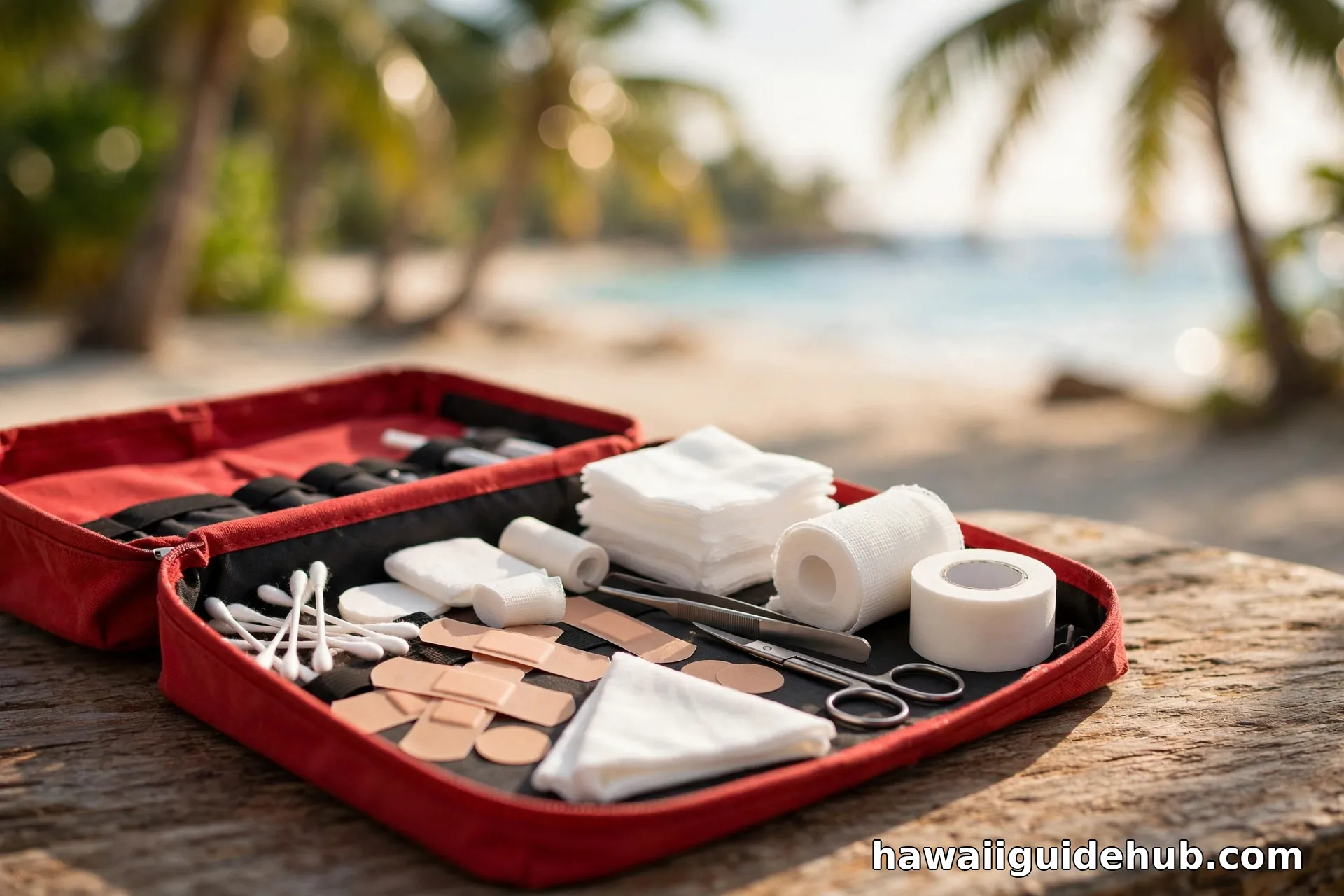
Most visitors never need more than sunscreen and common sense, but Hawaii rewards the prepared. Know your island’s main hospital, save 911 and Poison Control in your phone, pack a small first aid kit, and get travel insurance with evacuation coverage. Then forget about all of it and enjoy the islands, which is the whole point of going.