Hawaii Emergency Numbers for Visitors

Every year millions of visitors arrive in Hawaii expecting nothing but sunshine, and almost all of them get exactly that. But paradise still has emergencies. People get stung by jellyfish, twist ankles on lava rock, lock keys in rental cars, and occasionally face something far more serious. When that happens, knowing which number to call, and what to say, saves precious minutes.
This is the single complete guide to Hawaii emergency numbers for visitors. It covers the one number that handles every true emergency, the specialist lines for poisonings and mental health crises, the non-emergency police number for each island, and how to handle ocean emergencies and natural disaster alerts. Save the key numbers in your phone before you land, and the rest of your trip can be about enjoying the islands.
Emergency Numbers at a Glance
| Priority | Number | What it is for |
|---|---|---|
| Emergency | 911 | Any life-threatening emergency: serious injury, fire, crime in progress, drowning |
| Urgent help | 1-800-222-1222 | Poison Control: suspected poisoning, stings, or dangerous ingestion |
| Urgent help | 988 | Hawaiʻi CARES: mental health crisis or suicide prevention, call or text |
| Local help | 211 | Aloha United Way 211: community services and non-emergency local help |
| Local help | (808) 529-3111 | Honolulu Police non-emergency (Oʻahu) |
| Local help | (808) 935-3311 | Hawaiʻi County Police non-emergency (Big Island) |
| Local help | (808) 244-6400 | Maui Police non-emergency (Maui County) |
| Local help | (808) 241-1711 | Kauaʻi Police non-emergency |
911 in Hawaii: The One Number for Every Real Emergency
In Hawaii, 911 works exactly the way it does on the US mainland. One call reaches police, fire, and ambulance dispatch for the county you are calling from, on every island, around the clock. If you are hurt, see a fire, witness a crime happening, or spot someone in trouble in the ocean, call 911 first and figure out the details later. Dispatchers would much rather take a call that turns out to be minor than miss one that was serious.
Your cell phone will reach 911 even in situations where a normal call would fail. Federal rules require carriers to connect 911 calls from any mobile phone, including phones without an active service plan, as long as the phone can find any carrier signal at all. That said, Hawaii has real dead zones. Remote valleys, parts of the Road to Hāna, the far side of the Big Island, and deep trailheads can have no signal from any carrier. If you are heading somewhere remote, tell someone your plan and your expected return time before you lose coverage.
When you call 911 in Hawaii, stay on the line and be ready with three things: where you are, what happened, and a callback number. Location is the hardest part for visitors, because dispatchers need something more specific than a beach name. Use the nearest street address, mile marker, lifeguard tower number, or hotel name. If you are on a trail, give the trailhead name and how far in you think you are. Do not hang up until the dispatcher tells you to, and keep your phone on in case they need to call you back.
Poison Control: 1-800-222-1222
The national Poison Control hotline, 1-800-222-1222, works in Hawaii and routes your call to poison experts. The call is free and confidential, and the line is staffed around the clock. Call it any time someone may have swallowed, inhaled, or been exposed to something dangerous, including medications, cleaning products, plants, or marine life venom. You do not need to be sure it is an emergency. The specialists will tell you whether you can handle it at home, need to see a doctor, or should call 911.
Hawaii has a few poisoning scenarios that surprise visitors. Box jellyfish and Portuguese man o war stings are the most common marine injuries, and while most are painful rather than life threatening, severe reactions happen. Certain reef fish and cone snails carry venom. On land, some ornamental plants in hotel landscaping are toxic if eaten, which matters most for traveling families with small children who put everything in their mouths. If a child eats an unknown berry or leaf, call Poison Control before you do anything else, and have the plant or product nearby so you can describe it.
A practical note for parents: take a photo of any plant or product involved before you call. The specialist may ask you to describe or even text details, and a clear photo speeds everything up. Do not induce vomiting unless Poison Control specifically tells you to, because for some substances vomiting causes more damage than the swallow itself.
Mental Health Crisis: Call or Text 988
The 988 Suicide and Crisis Lifeline works in Hawaii, and in the islands it connects to Hawaiʻi CARES, the state crisis line run by the Hawaiʻi Department of Health. You can call or text 988 any time, day or night, if you or someone with you is experiencing a mental health crisis, emotional distress, or suicidal thoughts. The service is free and confidential, and it is available to visitors, not just residents.
If you have a phone number from outside the 808 area code and want to reach a local Hawaiʻi crisis counselor directly, you can also call (808) 832-3100 or the toll free line at (800) 753-6879. Save one of these in your phone alongside 988 before your trip. A vacation can be disorienting, and being far from home during a crisis makes it harder to think clearly. Having the number already saved removes one obstacle at the worst possible moment.
Non-Emergency Police Numbers by Island
Not every police matter is an emergency. If a crime already happened and there is no immediate danger, if you need to report a theft from your rental car, a noise complaint, or lost property, use the non-emergency dispatch line for the island you are on. Calling 911 for non-urgent matters ties up dispatchers who may be handling real emergencies.
| Island | Police department | Non-emergency number | Use it for |
|---|---|---|---|
| Oʻahu | Honolulu Police Department | (808) 529-3111 | Theft reports, noise complaints, questions that are not emergencies |
| Big Island | Hawaiʻi County Police | (808) 935-3311 | Theft reports, noise complaints, questions that are not emergencies |
| Maui, Molokaʻi, Lānaʻi | Maui Police Department | (808) 244-6400 | Theft reports, noise complaints, questions that are not emergencies |
| Kauaʻi | Kauaʻi Police Department | (808) 241-1711 | Theft reports, noise complaints, questions that are not emergencies |
Rental car break-ins are the most common reason visitors call these numbers. If it happens to you, do not touch anything inside the car before the police arrive if you can avoid it, take photos of the damage, and have your rental agreement handy. You will need the police report number for your rental car company and your travel insurance claim, so ask the responding officer for it before they leave.
Ocean Emergencies: Lifeguards, 911, and Channel 16
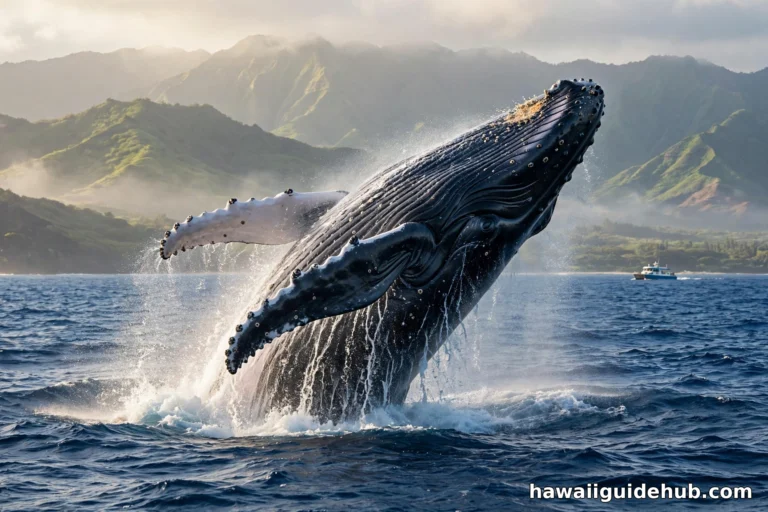
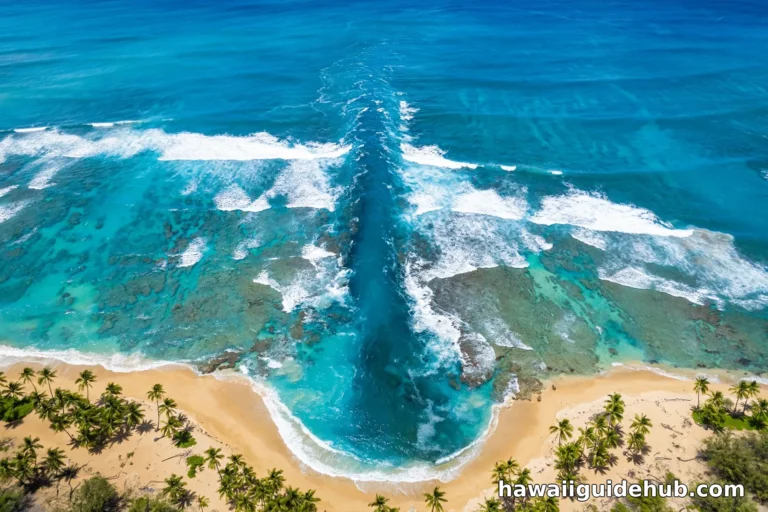
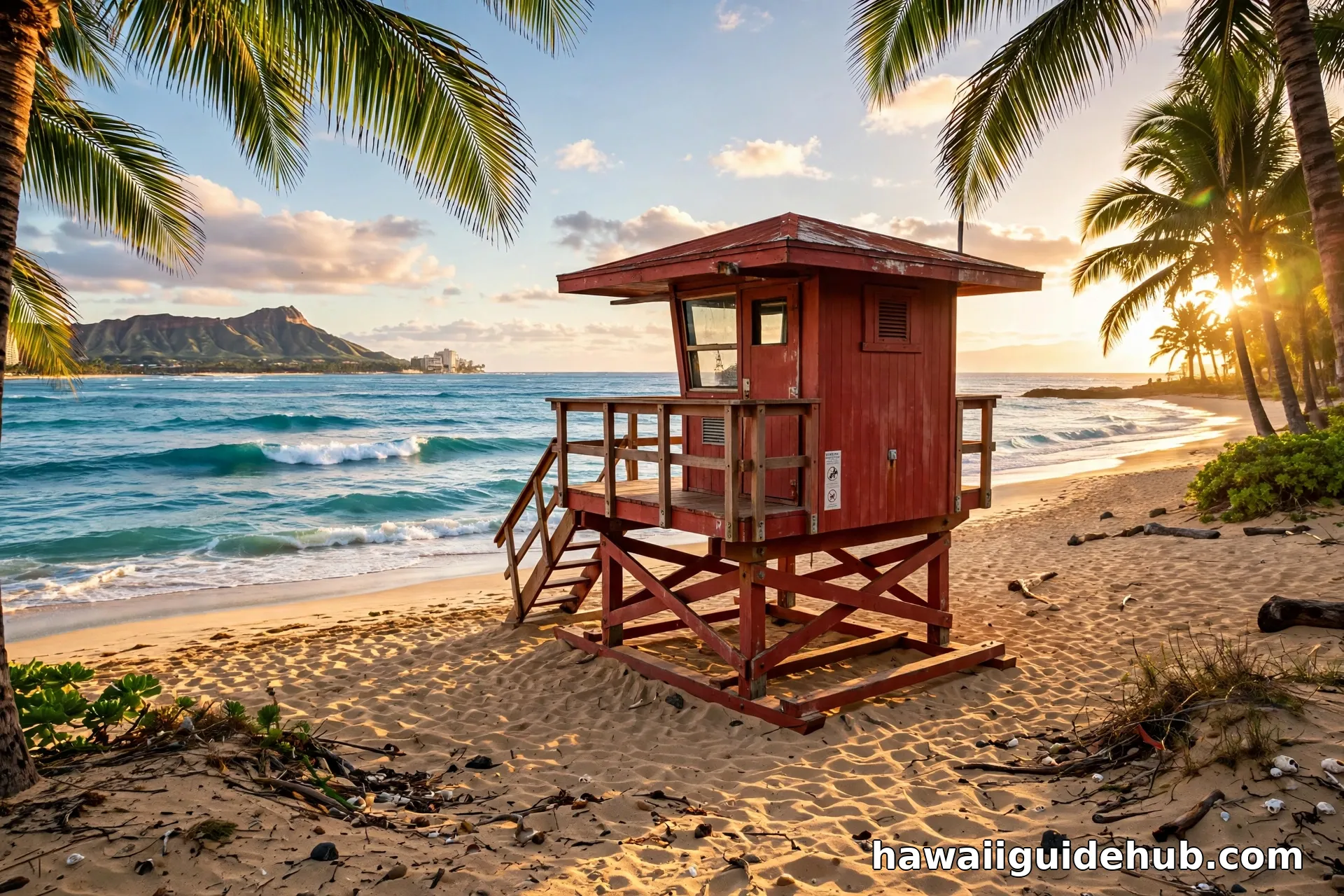
Drowning is the leading cause of death for visitors in Hawaii, ahead of every other danger on the islands. The single best thing you can do is swim at lifeguarded beaches and respect the warning signs and flags. If you see someone in trouble in the water, call 911 immediately and alert the nearest lifeguard. Do not swim out to attempt a rescue yourself unless you are trained, because panicking swimmers pull rescuers under, and Hawaii loses would-be rescuers this way.
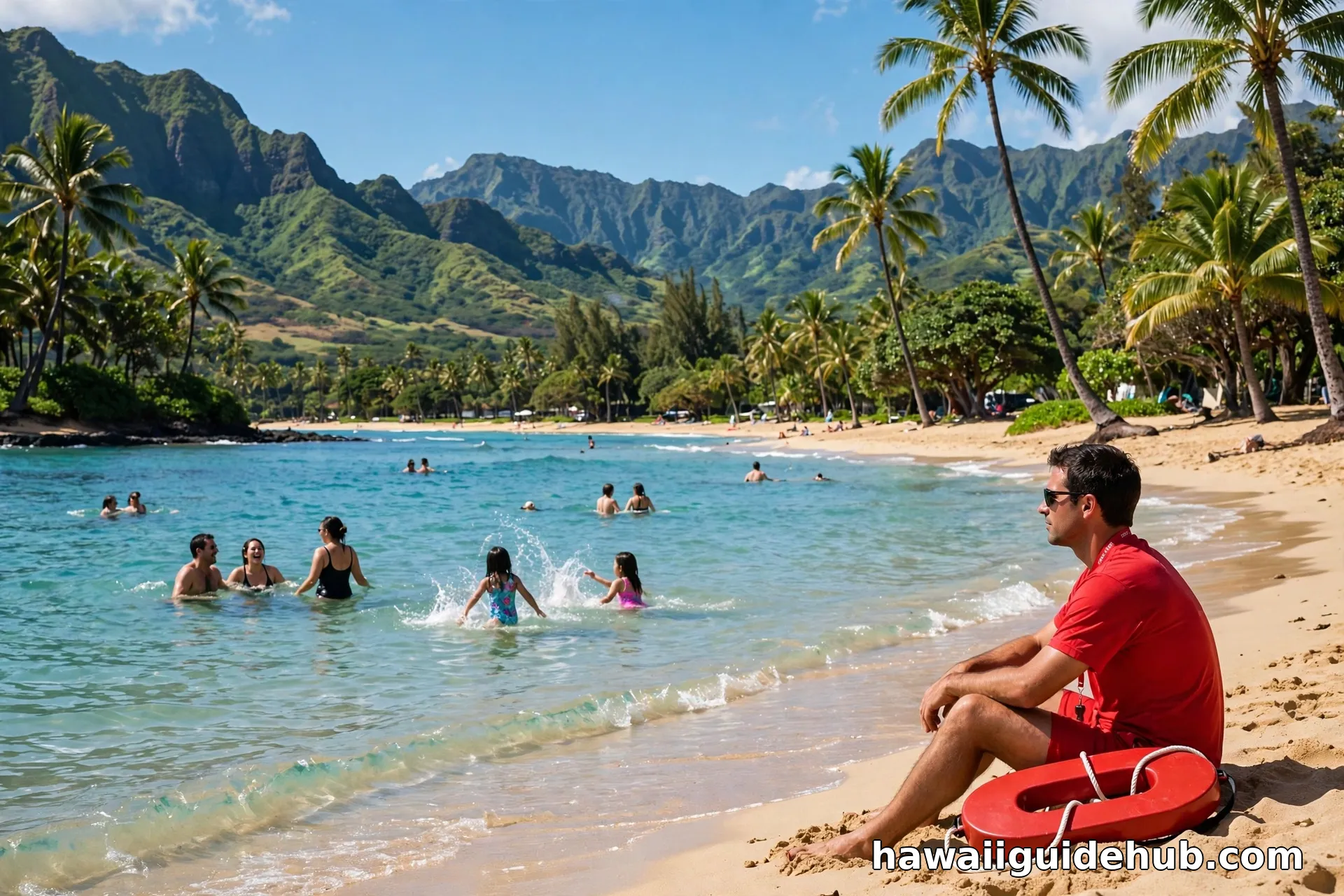
Snorkelers and divers should know that Hawaii lifeguards and county ocean safety teams respond to 911 calls for ocean rescues, and the US Coast Guard handles emergencies farther offshore. If you are on a boat and face a life-threatening situation at sea, VHF marine radio channel 16 is the international distress frequency monitored by the Coast Guard. Private boat renters should confirm the vessel has a working VHF radio before leaving the harbor, because cell coverage fades quickly once you are offshore.
For jellyfish stings, the standard first aid is to rinse with vinegar, which most lifeguard stands stock, and to remove tentacles with tweezers rather than bare hands. Hot water immersion helps with the pain of many marine stings. If the victim has trouble breathing, chest pain, or a spreading rash, treat it as an emergency and call 911. Severe allergic reactions can escalate fast.
Natural Disaster Alerts: Sirens, Tsunamis, and Hurricanes
Hawaii tests its statewide outdoor warning sirens on the first working day of each month at 11:45 AM. If you hear the sirens at any other time, treat it as a real emergency and seek information immediately. The sirens signal events like tsunamis or other major threats. When they sound outside the monthly test, move to official information sources: local TV and radio, the National Weather Service Honolulu office, and your county emergency management agency.
Tsunami evacuation maps are posted in most hotel rooms and lobbies, usually on the back of the room door. Look at yours when you check in, not when the sirens sound. If you are in a tsunami evacuation zone and a warning is issued, move inland or to high ground immediately. Do not go to the beach to watch. Hurricanes are less frequent but real, and hurricane season runs June through November. If a hurricane watch is issued during your trip, follow the instructions from your hotel and county emergency management, keep your phone charged, and fill your rental car with gas early, because stations run out quickly.
Flash floods kill more people in Hawaii than hurricanes do. Heavy rain in the mountains can turn a calm stream into a deadly torrent in minutes, even when it is sunny where you are standing. Never cross a flooded road or a stream running high and brown, and never hike in narrow valleys when rain is forecast upstream. This is the rule behind most hiking fatalities on the islands, including on famous trails across Kauaʻi and Oʻahu.
Before You Need Help: A Five-Minute Safety Setup
The best emergency plan is the one you make before anything goes wrong. When you land, take five minutes to save 911, Poison Control (1-800-222-1222), 988, and the non-emergency police number for your island in your phone contacts. Add your hotel name, address, and front desk number too, because you will need that address if you ever call 911 from the property.
Travel insurance with medical evacuation coverage is worth serious consideration in Hawaii. Inter-island medical flights are expensive, and a serious injury on a neighbor island can mean a flight to Oʻahu for specialized care. Our cheapest time of year to visit Hawaii walks through what to look for. It is also smart to know where the nearest hospital and urgent care clinic are relative to your hotel, especially if anyone in your group has a chronic condition. Our best island in Hawaii for first-time visitors lists the main hospitals on each island.
Pack a small first aid kit with reef-safe sunscreen, blister treatment, antihistamines, and any personal medications, plus a printed card listing allergies and prescriptions for each traveler. If you take prescription medication, our whether you need a passport to fly to Hawaii explain how to fly with it and what to do if you run out on the islands. For families, talk to kids in advance about what 911 is for and when to call, and make sure every child knows the name of your hotel.
Video: Hawaii Safety Tips for Visitors
A visual walkthrough of the safety basics every Hawaii visitor should know, from ocean hazards to emergency numbers.
Frequently Asked Questions
What is the emergency number in Hawaii?
911, the same as the rest of the United States. It reaches police, fire, and ambulance dispatch on every island. Your cell phone will connect to 911 even without an active service plan, as long as it can find any carrier signal.
What is the Poison Control number in Hawaii?
1-800-222-1222. It is a free, confidential, 24-hour national hotline that routes Hawaii callers to poison experts. Call it for suspected poisonings, dangerous ingestions, or serious marine stings before deciding whether you need the emergency room.
Does 988 work in Hawaii?
Yes. Calling or texting 988 in Hawaii connects you to Hawaiʻi CARES, the state crisis line. Visitors can use it just like residents. You can also reach a local counselor directly at (808) 832-3100 or toll free at (800) 753-6879.
What should I do if my rental car is broken into?
Call the non-emergency police number for your island: (808) 529-3111 on Oʻahu, (808) 935-3311 on the Big Island, (808) 244-6400 in Maui County, or (808) 241-1711 on Kauaʻi. Take photos of the damage, have your rental agreement ready, and get the police report number for your rental company and insurance claim.
What happens when the tsunami sirens sound in Hawaii?
The sirens are tested at 11:45 AM on the first working day of each month. If you hear them at any other time, it is a real warning. Check local TV, radio, or official county emergency management sources immediately, and if you are in a tsunami evacuation zone, move inland or to high ground.
Is there a visitor helpline in Hawaii?
For non-emergency community help, call Aloha United Way 211. For tourist-specific assistance, your hotel front desk and the Hawaiʻi Tourism Authority visitor resources are good starting points. In a genuine emergency, always call 911 first.
Hawaii is one of the safest vacation destinations in the United States, and the vast majority of visitors never need any of these numbers. But the islands are also remote, the ocean is powerful, and help can be farther away than it looks. Saving a handful of numbers before you land costs nothing and covers you for everything from a jellyfish sting to a real crisis, so you can spend your trip thinking about beaches instead of what-ifs.