Oneloa Beach Maui: Big Beach, the Shore Break, and Turtle Town Nearby

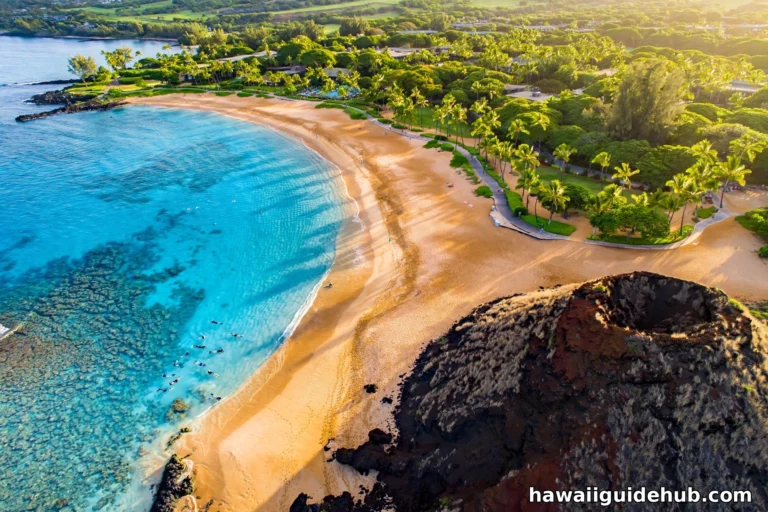
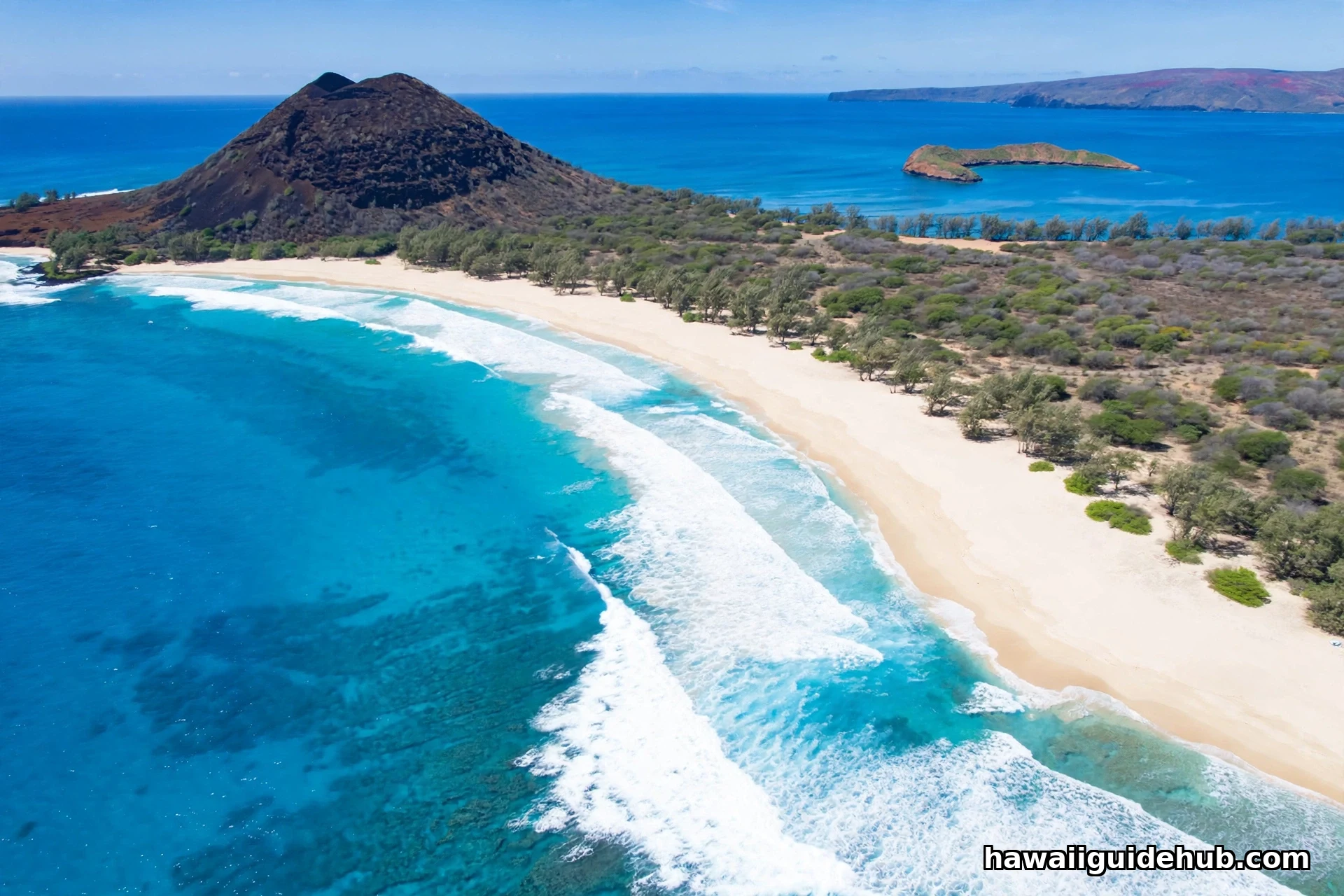
Oneloa Beach is the Hawaiian name for what everyone calls Big Beach. It sits inside Mākena State Park on Maui’s south shore, a stretch of golden sand nearly a mile long with the dark cinder cone of Puʻu Olaʻi rising at its north end. Ask a local for Oneloa and they may pause; ask for Big Beach and they will point you straight down Mākena Alanui. This guide covers the beach itself, the famous shore break that defines it, and nearby Maluaka Beach, better known as Turtle Town, since many visitors search the two together. If you are still weighing reasons to visit Maui, this stretch of coast makes a strong case on its own.
Oneloa Beach at a Glance
| What | Non-residents | Hawaiʻi residents |
|---|---|---|
| Entry | $5 per person | Free with ID |
| Parking | $10 per vehicle | Free |
| Hours | Daily 5:00 AM to 7:00 PM; summer months to 7:45 PM | |
| Lifeguards | Staffed at Big Beach; none at Little Beach | |
| Known for | Powerful shore break, bodyboarding, sunsets | |
| Size | Nearly a mile of sand, about 100 feet wide; park is 164.4 acres | |
| Location | Mākena State Park, south Maui, off Mākena Alanui | |
| The name | ʻOneloa (“long sand”); better known as Big Beach | |
| The bottom line | Budget $15 per person arriving by car; swim at Big Beach if you want a lifeguard on duty | |
Where Oneloa Beach Is and How to Get There
Oneloa Beach is part of Mākena State Park on Maui’s south shore, just past the resort community of Wailea. From Kahului, take Highway 31 south toward Kihei, continue through Kihei into Wailea, and follow Wailea Alanui Drive south. It becomes Mākena Alanui. The park entrances appear on the ocean side of the road, roughly a 30 to 40 minute drive from Kahului depending on traffic.
There are two main entrances for Big Beach. The first entrance, the north parking lot, tends to fill first. If it is full, continue to the second entrance. Parking lot gates open at 7:00 AM and close at 7:00 PM daily. You can pay for parking at kiosks upon arrival or online through the state’s parking payment system. Note that the park charges both an entry fee and a parking fee for non-residents, so bring a card or phone for the kiosk.
What the Beach Is Like
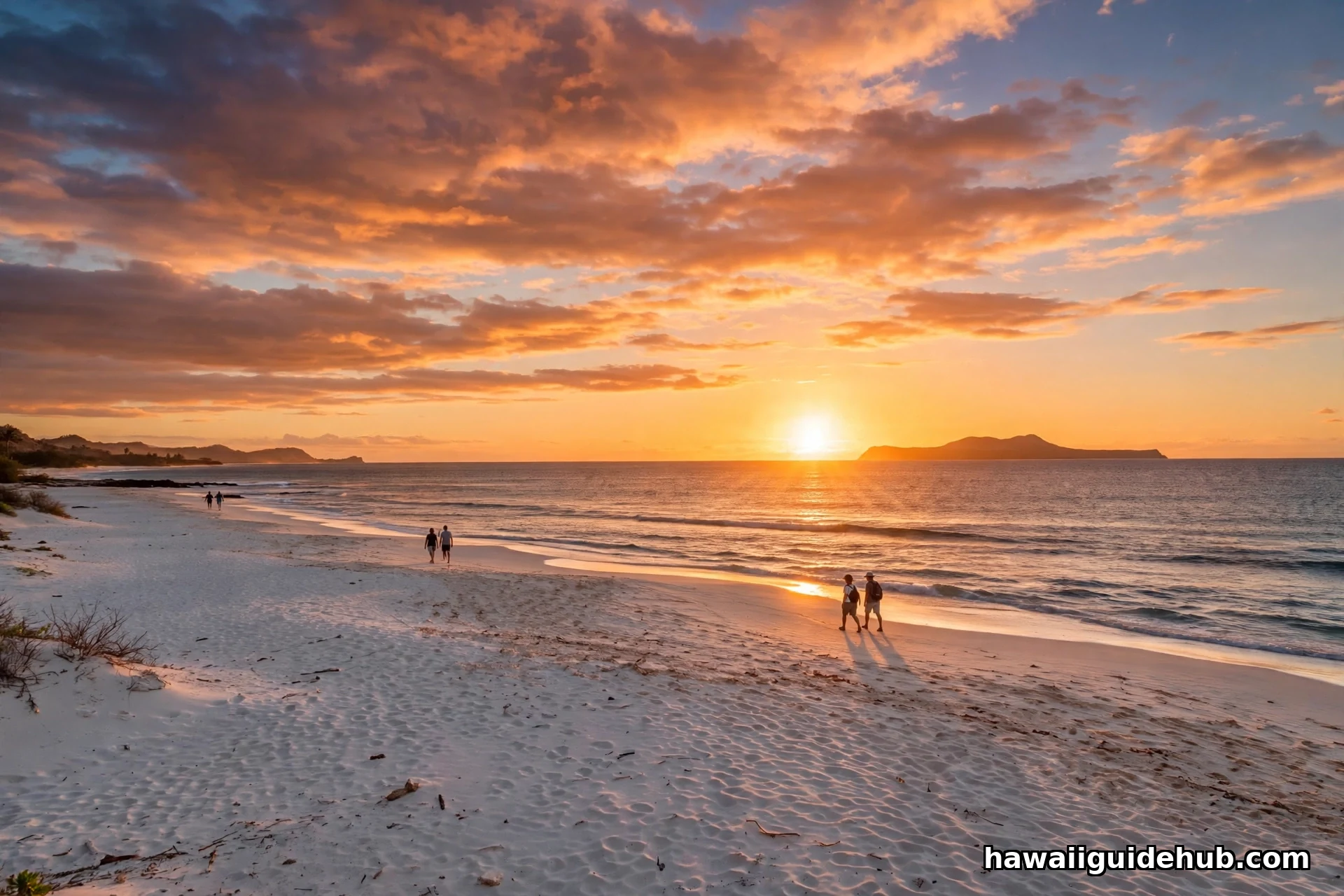
Big Beach earns its name. The sand is soft, light, and powdery, sloping gently for the first stretch before dropping more steeply near the waterline. The beach faces southwest, which means it catches direct afternoon sun and some of the best sunset views on Maui, with Kahoʻolawe and Molokini sitting offshore. Kiawe trees line the back of the beach and offer the only natural shade, so mornings are the time to claim a spot under them. Behind the sand, the park stays deliberately wild. This is not a groomed resort beach; it is a 164.4-acre wildland park, and the scrubby kiawe forest behind the dunes gives Big Beach a remote feel despite sitting minutes from Wailea’s resorts. That wildness is part of the appeal, but it also means you should bring everything you need, because there are no shops, no rentals, and no drinking water inside the park.
Getting around the park is simple but worth planning. The first entrance serves the south and central part of Big Beach, while the second entrance puts you closer to the middle of the sand. The north end of the beach, below Puʻu Olaʻi, is where the trail to Little Beach begins. Walking the full length of Big Beach takes about 20 to 30 minutes at a relaxed pace, and the sand is soft enough that the walk itself is a workout. Wear sandals you can slip off, carry water even for a stroll, and note where you entered, because every stretch of this beach looks similar once you are out on the sand.
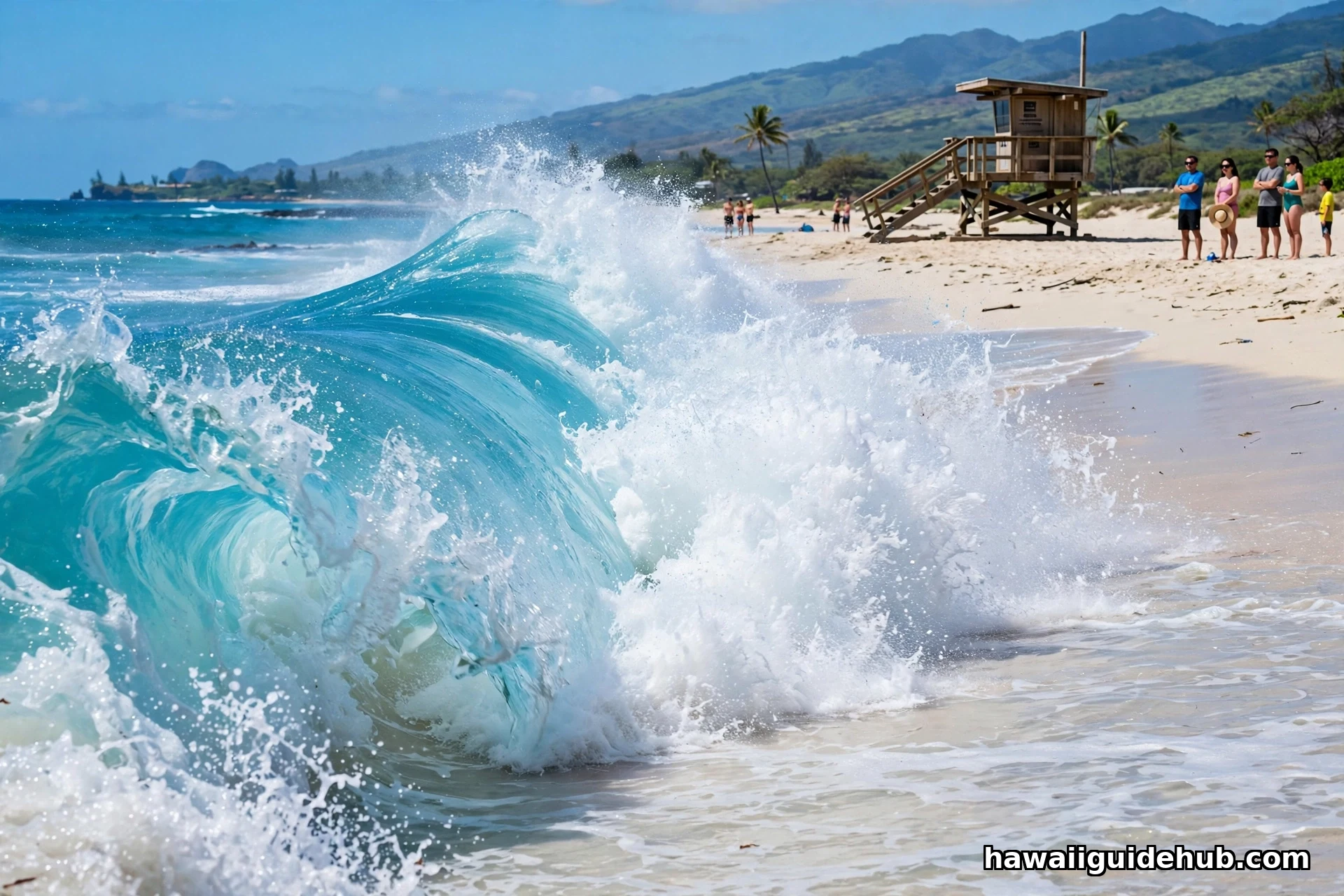
The defining feature of Oneloa is the shore break. Waves break very close to shore in shallow water, slamming into the sand with real force. On calm days the water is a beautiful turquoise and swimming is pleasant. When surf is up, the same beach becomes a spectacle to watch rather than a place to swim. The Hawaiʻi Division of State Parks posts a clear caution: shore break can be very dangerous.
Swimming at Oneloa: Read This First
The shore break at Big Beach has caused serious injuries over the years, including spinal injuries from swimmers being driven into the sand. Lifeguards staff the towers at Big Beach and repeat the same advice constantly: if in doubt, do not go out. Check in with a lifeguard before entering the water, swim in front of a tower, and never turn your back on the ocean.
That said, plenty of days at Oneloa are calm and lovely for swimming. Early mornings are usually the calmest, and the surf often builds through the day. Children and weaker swimmers should stay in very shallow water or skip swimming here on all but the calmest days. If you are traveling with kids who want to splash safely, consider one of the calmer alternatives below.
Surf, Bodysurfing, and Bodyboarding
When the surf is up, Big Beach is one of Maui’s best shore break spots for experienced bodysurfers and bodyboarders. Summer south swells bring the biggest waves. This is not a beginner spot when it is breaking; the same power that thrills experts is what injures the unprepared. Skimboarders also love the steep, hard-packed sand at the waterline on calm mornings.
Snorkeling at Big Beach
Snorkeling at Oneloa is best on calm mornings and near the rocky ends of the beach, where fish gather around the lava outcroppings. Visibility drops when surf stirs up the sand. For reliably calm snorkeling with turtles, Maluaka Beach to the north is the better choice, which brings us to the second half of this guide.
Maluaka Beach: Turtle Town
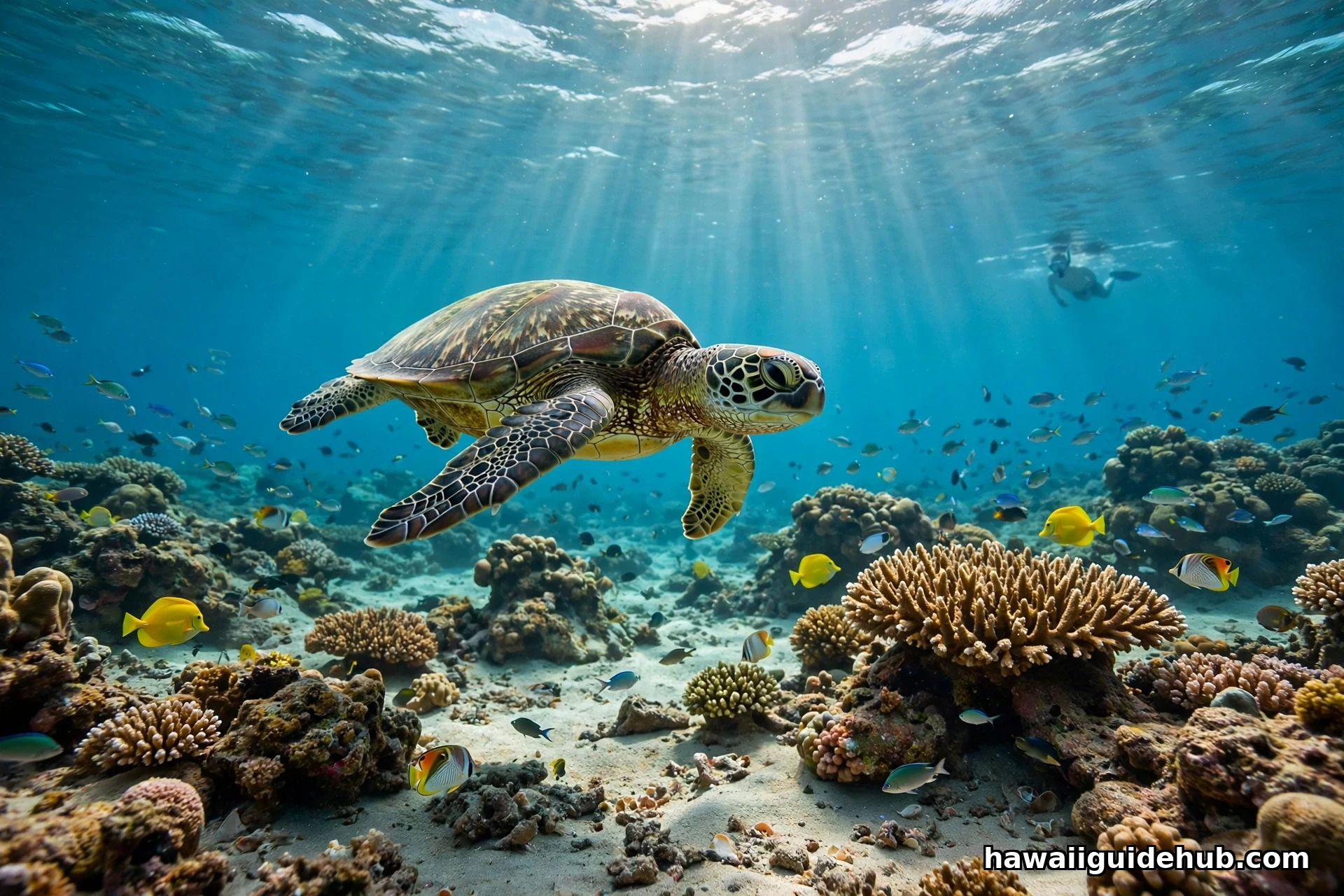
Many people who search for Oneloa Beach are also looking for Maluaka Beach, famous as Turtle Town. Maluaka is a separate, smaller beach a few minutes north of Mākena State Park, fronting the Mākena Beach and Golf Resort along Mākena Alanui. The area earned its nickname because Hawaiian green sea turtles, or honu, are seen here almost daily, often within a few yards of shore.
Unlike Big Beach, Maluaka is usually calm, with a sandy bottom and a fringing reef that shelters colorful fish and resting turtles. The south end of the beach has the best snorkeling. Morning is the best time to visit, before Maui’s trade winds chop the surface in the afternoon. There is no lifeguard at Maluaka, so swim within your ability and keep the standard ten to fifteen feet of distance from turtles, which are protected by state and federal law. Our guide to sea turtle etiquette and conservation covers the rules in detail, and the marine species guide will help you identify what you see on the reef.
Parking at Maluaka is free but limited. Put Keawalaʻi Church into your GPS; the free public lot sits across the street, with restrooms and showers nearby. Arrive early, especially on weekends. A big shade tree at the south end and a grassy area make this a comfortable family beach, and snorkel tour boats anchor offshore precisely because the turtle sightings are so reliable.
Little Beach and Oneuli
Mākena State Park holds three beaches. Puʻu Olaʻi, or Little Beach, sits just over the cinder cone at the north end of Big Beach and is reached by a short trail. It has its own weekend hours, 5:00 AM to 4:00 PM on Saturdays and Sundays, with weekday hours matching the rest of the park. There is no lifeguard and no drinking water, and nudity, while tolerated there by custom, remains against the law. Oneuli, the park’s black sand beach, sits on the other side of the cone and offers a completely different look with its dark volcanic sand.
A note on Little Beach is worth making plainly. The cove has a long-standing reputation as a clothing-optional gathering spot, and Sunday afternoons there traditionally draw a drum circle at sunset. State park rules still prohibit nudity, and enforcement varies. Families with children generally prefer to stay on Big Beach itself, where the lifeguards are and the atmosphere is straightforward. If you hike over the cone out of curiosity, go in daylight, bring water, and treat it like any backcountry trail: the footing is uneven and there is no help nearby if you twist an ankle.
Parking, Fees, and Facilities
Mākena State Park now uses paid parking and entry. Non-residents pay $5 per person to enter and $10 per vehicle to park; Hawaiʻi residents are free with a state driver’s license or ID, and children three and under are free. There is no drinking water in the park, so bring more than you think you need. Restrooms are available, and food trucks often set up near the entrances selling plate lunches and drinks. There are no restaurants inside the park.
Rules and Etiquette
Standard state park rules apply: no alcohol, no smoking, no open fires, no camping without a permit, and no driving on the beach. Pack out all trash. At Maluaka and anywhere turtles appear, do not touch or chase honu; federal law protects them and fines are steep. Use reef-safe sunscreen, which is required by Hawaiʻi law, and avoid standing on coral.
Best Time to Visit
Summer brings the biggest south swells to Big Beach, which is great for watching the shore break and bodyboarding if you are experienced, but less ideal for calm swimming. Winter tends to be calmer on the south shore. Mornings are almost always calmer than afternoons at both Oneloa and Maluaka, thanks to the trade wind pattern. For sunset, arrive an hour early; Big Beach faces southwest and the sunsets over Kahoʻolawe are memorable. Our guide to the best months to visit Hawaiʻi can help you time the whole trip.
Nearby Alternatives
If Big Beach’s surf looks too rough for your group, head north to Maluaka Beach for calm snorkeling and turtles, or continue to the Kamaʻole beaches in Kihei, which have lifeguards and gentler entries. Poʻolenalena Beach, just north of Maluaka, is another quieter option with good snorkeling. For dramatic coastal scenery without swimming, the lava fields and blowholes south of the park along the road to La Perouse Bay are worth the drive. For a broader look at planning active days across the islands, see our guide to outdoor adventures in Hawaiʻi.
See Oneloa Beach on Video
Frequently Asked Questions
Is Oneloa Beach the same as Big Beach?
Yes. ʻOneloa is the Hawaiian name, meaning long sand. Big Beach is the common name everyone uses. Both refer to the main beach inside Mākena State Park.
Is Oneloa Beach safe for swimming?
It depends on the day. The shore break can be very dangerous when surf is up, and injuries happen every year. On calm mornings, swimming is pleasant. Always check with the lifeguards, swim in front of a tower, and follow the rule: if in doubt, do not go out.
Are there lifeguards at Oneloa Beach?
Yes, lifeguard towers at Big Beach are staffed. Little Beach, just over the cinder cone, has no lifeguard. Maluaka Beach to the north also has no lifeguard.
Where is Turtle Town on Maui?
Turtle Town is the nickname for the Maluaka Beach area in Mākena, a few minutes north of Mākena State Park. Hawaiian green sea turtles are seen there almost daily, making it one of Maui’s most reliable shore snorkeling spots for honu.
How much does it cost to visit Oneloa Beach?
Non-residents pay $5 per person entry plus $10 per vehicle for parking. Hawaiʻi residents are free with a state ID, and children three and under are free.
Can you snorkel at Maluaka Beach?
Yes, and it is one of the best easy snorkeling spots in South Maui. The south end has the best reef. Go in the morning for the calmest water, stay off the coral, and keep your distance from turtles.
Oneloa Beach rewards respect. On a calm morning it is one of the most beautiful stretches of sand on Maui; when the surf rises it becomes a powerful reminder of what the ocean can do. Pair a Big Beach visit with a calm-water snorkel at nearby Turtle Town, and you get both sides of South Maui’s coast in a single day.