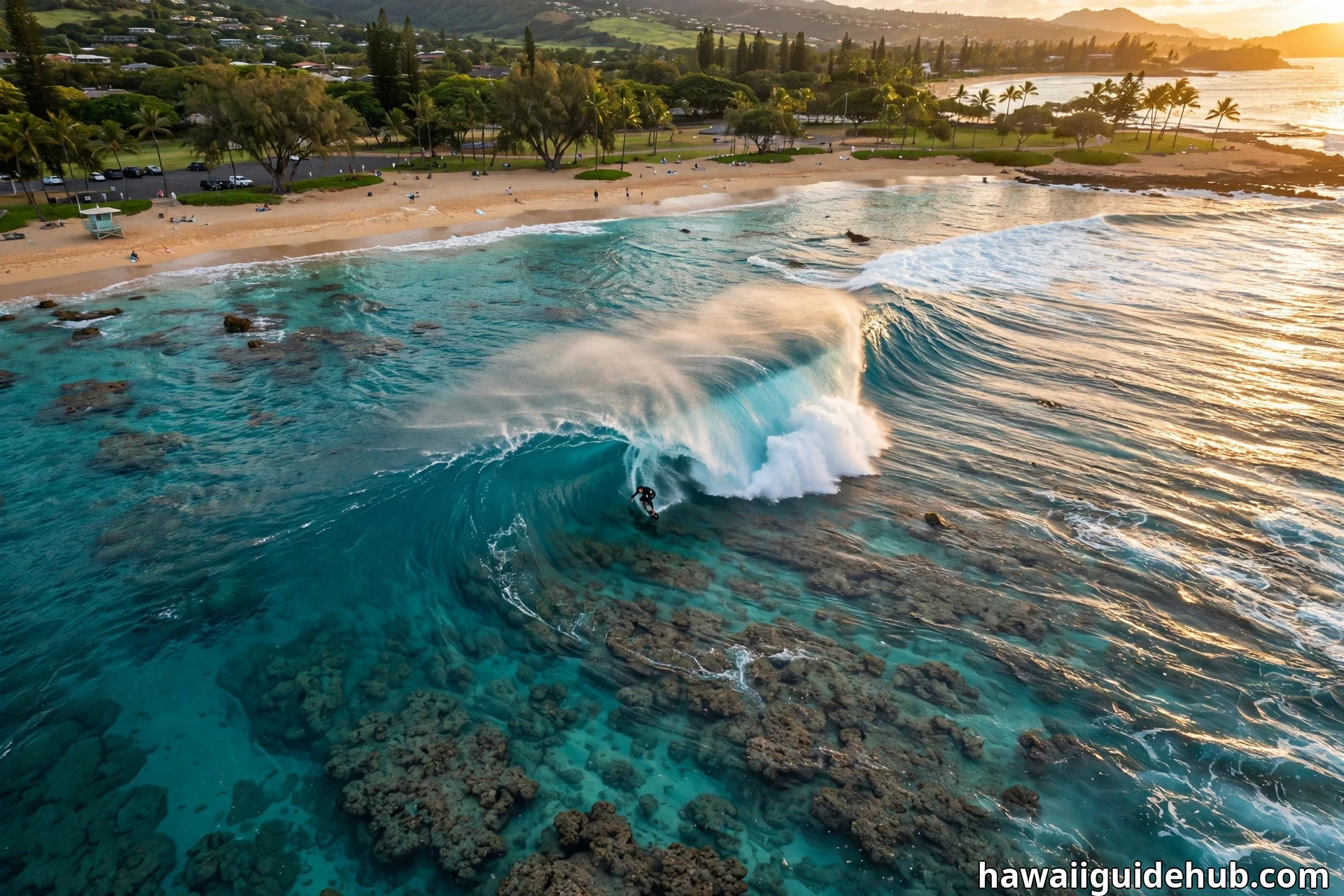
North Shore Webcam: Watch Live Surf Cams at Pipeline, Sunset and Waimea

There is a particular kind of morning that North Shore regulars know well. You wake up before the sun, make coffee, and open a surf cam on your phone to see what the ocean did overnight. The screen flickers to life and there it is: Banzai Pipeline, glassy and hollow, a perfect barrel peeling across the reef at Ehukai Beach. In that moment, you are standing on the sand without leaving your bed. That is the quiet magic of the North Shore webcam, a window into the most famous seven miles of surf on the planet.
Whether you are planning a winter trip to Oʻahu, timing a surf session, or simply feeding a healthy obsession with big waves, North Shore webcams are the single best tool you have. This guide covers where to watch the best live cams, which beaches to check, how to read what you are seeing, and how to turn a morning of cam watching into a real visit.
Why the North Shore Has the Best Surf Cams in Hawaii
The North Shore of Oʻahu is often called the seven mile miracle, a stretch of coastline from Haleʻiwa to Sunset Beach that holds the greatest concentration of world-class surf breaks anywhere. In winter, storms in the North Pacific send long-period swells marching thousands of miles across the ocean until they slam into the shallow reefs off Oʻahu. The result is Pipeline, Sunset Beach, Waimea Bay, and a dozen other legendary waves, all within a few miles of each other.
Because the action is so concentrated and so spectacular, the North Shore has more high-quality surf cams than anywhere else in the islands. The most famous is the explore.org live stream at Banzai Pipeline, which pans across the reef at Ehukai Beach Park around the clock. It has become the default morning ritual for surfers everywhere: check the Pipe cam, check the wind, decide whether today is the day.
For a broader look at what else the island offers beyond the waves, our complete Oʻahu island guide covers the full picture, from the North Shore to Waikīkī and everywhere in between.
The Best North Shore Webcams to Watch
Not all cams are created equal. Some stare at an empty beach, some refresh once a minute, and some deliver a genuine front-row seat. Here are the ones worth bookmarking.
Banzai Pipeline (Ehukai Beach)
The king of surf cams. The explore.org stream looks straight at Pipeline from Ehukai Beach Park, slowly panning left and right across the reef with live audio of the ocean. From November through February, you can watch perfect barrels and the occasional pro threading the needle. In summer, the same cam shows calm, turquoise water that looks like a swimming pool. It is the single best visual surf report on the planet for this break, and it runs 24 hours a day.
Sunset Beach
Just west of Pipeline, Sunset Beach is a wide, powerful beach break that handles enormous swell. Cams here show long, orderly lines of whitewater marching toward shore, which makes Sunset one of the best cams for judging overall North Shore swell size at a glance. When Sunset looks maxed out, everywhere else is firing too. Winter is also contest season here, with major professional events drawing the best surfers in the world.
Waimea Bay
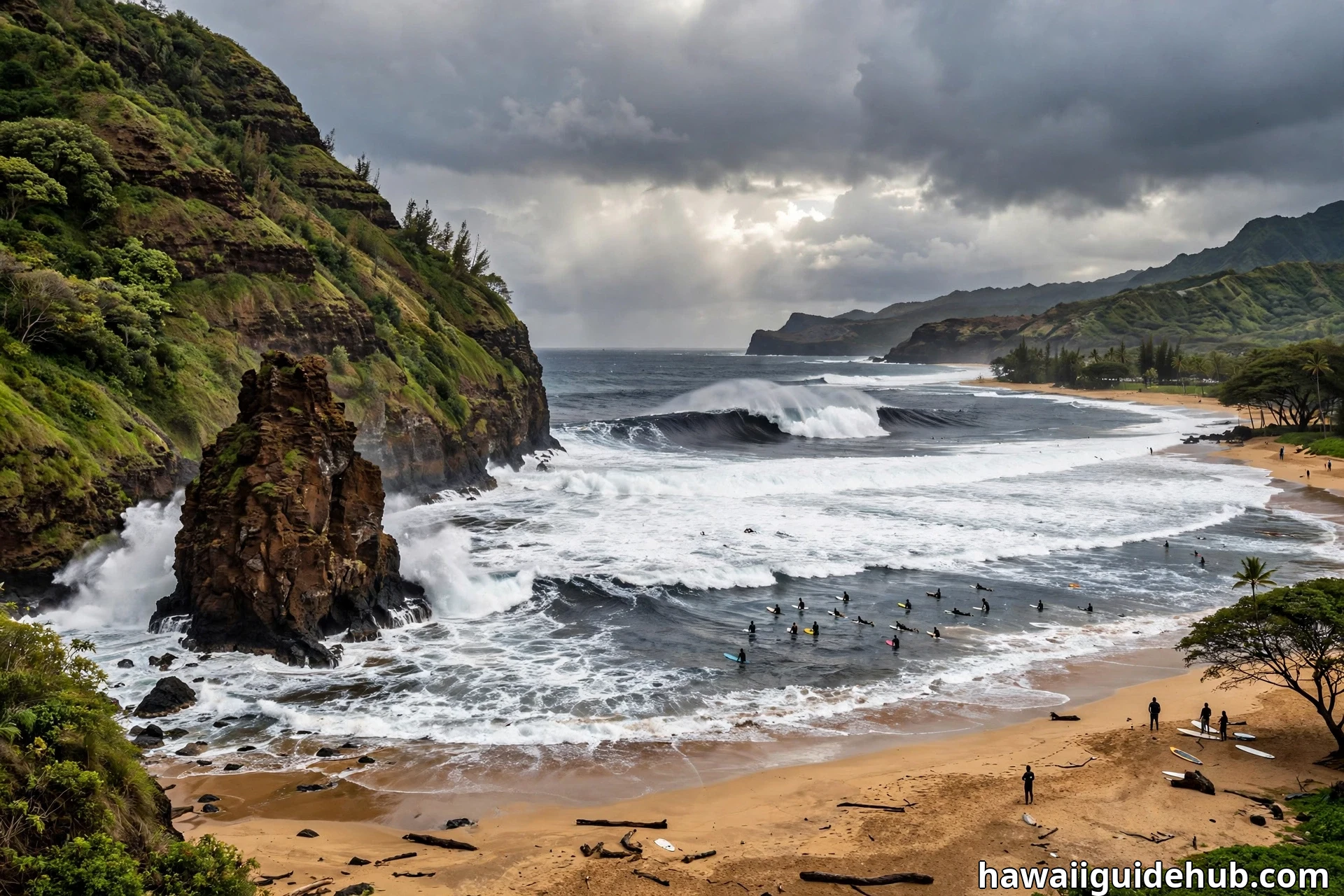
Waimea is where big wave surfing was born, and the bay cams capture the whole amphitheater. On the biggest days of winter, waves break far out on the outer reefs, and the cam view stretches from the famous shorebreak all the way to the horizon. When the Eddie Aikau Big Wave Invitational gets the green light, usually only a handful of times per decade, the Waimea cam becomes must-watch television for the entire surf world.
Haleʻiwa Aliʻi Beach
At the mellow end of the seven mile miracle, Haleʻiwa cams show the reef break, the boat harbor, and everyday town life. This is the cam to check before a surf lesson or a casual paddle, since conditions here stay manageable long after the famous breaks turn serious. It is also a lovely ambient stream: harbor boats, palm trees, and the slow rhythm of a North Shore town.
Laniākea (Turtle Beach)
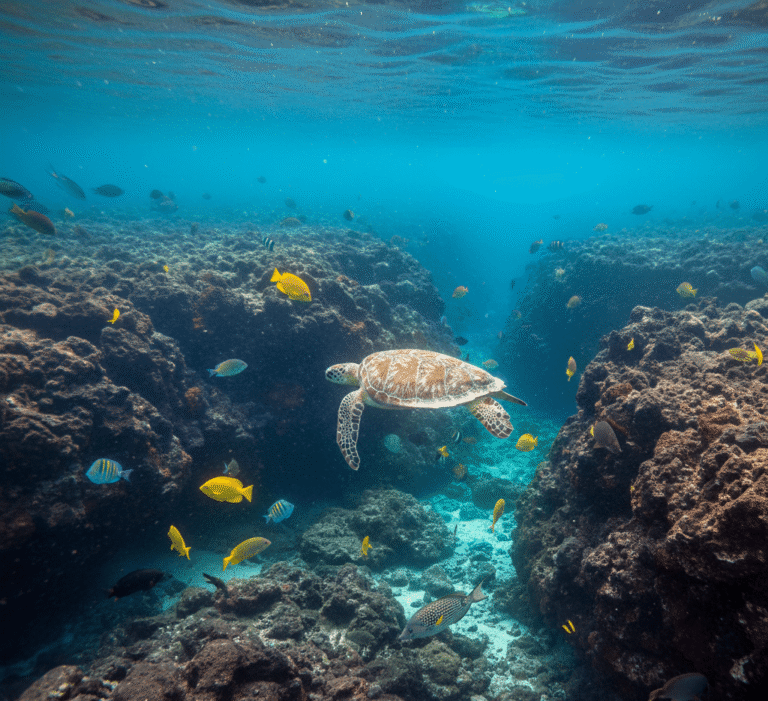
Laniākea is famous for two things, and both show up on cam. The reef break out front is a fun, rippable wave on the right swell, and the beach itself is one of the best places on Oʻahu to see Hawaiian green sea turtles basking on the sand. Patient cam watchers are regularly rewarded with a honu hauling out right in frame. If you want to understand these gentle giants before you visit, read our sea turtle etiquette guide so you know how to share the beach respectfully.
When to Watch: North Shore Surf Seasons
Timing is everything with North Shore cams. The same camera can show a lake or a war zone depending on the month.
Winter: November through February
This is big wave season, the reason the North Shore is famous. Storms near Alaska and Russia generate long-period swells that arrive as perfectly groomed lines of surf. December and January are typically the biggest and most consistent months, with waves routinely reaching 15 to 25 feet on the face at the outer breaks. This is when the professional contests run, when the crowds gather at Ehukai Beach Park, and when the cams are at their absolute best. If you only watch one month a year, make it January.
Spring and Fall: The Shoulder Months
March and April, plus October and early November, offer a mix. Swells still arrive but with less consistency, and the crowds thin out. These shoulder months can deliver beautiful, uncrowded days at the famous breaks, and the cams are pleasant viewing without the midwinter intensity. Water temperatures stay comfortable year round, generally in the mid to upper 70s Fahrenheit.
Summer: May through September
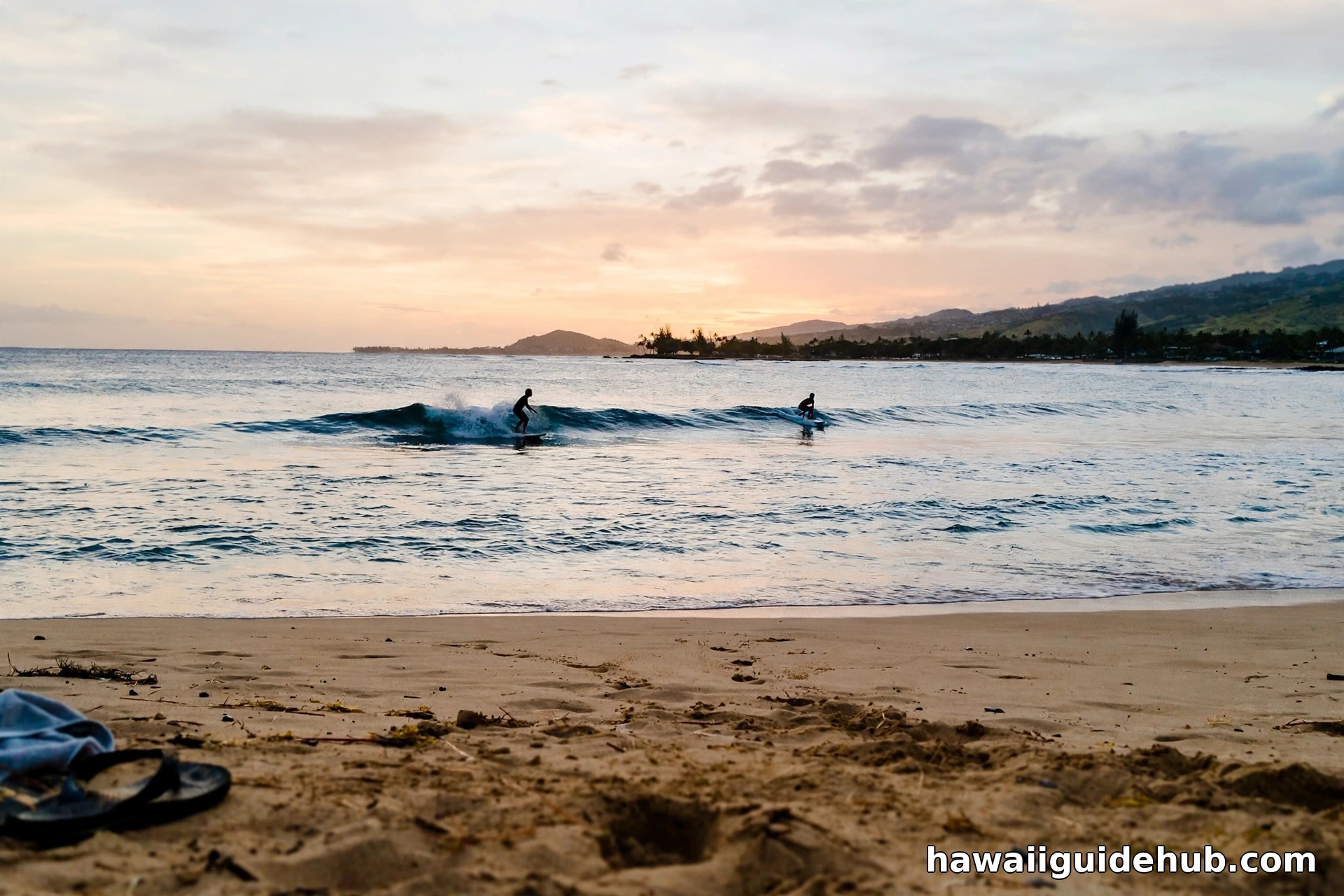
In summer, the North Pacific goes quiet and the North Shore goes flat. The same breaks that terrorized the winter become calm, clear, and swimmable. Summer cams show snorkelers, stand-up paddlers, and families enjoying water that looks like glass. Meanwhile, the surf shifts to the south shore, where Waikīkī and Ala Moana come alive with gentle south swells. If you are visiting in summer and want to learn to surf, our guide to outdoor adventures in Hawaii has plenty of ideas beyond the waves.
How to Read a North Shore Surf Cam
Watching a cam is one thing. Understanding what you are looking at is another. Here is how to decode the picture.
Wave height and the Hawaiian scale
Hawaiʻi measures waves on the Hawaiian scale, which is roughly half the actual wave face. When a local calls it 4 feet, the wave face is closer to 8 feet. Most North Shore surf reports list face height, so take the numbers at their word: a 6 to 8 foot day is solid, a 10 to 15 foot day is serious, and anything above that is expert only. On the cam, compare the waves to the surfers in the lineup. If the riders look like specks, it is big.
Swell direction
Direction decides which breaks work. North and northwest swells are the classic winter setup that lights up Pipeline, Off the Wall, and the whole seven mile miracle. West swells favor Sunset Beach. If the cam shows dribblers while the forecast promised surf, the direction is probably off for that particular break.
Swell period
Period is the seconds between wave crests, and it measures power. Under 8 seconds means weak, choppy windswell. Over 12 seconds means a proper groundswell with real push behind it. The best days on the North Shore cams show long-period swells: thick, dark lines on the horizon that stand up and feather as they hit the reef.
Wind
Wind can make or break a session, and you can often read it right on the cam. Glassy, groomed wave faces mean light or offshore wind. Whitecaps and spray blowing off the tops mean strong onshore wind, usually the trades. Winter mornings are frequently the cleanest, before the trades fill in around midday. If the palm trees on the cam are bending sideways, expect chop.
Crowd and conditions
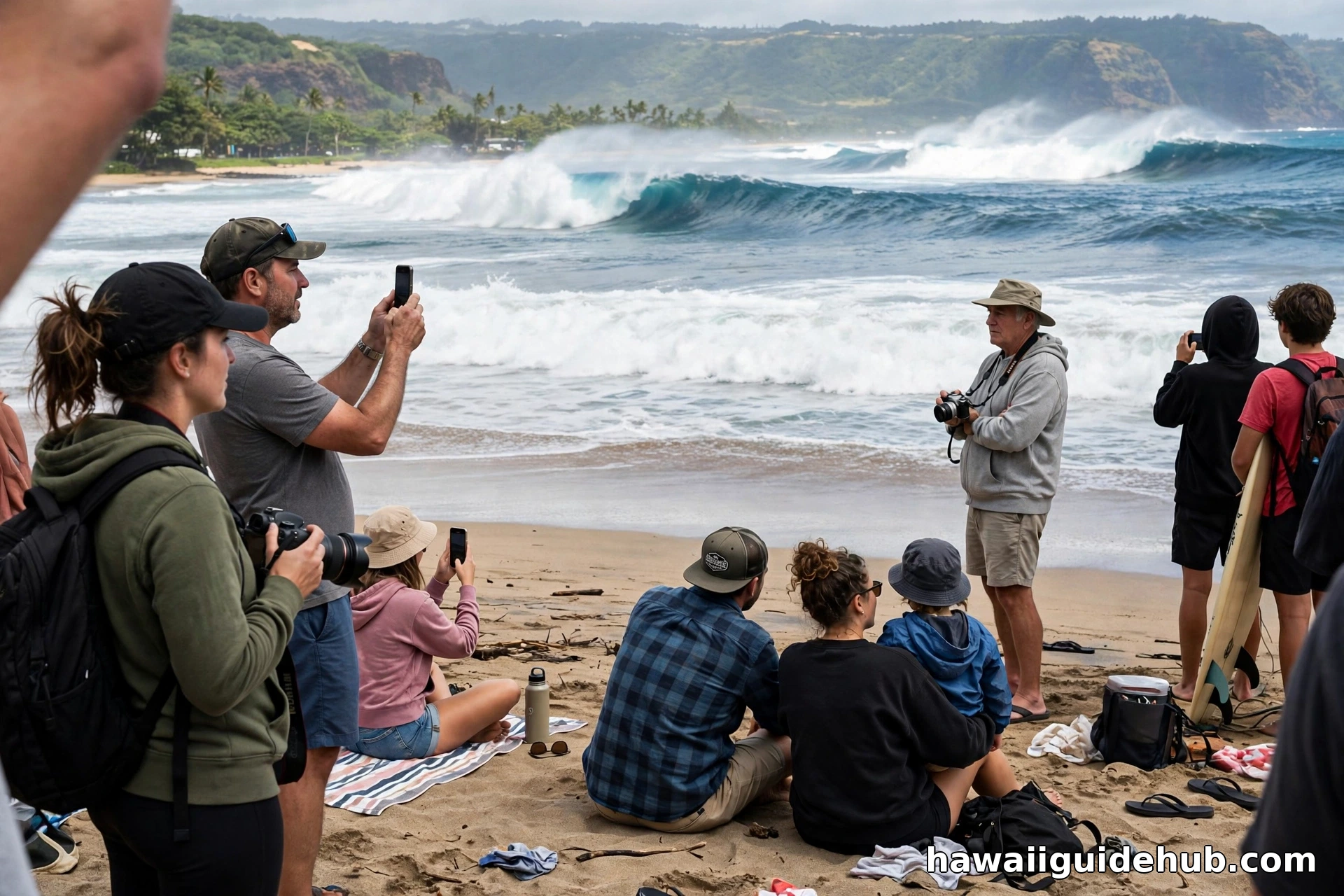
Cams also show the human side: how many surfers are out, whether the beach is packed with spectators, and whether lifeguards have posted warning signs. A crowded lineup at Pipeline on a pumping day is normal. An empty lineup on a big day is a warning: the locals who know the break best have decided to sit it out.
See the North Shore on Video
Turning Cam Watching into a Real Visit
Cams are the appetizer. Sooner or later, you will want to stand on the sand yourself. Here is how to do it right.
Getting there
The North Shore is about an hour’s drive from Waikīkī via the H-2 and Kamehameha Highway, or a spectacularly scenic 90 minutes around the windward coast on the H-3 and Kamehameha Highway. Parking at the famous beach parks fills early on big winter days, so arrive before 9 AM or plan for a late afternoon visit. The lots at Ehukai Beach Park, Sunset Beach, and Waimea Bay are all free.
Where to stand
You do not need to surf to enjoy the show. At Pipeline, the best viewing is from the sand at Ehukai Beach Park, right where the cam sits. At Waimea Bay, the point and the beach both offer incredible vantage points. Bring binoculars if you have them: on big days, the real action happens far outside, and glass makes the difference between watching dots and watching barrels.
Safety first, always
This cannot be overstated: the North Shore in winter is genuinely dangerous for anyone who is not an expert ocean swimmer. Shorebreak at Waimea and the currents at Sunset have humbled countless visitors. Watch from the sand, obey every lifeguard warning, and never turn your back on the ocean. The cams are thrilling precisely because the waves are powerful. Respect that power in person.
What to bring
Reef-safe sunscreen, water, snacks, a towel, and layers. Winter mornings on the North Shore can be breezy, and you will be standing still for a while. A pair of binoculars and a fully charged phone for photos round out the kit. If you are visiting with kids, Haleʻiwa town makes a great home base, with shave ice, shops, and calmer beaches nearby.
Pair it with the rest of Oʻahu
The North Shore is one chapter of the island. Many visitors combine a morning of wave watching with an afternoon in Haleʻiwa town, a sunset at one of the west side beaches, or a completely different kind of adventure. For marine life encounters beyond the surf, our guide to Hawaiʻi’s iconic marine species covers what you might spot in the water. And if this is your first trip to the islands, our guide for first-time visitors will help you plan the whole journey.
Frequently Asked Questions
What is the best North Shore webcam?
The explore.org Banzai Pipeline cam at Ehukai Beach Park is the gold standard. It streams in high definition around the clock, pans across the reef, and includes live ocean audio. For overall swell assessment, pair it with a Sunset Beach cam.
When is the best time to watch North Shore webcams?
During Hawaiʻi daylight hours, roughly 7 AM to 6 PM. For big waves, watch from December through February, when North Pacific winter swells peak. Summer cams show flat, calm water that is perfect for swimming but quiet for surf watching.
Are North Shore webcams free?
Yes. The major surf cams, including the explore.org Pipeline stream, are free to watch. Some surf forecasting sites offer premium tiers with extra camera angles and archives, but the core North Shore cams cost nothing.
Can I swim at Pipeline or Sunset Beach in winter?
No. In winter, these beaches are for expert surfers and spectators only. The shorebreak and currents are extremely dangerous. Even strong swimmers should stay on the sand and enjoy the show from a safe distance.
What does 10 feet mean on a North Shore surf report?
North Shore reports generally use face height, so 10 feet means a 10-foot wave face, which is very large and expert only. On the traditional Hawaiian scale, locals might call the same day 5 feet. When in doubt, look at the cam: if surfers look tiny against the waves, it is big.
Where can I watch surf contests on the North Shore?
The major winter contests, including the events of the Vans Triple Crown at Haleʻiwa, Sunset, and Pipeline, are broadcast live online during the season. The surf cams at each break also capture the action, though dedicated contest streams offer commentary and scoring.
The Cam Is Always On
The beautiful thing about a North Shore webcam is that it never closes. Long after your trip ends, the cam keeps streaming: the winter barrels, the summer glass, the sunsets that set the whole ocean on fire. It is a small daily dose of the seven mile miracle, available from anywhere with an internet connection.
Use the cams to learn the breaks, to time your visit, and to keep the stoke alive between trips. Then, when the forecast lines up and the palm trees on the cam are standing still in the morning glass, you will know exactly what to do. Check the swell, check the wind, and get yourself to the North Shore.