Kehena Black Sand Beach: Puna’s Wild Black Sand Cove, Dolphins, and What to Know Before You Go

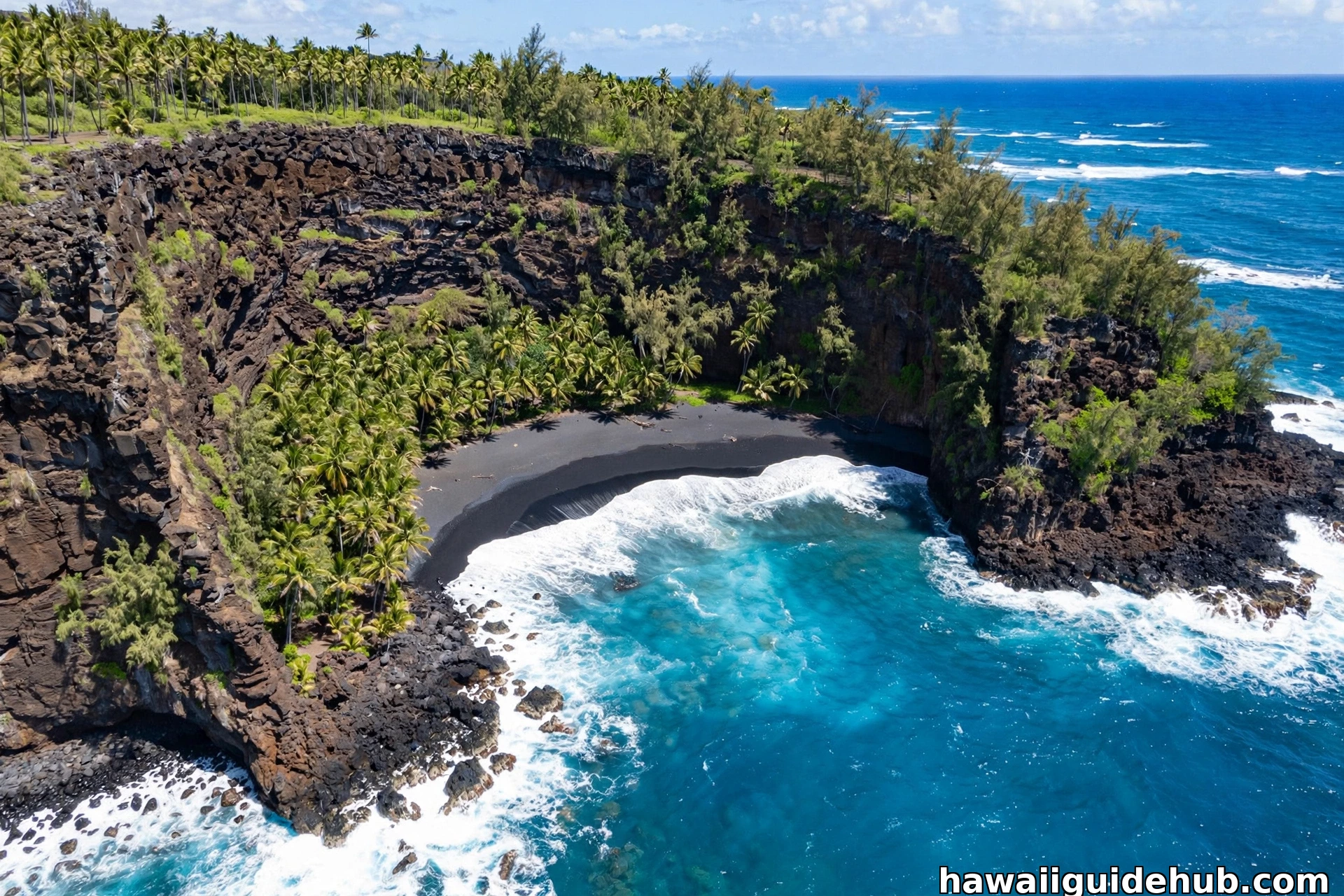
Kehena Black Sand Beach is one of those places that rewards the curious. Tucked into the Puna coastline on the Big Island, this narrow ribbon of jet-black sand sits at the bottom of a steep lava-rock trail, framed by coconut palms and pounded by open Pacific surf. It is beautiful, wild, and utterly unlike the postcard beaches of the Kona coast. It is also, famously, an unofficial clothing-optional beach, which means a visit here comes with a few things you should know before you go.
This guide covers everything: how to find Kehena, what the trail is like, when it is safe to swim, the nudist beach culture and how to be respectful, the dolphins and turtles you might see, and the practical tips that make the difference between a great day and a miserable one.
Where Is Kehena Black Sand Beach
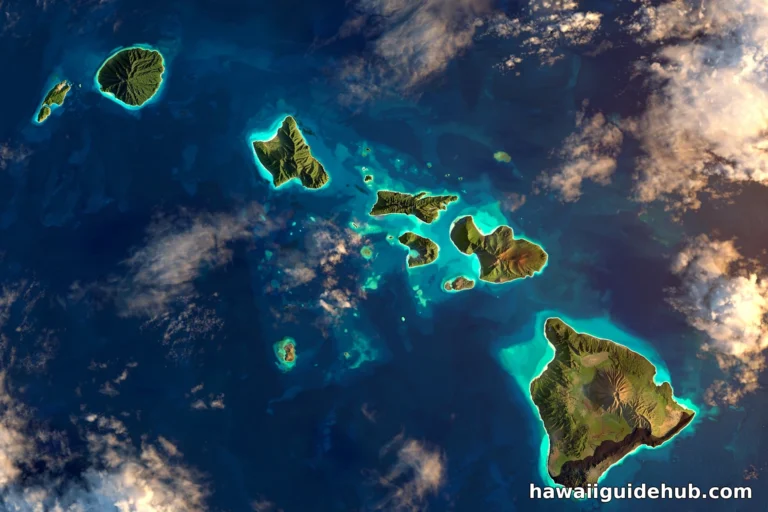
Kehena Beach sits on the east side of the Big Island in the Puna district, between Pahoa and the Kalapana lava fields. If you are staying in Hilo, it is roughly a 45-minute drive. From Kona, budget about two hours each way, which is why Kehena works best as part of a Puna day trip rather than a quick stop from the west side.
Driving directions are straightforward. From Hilo, take Highway 11 south, then turn onto Highway 130 toward Pahoa. Continue through Pahoa on Highway 130, and at mile marker 19, turn left onto Highway 137, also known as the Kalapana-Kapoho Beach Road. Drive about 2.5 miles and you will find Kehena on the left. Parking is limited roadside parking, so on weekends and holidays, arriving before 10 in the morning gives you the best shot at a spot. Park fully off the road and never block driveways, since this is a residential neighborhood.
Travelers without a car have one option: the Hele-On Bus. Take route 10 from Hilo to Pahoa, then transfer to route 403 heading toward Kaimu, and tell the driver you want Kehena Beach. It is not a marked stop, so speak up. Check the Hele-On schedule in advance, because buses on this route do not run often.
What Makes Kehena Different
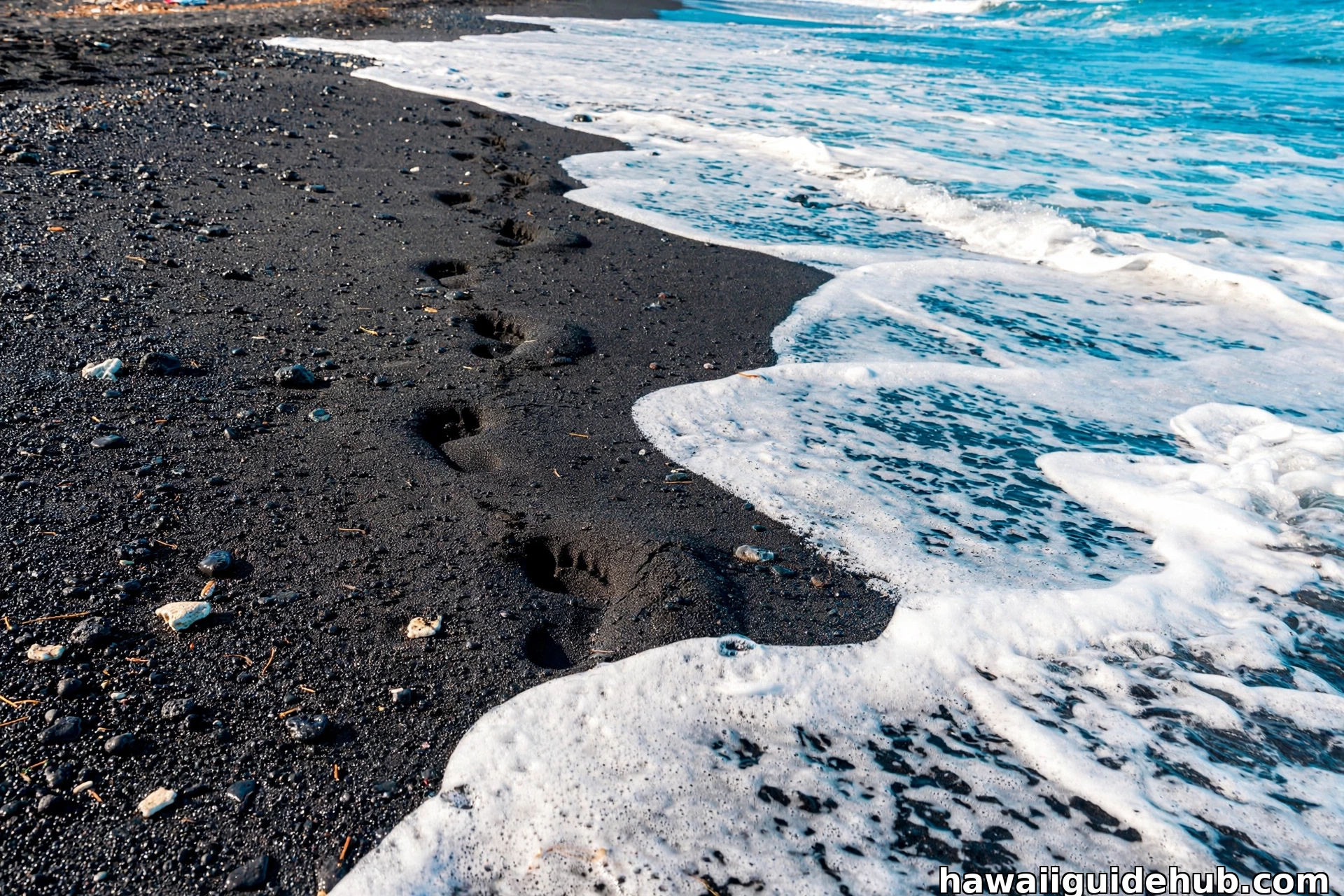
Most Hawaii beaches were here long before people arrived. Kehena is younger. The beach did not exist until 1955, when lava flowed down from the cliffs above and built this pocket of black sand at the shoreline. That origin story is written all over the place: the sand is coarse and glittering, the headlands on both sides are raw black lava rock, and the whole cove feels like a landscape that is still being made.
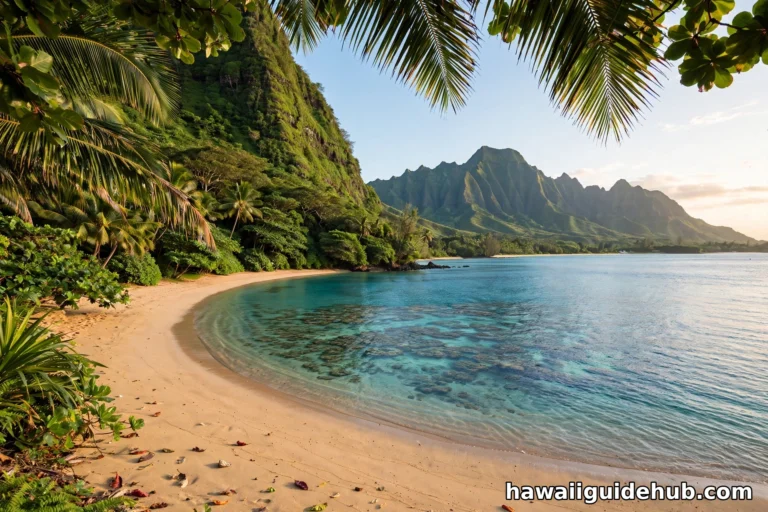
The setting is what keeps people coming back. Tall coconut palms lean over a thin crescent of black sand, waves roll straight in from the open ocean, and the cliffs give the beach a tucked-away feeling that the big resort beaches never have. On a calm morning, the contrast between the black sand, the white surf, and the turquoise water is genuinely striking.
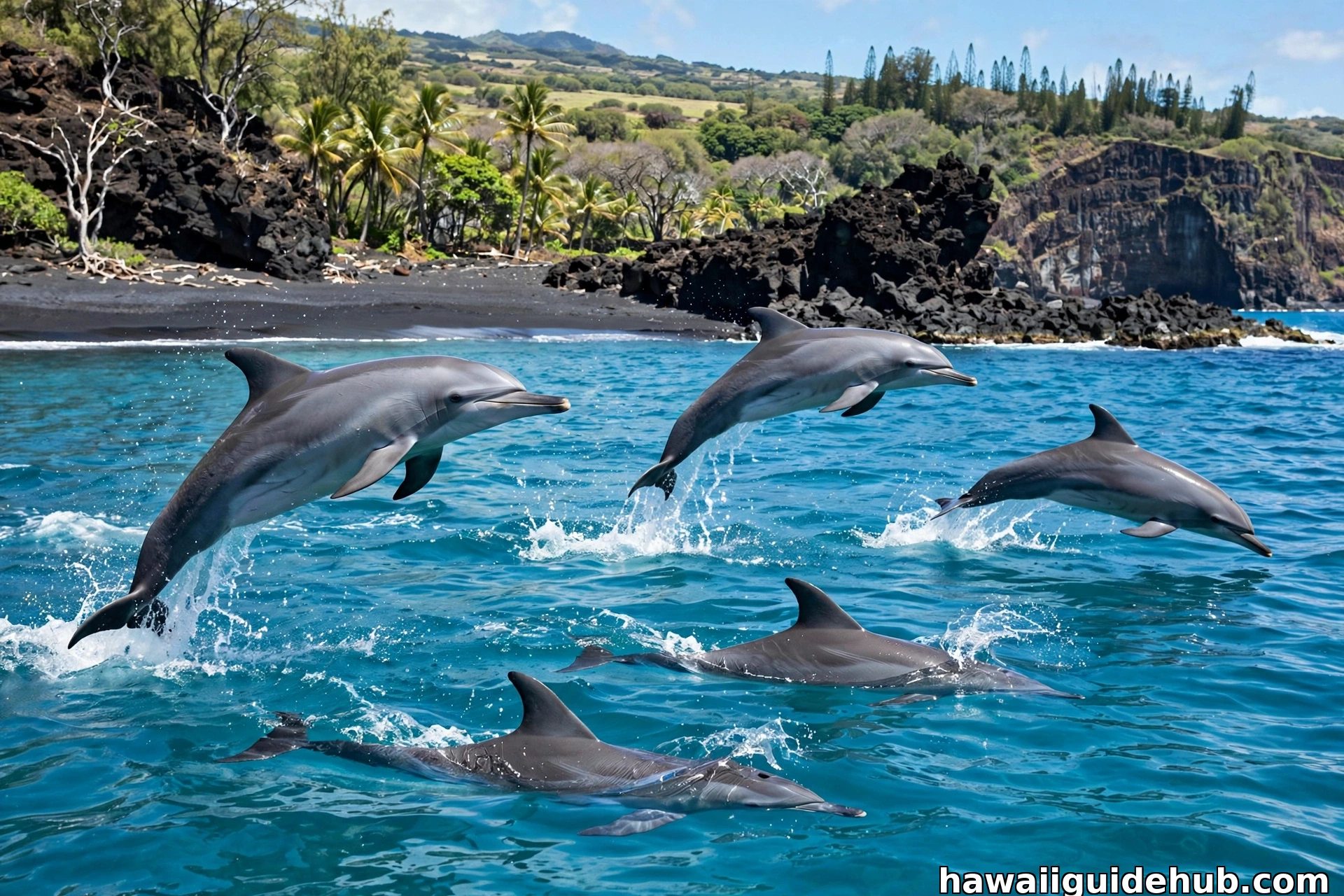
Kehena also goes by the nickname Dolphin Beach. A pod of spinner dolphins regularly cruises the waters just offshore, and seeing them arc out of the water while you float in the shallows is the kind of moment people remember for years. Green sea turtles, or honu, haul out on the sand to rest. Give any turtle at least 10 feet of space and never touch one. It is the law, and it is also just decent behavior.
The Trail Down to the Beach
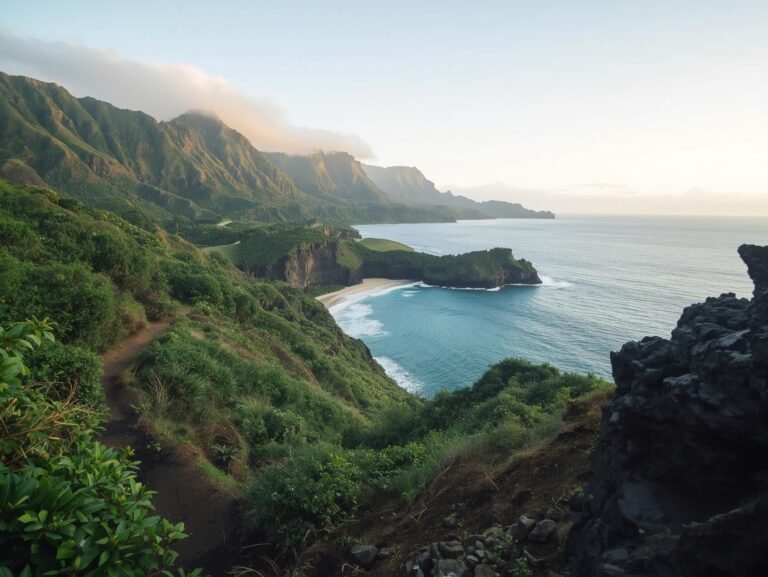
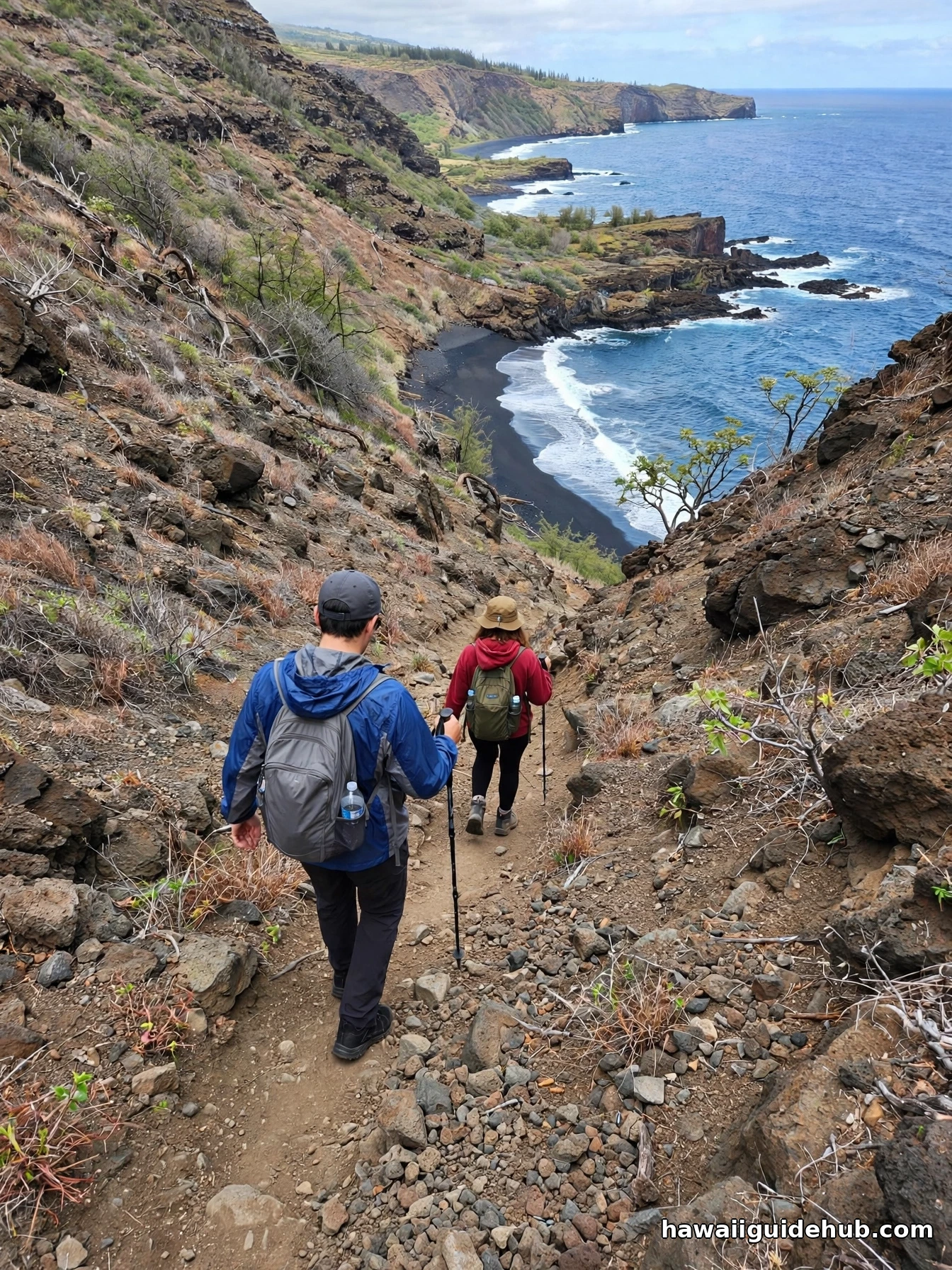
Here is the part that surprises first-timers. Kehena is not a drive-up beach. From the roadside parking area, a short but steep rocky path drops down the cliff to the sand. The descent takes most people five to ten minutes, and the climb back up is the harder half.
Wear proper shoes. This is not a flip-flop trail. The path is uneven lava rock and packed dirt, it gets slippery when wet, and a twisted ankle here would be a long hobble back to the car. Closed-toe shoes with good grip are the right call. If you are unsteady on rocks, a walking stick helps. Where a rope handrail is present, use it.
The trail is not wheelchair accessible and is a poor fit for anyone with serious knee or mobility issues. There is no way around the climb. Families with small children should think carefully: the steep trail, the rough surf, and the clothing-optional atmosphere make Kehena a better pick for older kids and teens than for toddlers.
Swimming at Kehena: Read This First
Kehena faces the open ocean with no reef to blunt the surf. That means conditions change fast, and the same beach that is glassy and swimmable one morning can be pounding and dangerous the next. There is no lifeguard on duty, so your safety is entirely on you.
When Swimming Is Reasonable
On calm days, usually in the summer months when the surf is down, swimming at Kehena is a joy. The water is clear, the entry is sandy in the middle of the cove, and floating over the black sand with dolphins offshore is unforgettable. Even on calm days, stay in the middle of the beach and away from the rocky headlands, where waves rebound and currents run.
When to Stay on the Sand
If the surf is up, stay out of the water entirely. Winter swells can make Kehena genuinely dangerous, with a heavy shore break and rip currents that have caught strong swimmers off guard. Never turn your back on the ocean here. If you are not a confident ocean swimmer, treat Kehena as a look-but-don’t-swim beach and enjoy it from the sand. There is no shame in that. The beach is worth the trip even if you never get wet.
Rip Current Basics
If you do get caught in a rip current, the rule is simple: stay calm and swim parallel to the shore until you are out of the pull, then ride the waves back in. Do not try to fight the current by swimming straight back to the beach. That is how people get exhausted and get into real trouble.
The Clothing-Optional Culture
Let us address the most-searched question about Kehena directly. Yes, Kehena is a clothing-optional beach, and yes, you will very likely see nude sunbathers. It is one of the best-known unofficial nude beaches in Hawaii, and naturists have been coming here for decades.
A quick legal note: public nudity is technically illegal in Hawaii, and Kehena is not an officially designated nude beach. In practice, nude sunbathing is generally tolerated here, and local law enforcement rarely bothers anyone who is behaving respectfully. Still, the unofficial status means the culture runs on mutual respect, not on rules posted at the trailhead.
How to Be Respectful
The etiquette is simple and non-negotiable. No staring. No photographs of other people, ever. No lewd behavior. Keep your distance from other groups, keep your voice down, and treat nude beachgoers exactly as you would treat clothed ones: as people enjoying a beach day. Most visitors, clothed and unclothed, coexist easily here. Problems only start when someone treats the beach like a spectacle.
Is Kehena Right for Your Group
If the possibility of seeing nude sunbathers bothers you, skip Kehena. There are plenty of other black sand beaches on the Big Island, including Punaluu on the south coast, where clothing is the norm. If you are bringing kids, have an honest conversation beforehand about what they might see. Many families do visit Kehena without issue, but it is a parental judgment call, and the strong surf is honestly the bigger concern for young children.
Dolphins, Turtles, and Sunday Drum Circles
Beyond the sand and the surf, Kehena has a culture all its own. The Sunday drum circle is a Puna institution. Starting around midday and running toward sunset, local drummers gather on the beach, and the rhythm carries across the cove. Visitors are welcome to listen and soak it in. This is a community tradition, not a commercial event, so be a gracious guest: do not treat it as background entertainment for your party, and keep your own noise respectful.
The wildlife is the other draw. Spinner dolphins hunt and play offshore most mornings. They are wild animals, so federal law requires you to keep your distance. Do not swim out to chase them. If they come near you while you are floating calmly, enjoy it quietly and let them set the terms. For more on Hawaii’s marine life and how to watch it responsibly, see our guide to encountering Hawaii’s iconic marine species.
What to Bring and What to Know
Kehena has zero facilities. No restrooms, no outdoor showers, no drinking water, no food stands, no trash cans, no lifeguard. Plan like you are going backcountry, because in practical terms, you are.
Pack reef-safe sunscreen, more water than you think you need, and snacks or a full lunch. Black sand absorbs heat, so the sand gets genuinely hot under the midday sun. Sandals for the walk across the sand will save your feet. A shade umbrella or tent is worth the carry since natural shade on the sand is limited. Bring a dry bag for your phone and keys, because everything you carry down the trail has to come back up.
And pack out every scrap of trash. There is no one cleaning up after visitors here. The locals who love this beach notice who leaves it clean and who does not.
When to Visit Kehena
Mornings are the sweet spot. The surf is often calmest early, the light on the black sand is at its best, the dolphins are most active, and you will beat the weekend parking crunch. Summer, roughly May through September, brings the calmest ocean conditions on this coast. Winter is when the big swells arrive, and many winter days are look-don’t-swim days.
Sundays bring the drum circle and the biggest crowds. If you want Kehena at its quietest, aim for a weekday morning. If you want the full Puna community vibe, Sunday afternoon is the time.
Kehena Safety Checklist
Before you head down the trail, run through the essentials. Check surf and weather conditions for the Puna coast. High surf means no swimming, full stop. Tell someone where you are going, since cell service can be spotty. Wear real shoes on the trail, bring more water than you need, and keep your valuables out of sight in the car or, better, leave them at your lodging.
In the water, never swim alone, never turn your back on the waves, and respect the rip current rule: swim parallel to shore if you get pulled out. On the sand, give turtles 10 feet of space, keep your distance from other beachgoers, and remember that this is a residential neighborhood. Park legally, keep noise down, and leave no trace.
See Kehena on Video
Pairing Kehena With a Puna Day
Kehena makes the most sense as one stop in a Puna day. Combine it with the Kalapana lava viewing area, the hot ponds at Pohoiki, or a wander through Pahoa town. For more ideas on building your east side itinerary, browse our best things to do on the Big Island and our guide to outdoor adventures in Hawaii. If the turtles win your heart, our sea turtle conservation and snorkeling etiquette guide is worth a read before you go.
A Beach That Asks Something of You
Kehena Black Sand Beach is not the easiest beach on the Big Island, and that is exactly the point. The steep trail, the wild surf, the lack of facilities, and the clothing-optional culture all filter for visitors who come prepared and come respectful. What you get in return is one of the most distinctive beaches in Hawaii: black sand laid down by living geology, dolphins playing just offshore, and a community that has kept this place special for generations. Treat it well, and it will give you a day you will talk about for years.