Pupukea Beach Park: Shark’s Cove, Tide Pools and Three Tables on Oahu’s North Shore

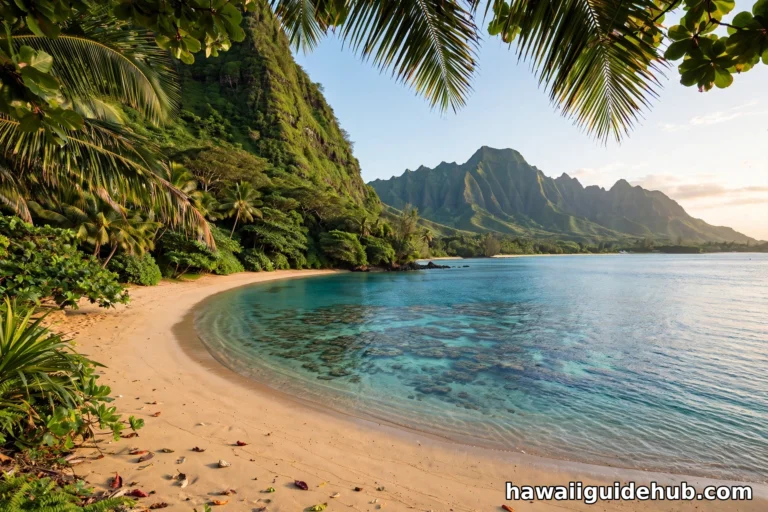
There is a stretch of Oahu’s North Shore where the beach all but disappears and the real show moves underwater. From Kamehameha Highway, Pupukea Beach Park does not look like much: a parking lot, a patch of grass, some restrooms. Walk to the water’s edge, though, and the shoreline dissolves into one of the most interesting snorkeling coastlines in Hawaii, a jumble of black lava rock, tide pools, and coves that the state set aside as a marine life conservation district more than forty years ago.
This is the home of Shark’s Cove, the tide pools, and Three Tables, three very different ways to meet the ocean within about a mile of coastline. None of them is a classic sandy beach. All of them reward the visitor who shows up in the right season, with the right footwear, and with a little understanding of how the place works. This guide covers all of it in one place.
Where Pupukea Beach Park Sits
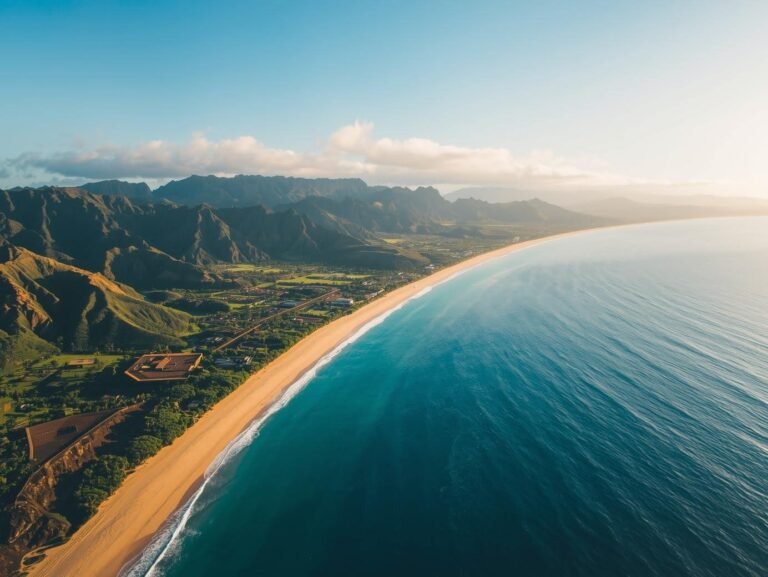
Pupukea Beach Park sits on the North Shore of Oʻahu, just past Waimea Bay as you drive east from Haleiwa on Kamehameha Highway (Highway 83). The park fronts the ocean between Waimea and the town of Pupukea, and the whole offshore area belongs to the Pūpūkea Marine Life Conservation District, which the state established in 1983 under Hawaiʻi Administrative Rules chapter 13-34.
The name Pūpūkea means white shell, a nod to the shells once found along this shore. The district covers about a mile of coastline and roughly 100 acres of ocean, stretching from the highwater mark out 100 yards. Within it, taking marine life is restricted, which is why the fish here are so unbothered by snorkelers. It is, according to the state’s Division of Aquatic Resources, one of the most popular shore-entry snorkeling and diving destinations on Oʻahu, second only to Hanauma Bay.
Getting here is simple. Drive the North Shore on Highway 83 past Waimea Bay and look for the park on the ocean side of the road. Public bus service reaches the area daily, but most visitors drive. Parking is free in the park lot, with additional roadside parking along the highway when the lot fills, which it does by late morning on good summer days.
Shark’s Cove: The Reason Most People Come
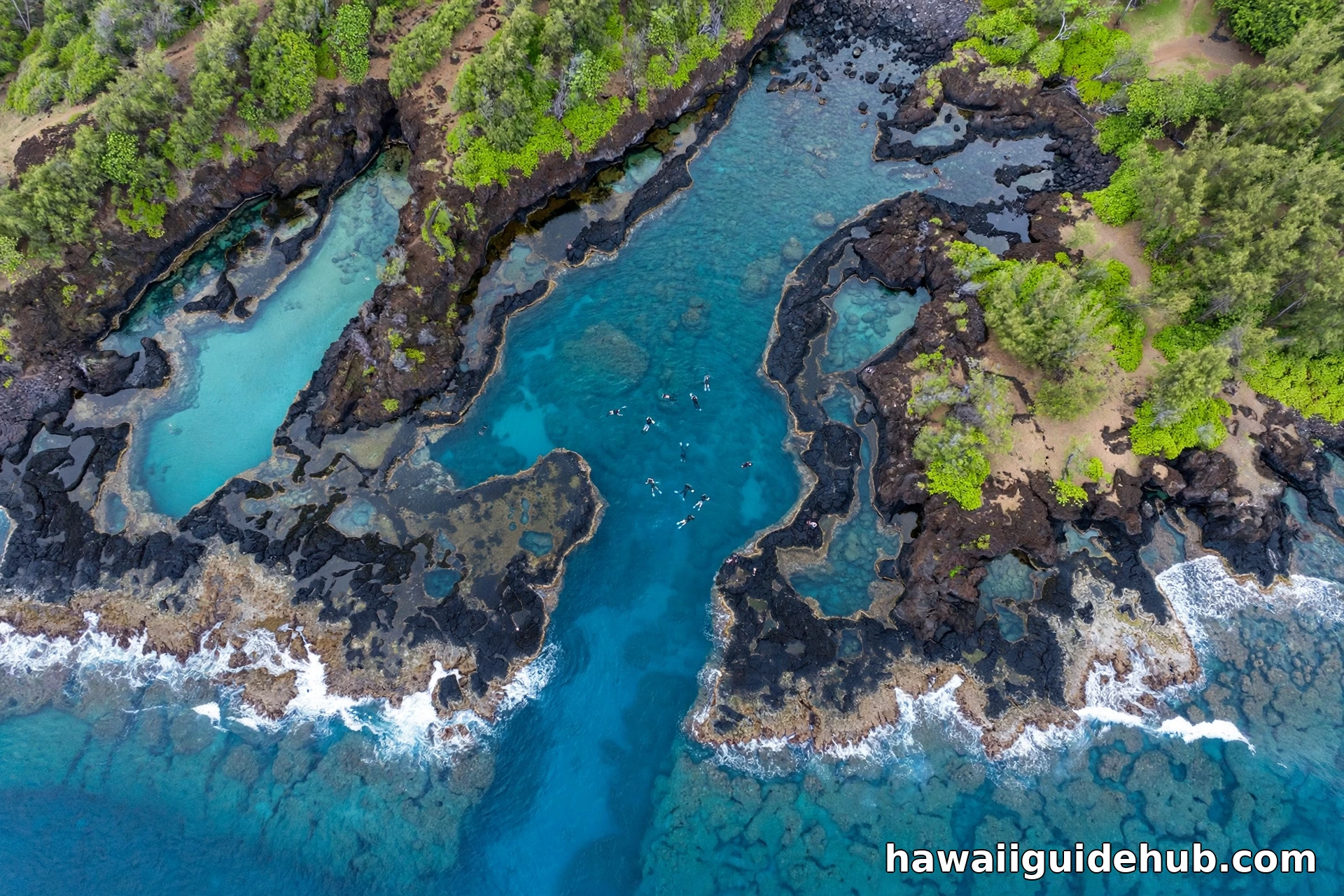
Shark’s Cove occupies the northern end of the park, and it is the star of the show. The cove is a rough oval of lava rock enclosing clear, shallow water, with a natural breakwater that keeps the inner pools calm when the ocean cooperates. The name’s origin is genuinely uncertain. The state’s own write-up says sharks are no more common here than anywhere else on the island. The popular theory is that the cove’s outline looks like a shark from the air. Whatever the story, the name is the only scary thing about it.
Inside the cove, the water is only a few feet deep near shore and deepens gradually, reaching about 20 feet at the mouth where it opens to the ocean. That gradient is what makes the cove so good for snorkelers: beginners can stay in the shallows while stronger swimmers push toward the mouth. Outside the cove, the bottom drops to around 45 feet, and the diving gets serious. Caves and lava tubes riddle the reef around the cove’s northwest point, which is why Shark’s Cove is also one of the North Shore’s most popular scuba destinations.
Visibility inside the cove is often just fair, but it improves quickly once you swim past the mouth. The left side of the cove is known among divers for excellent night diving. If you are new to the spot, the best approach is the simplest one: enter from the rocky shore, stay inside the protected water, and let the fish come to you.
The Tide Pools: The Park’s Gentle Side
Just west of Shark’s Cove lies the tide pool area, a maze of shallow basins carved into the lava rock. At low tide, the pools become natural aquariums: small, clear, and full of life. This is the part of the park that works for almost everyone, including kids who are not ready for the open cove and travelers who would rather wade than swim.
The pools change with the tides and the surf. On a calm summer morning they are glassy and inviting. When a swell is running, waves wash straight over the outer rocks, and what was a gentle pool becomes a washing machine. The rule here is the same one that governs the whole park: watch the ocean for a few minutes before you commit. If waves are breaking over the barrier rocks, admire the pools from dry land.
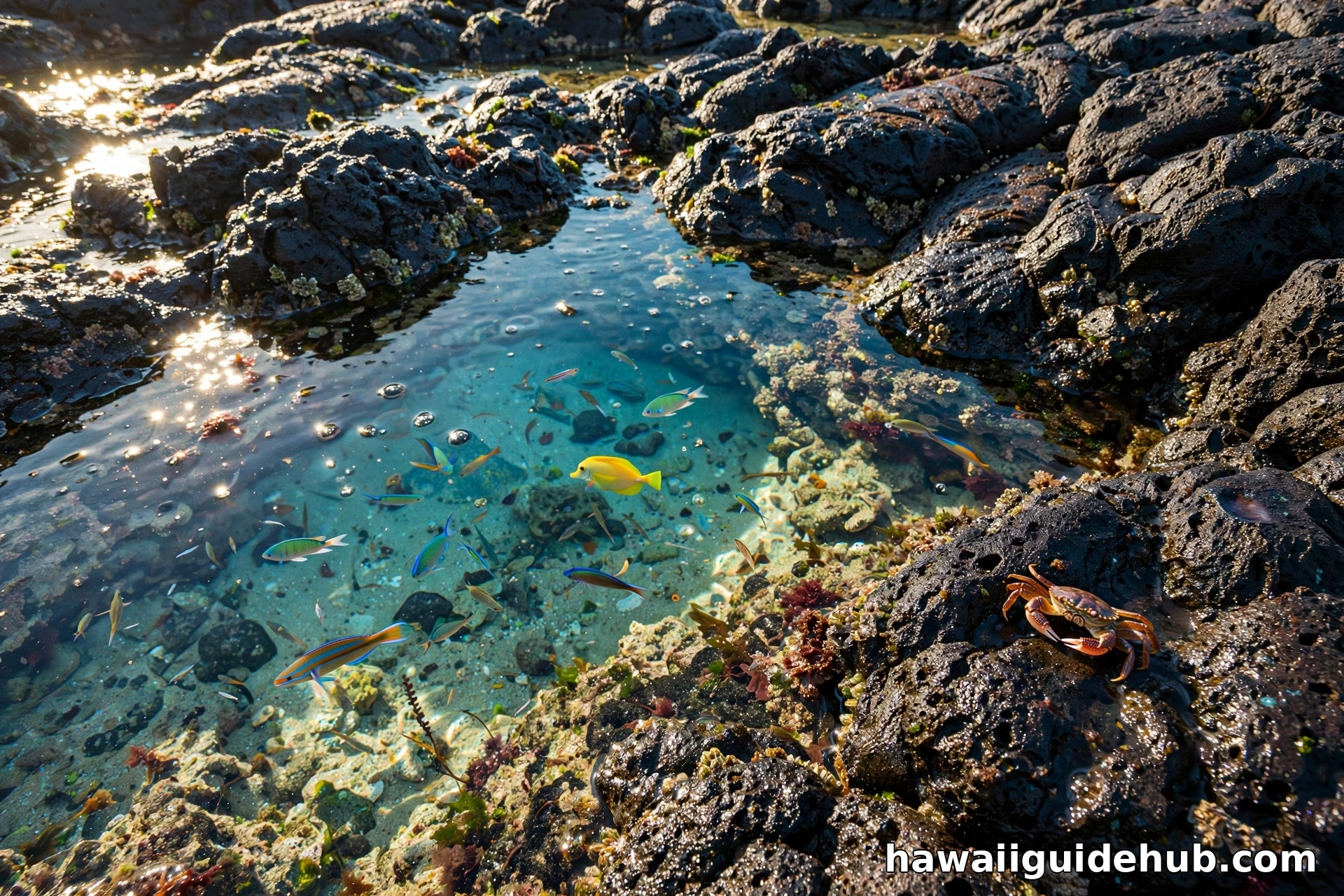
Footwear matters enormously here. The lava rock is razor sharp, and sea urchins tuck into the crevices. Sturdy water shoes or reef shoes are not a suggestion, they are essential gear. Bare feet and flip-flops do not survive this shoreline, and the cuts from lava rock are the kind that ruin a vacation.
Three Tables: The Quieter End
At the southern end of the park, Three Tables offers a different flavor of the same coastline. The name comes from the three or four flat sections of reef visible at low tide, table-like slabs of coral that give the spot its character. There is a small sandy beach here, which makes it the best place in the park to spread a towel, and the snorkeling is excellent in its own right.
The water around the tables averages about 15 feet deep, and the reef holds ledges, arches, and lava tubes as you swim farther out. The best diving is at 30 to 45 feet. Because Shark’s Cove gets most of the attention, Three Tables is often the calmer choice, with fewer snorkelers and more room to explore. In summer the water here is clear and inviting; in winter it is off limits like the rest of the park’s shoreline.
Kapoʻo and the Conservation District
The whole shoreline sits inside the Pūpūkea Marine Life Conservation District, and one stretch of it has its own name and personality. The area from behind the Sunset Beach fire station to Kulalua Point, the point between Shark’s Cove and Keiki Beach, is called Kapoʻo. The name comes from the loud booming sound the waves make when they crash onto the exposed ancient reef, and in winter, when the surf is huge, it is the perfect place to stand on the rocks and listen.
The conservation district status is what keeps this place special. Rules restrict the taking of marine life, so the reef fish are abundant and bold. The district protects about a mile of coastline, and it is one of the few places in Hawaiʻi where an unchannelized stream flows into a nearshore ecosystem, which makes it scientifically valuable as well as beautiful. Treat it accordingly: nothing leaves with you but photos.
Snorkeling at Pupukea: How to Do It Right
Summer is the season. From roughly May through October, the North Shore goes flat, and Shark’s Cove and Three Tables become some of the best shore snorkeling in the state. In winter, the same swells that draw surfers to Pipeline make this coastline genuinely dangerous, and nobody should be in the water here when the surf is up.
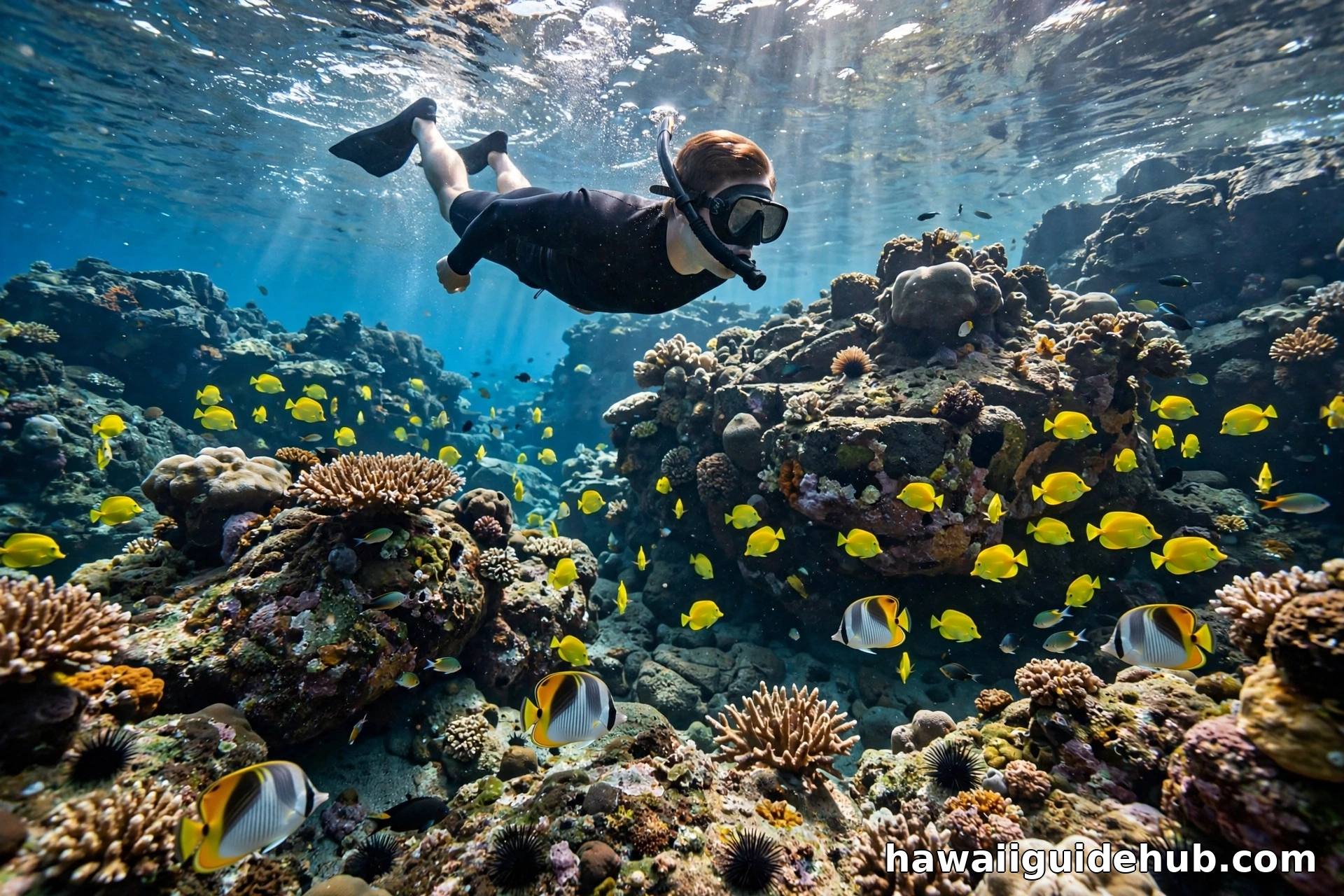
Start at the tide pools if you are new to the spot or to snorkeling. The water is shallow, the entry is gradual, and you can build confidence before swimming the cove. At Shark’s Cove itself, enter from the rocky shore on the protected side and work your way toward the mouth as your comfort allows. Fins help once you are past the shallows. A flotation vest is smart for weaker swimmers, and honestly smart for everyone in an ocean with no lifeguard.
Timing matters. Go early. The parking lot fills by late morning on calm summer days, the water is clearest before the afternoon trade winds ruffle the surface, and you will share the cove with fewer people. Check the surf forecast the night before and again in the morning. If the forecast calls for a north swell, pick a different plan. Some of the best snorkeling adventures in Hawaii are the ones you walk away from when conditions say no.
What You Might See Underwater
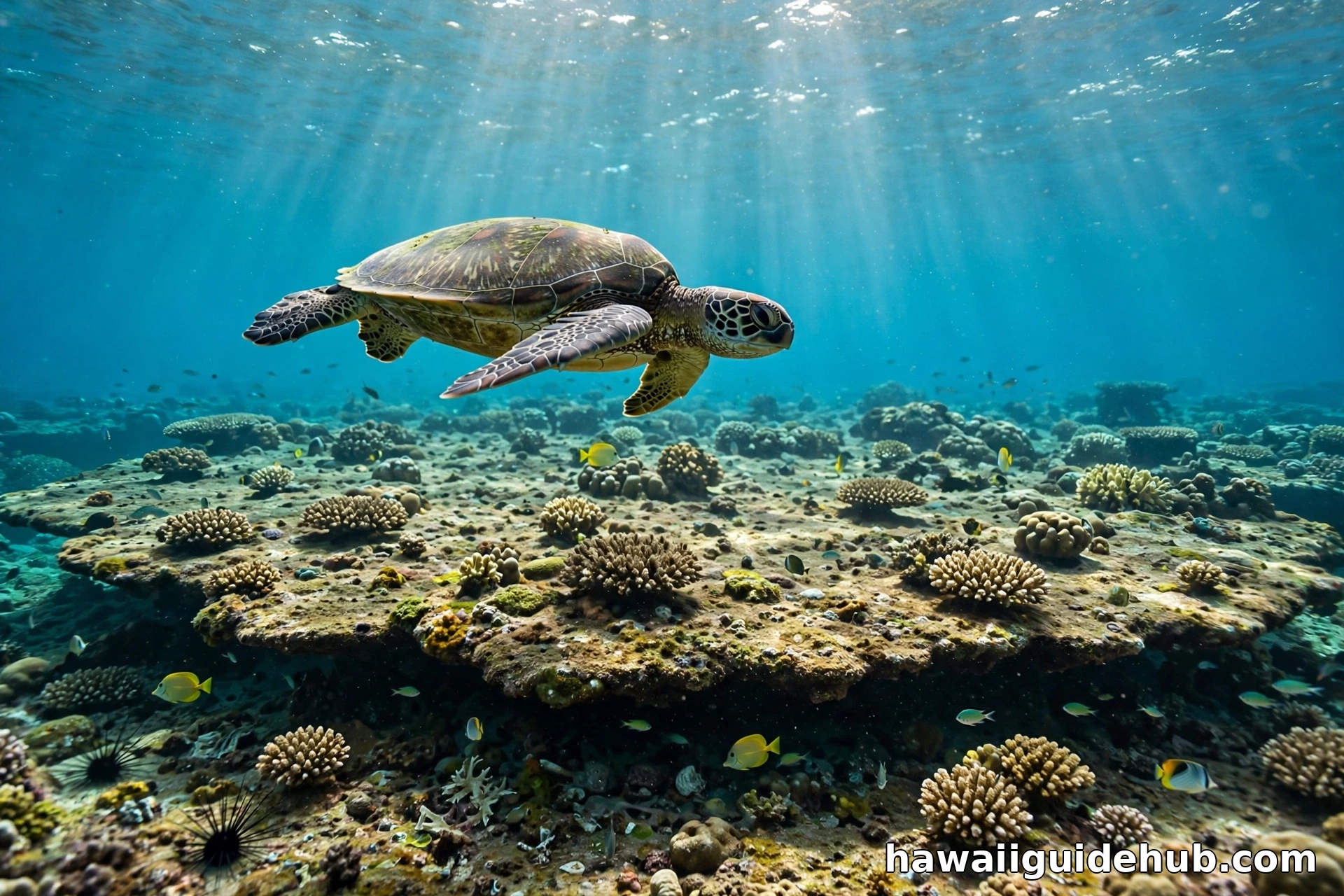
The reef at Pupukea is a working neighborhood. Schools of yellow tang move across the coral in yellow clouds. Butterflyfish, parrotfish, and damselfish are everywhere, and moray eels peer from the rockwork. Octopus hide in the crevices if you look patiently. Hawaiian green sea turtles, honu, are regulars, drifting over the reef with total indifference to snorkelers.
The turtles deserve a special note. They are protected by federal law, and harassing one is a crime. Do not chase, touch, or feed them. Give them space and let them come to you. Our sea turtle etiquette guide covers the rules in detail, and they apply everywhere you snorkel in Hawaii, including here.
Scuba Diving the Cove
For certified divers, Shark’s Cove is a legitimate shore dive and one of the most popular on the North Shore. The caves and tunnels around the northwest point are the draw, along with the lava tubes and the deeper reef outside the cove mouth. Night diving on the left side of the cove has a devoted following.
This is not a beginner dive site in the casual sense. The entry is over sharp rock, the caves demand proper training and a local guide, and surge can move you around even on calm days. Dive with a buddy, dive within your certification, and consider going with one of the North Shore dive shops that knows the site. The caves are thrilling, but they are also the reason the safety briefing matters.
Safety: Read This Before You Go In
There is no lifeguard tower at Shark’s Cove or Three Tables. You are on your own out there, which is fine in flat summer water and serious business in anything else. The safety rules for this coastline are simple and non-negotiable.
Watch the water before you enter. Spend five minutes studying the surf from the rocks. If waves are washing over the barrier, do not go in, not even in the tide pools. Rogue waves have swept visitors off the rocks here, and the lava edges are unforgiving. If you arrive and nobody else is in the water, take the hint.
Stay inside the cove. The current near the mouth can pull swimmers out to sea, and the water outside is a different ocean. Wear your water shoes in and out. Bring a buddy. And keep an eye on the sky and the horizon; conditions on the North Shore can change with a new swell, even in summer.
Parking, Facilities, and When to Arrive
The park has a free public lot, and when it fills, which it does, people park along Kamehameha Highway and walk in. Arrive before 9 in the morning on a summer weekend and parking is easy. Arrive at noon and you will be circling.
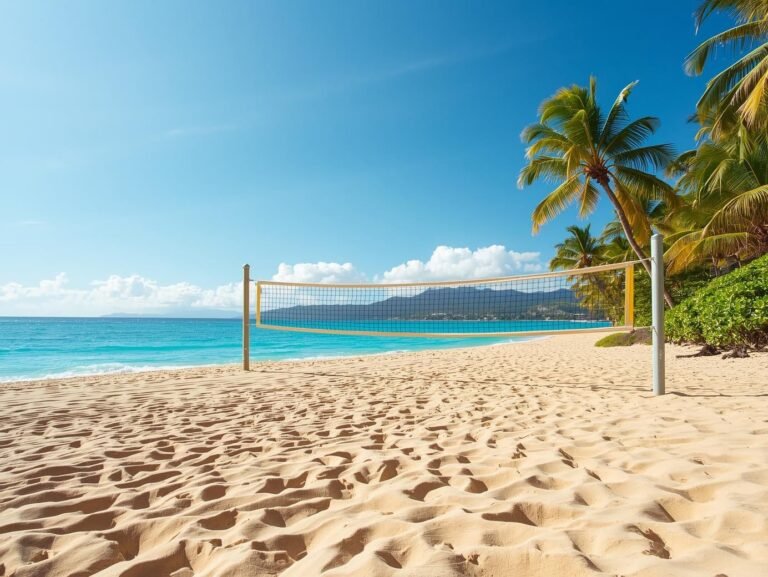
Facilities are basic but present: restrooms, outdoor showers, grassy areas, and basketball and volleyball courts. There is no lifeguard station. Gear rental is available from shops across the highway, where you can also grab a life vest if you did not bring one. Across the street you will find Foodland Pupukea, a full grocery store that is perfect for stocking a cooler, plus food trucks and small restaurants for lunch after your swim.
One more practical note: lock your car and take your valuables. Break-ins are a known problem at North Shore beach parks, and Shark’s Cove is no exception. Bring only what you need and keep it out of sight.
What to Bring
Pack for a rocky shoreline, not a sandy beach. Reef shoes or sturdy water shoes top the list. Bring a mask, snorkel, and fins if you have them, though rentals across the street cover you if you do not. A rash guard helps against both sun and scrapes. Reef-safe sunscreen is required by Hawaiʻi law, and it matters here more than most places, since you are swimming directly over the reef you are trying to protect.
Bring water and snacks, because once you are parked you will not want to leave. A dry bag keeps your phone and keys safe. And bring patience for the rocks: entry and exit are the trickiest parts of the whole visit, and slow, deliberate footwork beats a twisted ankle every time.
Food and the Wider Neighborhood
One of the underrated pleasures of a Pupukea day is how easy the logistics are. Foodland Pupukea sits right across the highway for groceries, poke, and plate lunches. The food trucks nearby serve shrimp, tacos, and shave ice. You are minutes from Waimea Bay, which has the big sandy beach this park lacks, and from the shrimp trucks and shops of Haleiwa if you want to make a full North Shore day of it.
For first-time visitors to Hawaii, this park is a good lesson in what the North Shore is really about. It is not Waikiki. There is no resort, no beach bar, no rows of umbrellas. There is a rocky shoreline, a protected reef, and some of the best snorkeling you will find without paying an entry fee or booking a tour.
Watch: Shark’s Cove on Video
A Park That Rewards Respect
Pupukea Beach Park is one of those places that gives back exactly what you put in. Show up in summer, wear the right shoes, watch the surf, stay inside the cove, and leave the reef alone, and you will get a morning of snorkeling that rivals anything in the state. It is free, it is uncrowded by Waikiki standards, and it sits inside a conservation district that exists because people decided this stretch of reef was worth protecting.
The park also belongs to a quieter side of Oahu that many visitors miss entirely. The hidden gems of the island are rarely the famous ones. Sometimes they are a parking lot on the highway, a jumble of black rock, and water so clear you can count the fish from the shore.