Hawaii in July: Weather, Ocean, Crowds and the Best of Summer

July is the heart of summer in Hawaii. The days are the longest of the year, the ocean is at its warmest, the trade winds blow steady, and the islands fill with families making the most of school vacation. If you are wondering what Hawaii weather in July is really like, here is the honest picture: gloriously warm and dry on the coasts, a touch humid inland, and one of the most reliable weather months of the entire year.
This guide walks through July temperatures, rainfall, ocean conditions, crowds, prices, the best things to do, and the few things worth watching out for, like hurricane season and the midday sun.
July Weather at a Glance
July sits squarely in Hawaii’s dry season, which runs roughly from May through September. On the leeward coasts where most visitors stay, rain is rare, skies are mostly blue, and the breeze rarely quits. According to NOAA’s 1991-2020 climate normals for Honolulu, the average July high is 88 degrees Fahrenheit and the average low is 75 degrees. Overnight lows almost never dip below the low 70s, so evenings stay warm enough for dinner on the lanai without a jacket.
Rainfall in July is minimal on the dry sides of the islands. Honolulu averages roughly half an inch for the entire month, making July one of the driest months of the year. The windward sides, places like Hilo on the Big Island or the east coast of Kauai, still see their regular showers, but even there July is on the drier end of the scale. If there is a month to bet on sunshine, this is a strong one.
Temperatures: What 88 Degrees Actually Feels Like
Eighty-eight degrees sounds hot, but in Hawaii it rarely feels oppressive. The northeast trade winds blow across the islands most days in July, and that steady breeze changes everything. Sitting in the shade with the trades moving, 88 feels like a perfect beach day rather than a scorcher. The humidity does creep up a bit toward late July, but August is typically the muggiest month, so July still gets the pleasant end of the deal.
Elevation matters more than the calendar. Upcountry Maui, the slopes of Haleakala, and the Volcano area on the Big Island run noticeably cooler, sometimes 10 to 15 degrees below the coast. If your July plans include a sunrise at Haleakala or a day at Hawaii Volcanoes National Park, bring a light layer. The coast will be in the 80s while the summit areas sit in the 50s and 60s.
The Ocean in July: Warmest Water of the Year
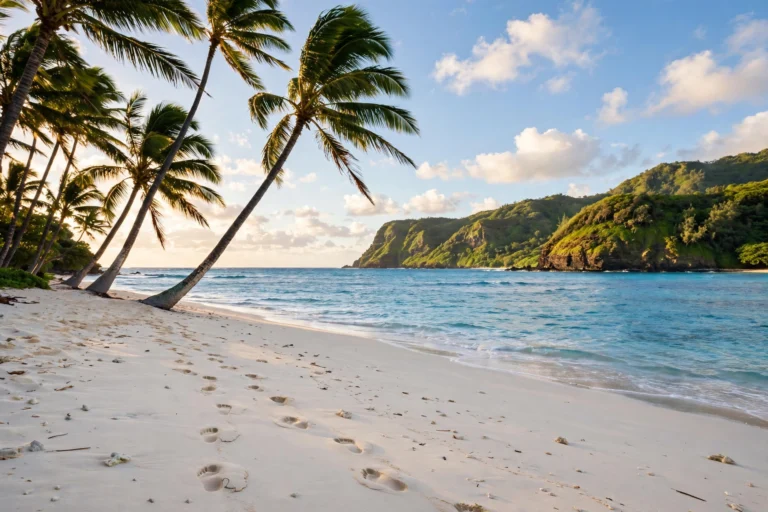
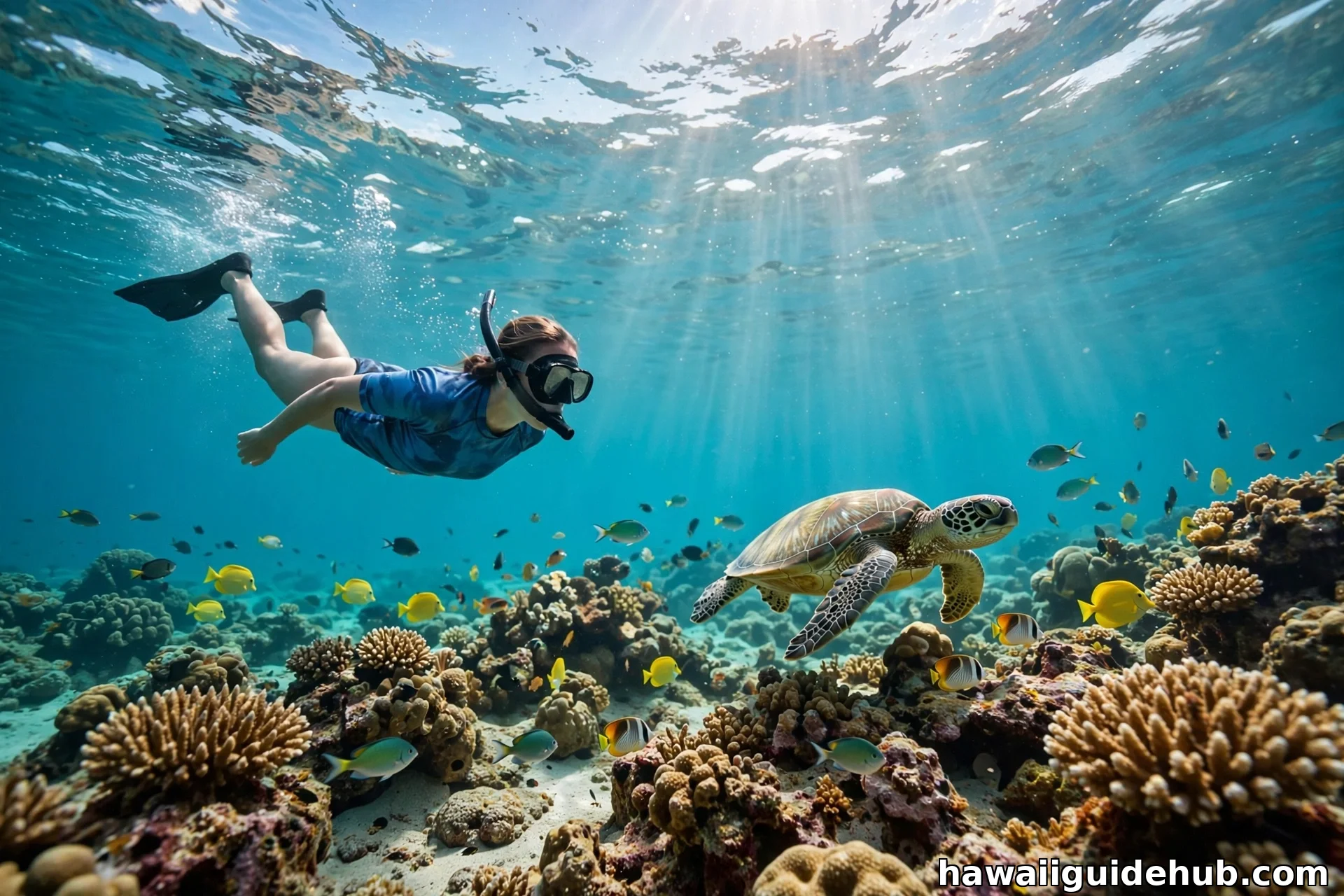
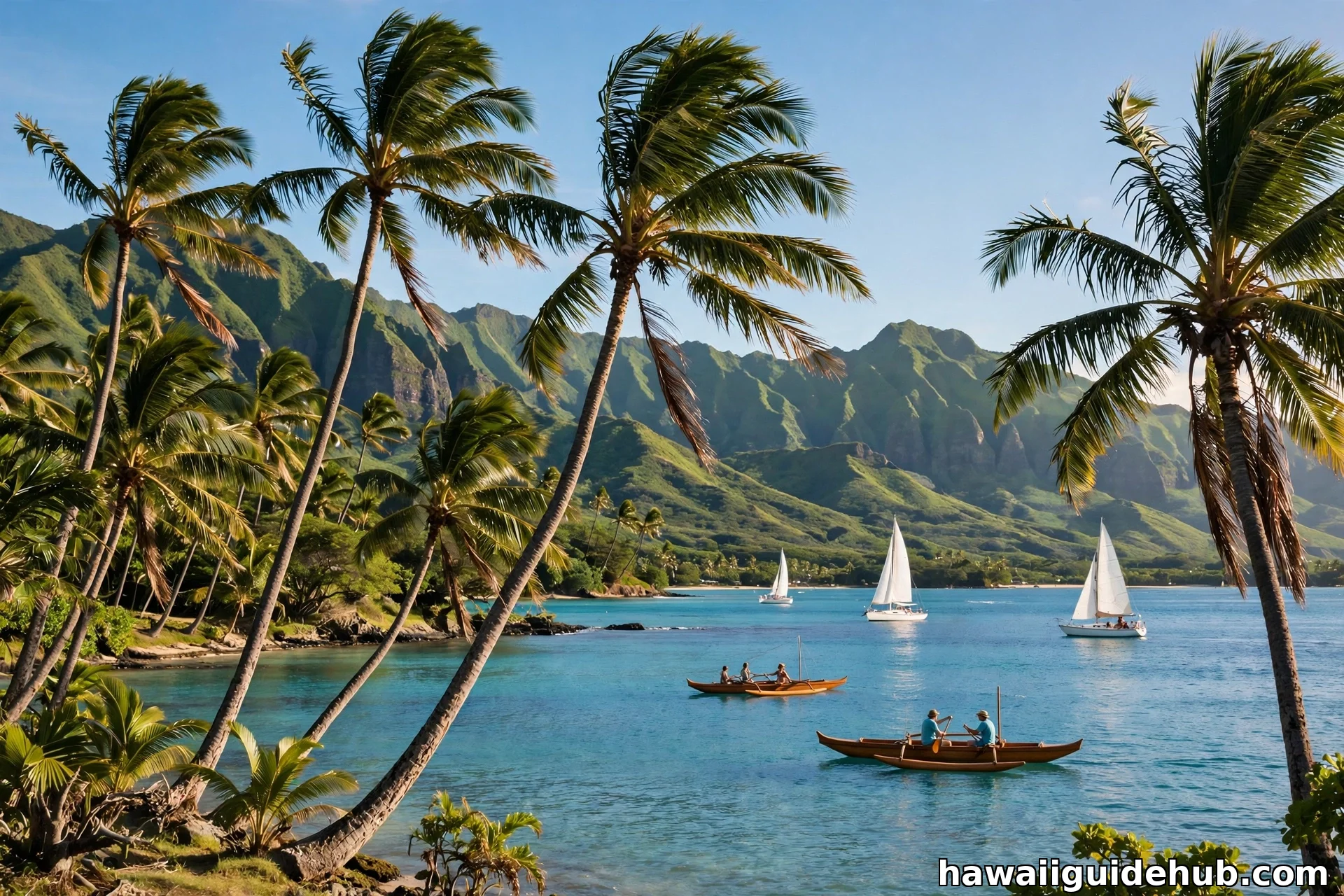
July brings the warmest ocean water of the year, averaging around 79 degrees Fahrenheit. That is bathwater territory for most people, and it means no wetsuit, no adjustment period, just walk in and stay as long as you like. Snorkeling, swimming, stand-up paddleboarding, and outrigger canoe rides are all at their best.
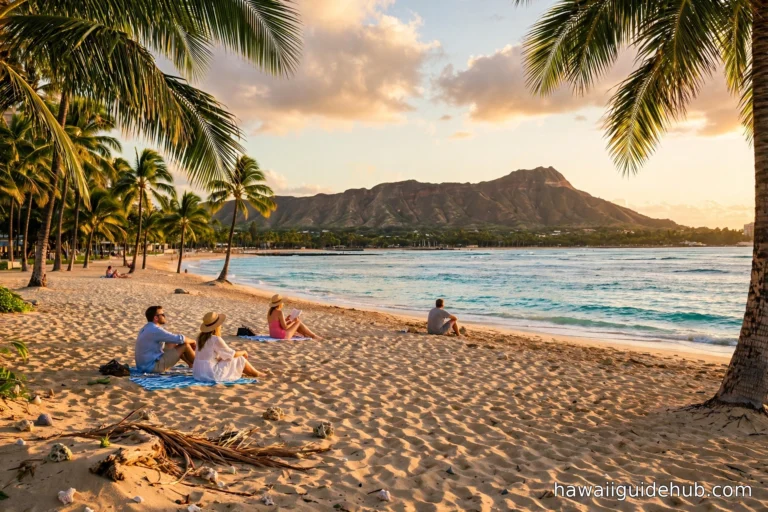
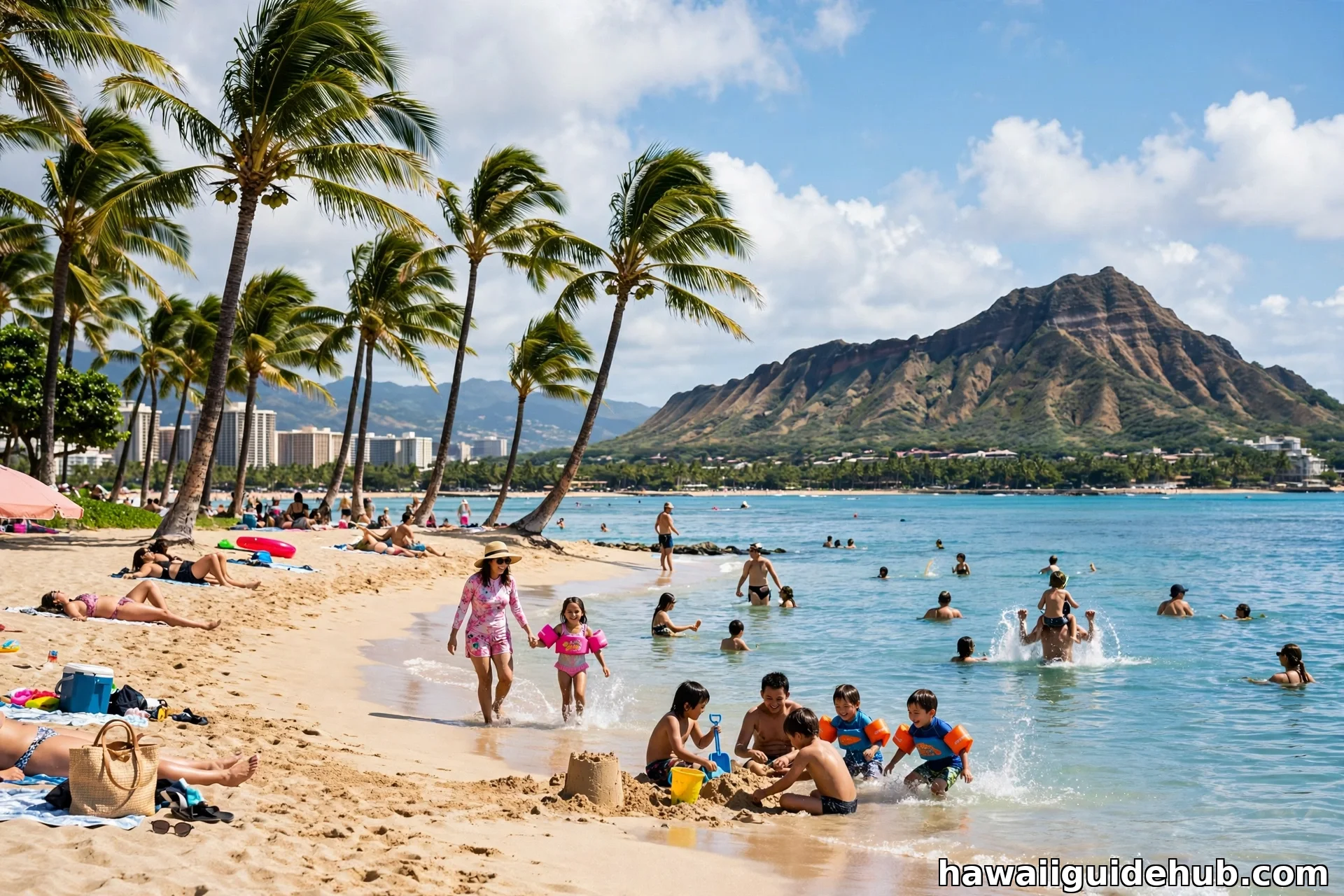
The south and west shores are the stars in summer. With the big North Shore winter swells long gone, beaches like Waikiki, Poipu, and the Kona coast turn calm and glassy. This is the season when spots that are off-limits in winter become gentle enough for kids and beginners. The flip side: the famous big-wave beaches on Oahu’s North Shore are flat and sleepy in July, so set your surf expectations accordingly.
Daylight, Sunrise, and Sunset in July
July has the longest days of the year in Hawaii. The sun rises around 5:53 in the morning and sets around 7:17 in the evening at the start of the month, giving you about 13 hours and 20 minutes of daylight. Days shorten slightly as the month goes on, but you still get more usable daylight than any other month.
That long light is a gift for outdoor adventures in Hawaii. You can hike in the morning, snorkel midday, and still have a full golden hour for the beach. Sunrise comes early at 5:53 a.m., which rewards early risers with empty trails and soft light for photography. Sunset does not arrive until after 7 p.m., so dinner with a view is easy to fit in. Just remember the flip side of all that sun: the UV index in July runs around 7, which is firmly in the high category. Reef-safe sunscreen, a hat, and shade during the 10 a.m. to 4 p.m. peak are not optional.
Trade Winds: Hawaii’s Natural Air Conditioning
The trade winds are the unsung hero of July weather in Hawaii. These steady northeast breezes blow most days, keeping the islands comfortable even when the thermometer reads 88. Without them, July would feel much heavier. With them, afternoons on a breezy lanai or a shaded beach are genuinely pleasant.
The trades also shape where you go. Windward beaches get the breeze head-on, which is great for sailing and kiteboarding but can mean choppy water. Leeward spots sit in the rain shadow and stay calmer and drier. If you are choosing a beach for the day, the wind direction is worth a glance at the morning forecast.
How July Differs by Island
The statewide averages tell one story, but each island has its own July personality.
Oahu
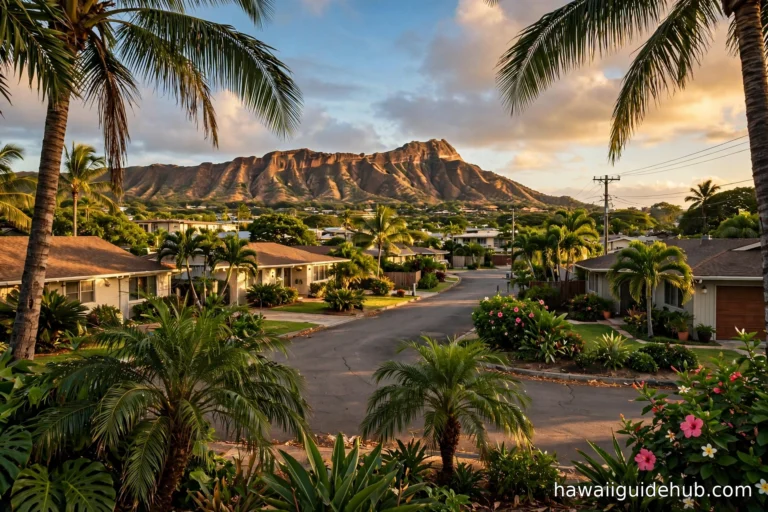
Waikiki and the south shore are hot, dry, and calm in July, with highs around 88 and very little rain. The North Shore is in its sleepy summer phase: flat water, quiet beaches, and a totally different vibe from the winter surf circus. It is a fine time to explore the country side without the crowds.
Maui
Maui’s leeward side, Kihei, Wailea, Lahaina, is reliably sunny and dry in July. The trade winds funnel through the central valley, so expect breezy afternoons, especially around Maalaea. Upcountry Maui and Haleakala stay cool, a welcome break from the beach heat.
Big Island
The Kona coast is one of the hottest and driest places in the state in July, with highs in the upper 80s and almost no rain. Hilo and the Hamakua coast are greener and wetter, as always. The Volcano area sits around 4,000 feet up and feels like a different climate entirely, with daytime highs in the low 70s.
Kauai
The Garden Isle lives up to its name in July. Poipu on the south shore is sunny and dry, while the north shore around Hanalei and Princeville sees more showers. The Napali Coast is at its most accessible in summer, with calmer seas for boat tours and the Kalalau Trail in its driest window.
Crowds and Prices: The July Reality
July is one of the busiest months in Hawaii. With schools out across the mainland, families travel in force, and that shows up in prices and availability. Flights, hotels, and rental cars all run at or near peak-season rates, and the most popular resorts can sell out weeks ahead. If you are visiting in July, book the big three, flights, lodging, and rental car, as early as you can.
The crowds concentrate at the famous spots: Waikiki Beach, Pearl Harbor, the Road to Hana, Haleakala sunrise. Go early in the day and you will have a much easier time. For first-time visitors, July’s reliable weather means you can plan confidently, but a little strategy around timing makes the trip far more enjoyable.
Hurricane Season: What to Actually Know
The Central Pacific hurricane season runs from June 1 through November 30, so July falls inside it. That sounds alarming, but context matters. Direct hurricane hits on Hawaii are rare. On average only a handful of tropical cyclones enter the Central Pacific each year, and most pass well south of the islands or weaken before arriving.
The sensible approach: check the NOAA Central Pacific Hurricane Center forecast in the week before your trip, and consider travel insurance during hurricane season. Do not let it stop you from booking. July’s day-to-day weather is among the most dependable of the year, and the odds of a storm disrupting your trip are low.
July Events Worth Planning Around
Summer brings some of Hawaii’s best cultural events, and July has a couple of standouts.
Fourth of July
Independence Day is a big deal in the islands. Fireworks light up the sky over Waikiki, Lahaina, Kona, and several other beach towns. The Ala Moana Beach Park show on Oahu draws enormous crowds, so stake out a spot early if you want a front-row seat.
Prince Lot Hula Festival
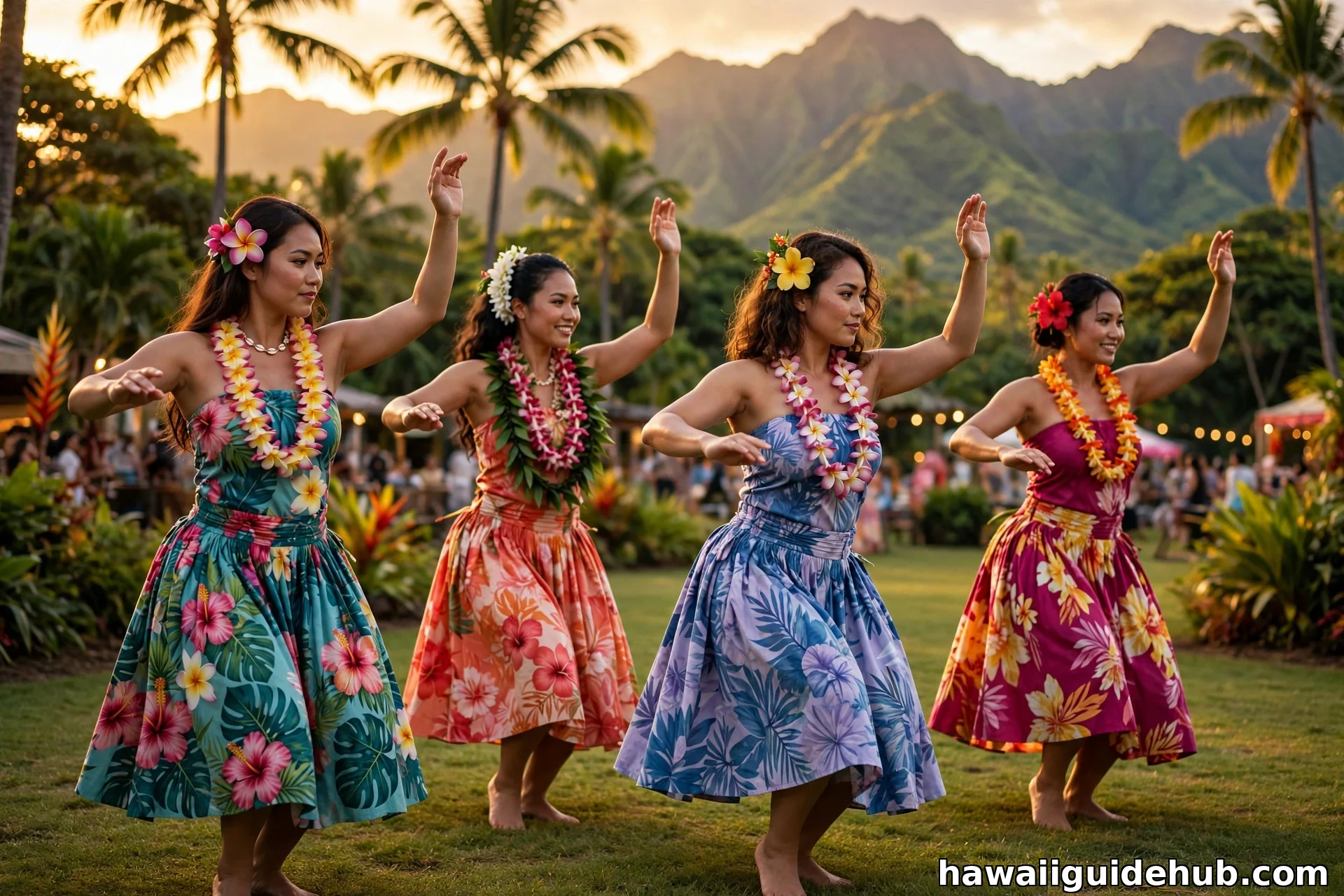
Held in mid-July, the Prince Lot Hula Festival is the largest non-competitive hula gathering in Hawaii. Founded in 1978 and named for Prince Lot Kapuaiwa, who later became King Kamehameha V, the festival brings halau from across the islands together for a full day of dance. Admission is free, and for anyone interested in real Hawaiian culture beyond the resort luau, it is one of the best events of the summer.
Best Things to Do in July
July’s combination of calm seas, long days, and dry trails opens up just about everything.
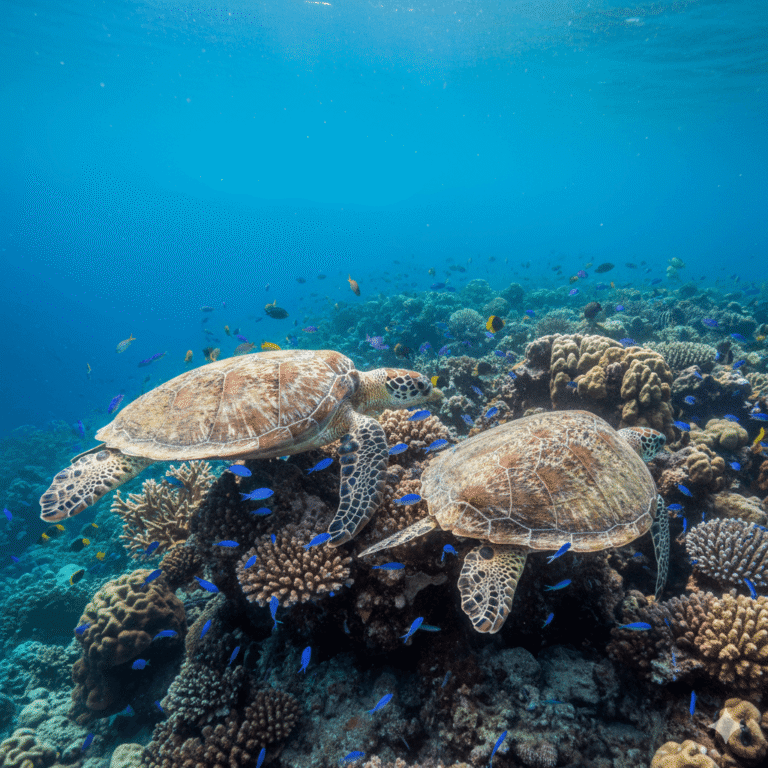
Snorkeling is at its peak, with warm, clear water on the south and west shores. Molokini Crater off Maui, Hanauma Bay on Oahu, and Kealakekua Bay on the Big Island are all in prime condition. Sunrise hikes are spectacular with the early 5:53 a.m. sunrise, and the dry trails make ridge hikes safer and more enjoyable. Whale watching is off the table, humpbacks visit from November through May, but spinner dolphins, manta rays, and sea turtles are active year-round.
For an overview of the island’s highlights, the Oahu guide is a good starting point for planning day by day.
What to Pack for July
Pack light. Swimwear, sandals, shorts, and breathable shirts cover most days. A light sweater or jacket earns its place for high-elevation outings like Haleakala sunrise or Volcano evenings, and for heavily air-conditioned restaurants. Reef-safe sunscreen is essential, and Hawaii law restricts sunscreens containing oxybenzone and octinoxate, so check your labels before you fly.
Bring a reusable water bottle. July heat plus hiking or beach time means you will drink more water than you expect. A small dry bag is handy for boat days and beach hopping, and water shoes help on rocky entries.
What July Is Not the Best For
No month is perfect for everything, and July has a few honest limitations. Whale watching is the big one. Humpback whales visit Hawaii from roughly November through May, so July visitors will not see them. If whales are the reason for your trip, winter is the season to book.
Big-wave surfing is also off the menu. The legendary North Shore breaks that draw surfers from around the world in winter are flat in July. Summer surf happens on the south shores instead, where the waves are smaller and friendlier, which is actually better for beginners but a letdown if you came to watch the pros. Waterfall flow can be lower too, since July is dry. The famous falls still flow, but they will not be at their most dramatic after the winter rains.
Is July a Good Time to Visit Hawaii?
For most travelers, yes. July offers the warmest ocean water of the year, the longest days, the driest weather, and calm seas on the south and west shores. The trade-offs are real: peak-season prices, bigger crowds, and the small chance of a tropical system during hurricane season. But if your priority is beach weather you can count on, July is one of the safest bets on the calendar. Book early, plan around the heat of midday, and you will get the classic Hawaii summer at its best.