Windward and Leeward in Hawaii, Explained

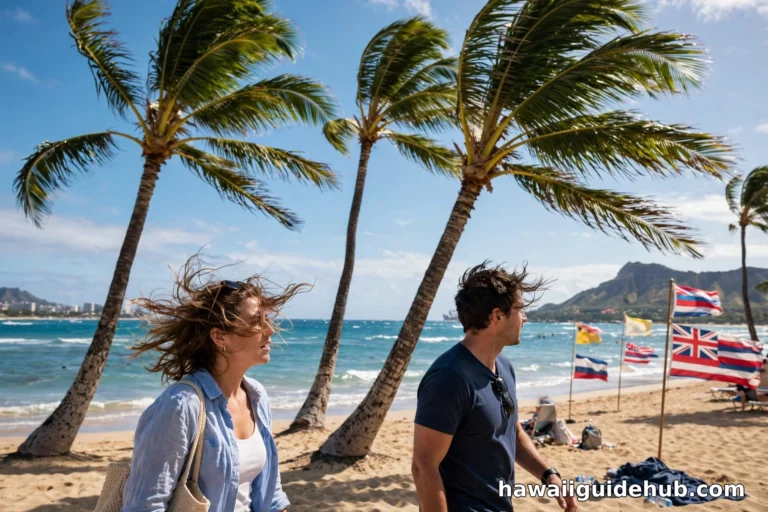
Two words explain almost everything about Hawaiiʻs weather, its landscapes, and even where its hotels got built: windward and leeward. The windward side of each island faces the incoming trade winds and collects the rain. The leeward side hides behind the mountains and stays dry and sunny. Drive twenty minutes across a ridge in Hawaii and you can pass from rainforest to near desert, not because the island changed, but because you crossed from one side of that divide to the other.
This is the complete guide to windward and leeward in Hawaii. It defines both terms the way NOAA defines them, explains the orographic effect step by step, maps the two sides island by island with real places, covers the exceptions and the seasonal flip called Kona weather, and shows how to use the pattern to plan beach days, hikes, and lodging. Once you understand this one mechanism, Hawaiiʻs forecasts, microclimates, and town personalities all start making sense.
The Definitions, Plainly
| Term | Meaning | In Hawaii, generally |
| Windward | The side facing the wind; in sailing language, upwind | North and east coasts, facing the northeast trade winds |
| Leeward | The side sheltered from the wind; downwind | South and west coasts, behind the mountain ridges |
| Trade winds | Steady tropical winds blowing from the northeast in Hawaii | Present most of the year, strongest and most reliable in summer |
| Orographic effect | Rainfall forced when moist air must rise over mountains | The engine behind the wet windward, dry leeward pattern |
| Rain shadow | The dry zone on the sheltered side of a mountain range | Why leeward coasts are sunny even a few miles from rainforest |
| Kona wind | A wind from the south or southwest, the reverse of the trades | Brings humid, voggy, unsettled weather, mostly in winter |
NOAAʻs Ocean Service puts the definition in one clean sentence: an islandʻs windward side faces the prevailing, or trade, winds, while its leeward side faces away from the wind, sheltered by hills and mountains. The words come from sailing, where windward means upwind, the direction the wind is coming from, and leeward means downwind. A useful memory hook: windward gets the weather first, leeward gets what is left. In Hawaii the trade winds arrive from the northeast, so windward almost always means the northern and eastern shores of each island, and leeward means the southern and western ones. Our Oʻahu specific explainer on the windward side of Oʻahu applies the same map to one island in street level detail.
How the Orographic Effect Builds Two Climates
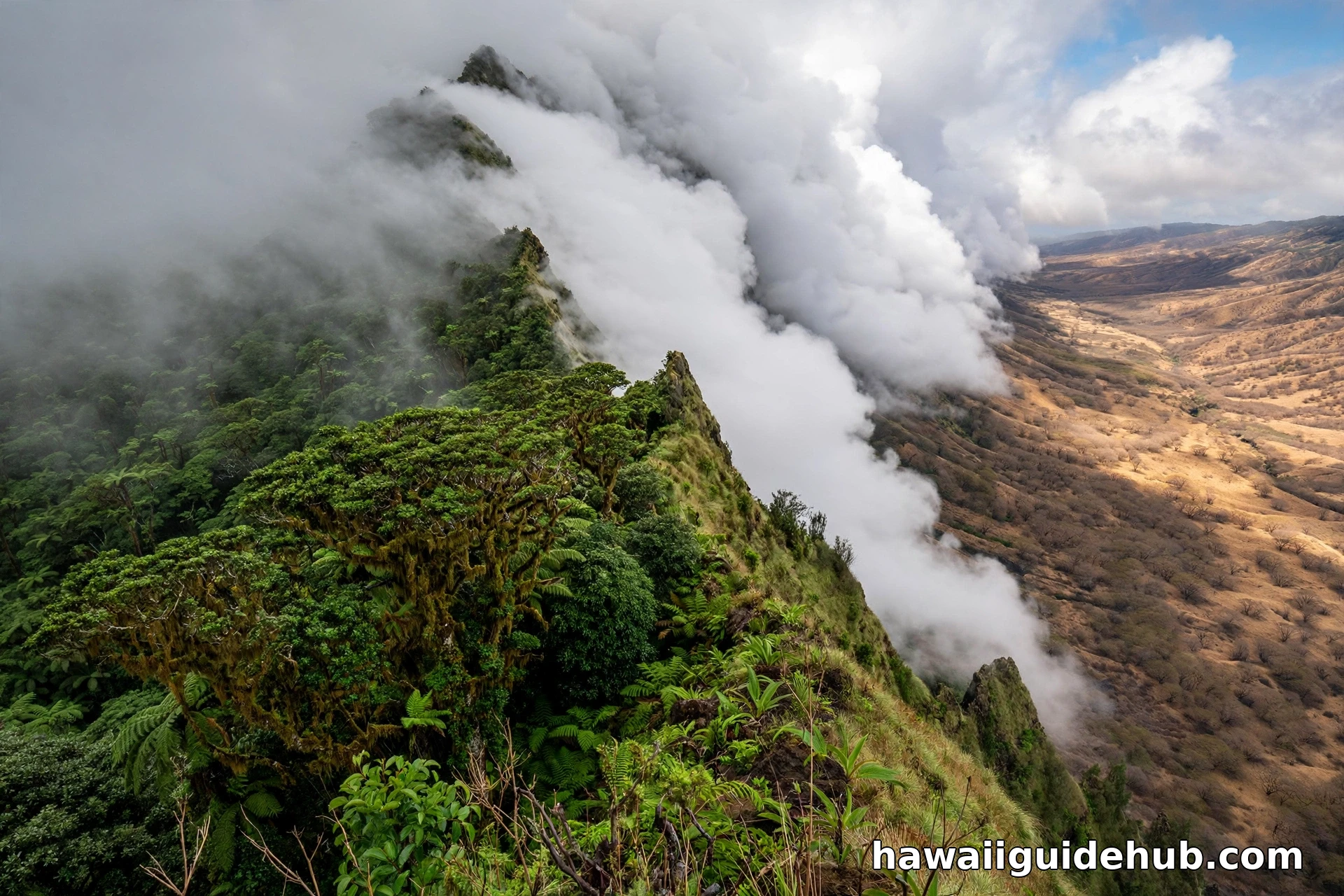
The mechanism has four steps, and you can watch all four from a mountain lookout. First, the trade winds cross thousands of miles of Pacific and load up with water vapor evaporated from the warm ocean. Second, that damp air reaches an island and has nowhere to go but up: the volcanic slopes force it to climb. Third, rising air cools, cool air holds less moisture, and the vapor condenses into cloud and falls as rain on the windward slopes. Fourth, the same air, now squeezed dry, spills over the ridge and descends on the leeward side, warming as it sinks and drying the land below. Meteorologists call the rainfall step the orographic effect and the dry result a rain shadow.
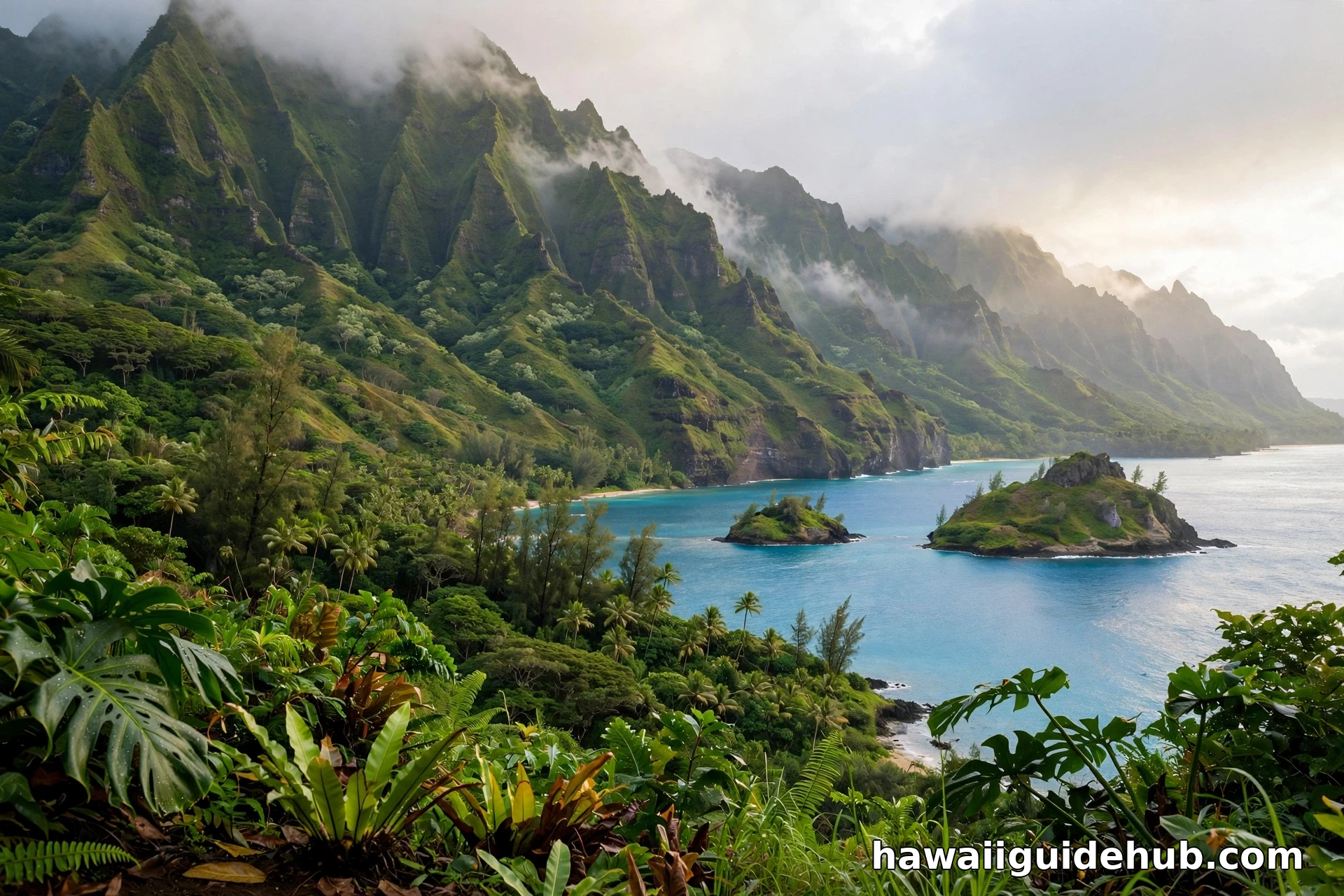
The numbers it produces are extreme. On the Big Island, windward Hilo averages more than 120 inches of rain a year in University of Hawaii Rainfall Atlas data, while the leeward Kohala resort coast, on the same island, averages under 10. Mount Waialeale on Kauaʻi, a windward summit, is among the wettest measured places on Earth, averaging around 450 inches a year in commonly cited records, while beaches a short drive southwest sit in sunshine. Elevation sharpens the effect: most windward rain falls on the slopes between a few hundred and a few thousand feet, which is why Hawaiiʻs greenest forests form a band around each islandʻs middle heights.
Windward and Leeward, Island by Island
Oʻahu
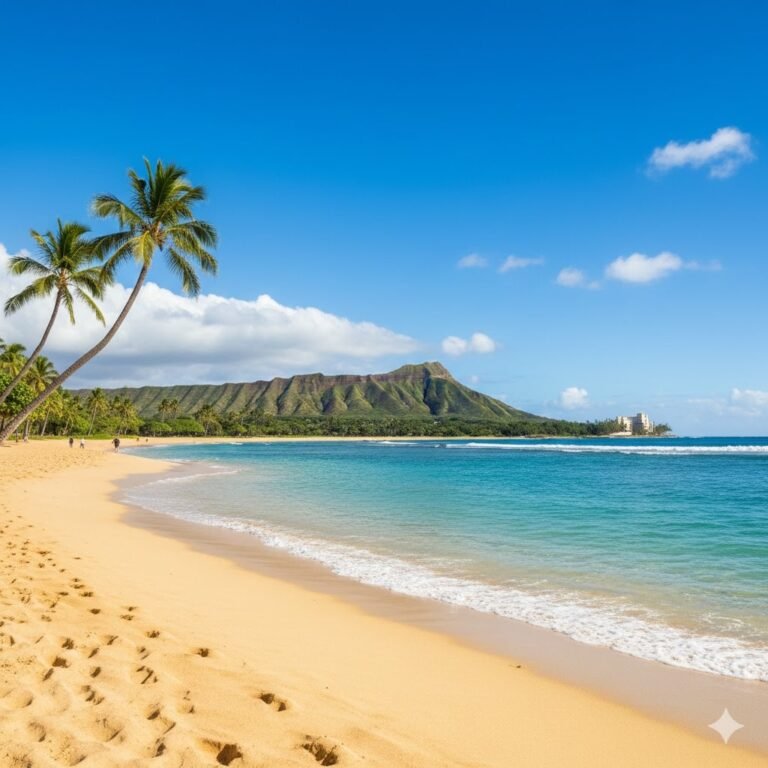
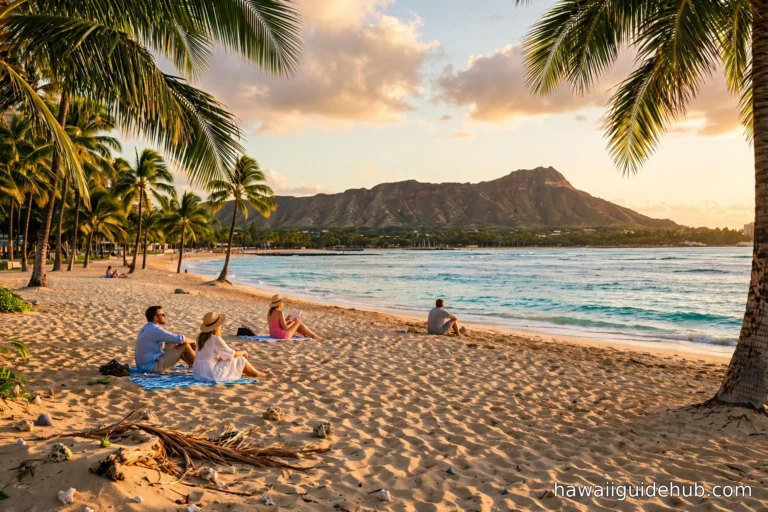
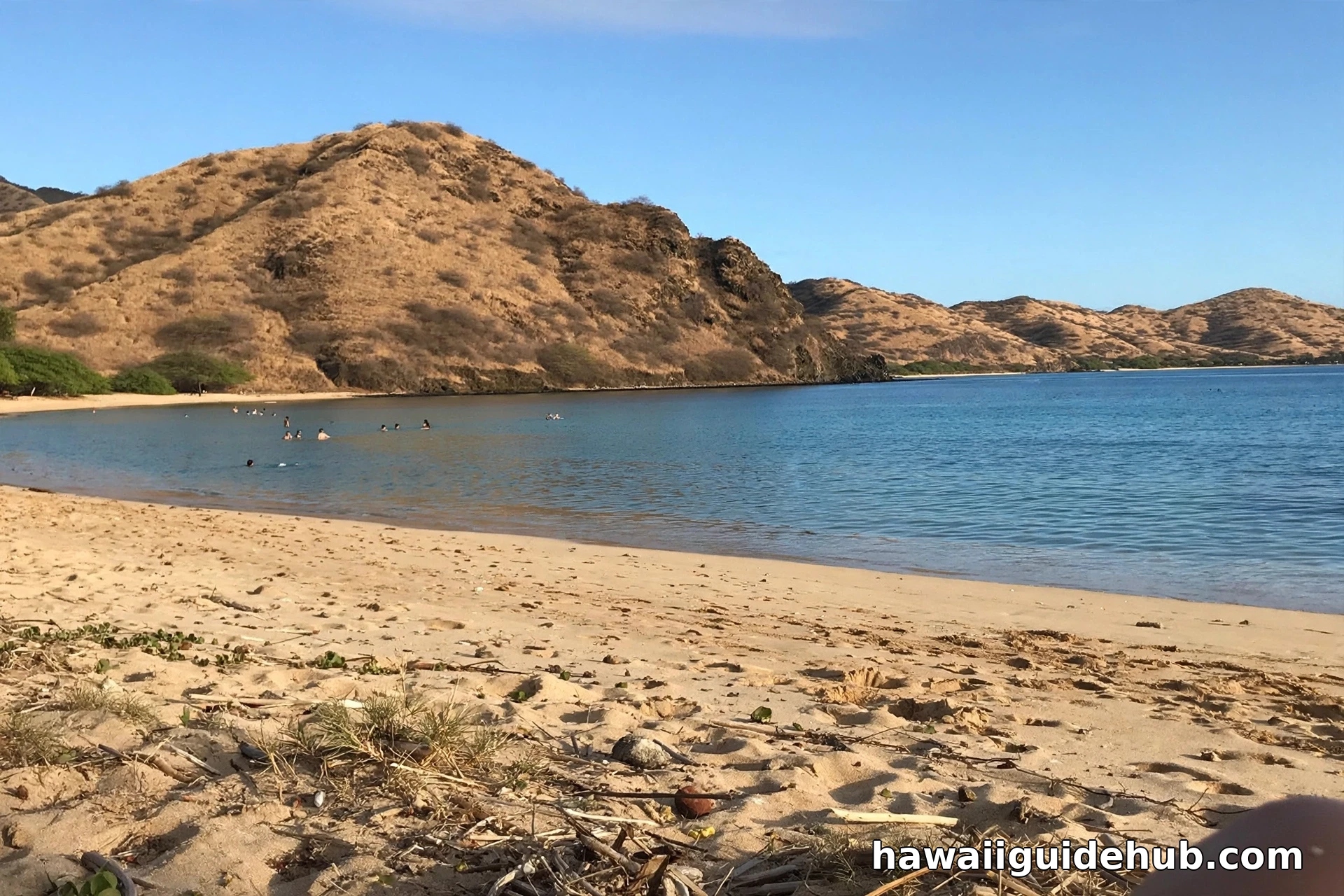
The Koʻolau Range splits Oʻahu cleanly. Windward Oʻahu is the east and northeast coast: Kāneʻohe, Kailua, and Waimānalo, green, residential, and shower prone, under cliffs that wear waterfalls after rain. Leeward Oʻahu is everything else the visitor usually sees: Waikīkī and Honolulu on the south shore, and the dry Waiʻanae coast on the west, where the islandʻs sunniest beach weather lives. The Nuʻuanu Pali Lookout, on the ridge between them, is the classic classroom: stand there on a trade wind day and the wind itself teaches the lesson.
Maui
Windward Maui runs along the northeast: the Hana coast, one of the wettest and lushest drives in the state, fed by the slopes of Haleakalā and the West Maui Mountains. Leeward Maui is the south and west: Kīhei, Wailea, Lahaina, and Kāʻanapali, a chain of famously sunny resort coasts in the rain shadow. The contrast is why Maui itineraries so often pair a wet, green Hana day with dry beach days on either side of it.
Kauaʻi
Kauaʻiʻs windward side is its north and east: Hanalei, Princeville, Kapaʻa, and the Nā Pali Coast, with Mount Waialeale at the islandʻs rainy heart. The leeward southwest, around Poʻipū and Waimea, is markedly drier, which is why Poʻipūʻs resort area markets sunshine while Hanalei markets waterfalls. Both are telling the truth about their own side of the island.
Hawaiʻi Island, Molokaʻi, and Lānaʻi
The Big Island runs the pattern at full scale: Hilo and the Hāmākua Coast are windward and wet, Kona and Kohala are leeward and dry, and the town of Waimea sits near the seam, famously able to be misty and sunny in the same hour. Molokaʻiʻs north shore, with its immense sea cliffs, takes the trades head on, while its south shore stays calm and dry. Small, low Lānaʻi sits partly in the rain shadow of Maui and Molokaʻi, which is why it is one of the driest inhabited islands in the chain. Smaller islands still follow the rule; they just run it with smaller mountains.
The Exceptions: Kona Winds and Winter Storms
The windward leeward pattern is a prevailing pattern, not a daily guarantee. In winter especially, the trade winds sometimes collapse or reverse. When winds swing around to blow from the south or southwest, Hawaii calls them Kona winds, and the whole map flips: leeward coasts turn humid and can take the rain, vog from the Big Islandʻs volcanoes drifts over the other islands instead of out to sea, and the air goes still and heavy. Large winter storm systems approaching from the west can also soak every side of every island at once. Our seasonal guides to Hawaii weather in January and the broader explainer on when it rains in Hawaii show how often the exception season runs.
Forecast reading trick: when a Hawaii forecast says trade wind weather, expect windward and mountain showers, mostly at night and early morning, with leeward sun. When it says Kona winds, throw the usual map away for a few days and expect humidity, haze, and rain chances everywhere.
Why It Matters for Your Trip
This pattern is the most practical piece of geography a Hawaii visitor can learn. Lodging follows it: most resort areas were deliberately built on leeward coasts for reliable sun, from Waikīkī to Wailea to the Kohala Coast. Beach planning follows it: when windward shores are rough and rainy, leeward bays are often calm and clear an hour away, and locals simply drive to the weather they want. Hiking follows it too: windward trails mean mud, stream crossings, and flash flood awareness, while leeward trails mean heat, sun exposure, and carrying more water. Even small choices, a sunrise side versus a sunset side, a garden visit versus a beach morning, get easier once the map is in your head. The pattern also explains the islandsʻ towns: the Big Islandʻs two main towns, rainy Hilo and sunny Kailua-Kona, are personalities built by opposite sides of one volcanic ridge, and the dry Kohala Coast resorts exist for the same reason Waikīkī does.
Windward and Leeward in Everyday Island Life
Residents use these words the way other people use street names. A Hawaii forecast, a surf report, a news story about a brush fire or a flood, will say windward or leeward and expect everyone to picture the map instantly. Real estate listings use them. So do farmers, because the pattern decides what grows where: taro, bananas, and lush pasture on the wet side, coffee on the Kona slopes where afternoon cloud does the shading, and dryland crops and ranching in the rain shadows. Even the islandsʻ roads bow to it. The Pali Highway, the Hana Highway, and the Hāmākua Coast drive are all, in effect, tours of the windward world, while the leeward coasts hold the beach parks and boat harbors.
The Hawaiian language carries the same geography. The word kona is associated with the leeward, southerly side of an island, which is exactly why the Big Islandʻs dry west coast carries that name, and why a southerly storm wind is a Kona wind. Place names across the chain quietly encode which side of the mountain you are on, a detail that rewards travelers who learn to read them. Windward and leeward, in other words, are not weather trivia imported by forecasters. They are the islandsʻ oldest organizing idea, spoken daily by the people who live inside the pattern.
Video: Trade Wind Weather, Explained From the Air
A meteorologist flies Mauiʻs peaks to show orographic lifting, the inversion layer, and the dry leeward rain shadow forming in real time.
Frequently Asked Questions
What is the windward side of Hawaii?
The windward side of each Hawaiian island is the side facing the northeast trade winds, generally the north and east coasts. It receives the moist ocean air first, so it is wetter, greener, and cloudier than the opposite side.
What is the leeward side of Hawaii?
The leeward side is the side sheltered from the trade winds by the islandʻs mountains, generally the south and west coasts. Air arriving there has already dropped its rain, so leeward areas are drier, sunnier, and where most resort coasts are located, including Waikīkī and Wailea.
Why is one side of Hawaii so much wetter than the other?
Because of the orographic effect. Moist trade wind air is forced up the windward slopes, cools, and drops its water as rain. Descending on the far side, the air warms and dries, creating a rain shadow. The same wind produces both climates, separated by a single ridgeline.
Which side of Oʻahu is windward?
The east and northeast coast is windward Oʻahu: Kāneʻohe, Kailua, and Waimānalo beneath the Koʻolau cliffs. Honolulu and Waikīkī on the south shore, and the Waiʻanae coast in the west, are leeward.
Does windward always mean rainy every day?
No. Windward showers are often brief and favor nights, early mornings, and the mountain slopes, with sunny breaks at the coast. Windward means a wetter climate on average, not constant rain, and some windward beach days are flawless.
Which side is better to stay on, windward or leeward?
For a first beach focused trip, leeward: the sun is more reliable and the ocean is usually calmer. For gardens, waterfalls, and a greener, quieter base, windward is wonderful, as long as you pack for showers and plan highlights for the mornings. Many repeat visitors split their stay between the two.
What are Kona winds?
Kona winds blow from the south or southwest, opposite to the usual trades, most often in winter. They bring humid, still air, can carry volcanic haze called vog across the islands, and can bring rain to normally dry leeward coasts.
Learn these two words and Hawaii stops being a place with random weather and becomes a place with readable weather. The green side and the sunny side are not accidents or marketing. They are one wind, one mountain range, and one elegant piece of physics, repeated on every island in the chain, waiting on the far side of every ridge you cross.