The Mokes: Nā Mokulua, Oʻahu’s Twin Islands

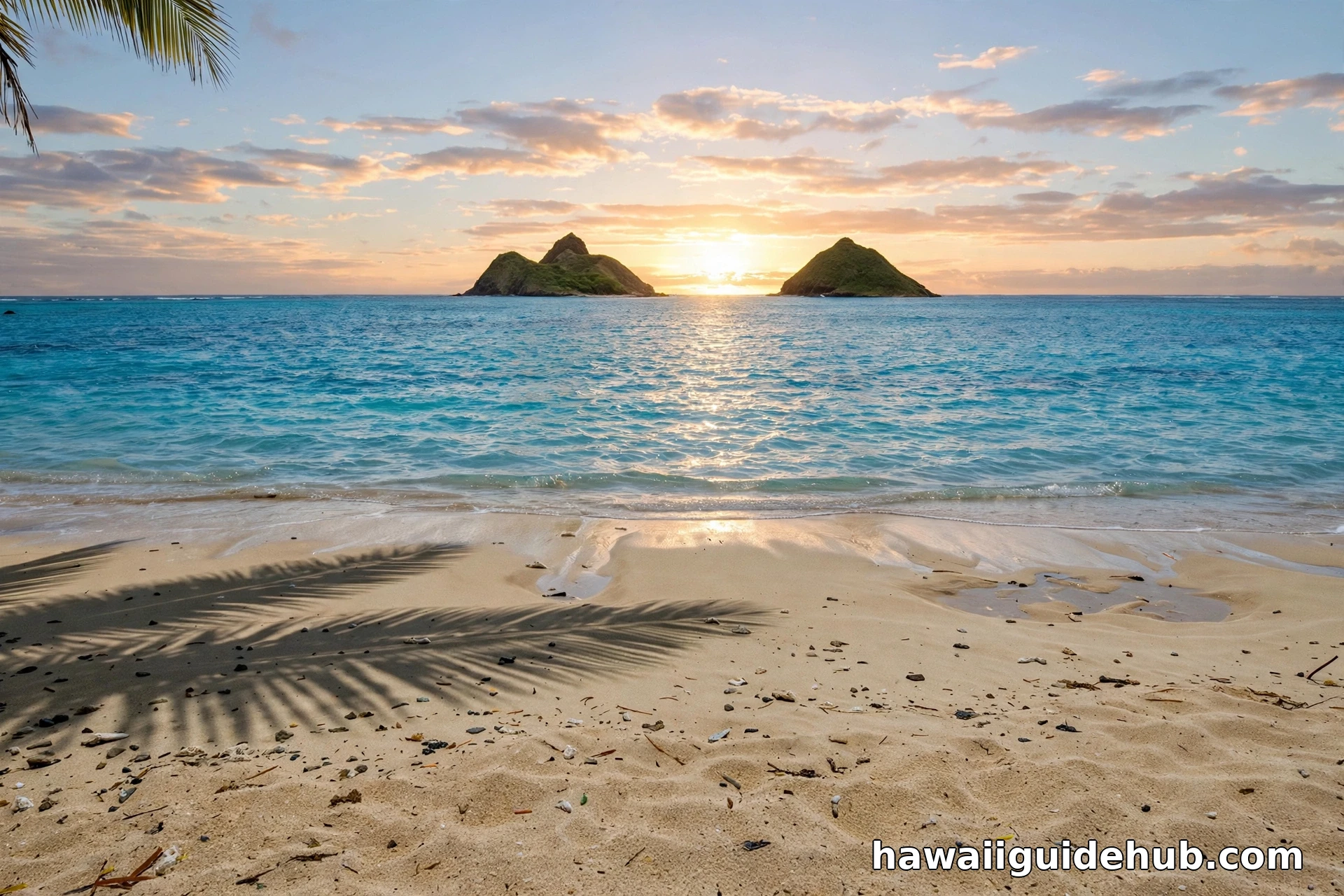
Two green humps rise out of the turquoise water off Lanikai, and almost every visitor to Oʻahu’s windward side asks the same question: what are those islands, and can you go there? They are Nā Mokulua, almost always shortened to the Mokes. The name means the two islands in Hawaiian, and they are exactly that: a pair of small volcanic islets, a protected state seabird sanctuary, and the destination of one of the most popular kayak paddles in Hawaiʻi.
This is the dedicated guide to the Mokes: what the two islands are called, which one you may land on and which one is completely off limits, the sanctuary rules that carry real citations, how the paddle from Kailua and Lanikai actually works, when to go, what can go wrong, and what to do instead on a windy day. If you have seen the Mokes in a photograph of Lanikai sunrise and wondered about the details, they are all here.
The Mokes at a Glance
| Name | Nā Mokulua, meaning the two islands; called the Mokes or Twin Islands |
| The two islands | Moku Nui, the larger island, and Moku Iki, the smaller island |
| Location | About 0.75 miles off Lanikai, in Kailua, on Oʻahu’s windward coast |
| Status | Hawaiʻi State Seabird Sanctuary, set aside as a wildlife sanctuary in 1932 |
| Landing | Permitted only on the beach of Moku Nui; Moku Iki is off limits entirely |
| Interior access | Off limits on Moku Nui; stay on the beach and shoreline paths |
| Prohibited | Dogs, alcohol, camping, and fires, enforced by state officers |
| Typical visit | Kayak or paddleboard from Kailua Beach Park or Lanikai, early morning |
| Paddle distance | About 0.75 miles from Lanikai; about 2.5 miles from Kailua Beach Park |
Two Islands, Two Very Different Rules
From Lanikai Beach, the larger island on the left is Moku Nui and the smaller island on the right is Moku Iki. Both are part of the Hawaiʻi State Seabird Sanctuary, and the Mokulua islets were set aside as wildlife sanctuaries by executive order in 1932 for the protection of bird, animal, and plant life, according to the Hawaiʻi Department of Land and Natural Resources (DLNR). That sanctuary status is the key to everything else in this guide, because it means the islands belong first to the birds, and human visits happen on the birds’ terms.
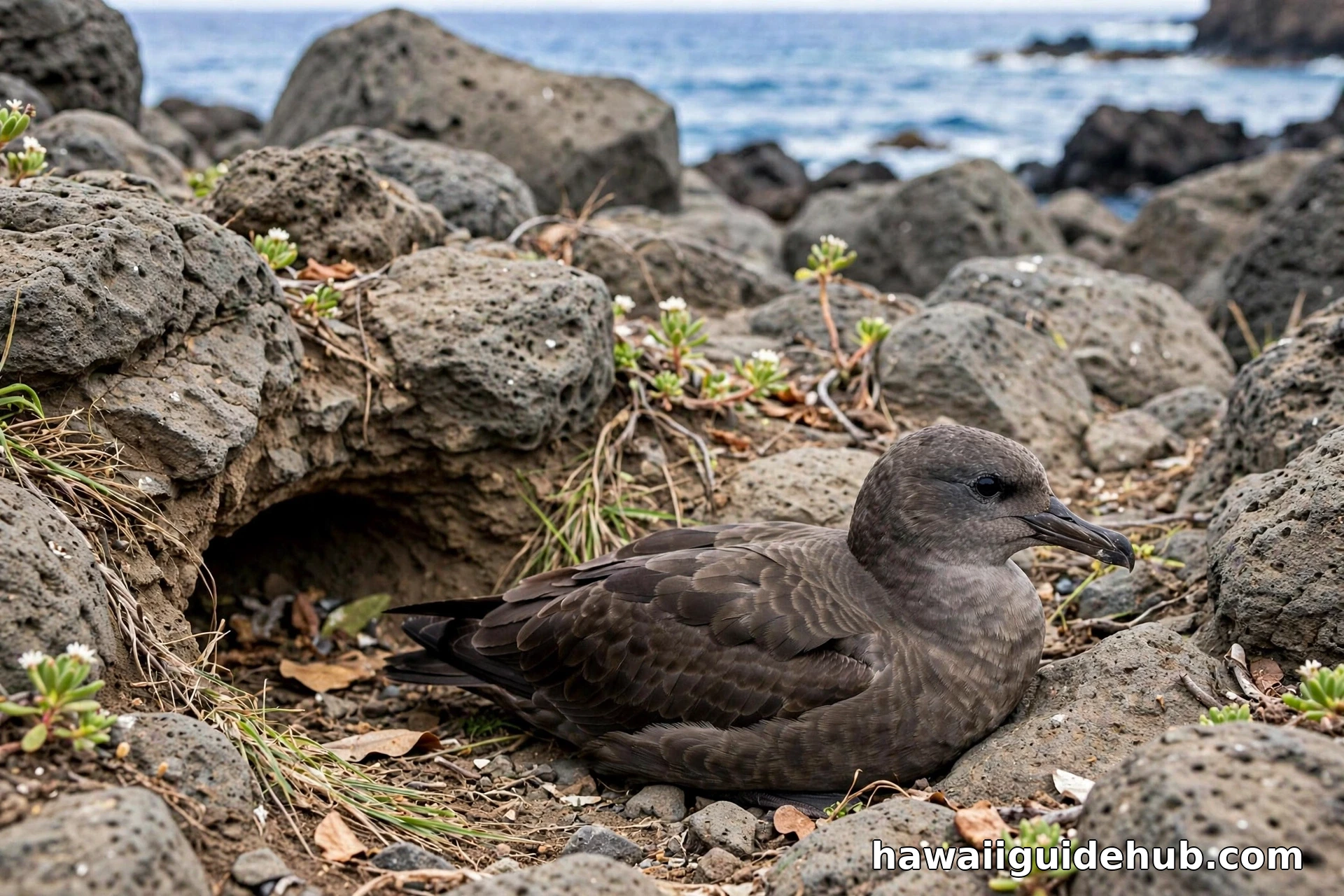
Landing is permitted only on the sandy beach of Moku Nui. Moku Iki is off limits to visitors entirely, with no landing at any time. On Moku Nui itself, the interior is off limits: visitors stay on the beach and on the clearly marked shoreline paths, because wedge tailed shearwaters, called ʻuaʻu kani, nest in burrows in the ground inland and along the perimeter. The DLNR has been direct about enforcement on these islets. Its officers patrol by boat, and the department has stated plainly that people caught with dogs or alcohol, or camping or building fires on the islets, will be cited and will have to appear in court. None of this makes the Mokes hard to enjoy. It simply means the visit is a beach landing on one island, not an exploration of two.
The Wildlife the Sanctuary Protects
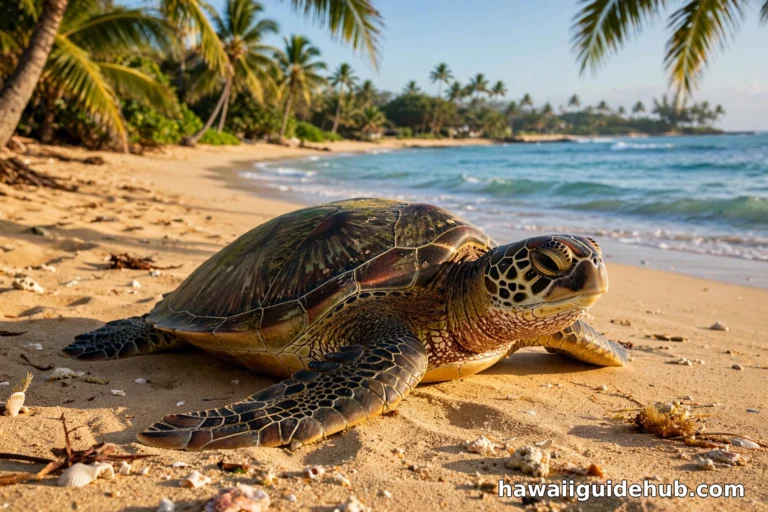
Wedge tailed shearwaters are the signature residents. They nest in burrows on the islets through much of the year, roughly February through November, raising chicks underground while the adults forage at sea and return at dusk. The birds are clumsy on land and highly sensitive to disturbance, which is why the interior stays closed and why dogs, even leashed dogs, are banned completely. Other seabirds use the islets as well, and the surrounding water holds green sea turtles and reef fish along the fringing reef.
Hawaiian monk seals haul out on Moku Nui’s beach, and mothers have pupped there. When a seal pup is nursing, which takes about five to seven weeks, DLNR and its federal and nonprofit partners have closed the beach landing entirely and asked boaters not to land anywhere on the islet, because kayaks coming and going can disturb the mother and pup and disturbing a protected seal can itself violate state and federal law. The practical rule for any visit is simple: if seals are on the beach or signs and volunteers say the landing is closed, do not land. Give any seal a wide berth, never approach for a photograph, and let the volunteers manage the resting area. A Mokes trip that turns around at the sight of a seal closure has not failed. It has done exactly what the sanctuary asks.
How the Paddle Works
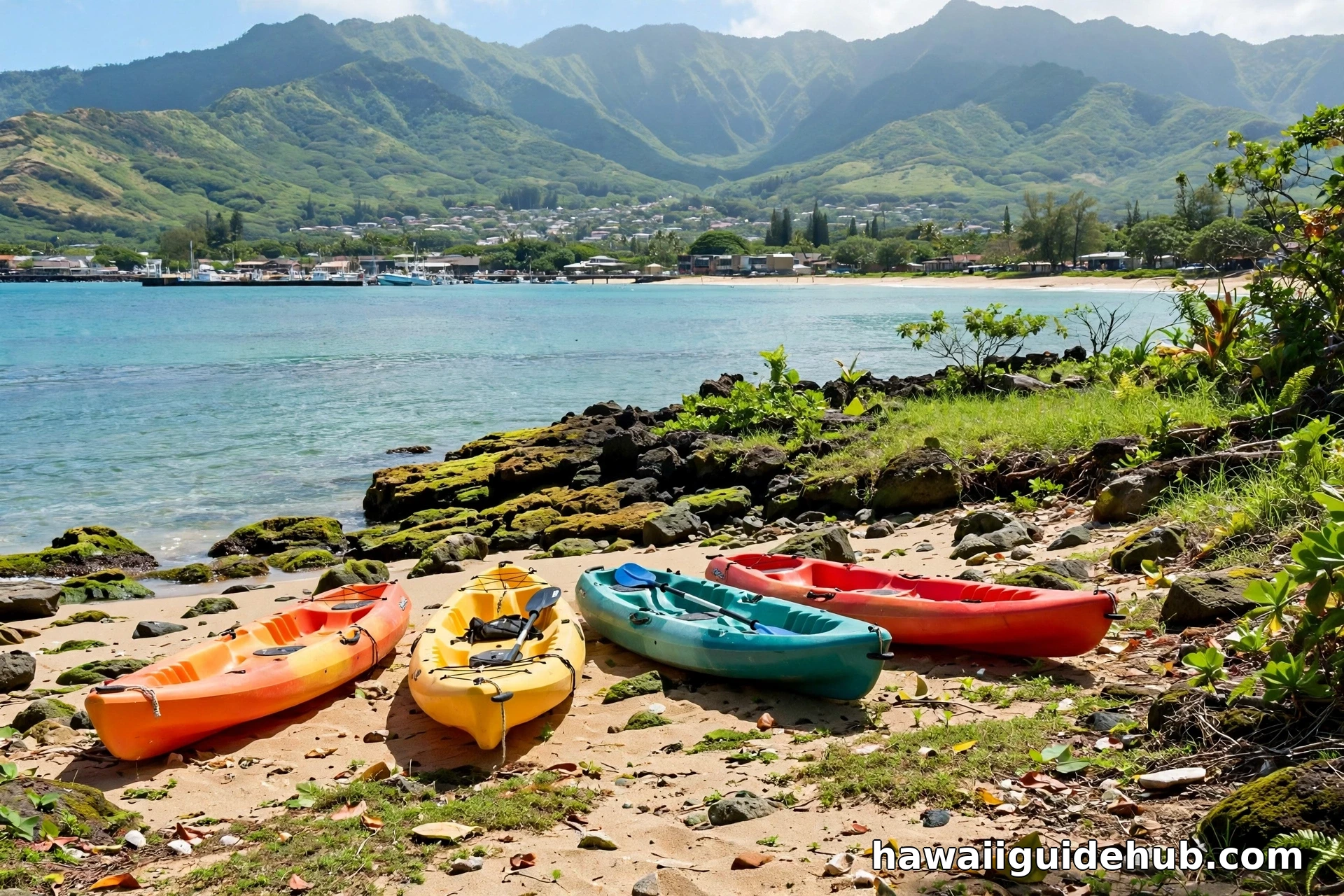
Almost everyone reaches the Mokes by kayak, with stand up paddleboards a distant second and small boats a minority. There are two launch areas. Kailua Beach Park, at the north end of the shoreline, has the facilities: parking, restrooms, showers, and lifeguards, and the paddle from there to Moku Nui runs about 2.5 miles each way as it passes Lanikai. Lanikai Beach itself is closer, about 0.75 miles from the islands, but Lanikai is a residential neighborhood with narrow beach access paths, no facilities, no lifeguards, and extremely limited street parking that is actively enforced. Our guide to Kailua Beach covers the park logistics in detail, and our Lanikai Beach guide covers the access paths and parking rules there.
On the water, aim for the sandy beach on the shoreward side of Moku Nui. The landing can have a shore break where currents wrap around the island, so approach slowly and expect to get wet feet at minimum. Once ashore, pull your kayak well above the waterline and tie it off, because a drifting kayak is both a lost ride home and a hazard. Rental companies in Kailua brief customers on the route, the landing, and the sanctuary rules before launching, and state landing permits apply to commercial operations. First time ocean kayakers, anyone paddling with children, and anyone visiting on a day with any real wind should seriously consider going with an experienced guide rather than independently, because local knowledge of the channel, the reef, and the day’s wind pattern is the main safety equipment this trip has.
When to Go, and When Not To
Go early. The windward coast earns its name from the trade winds, which typically build through the morning and turn the return paddle into a headwind workout by afternoon. A sunrise launch from Lanikai also matches the most famous view of these islands, the sun coming up between or behind the two humps, which is one of the classic sunrise scenes on Oʻahu. Check the marine forecast before you launch, not just the weather over land: wind speed, gusts, and any small craft advisories are the numbers that decide this trip. Winter can bring large north swells that wrap into the area and make the landing dangerous, while summer usually offers the calmest water. If the ocean looks rough from the beach, it is rougher at the islands. Postpone. The Mokes have been there for millions of years as remnants of the Koʻolau volcano, and they will be there on a calmer morning. Understanding the pattern of this coast helps, and our explainer on the windward side of Oahu covers why this side of the island gets the wind and rain first.
Safety: The Honest Version
This is an open ocean paddle, not a lagoon rental. Wear a life jacket, paddle with a partner, carry water and sun protection in a dry bag, and tell someone on shore your plan. The channel can have strong currents, the reef is shallow in places, and conditions can change while you are on the island, which is why experienced paddlers keep an eye on the return conditions the whole time they are ashore. On Moku Nui, the shoreline path leads around the island to a natural pool on the back side that draws swimmers on calm days. The back side faces the open ocean, waves wash over the rocks without warning, and people have been swept off and drowned at these islets. Treat the back side with real respect: never turn your back on the ocean there, stay off wet rock, and skip it entirely when surf is up. Portuguese man o war and jellyfish appear in windward waters seasonally, sea urchins live in the rocky shallows, and the midday sun reflecting off the water burns faster than visitors expect.
What a Good Visit Looks Like
A good Mokes morning starts before sunrise at Lanikai or just after dawn at Kailua Beach Park, crosses calm water as the light builds, and lands on Moku Nui’s beach while the day is still cool. You swim at the beach, walk the shoreline path without stepping off it, watch shearwaters and turtles from a respectful distance, eat the snack you packed, and paddle back before the trades fill in, carrying every scrap of trash back with you, since there are no services of any kind on the island. By late morning you are back on the sand at Kailua or Lanikai with the rest of the day free, which is the rhythm locals use. It pairs naturally with the rest of a windward day in our Oahu travel guide.
The Neighbors: Popoiʻa and the Other Offshore Islets
The Mokes are the famous pair, but they are not the only protected islets on this coast. Popoiʻa, often called Flat Island, sits about a quarter mile off Kailua Beach and is also a state seabird sanctuary with a permitted shoreline landing, making it the shorter, easier paddle that many families choose for a first outing. Dozens of small islands, islets, and rocks surround Oʻahu, and most are protected as bird sanctuaries with the same basic pattern of rules: daytime visits only where landing is allowed at all, no dogs, no camping, no fires, and no entry into nesting areas. If you paddle to any of them, the Mokes rules in this guide are the right default, and posted signs at the launch areas give the specifics for each islet.
Video: Kayaking to the Mokes
This video shows the paddle from Kailua toward the Mokulua Islands and the landing beach on Moku Nui.
Frequently Asked Questions
Can you go to the Mokes?
Yes, with limits. You can paddle to Moku Nui, the larger island, and land on its beach during the day, staying on the beach and shoreline paths. Moku Iki, the smaller island, is off limits entirely, and the interior of Moku Nui is closed to protect nesting seabirds. Landings can also close when a monk seal mother and pup are using the beach.
How far is the paddle to the Mokes?
About 0.75 miles from Lanikai Beach and about 2.5 miles from Kailua Beach Park, each way. Fit paddlers cover the Lanikai distance in well under an hour in calm conditions, but wind on the return can double the effort, which is why early starts matter.
Can you swim at the Mokes?
Yes, at the landing beach on Moku Nui, where the water is usually calm and clear. Use caution around the rocky back side of the island, where waves wash over the rocks and have swept people away. There are no lifeguards, so your judgment is the safety system.
Why can’t you land on Moku Iki?
Both islands are a state seabird sanctuary, and Moku Iki is closed to all visitors so that at least one of the pair remains completely undisturbed for nesting birds. The rules are enforced by DLNR officers, and violations are cited.
What should I bring for a Mokes kayak trip?
A life jacket for everyone, more water than you think you need, reef safe sunscreen, a hat, a dry bag for phone and keys, and a snack. Bring nothing disposable you cannot carry back. Leave dogs, alcohol, and camping gear behind, because all three are prohibited on the islets.
The Mokes are a small place with a clear bargain. Hawaiʻi protects two little islands completely for seabirds, and in return it lets visitors land on one beach, on footpaths at the water’s edge, under rules that keep the sanctuary intact. Paddle out early on a calm morning, follow those rules, and the Twin Islands deliver exactly what their postcard promises: clear water, a wild shoreline, and the rare feeling of standing somewhere that still belongs to the birds.