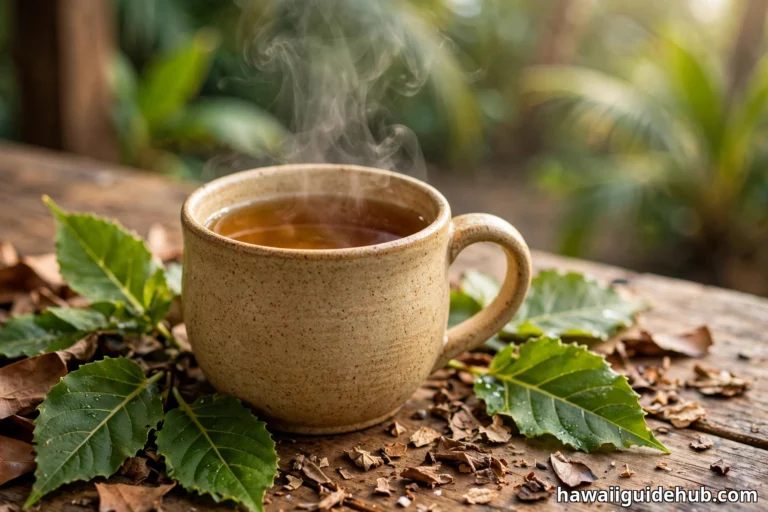
Akulikuli Hawaii: Sea Asparagus Guide

Akulikuli is Hawaii’s sea asparagus: a crisp, briny coastal succulent that grows in salt marshes and old salt flats. Also called pickleweed or glasswort, it is one of Hawaii’s most distinctive wild foods: crunchy, salty, and perfect with poke. This guide covers what akulikuli is, where it grows, how to eat it, and where to find it.
This page covers the akulikuli plant, its habitat, ways to eat it, foraging ethics, farming, and FAQs. Everything about akulikuli Hawaii is on this one page.
The Short Answer
Akulikuli is the Hawaiian name for sea asparagus (pickleweed): a salt-tolerant succulent (Batis maritima and Salicornia species) that grows in coastal marshes. It is crisp with a bold briny taste: eaten raw, pickled, or sautéed. It pairs famously with ahi poke. Some stands are invasive (old Maui salt flats); sustainable farms like Olakai grow it commercially. Forage only where permitted and abundant.
Ways to Eat Akulikuli
| Preparation | Flavor and use |
| Raw | Crisp, briny; salads and poke topping |
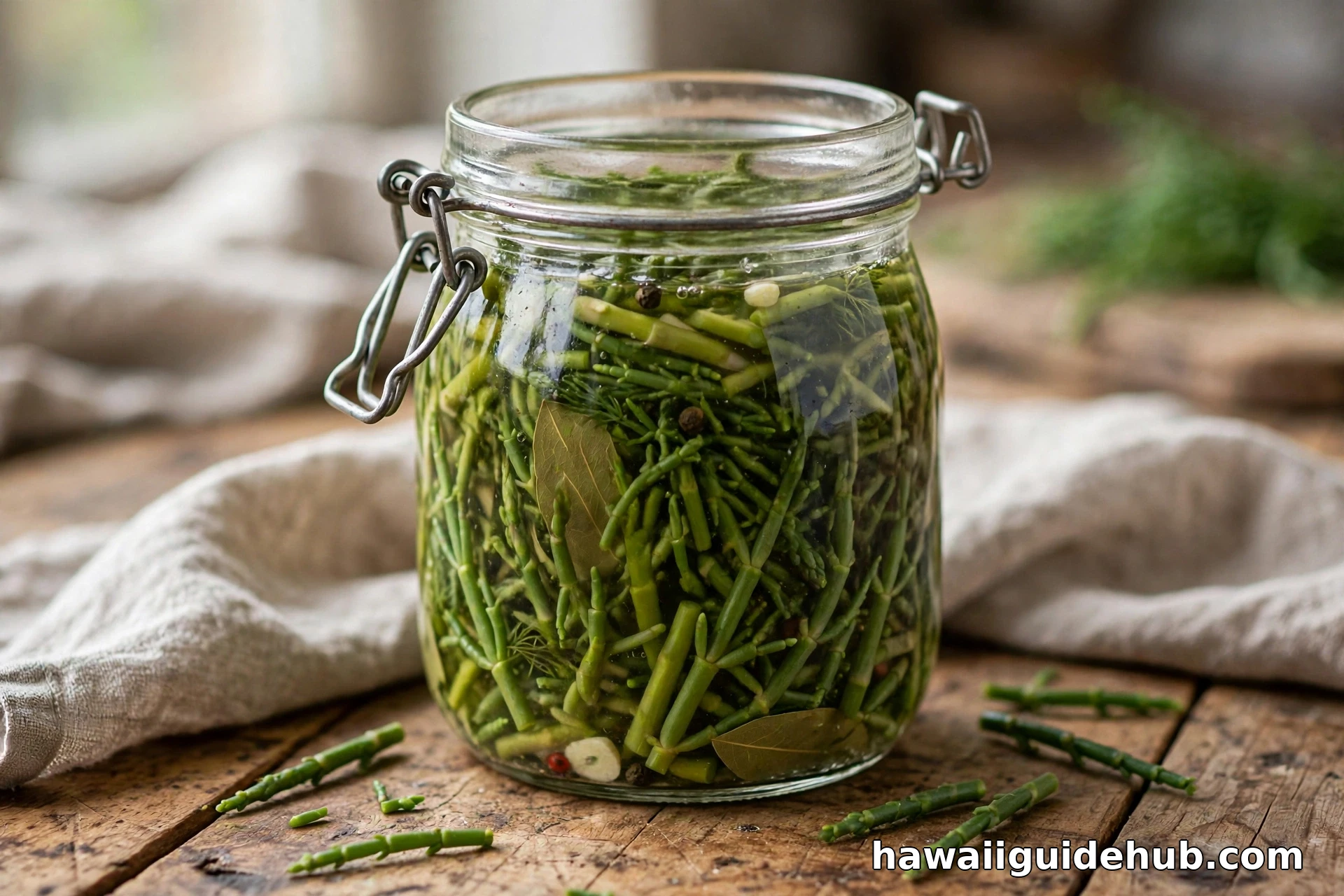
| Pickled | Preserves the crunch; relish and garnish |
| Sautéed | Quick in butter; warm side dish |
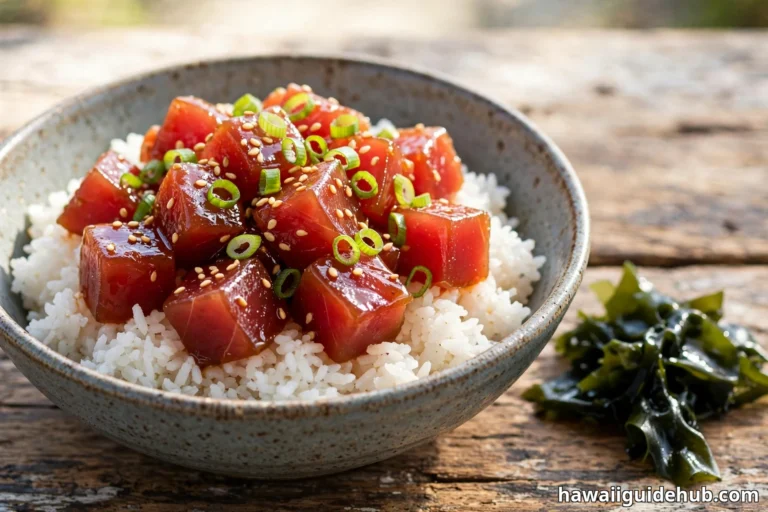
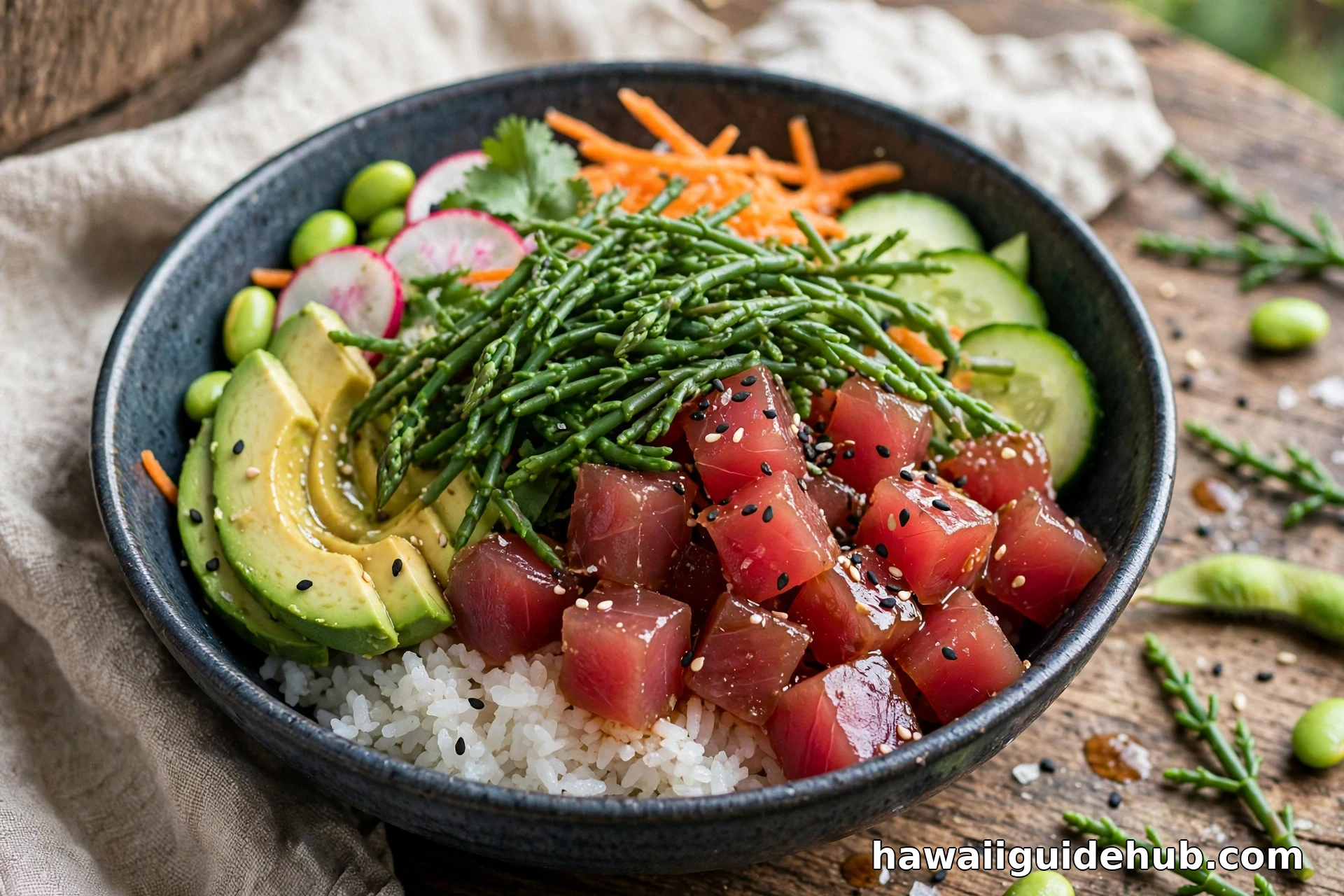
| With fish | Classic pairing with ahi poke |
What Is Akulikuli?
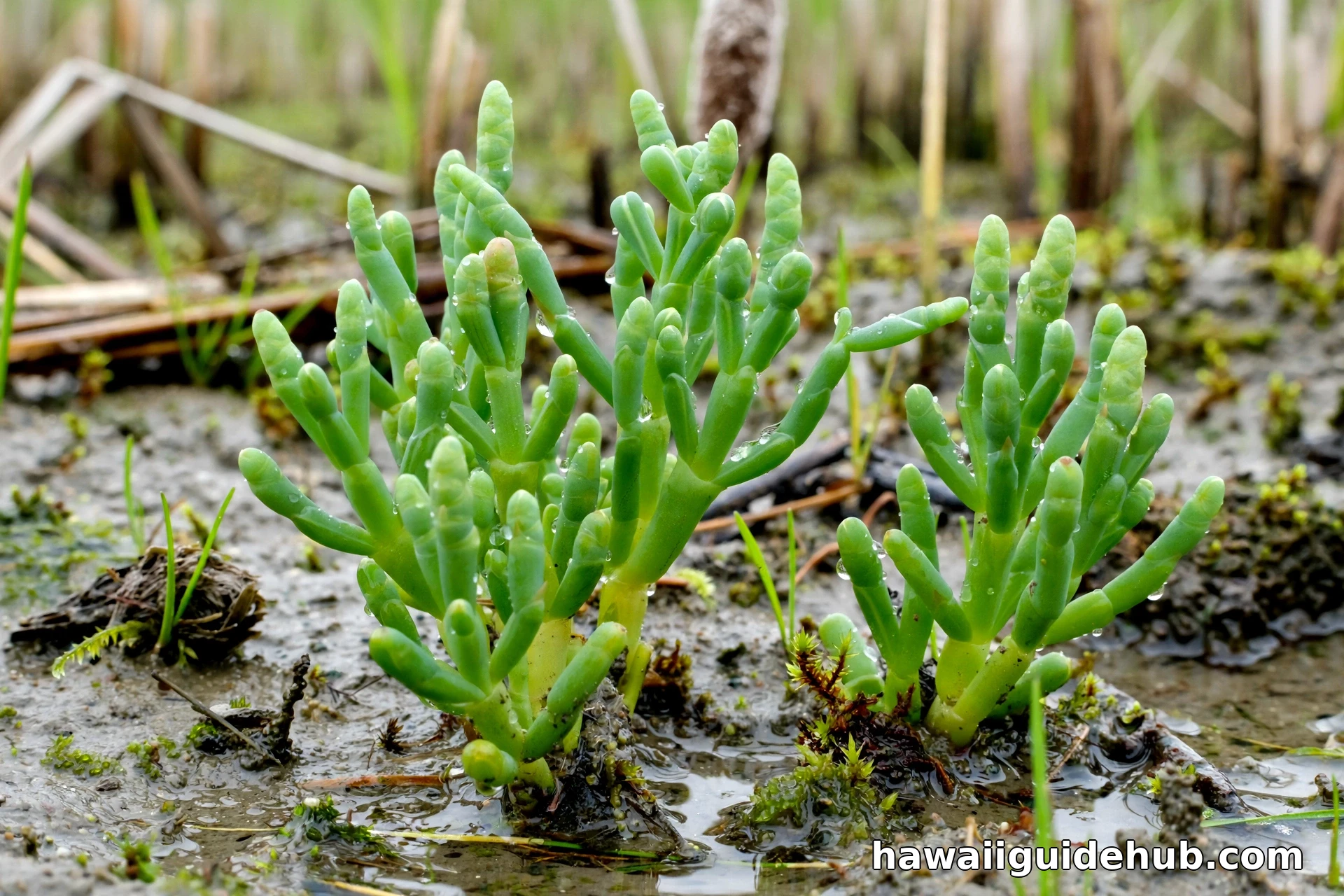
Akulikuli refers to salt-marsh succulents in Hawaii: primarily Batis maritima (saltwort) and Salicornia species (glasswort/pickleweed). These are halophytes: plants specialized for salty environments where little else can grow. The jointed, fleshy stems store salt water: bite one and the brine pops. It is a vegetable that tastes like the ocean: nature’s salt stick, growing wild in the marsh.
Where It Grows
Akulikuli grows in coastal wetlands, salt marshes, and old salt flats across Hawaii. Notable stands: the old salt flats on Maui (where Batis maritima is considered invasive), coastal ponds, and estuaries on several islands. It needs salt: look where seawater meets land. Some areas are protected wetlands: know the land status before picking anything. The plant is abundant in the right habitat: a single marsh can hold acres of it.
How to Eat It
Raw: rinse and eat: the crisp, salty pop is the whole point. Pickled: pack in vinegar with spices: the classic preserve that keeps for months. Sautéed: 2 minutes in butter or oil: warm, still crisp, deeply savory. Blanched: 30 seconds in boiling water: tames the salt for salads. With poke: the briny crunch against rich ahi is Hawaii’s perfect bite. The rule: keep it simple and do not overcook. The crunch is the treasure.
Foraging Ethics
Forage only where abundant and permitted: many coastal wetlands are protected wildlife habitat. Take a little: pinch the tender tips, leave the base to regrow for next time. Avoid polluted water: akulikuli absorbs its environment, for better and worse. Rinse well before eating. The invasive Batis maritima on Maui is the exception: eating it helps the ecosystem (one forager’s jars fund marsh restoration). Know your species and your site.
Farming: Olakai and Beyond
Olakai Sea Asparagus in Hawaii pioneered sustainable farming: growing sea asparagus with innovative aquaculture methods featured by Hawaii News Now. Farmed akulikuli brings consistency: clean, available year-round, no foraging pressure on wild marshes. Chefs love it: the reliable supply lets restaurants feature it confidently. The farm model is the future: wild harvest for tradition, farming for volume. Both have their place.
For Hawaiian food culture, see Hawaiian traditions: hula, chanting, and storytelling, the significance of ohana, and Hawaii’s history before the 50th star.
The Botany: Halophytes
Akulikuli species are halophytes: plants specialized for salty environments. Their fleshy, jointed stems store water and exclude or tolerate salt: an adaptation most plants lack. Batis maritima (saltwort) has a sprawling habit; Salicornia (glasswort) grows upright in jointed columns. Both turn red in stress: a beautiful autumn color in the marsh. The botany is fascinating: plants that drink seawater.
Akulikuli vs Limu
Do not confuse akulikuli with limu: limu are seaweeds (algae); akulikuli are flowering land plants that tolerate salt. Limu kohu, limu eleʻele: the famous Hawaiian seaweeds. Akulikuli: the crunchy land plant of the marsh. Both are coastal foods; both are briny and beloved. But they are different kingdoms of delicious. Hawaii’s shoreline offers both: the sea’s vegetables and the marsh’s.
The Salt Flats of Maui
Maui’s old salt flats host dense Batis maritima stands: introduced, thriving, and ecologically disruptive. Here, harvesting is conservation: every jar of pickled pickleweed is marsh restoration. Forager Sunny Savage’s pickled pickleweed (Maui-made) funds this work: eating the invasive to save the native. It is the rare case where appetite is activism. Buy the jar: taste the restoration.
Pickling Akulikuli
Pickling is the classic preserve: pack tender tips in jars with vinegar, water, salt, and spices (dill, garlic, peppercorns). The crunch survives pickling: the stems stay firm for months. Refrigerator pickles are simplest: no canning needed. The pickled akulikuli is a relish: on fish, in salads, straight from the jar. Make extra: the jars disappear.
Cooking with Akulikuli
Beyond raw and pickled: sauté with garlic (2 minutes), blanch for salads, chop into omelets, garnish grilled fish, fold into pasta. The salt means: season lightly, taste first. Akulikuli replaces salt in dishes: the vegetable is the seasoning. Chefs use it as both ingredient and garnish: the green pop on the plate. Experiment: the crunch goes everywhere.
Nutrition
Sea asparagus is low-calorie, mineral-rich (the seawater minerals concentrate in the stems), and a source of vitamins A and C. The salt is the caveat: sodium is high, so portions are garnish-sized. It is a flavor vegetable, not a bulk one: a little goes a long way. The health halo is real but modest: eat it because it is delicious, and enjoy the minerals as a bonus.
Chefs and Restaurants
Hawaii’s chefs embraced akulikuli: the local, sustainable, photogenic green that elevates any plate. It appears on poke, in salads, as garnish on fine dining plates. Farmers markets sell it fresh; specialty stores stock it year-round. Ask for it: “sea asparagus” is the menu term. The farm-to-table movement made akulikuli a star: the marsh weed became the chef’s darling. Taste what the fuss is about.
Growing Your Own
Akulikuli can be grown: it needs sun, drainage, and salt (seawater irrigation or salty soil). Coastal gardeners have the edge: the plant wants the beach. Containers work: a salty potting mix, full sun, regular watering with diluted seawater. It is not a beginner plant: the salt requirement is specific. But the reward is fresh sea asparagus at home: the ultimate local garnish.
The Taste: A Closer Look
Bite a fresh tip: the snap, then the brine floods in: clean ocean salt, a green vegetal note, a mineral finish. It is not fishy: it is the pure taste of seawater in plant form. The texture is the star: a crisp pop no other vegetable matches. Young tips are tender; older stems are woody: pick the tops. The taste is why it endures: nothing else is quite like it.
Akulikuli Around the World
Sea asparagus is global: samphire in England, salicorne in France, sea beans in America. Every coastal cuisine discovered it: the salty crunch is universal and irresistible. Hawaii’s version is the tropical expression: year-round, paired with poke, grown in volcanic marshes. The plant connects Hawaii to coastal kitchens worldwide: the same brine, different shores. Taste the world in one bite.
The History: Traditional Use
Coastal Hawaiians knew the shoreline’s bounty: limu from the reef, akulikuli from the marsh. The plants supplemented the diet: salt, minerals, crunch. The knowledge was practical: which marshes, which seasons, which preparations. Modern foragers relearn it: the old wisdom in new jars. The tradition is not ancient history: it is lunch.
Sustainability
Wild akulikuli is sustainable when harvested lightly: the plants regrow from the base. Farming (Olakai’s model) removes pressure entirely: aquaculture without the ocean impact. The invasive Batis harvest is restorative: eating as conservation. The ethics are clear: know your source, take little, support farms. The marsh feeds us; we protect the marsh.
Where to Find It: A Shopper’s Guide
Farmers markets (ask for sea asparagus), specialty grocers (Whole Foods, local health stores), poke shops (as topping), fine dining restaurants (as garnish). Online: pickled jars from Maui foragers. The fresh tips are seasonal-ish (year-round in Hawaii, but flushes vary). When you see it, buy it: the season of freshness is now. The jarred version keeps: stock the pantry.
The Forager’s Walk
Walk the marsh edge at low tide: the akulikuli stands are unmistakable: green jointed fingers in the mud. Bring scissors, a basket, and clean water for rinsing. Pinch the top 2-3 inches: the tender growth. Leave the woody base: it regrows. Watch for birds: the marsh is their home. The walk is the reward: herons, crabs, the smell of salt. The harvest is the bonus.
Recipes: Three Ideas
One: akulikuli poke topping. Fresh tips over ahi poke: the classic. Two: pickled akulikuli. Vinegar, spices, jars: the preserve. Three: sautéed akulikuli. Garlic, butter, 2 minutes: the warm side. All three take minutes: the ingredient does the work. The recipes are starting points: the plant invites improvisation. Cook simply, taste often.
Pairing Guide
Akulikuli loves: raw fish (poke, sashimi, ceviche), eggs (omelets, frittatas), citrus (lemon, lime cut the salt), butter (richness balances brine), and mild flavors it can lift. Avoid: already-salty dishes (it is the salt), long cooking (it wilts). The pairing logic: the crunch and brine elevate the mild. Think of it as nature’s finishing salt: with texture.
The Future of Akulikuli
The future is farmed: Olakai’s model scales, chefs demand it, consumers discover it. The invasive harvest funds restoration: appetite as activism. The wild tradition continues: foragers, families, marsh walks. Akulikuli sits at the intersection of food, ecology, and culture: the rare ingredient that is delicious, sustainable, and restorative. The future is green, crunchy, and briny.
The Marsh Ecosystem
The salt marsh is a nursery: crabs, shrimp, juvenile fish, and birds depend on it. Akulikuli is the foundation: stabilizing mud, sheltering small life, feeding the food web. The marsh filters water, buffers storms, and stores carbon. Harvesting lightly preserves all this: the forager is a guest in a working ecosystem. Respect the marsh: it gives more than vegetables.
Akulikuli in the Market
At the market, look for: bright green color, firm crisp stems, fresh ocean smell. Avoid: yellowing, limp, or fishy-smelling bunches. Fresh tips keep a week refrigerated in a damp towel. The price reflects the labor: hand-harvested marsh greens are premium. Buy from growers you trust: the source matters. Good akulikuli is worth it: the crunch tells you.
The Visitor’s Experience
As a visitor, you will meet akulikuli on the plate: the green crunch on your poke, the garnish on your fish, the pickle in your salad. Ask about it: servers love explaining the local green. Visit a farmers market: see it fresh, talk to the grower. Take a marsh walk: see where it grows. The ingredient becomes an experience: the taste connects to the place. That is Hawaii’s food at its best: the land on the plate.
Video: Olakai Sea Asparagus Farming
Sustainable sea asparagus farming in Hawaii.
Frequently Asked Questions
What is akulikuli?
Hawaii’s sea asparagus: a briny coastal succulent eaten raw, pickled, or sautéed.
What does akulikuli taste like?
Crisp and briny: like the ocean in vegetable form. Bold salt, fresh crunch.
Is akulikuli the same as pickleweed?
Essentially yes: akulikuli is the Hawaiian name for sea asparagus/pickleweed species.
Can you eat akulikuli raw?
Yes: rinse and eat. Raw is the classic way: maximum crunch.
Where can I buy akulikuli?
Farmers markets, specialty grocers, and restaurants: look for sea asparagus.
Is it invasive in Hawaii?
Batis maritima is invasive in some Maui salt flats: eating it helps restoration.
Akulikuli is Hawaii’s edible coastline: a plant that turns salt marsh into salad. Whether foraged from the flats, pickled in jars, or topping the perfect poke, it is the taste of the shore. Try it raw first: the crunch, the brine, the freshness. The ocean grows vegetables: akulikuli is the proof, and the marsh is the garden.