Rust Tea Recipes: Hawaiʻi’s Amber Māmaki Herbal Tea and How to Brew It

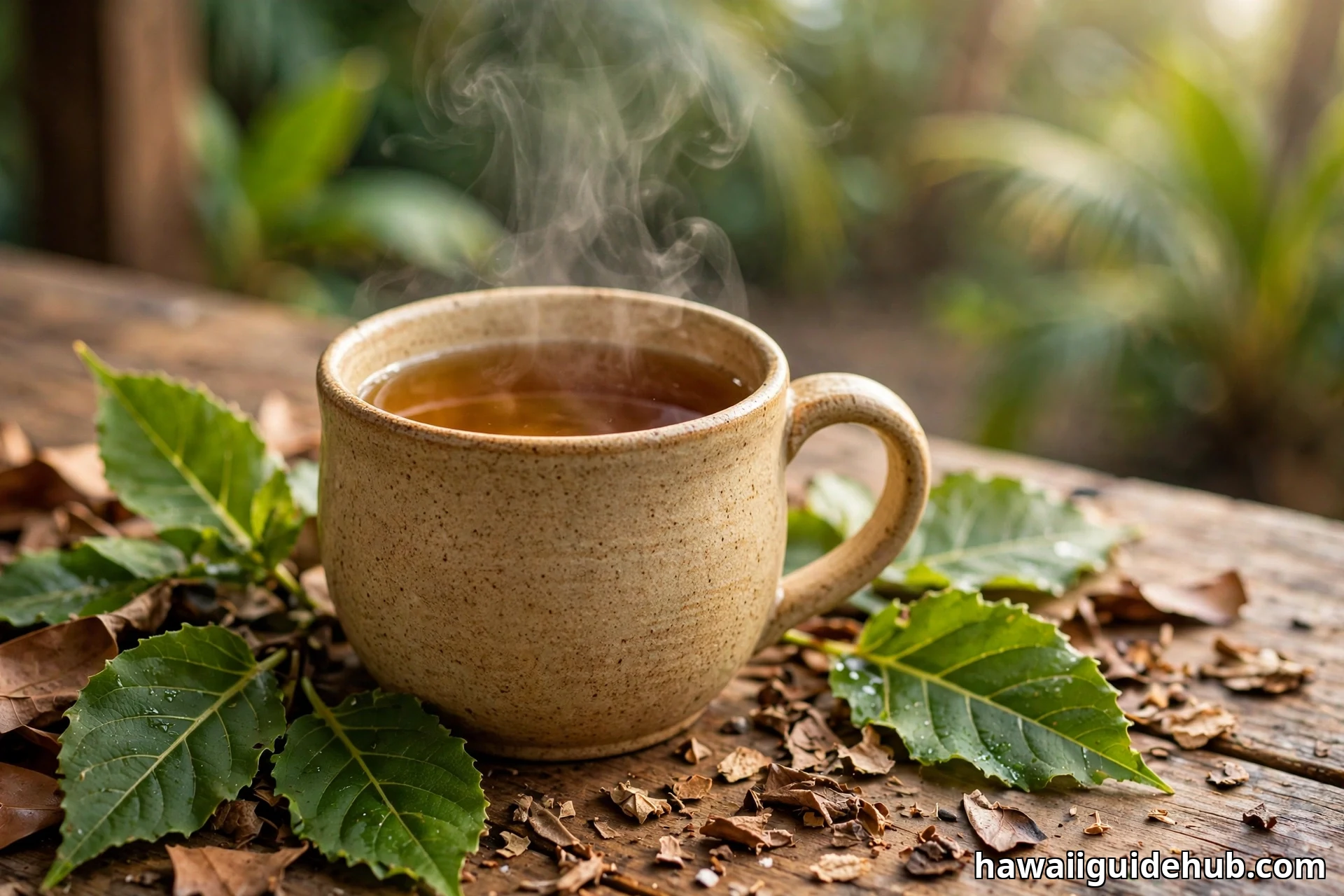
If you have ever been handed a cup of tea in Hawaiʻi and watched the liquid pour out the color of polished koa wood, you have probably met rust tea. It is not a brand and it is not a flavor added in a factory. Rust tea is what many people call the deep amber brew made from the leaves of māmaki, a plant that grows only in Hawaiʻi. The nickname comes from the color: brew the leaves strong enough and the liquor turns a warm, rusty red brown that looks almost metallic in the light.
This guide covers everything about it. You will learn what māmaki is, why Hawaiians have valued it for generations, how it tastes, how to brew it four different ways, six recipes to try at home, and where to find the leaves when you visit the islands.
What Is Rust Tea?
Rust tea is simply māmaki tea brewed to a deep color. Māmaki (pronounced mah-mah-key) is a shrub in the nettle family with the scientific name Pipturus albidus. Unlike its stinging cousins, māmaki is a stingless nettle, and its leaves have been steeped as an herbal tea in Hawaiʻi for centuries. When the dried leaves meet hot water, the brew starts out a pale gold and darkens the longer it steeps. A short three minute steep gives you a light golden cup.
The tea is naturally caffeine free, which is one reason it has become a favorite evening drink across the islands. You will find it at farmers markets, in growers kitchens, and in cafes that take local ingredients seriously.
Meet Māmaki, the Plant Behind the Tea
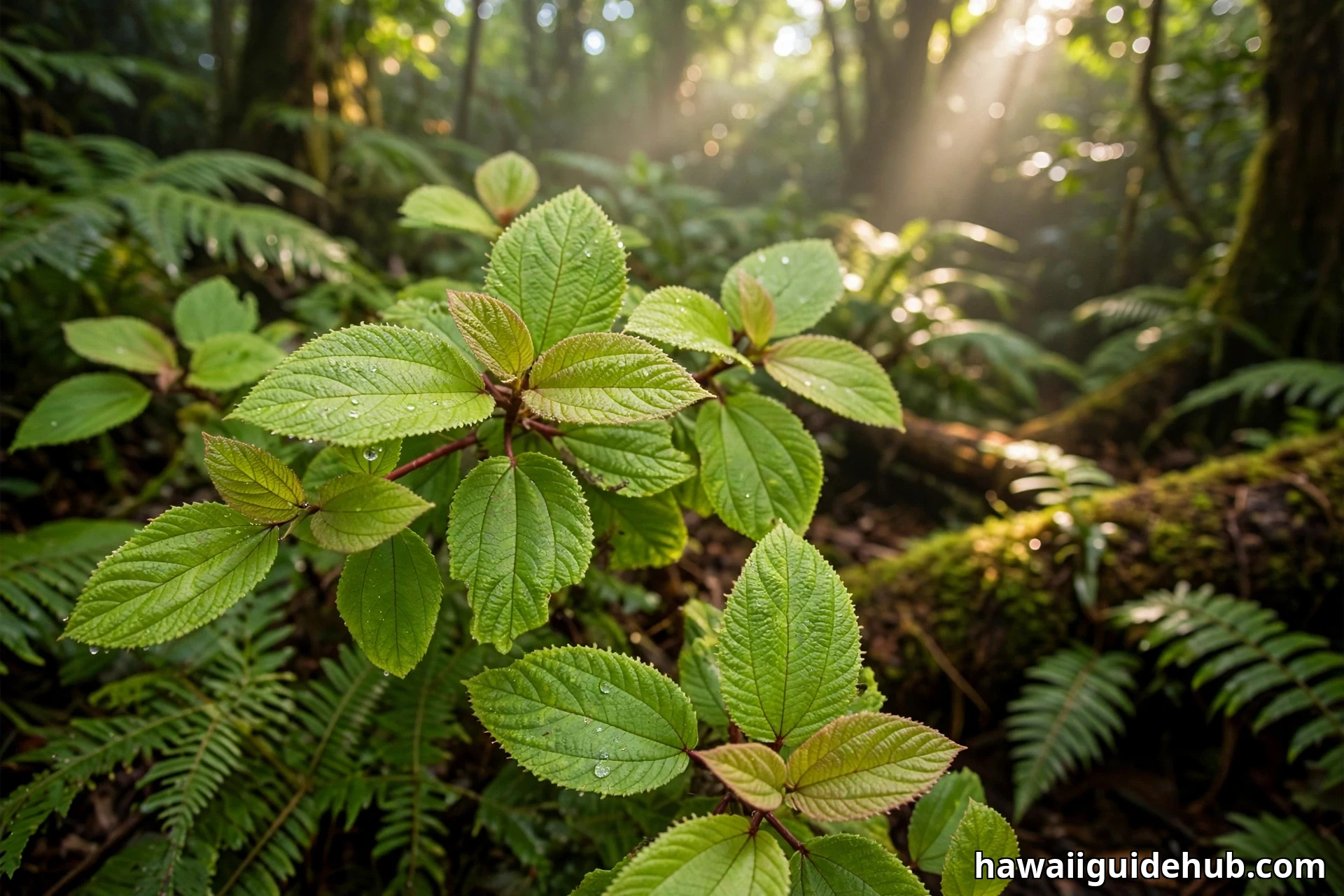
Māmaki is endemic to Hawaiʻi, which means it grows naturally nowhere else on earth. You will find it in the understory of wet forests on several islands, most commonly at mid elevations where the rain is steady and the canopy filters the sun. The plant is a shrub or small tree with bright green, serrated leaves that feel slightly rough to the touch. In the wild it can reach the size of a small tree, but cultivated plants are usually kept pruned to shrub size so the leaves are easy to pick.
The plant has a life beyond the teacup. Māmaki is the host plant for the Kamehameha butterfly, one of only two butterfly species native to Hawaiʻi. Protecting māmaki stands helps protect the butterfly, and buying from Hawaiʻi growers supports the small farms keeping native plants in cultivation.
Like many native Hawaiian plants, māmaki was useful to Hawaiians long before anyone thought to sell it as a wellness tea. Every part of the plant had a job, and the leaves were only one of them.
Roots in Hawaiian Healing Tradition
In traditional Hawaiian practice, healing with plants is called lāʻau lapaʻau. Māmaki held a respected place in it. Hawaiian healers used the leaves as a general tonic, something taken regularly to support overall wellness rather than to treat a single ailment. The leaves were prepared fresh or dried, steeped in hot water, and drunk for their soothing qualities. Elders also valued the plant for its calming effect on the nerves, and a cup of māmaki at the end of the day was simply part of life for many families.
The rest of the plant worked hard too. The bark of māmaki was stripped, soaked, and beaten into kapa, the traditional bark cloth Hawaiians used for clothing and bedding. Making kapa was skilled, labor intensive work, and māmaki bark was one of the materials valued for it. When you drink a cup of rust tea, you are tasting a plant that clothed people, healed people, and fed butterflies. That is a lot of history in one leaf.
It is worth saying plainly that traditional uses are not the same as medical proof. The old knowledge is real and worth respecting, but if you are managing a health condition, treat māmaki as a pleasant beverage, not a treatment, and talk to your doctor about anything you drink for health reasons.
What Does Rust Tea Taste Like?
First time drinkers are often surprised by how gentle it is. Plain māmaki tea has a mild, earthy sweetness with soft nutty notes. People who know tea often compare it to a very calm green tea, minus the grassiness and minus any bitterness or astringency. The body is medium, and the finish is smooth. Brewed light, it is delicate and easy to drink. Brewed to full rust, it gets deeper, rounder, and slightly syrupy, with a mouthfeel that coats the throat in a way many people find soothing.
Because the base flavor is so mild, māmaki takes well to additions. It blends beautifully with fresh mint, grated ginger, lemongrass, lemon, and honey, and a spoonful of local honey is the classic move.
What Research and Tradition Say About Māmaki
Modern interest in māmaki got a boost from research at the University of Hawaiʻi, where a study found that māmaki leaves contain notable antioxidants, including catechins, chlorogenic acid, and rutin. These are the same families of compounds that give green tea much of its reputation. The study also suggested that longer brewing draws out more of these compounds, which lines up with the traditional habit of steeping the leaves well.
Traditionally, Hawaiians associated māmaki with a long list of supportive uses: soothing the digestive system, calming the nerves, easing tension after a hard day, and serving as an everyday tonic for general wellness. Modern sellers often echo these themes, describing the tea as relaxing and restorative.
Take all of this the way you would take any traditional plant knowledge: with interest and with proportion. These statements have not been evaluated by the Food and Drug Administration, and māmaki tea is not intended to diagnose, treat, cure, or prevent any disease. What you can count on is a caffeine free, pleasant tasting herbal tea with a genuine cultural story. That is plenty.
How to Brew Rust Tea
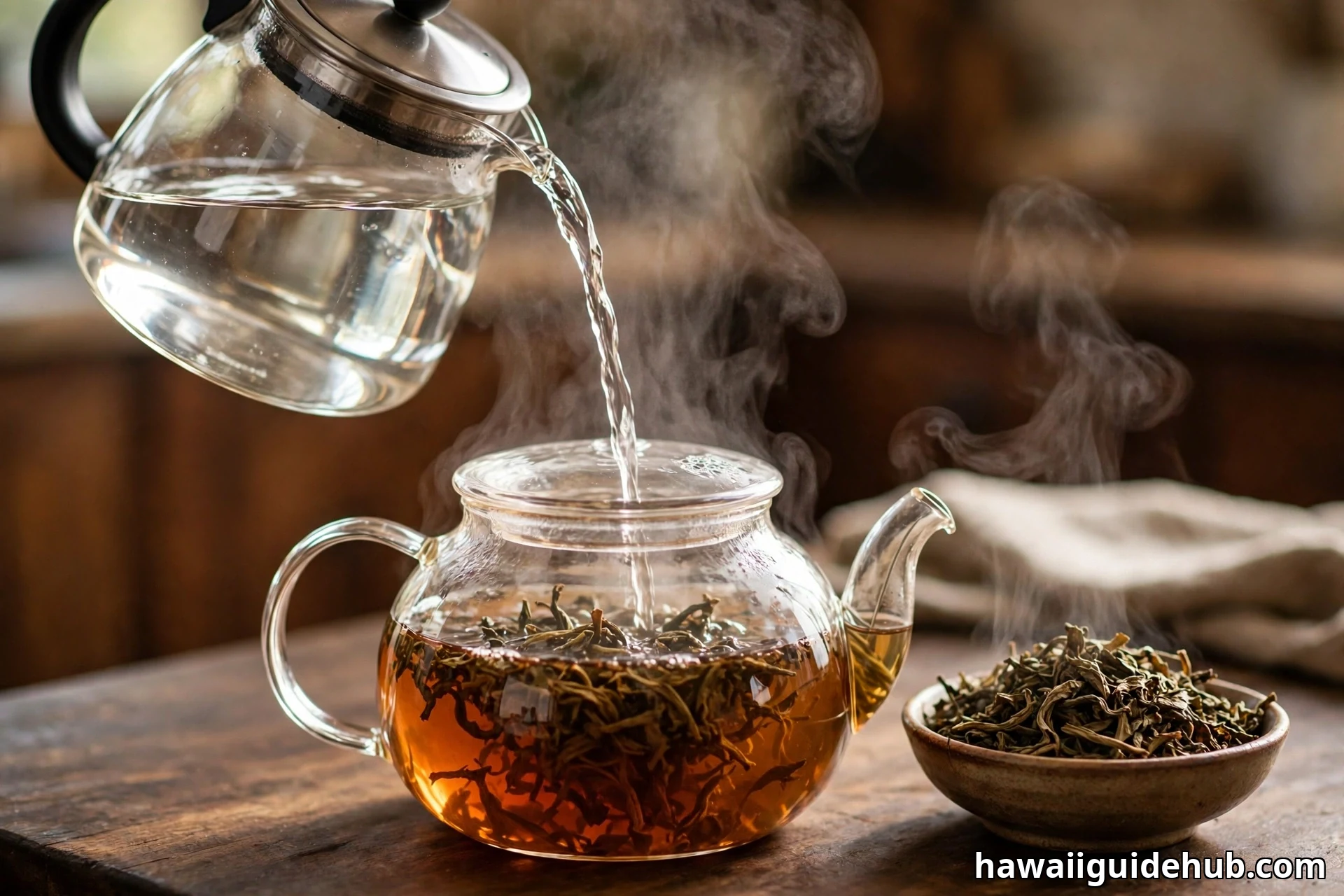
There is no single right way to brew māmaki. Hawaiian families all have their own habits, and the tea forgives experimentation. These four methods cover the range from a quick cup to a big batch of iced tea.
The classic hot cup
Use 1 to 2 tablespoons of loose dried māmaki leaves per 8 to 10 ounces of water that has just come off the boil. Pour the water over the leaves, cover, and steep 5 to 10 minutes. Strain and drink. For a lighter golden cup, steep closer to 5 minutes. For full rust color, go the whole 10.
The strong rust steep
Want that deep rust color? Use the same ratio but steep 10 to 15 minutes, or even longer. The tea grows thicker and more syrupy with time, and many people swear by a long steeped cup when their throat feels scratchy. A little extra leaf does not hurt either.
Overnight iced māmaki
This is the method many Hawaiʻi growers recommend for a crowd. Crumble about 1/4 cup of dried leaves into a quart sized glass jar, fill it with boiling water, cover it, and leave it on the counter overnight. In the morning, strain out the leaves and refrigerate. You get a smooth, deep brew that pours beautifully over ice and keeps for several days in the fridge.
Cold brew
For the smoothest, lightest cup, skip the heat entirely. Add 2 tablespoons of leaves to a quart of cold water and refrigerate 8 to 12 hours. Cold brewing pulls out less of the earthy notes, so the result is delicate and refreshing. Strain before serving.
A few brewing tips
Do not throw your leaves away after one cup. Māmaki steeps well a second time, and sometimes a third, if you add a few extra minutes each round. Skip the milk and white sugar, which muddy the flavor; a drizzle of honey is the traditional sweetener.
Six Rust Tea Recipes to Try
Once you can brew a solid base, these recipes take it somewhere fun. Every one of them starts with brewed māmaki and builds from there.
1. Honey ginger rust tea
Brew a strong pot of māmaki for 10 minutes and strain. Per quart, stir in 1 teaspoon of grated fresh ginger and 1 tablespoon of local honey while the tea is still hot. Serve steaming. The ginger brings gentle heat, the honey rounds off the earthiness, and the combination is wonderful on a rainy evening.
2. Mint lime iced tea
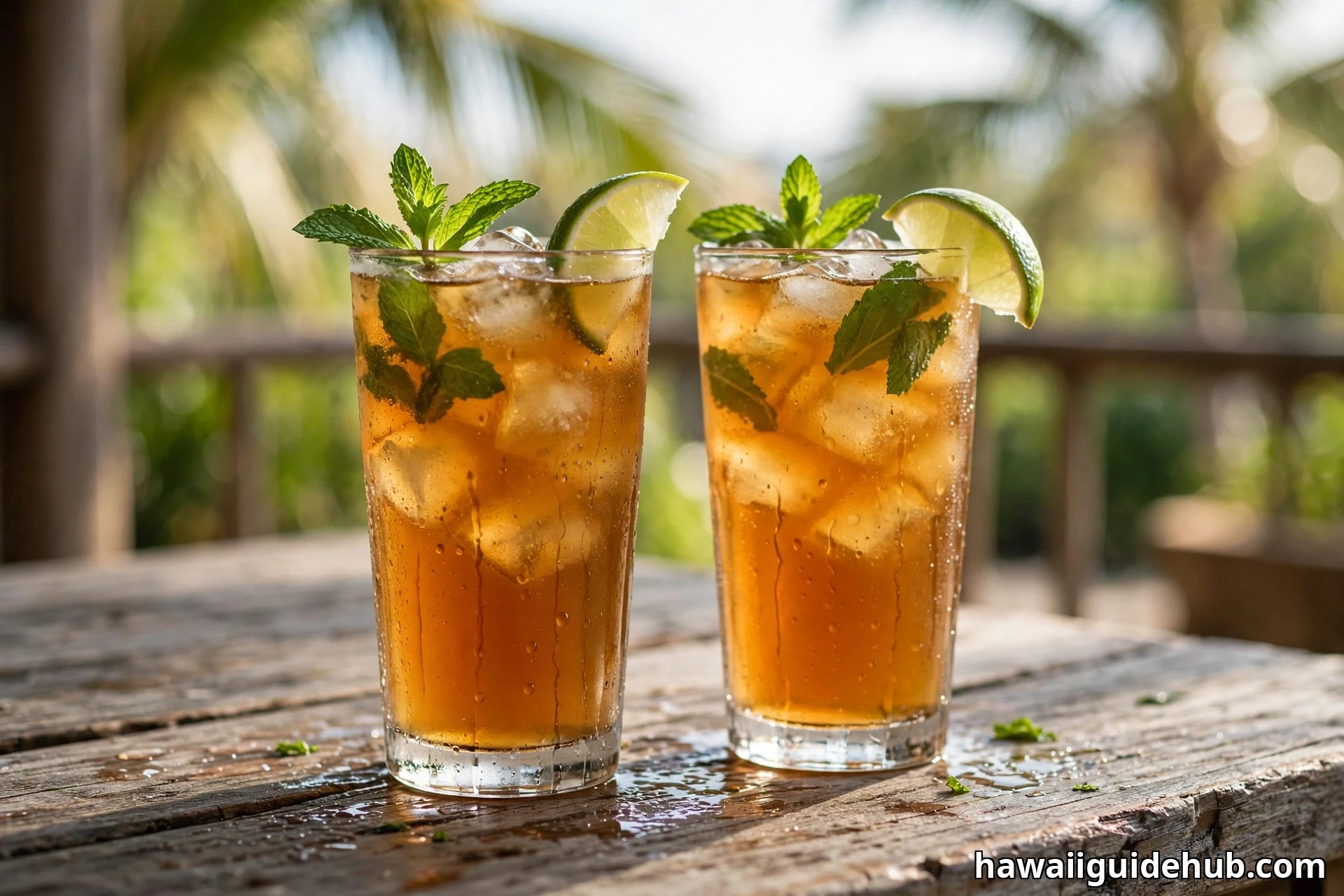
Start with overnight iced māmaki. Per quart, lightly muddle a small handful of fresh mint leaves in the bottom of a pitcher, add the chilled tea and the juice of one lime, and sweeten lightly with honey. Pour over ice and garnish with a mint sprig. This is the cooler you want on a hot afternoon.
3. Lemongrass māmaki blend
Mix 2 parts dried māmaki with 1 part dried lemongrass and store the blend in a jar. Brew 1 tablespoon of the mix per 8 ounces of hot water for about 7 minutes. The lemongrass lifts the whole cup with a bright citrus note, and the blend stays completely caffeine free.
4. Māmaki latte
Brew a double strength cup of māmaki and strain it. Warm 6 ounces of milk, or your favorite plant milk, and froth it. Pour the milk over the tea, add a drizzle of honey, and dust with nothing at all. It is a cozy, zero caffeine evening drink that feels like a treat.
5. Tropical sunset cooler
Fill a tall glass with ice. Pour in half chilled strong māmaki tea and half passion fruit juice, then add a squeeze of orange. Stir gently. The deep amber tea against the bright juice looks like a sunset, and it tastes like one too. A great non alcoholic option for gatherings.
6. The evening unwind cup
Sometimes the best recipe is the simplest. Because māmaki has no caffeine, it fits naturally into an after dinner ritual. Brew a gentle 5 minute cup, add a thin slice of lemon, and sip it slowly. Many Hawaiian families end the day exactly this way.
If you enjoy pairing local drinks with local food, a warm cup of rust tea goes beautifully with the must-try local dishes in Hawaii, and an iced mint lime māmaki is a fine partner for something sweet like malasadas.
Where to Find Māmaki in Hawaiʻi
You will not find māmaki in every supermarket, but it is not hard to track down on the islands. Farmers markets are the best starting point. Vendors on Oʻahu, Maui, Kauaʻi, and the Big Island often sell bags of dried leaves, and some sell fresh leaves when they have them. The KCC Farmers Market in Honolulu and the Hilo Farmers Market are reliable bets, but any large market with local growers is worth a look.
Specialty tea shops and natural food stores across the islands stock māmaki from local farms. On the Big Island, where much of the commercial māmaki is grown, you can visit farm shops and tasting rooms in coffee country and often buy leaves right at the source. If you are planning a trip around the island, our guide to the best things to do on the Big Island can help you build māmaki hunting into a day of exploring.
Native Books Hawaii, a beloved local bookstore with shops in Honolulu, carries māmaki tea alongside books on Hawaiian culture. Several Hawaiʻi tea companies also ship, so if you fall in love with the tea on your trip, you can keep your cupboard stocked after you fly home.
When buying, look for leaves that are intact and fragrant rather than dusty or faded. Dried māmaki should smell faintly sweet and herbal. Store it the way you would any dried tea: sealed, away from light and moisture, and not in the refrigerator, where it can pick up odors.
Buying and Storing Tips
A little care keeps your māmaki at its best. Buy from Hawaiʻi growers when you can, since the plant is endemic and locally grown leaves support the farms keeping it in cultivation. Whole or coarsely crushed leaves brew better than powder, which can make the cup cloudy. Kept sealed in a cool, dark cupboard, dried māmaki stays good for well over a year. And remember the second steep. Good māmaki has more than one cup in it.
Watch: All About Māmaki
Frequently Asked Questions
Is rust tea the same as māmaki tea?
Yes. Rust tea is a nickname for māmaki tea brewed strong enough to turn a deep amber rust color. There is no separate plant called rust tea. When someone in Hawaiʻi offers you rust tea, they are offering you a bold cup of māmaki.
Does rust tea have caffeine?
No. Māmaki is a naturally caffeine free herbal tea, which is why many people drink it in the evening. It will not keep you up the way black or green tea can.
Where can I buy māmaki leaves?
Farmers markets and natural food stores in Hawaiʻi are the easiest sources, along with specialty shops like Native Books Hawaii and farm shops on the Big Island. Several Hawaiʻi tea companies also sell online and ship to the mainland.
How long should I steep māmaki?
For a light cup, 3 to 5 minutes. For the classic amber brew, 5 to 10 minutes. For full rust color and a thicker, more syrupy body, 10 to 15 minutes or longer. You can also cold brew it overnight in the refrigerator for a smooth iced tea.
Can I reuse māmaki leaves?
Yes. Māmaki steeps well a second time, and sometimes a third, if you add a few extra minutes to each round. The later steeps are lighter but still pleasant.
Are there side effects to drinking māmaki tea?
Māmaki has been drunk in Hawaiʻi for generations and is generally regarded as a gentle herbal tea. That said, it is a plant with traditional medicinal uses, so if you are pregnant, nursing, taking medication, or managing a health condition, check with your doctor first. These statements have not been evaluated by the FDA.
Rust tea is one of those small, genuine pieces of Hawaiʻi that most visitors walk right past. It costs almost nothing, it takes five minutes to make, and it connects you to a plant that exists nowhere else on earth, a healing tradition centuries old, and the simple pleasure of a well brewed cup. Next time you see a bag of dried māmaki at a farmers market, bring it home and brew it rust. You will taste exactly why the nickname stuck.