2 Days on the Big Island: The Perfect Short Itinerary

Two days on the Big Island is a greatest-hits tour of the most diverse island in Hawaii. This 2 day Big Island itinerary splits the island the way it demands: Day 1 on the sunny Kona coast for coffee, culture, and the ocean, and Day 2 on the volcano and the lush Hilo side for lava landscapes and waterfalls. It is a full sprint, but it is the right sprint, and you will see the two faces of Hawaiʻi Island that make it unlike anywhere else on Earth.
This is the single complete guide to spending 2 days on the Big Island. It covers the exact day-by-day plan, where to stay, what 2 days on the Big Island costs, money-saving tips, common mistakes, a packing checklist, and answers to the questions every short-trip visitor asks. Everything about a 2 day Big Island itinerary, 2 days on the Big Island of Hawaii, and the best 2 day Hawaii Big Island trip plan is gathered on this one page, so you do not need to search anywhere else.
2 Day Big Island Itinerary at a Glance
| Day 1: Kona coast | Coffee farm, Puʻuhonua o Hōnaunau, Kailua-Kona town; optional manta ray night snorkel |
| Day 2: Volcano and Hilo side | Hawaiʻi Volcanoes National Park, then Hilo side waterfalls (Akaka and Rainbow Falls) |
| The math that rules the trip | The island is huge: Kona to the volcano is about 2 hours each way, so Day 2 is mostly windshield time |
| The rules | Rental car is essential (book it with your flights); stay in Kailua-Kona both nights and do not move; early starts, long driving days, big payoffs |
Before You Go: Planning Tips for 2 Days on the Big Island
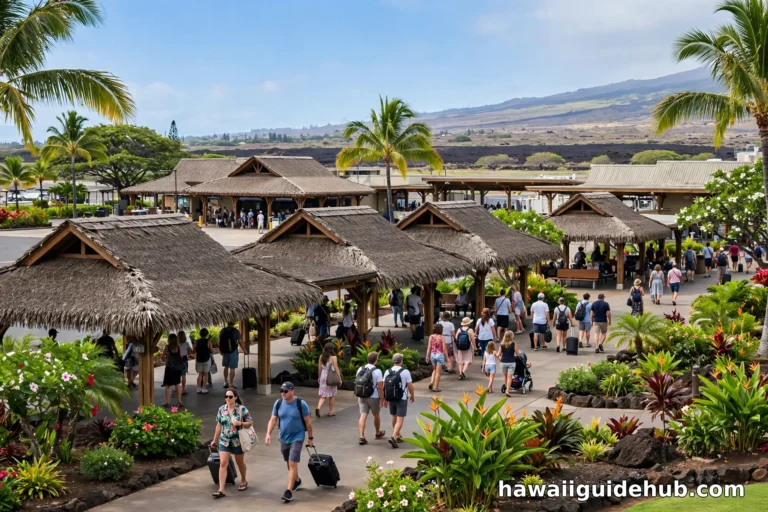
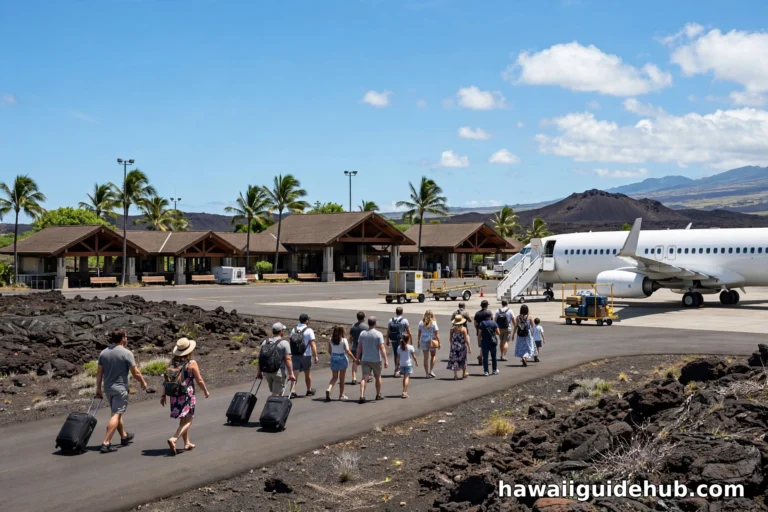
The Big Island is bigger than all the other Hawaiian Islands combined, and distance is the entire planning problem. Kona and Hilo sit on opposite coasts, and the volcano sits between them at 4,000 feet. A rental car is non-negotiable; book it with your flights. Fly into Kona International Airport (KOA), which puts you on the sunny side where this itinerary starts. If you are still choosing your island, our guide to the best island in Hawaii for first time visitors explains where the Big Island fits.
No advance reservations are required for this itinerary beyond your hotel, rental car, and the optional manta ray snorkel. Hawaiʻi Volcanoes National Park charges 30 dollars per vehicle for a 7-day pass (cashless), and Akaka Falls State Park charges non-residents 10 dollars for parking plus 5 dollars per person. Check the park’s current conditions before Day 2: volcanic activity, vog, and occasional road closures can change what is open. Vog (volcanic smog) drifts with the wind and can irritate eyes and lungs on active days; if you are sensitive, check the air quality forecast and keep the day flexible. Our Volcanoes National Park guide is the deeper reference.
Where to Stay: Kailua-Kona, Both Nights
Stay in Kailua-Kona for both nights. It is the sunny, restaurant-filled hub on the west coast, 15 minutes from the airport, and the right base for Day 1. Day 2 is a long driving loop no matter where you sleep, so do not split the stay: checking into a Hilo hotel for one night costs you an hour you do not have. Book a hotel or condo along Aliʻi Drive for walkable dinners after long days.
Day 1: The Kona Coast (Coffee, Culture, Ocean)
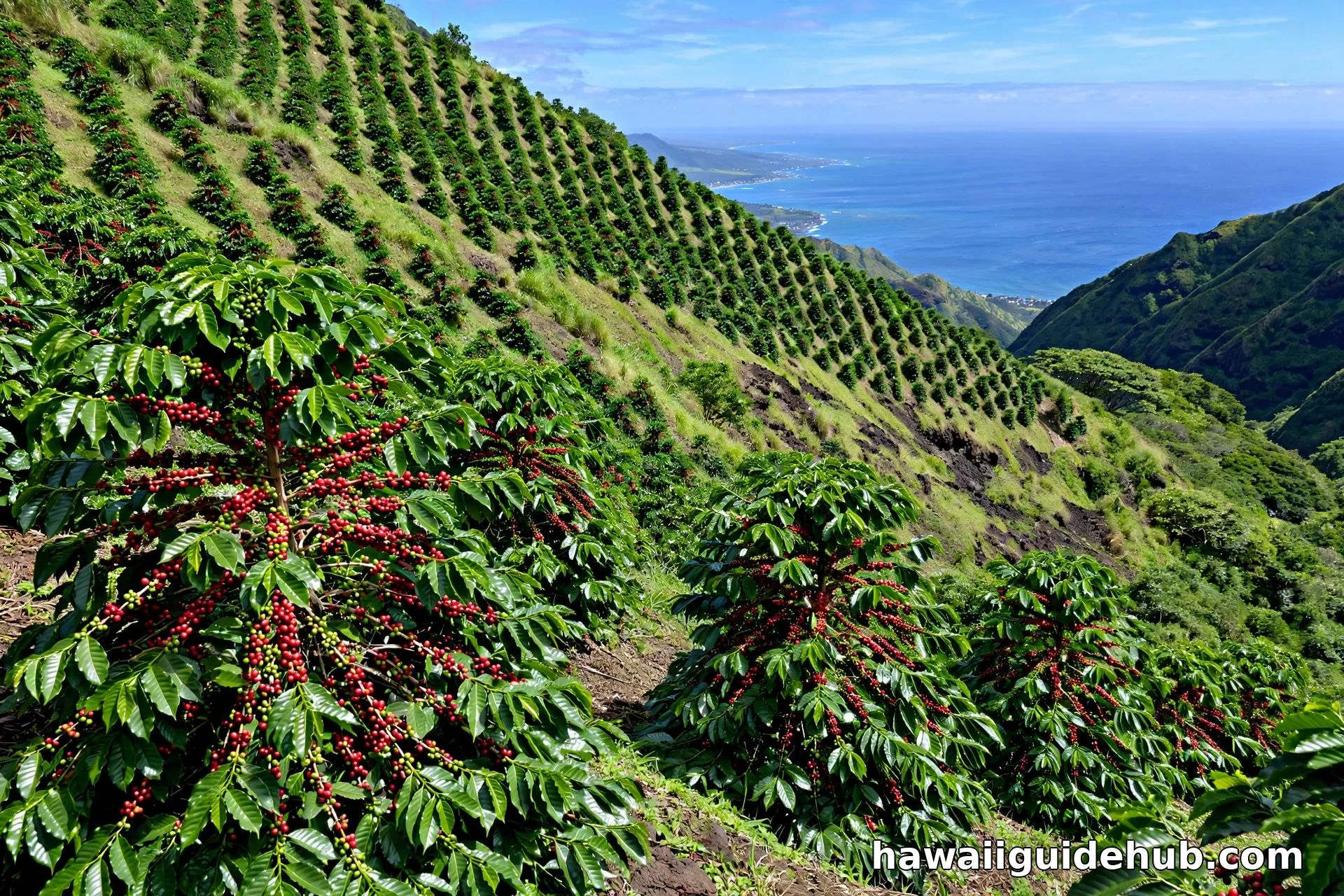
Start at a Kona coffee farm in the hills above Kealakekua Bay. Kona coffee grows only in the Kona districts, in volcanic soil under morning sun and afternoon cloud, and the farm tours (many free with tasting) walk you from cherry to cup. Greenwell Farms and the smaller family farms along Highway 11 all run morning tours; go early before the clouds roll in.
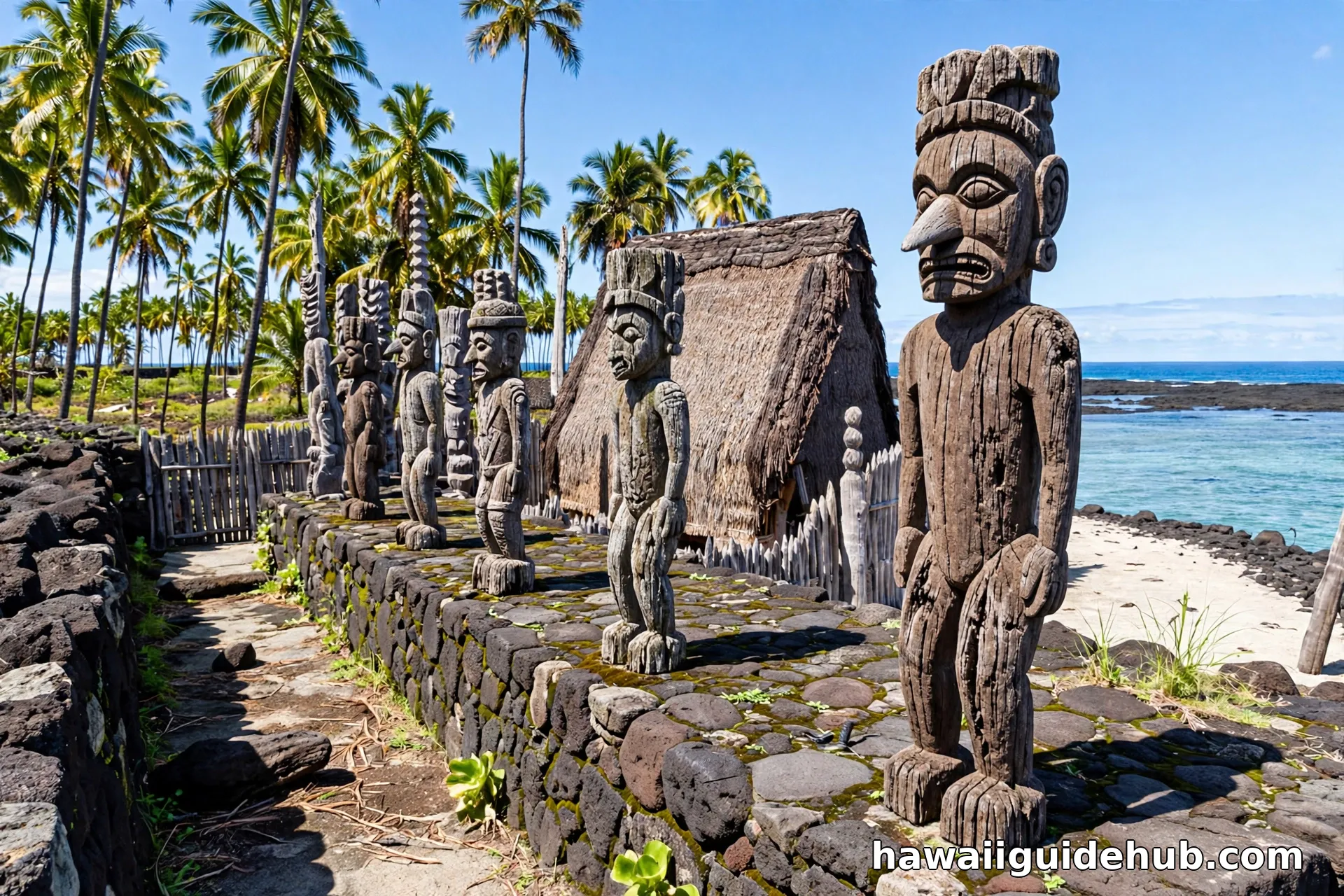
Drive south to Puʻuhonua o Hōnaunau National Historical Park, the Place of Refuge: a sacred coastal site where ancient Hawaiians who broke kapu could find absolution. The royal grounds, the great wall, and the reconstructed Hale o Keawe temple with its wooden kii statues sit on a lava shoreline with some of the island’s best snorkeling just offshore at Hōnaunau Bay (Two Step). A small park entrance fee applies. Our Kona things to do guide covers the coast’s other stops.
Return to Kailua-Kona for the afternoon: walk Aliʻi Drive past the historic Huliheʻe Palace, swim at Kamakahonu Beach in front of the old royal grounds, and browse the shops at the Kona Inn. The town’s waterfront is at its best in the late afternoon light, and an early dinner here sets you up for the evening. If the budget allows, book the manta ray night snorkel for the evening: boats leave from Honokōhau Harbor just north of Kona, and floating over reef manta rays feeding in the lights is consistently rated the best night activity in Hawaii. Our manta ray snorkel guide explains how it works and what to expect.
Kona Coffee: What to Know Before the Farm Tour
Kona coffee is one of the few things in Hawaii you can only truly experience in Kona. The coffee belt runs along the slopes of Hualālai and Mauna Loa between about 800 and 2,500 feet, where morning sun, afternoon cloud, and volcanic soil create the growing conditions. Farm tours typically run 30 to 60 minutes and are often free, ending with a tasting flight of roasts. You will learn to tell peaberry from extra fancy, and you will taste why 100 percent Kona commands its price: most “Kona blend” bags in mainland stores contain only 10 percent Kona beans. Buy the real thing at the farm; it is the best souvenir on the island and it stays fresh for weeks. If you drink coffee at home, this is the morning that justifies the trip.
Day 2: Volcanoes National Park and Hilo Waterfalls
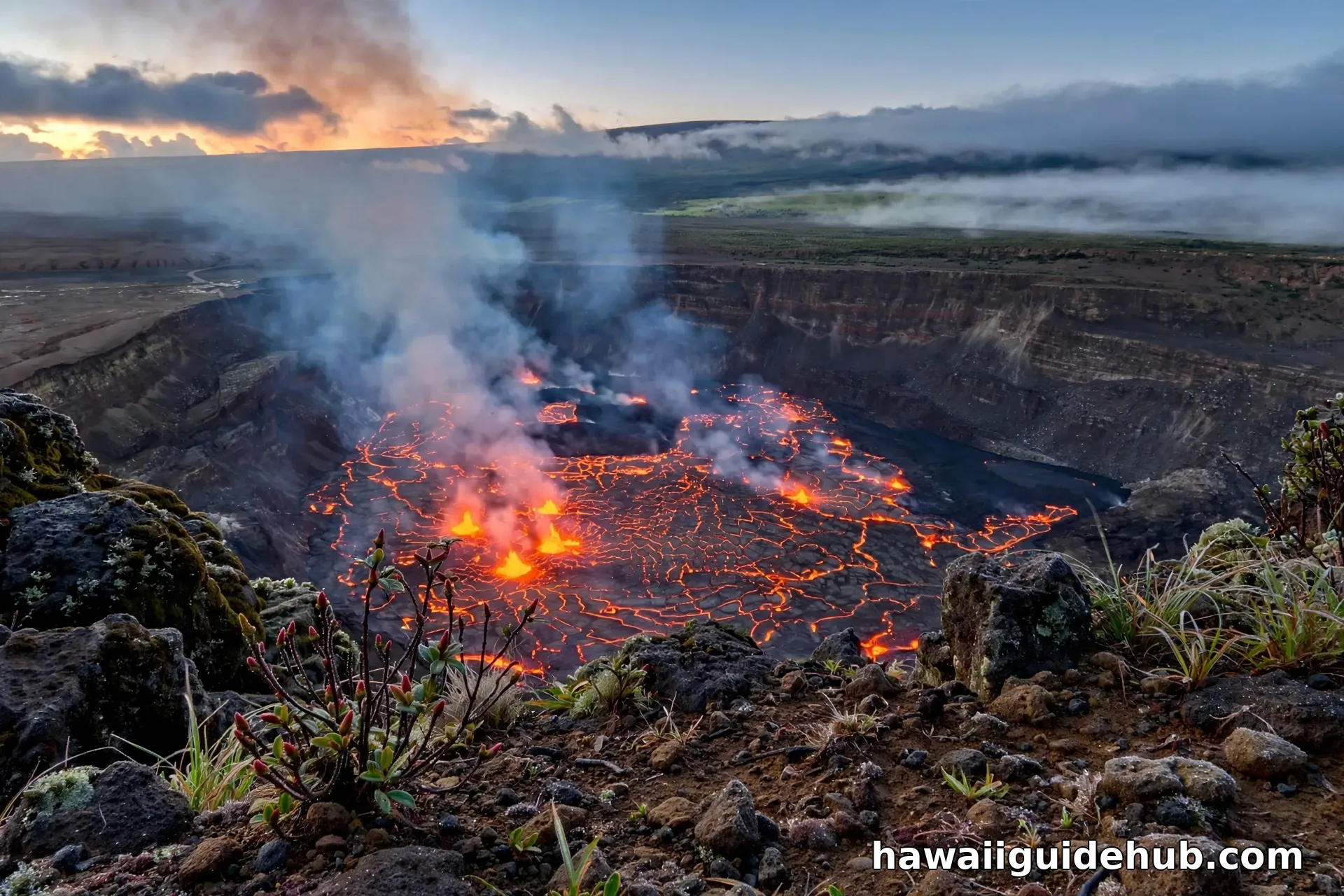
Leave Kona by 7:30 AM. The drive to Hawaiʻi Volcanoes National Park takes about two hours via the south route (Highway 11) or the Saddle Road; check your rental agreement for Saddle Road restrictions before choosing. Start at the Kīlauea Visitor Center (open 9 AM to 5 PM) for the day’s conditions and the film, then drive Crater Rim Drive: the overlooks, the steam vents at Steaming Bluff, and the short walks through the devastation area. If you have the legs, the Kīlauea Iki Overlook gives the classic view into the crater, and the Nāhuku (Thurston) Lava Tube is a 500-year-old cave you can walk through in 15 minutes. If Kīlauea is erupting, the overlooks after dark are unforgettable; if not, the caldera’s scale impresses in daylight regardless.
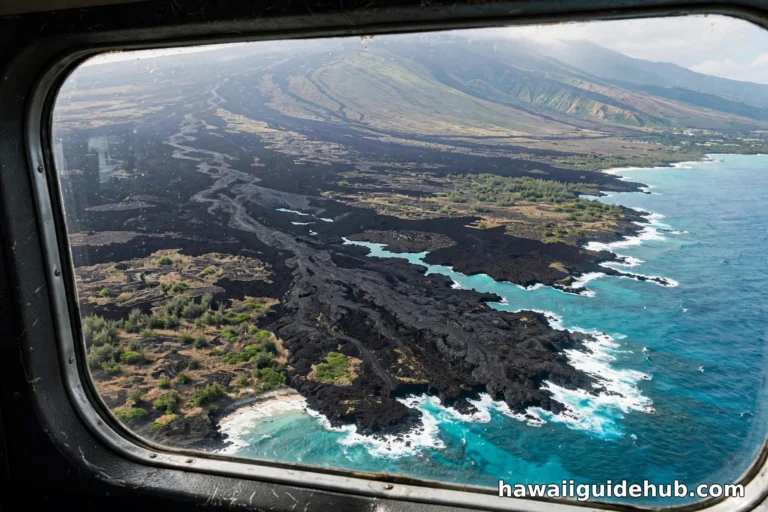
Drive the 19-mile Chain of Craters Road down to the coast, where lava flows have repeatedly buried the road and the ocean pounds the new black shoreline. Stop at the pullouts along the way: the craters, the cinder cones, and the petroglyph field at Puʻuloa, where thousands of ancient carvings cover the lava. The Hōlei Sea Arch at the end is the turnaround. Eat lunch at Volcano House or pack a picnic; food options inside the park are limited. Allow four to five hours in the park minimum.
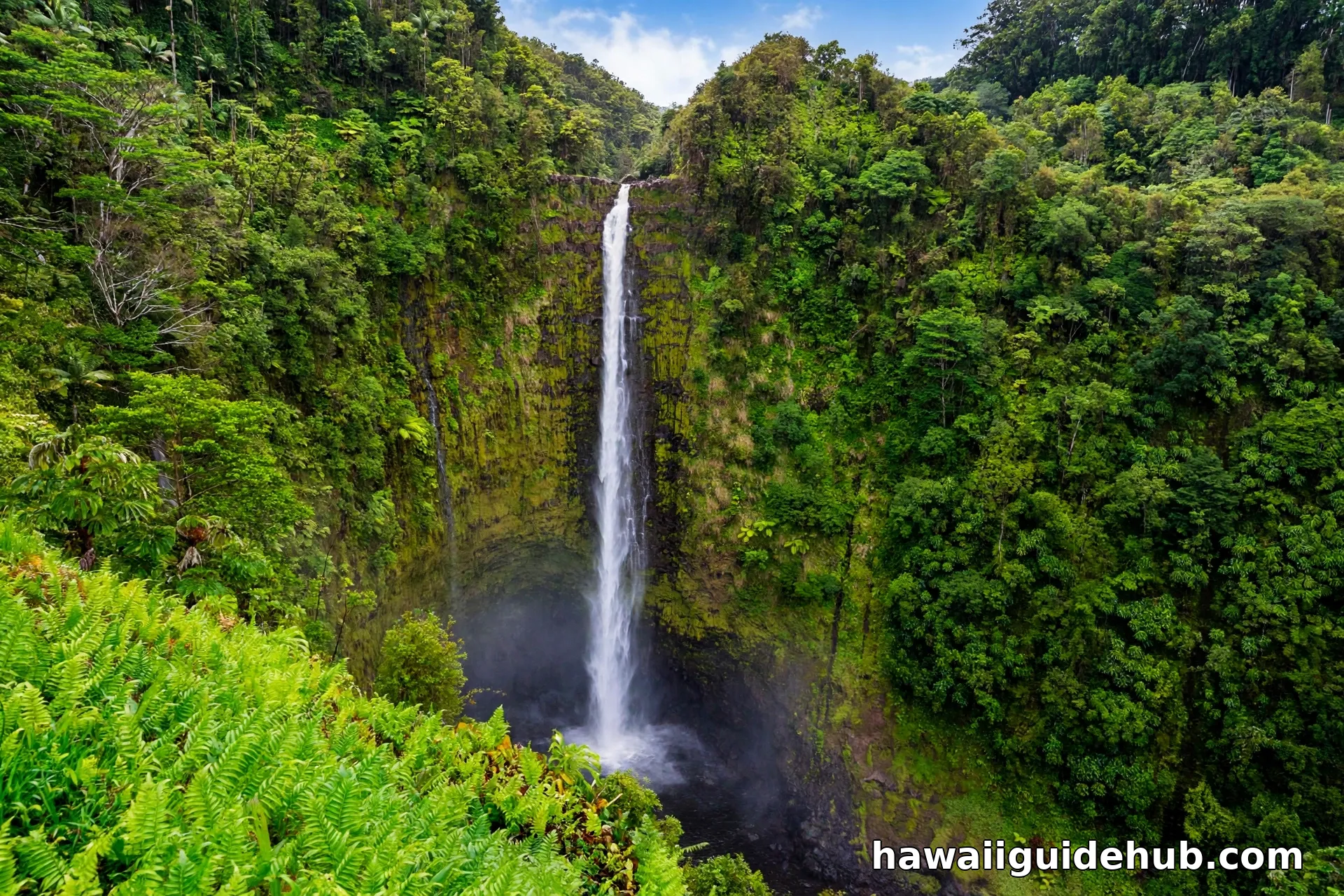
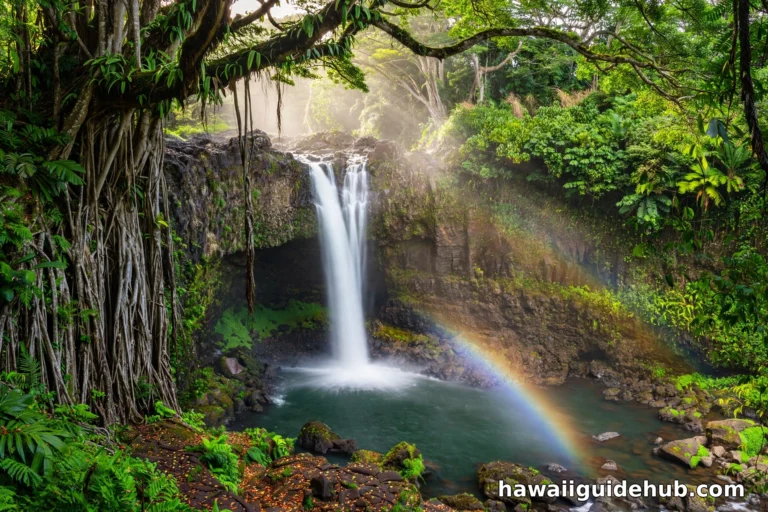
Exit the park toward Hilo and finish the day with waterfalls. Akaka Falls State Park, about 11 miles north of Hilo, holds the 442-foot ʻAkaka Falls on an easy 0.4-mile rainforest loop; go before 5 PM closing. In Hilo itself, Rainbow Falls drops 80 feet in a city park and is free. Grab dinner in Hilo (the town’s food scene punches above its weight) and drive back to Kona via the Saddle Road, about 90 minutes.
How Much Does 2 Days on the Big Island Cost
For two adults sharing, a realistic 2 day Big Island trip runs about 1,000 to 2,200 dollars excluding flights. The driving distances make the rental car and gas a bigger line item than on other islands.
| Category | Budget | Mid-range |
| Lodging (2 nights, Kona) | 400 | 700 |
| Rental car (2 days) plus gas | 180 | 280 |
| Food and drink | 250 | 450 |
| Park fees (Volcanoes NP, Akaka Falls) | 45 | 45 |
| Manta ray night snorkel (2 people) | 0 (skip it) | 300 |
| Trip total | ~875 | ~1,775 |
The park fees are fixed and small. The levers are the hotel and the manta ray snorkel, which is the one paid experience worth stretching for. Coffee farm tours are mostly free with tastings, and the waterfalls cost almost nothing.
Common Mistakes to Avoid
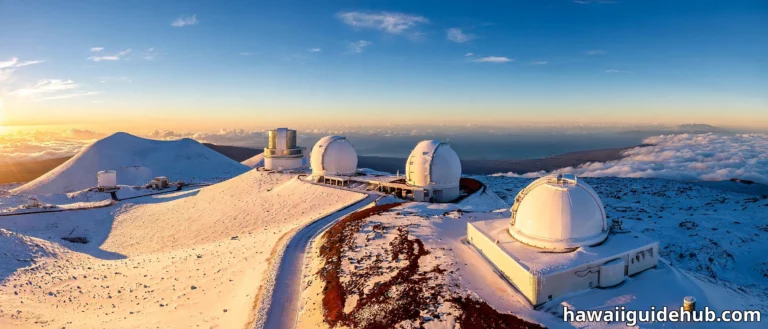
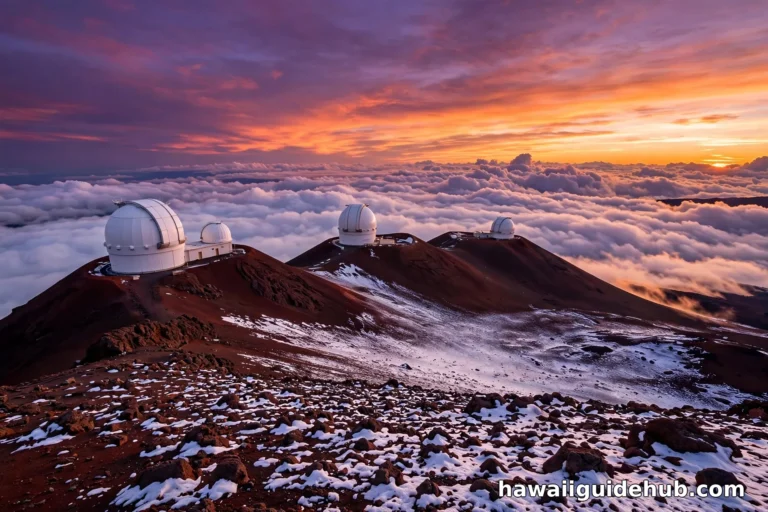
The biggest mistake is underestimating the driving. Kona to the volcano is two hours each way, and the volcano to Hilo to Kona loop is a genuine full day behind the wheel. Do not add Maunakea to a two-day trip; the summit needs its own day, a 4WD vehicle past the visitor station, and altitude acclimatization. The second mistake is skipping the park’s current conditions check: vog (volcanic smog) can irritate sensitive lungs, and eruptions or closures change the plan. The third is driving the Saddle Road at night without checking the rental agreement first; it is the fastest Kona-Hilo route but some contracts restrict it.
Packing Checklist
Pack for four climates in two days. Swimwear and reef-safe sunscreen for Kona; hiking shoes with grip for the park’s lava trails; a rain jacket for Hilo and the volcano (both get real rain); and a warm layer for the 4,000-foot summit area, where temperatures run 15 to 20 degrees cooler than Kona. Bring water and snacks for the volcano day; services are thin inside the park. A flashlight or headlamp helps for steam vent walks and any after-dark crater viewing. Download offline maps for the park and the Saddle Road.
FAQs About a 2 Day Big Island Itinerary
Is 2 days enough for the Big Island?
For the two essential experiences, yes: the Kona coast and the volcano plus Hilo waterfalls. You will skip the Kohala coast beaches, Waipiʻo Valley, Maunakea, and the green and black sand beaches, which is what a third to fifth day adds.
Should I stay in Kona or Hilo?
Kona for this itinerary. It is sunny, close to the airport, and the right base for Day 1. Hilo suits volcano-focused trips, but splitting one night each wastes time on a two-day trip.
Can I see lava on a 2-day trip?
It depends on Kīlauea’s activity, which changes constantly. Check the park’s current conditions page before Day 2. Even without an eruption, the caldera, steam vents, and lava tube are spectacular.
Is the Saddle Road safe to drive?
Yes, it is a modern, well-maintained highway and the fastest Kona-Hilo route. The only caution is your rental agreement: some companies restrict it, so check before you go. At night, watch for fog near the summit.
Can I do the Big Island in 1 day?
Not well. A single day forces you to choose between the volcano and the Kona coast, and the driving between them eats four hours. If you truly have one day, pick the volcano: it is the one experience no other island offers. Two days is the minimum for the island to make sense.
Is the manta ray snorkel safe for non-swimmers?
Yes. You float at the surface holding a lit surfboard while the mantas feed below; you do not need to dive or swim strongly. Operators provide wetsuits and flotation, and guides stay in the water with the group. It is suitable for most fitness levels, though check with the operator if you have mobility concerns.
What is the best month for 2 days on the Big Island?
The Kona coast is sunny year-round, so there is no bad month. Winter brings whale season and lusher waterfalls; summer brings calmer ocean for snorkeling and the manta rays.
Two days on the Big Island is the essential contrast: coffee and coral on Day 1, lava and waterfalls on Day 2. Respect the distances, start early, and check the volcano’s mood before you go. No other Hawaiian island packs this much difference into 48 hours, and you will leave with the distinct feeling that you have visited two different worlds. That is the Big Island’s gift: in two days, it shows you fire and water, desert and rainforest, and a culture rooted in both.