3 Days on the Big Island: The Classic Itinerary

Three days is the ideal first trip to the Big Island: one day for the sunny Kona coast, one full day for the volcano, and one for the waterfalls and black sand beaches of the east and south. This 3 day Big Island itinerary moves at a human pace, with one region per day and no backtracking. You will see lava landscapes, rainforest waterfalls, a black sand beach, and the best night snorkeling in Hawaii, and you will still have time to breathe. It is the trip that turns first-time visitors into lifelong Hawaiʻi Island fans, almost every time.
This is the single complete guide to spending 3 days on the Big Island. It covers the exact day-by-day plan, where to stay, what 3 days on the Big Island costs, money-saving tips, common mistakes, a packing checklist, and answers to the questions every visitor asks. Everything about a 3 day Big Island itinerary, 3 days on the Big Island of Hawaii, and the best 3 day Hawaii Big Island trip plan is gathered on this one page, so you do not need to search anywhere else.
3 Day Big Island Itinerary at a Glance
| Day | One region, done right | The logic |
|---|---|---|
| Day 1 | Kona coast: coffee farm, Puʻuhonua o Hōnaunau, Kailua-Kona, manta ray night snorkel | Settle in on the sunny side |
| Day 2 | Hawaiʻi Volcanoes National Park: Kīlauea Iki hike, Chain of Craters Road, after-dark glow | The big day gets the early start |
| Day 3 | Hilo waterfalls and Punaluʻu black sand beach via the south route | Waterfalls by day, black sand by afternoon |
| Key fact | One region per day; the island is bigger than all the other islands combined | Driving less means seeing more |
| Transport | Rental car is essential; book it with your flights | No car, no itinerary |
| Best base | Kailua-Kona for all three nights; do not move | Unpack once |
Before You Go: Planning Tips for 3 Days on the Big Island
The Big Island rewards the traveler who plans around distance. Kona, the volcano, and Hilo form a triangle, and this itinerary visits each point once without repeating roads. Fly into Kona International Airport (KOA) and book a rental car with your flights; the island has no meaningful public transit for visitors. If you are still choosing your island, our guide to the best island in Hawaii for first time visitors explains where the Big Island fits.
Two bookings matter: the manta ray night snorkel on Day 1 (reserve days ahead, especially in winter) and your hotel. Hawaiʻi Volcanoes National Park charges 30 dollars per vehicle for a 7-day pass, cashless, and Akaka Falls State Park charges non-residents 10 dollars for parking plus 5 dollars per person. Check the park’s current conditions before Day 2: Kīlauea’s activity level decides whether you see glowing lava or steaming craters, and both are worth the trip. Our Volcanoes National Park guide is the deeper reference.
Where to Stay: Kailua-Kona, All Three Nights
Stay in Kailua-Kona for all three nights. It is the sunny hub with the most restaurants, the closest town to the airport, and the right base for Day 1. Days 2 and 3 are driving loops that start and end in Kona; moving to a Hilo hotel for one night would cost you an hour of packing and checking in for zero benefit. Book along Aliʻi Drive for walkable dinners, or choose a condo in Keauhou just south of town for quieter nights and resort pools. Either way, one address for the whole trip.
Day 1: The Kona Coast (Coffee, Culture, Mantas)
Start at a Kona coffee farm in the hills above Kealakekua Bay. The farm tours, many free with tasting, walk you from cherry to cup and explain why 100 percent Kona coffee commands its price. Then drive south to Puʻuhonua o Hōnaunau National Historical Park, the Place of Refuge, where the royal grounds and reconstructed temple sit on a lava shoreline. Snorkel at Hōnaunau Bay (Two Step) just offshore if the ocean is calm; the coral and turtles here are superb.
Return to Kailua-Kona for a late afternoon on Aliʻi Drive. Walk the waterfront past Huliheʻe Palace, swim at Kamakahonu Beach in front of the old royal grounds, and browse the shops at the Kona Inn Shopping Village. The town is at its best in the late afternoon light. Eat an early dinner in town; you will want to be at the harbor by the manta boat’s check-in time, usually around sunset.
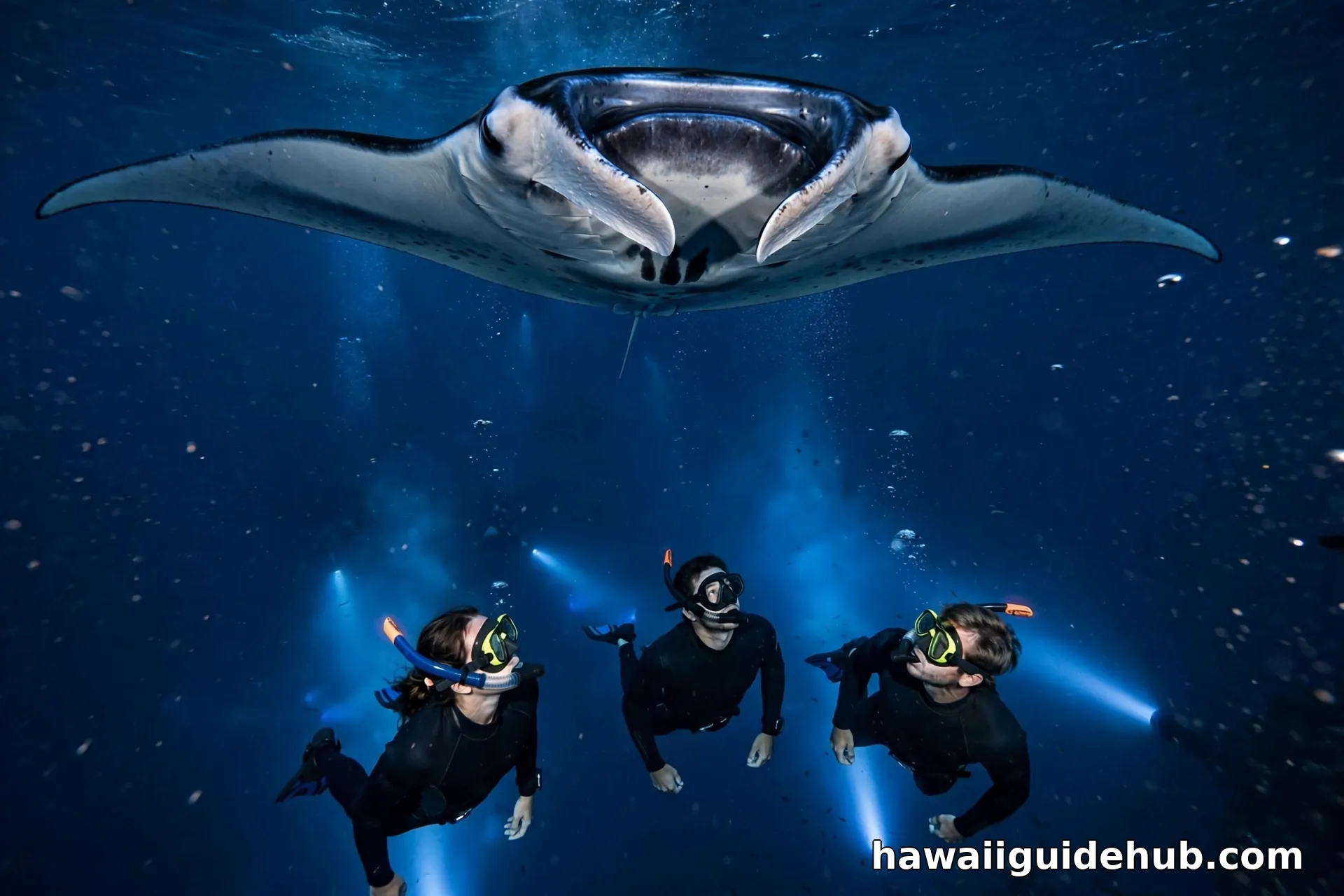
Then the main event: the manta ray night snorkel. Boats leave from Honokōhau Harbor, and you float at the surface holding a lit surfboard while reef manta rays with wingspans up to 16 feet barrel-roll beneath you, feeding on plankton drawn to the lights. It runs about two hours door to door and is consistently rated Hawaii’s best night activity. Our manta ray snorkel guide covers operators, what to wear, and what to expect. Our Kona things to do guide fills in the rest of the coast.
Day 2: Hawaiʻi Volcanoes National Park (Full Day)
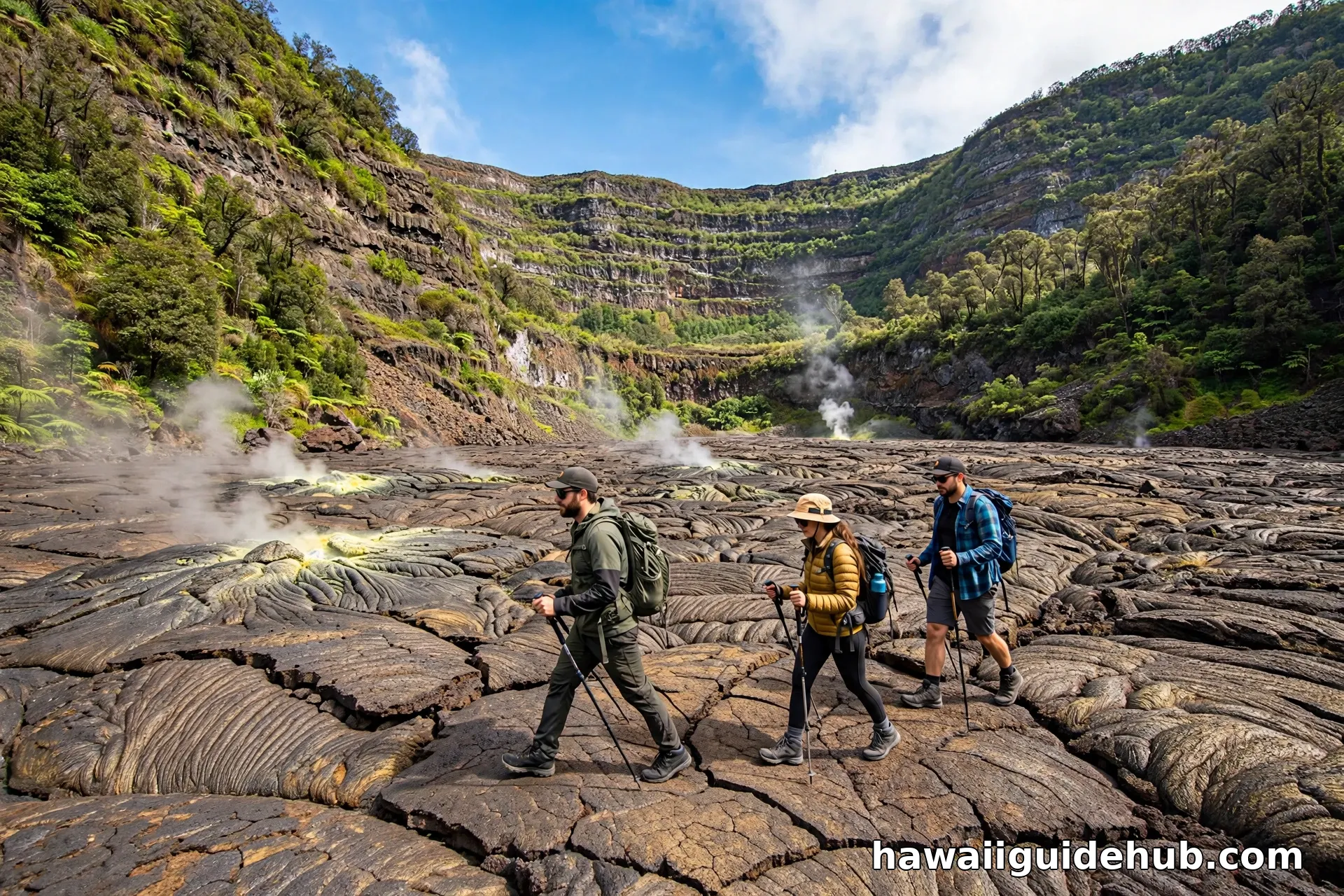
Leave Kona by 7:30 AM for the two-hour drive to the park. With a full day, you can do the classic volcano experience properly. Start at the Kīlauea Visitor Center, then hike the Kīlauea Iki Trail: 3.3 miles round trip down through rainforest onto the solidified lava lake of the 1959 eruption, across the crater floor past steaming vents, and back up. It is the single best hike in the park and takes about two to three hours.
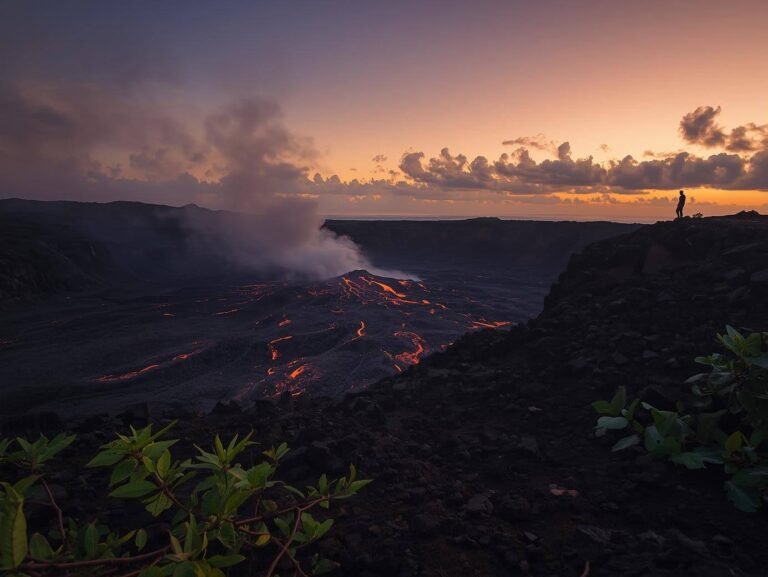
After lunch at Volcano House, walk through the Nāhuku (Thurston) Lava Tube, a 500-year-old cave formed when the outer crust of a lava river cooled and the molten center drained away. Drive Crater Rim Drive’s overlooks and steam vents, where groundwater hisses out of the hot earth, and descend the 19-mile Chain of Craters Road to the Hōlei Sea Arch, carved by the surf from a lava cliff. Then stay for the after-dark show: if Kīlauea is erupting, the crater glow from the overlooks is the most otherworldly sight in Hawaii. Bring a jacket and a flashlight, drive back to Kona carefully, and sleep well.
Stargazing: The Bonus Night
The Big Island has some of the clearest night skies on Earth, and you do not need a Maunakea summit tour to enjoy them. After the volcano’s after-dark glow on Day 2, look up: the summit area’s altitude and darkness make the Milky Way vivid on moonless nights. On Day 1 or 3, the Maunakea Visitor Information Station at 9,200 feet runs free stargazing programs on clear nights, and the drive up is paved to the station (4WD only beyond it). Even from a Kona beach, the stars impress once your eyes adjust. Check the moon phase before your trip; a new moon week turns every night into a show.
Day 3: Hilo Waterfalls and Punaluʻu Black Sand Beach
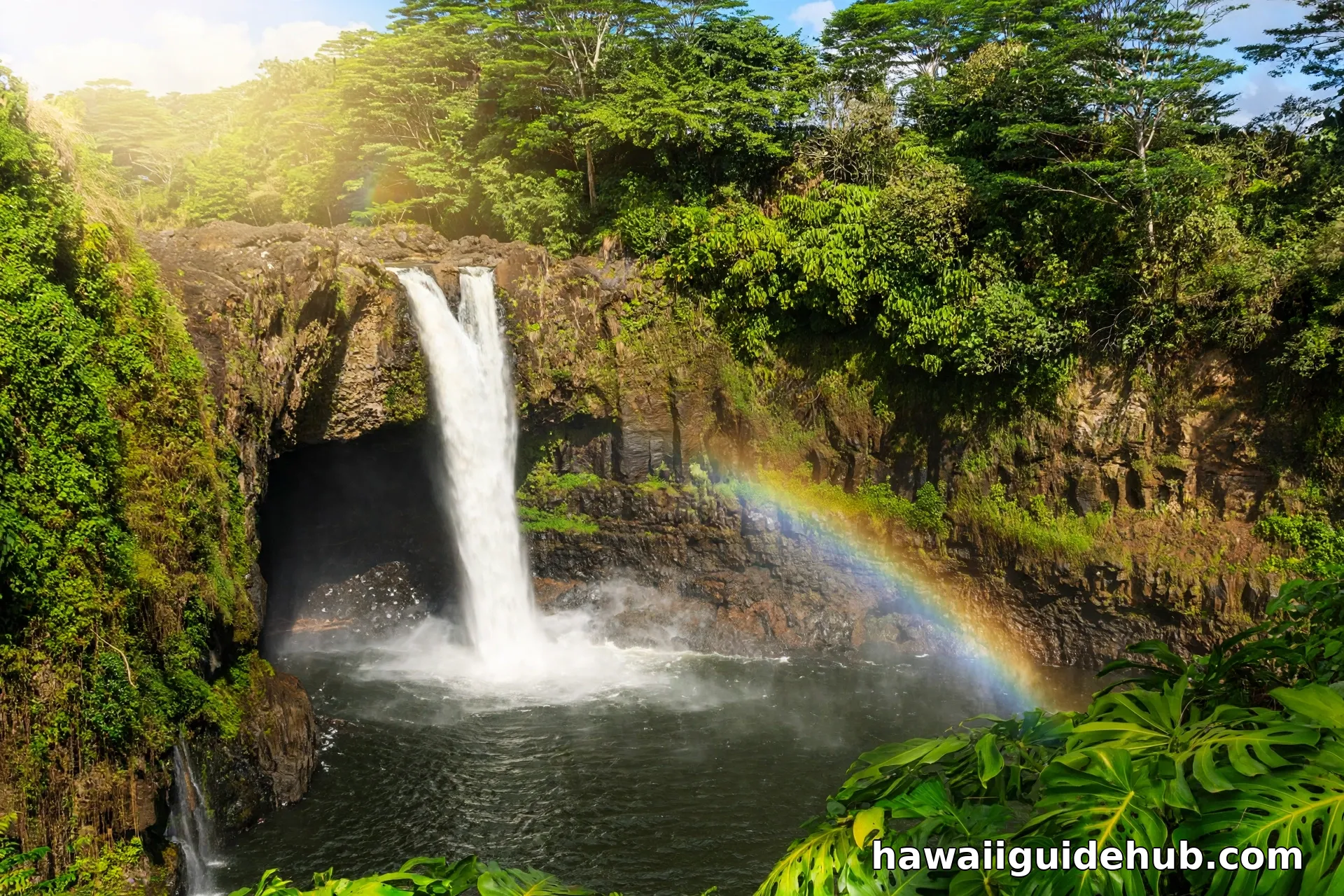
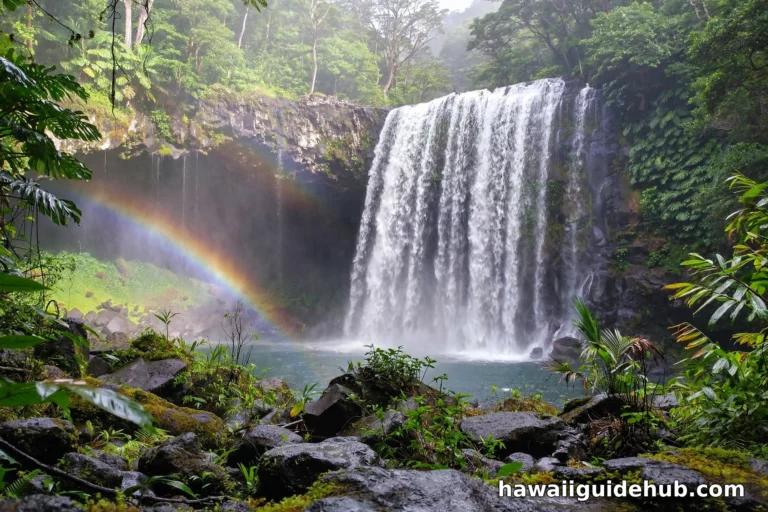
Take the Saddle Road to Hilo, about 90 minutes. Start at Rainbow Falls in Wailuku River State Park: the 80-foot falls catch morning light and throw rainbows in the mist, and it is free. Then drive 11 miles north to Akaka Falls State Park for the 442-foot ʻAkaka Falls on an easy 0.4-mile rainforest loop. Back in Hilo, walk the farmers market for tropical fruit and local treats, and stroll Liliʻuokalani Gardens, the Japanese garden on the bay. Eat lunch in Hilo town; the lunch shops and the market stalls are excellent and cheap.
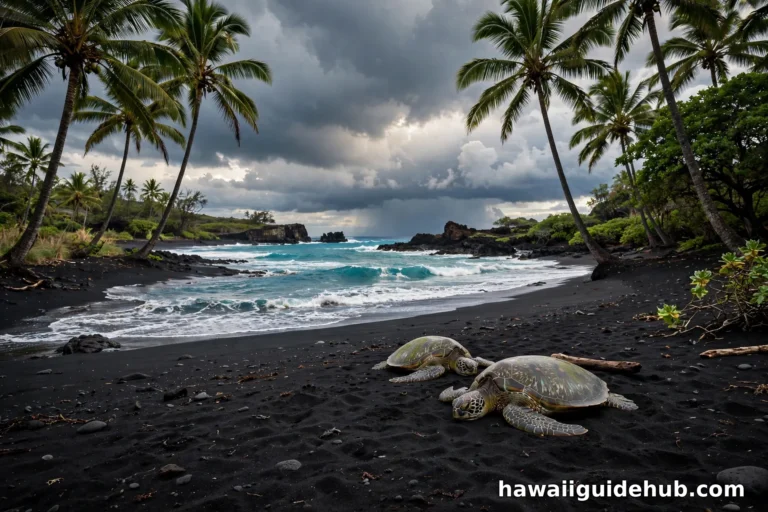
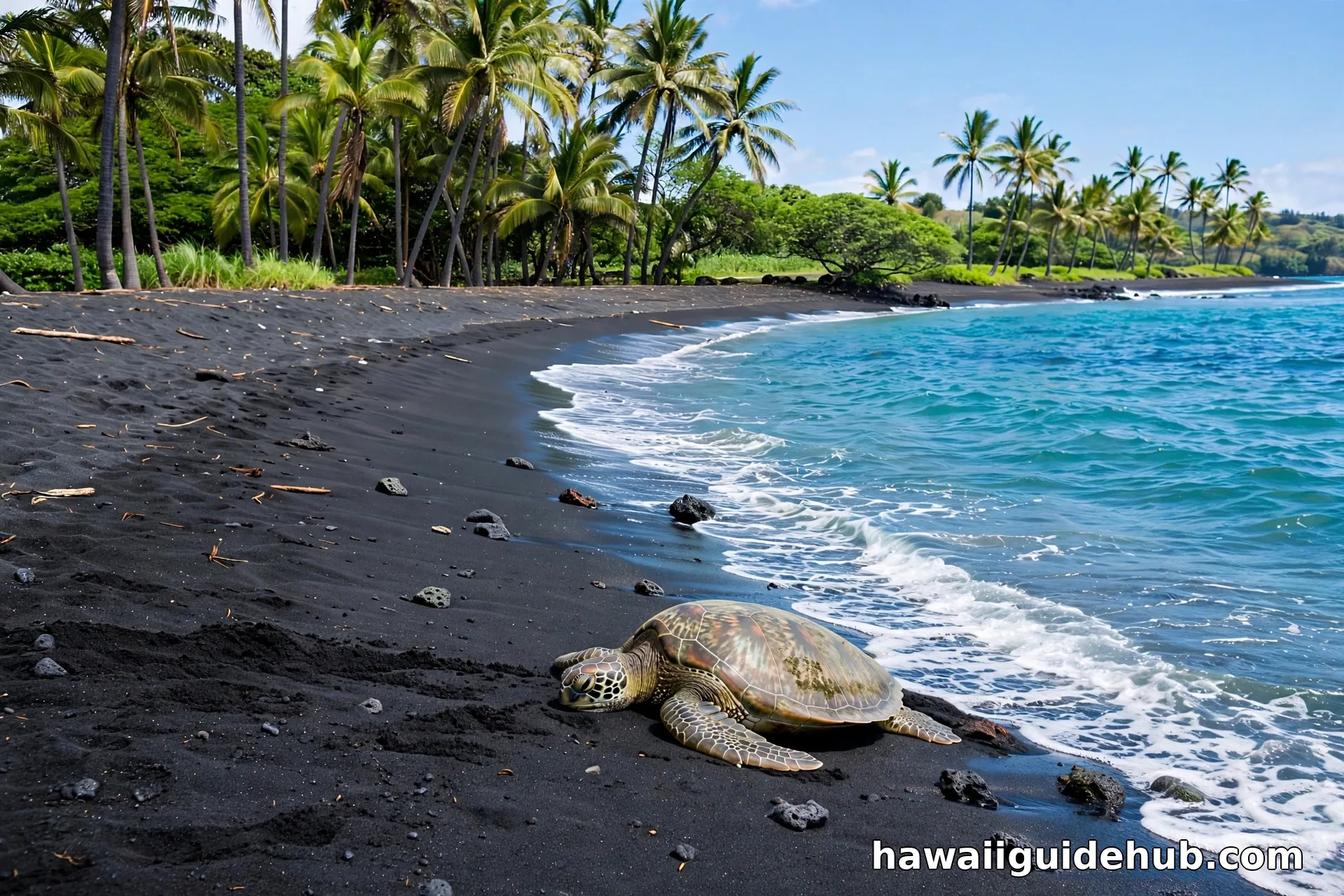
For the afternoon, take the south route (Highway 11) back toward Kona and stop at Punaluʻu Black Sand Beach. The jet-black sand, the coconut palms, and the green sea turtles hauled out on the shore make it one of Hawaii’s most photographed beaches. Stay at least 10 feet from the turtles; they are federally protected. Swimming here is rough, so treat it as a sight rather than a swim. Back in Kona for a farewell dinner on Aliʻi Drive.
How Much Does 3 Days on the Big Island Cost
For two adults sharing, a realistic 3 day Big Island trip runs about 1,500 to 3,200 dollars excluding flights. The manta ray snorkel is the biggest single activity cost, and nearly everything else is park fees and gas.
| Category | Budget | Mid-range |
| Lodging (3 nights, Kona) | 600 | 1,050 |
| Rental car (3 days) plus gas | 270 | 420 |
| Food and drink | 375 | 675 |
| Park fees (Volcanoes NP, Akaka Falls) | 45 | 45 |
| Manta ray night snorkel (2 people) | 300 | 300 |
| Trip total | ~1,590 | ~2,490 |
The manta ray snorkel is the one splurge worth keeping in every budget tier; at about 150 dollars per person it is the cheapest world-class wildlife encounter in Hawaii. Everything else on this itinerary costs park fees, gas, and food. A Kona condo with a kitchen plus a Costco run near the airport keeps three days of eating under 400 dollars.
Common Mistakes to Avoid
The classic mistake is adding Maunakea to a three-day trip. The summit needs its own full day, a 4WD vehicle past the visitor station at 9,200 feet, and 30 minutes of altitude acclimatization; cramming it in ruins the day. The second mistake is visiting the volcano without checking Kīlauea’s current activity: an eruption changes everything, and the park’s conditions page tells you what to expect. The third is swimming at Punaluʻu: the shore break and currents are dangerous, and the turtles need their space. The fourth is driving the volcano-to-Hilo-to-Kona loop after dark without fuel; fill up in Volcano village or Hilo, because the Saddle Road has no services.
Packing Checklist
Pack for four climates in three days. Swimwear, reef-safe sunscreen, and a rash guard for Kona; hiking shoes with grip for the Kīlauea Iki lava (the rock is sharp and uneven); a rain jacket for Hilo and the volcano, where showers arrive without warning; and a warm layer plus a flashlight for the 4,000-foot summit area and any after-dark crater viewing. Bring water and snacks for the park day, a dry bag for the boat, and motion-sickness remedies if you are prone. Download offline maps for the park and the Saddle Road, where service fades.
FAQs About a 3 Day Big Island Itinerary
Is 3 days enough for the Big Island?
Yes, for the essential triangle: Kona, the volcano, and the Hilo waterfalls. A fourth or fifth day would add the Kohala coast beaches, Waipiʻo Valley, Maunakea, and the green sand beach.
Should I stay in Kona or split with Hilo?
Stay in Kona all three nights. The Day 2 and Day 3 loops start and end there, and moving hotels for one night costs more time than it saves.
Will I see lava?
It depends on Kīlauea’s activity. Check the park’s current conditions page before Day 2. Even between eruptions, the steaming crater, the lava tube, and the Kīlauea Iki lava lake are spectacular.
Is the manta ray snorkel worth it?
Yes. It is the single most memorable wildlife experience in Hawaii for most visitors, suitable for non-swimmers, and the mantas appear on the vast majority of nights. Book ahead.
Can I do Punaluʻu and the waterfalls in one day?
Yes, that is exactly Day 3: Hilo waterfalls in the morning, Punaluʻu on the south route back to Kona in the afternoon. It is a full day of driving, about five hours total, but the stops break it up.
Do I need a 4WD vehicle?
No. Every stop in this itinerary is on paved roads accessible to any rental car. You only need 4WD for the Maunakea summit past the visitor station, the green sand beach road, and Waipiʻo Valley, none of which are on this three-day plan.
What is the best month for 3 days on the Big Island?
The Kona coast is sunny year-round. Winter brings whale season and the lushest waterfalls; summer brings the calmest ocean for snorkeling and the mantas. There is no bad month.
Three days on the Big Island is the complete Hawaiʻi Island story: coffee on volcanic slopes, mantas under the night lights, a walk across a lava lake, waterfalls in the rainforest, and turtles on black sand. One base, one triangle, zero backtracking. The island does the rest, and three days is exactly enough to understand why people call it the island of fire and ice.