Yokohama Bay Oahu: The Complete Guide to Keawaʻula Beach at the End of the Road

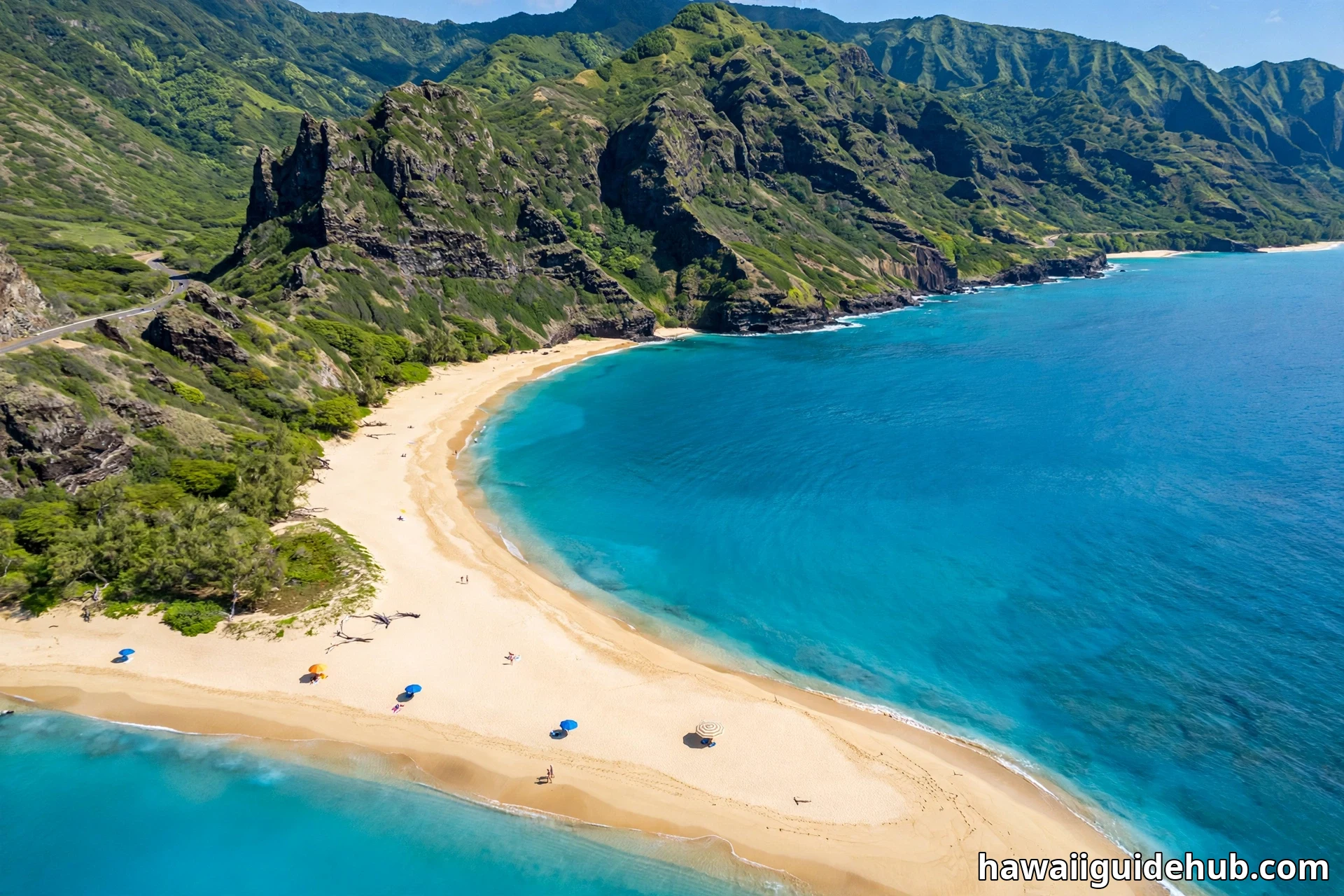
At the very end of Farrington Highway, where the pavement gives up and the Waiʻanae mountains tumble into the sea, there is a beach that feels like the edge of the map. Yokohama Bay, known officially as Keawaʻula Beach, is the last stretch of sand on Oʻahu’s leeward coast, a long golden crescent backed by rugged cliffs and fronted by some of the clearest water on the island. Locals call it “Yokes.” Visitors who make the drive remember it as the beach that made the whole west side worth it.
This guide covers everything you need to know before you go: where Yokohama Bay is and how to get there, the park hours, what facilities to expect, how the ocean changes between summer and winter, where to swim safely, and the practical tips that separate a great beach day from a frustrating one.
Where Is Yokohama Bay?
Yokohama Bay sits at the northwestern corner of Oʻahu, at the end of Farrington Highway (Highway 93) in the Waiʻanae district. It is the last beach before the road ends and the Kaʻena Point coastline begins. Drive any farther and you run out of pavement.
The beach is part of Kaʻena Point State Park, managed by the Hawaiʻi Division of State Parks. Specifically, it anchors the Keawaʻula Section of the park on the Waiʻanae side. The park wraps around Oʻahu’s westernmost tip, with the Mokulēʻia Section on the north shore side.
From Waikīkī, the drive takes about 1 to 1.5 hours depending on traffic. Take H-1 west until it ends and becomes Farrington Highway, then follow the coast through Nānākuli, Māʻili, Waiʻanae and Mākaha. The road hugs the shoreline the whole way, and the scenery gets wilder the farther you go. There is no public bus service this far. TheBus turns around well before the bay, so you need a rental car or your own vehicle to get here.
The Story Behind the Name
Yokohama Bay has two names, and both tell a story. The official name is Keawaʻula Beach. Keawaʻula means “red bay” in Hawaiian, a reference to the large squid population that once spawned here in such numbers that the water turned red during spawning season.
The name most people use, Yokohama Bay, came later. Japanese fishermen who worked these waters in the early 20th century began calling it after the Japanese port city, and the name stuck. Today the two names are used interchangeably. Road signs and state park materials say Keawaʻula, while locals and most visitors say Yokohama Bay or simply “Yokes.”
Hours, Parking and Entry
Kaʻena Point State Park is open daily from 6:00 AM to 7:00 PM, according to the Division of State Parks. Plan your visit inside those hours. The park gates are locked in the evening, and you do not want to be on the wrong side of them after dark.
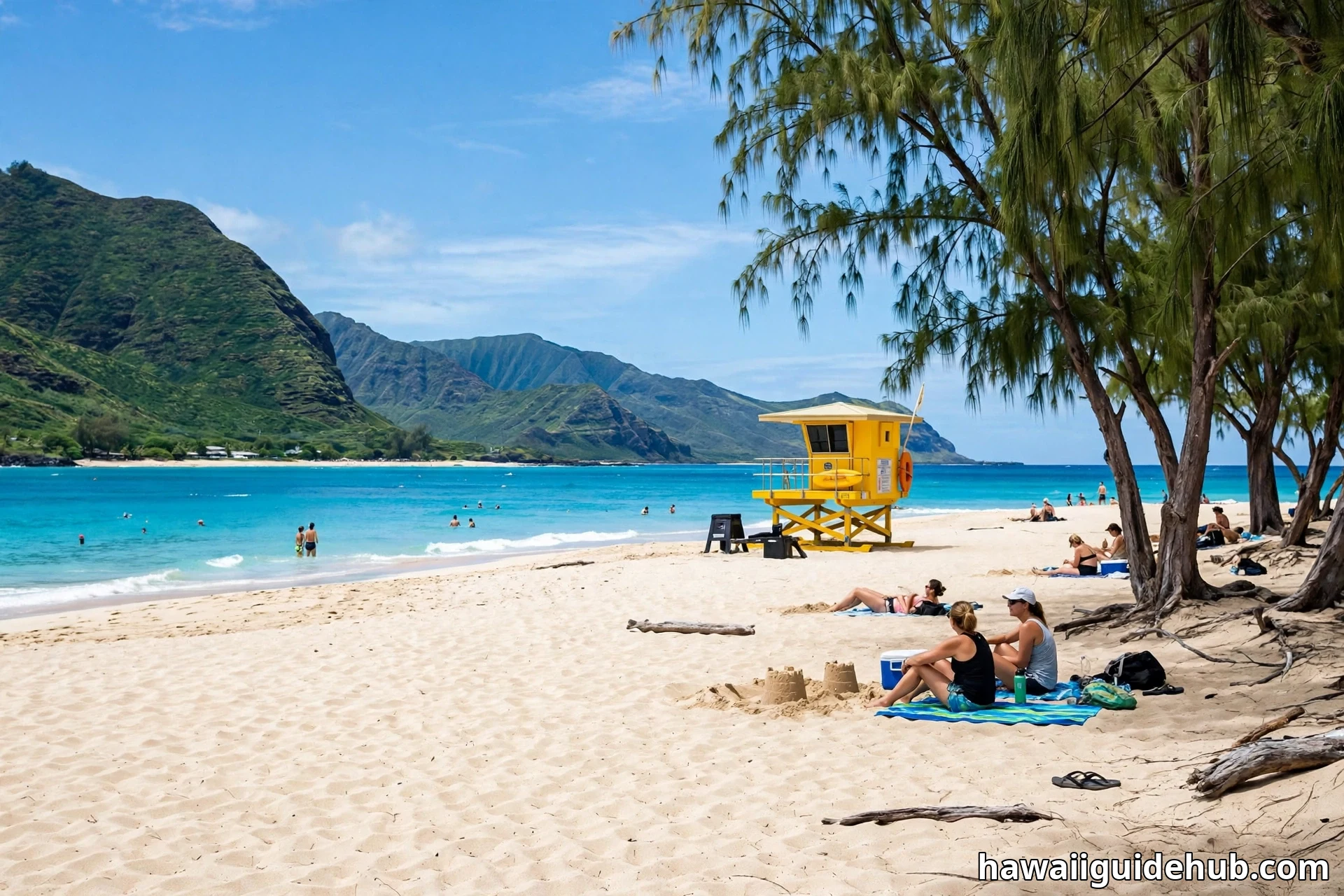
Entry is free. There is no admission fee and no reservation needed. Parking is also free in the lot across the road from the beach. The lot fills up on weekends and holidays, so arrive early if you are visiting on a Saturday or Sunday. Park near the lifeguard tower when you can. It puts your car in the most visible spot, which matters here (more on that below).
One note for hikers: the Keawaʻula Trail that continues from the bay toward Kaʻena Point has been closed due to storm erosion damage. The beach itself and the parking area remain open, but check the DLNR Kaʻena Point State Park page for the latest trail status before planning a hike.
Facilities: What to Expect
Yokohama Bay is a state park beach, not a resort beach, so set your expectations accordingly. Here is what you will find:
- Restrooms near the parking area
- Outdoor showers for rinsing off sand and salt
- A lifeguard tower staffed during park hours
- A free parking lot across the road
- Trash cans (use them, and pack out what you pack in)
Here is what you will not find: food, drinking water fountains, shade structures, equipment rentals, or cell service you can count on. The nearest stores and restaurants are back in Waiʻanae, a good 20 to 30 minutes down the road. Bring everything you need for the day, including more water than you think you will drink. The leeward coast runs hot and dry, and there is almost no natural shade on the sand. A few ironwood trees near the lifeguard station offer the only real shade, and they go fast.
The Beach Itself
The beach is a long, gently curving stretch of golden sand, wide enough that even on a busy weekend it rarely feels crowded. The sand slopes gradually into clear turquoise water, and the backdrop is pure Waiʻanae: steep green ridgelines rising straight from the coast, dry and dramatic.
What strikes most first-time visitors is how undeveloped it feels. There are no condos, no hotels, no beach bars. Just sand, ocean and mountains. On a weekday morning you might share the whole crescent with a handful of locals fishing from shore and a few families spread far apart. It is one of the few places left on Oʻahu where the beach still feels like it belongs to the island rather than to tourism.
The water is typically clear, and on calm summer days the visibility is excellent for snorkeling along the rocky edges of the bay. Dolphins sometimes cruise past offshore, and during the winter months you may spot humpback whales spouting in the distance.
Ocean Conditions: Summer vs. Winter
Yokohama Bay is two different beaches depending on the season, and understanding the difference is the most important safety knowledge you can bring.
Summer (May through September)
Summer is the calm season and the best time for most visitors. The big northwest swells back off, the ocean settles into gentle swells, and the water turns glassy and clear. Swimming and snorkeling are at their best, especially in the morning before the trade winds pick up. This is when families come, when the snorkeling is good, and when the bay lives up to its postcard image.
Winter (October through March)
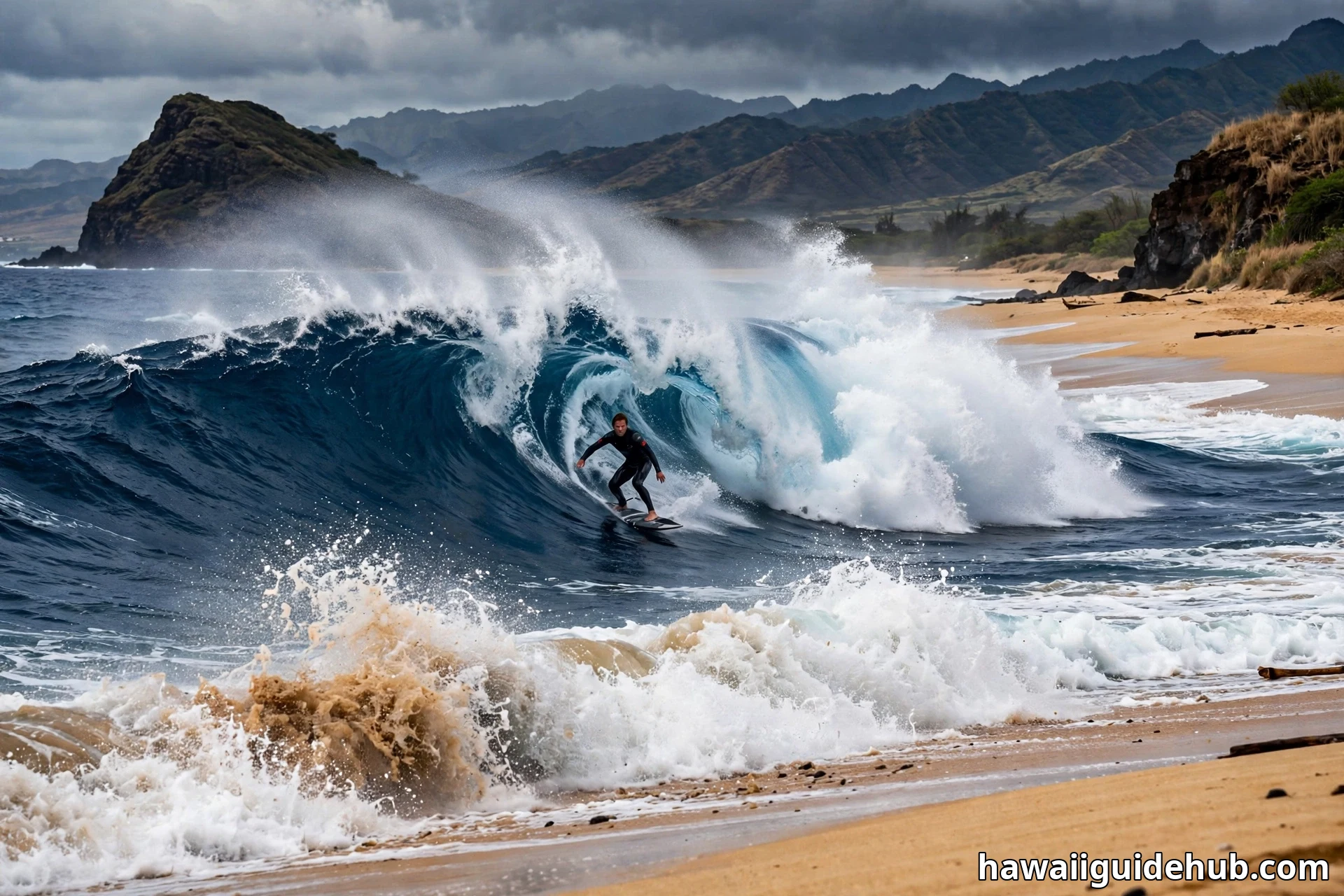
Winter is a different ocean entirely. Northwest swells wrap into the bay and waves can reach 15 to 20 feet, with a steep shore break, powerful rip currents and heavy shore pound. This is surf season, and it belongs to experienced riders only. The waves here are serious. Even strong swimmers have been knocked down and dragged by the shore break on big days. If you visit in winter, plan to watch from the sand. It is spectacular to watch, but it is not a swimming beach when the surf is up.
Year-round, the shore break deserves respect. The beach drops off steeply in places, and waves break close to shore with real force. Swim near the lifeguard tower, read the warning signs posted at the beach, and ask the lifeguards about conditions if anything looks rough. Their read on the ocean beats any forecast.
Surfing at Yokohama Bay
Yokohama Bay has a real surf scene, centered on a break near the lifeguard tower that locals call Third Dip. The waves here work on multiple swells, north, northwest, west and even south, which means there is often something rideable when other spots are flat. The wind can be tricky, shifting onshore and offshore through the day, so dawn patrol is usually the call.
The minimum skill level here is intermediate, and on bigger winter days it is firmly advanced to expert. Hazards include rip currents, rocks and a competitive local lineup. If you are visiting and want to surf Yokes, be humble, wait your turn, and never drop in. Better yet, watch for a while first. The locals who surf here every day know the lineup in a way no visitor can match in one session.
The Famous Sunsets
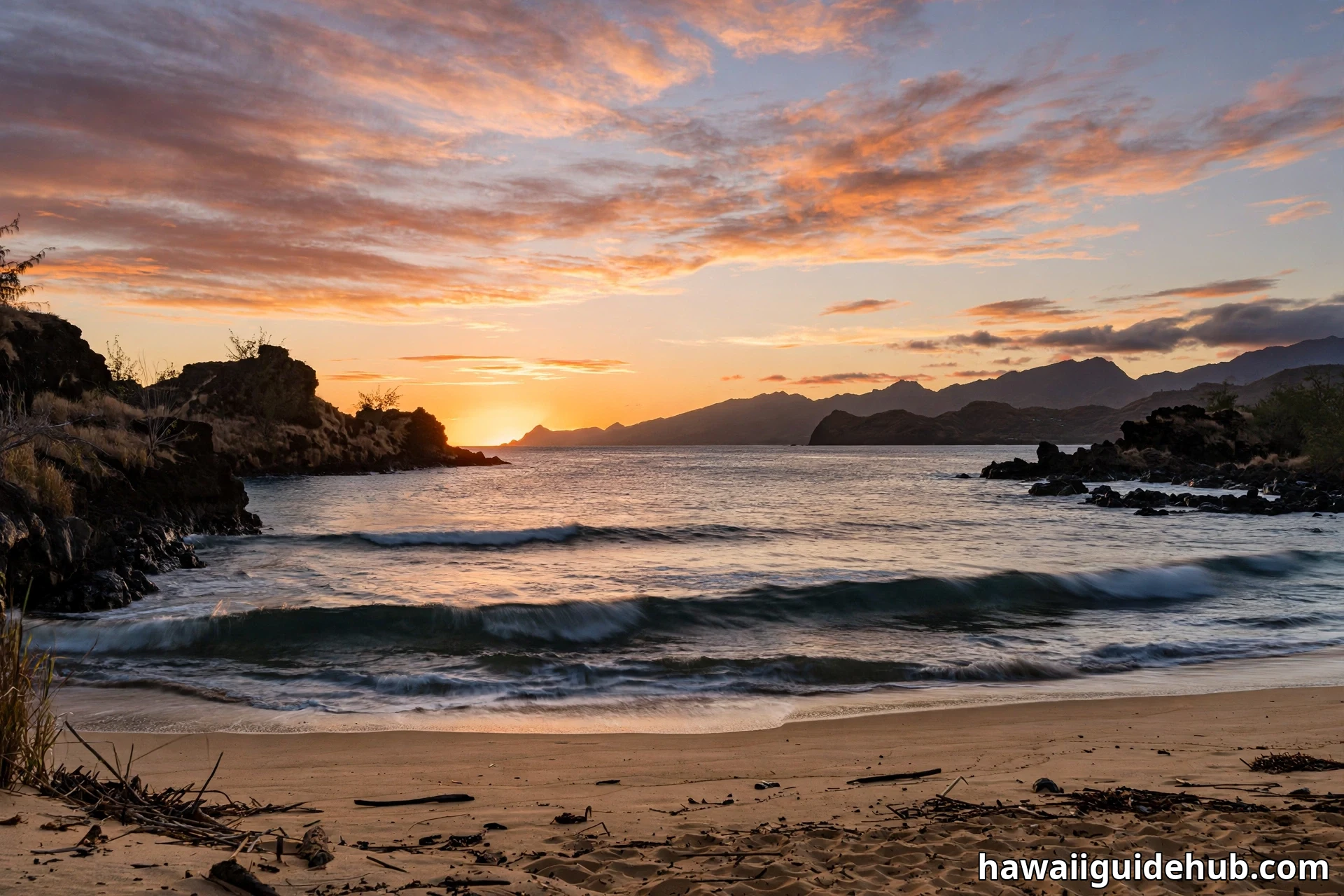
Ask anyone who loves this beach what makes it special and sunsets come up fast. Yokohama Bay faces almost due west, which means the sun drops straight into the Pacific on clear evenings. The Waiʻanae coast is the dry side of the island, so clear evenings are common, and the light show can be extraordinary: orange and pink skies, the sun melting into the ocean, the mountains turning to silhouettes.
It is one of the best sunset-watching spots on Oʻahu, and the local move is to pack a picnic dinner and make an evening of it. Bring a light layer for after the sun drops. The temperature falls quickly once the light goes, and the breeze picks up. Just remember the park closes at 7:00 PM. Time your sunset so you are packed up and rolling before the gates lock.
Wildlife and Nature
The bay sits at the edge of one of Oʻahu’s most important protected coastlines. Hawaiian monk seals haul out on the sand here to rest. If you see one, give it at least 50 feet of space and keep dogs and children well back. It is illegal to disturb them, and a resting seal is a vulnerable seal.
Seabirds work the coastline, and the offshore waters host dolphins and seasonal humpback whales. The native coastal plants along the dunes are part of ongoing restoration work. Stay on established paths through the dunes and do not trample the vegetation. Those plants hold the sand in place.
Practical Safety Tips
A great day at Yokohama Bay comes down to a few simple habits:
- Protect your car. Break-ins happen in this remote area. Park near the lifeguard tower, lock up, and keep valuables out of sight. Better still, leave them at your hotel and bring only beach essentials.
- Bring shade and water. There is almost no natural shade and no drinking water. An umbrella or pop-up tent, reef-safe sunscreen and more water than you think you need are non-negotiable.
- Pack food. The nearest food is in Waiʻanae. Bring a cooler with lunch, snacks and drinks.
- Respect the ocean. Swim near the lifeguard, never turn your back on the surf, and stay out of the water entirely when the surf is up. When in doubt, do not go out.
- Leave no trace. Use the trash cans, pack out everything you packed in, and leave the beach cleaner than you found it.
See Yokohama Bay on Video
Watch the sun drop into the Pacific in this time-lapse from the bay:
Pairing Yokohama Bay With the Rest of Oʻahu
Yokohama Bay makes a great anchor for a west side day. On the drive out or back, you can stop at Mākaha Beach, explore the Waiʻanae coast towns, or time your return through the island’s other regions. If you are planning a wider Oʻahu island guide itinerary, the leeward coast is the wild counterpoint to Waikīkī’s polish. For a broader look at outdoor adventures in Hawaiʻi, from hiking to snorkeling, the bay fits right into a nature-heavy trip. First-timers deciding between islands should read the best island for first-time visitors guide, and anyone curious about the island’s geography will enjoy the explainer on the windward side of Oʻahu.
Frequently Asked Questions
Is Yokohama Bay the same as Keawaʻula Beach?
Yes. Keawaʻula Beach is the official state park name. Yokohama Bay is the name given by early Japanese fishermen and the one most people use. Locals often just call it Yokes.
Can you swim at Yokohama Bay?
In summer, yes, when the ocean is calm. Swim near the lifeguard tower and check conditions first. In winter, when surf can reach 15 to 20 feet, swimming is dangerous and most visitors should stay on the sand.
What are the park hours?
Kaʻena Point State Park is open daily from 6:00 AM to 7:00 PM. The gates lock in the evening, so plan to leave before closing.
Is there an entry fee?
No. Entry and parking are free. No reservation is needed.
How long is the drive from Waikīkī?
About 1 to 1.5 hours each way via H-1 and Farrington Highway. There is no bus service to the bay, so you need a car.
Is Yokohama Bay good for sunset?
It is one of the best sunset beaches on Oʻahu. The beach faces west into the open Pacific, and the dry leeward weather means clear evenings are common.
Yokohama Bay rewards the effort it takes to reach it. The drive is long, the facilities are basic and the ocean demands respect, but that is exactly the point. At the end of the road, past the last town and the last stoplight, there is still a beach that feels like old Hawaiʻi: golden sand, clear water, green cliffs and a sunset that makes the whole drive worth it.