
What time of year does it rain in Hawaii? A Guide

When you think about going to Hawaii, you probably picture endless sunshine, beautiful beaches, and clear blue skies. This is often the case, but Hawaii has its own weather patterns, such as a rainy season that is different from other places. To plan the perfect Hawaiian vacation, you need to know when this season happens and how it changes from island to island.
A lot of people who travel worry that the rainy season will ruin their plans, but this is very rare. Hawaiian rain is usually a short, refreshing shower that goes away quickly, leaving behind bright rainbows and lush, green landscapes. In fact, going during this time can give you a different but just as magical experience.
This guide will tell you everything you need to know about Hawaii’s rainy season. We’ll look at the general weather patterns, what to expect on each major island, and how that might affect what you do. You’ll also learn about the special benefits of going during these months and get useful advice on how to make the most of your trip, no matter what the weather is like.
How to Understand Hawaii’s Weather
The weather in Hawaii is very stable, with warm temperatures all year round. But the weather in the state is known for its microclimates, where conditions can change a lot over just a few miles. The two main reasons for this are the mountains and the steady trade winds.
What Trade Winds Do
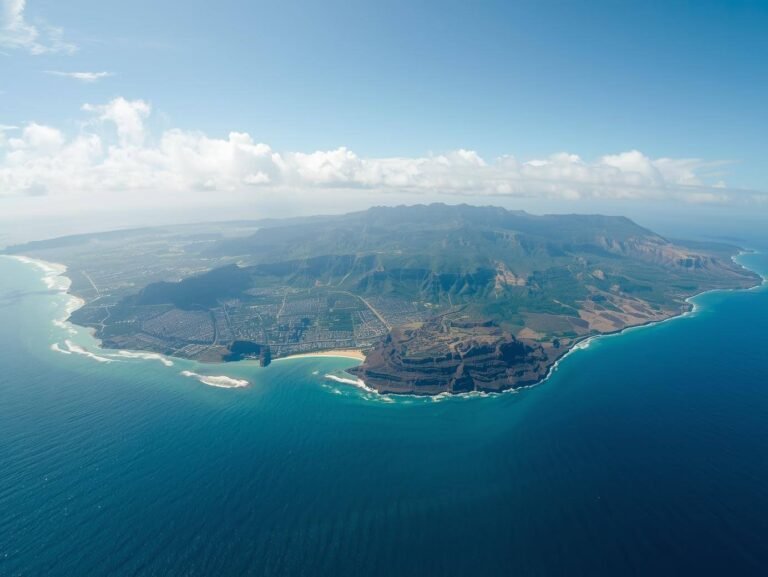
The Hawaiian Islands are in the way of trade winds that blow from the northeast for about 300 days a year. The winds that carry moisture across the Pacific Ocean and into the mountains make the air rise, cool, and drop its moisture as rain. The windward (northeastern) sides of the islands are usually much wetter and greener than the leeward (southwestern) sides because of a process called orographic lift.
Coasts that face the wind and those that face the leeward
This effect of windward and leeward makes a clear line on each island:
- Coasts that face the wind: These places, like Hilo on the Big Island and the North Shore of Oahu, get more rain all year long. There are thick rainforests, waterfalls that flow down, and bright green valleys in this area.
- Leeward Coasts: The mountains protect these places (like Kona on the Big Island and Waikiki on Oahu) from the trade winds. They are much drier and sunnier, which is why they are popular vacation spots.
You can often find sunshine by driving from the windward side of an island to the leeward side, even during the rainy season.
What Hawaii’s Rainy Season Is
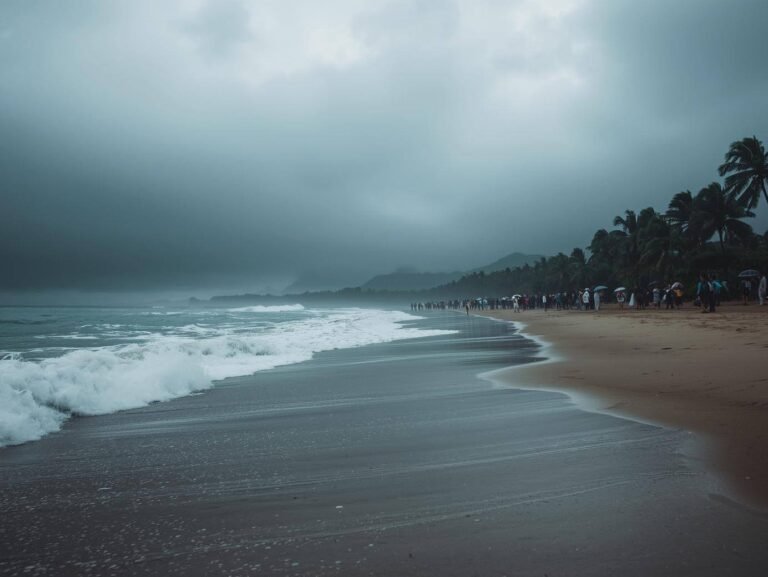
What is the wet season in Hawaii, then? The rainy season in Hawaii usually lasts from November to March. The islands get more rain and the temperatures are a little cooler during these months. This is also Hawaii’s winter, but the weather is still nice and warm compared to winters on the mainland. For example, the average temperature during the day in December is around 79°F (26°C).
Keep in mind that “rainy season” doesn’t mean it rains all the time. On a normal day during the rainy season, there might be a short, localized shower in the afternoon, followed by sunshine. Rain all day long is rare, especially in the resort areas that are sheltered from the wind. Hawaii’s hurricane season, which lasts from June to November, is very different. There is a chance of more severe, widespread storms, but direct hits are rare.
Different Hawaiian Islands Have Different Rainy Seasons
The rainy season has different effects on each island. Knowing about these differences between regions will help you pick the best island for how you like to travel.
What time of year does it rain in Kauai?
Kauai is the wettest of the Hawaiian Islands and is sometimes called the “Garden Isle.” Its central peak, Mount Waialeale, is one of the rainiest spots on Earth.
- North Shore (Hanalei, Princeville): In the winter, it rains a lot on the North Shore. This makes the landscape very green and feeds its famous waterfalls, but it can also make the hiking trails muddy and the ocean rough. Some beaches may be closed to swimming due to high surf.
- South Shore (Poipu): Poipu, which is on the leeward side, is much drier and sunnier. Even when it’s pouring on the North Shore, this place is sure to get some sun.
What time of year does it rain in Oahu?
Oahu has a good mix of city life and natural beauty, and its weather follows the classic windward-leeward pattern.
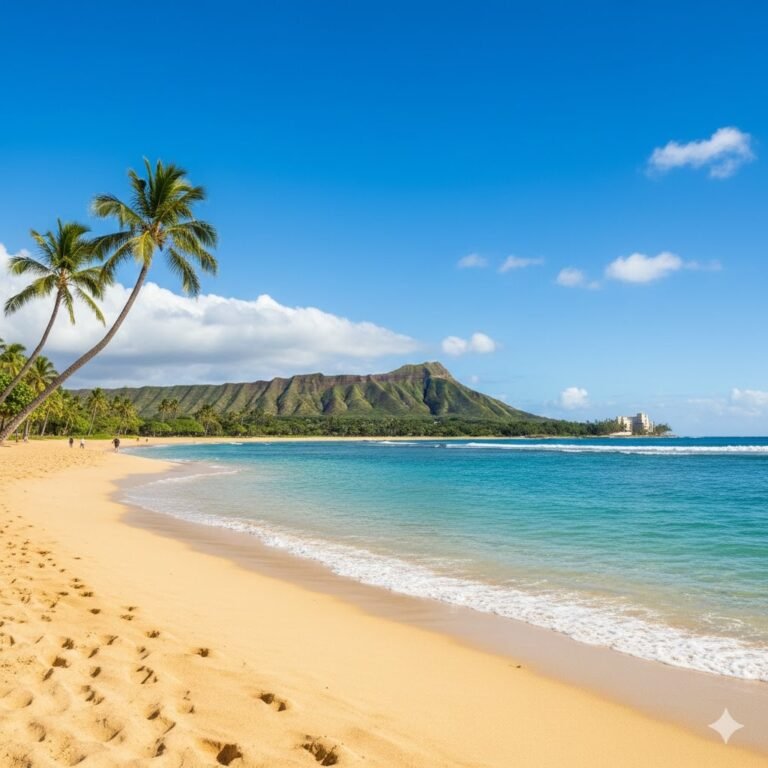
- Honolulu and Waikiki: Located on the southern leeward coast, this area is one of the driest parts of Oahu. During the rainy season, you can expect a lot of sun here, which makes it a great place to start your trip.
- Windward Coast (Kailua, Kaneohe): This side gets more rain and heavier showers, which makes its cliffs and beaches look so beautiful.
- North Shore: Between November and March, surfers from all over the world come to the North Shore to ride its famous winter waves. The main reason people come here is for the surf, not necessarily to sunbathe, even though it gets more rain than Waikiki.
What time of year does it rain in Maui?
The “Valley Isle” of Maui has a lot of different microclimates, from the dry beaches on the west side to the rainforests on the east side.
- West and South Maui (Kaanapali, Wailea): These resorts are on the leeward side, so they are sunny and dry all year. This makes them great places to go during the rainy season.
- East Maui (Hana): The Road to Hana is famous for its rainforests and waterfalls, which look their best during the rainy season. Plan ahead and be ready for wet weather.
- Upcountry and Haleakalā: The higher you go, the cooler it gets, and in the winter it can be very wet and foggy. Bring warm, waterproof clothes when you go to the top of Haleakalā.
How long does the Big Island’s rainy season last?
The huge volcanoes on the Big Island, Mauna Kea and Mauna Loa, make the weather very different.
- Kona Coast: The leeward side of Kona is very dry and sunny. It’s one of the best places in Hawaii to get away from the rain.
- Hilo is the wettest city in the US because it is on the windward side. It rains here all year, but in the winter it rains more. This constant moisture makes the area lush and tropical.
- Volcanoes: The tops of Mauna Kea and Mauna Loa can get snow in the winter, which is strange to see on a tropical island.

How the Rainy Season Affects Things to Do and Travel
While the rain is generally manageable, it can affect certain activities.
- Hiking: Trails on the windward sides can get muddy and slippery. Always check the trail conditions before you go and wear the right shoes. Leeward trails are often a safer bet.
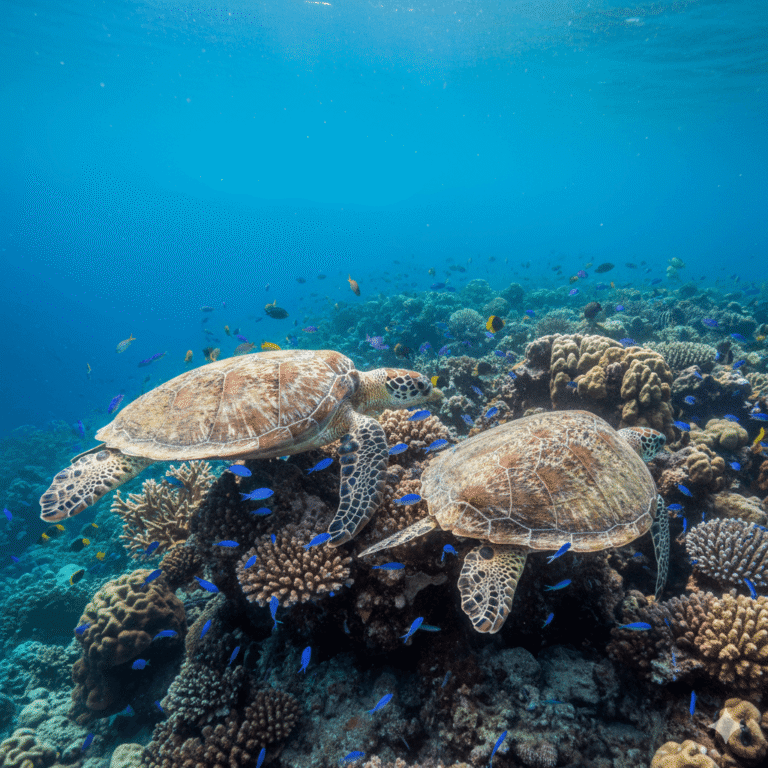
- Beach Time and Snorkeling: During the winter, the ocean can be rough on shores that face north. High surf makes swimming and snorkeling dangerous. The shores that face south are usually calmer and safer. Always pay attention to warning signs and check ocean reports.
- Waterfalls: The best time to see Hawaii’s waterfalls in all their thundering glory is during the rainy season. Tours of these natural wonders are a great thing to do on a rainy day.
Advantages of Going to Hawaii in the Rainy Season
Don’t let the term “rainy season” deter you. There are a lot of great things about this time of year that might make it the best time for you to go to Hawaii.
- Less crowded: From November to March, except for the holiday weeks in December and late March, the area is usually less crowded than in the summer.
- The rain turns the islands into a colorful paradise with lush, green scenery. The scenery is at its best right now, with waterfalls flowing strongly and rainforests looking more alive than ever.
- Lower Prices: This time of year, flights and hotels are often cheaper (not including holidays), which could save you money.
- Whale Watching: The best time to see whales is in the winter. Humpback whales migrate from Alaska to Hawaii’s warm waters to breed and calve, offering incredible viewing opportunities, especially off the coast of Maui.
How to Plan a Trip to Hawaii During the Rainy Season
If you plan ahead, a trip to Hawaii during the rainy season can be just as great as one in the summer.
- Pack Wisely: A light, waterproof jacket and an umbrella are good things to bring. Clothes that dry quickly and shoes or sandals that are waterproof are also good ideas. Don’t forget your swimwear and reef-safe sunscreen, as you’ll still see plenty of sun.
- Be flexible. Think of a few things you can do indoors or in a sheltered area, like going to the Bishop Museum in Honolulu, checking out local art galleries, or having a long lunch at a great restaurant.
- Pick your base carefully: To get the most sun, stay on the leeward side of your chosen island, such as Kona, Poipu, or Waikiki.
- Get the Right Car: If you want to see rough or remote places, you might want to rent a 4WD vehicle. This is especially true on islands like Kauai or the Big Island, where the roads can be slippery.
Take a guided tour to see the magic.
A local expert is one of the best ways to get around the islands, no matter what the weather is like. You don’t have to worry about planning when you go on a guided tour, and you can be sure that you will see the best sights safely. Experienced guides know how to deal with changing weather and make sure you have an amazing time, whether you’re going on a volcano expedition, a waterfall adventure, or a cultural tour.

Are you ready for your trip to Hawaii?
The rainy season in Hawaii is a time of beautiful greenery, big waves, and whales that move around. It gives you a chance to see the islands at their most beautiful, often with fewer people and lower prices. You can have an amazing vacation full of sunshine, adventure, and the occasional magical rainbow if you know how the weather works in the area and plan ahead.
A little rain shouldn’t stop you from going to paradise. The people at Hawaii Guide Hub can help you plan the best trip ever. We are experts at making personalized travel plans and booking tours that let you see and do the best things on each island, no matter what time of year it is. Get in touch with us today to start making plans for your dream Hawaiian vacation.