
Whale Watching in Hawaii: Season, Costs, and How to Choose Your Tour
Every winter, thousands of humpback whales swim roughly 3,000 miles from Alaska to breed, calve, and nurse in Hawaii’s warm, shallow waters — and from roughly December through April, seeing them is less a matter of luck than of showing up. This page covers the practical side: exactly when to go, what tours cost right now, whether to watch from Oahu or Maui, and how to pick a boat you’ll actually enjoy.
When Is Whale Season in Hawaii?
Humpbacks begin arriving in November, numbers build through December, and January through March is peak season — the window when sightings on a two-hour cruise approach near-certainty and many operators are confident enough to guarantee them. April tapers off as whales begin the return migration, and by May the ocean is quiet again. If whales are the reason for your trip, book travel for February: peak numbers, and mothers with newborn calves visible in the calm morning waters.
What Whale Watching Tours Cost in 2026
Verified across current Waikiki-area listings, prices fall into three clear bands. Budget cruises ($49–60): larger boats, 1.5–2 hours, straightforward whale watching — several include a sighting guarantee with a free re-ride if no whales appear. Standard tours ($80–100): two hours, better deck space, often a naturalist on board narrating behaviors. Premium small-boat trips ($119–125+): six-passenger vessels, uncrowded rails, and the most personal experience — worth it for photographers. Combo tours pairing whales with snorkeling or a sunset sail run $80–150+. Kids under 3 often ride free; morning departures get calmer seas than afternoon ones.
Oahu or Maui — Where’s the Best Whale Watching?
Honest answer: Maui is the best whale watching in Hawaii, and it isn’t close — the shallow channel between Maui, Lanai, and Molokai is the humpbacks’ preferred nursery, and in peak season you can see breaches from the beach. If you’re already on Maui, a whale cruise is the easiest yes on your itinerary. But Oahu is genuinely good, not a consolation prize: whales pass and linger along the south and west shores all season, Waikiki-departing tours make it effortless without a flight, and winter sunset sails regularly get free whale sightings thrown in. The right choice is simply the island you’re on — don’t fly for whales, but don’t skip them either.
What You’ll Actually See
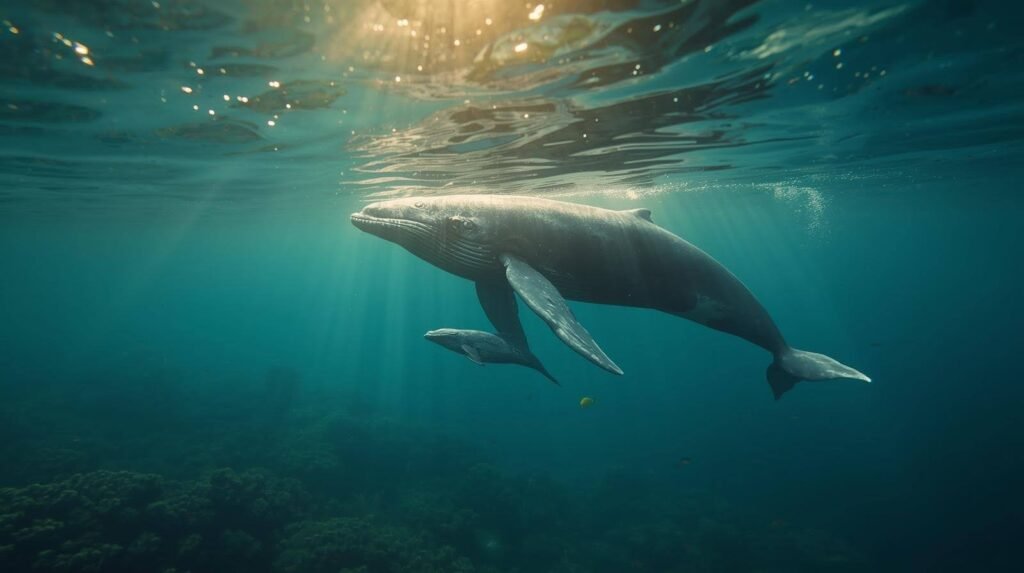
A good naturalist turns splashes into a story. Watch for blows (the misty exhale that reveals a whale before anything else), breaches (the full-body launch nobody forgets), tail slaps and pec slaps (communication, possibly), and, around mothers, the small shadow of a calf surfacing twice as often as mom. Adult humpbacks in Hawaii aren’t feeding — they fast the entire season, living off Alaskan blubber, which is part of why the calm, food-free waters suit nursing. For a deeper primer before your trip, read our guide to humpback whale behavior and why whales come to Hawaii in the first place.
The Rules on the Water
Hawaii’s humpbacks are protected inside the Hawaiian Islands Humpback Whale National Marine Sanctuary, and federal law prohibits approaching within 100 yards of a humpback by any means — boat, kayak, paddleboard, or swimming. Good operators hold that line, cut engines when whales approach (a whale choosing to come closer, called a “mugging,” is legal and unforgettable), and never chase. If a tour promises to “get you right up close,” that’s a red flag, not a selling point. Choose operators who mention responsible viewing — our guide to eco-friendly whale watching covers what to look for.
Booking Tips
In peak season (January–March), book two to seven days ahead — and further out for weekends and holidays. Choose morning cruises for calm water and the best light. If seasickness worries you, pick a larger vessel and take medication 30–60 minutes before departure. Photographers: a premium small boat plus our whale photography tips will do more for your shots than any lens upgrade. And bring a light jacket — winter trade winds on the water are cooler than Waikiki suggests.
Frequently Asked Questions
What months can you see whales in Hawaii?
December through April, with January through March as the reliable peak. February is the single best month.
How much does whale watching cost in Hawaii?
Current Oahu tours run about $49–60 for budget cruises, $80–100 for standard two-hour tours, and $119+ for premium small boats. Maui prices are similar.
Are whale sightings guaranteed?
In peak season, many operators guarantee sightings and offer a free return trip if you strike out — check the policy before booking.
Can you see whales from shore for free?
Yes. On Oahu, Makapuu Lighthouse trail and the south/west shore lookouts are excellent in peak months; on Maui, practically any west-facing beach works. Bring binoculars.
Is whale watching worth it with kids?
Very — two-hour morning cruises suit kids well, many boats carry restrooms and shade, and children under 3 often ride free. A breach is a core memory at any age.
Want the full picture before you book? See our complete guide to the best times and locations for whale watching in Hawaii, the story of the humpback migration, and what whales mean in Hawaiian tradition.
Whale Season Waits for No One
Peak sightings run January through March — morning cruises get the calmest water, and weekend departures sell out first.