The Complete Guide to Humpback Whale Migration to Hawaii

Every winter, one of nature’s most amazing journeys takes place in the warm waters around the Hawaiian Islands. Humpback whales make an epic journey from Alaska to Hawaii, covering more than 3,000 miles. Scientists think this is one of the longest migrations of any mammal on Earth. This amazing event turns Hawaii’s coastal waters into a stunning stage for marine life, giving visitors a once-in-a-lifetime chance to see these gentle giants up close.
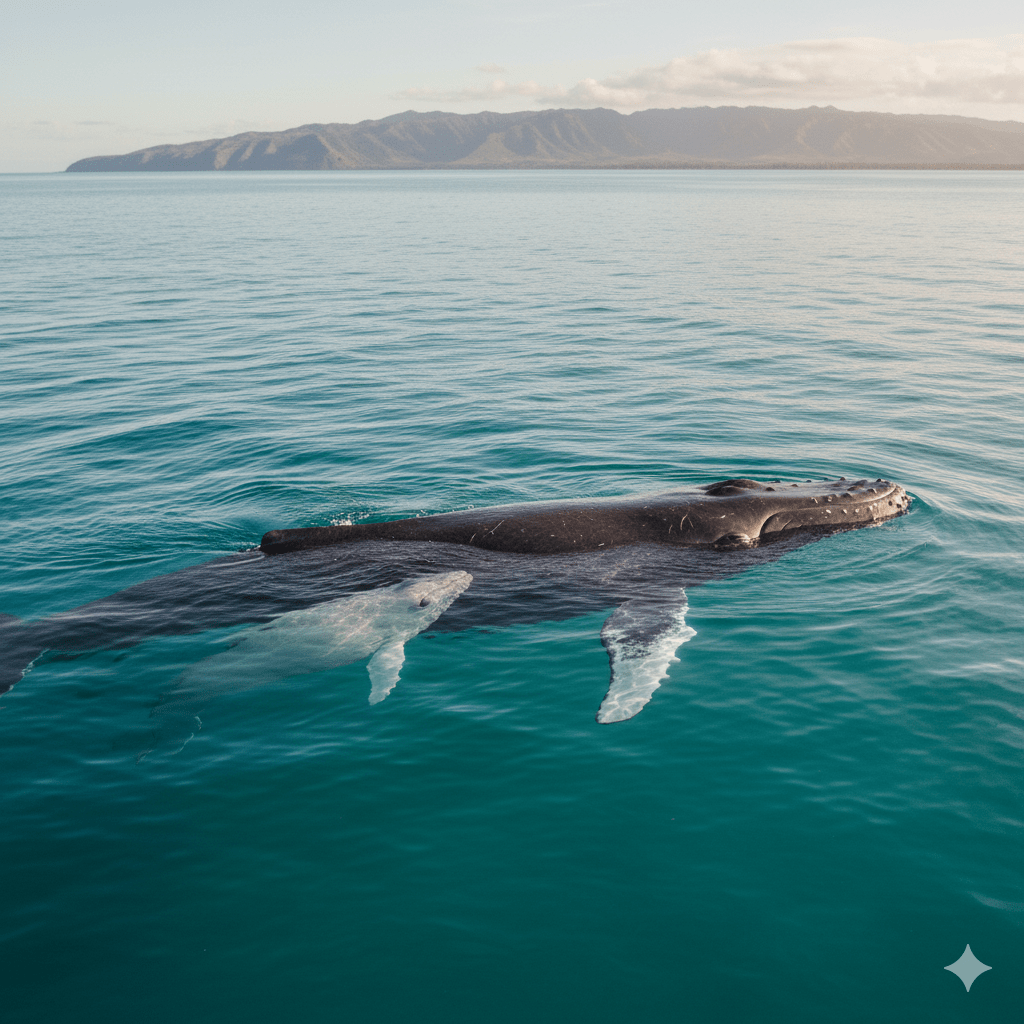
The migration of humpback whales to Hawaii is more than just a seasonal event; it’s an important part of their life cycle. Every year, about 10,000 to 15,000 North Pacific humpback whales make this amazing trip to find the best place to breed, give birth, and care for their young. Hawaii’s warm, shallow waters are the perfect place for calves to grow up because they are safe from predators and have the calm conditions they need to get stronger.
Knowing when and why these whales go to Hawaii can help you plan the best whale-watching trip. This complete guide will give you all the information you need to know about seeing this natural wonder in person, from the best times of year to the best places to see it. Hawaii’s humpback whale migration is a great way to connect with one of the ocean’s most beautiful creatures, whether you’re seeing them for the first time or you’ve been a whale fan for years.
Learning about the migration of humpback whales
Why do humpback whales go to Hawaii?
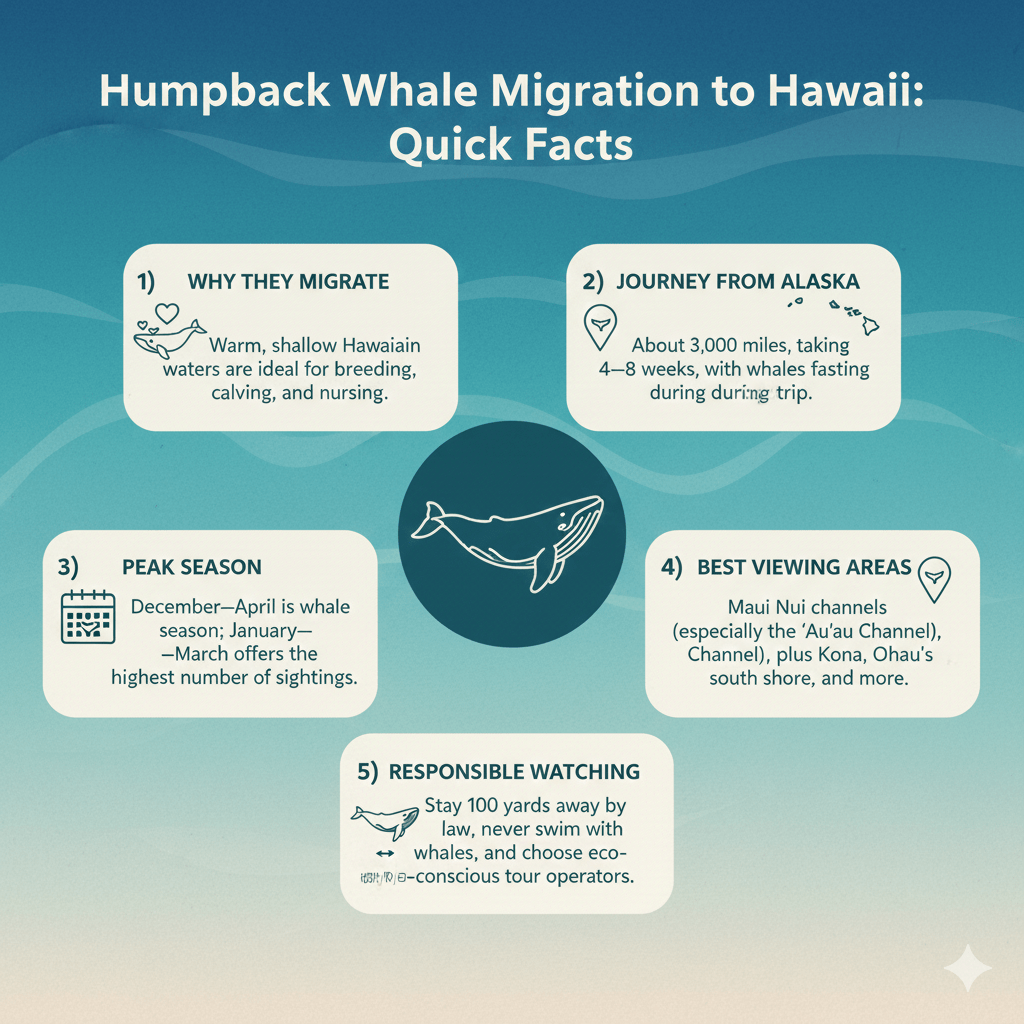
Humpback whales mostly go to Hawaii to have babies and take care of them. Hawaii’s warm tropical climate is perfect for breeding and giving birth, unlike Alaska’s nutrient-rich waters where they eat. Newborn calves need the warmer water temperatures, which are usually between 75 and 80 degrees Fahrenheit, because they don’t have the thick layer of blubber that keeps them alive in colder northern waters.
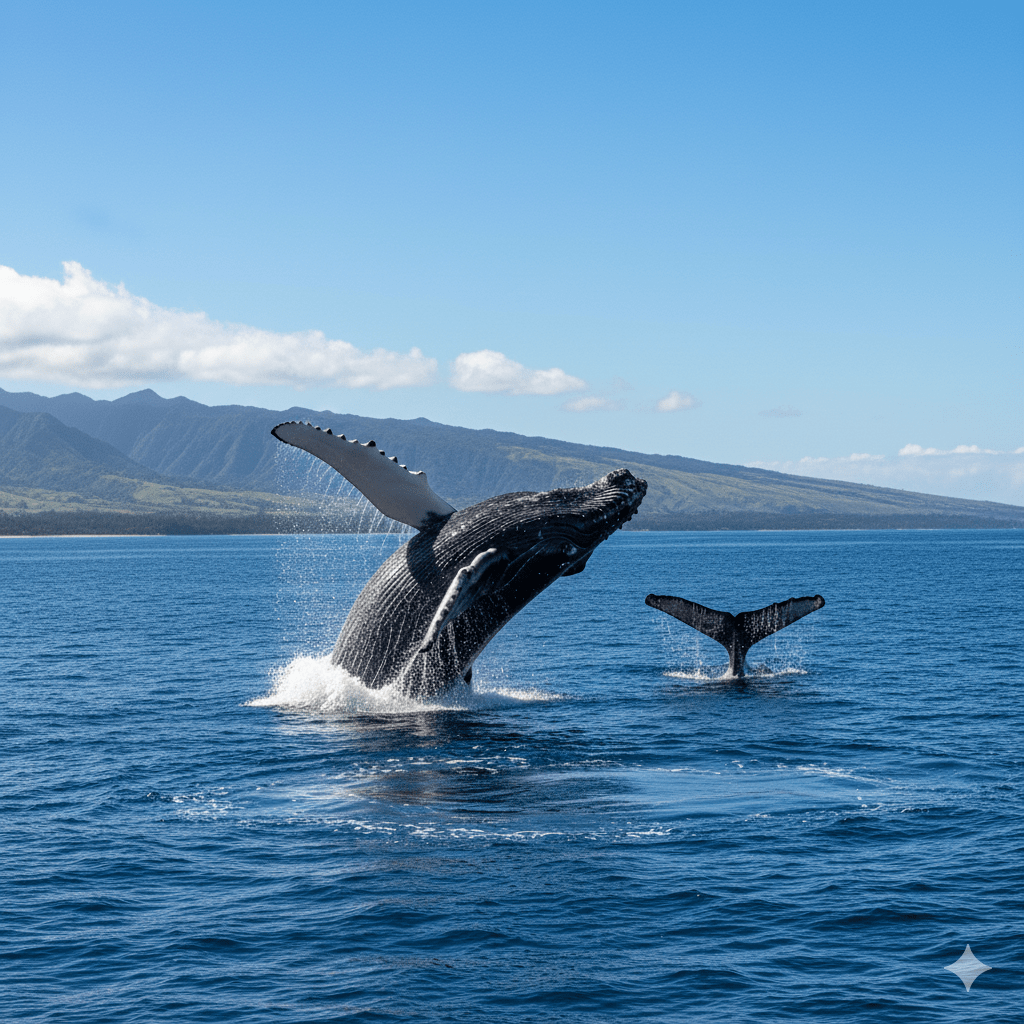
Adult humpbacks only do things that have to do with reproducing while they are in Hawaiian waters. Males try to get females’ attention by showing off their strength and agility in complicated ways, such as breaching, tail slapping, and “songs,” which are complex vocalizations. These songs can travel for miles underwater and are used to mark territory and courtship.
The Epic Journey: Alaska to Hawaii
The migration from Alaska to Hawaii covers approximately 3,000 miles and represents one of the most demanding journeys in the animal kingdom. How long does it take for humpback whales to move from Alaska to Hawaii? Whales usually swim at a speed of 3 to 5 miles per hour and finish this trip in 6 to 8 weeks. But some people, especially pregnant women who want to get to calving grounds, may be able to finish the trip in as little as 4 to 6 weeks.
This migration is even more amazing because humpback whales don’t eat much while they’re in Hawaiian waters. Instead, they use the fat they stored up during the summer feeding season in Alaska. During the migration and breeding season, adult whales can lose up to 40% of their body weight. This shows how hard this journey is on their bodies.
Biological Changes That Help Animals Move
Humpback whales have a number of amazing adaptations that help them migrate over long distances. Their bodies are streamlined, which makes them swim faster, and their strong tail flukes help them move quickly through the water. Their thick layer of blubber, which can be up to 6 inches thick, is the most important thing. It keeps them warm and gives them energy for the long journey and fasting period.
The whales also have advanced navigation skills. They use a mix of magnetic fields, ocean currents, and stars to find their way across thousands of miles of open ocean. Scientists think they might also use the temperature and shape of the ocean floor to find their way between their feeding and breeding areas.
Hawaii: A Whale Paradise
Best Places to See Whales
Which Hawaiian island is the best place to see whales? You can see humpback whales from all of Hawaii’s islands, but some places are better for seeing them all the time. The channels between Maui, Lanai, Molokai, and Kahoolawe are the best places to see whales, and Maui is the best place to do so. These protected waters provide calm conditions and shallow depths that whales prefer for calving and nursing.
The Au’au Channel between Maui and Lanai is considered the epicenter of humpback whale activity. The depths here range from 200 to 600 feet, which is great for whales to rest, socialize, and take care of their young. The channel’s protection from strong trade winds ensures calmer waters, making it easier for newborn calves to surface for air.
Other excellent whale watching locations include:
The coast from Lahaina to Kapalua Bay in West Maui has many places where you can watch from the shore.
- South Maui: The beaches in Wailea and Kihei are easy to get to and have facilities for viewing.
- Big Island: The Kona coast is a great place to see whales all year round.
- Oahu: The south shore, especially the areas around Diamond Head and Hanauma Bay
What Makes Hawaiian Waters Great for Breeding
Hawaii’s unique geography makes it a great place for humpback whales to have babies. The water around the islands is usually less than 600 feet deep, which keeps them safe from deep-water predators like killer whales. The water temperature stays the same and there isn’t much current, which makes it a safe place for newborn calves to learn how to swim and breathe.
The archipelago’s location in the middle of the Pacific Ocean also gives it some strategic benefits. Hawaii sits along the whales’ natural migration route, providing a convenient stopping point that’s far from major shipping lanes and commercial fishing areas. This isolation helps minimize human disturbance during the critical breeding and calving period.
The National Marine Sanctuary for Hawaiian Humpback Whales
In 1992, the Hawaiian Humpback Whale National Marine Sanctuary was set up to protect Hawaiian waters because they are important to humpback whale populations. This sanctuary covers 1,400 square miles of ocean and shore along the main Hawaiian islands. It gives the whales important protection when they are most vulnerable.
The sanctuary enforces strict regulations to protect whales from human interference. Boats must stay at least 100 yards away from whales, and it is not allowed to get too close to whales from the front or back. These protections make sure that whales can mate, give birth, and nurse their young without being bothered by people.
What is the best time of year to see whales in Hawaii?
A Look at the Whale Watching Season in Hawaii
When do humpback whales move to Hawaii? From December to April, Hawaii has an official whale watching season. The best time to see whales is from January to March. However, the timing can vary slightly based on ocean conditions and food availability in Alaska during the previous summer.
In late November, the first whales usually show up in Hawaiian waters. The number of whales then steadily rises through December. By January, the majority of the population has arrived, creating optimal viewing conditions that continue through March. The whales start to move north in April, but some, especially mothers with young calves, may stay until early May.
Monthly Whale Activity Breakdown
December: Early arrivals start to show up, and sightings become more common as the month goes on. This is a great time for people who want to see whales without a lot of other people around.
January marks the start of peak season, when there are thousands of whales in Hawaiian waters. Behaviors like breaching, tail slapping, and forming competitive groups become more common.
February: When is the best time to see whales in Hawaii? Many experts consider February the optimal month, as whale numbers peak and mating activities intensify, leading to more dramatic surface behaviors.
March: Calving season reaches its peak, offering opportunities to see mothers with newborn calves. The whales remain highly active as they prepare for the return journey.
April: Numbers begin declining as whales start their northward migration. Mothers with calves are typically the last to leave, making April ideal for observing these family groups.
The Best Times of Day to See Whales
Morning hours between 8:00 AM and 11:00 AM often provide the best whale watching conditions. Winds are usually calmer during this time, which makes the ocean’s surface smoother and makes it easier to see whale spouts and other activity on the surface. The angle of the morning sun also enhances visibility, reducing glare on the water.
However, whales are active throughout the day, and afternoon tours can be equally rewarding. Some whale watching operators report increased activity in the late afternoon, particularly during competitive group formations when males compete for female attention.
Whale Watching Tours and Responsible Guidelines
Choosing the Right Whale Watching Experience
Hawaii offers diverse whale watching opportunities, from large commercial tour boats to intimate sailing excursions and shore-based viewing. Boat tours provide the advantage of getting closer to whales while still maintaining legal distances, and experienced captains know where whales are most likely to be spotted.
When selecting a tour operator, look for companies that prioritize responsible whale watching practices and employ certified naturalists who can enhance your experience with educational commentary. Many operators contribute to whale research efforts, making your tour participation a form of citizen science.
Shore-Based Whale Watching
For those who prefer land-based viewing, Hawaii offers numerous excellent shore-based whale watching locations. Popular spots include:
- Maui: Wailea Beach, Ulua Beach, and the coastal trail from Wailea to Makena
- Big Island: Puukohola Heiau National Historic Site and Spencer Beach Park
- Oahu: Diamond Head Lighthouse Trail and Makapuu Point Lighthouse Trail
- Molokai: Papohaku Beach and Kaunakakai Harbor
Binoculars significantly enhance shore-based whale watching, allowing you to spot spouts from several miles away and observe surface behaviors in greater detail.
Responsible Whale Watching Guidelines
Responsible whale watching ensures both visitor safety and whale protection. Federal law requires all vessels to maintain a distance of at least 100 yards from humpback whales, with additional restrictions for approaching from the front or rear. Swimming with whales is strictly prohibited and can result in significant fines.
When on a whale watching tour:
- Never approach whales directly or attempt to touch them
- Avoid making loud noises or sudden movements
- Don’t throw anything into the water
- Respect the captain’s instructions regarding wildlife viewing protocols
- Support operators who demonstrate commitment to conservation
Conservation Efforts and Whale Population Recovery
North Pacific Humpback Whale Recovery Success
The North Pacific humpback whale population represents one of conservation’s greatest success stories. From a low of approximately 1,000 individuals in the 1960s due to commercial whaling, the population has recovered to an estimated 80,000+ whales today. This remarkable recovery led to the removal of most North Pacific humpback whale populations from the Endangered Species List in 2016.
How many whales migrate to Hawaii? Current estimates suggest that 10,000-15,000 humpback whales visit Hawaiian waters annually, representing a significant portion of the North Pacific population. This number continues to grow as the overall population recovers, making Hawaii an increasingly important viewing destination.
Ongoing Threats and Challenges
Despite population recovery, humpback whales still face significant challenges. Ship strikes, entanglement in fishing gear, and ocean noise pollution represent the primary threats to whale populations. Climate change also has long-term effects on food sources in Alaska and could change migration patterns.
In Hawaiian waters, the main concerns include vessel strikes from high-speed boats and disturbance from increased marine tourism. The Hawaiian Humpback Whale National Marine Sanctuary continues monitoring these threats while educating the public about responsible wildlife viewing practices.
How Visitors Can Support Conservation
There are many ways that travelers can help protect humpback whales. If you want your tourist dollars to go toward conservation efforts, choose whale watching companies that support research and follow responsible viewing rules. Many tour companies contribute portions of their proceeds to whale research and sanctuary programs.
Participating in citizen science projects, such as reporting whale sightings to research organizations, helps scientists track population trends and migration patterns. With the Whale and Dolphin Tracker app, visitors can help gather useful information while they watch whales.
Supporting organizations like the Pacific Whale Foundation, Hawaiian Islands Humpback Whale National Marine Sanctuary, and NOAA Fisheries through donations or volunteer work directly contributes to ongoing research and conservation efforts.
Planning Your Hawaiian Whale Watching Adventure
Are the whales migrating in Hawaii right now?
The answer depends on the time of year you’re visiting. From about December to April, humpback whales can be found in Hawaiian waters. Most whales are there from January to March. Outside this window, sightings become increasingly rare as the whales return to Alaska for feeding season.
Booking Your Whale Watching Experience
To maximize your chances of successful whale encounters, book tours during peak season (January-March) and choose operators with strong reputations for wildlife sightings. Morning tours are usually better, but afternoon tours can be just as good and are sometimes less crowded.
To have more chances of seeing whales up close, think about booking more than one tour or combining boat tours with shore-based viewing. A lot of tour companies offer “whale guarantees,” which means that if you don’t see any whales on your tour, you can go back for free.
Hawaii Guide Hub will take you to see Hawaii’s Marine Majesty.
The annual migration of humpback whales to Hawaii represents one of nature’s most spectacular phenomena. From their epic 3,000-mile journey from Alaska to the intimate moments of mothers nursing newborn calves in Hawaiian waters, these gentle giants offer visitors an unforgettable connection with the natural world.
Understanding the timing, locations, and behaviors associated with humpback whale migration enhances every aspect of your Hawaiian whale watching experience. Whether you choose boat-based tours or prefer the tranquility of shore-based viewing, witnessing these magnificent creatures in their tropical sanctuary creates memories that last a lifetime.
The fact that humpback whale populations are coming back shows how effective conservation efforts and responsible tourism can be. Every visitor helps make sure that future generations can see this amazing natural event by choosing ethical whale watching experiences and supporting conservation efforts.
Ready to experience the magic of humpback whale migration firsthand? Hawaii Guide Hub specializes in creating unforgettable whale watching experiences tailored to your interests and schedule. We carefully choose our tour operators based on their commitment to responsible wildlife practices and great viewing opportunities. This way, your Hawaiian adventure will help with conservation efforts and give you memories you’ll always treasure.