Slack Key Guitar: Hawaii’s Sweetest Musical Tradition

Slack key guitar, ki ho’alu (“loosen the key”), is Hawaii’s most soulful music: a solo fingerpicking tradition played in retuned open tunings, sweet as rain and deep as memory. Born with the paniolo cowboys, kept secret in families for generations, and revealed to the world by masters like Gabby Pahinui, slack key is the sound of old Hawaii. This is its complete story.
This is the single complete guide to slack key guitar in Hawaii. It covers the meaning of ki ho’alu, the vaquero origins, the retuned strings, the family secrecy, Gabby Pahinui and the masters, the Dancing Cat recordings, the tunings, where to hear it, learning it, and FAQs. Everything about slack key guitar lives on this one page.
What “Slack Key” Means
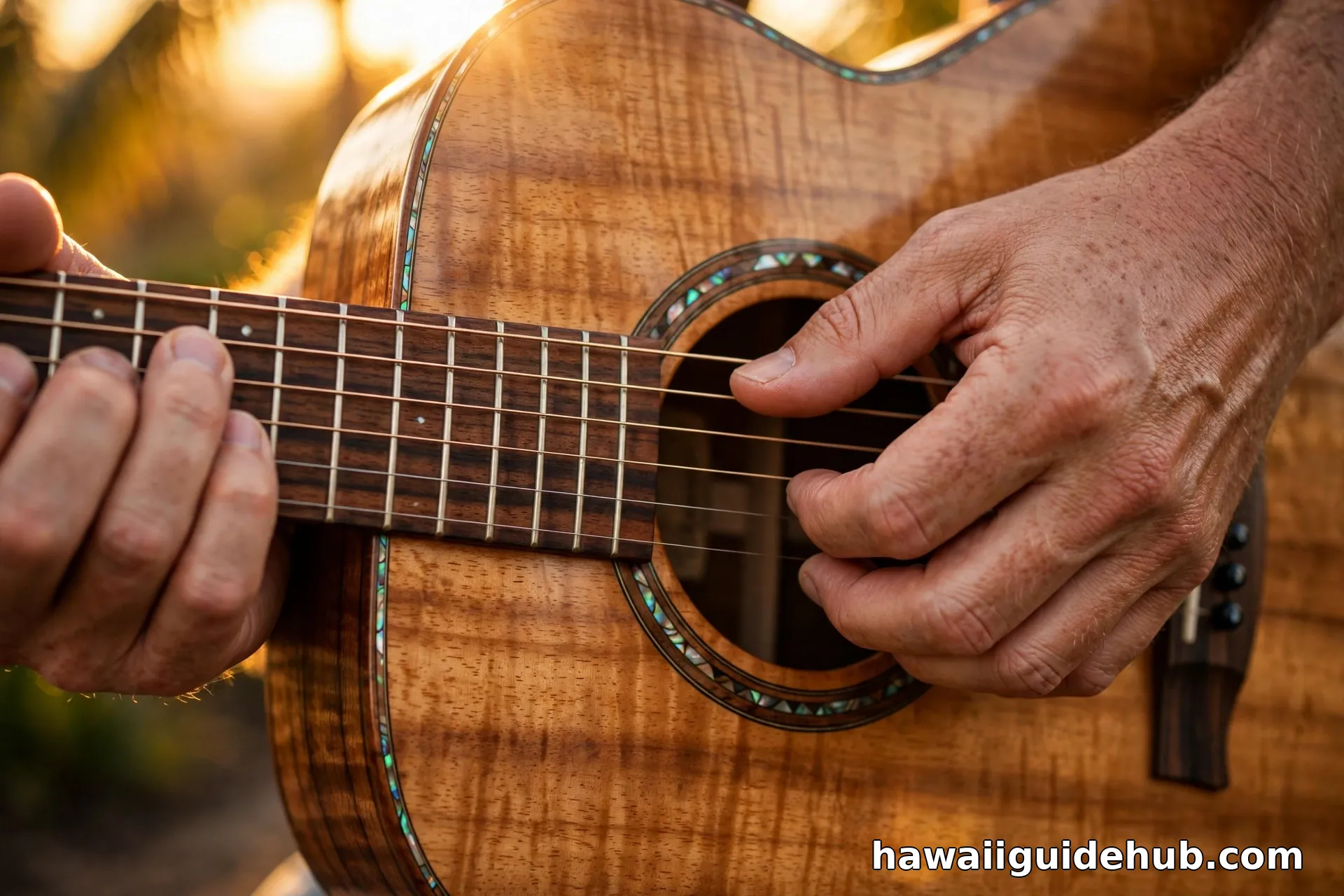
Ki ho’alu means “loosen the key”: the player retunes (“slacks”) the guitar strings from standard tuning into open tunings, so strumming the open strings rings a full chord. The technique is fingerstyle: thumb keeps the bass, fingers pick the melody, and the ringing open strings create slack key’s shimmering wash of sound. It’s intimate music: one guitar, one player, a whole world of tone.
The Vaqueros Bring the Guitar
The story starts in the 1830s: Kamehameha III brought Mexican and Spanish vaqueros to Hawaii to teach cattle handling, and they brought guitars. When the vaqueros left, the guitars stayed: Hawaiians picked them up and made them their own. Retuning the strings to suit Hawaiian melodies, they created ki ho’alu. The paniolo’s guitar became Hawaii’s guitar: the cowboy’s tool turned into the islands’ soul.
The Family Secret
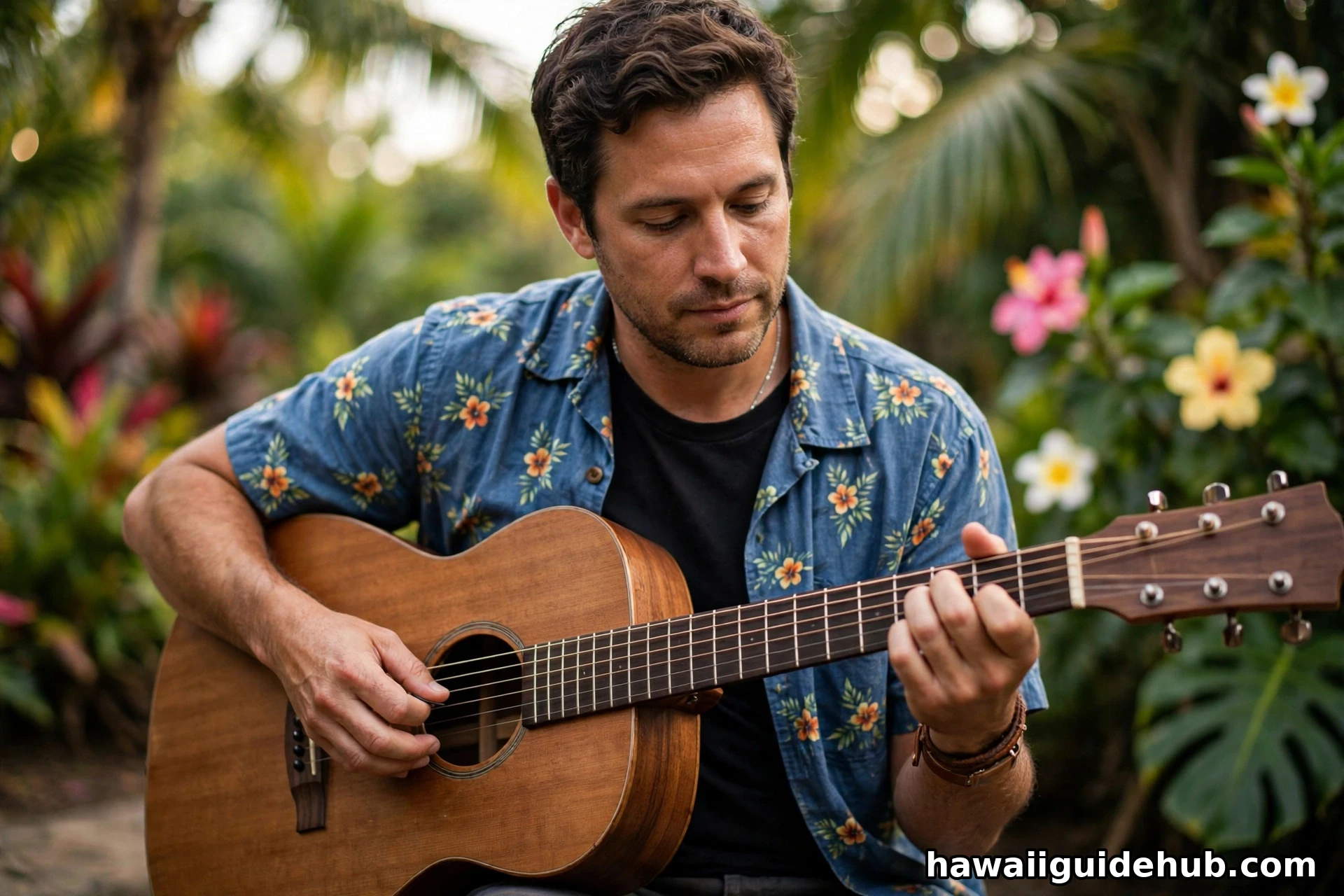
For over a century, slack key was private music: tunings were family treasures, passed from parent to child, guarded from outsiders. Players developed personal tunings like secret recipes; asking for someone’s tuning was presumptuous. The secrecy preserved the tradition’s intimacy but nearly killed it: when masters died without teaching, tunings died with them. The tradition survived because enough families shared enough, just in time.
Gabby Pahinui: The Master Who Shared
Gabby “Pops” Pahinui broke the secrecy: in 1946-47 he made the first slack key recordings, bringing the family music public. His playing, virtuosic yet deeply feeling, set the standard every player since has chased. The 1970s renaissance made him an icon; his collaborations with Ry Cooder brought slack key to rock audiences. Gabby proved the tradition could be shared without being diminished: generosity made it grow.
Masters: Then and Now
| Generation | Players | Note |
| Founders | Gabby Pahinui, Leonard Kwan | First recordings; set the standard |
| Keepers | Raymond Kane, Sonny Chillingworth | Carried the old styles pure |
| Ambassadors | Keola Beamer, Ledward Kaapana | Took slack key worldwide |
| New wave | Jeff Peterson, John Keawe | Grammy winners; teaching openly |
Dancing Cat: The Great Recordings
In the 1990s, producer George Winston founded Dancing Cat Records’ Hawaiian Slack Key series: pristine recordings of the masters, from Raymond Kane to Ledward Kaapana. The series was a revelation: it documented the tradition at its peak and introduced it to global audiences. For many listeners, Dancing Cat is slack key: the recordings are the tradition’s library, preserving styles that might otherwise have vanished.
The Tunings: A Beginner’s Map
Every slack key player has favorite tunings, but beginners start with the classics: Taro Patch (open G), the most common, sweet and versatile; C Wahine, with its distinctive second-string slack; and the major tunings that ring like bells. Learning slack key means learning tunings: each one is a new instrument, a new mood. Teachers now share openly what families once guarded: the secrecy is over, the sharing has begun.
The Sound: What Makes It Sweet
Describe slack key and words fail: it’s sweet the way rain is sweet, unhurried the way afternoons are unhurried. The open tunings let strings ring sympathetically, creating overtones that shimmer. The bass walks steadily while the melody floats: the effect is of two guitars, or a guitar and a memory. Players talk about “the cry” in the strings: the slight bend, the vibrato, that makes the guitar sing. It’s music that doesn’t perform at you but sits beside you.
Slack Key and Hula: The Partnership
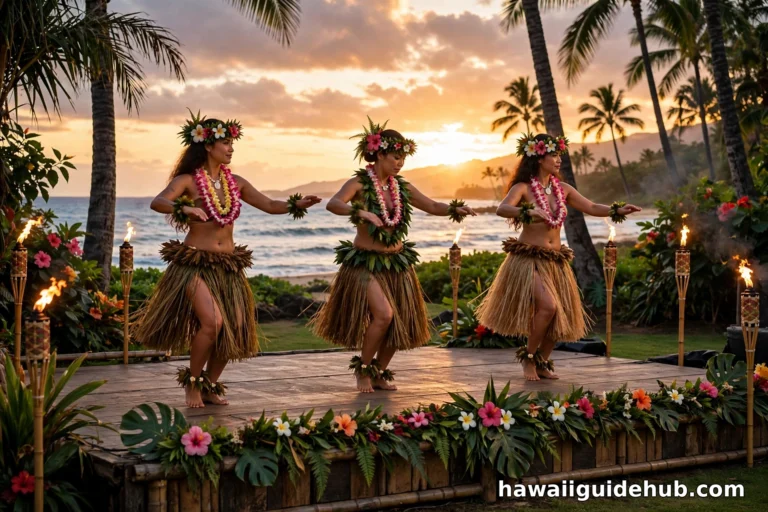
Slack key and hula grew up together: the guitar’s gentle pulse is the perfect bed for the dancer’s motion. Many classic hula songs are slack key songs; many slack key instrumentals are hula melodies without the dance. The partnership is ancient in feeling: the voice, the strings, the moving body, all telling the same story. To see hula danced to live slack key is to see the tradition whole.
The Paniolo Connection Today
The cowboy roots are still visible: paniolo gatherings feature slack key prominently, and players like Leabert Lindsey carry both traditions. The music of the range, unhurried, observant, wry, is slack key’s oldest flavor. Modern listeners sometimes forget the guitar came on horseback; the paniolo remember. The annual paniolo celebrations keep the connection alive: boots, guitars, and the high country.
Women in Slack Key
Slack key was long a men’s tradition, but women have always played: family kitchens don’t discriminate. Today women are prominent: players, teachers, and composers expanding the tradition. The new generation of female slack key artists brings fresh tunings and fresh songs. The tradition is richer for it: more hands, more tunings, more stories.
Slack Key Festivals
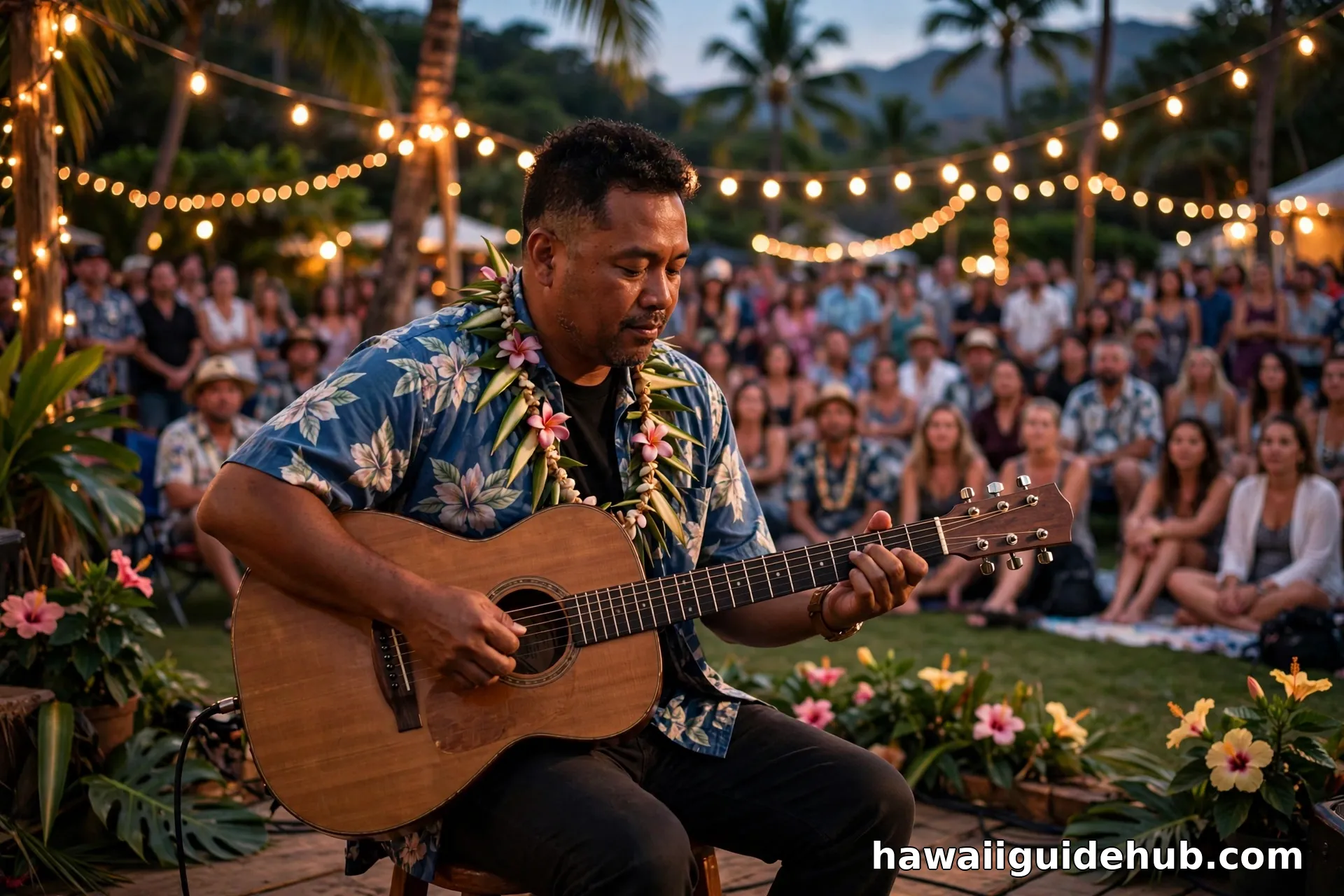
The slack key festivals are the tradition’s family reunions: the Slack Key Guitar Festival on O’ahu, Maui’s Slack Key Show, gatherings island-wide. Masters share stages with students; tunings are traded openly now. The festivals are where the secrecy officially ended: what was once whispered is now taught from stages. Go: you’ll hear the past and future in one afternoon.
Learning Slack Key: Where to Start
Start with Taro Patch tuning and a patient teacher: the basics are simple, the mastery is lifelong. Many masters teach now, in person and online; the old secrecy has become open generosity. Learn the bass patterns first: the thumb is the foundation. Then the melodies: simple, singing, unhurried. Don’t rush: slack key punishes hurry and rewards patience. The guitar will teach you if you listen.
Essential Listening: The Library
Build your ears: start with Gabby Pahinui’s foundational recordings, then Raymond Kane’s pure old style, Leonard Kwan’s elegance, Sonny Chillingworth’s fire. Move to Keola Beamer’s compositions and Ledward Kaapana’s virtuosity. The Dancing Cat series is the core library: start anywhere, you can’t go wrong. Then go live: recordings are maps, performances are the territory.
The Future: Open Tunings, Open Doors
Slack key’s future is open: young players blend it with jazz, classical, and pop; the tunings keep multiplying; the teaching keeps spreading. The Grammy wins proved the world’s listening. But the core remains: one guitar, retuned strings, unhurried beauty. As long as someone loosens the key and plays from the heart, the tradition lives. The secret is out; the music is safe.
The Technique: Thumb and Fingers
The right hand does the talking: thumb plays a steady alternating bass, the heartbeat, while index and middle fingers pick the melody and fills. The left hand frets lightly, letting open strings ring. Vibrato is vocal: the string is bent the way a singer bends a note. Harmonics (“chimes”) ring like bells. The technique looks effortless and takes years: the masters make complexity sound like breathing.
Slack Key vs Fingerstyle: What’s Different
All fingerstyle isn’t slack key: the difference is the retuning and the Hawaiian aesthetic. Mainland fingerstyle often showcases technique; slack key showcases feeling. The open tunings create resonances standard tuning can’t; the Hawaiian phrasing, drawn from chant and hula rhythms, gives it the island lilt. A Chet Atkins tune in standard tuning is fingerstyle; the same tune in Taro Patch with Hawaiian phrasing starts becoming slack key.
The Guitar: What Players Use
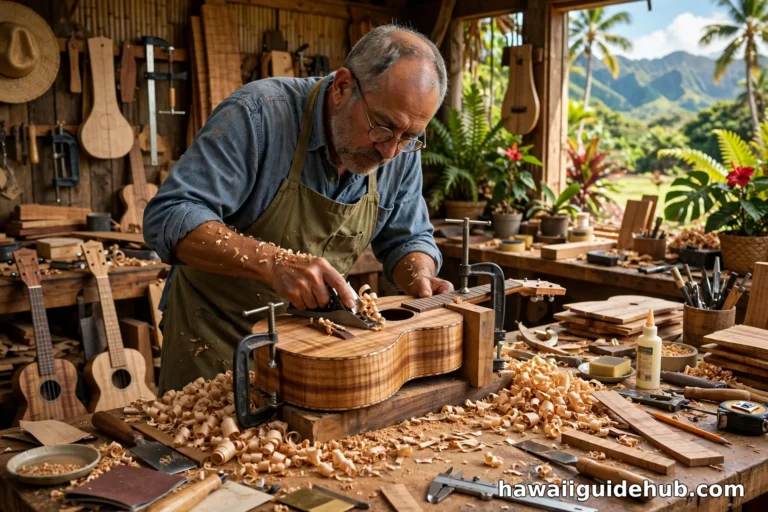
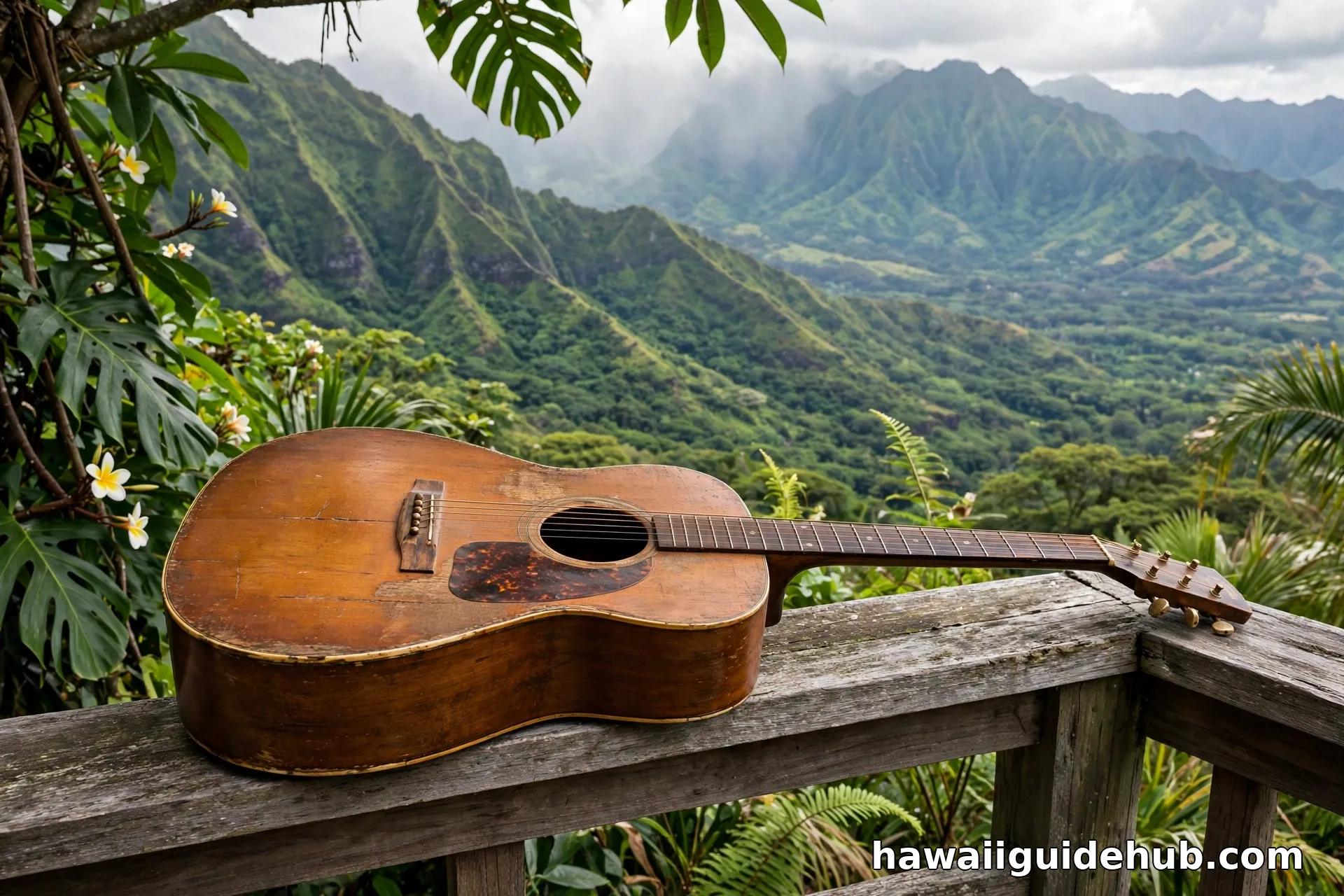
Slack key players favor warm, responsive guitars: koa is the dream wood, mahogany the workhorse. The guitar must ring: open tunings expose every dead note. Many masters play instruments with history: old guitars with opened-up tops and stories in the wood. But the player matters more than the instrument: Gabby could make any guitar weep. Start with what you have; the tuning does half the work.
Recording the Tradition: A Note on Sound
Slack key is hard to record well: the overtones and sympathetic ringing need space and quiet. The Dancing Cat engineers learned to mic closely and let the room breathe. Live is better: the guitar’s full resonance needs air. If you buy recordings, listen on good speakers or headphones: laptop speakers murder the overtones. The music deserves better: give it the silence and the sound it needs.
Watch: Meet the Master of Hawaiian Cowboy Music
Slack Key Guitar FAQs
What is slack key guitar?
Ki ho’alu: a Hawaiian fingerstyle tradition using retuned (“slacked”) open tunings. One player, thumb on bass, fingers on melody, ringing open strings.
Where did slack key come from?
Mexican vaqueros brought guitars to Hawaii in the 1830s; Hawaiians retuned them to suit local music. It was family-secret music until Gabby Pahinui’s 1946-47 recordings.
Who are the slack key masters?
Gabby Pahinui, Leonard Kwan, Raymond Kane, Sonny Chillingworth, Keola Beamer, Ledward Kaapana, Jeff Peterson, John Keawe: the lineage from founders to Grammy winners.
What is Taro Patch tuning?
The most common slack key tuning: open G. It’s the beginner’s standard and the tradition’s workhorse, sweet and versatile.
Where can I hear slack key live?
Maui’s Slack Key Show at Napili Kai, hotel lobbies island-wide, festivals, and the masters’ concerts. The intimate venues suit the intimate music best.
The Sweetest Sound
Slack key is Hawaii’s heart playing guitar: sweet, unhurried, and infinitely deep. From the vaqueros’ castoffs to the Grammy stage, it traveled the longest road of any Hawaiian music: from secret to shared, from family rooms to the world. Listen to it the way it’s meant to be heard: quietly, completely, with nowhere else to be. The strings are slacked; the soul is tuned. So here’s your assignment: find the music and let it find you. Start with a recording: put on Gabby Pahinui late at night, lights low, phone off, and just listen. Feel the bass walk and the melody float. Then find it live: the Slack Key Show on Maui, a hotel lobby at sunset, a festival stage under the stars. Sit close. Watch the hands: thumb steady as a heartbeat, fingers dancing like the ‘ukulele’s flea. Let the overtones wash over you. And if you play guitar, retune: drop into Taro Patch, strum the open strings, and hear what the Hawaiians heard two hundred years ago. The tradition that was a family secret is now an open invitation. The key is loosened. The door is open. Walk through. And remember what the music really is: not a technique but a temperament. Slack key doesn’t hurry, doesn’t show off, doesn’t demand attention. It sits beside you like an old friend and tells you everything will be alright. In a world of noise, that’s a radical act. The vaqueros’ guitars became the islands’ soul because Hawaii needed music like itself: sweet, patient, and deep. Two hundred years later, it still is. Ki ho’alu forever. One final note: the best slack key experience costs nothing. Find a quiet beach at sunset, play a recording on a small speaker, and watch the light change. The music was made for exactly this: no stage, no tickets, just strings, sky, and sea. The masters played for family; you can listen like family. That’s the tradition’s final gift: it makes everyone ‘ohana, from the first-time listener to the lifelong master. Mahalo nui for listening with an open heart and unhurried ears, the way this sweet music has always deserved, from the very first loosened string to the very last ringing overtone of the sweetest music Hawaii ever made, played with aloha from the heart, now and always and forever, world without end, amen and aloha nui loa indeed. For more island culture, see our volcanoes guide and Kauai guide.