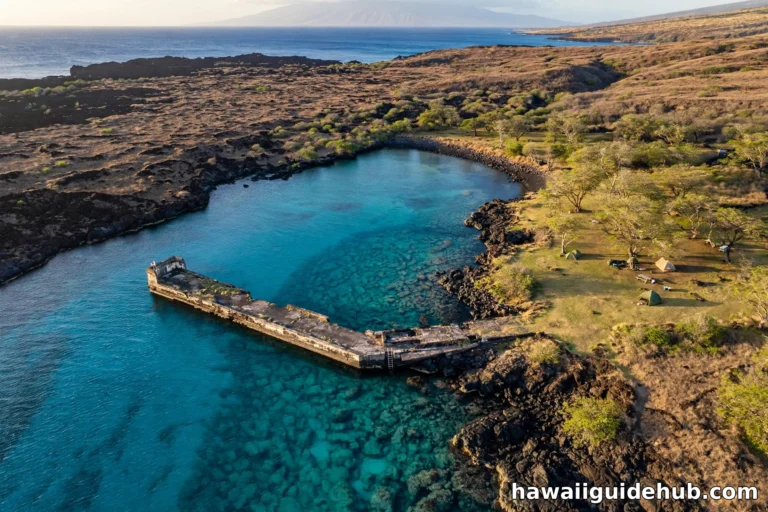
Pink Sand Beaches in Kona, Hawaii? (Honest Guide + Best Big Island Beaches)

Pink sand beaches in Kona, Hawaii: here is the honest truth. The Big Island has no true pink sand beach like the Bahamas: but several Kona and Kohala coast beaches blush pink at certain light, and the island’s white, black, and green sand beaches more than compensate. This guide tells you exactly where the pinkish hues are, which Big Island beaches are actually the best, and how to plan your beach days.
The Honest Truth About Pink Sand in Hawaii
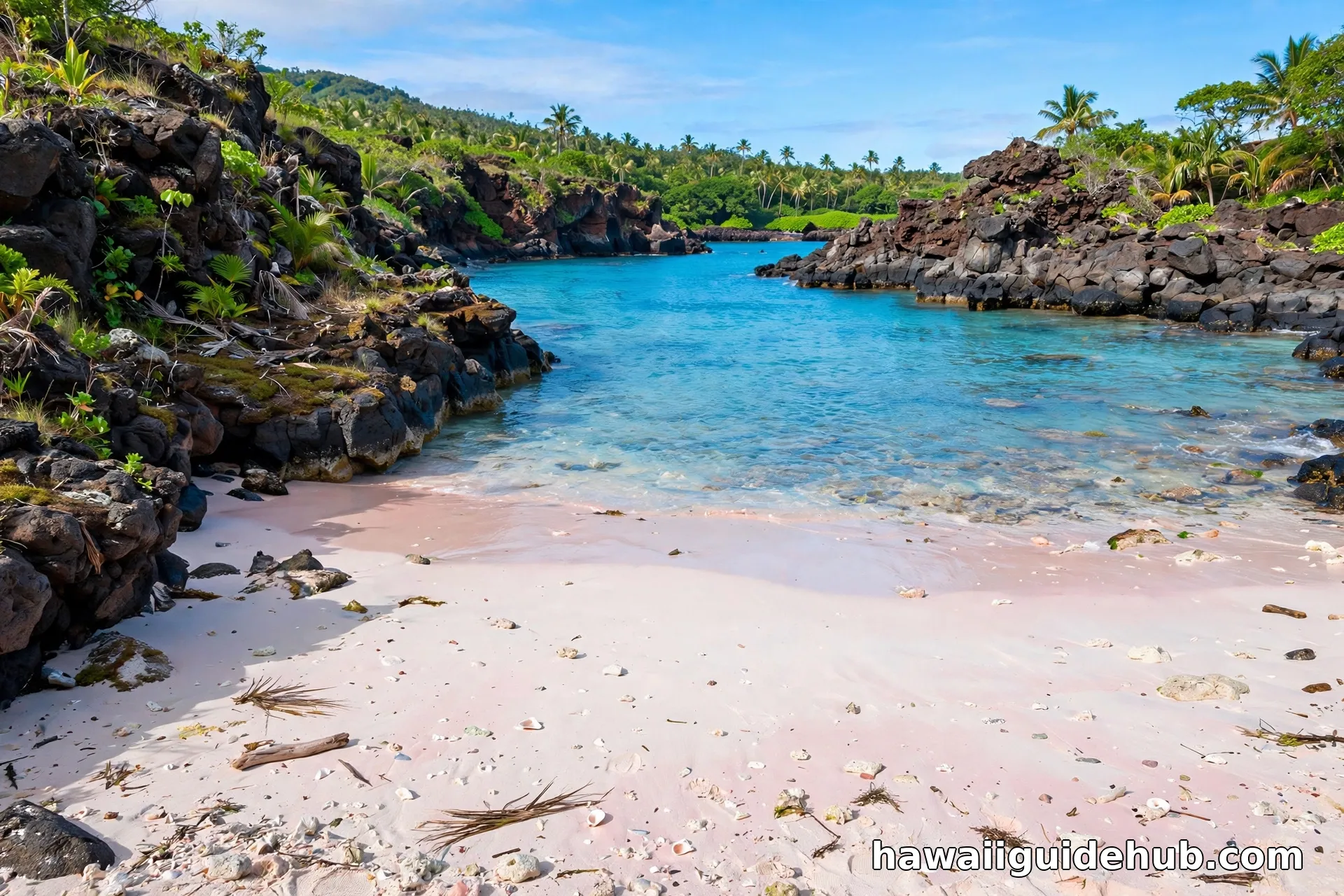
Hawaii’s only genuinely pink-hued sand beach is Kaihalulu (Red Sand Beach) on Maui: red cinder that reads pink in the right light. On the Big Island, there is no named pink sand beach. What you will find: Makalawena Beach’s sand carries a subtle pink tint from crushed coral and shells; Hāpuna’s white sand glows pink at sunrise and sunset; and several Kona coast coves show pinkish hues where coral fragments mix with volcanic sand. If someone promises you a Bahamas-style pink beach in Kona, they are overselling: but the real beaches here are spectacular on their own terms.
Big Island Beaches by Sand Color: What You’ll Actually Find
| Beach | Sand color | Why | Best for |
| Makalawena | White with pink tint | Crushed coral and shells | Seclusion, snorkeling |
| Hāpuna | White, pink at dawn/dusk | Coral sand; light play | Swimming, families |
| Mauna Kea Beach | White-gold | Coral and shell sand | Snorkeling, sunsets |
| Punaluʻu | Black | Ground lava | Turtles, photos |
| Papakōlea | Green | Olivine crystals | Bucket-list hike |
| Kua Bay | White | Coral sand | Swimming, sunsets |
The Big Island is the only island where you can visit white, black, and green sand beaches in a single trip: a better brag than any pink tint.
Makalawena Beach: The Pinkish One
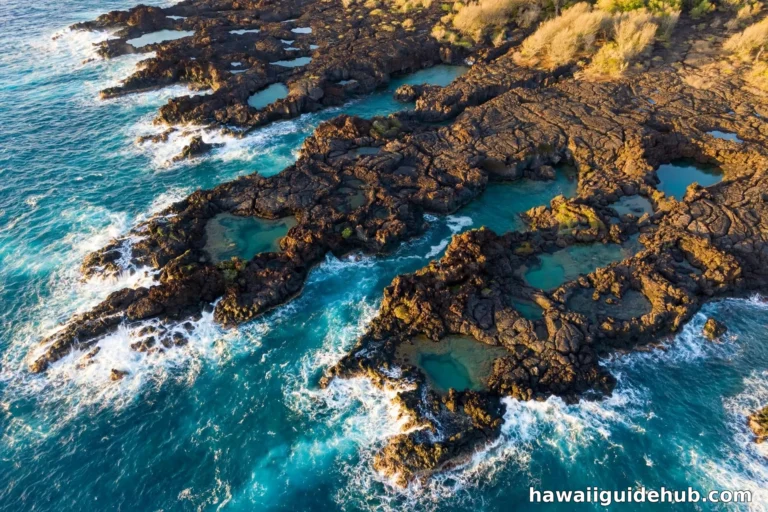
Makalawena, in Kekaha Kai State Park north of Kona, is the Big Island beach that comes closest to the pink-sand dream. A 20-30 minute hike across an ʻaʻā lava field (wear real shoes, bring water: there are no facilities) delivers you to soft sand with a genuine pinkish cast, turquoise water, and lava-rock snorkeling coves. Go on a weekday morning for near-solitude. The pink is subtle, not saturated: adjust expectations and you will love it.
Hāpuna Beach: The Best All-Arounder
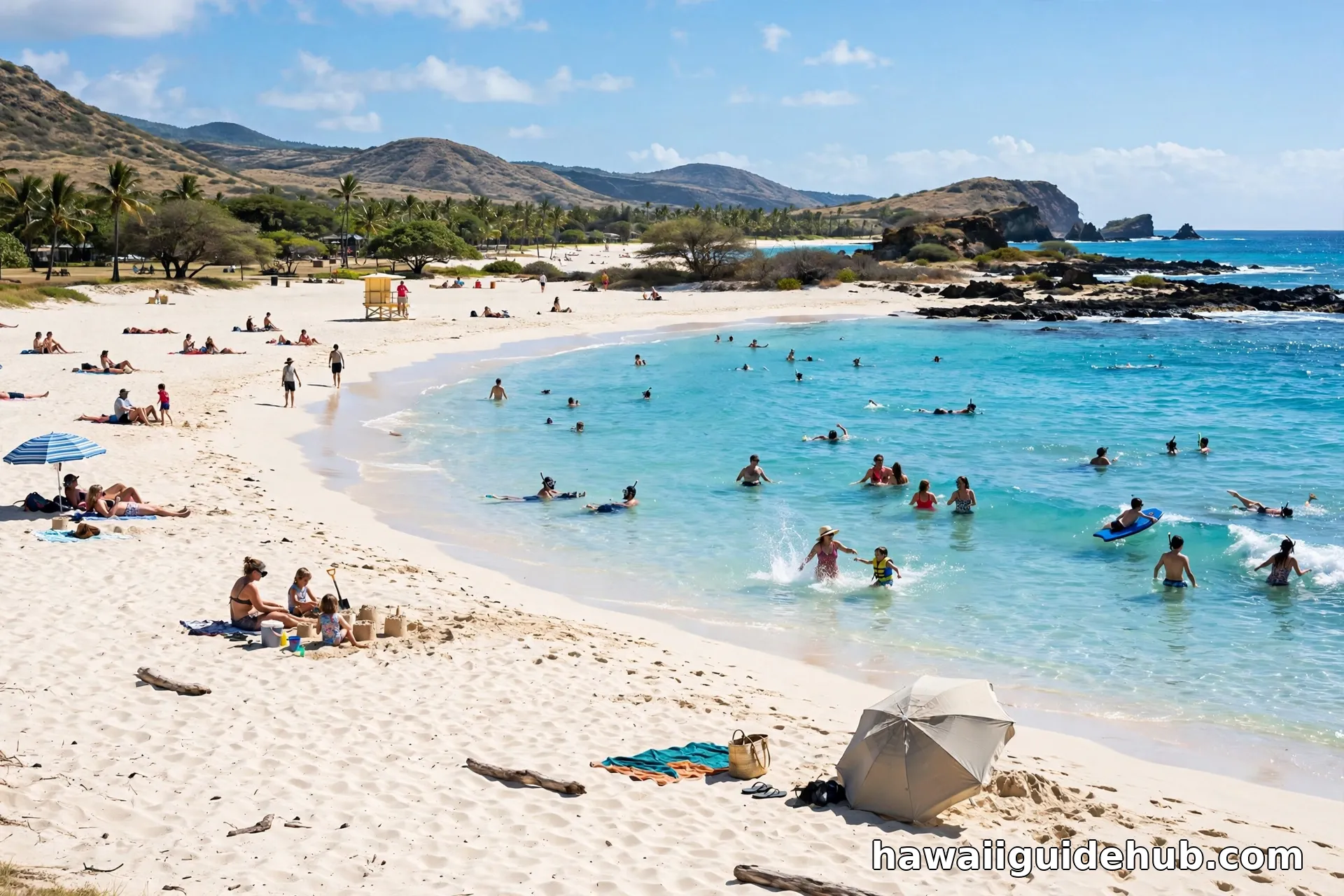
Hāpuna Beach State Recreation Area is the Big Island’s largest white sand beach: a half-mile of soft sand, lifeguards, restrooms, showers, and calm summer swimming. It has repeatedly been ranked among the world’s best beaches. Non-residents pay a small parking fee. Arrive before 10 AM for parking and shade; the sand glows faintly pink in the low light of early morning and late afternoon. For families, this is the pick.
Punaluʻu and Papakōlea: The Famous Oddities
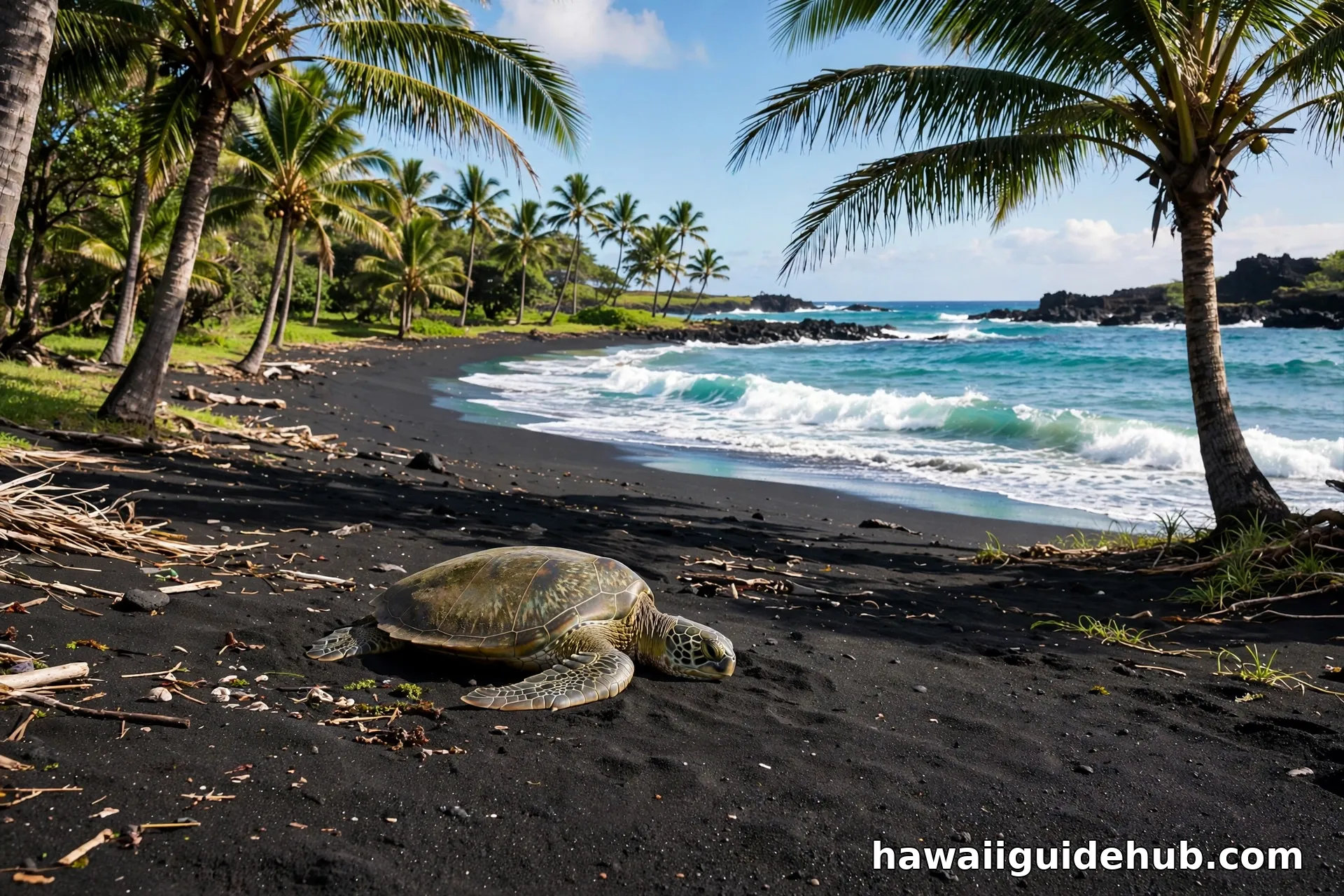
Punaluʻu Black Sand Beach, on the southeast coast, is the island’s most famous beach: jet-black sand from ground lava, basking green sea turtles (honu), and picnic palms. Swimming is rough: come for the spectacle. Papakōlea Green Sand Beach, near South Point, is one of only four green sand beaches in the world: olivine crystals from an ancient cinder cone. The hike is 2.5 miles each way across exposed terrain: bring more water than you think you need. Both are better as experiences than as swim spots.
Kua Bay and Mauna Kea Beach
Maniniʻowali Beach (Kua Bay), in Kekaha Kai State Park, is the locals’ favorite: white sand, turquoise water, excellent sunset views, and a short walk from the parking area. It can get crowded on weekends: go early. Mauna Kea Beach (Kaunaʻoa Bay), fronting the famous hotel, limits public parking (a small lot, first-come): arrive before 8 AM or try another day. The reward is one of the island’s best snorkeling beaches, with a sandy entry and a resident manta ray that sometimes visits at night. Both have restrooms; neither has lifeguards at all times: check conditions.
Snorkeling the Kona Coast Beaches
The Kona coast’s leeward calm makes it the island’s snorkeling capital. Makalawena’s lava coves hide turtles and reef fish. Mauna Kea Bay’s reef is beginner-friendly. Two Step (Honaunau Bay), south of Kona, is the shore-diving mecca: no sand, just lava steps into aquarium water. Kahaluʻu Beach Park in Keauhou is the easiest turtle snorkel on the island: shallow, protected, lifeguarded. Bring your own gear or rent in Kona town: and for the ultimate night experience, the manta ray night snorkel is the single most memorable thing you can do in Kona.
Beach Safety: Read This First
Big Island beaches demand respect. Winter swells (October-March) make north and west-facing beaches dangerous: never turn your back on the ocean. Black sand beaches like Punaluʻu have powerful shorebreak: wading is enough. Green sand Papakōlea’s surf is rough: do not swim there. Check the daily surf forecast; swim only at lifeguarded beaches if you are not a strong swimmer; and never snorkel alone. The ocean here is not a swimming pool: it is the wild Pacific, and it deserves your full attention.
Kona Coast vs. Kohala Coast: Know the Difference
Visitors say “Kona beaches” loosely, but two coasts are involved. The Kona coast (Kailua-Kona southward) is volcanic shoreline: small pocket beaches, great snorkeling, rocky entries. The Kohala coast (north of the airport) is the beach coast: Hāpuna, Mauna Kea Beach, Anaehoʻomalu Bay, the island’s best swimming strands. If your priority is lying on sand, base north. If your priority is snorkeling and Kona town’s restaurants, base in Kona. The drive between them is 30-45 minutes: easy to sample both.
More Beaches Worth Your Time
Anaehoʻomalu Bay (A-Bay), fronting the Waikoloa resorts, is the most accessible nice beach on the Kohala coast: calm water, palm shade, restaurants nearby. Spencer Beach Park, near Kawaihae, is the family pick: lifeguards, shade, calm water, camping. Waialea Bay (Beach 69), beloved by locals, offers shade and snorkeling without the Hāpuna crowds. Honokaʻope Bay (49 Black Sand Beach), tucked by the Mauna Lani resort, mixes black and white sand in one small cove: arrive early, as public parking is limited.
Beach Etiquette on the Big Island
Give basking honu (turtles) and monk seals at least 10 feet, ideally 50: it is federal law for seals. Never take sand, shells, or rocks: it is illegal in state parks and bad karma everywhere. Pack out all trash, including fruit peels. Keep noise down at residential beaches. Respect kapu (forbidden) signs: they mark sacred or dangerous areas. And at Makalawena and other remote beaches, leave no trace: the reason they are pristine is that visitors keep them that way.
Photographing the Pink Hues
The pink tints photograph best in the golden hour: the hour after sunrise and before sunset, when warm light amplifies the coral hues. Overcast midday flattens them. Get low: a low angle across wet sand shows the color best. Include turquoise water in the frame for contrast. And be honest in your captions: “subtle pink tint at Makalawena” beats “PINK SAND BEACH!!!” every time. Your followers will thank you, and so will the next traveler.
Video: Top 30 Big Island Beaches
Thirty beaches ranked, from Kona to the southern point.
Frequently Asked Questions
Is there a pink sand beach in Kona, Hawaii?
No true pink sand beach: but Makalawena’s sand has a subtle pink tint, and Hāpuna glows pink at dawn and dusk.
Where is the pink sand beach in Hawaii?
Kaihalulu (Red Sand Beach) on Maui is the closest: red cinder sand that reads pink. It requires a sketchy hike and is not for swimming.
What are the best beaches on the Big Island?
Hāpuna for swimming, Makalawena for seclusion, Mauna Kea Beach for snorkeling, Punaluʻu for black sand and turtles, Papakōlea for green sand.
Does the Big Island have white sand beaches?
Yes: Hāpuna, Mauna Kea Beach, Kua Bay, and Makalawena are all white or white-gold coral sand.
Is Makalawena Beach hard to reach?
Moderately: a 20-30 minute hike over sharp lava with no shade or water. Wear closed shoes and bring supplies.
When to Go: Seasons and Surf
Summer (May-September) is beach prime time on the Kona/Kohala coast: calm water, the best swimming and snorkeling. Winter brings northwest swells: great for watching surfers at the right spots, bad for casual swimming on exposed beaches. Mornings are calmest everywhere: the trade winds pick up by afternoon. Whale season (December-April) adds breaching humpbacks to the view from any west-facing beach. There is no bad month: just match the beach to the season.
What to Pack for Big Island Beaches
Reef-safe sunscreen (Hawaii law bans oxybenzone and octinoxate), rash guard, and hat: the equatorial sun is brutal. Water shoes for lava-rock entries at Makalawena and Two Step. Snorkel gear: buy a decent set at home rather than renting daily. Twice the water you think you need for hikes to Makalawena and Papakōlea. A dry bag for the phone. And cash for parking fees at state beaches: Hāpuna charges non-residents for parking. For the rest of your Kona days, the best things to do in Kona fills the non-beach hours.
Can you swim at Punaluʻu Black Sand Beach?
Wading yes, swimming cautiously: the shorebreak is powerful and there are no lifeguards. Most visitors come for turtles and photos.
How long is the hike to Papakōlea Green Sand Beach?
About 2.5 miles each way across hot, exposed terrain: 45-60 minutes each way. Bring lots of water and sun protection.
The Science of the Sand Colors
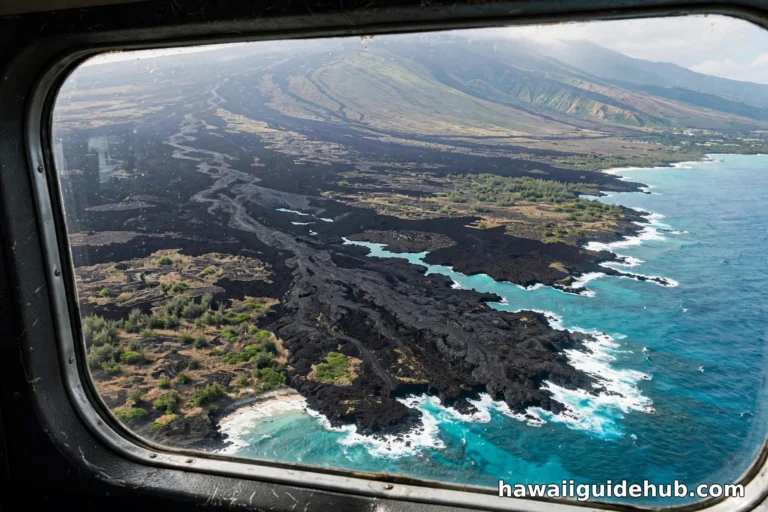
Every sand color on the Big Island has a recipe. White sand: parrotfish poop and ground coral, mostly: a single parrotfish can produce hundreds of pounds of sand per year. Pink tint: white coral sand mixed with reddish fragments of foraminifera shells and coral. Black sand: lava shattered by waves, ground fine. Green sand: olivine crystals, denser than the ash around them, left behind as the lighter material washes away. The Big Island is young, so its beaches are still being manufactured in real time: the sand factory is open.
A Perfect 3-Day Beach Itinerary
Day 1 (Kohala): morning at Hāpuna for swimming, afternoon at Mauna Kea Beach for snorkeling, sunset at Kua Bay. Day 2 (Kona): morning hike to Makalawena for the pinkish sand and solitude, afternoon snorkel at Two Step, evening manta ray night snorkel. Day 3 (South): morning at Punaluʻu for black sand and turtles, afternoon hike to Papakōlea green sand beach. Three days, three sand colors, zero repetition: the Big Island’s beaches are a complete education in coastal geology.
Any Other Pinkish Spots?
Beyond Makalawena and Hāpuna’s golden hours, watch for pinkish patches at secluded Kona coast coves after storms wash fresh coral fragments ashore: the color comes and goes with the surf. Some snorkelers report pinkish sand ripples at Kealakekua Bay in the right light. But manage expectations: these are accents, not attractions. The Big Island’s honest palette is white, black, and green: and that palette beats a manufactured pink beach anywhere.
Kekaha Kai State Park: Three Beaches, One Hike
Makalawena sits inside Kekaha Kai State Park, a 1,600-acre coastal wilderness with three distinct beaches. Mahaiʻula Bay to the south: the easiest to reach, with a rough road and small beach. Makalawena in the middle: the pinkish showpiece, reached only on foot. Maniniʻowali (Kua Bay) to the north: the drive-up favorite. The park also protects anchialine ponds: rare brackish pools with tiny red shrimp (ʻōpae ʻula, now the state shrimp). Visit all three in one well-planned trip and you will understand exactly why this rugged stretch of Kona coast remains the Big Island’s worst-kept secret among seasoned travelers who truly know exactly where to look for it on the map long before they ever happily book that direct flight to the beautiful Kona International Airport in Hawaii.
Skip the pink-sand myth and take the real Big Island instead: white sand that blushes at sunset, black sand with turtles, and green sand you can only find in four places on Earth. For the island’s full playbook, see the best things to do on the Big Island.