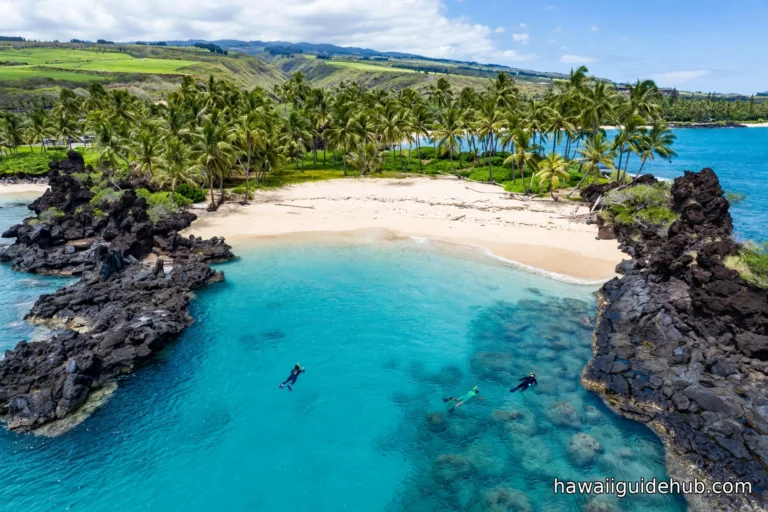
The Perfect 7-Day Maui Itinerary

Seven days on Maui is the sweet spot. It is enough time for the Road to Hana, a Haleakalā sunrise, world-class snorkeling, and slow beach mornings, without rushing a single day. This 7-day Maui itinerary is built around one home base in West Maui, with each day planned to balance driving, adventure, and rest.
Below you will find the full day-by-day plan, the reservations you must book in advance, where to stay, how the driving breaks down, and practical tips. If you searched for maui itinerary 7 days or 7 day Maui itinerary, this is the complete plan in one place.
How to Use This Itinerary
This plan assumes you land in the afternoon on Day 1 and leave in the afternoon on Day 7. It puts the two big driving days, the Road to Hana and Haleakalā, in the middle of the week with a rest day between them. If your flight times differ, shift the whole plan: the order matters more than the day numbers. Keep Day 3 (Hana) and Day 5 (Haleakalā) separated by the rest day, and do Hana early in the trip while your energy is high. Everything here is written for first-time visitors, but repeat visitors will find the pacing works just as well as a framework to build on.
Your 7 Days at a Glance
| Day | The plan | Behind the wheel | Why it sits here |
| Day 1 | Arrive Kahului, settle in Kāʻanapali, sunset at Black Rock | ~1 hour | Land, unpack, watch the sun drop; nothing ambitious on arrival day |
| Day 2 | West Maui snorkeling: Honolua Bay, Kapalua, Nakalele Blowhole | ~2 hours | Your base’s backyard first, while energy is high |
| Day 3 | Road to Hana: waterfalls, black sand beach, Pīpīwai Trail | ~5 hours | The big drive day, done once and early, on fresh legs |
| Day 4 | Rest day: South Maui beaches, Wailea, Mākena | ~1 hour | Recovery by design, the morning after Hana |
| Day 5 | Haleakalā sunrise, Upcountry: Makawao, lavender farm | ~4 hours | The early alarm, saved for mid-trip when you are acclimated |
| Day 6 | ʻĪao Valley, Paia town, Hoʻokipa Beach turtles | ~2 hours | Central Maui sights; an easy day before departure |
| Day 7 | Last beach morning, depart from Kahului | ~1 hour | Nothing scheduled that a flight delay could break |
Where to Stay: One Home Base
For seven days, one home base beats island-hopping between hotels. Kāʻanapali on West Maui is the best all-around choice: a great beach, sunset views, restaurants, and reasonable drives to everywhere on this itinerary. Kihei and Wailea in South Maui are strong alternatives with calmer mornings and excellent beaches. Book a rental car. Maui is not an island you can do well by shuttle, and every day on this plan assumes you are driving.
Reservations to Book Before You Go
- Haleakalā sunrise: required for entry between 3 AM and 7 AM. Book on Recreation.gov exactly 60 days ahead at 7 AM Hawaii time ($1 per vehicle plus the $30 park entrance). A second batch opens 48 hours ahead. Sunset needs no reservation.
- Waiʻānapanapa State Park: required for the black sand beach on the Road to Hana. Book up to 30 days ahead; no same-day bookings.
- ʻĪao Valley State Monument: entry and parking reservations open 30 days ahead.
- Mama’s Fish House: if it is on your list, book up to 18 months ahead. It is that popular.
Day 1: Arrive and Settle In
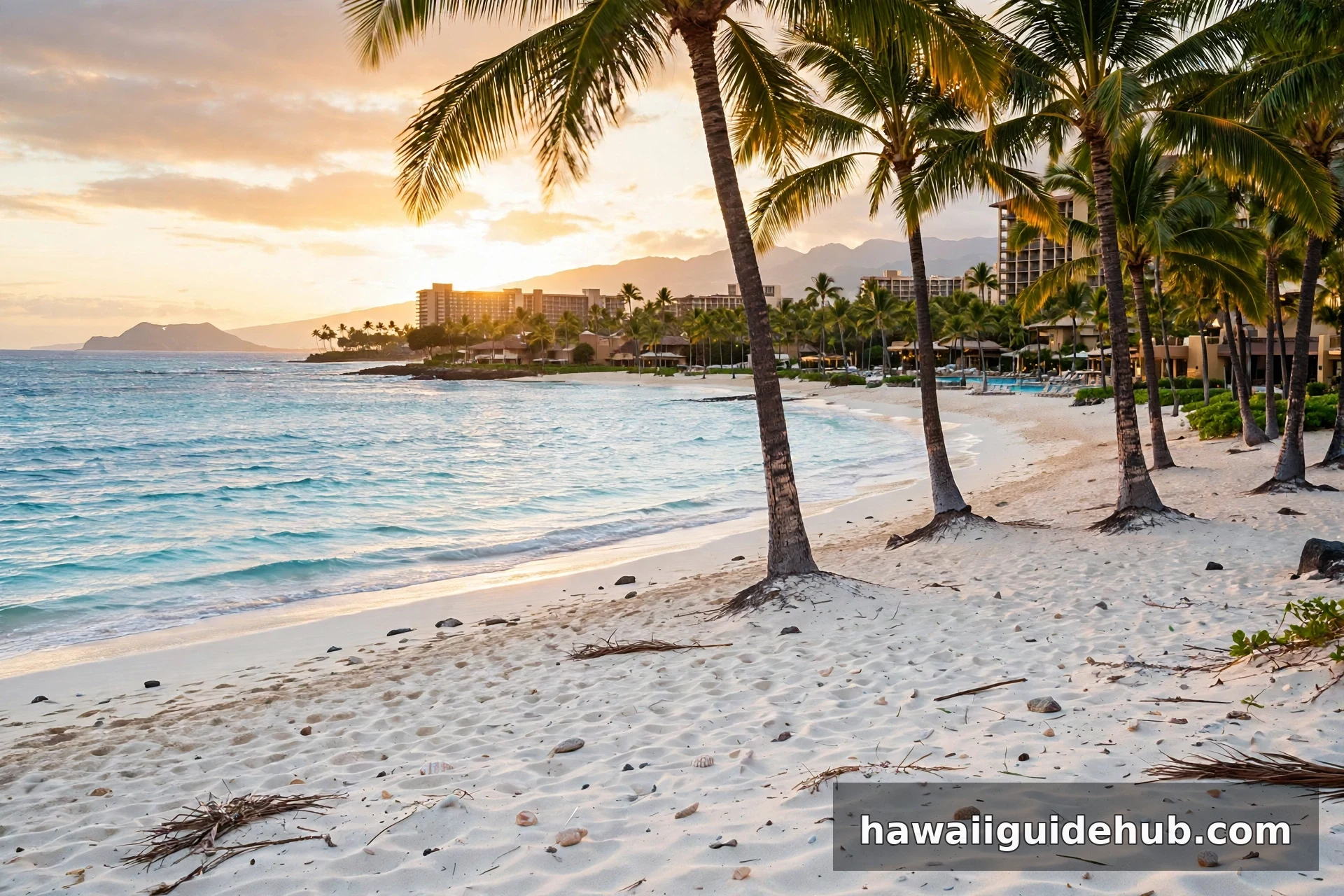
Land at Kahului Airport, pick up your rental car, and stock up on groceries and beach supplies. The drive to Kāʻanapali takes about 45 minutes. Check in, get into the ocean before sunset, and walk the Kāʻanapali beach path. End the day at Black Rock, Puʻu Kekaʻa, where the cliff diving ceremony at sunset is a nightly tradition. Dinner somewhere casual. You will want an early night, because the week ahead has early mornings.
Arrival tip: grocery prices on Maui are noticeably higher than the mainland, but a big shop on Day 1 still saves a lot over eating every meal out. Grab breakfast supplies, snacks for the Hana drive, reef-safe sunscreen, and a cheap cooler. If you land early enough, the 45-minute drive to West Maui passes through Wailuku and Lahaina, and a quick stop for poke to eat at the beach is a fine way to start the trip.
Day 2: West Maui Snorkeling
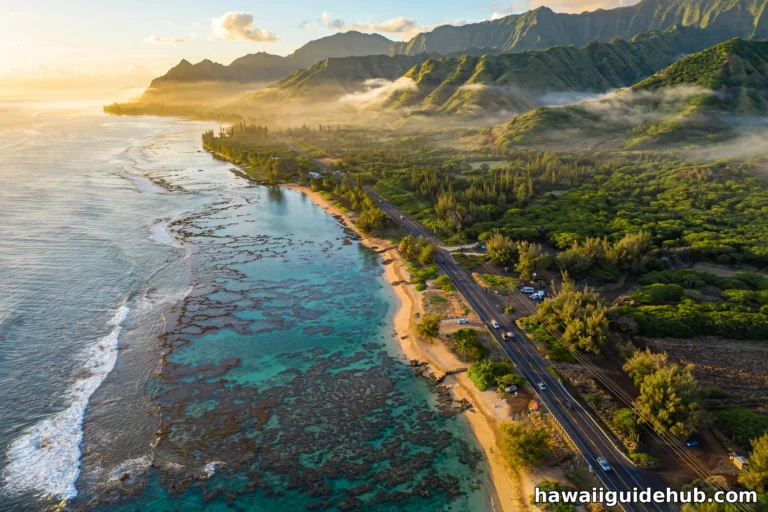
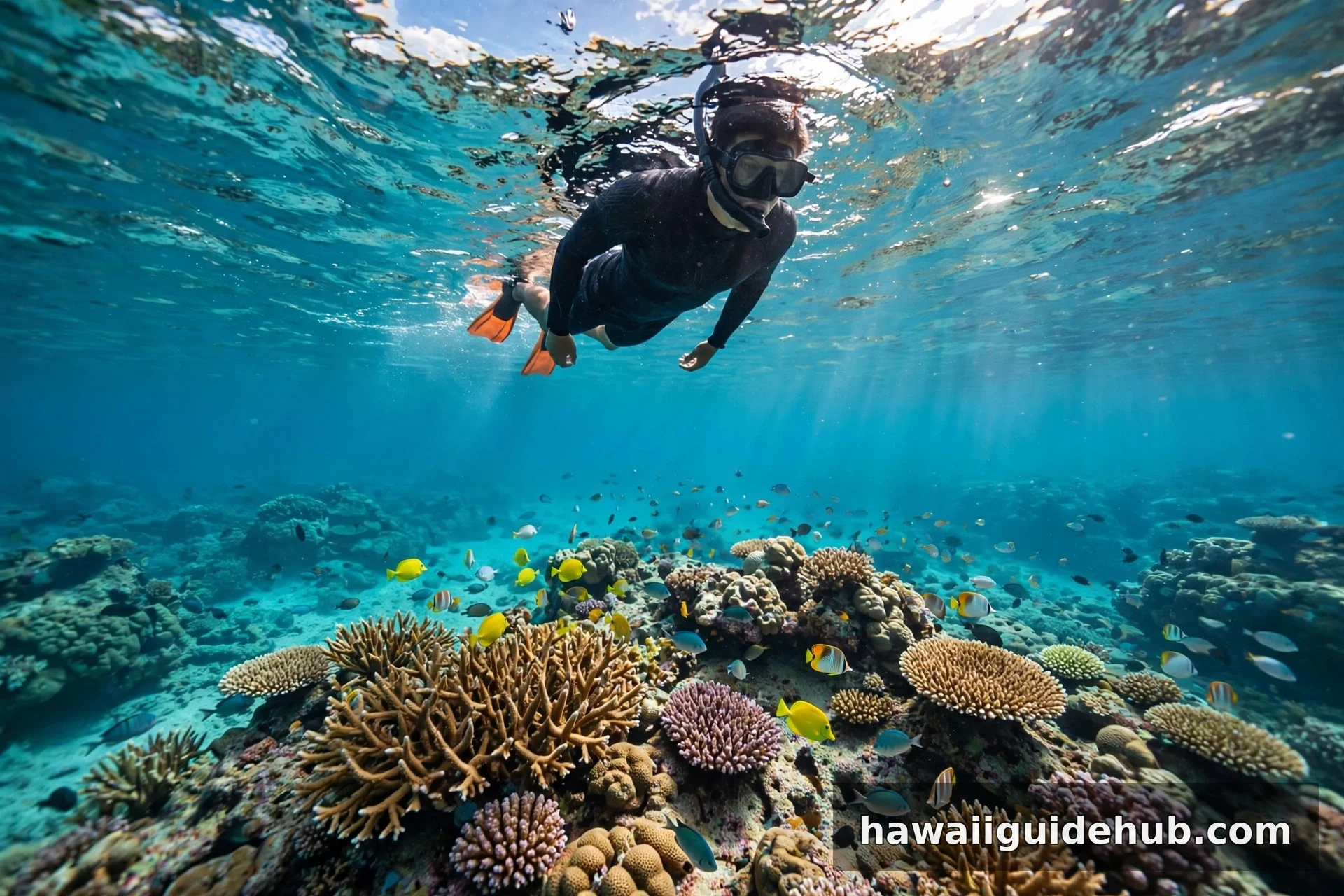
Head north along the West Maui coast. Honolua Bay is the island’s best shore snorkeling when the surf is down: a protected cove with coral gardens and clouds of reef fish. Kapalua Bay is calmer and better for beginners. Between them, stop at the Nakalele Blowhole and the otherworldly Dragon’s Teeth lava formations. This is a flexible day: snorkel in the morning when the water is calmest, beach in the afternoon. For more on planning active days, see our guide to outdoor adventures in Hawaii.
Honolua Bay deserves a slow morning. Park at the top of the hill and walk the 10-minute trail down through the forest to the rocky shoreline; there is no sand, you enter from the rocks, and the reef starts almost immediately. Mornings are calmest, and winter swells can close the bay to snorkeling entirely, so check conditions. If the surf is up, Kapalua Bay just south is the safer backup. Rinse off, grab lunch in Kapalua or Napili, and spend the afternoon at Napili Bay, a gentle crescent that is one of Maui’s best swimming beaches.
Day 3: The Road to Hana
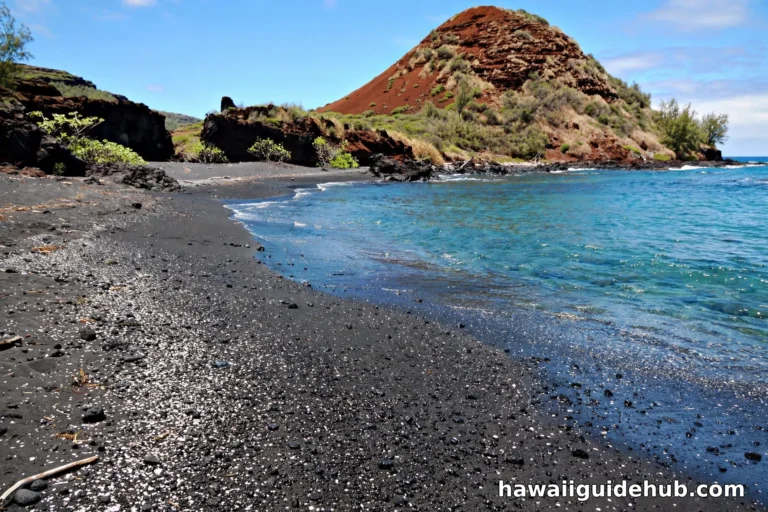
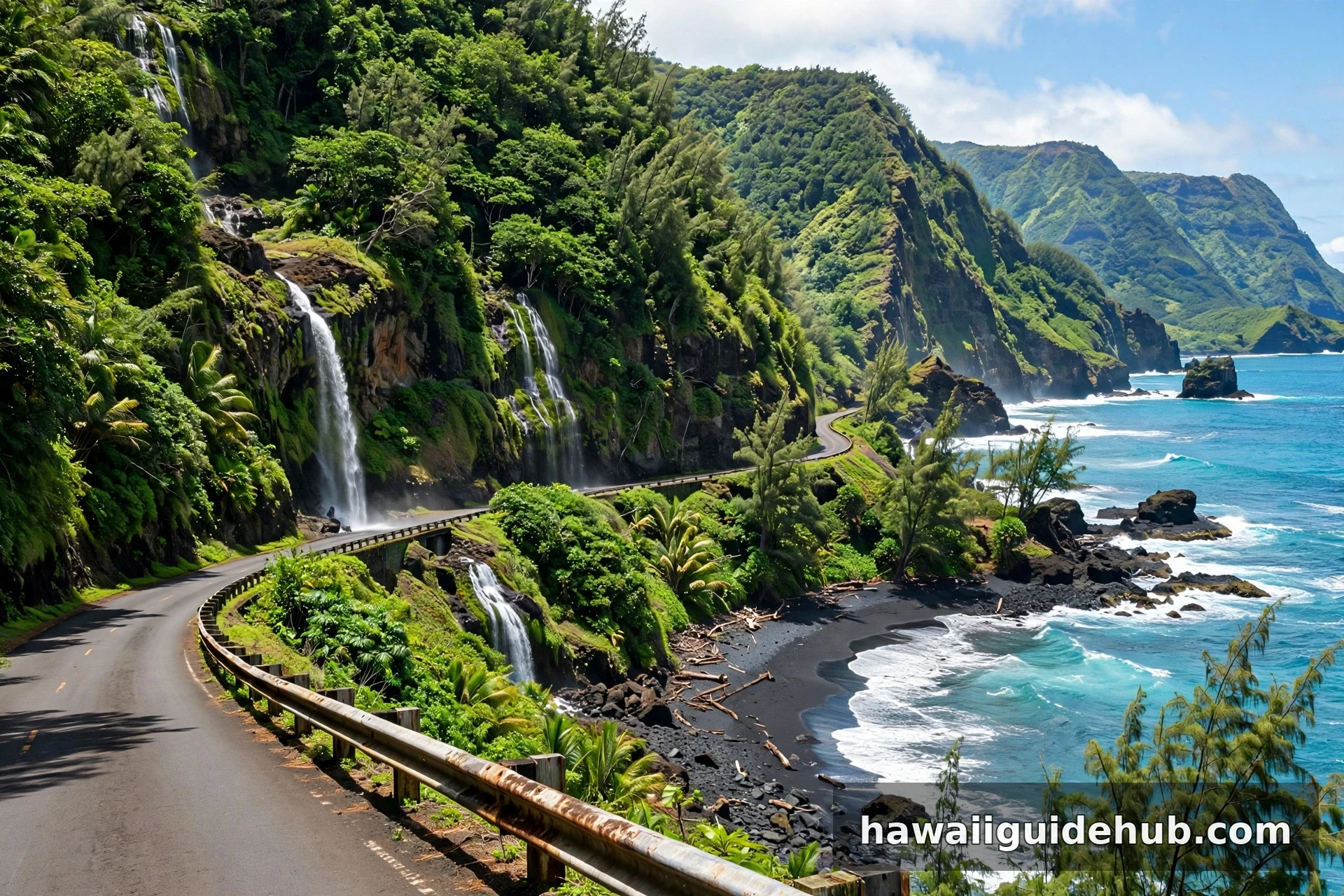
The big driving day. Leave by 7 AM. The Road to Hana is 64 miles of winding rainforest highway with over 600 curves and 50-plus one-lane bridges, and the drive itself is the destination. Key stops: the Keʻanae Peninsula, Waiʻānapanapa State Park’s black sand beach (timed reservation required), and the Pīpīwai Trail past Hana, a 4-mile round trip through bamboo forest to the 400-foot Waimoku Falls. Pack food, water, and patience. Do not try to rush it, and start back with plenty of daylight. It is a long day, but it is the day you will talk about for years.
A few Hana rules that make the day work: the driver cannot sightsee, so take turns or accept that the passenger gets the views. Pull over for faster locals; they drive this road daily. Do not stop on the bridges. Bring cash for the roadside banana bread stands, which are a legitimate highlight. If you booked a Waiʻānapanapa time slot, plan the whole day around it, since entry is strictly by reservation window. And fill the gas tank in Paia or Kahului before you leave; there are no gas stations past Hana town.
Day 4: Rest Day in South Maui
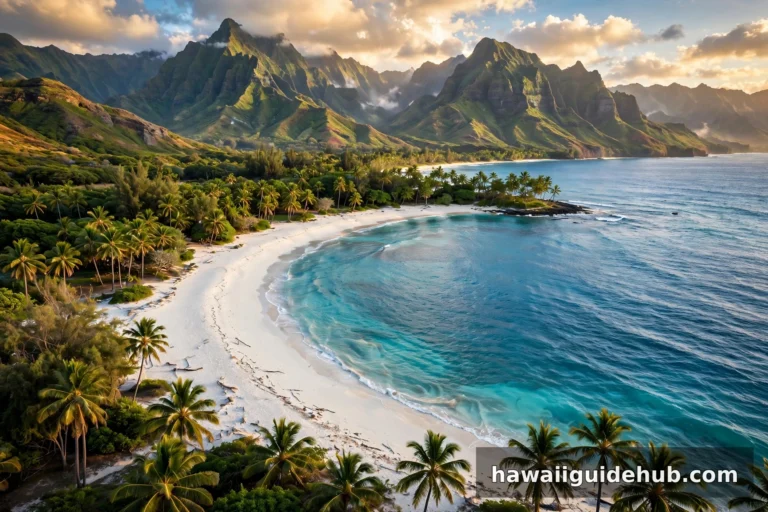
After Hana, you have earned a slow day. Head to South Maui: Wailea Beach, Ulua Beach, and the big, beautiful Mākena Beach (Big Beach). The mornings are calmest for swimming. Walk the Wailea Beach Path, grab shave ice, and do nothing ambitious. A rest day in the middle of the week keeps the second half fresh instead of exhausting.
Big Beach deserves the warning it always gets: the shore break is powerful and has injured swimmers. Swim inside the flags, stay in shallow water if you are not confident, and never turn your back on the waves. Little Beach, just over the rocks to the north, is calmer but clothing-optional on Sundays. If you prefer guaranteed calm, the Wailea beaches and Ulua have gentler entries and lifeguards. End the day with sunset at Keawakapu Beach in Kihei, where the light hits the West Maui Mountains.
Day 5: Haleakalā Sunrise and Upcountry
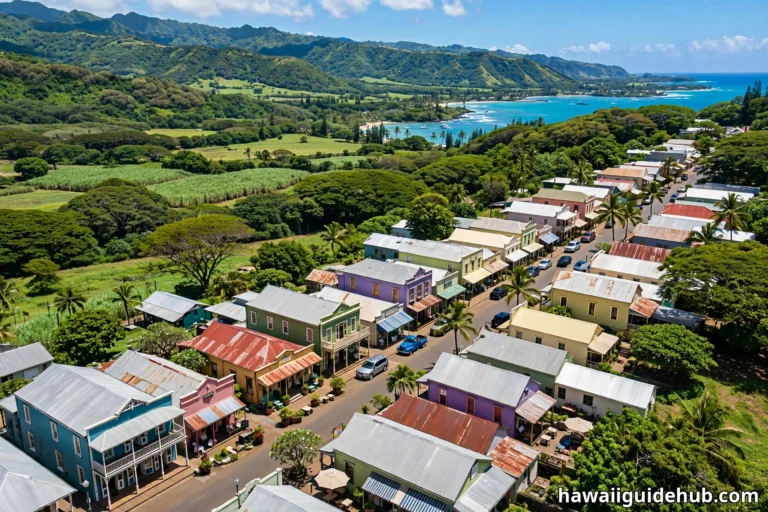
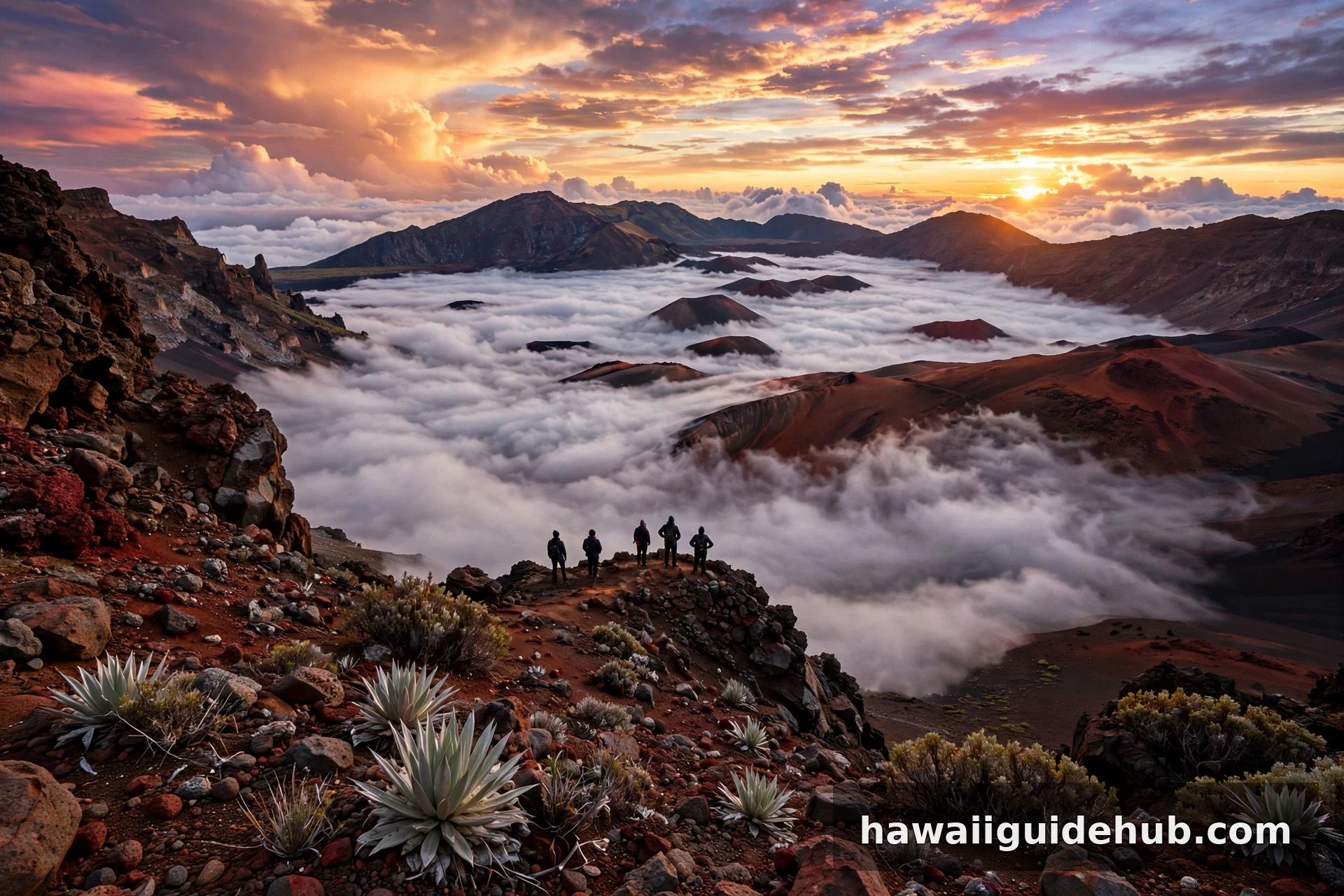
The earliest morning of the trip. Leave around 3 AM for the summit of Haleakalā, 10,023 feet above the clouds. Bring warm layers, a hat, and gloves: it can be near freezing at the top. Watch the sun rise over the crater, then explore the summit area. On the way down, stop in Upcountry Maui: the Aliʻi Kula Lavender Farm, the paniolo town of Makawao with its shops and galleries, and a farm-to-table lunch. You will be back at the beach by mid-afternoon for a nap.
The drive up takes about two hours from Kāʻanapali, and you want to arrive at the summit at least 30 minutes before sunrise for a parking spot and a good viewpoint. The Puʻu ʻUlaʻula Overlook near the visitor center fills first; Leleiwi Overlook, a few miles down, is quieter. After sunrise, the Sliding Sands Trail drops into the crater for otherworldly hiking if your legs are up for it, even a short section is worth it. Upcountry runs 10 to 15 degrees cooler than the coast, which feels wonderful after the summit cold. Makawao’s boutiques and the lavender farm’s scones make the descent feel like a second day.
Day 6: ʻĪao Valley, Paia, and Turtles
Drive to ʻĪao Valley State Monument in central Maui, where the emerald Kukaʻemoku (ʻĪao Needle) rises 1,200 feet from the valley floor. The paved walk is short and the scenery is some of the greenest on the island; you need an entry reservation. Then head to Paia, the north shore surf town, for lunch and browsing. Finish at Hoʻokipa Beach Park, where Hawaiian green sea turtles haul out on the sand in the late afternoon and windsurfers fly off the waves. It is one of the best turtle-watching spots in Hawaiʻi.
ʻĪao Valley is sacred ground: the 1790 Battle of Kepaniwai was fought here, and the valley holds deep cultural significance. Stay on the paths, do not enter the stream, and treat it with the respect it deserves. In Paia, the Fish Market is the classic lunch stop, and the boutiques are worth an hour. At Hoʻokipa, give the turtles space: federal law requires staying at least 10 feet away, and the volunteers with the red shirts will remind you. Late afternoon is when the turtles come ashore to rest, so time your visit for after 3 PM.
If you are deciding how Maui fits into a bigger Hawaii trip, our guide to the best island in Hawaii for first time visitors puts the islands side by side.
Day 7: One Last Morning
Keep it simple. A final swim at Kāʻanapali, a leisurely breakfast, and the 45-minute drive to Kahului Airport. If your flight is late, the Maui Tropical Plantation near the airport makes an easy last stop. Seven days, done right, leaves you feeling like you saw Maui rather than raced it.
What to Pack for the Week
- Warm layers: fleece, hat, and gloves for Haleakalā. You will laugh at yourself packing them for Hawaii until you are shivering at 10,000 feet.
- Reef-safe sunscreen: required by Hawaii law and genuinely better for the reefs you will be snorkeling.
- Water shoes: useful for Honolua Bay’s rocky entry and the Pīpīwai Trail’s stream crossings.
- A cooler and beach chairs: buy cheap ones on Day 1. Maui beach days are better with shade and cold drinks.
- Motion sickness remedy: the Road to Hana’s 600 curves get to plenty of people. Take it before you leave, not after you feel sick.
Video: 7 Days in Maui from Kāʻanapali
Watch a full 7-day Maui itinerary based in Kāʻanapali, covering beaches, snorkeling, Hana, ʻĪao Valley, and Haleakalā.
Frequently Asked Questions
Is 7 days enough for Maui?
Yes. Seven days covers Maui’s highlights, the Road to Hana, Haleakalā, top snorkeling, and beach time, with a rest day built in. It is the ideal length for a first visit.
Where should you stay for 7 days in Maui?
Kāʻanapali on West Maui is the best all-around base for a week, with good drives to every stop on this itinerary. Kihei and Wailea are excellent alternatives.
Do you need a rental car on Maui?
Yes. This itinerary and nearly everything worth doing on Maui requires driving. Book the rental car when you book flights.
What reservations do you need for Maui?
Haleakalā sunrise (60 days ahead on Recreation.gov), Waiʻānapanapa State Park (30 days ahead), and ʻĪao Valley State Monument (30 days ahead). Book all three before your trip.
Can you do the Road to Hana in one day?
Yes, and most visitors do. Leave by 7 AM, hit the key stops, and return by evening. It is a long day of driving, about 5 hours behind the wheel, so follow it with a rest day.
Is Haleakalā sunrise worth the early wake-up?
For most visitors, yes. Watching the sun rise above the clouds at 10,023 feet is unforgettable. If you cannot get a reservation or hate early mornings, sunset at the summit needs no reservation and is nearly as spectacular.
What is the best month to visit Maui?
April, May, September, and October offer the best balance of good weather, lower prices, and fewer crowds. Winter brings humpback whales (December to March) but also bigger surf and higher prices. Summer is reliably sunny and dry on the west and south shores.
How much does a week in Maui cost?
A mid-range week for two runs roughly $3,500 to $6,000 including flights, a condo or hotel, a rental car, food, and activities. Condos with kitchens, a Day 1 grocery run, and free activities like beaches and the Pīpīwai Trail keep costs down.
Seven days on Maui, planned this way, gives you the island’s greatest hits without the burnout: one epic drive, one epic sunrise, world-class water, and enough beach time to actually relax. Book the three reservations early, keep Day 4 slow, and let the island set the pace. For more trip ideas, explore our guide to Hawaii’s hidden gems.