One’uli Beach: Maui’s Black Sand Beach Near Kihei

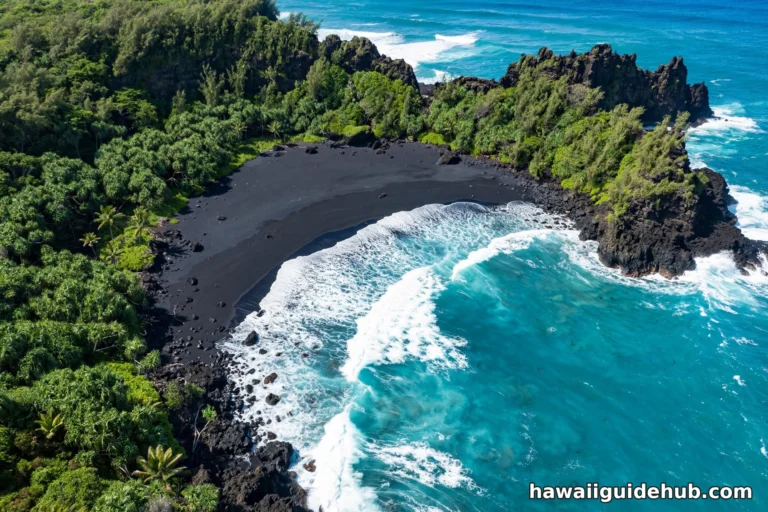
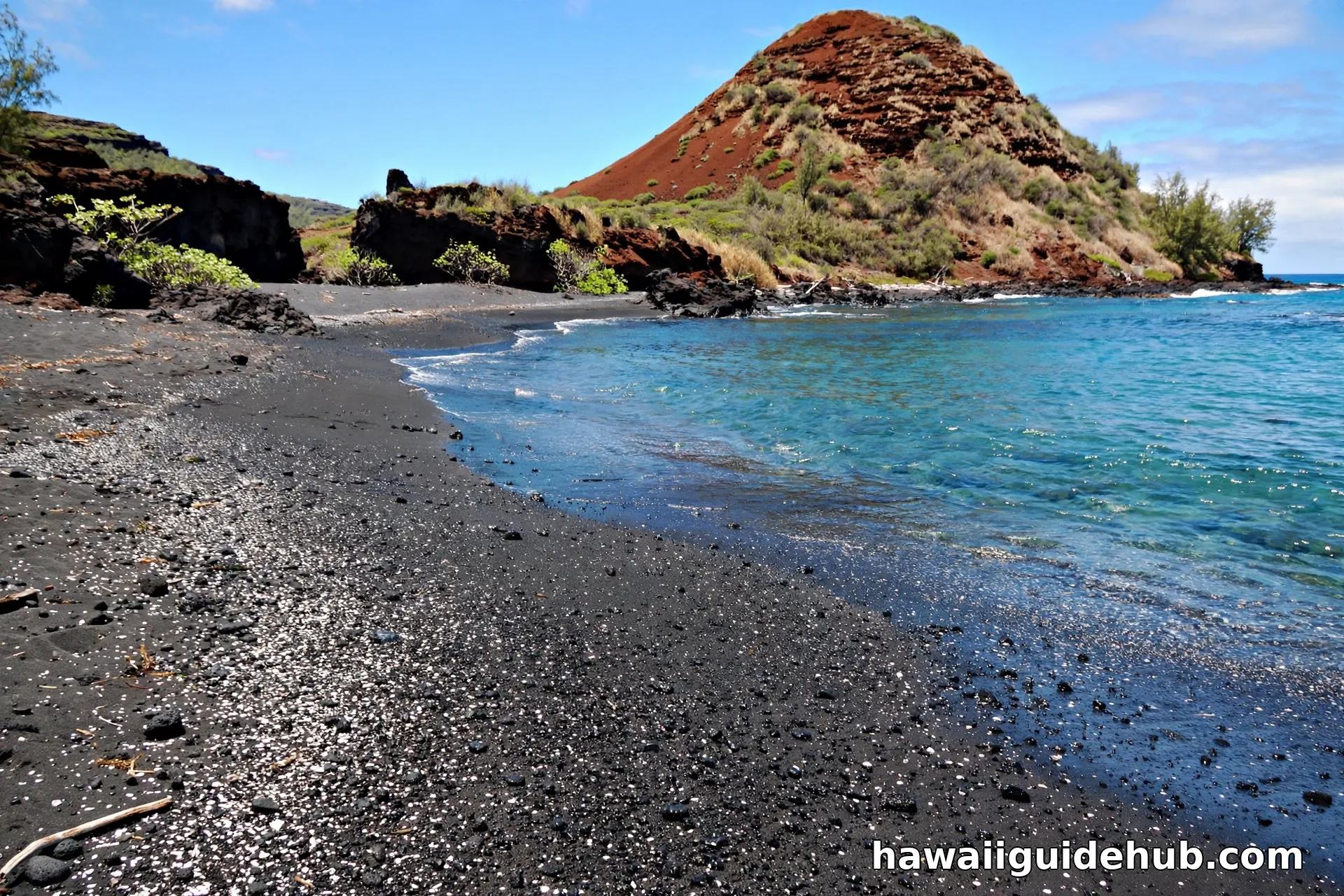
Most visitors to South Maui never find it, which is exactly the point. One’uli Beach, the black sand beach near Kihei at the north end of Makena State Park, trades golden sand for something stranger and more beautiful: dark volcanic sand poured from the Pu’u Ola’i cinder cone, lava rock tide pools, and some of the best snorkeling on Maui’s south shore. Locals call it One’uli, meaning “dark sands,” and it is one of the island’s great hidden beaches.
This is the single complete guide to the black sand beach near Kihei. It covers what One’uli Beach is and why the sand is black, where exactly to find it, how to get there, swimming and snorkeling conditions, what to bring, the turtles and wildlife rules, nearby beaches, safety, and answers to common questions. Everything about One’uli Beach and Makena’s black sand beach is answered on this one page.
One’uli Beach at a Glance
| What’s here | Black volcanic sand with white and red fragments (the salt-and-pepper look), ground down from the Pu’u Ola’i cinder cone; snorkeling, turtles, photography, room to breathe |
| What’s not here | No lifeguards; no facilities at the beach itself (one portable toilet at the lot); no entry fee listed, but the small dirt lot off Makena Road fills early |
| Names you’ll hear | One’uli Beach, also called Naupaka Beach or the Makena black sand beach; north end of Makena State Park, south of Kihei, Maui |
| Wildlife law | Stay 10 feet from sea turtles and 50 feet from Hawaiian monk seals |
Why the Sand Is Black
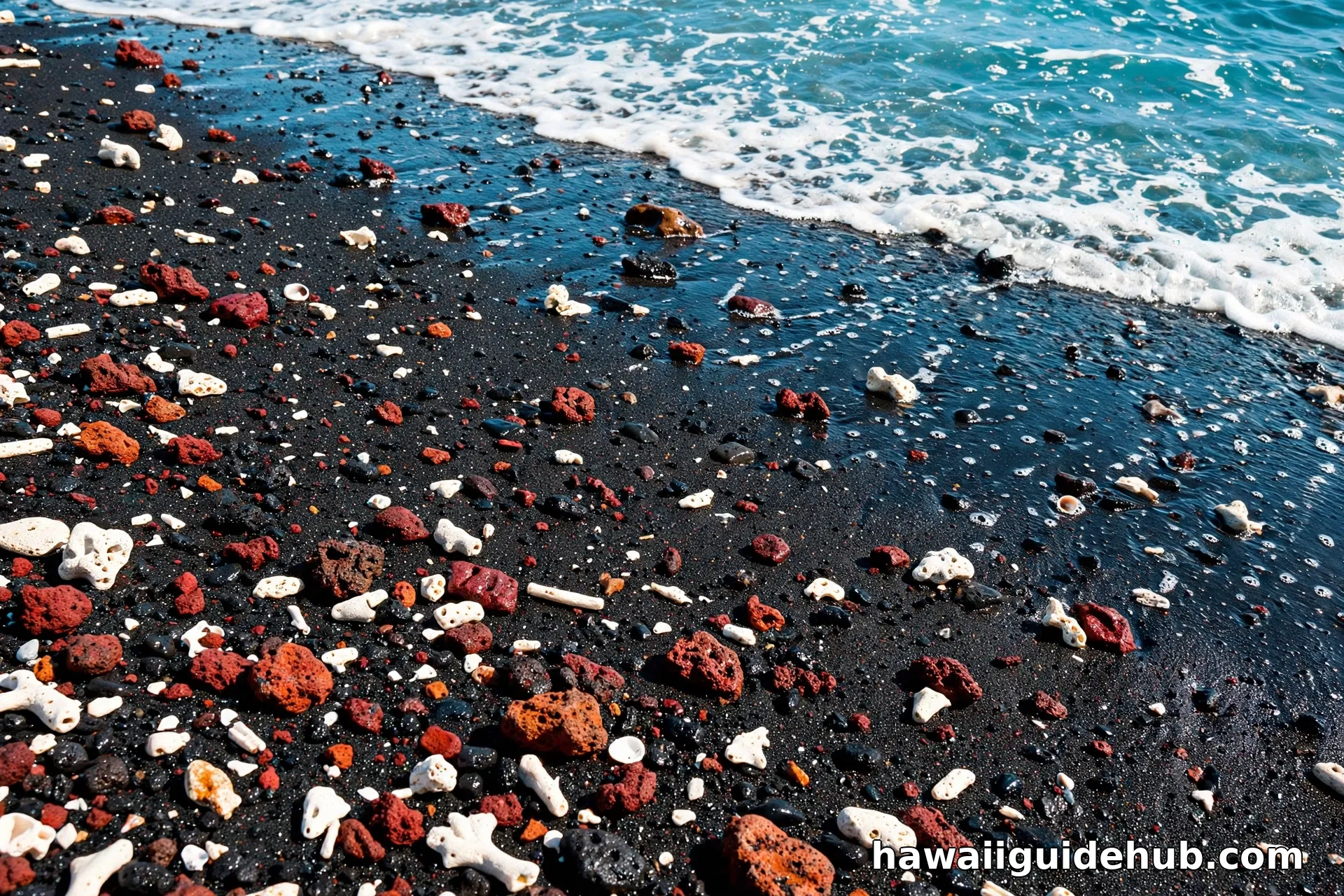
One’uli takes its name from the Hawaiian words for “dark sands,” and the name fits. The beach sits at the base of Pu’u Ola’i, a cinder cone left by a long-dead volcanic eruption. Centuries of waves have bashed the cone’s dark cinders into sand-sized bits, and the lava rock has mixed with marine calcium to give the beach its distinctive salt-and-pepper look: black sand scattered with white and red fragments. Up close it looks like seasoning spread across the shore.
The cinder cone itself is part of the show. You can see the gash in Pu’u Ola’i where the waves did their work, and with a little imagination you can picture the shattered lava sand pouring out of the cone onto the beach. It is geology you can hold in your hand.
You may also see the beach called Naupaka Beach, named for the naupaka shrubs that grow along this coast. The multiple names confuse visitors, but locals use them interchangeably: One’uli, Naupaka, and the Makena black sand beach all mean the same stretch of dark sand at the north end of the state park.
Where It Is and How to Get There
One’uli Beach sits about 11 miles south of Kihei, at the north end of Makena State Park on the Wailea side of the Pu’u Ola’i cinder cone. Take Highway 31 south out of Kihei; it becomes Makena Alanui Road and then Wailea Makena Road. Watch for a small dirt parking lot just north of Makena Beach (Big Beach), marked by yellow gates on the right if you are heading south. A short gravel road leads down to the shore.
The dirt lot is rough: crushed volcanic rock, bumpy and washed out in places. An economy rental car can handle it if you drive carefully, but take it slow. The lot is small, so arrive early, especially on weekends. There are no signs pointing to “black sand beach,” which is why most Big Beach visitors never find it.
A few driving tips: the road south from Kihei narrows past Wailea, so take it slow and watch for cyclists. If you reach the main Makena State Park entrance for Big Beach, you have gone too far; turn around and look for the dirt lot on the mauka (mountain) side. After rain, the dirt road can develop ruts, so a higher-clearance vehicle helps, though careful drivers manage in sedans. There is no cell issue here, but an offline map pin for “Oneuli Beach” saves circling.
Swimming and Snorkeling
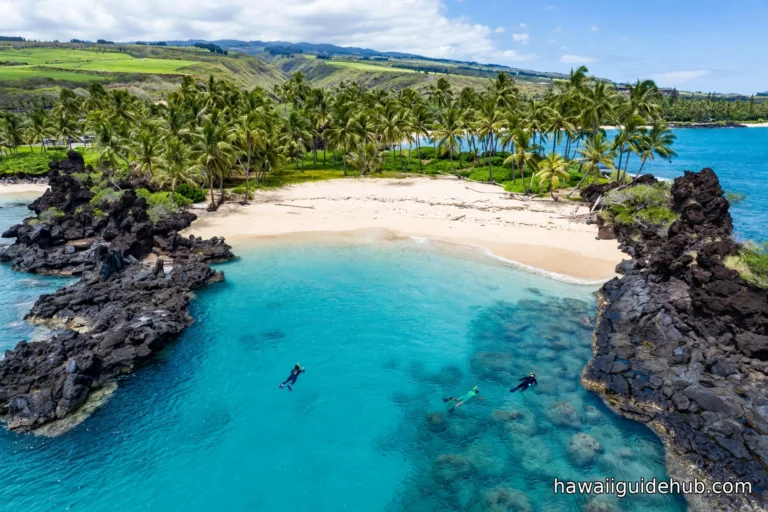
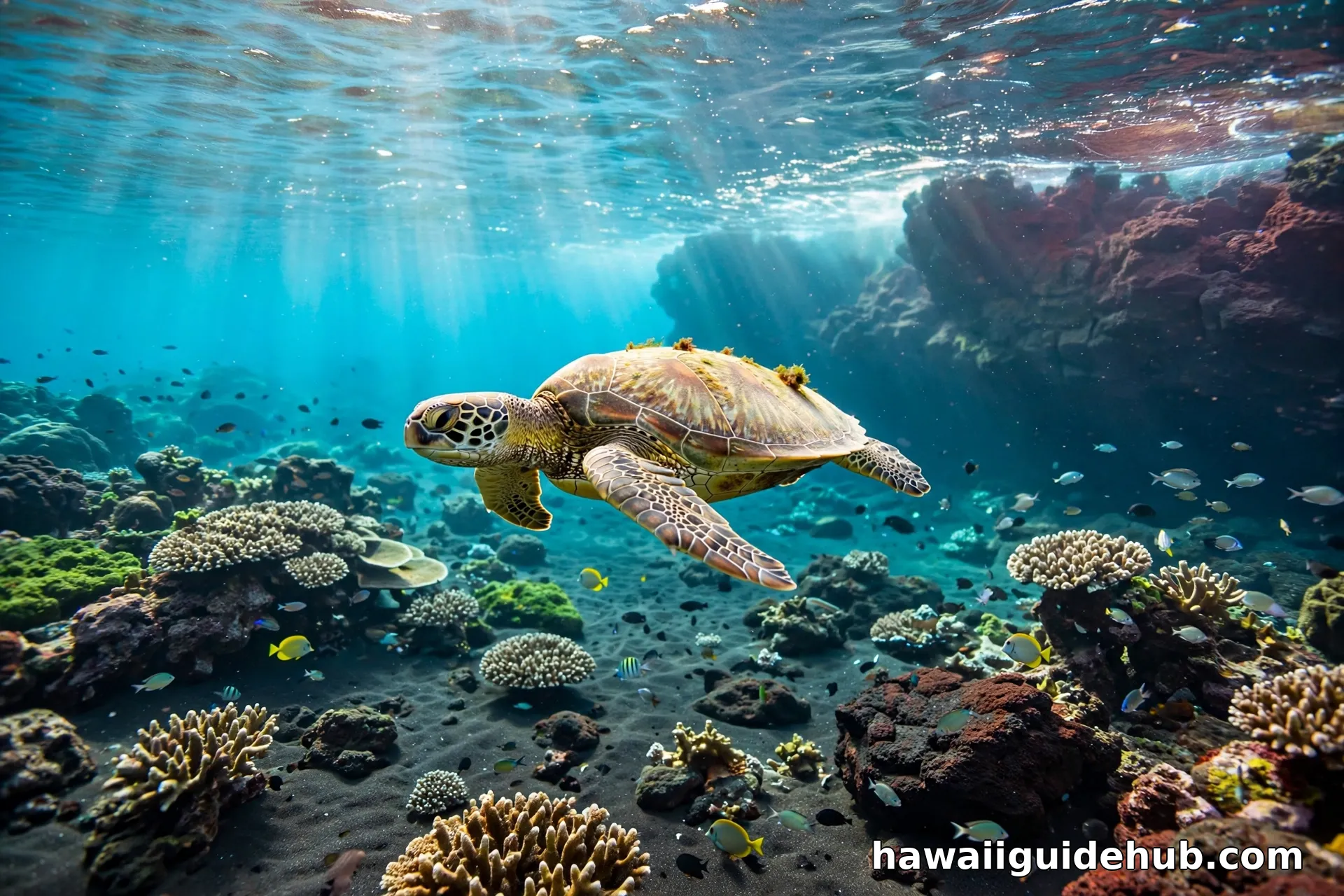
One’uli is a snorkeler’s beach. The entry is over a lava shelf, so water shoes are strongly recommended: the rock is sharp and the urchins are real. Once past the entry, the water clears over coral heads with good fish life, and green sea turtles are frequent visitors; this stretch of coast is one of Maui’s reliable turtle spots. Go early in the day for the calmest water, and only snorkel when conditions are calm. If the surf is up or the water looks murky, stay out.
Swimming here is for confident swimmers only. There are no lifeguards, the entry is rocky, and conditions change with the swell. The beach is better as a snorkel and photography stop than a swimming beach. Families with small children will be happier at the Kamaole beaches in Kihei, a short drive north.
One’uli vs. Other Black Sand Beaches
Hawaii has several black sand beaches, and they are not all alike. The most famous is Punalu’u on the Big Island, with strikingly jet-black sand and resident turtles. One’uli is subtler: its salt-and-pepper mix of black, white, and red fragments looks less dramatic from a distance but rewards close attention, and it tends to be far less crowded than Punalu’u. Maui visitors who cannot make it to the Big Island get a genuine black sand experience right here, plus snorkeling that Punalu’u cannot match. Each beach has its own character; One’uli’s is quiet, geological, and wild.
When to Visit
Morning is the best time of day: the water is calmest, the light is soft, and you may have the beach nearly to yourself. Summer brings the calmest ocean conditions overall, ideal for snorkeling. Winter can bring bigger swells that make the water rough, but it also brings humpback whales offshore from December through March; you can sometimes spot spouts from the beach. There is no bad month for the scenery, but check the surf forecast before planning a snorkel day in winter.
Hot Sand Warning
Black sand absorbs heat, and One’uli’s sand gets genuinely hot under the midday sun. Wear sturdy footwear on the beach, not just for the lava shelf entry but for the sand itself. If you brave it barefoot, walk gingerly at first and do not go running toward the water: the crushed volcanic rock can scratch feet. This is not a barefoot-stroll kind of beach at noon.
Turtles, Seals, and Wildlife Rules
Hawaiian green sea turtles (honu) are the stars here, often seen resting on the beach or grazing just offshore. They are protected by federal law: stay at least 10 feet away, never touch or chase them, and never feed them. Hawaiian monk seals occasionally haul out on Maui beaches too; the rule for seals is 50 feet, and they can bite if startled. Take your photos, keep your distance, and let wild animals be wild. For more on the marine life you might meet, see our guide to Hawaii’s iconic marine species for snorkelers and divers. If a turtle is resting on the beach, give it the whole area and enjoy watching from afar.
What to Bring
Water shoes are the single most important item: for the lava entry, the hot sand, and the rocky tide pools. Bring reef-safe sunscreen, a hat, and more water than you think you need; there are no concessions. Snorkel gear and fins if the water is calm. A beach towel and chair, snacks, and a camera. There is a portable toilet at the lot but no other facilities, so plan accordingly.
Nearby Beaches
One’uli pairs naturally with Makena’s other beaches. Big Beach (Oneloa) is the famous neighbor to the south: a huge golden-sand beach with a powerful shore break that demands respect. Little Beach sits just over the cinder cone from Big Beach via a short trail. To the north, the Kamaole Beach Parks in Kihei offer lifeguarded swimming for families. The Ahihi-Kinau Natural Area Reserve, further south past La Perouse Bay, has extraordinary snorkeling in a protected reserve. Note that parts of the reserve have had access restrictions in recent years to protect the ecosystem, so check current status before going. For more of Maui’s shoreline, see our guide to Charley Young Beach, Kihei’s hidden gem just up the road.
Tide Pools at One’uli
The rocky points at the edges of the beach hold tide pools worth exploring at low tide. Wear your water shoes and watch for small crabs, sea anemones, and tiny fish trapped in the pools. Step carefully and never pull animals from the rocks. Tide pooling is a great low-energy activity for the midday hours when the sun is strongest and the water is least inviting. Check a tide chart and go at low tide for the best pools.
Photography Tips
One’uli is one of Maui’s most photogenic beaches. The black sand makes green turtles and turquoise water pop in a way golden sand never does. Shoot early morning for soft light and the calmest water, or late afternoon when the cinder cone glows. Get low to emphasize the sand’s texture, and include the cone for the geology story. A polarizing filter cuts water glare for snorkeling shots from shore. And resist the urge to take sand home: removing sand from Hawaii beaches is illegal, and the beach needs every grain.
Safety
No lifeguards, rocky entry, hot sand, and changing surf: One’uli rewards preparation. Check surf and weather before you go. Never snorkel alone. Wear water shoes. Keep a first-aid kit in the car for coral scrapes, and rinse any cuts with clean fresh water right away. Lock your vehicle and keep valuables out of sight; trailhead-style lots on Maui get break-ins. And respect the wildlife distance rules: they are federal law, not suggestions.
Watch: One’uli Beach Maui, Hidden Black Sand Paradise
Frequently Asked Questions
Where is the black sand beach near Kihei?
One’uli Beach, at the north end of Makena State Park about 11 miles south of Kihei. Look for the small dirt lot with yellow gates off Makena Road, just north of Big Beach.
Is One’uli Beach the same as Makena black sand beach?
Yes. One’uli is also called Naupaka Beach and the Makena black sand beach. All three names refer to the same black sand beach at the north end of Makena State Park.
Can you swim at One’uli Beach?
Confident swimmers can, but it is primarily a snorkeling and sightseeing beach. The entry is over lava rock, there are no lifeguards, and conditions vary. Check the surf first.
Why is the sand black at One’uli?
Waves ground down the dark cinders of the Pu’u Ola’i cinder cone over centuries, mixing volcanic fragments with white and red bits for the salt-and-pepper look.
Are there turtles at One’uli Beach?
Yes, green sea turtles are frequent visitors. Stay at least 10 feet away and never touch, chase, or feed them. Federal law protects them, and violations carry serious penalties.
Is there parking at One’uli Beach?
Yes, a small dirt lot of crushed volcanic rock. It is rough and fills up, so arrive early and drive carefully.
Is One’uli Beach good for kids?
Older kids who can handle rocky entries will enjoy the tide pools and turtle spotting, but the beach is not ideal for small children. The lava shelf entry, hot sand, and lack of facilities make the Kamaole beaches in Kihei a better family choice.
One’uli Beach is Maui the way it used to be: no resorts, no crowds, just black sand, a cinder cone, and turtles. It takes a little effort to find and a little care to enjoy, and that is exactly why it stays special. Bring water shoes, respect the wildlife, and discover the dark-sand side of the Valley Isle. For more Maui adventures, browse our guide to the best things to do in Wailea.