Loco Moco Hawaii: The Classic Island Recipe, History and Pro Tips

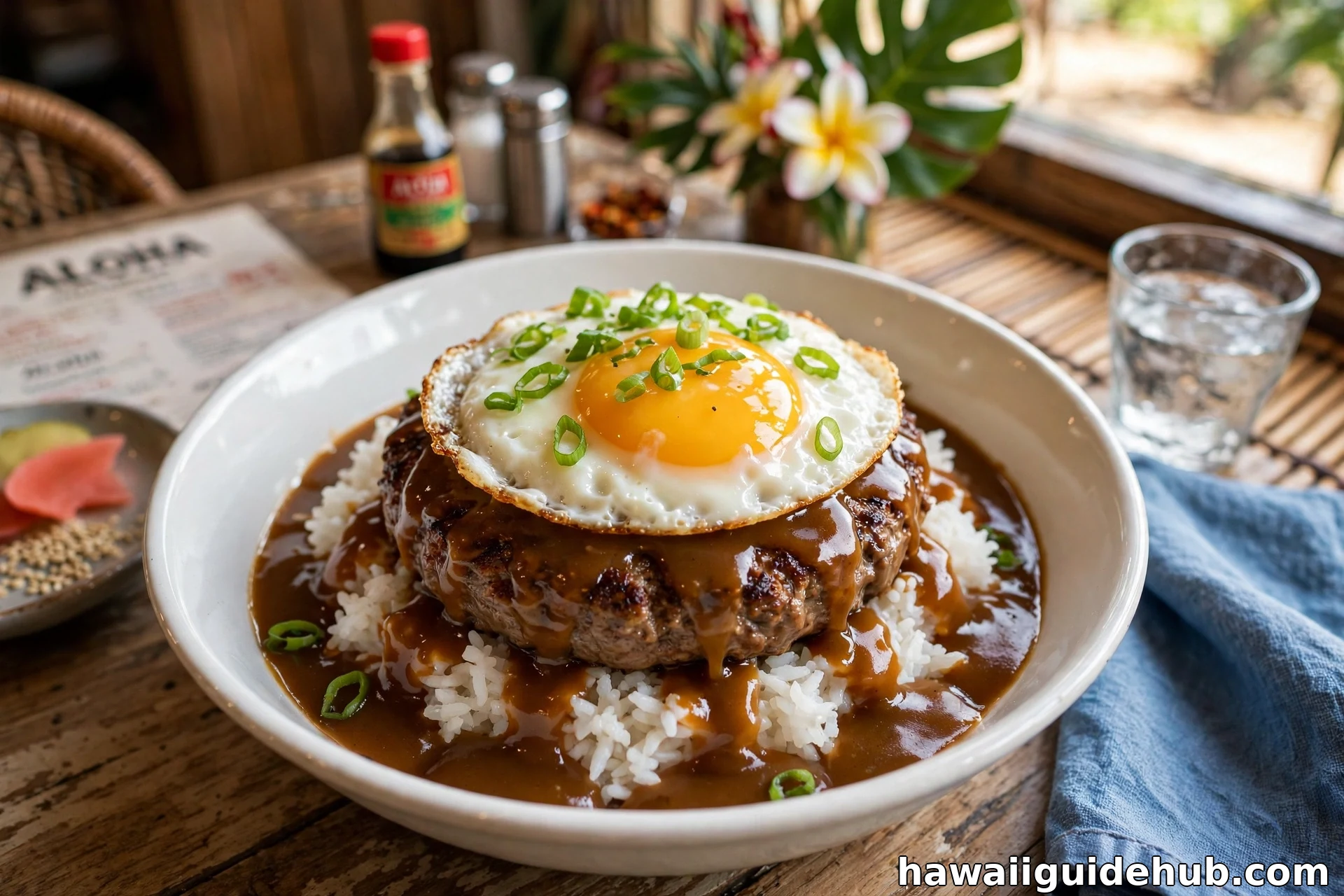
There are dishes you eat, and then there are dishes that tell you a story about a place. Loco moco belongs firmly in the second group. A steaming bowl of white rice crowned with a juicy hamburger patty, drowned in rich brown gravy, and finished with a fried egg whose golden yolk runs into everything below, loco moco is Hawaii comfort food in its purest form. It was born in a small Hilo diner in 1949, invented for hungry teenagers with empty pockets, and it has never left the islands since. Today you will find it on breakfast menus, plate lunch counters, and upscale restaurant tables across all the Hawaiian Islands. Here is everything to know about this beloved dish, including the story behind the strange name and a classic recipe you can make at home.
What Is Loco Moco?
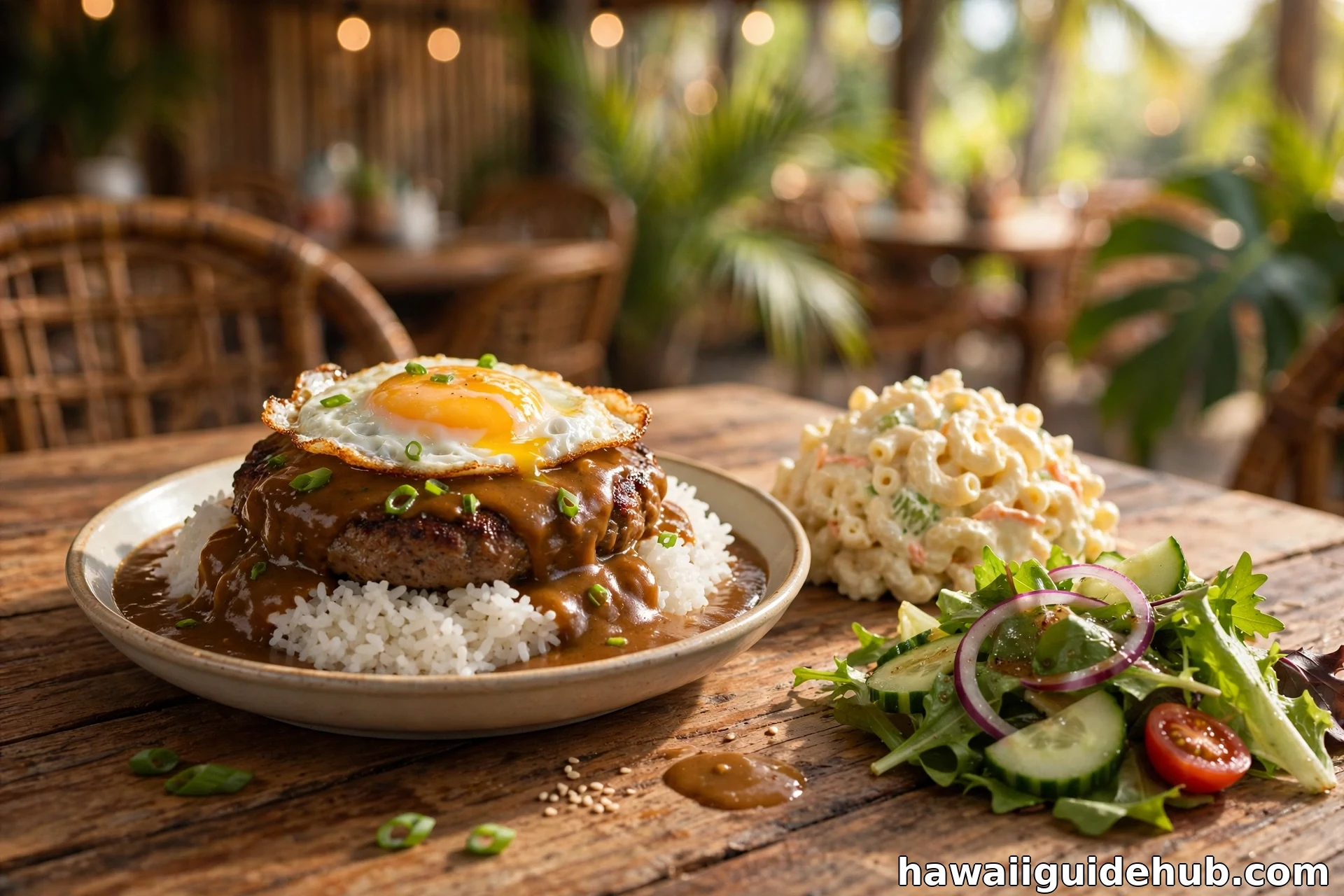
At its heart, loco moco is beautifully simple. The classic version stacks four components in a specific order: a generous scoop of steamed white rice on the bottom, a thick hamburger patty on top of the rice, a ladle of hot brown gravy poured over the patty, and a fried egg, sunny side up, perched on top of it all. Green onions often finish the plate. That is the whole dish, and it needs nothing else to be deeply satisfying.
The magic is in how the pieces work together. The rice soaks up the gravy and the runny egg yolk. The patty brings savory beef flavor. The gravy ties it all into one warm, comforting pile. It eats like a hug in a bowl, which is exactly why locals order it when they want something hearty and familiar.
The Story Behind the Name
Loco moco was created in 1949 at the Lincoln Grill, a small restaurant in Hilo on the Big Island run by Richard and Nancy Inouye. A group of teenagers from the Lincoln Wreckers Sports Club came in after practice looking for something cheap, filling, and different from a sandwich. They had little money but big appetites.
Nancy Inouye answered the challenge by putting a scoop of rice in a bowl, laying a hamburger patty over it, and topping the whole thing with brown gravy. The teenagers loved it. A fried egg was added soon after, completing the dish as we know it today.
The name came from the teenagers themselves. One of the boys was nicknamed “Crazy,” and a friend who was studying Spanish suggested “loco,” the Spanish word for crazy. They added “moco” simply because it rhymed with loco and sounded catchy. In Spanish, “moco” has an unfortunate second meaning, but the teenagers picked it for the sound alone. The name stuck, and the dish quickly spread from that one Hilo diner to restaurants across the islands.
What Makes the Hawaiian Version Special
Loco moco reflects the cultural mix that defines Hawaiian food. The rice comes from Asian culinary traditions. The hamburger patty and brown gravy come from American diner cooking. The fried egg on top is the island touch that pulls it all together. Few dishes capture the blend of influences on a Hawaii plate quite like this one.
The rice matters more than most newcomers expect. Short or medium grain white rice, cooked the day before and chilled, reheats fluffy and holds its shape under a flood of gravy. Freshly cooked long grain rice turns mushy and crumbly. In Hawaii, where rice is serious business, the base of the dish gets real attention.
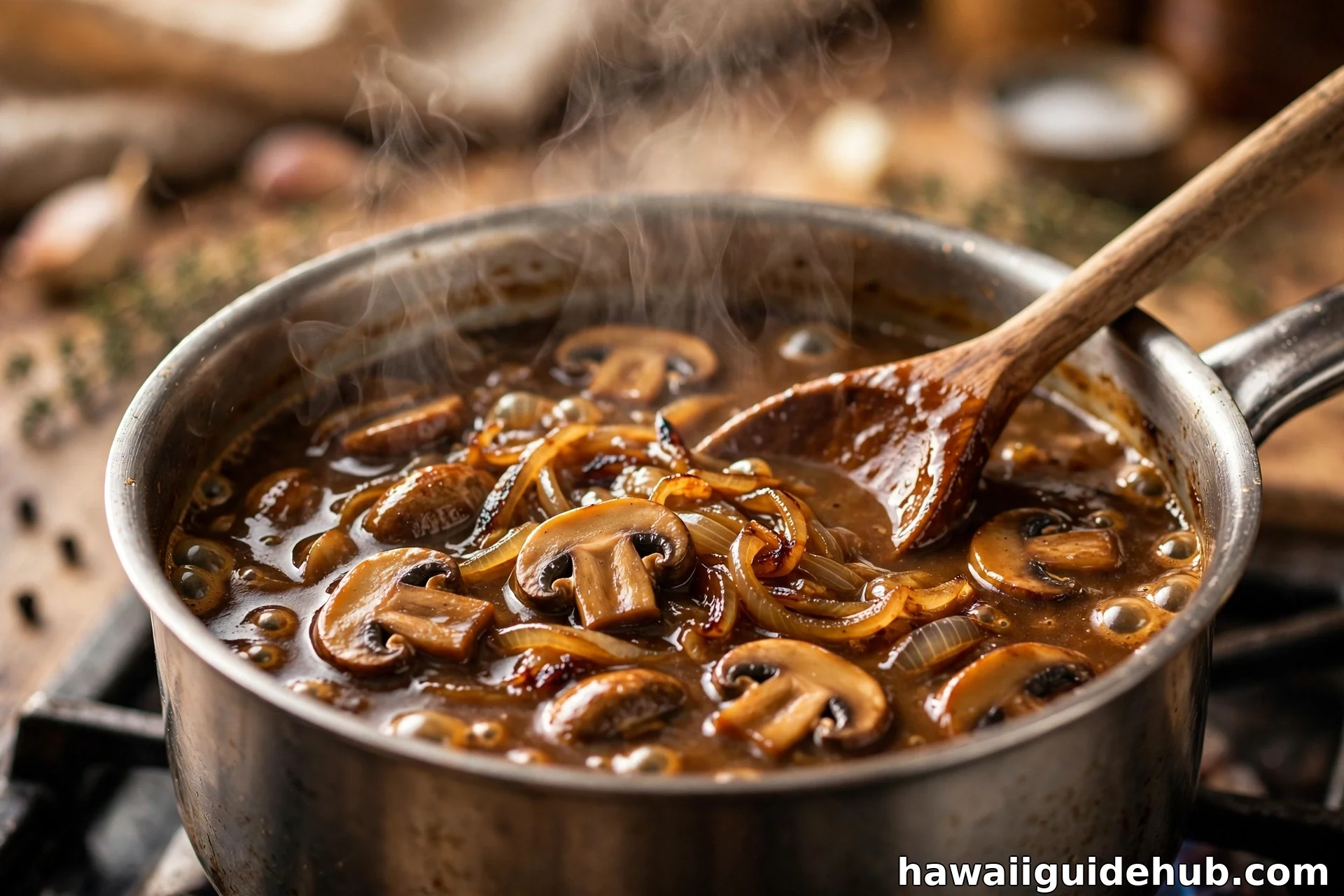
The gravy is the other make-or-break element. The best versions start with the beef drippings left in the pan after searing the patties. Mushrooms and caramelized onions often join in, and a splash of shoyu adds the island signature. A thin, bland gravy will sink the dish. A rich, glossy, deeply savory gravy will make people remember it. Many longtime cooks insist on a roux-based gravy rather than a cornstarch slurry, because the roux gives a deeper color and a silkier texture that clings to the rice instead of sliding off.
The Classic Loco Moco Recipe
This recipe makes two generous servings and stays true to the 1949 original while adding the refinements that island cooks swear by.
Ingredients
For the rice: 2 cups short or medium grain white rice, cooked the day before and chilled overnight.
For the patties: 1 pound ground beef, shaped into 2 thick patties. Season with 1 teaspoon salt, 1/2 teaspoon black pepper, 1/2 teaspoon garlic powder, and a splash of shoyu.
For the gravy: 2 tablespoons butter, 2 tablespoons flour, 1 cup beef broth, 1 cup sliced mushrooms, half a yellow onion diced, and 1 teaspoon shoyu.
For the eggs: 2 large eggs, fried sunny side up.
To finish: Sliced green onions for garnish.
Step 1: Reheat the Rice
Warm the chilled rice gently in a covered pot with a splash of water, or microwave it covered until steaming. Keep it hot while you cook everything else.
Step 2: Sear the Patties
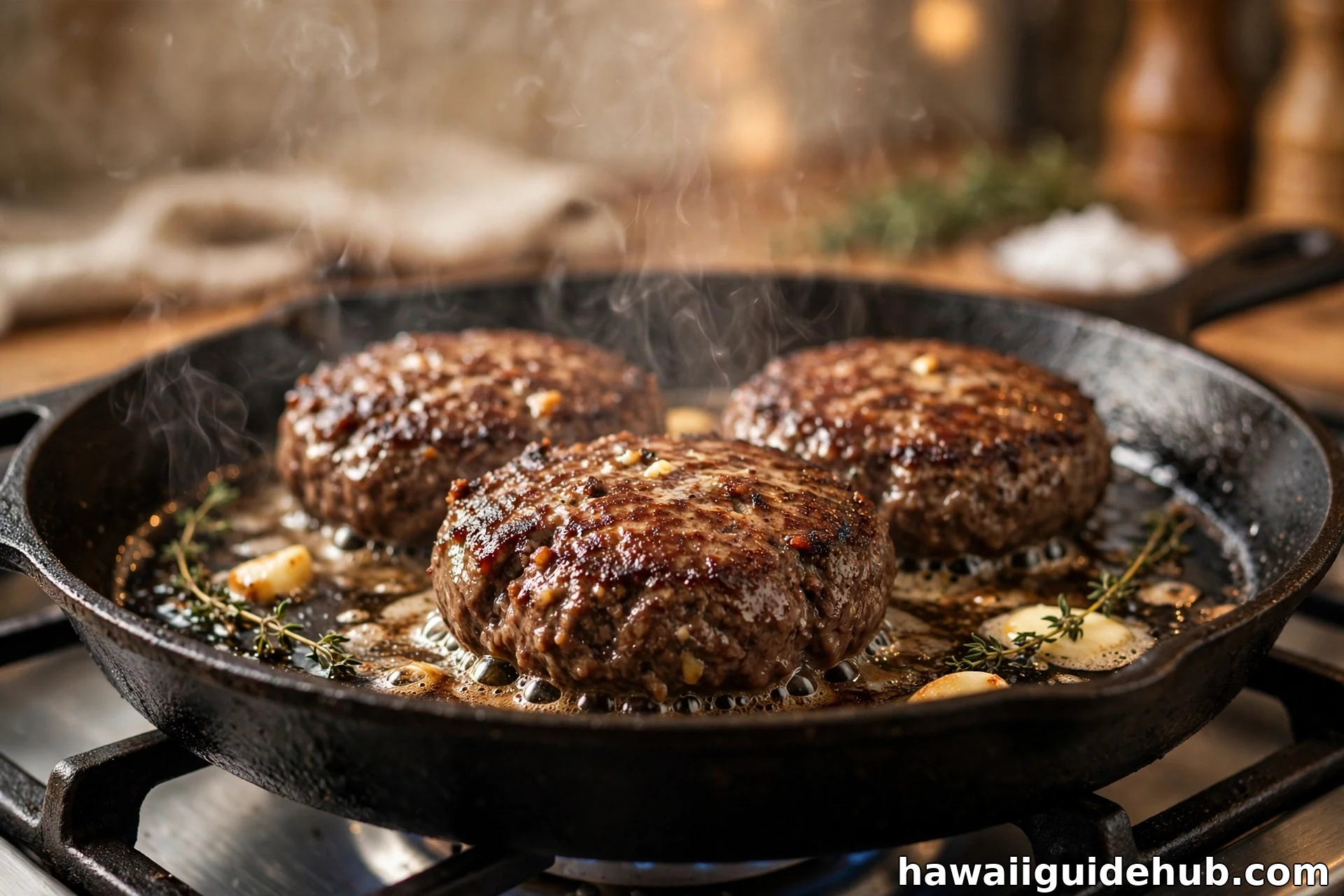
Get a cast iron skillet or heavy pan smoking hot. Sear the patties 3 to 4 minutes per side until deeply browned with a flavorful crust. The centers should be juicy. Remove the patties and let them rest 2 minutes. Do not wipe out the pan.
Step 3: Build the Gravy
Lower the heat to medium. Add the butter to the same pan with all those browned beef bits. Stir in the mushrooms and onion and cook until soft, about 5 minutes. Sprinkle in the flour and stir constantly for 2 minutes to cook out the raw taste. Slowly whisk in the beef broth, scraping up the browned bits from the bottom. Add the shoyu. Simmer 5 minutes until thick and glossy. Taste and adjust the salt.
Step 4: Fry the Eggs
In a separate nonstick pan over medium heat, fry the eggs sunny side up until the whites are fully set but the yolks are still runny and golden. This is non-negotiable. A fully cooked yolk misses the whole point.
Step 5: Assemble
Scoop hot rice into wide bowls. Lay a patty over each mound of rice. Ladle on plenty of gravy, then slide a fried egg over the top. Scatter green onions over everything and serve immediately.
Pro Tips From Island Kitchens
Day-old rice is the rule. Chilled rice reheats fluffy and separate. Fresh rice turns to mush under hot gravy. If you forgot to cook rice yesterday, spread freshly cooked rice on a tray and chill it in the fridge for at least an hour.
Do not press the patties. Pressing squeezes out the juices you want in the meat. Let them sear undisturbed so a deep crust forms. That crust adds flavor to the gravy when you deglaze the pan.
Use the drippings. Starting your gravy in the same pan where you seared the beef captures all the browned flavor. This one step separates good loco moco from great loco moco.
Make extra gravy. Gravy is the component people always want more of. Double the recipe if you are feeding a crowd, or if you know your family.
Keep the yolks runny. The liquid yolk mixes with the gravy into a rich sauce that coats every bite. Fry the eggs last, right before assembling, so they arrive hot with perfect golden centers.
Popular Variations
The classic will always be the benchmark, but island cooks have been riffing on loco moco for decades. Spam loco moco swaps the beef patty for crispy fried SPAM, a natural fit in Hawaii. Teriyaki chicken loco moco and pork katsu loco moco bring Japanese-Hawaiian flavors to the plate. Kalua pig loco moco layers smoky pulled pork under the gravy.
Some spots go gourmet with wagyu beef, truffle mushroom gravy, or a fried egg with a panko crust. Others keep it humble with a simple packet gravy and a diner patty. For a lighter take, ground turkey or a plant-based patty works, and mushroom gravy made with vegetable stock keeps the vegetarian version satisfying.
Breakfast loco moco shows up on morning menus across the islands, often with the same build in a smaller portion. And if you see chili pepper water on the table, add a few drops. Locals swear it cuts through the richness. Some families even make a “dry” style at home with less gravy and extra crispy patties, proving that every household has its own idea of the perfect bowl.
Where to Find the Best Loco Moco in Hawaii
You can order loco moco almost anywhere in Hawaii, from old-school drive-ins to hotel restaurants. The most meaningful place to try it is Hilo, where the dish was born in 1949. Diners and lunch counters on the Big Island still honor the original with straightforward, generous versions.
Look for it on breakfast and plate lunch menus statewide. The best signs are a busy local crowd, gravy made in-house rather than from a packet, and rice that holds its shape. A great loco moco does not need fancy ingredients. It needs care with the basics: good rice, a well-seared patty, real gravy, and a perfectly fried egg.
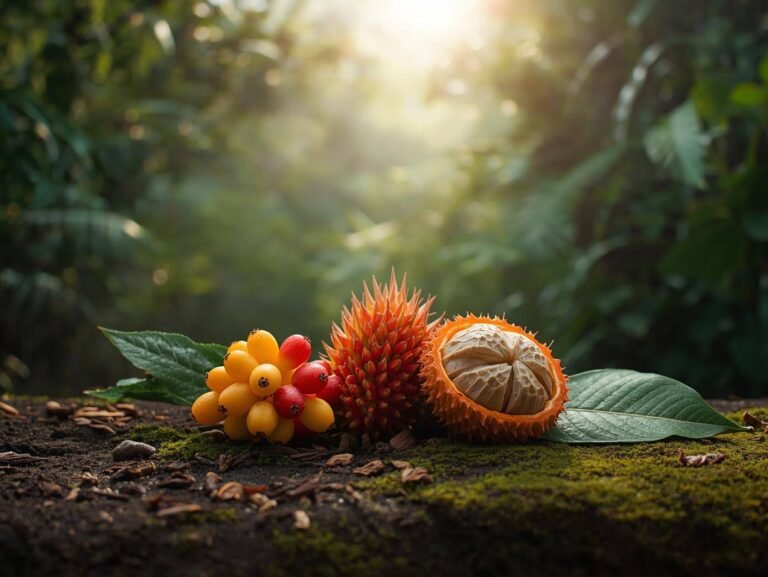
For more island dishes to try, see our guide to must-try local dishes in Hawaii, and if you love plate lunch classics, our huli huli chicken guide and malasadas are worth a read. To explore the ingredients behind the island pantry, check our guide to native Hawaiian fruits.
Serving and Storage
Loco moco is at its best the moment it is assembled, with hot gravy, a just-fried egg, and steaming rice. If you need to make it ahead, cook the rice, patties, and gravy separately and refrigerate them for up to three days. Reheat the components and fry fresh eggs when you are ready to serve. Fried eggs do not reheat well, so always cook them to order.
Serve it in wide, shallow bowls that give the gravy room to pool around the rice. A simple green salad or a scoop of macaroni salad on the side rounds out the plate. Keep the hot sauce or chili pepper water on the table and let everyone season their own bowl.
See It Made on Video
Frequently Asked Questions
What does loco moco mean?
The name comes from Spanish “loco,” meaning crazy, plus “moco,” which was added simply because it rhymed and sounded catchy. The teenagers who invented the dish named it after a friend nicknamed “Crazy.”
Is loco moco a breakfast food?
It is served at breakfast, lunch, and dinner across Hawaii. Many diners list it on the breakfast menu, but it is a full meal any time of day.
Can I make loco moco ahead of time?
Prep the rice, patties, and gravy ahead and refrigerate them separately for up to three days. Fry fresh eggs and assemble just before serving.
What rice is best for loco moco?
Short or medium grain white rice, cooked the day before and chilled. It reheats fluffy and absorbs gravy without turning mushy.
Are there vegetarian versions?
Yes. Use a plant-based patty or a thick slice of fried tofu, and make the gravy with mushroom stock instead of beef broth.
Where was loco moco invented?
At the Lincoln Grill in Hilo on the Big Island in 1949, by owners Richard and Nancy Inouye, for teenagers from the Lincoln Wreckers Sports Club.
The name has its own story. The teenagers called one of their group Crazy, and the Spanish word for crazy is loco; moco was added simply because it rhymed and sounded fun. From that Hilo grill in 1949, the dish spread across the islands through the 1950s and 1960s as drive-ins and lunch wagons adopted it, and today you will find it everywhere from Zippy’s to high-end brunch menus.
Loco moco endures because it is honest food. Four simple components, one hot bowl, and a story that starts with hungry teenagers in Hilo and ends with one of the most recognizable dishes in all of Hawaiian cuisine. Make it at home with care for the details, or order it at a local diner on your next trip, and you will understand why the islands never let this one go.