
Lānaʻi Beaches
On This Page
Lānaʻi is not a beach island in the way its neighbors are. Where Maui counts dozens of named strands and Oʻahu lines its coasts with famous names, Lānaʻi offers a short list, and only one beach where swimming is the sensible plan. That scarcity is part of the island’s character. The beaches here are quiet, mostly empty, and often reached at the end of a red dirt road. This guide covers every beach worth knowing on the island, with honest notes on which ones are for swimming, which are for looking, and how to visit them safely.
Lānaʻi Beaches: An Overview
Lānaʻi has the smallest and simplest coastline of any inhabited Hawaiian island, and its beaches reflect that. The island is ringed by cliffs and rocky shore for long stretches, with sand collecting in a handful of pockets. The geography decides everything about beachgoing here. The south coast around Mānele Bay is sheltered and calm, which is why Hulopoʻe Beach, the island’s one true swimming beach, sits there. The north shore faces open ocean and takes the full force of winter swells, which is why Kaiolohia, better known as Shipwreck Beach, is a place to walk and photograph rather than swim. The west side holds a string of remote beaches reached by rough 4WD roads, and the east side has almost nothing a visitor would use.
Three facts shape every beach decision on Lānaʻi. First, Hulopoʻe is the only beach on the island where swimming is the normal, expected activity. Every other beach on this page is either unsafe for swimming, unreachable without a four wheel drive vehicle, or both. Second, there are no lifeguards on any beach on Lānaʻi, including Hulopoʻe. Visitors swim entirely at their own risk, which makes calm conditions and honest self-assessment more important here than on the bigger islands. Third, the island’s beaches are uncrowded to a degree that surprises first-time visitors. It is common to have a west side beach entirely to yourself, and even Hulopoʻe, the busiest beach on the island, rarely feels crowded outside of holiday weekends.
The practical rhythm of a Lānaʻi beach trip is simple. Most visitors swim and snorkel at Hulopoʻe, walk the shore at Kaiolohia to see the famous shipwreck, and treat the remote west side beaches as 4WD adventures for experienced drivers. Day-trippers arriving on the ferry from Maui can walk to Hulopoʻe from Mānele Harbor in about ten to fifteen minutes, which makes it the default beach for anyone with only a few hours. Overnight visitors with a rental vehicle can explore further. The sections below take each beach in turn, then cover safety, snorkeling, access rules, timing, and packing.
The Beaches of Lānaʻi
Hulopoʻe Beach
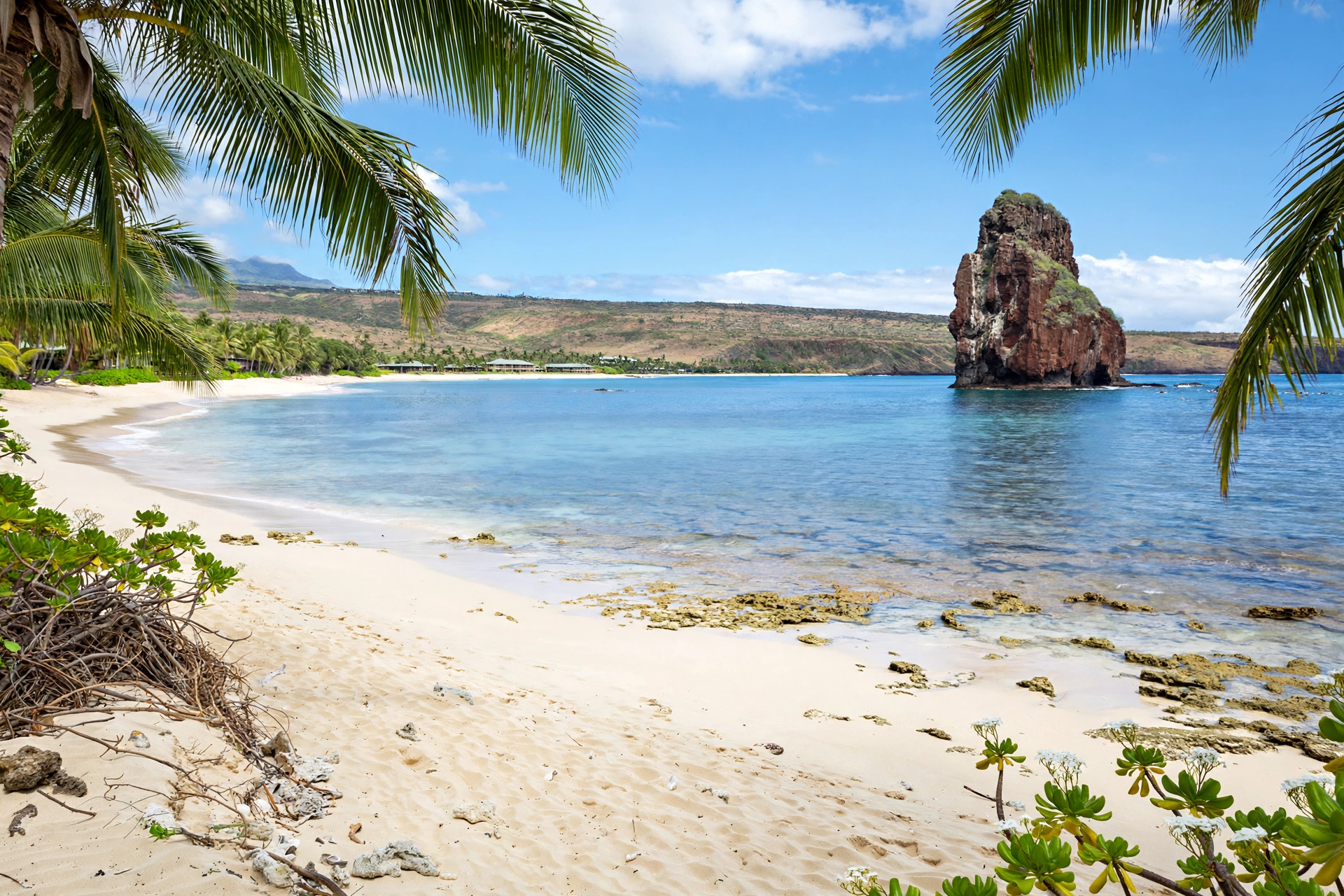
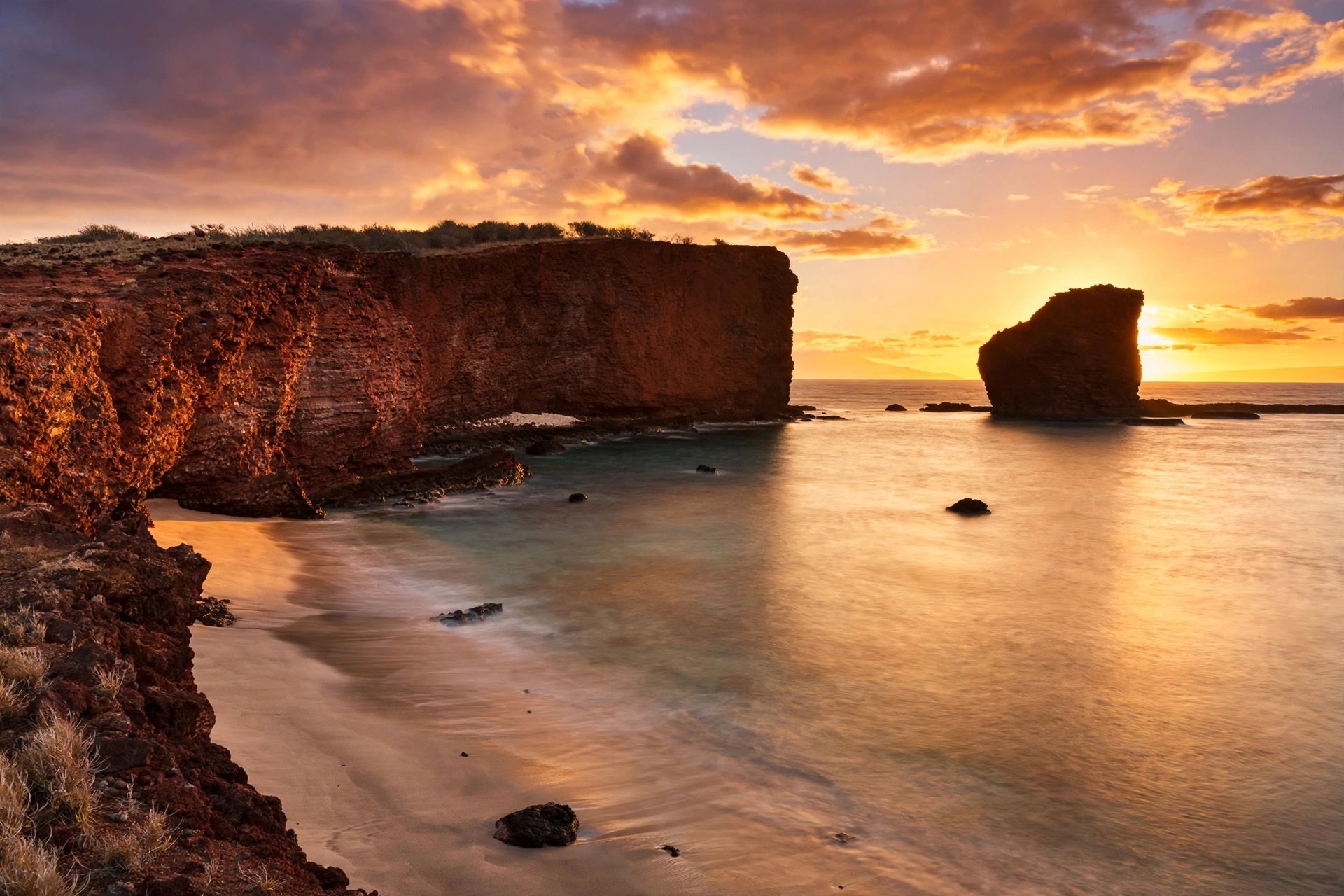
Hulopoʻe Beach is the beach on Lānaʻi, full stop. It sits at Mānele Bay on the island’s sheltered south coast, a short walk from Mānele Small Boat Harbor where the ferry from Maui arrives. The beach is a wide crescent of white sand with a gentle slope into clear water, protected from the open ocean by the shape of the bay. On calm days the water is flat and transparent, and the swimming here is as easy as it gets in Hawaiʻi. Just offshore to the east rises Puʻupehe, the sea stack known as Sweetheart Rock, which gives the beach its postcard backdrop and its most photographed landmark. The coastal trail from the beach toward Puʻupehe offers views back over the bay and is worth the short walk.
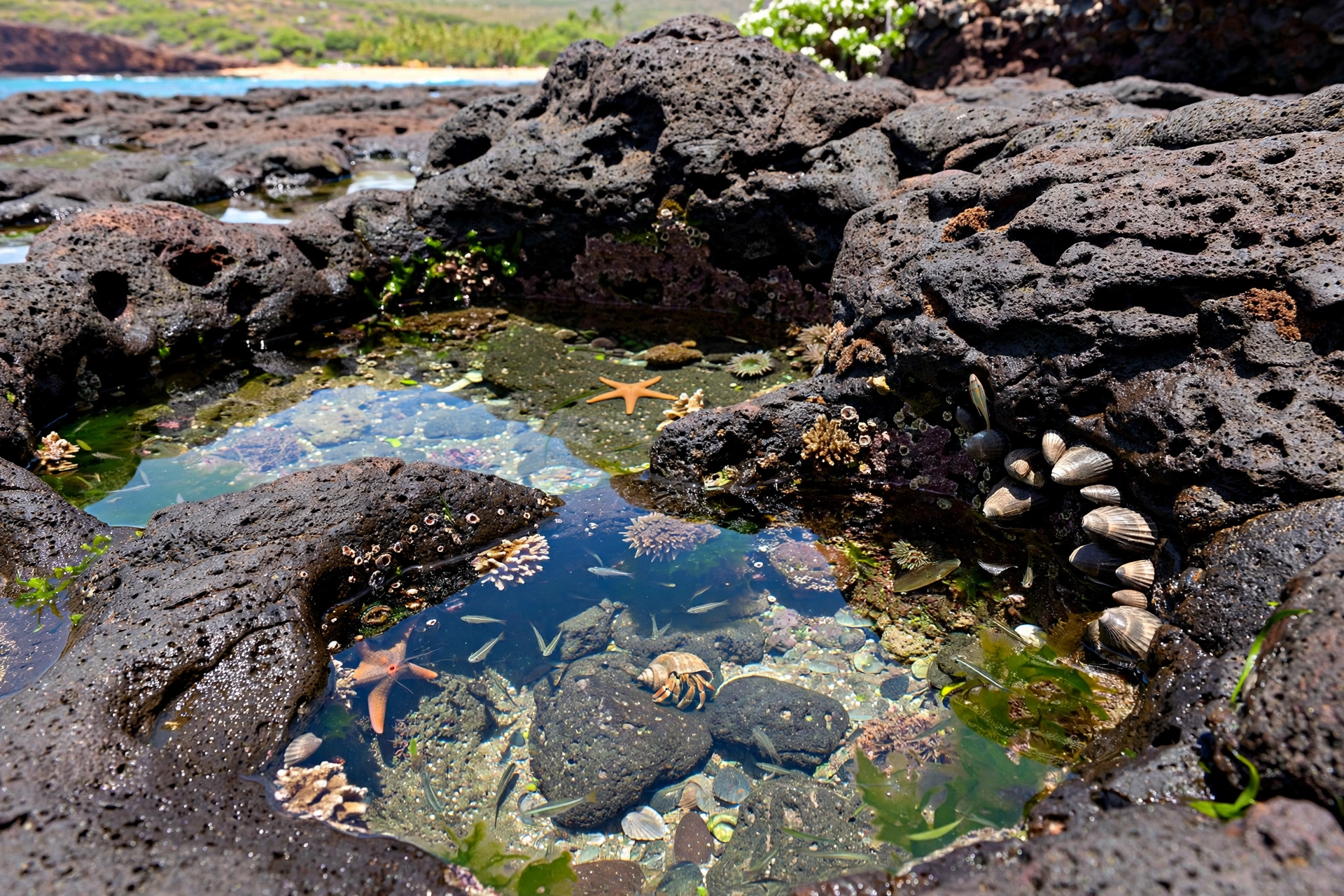
Hulopoʻe is also the island’s best and most accessible snorkeling spot. The offshore waters are a Marine Life Conservation District, which means fishing and taking marine life are prohibited and the reef community is unusually intact for a beach this easy to reach. The reef starts close to shore on the rocky edges of the bay, and green sea turtles are regular visitors. Tide pools at the western end of the beach are good for careful exploring at low water, with small fish and crabs visible in the clear pools. Because the district is protected, visitors should follow the standard rules: do not touch coral, do not stand on the reef, do not feed fish, and keep a respectful distance from turtles.
The beach park has the facilities that most Lānaʻi beaches lack: restrooms, outdoor showers, picnic tables, and shade trees. There are no lifeguards on duty, a point worth repeating because the calm water can create a false sense of security. There are no vendors or rentals on the beach, so bring your own snorkel gear, food, and water. Shade is limited to the trees at the back of the beach, so a morning visit gives you the calmest water and the easiest parking. Overnight camping at Hulopoʻe Beach Park is managed by the County of Maui, and non-resident camping has been suspended in recent years, so check the county’s current rules before planning an overnight stay.
Kaiolohia (Shipwreck Beach)
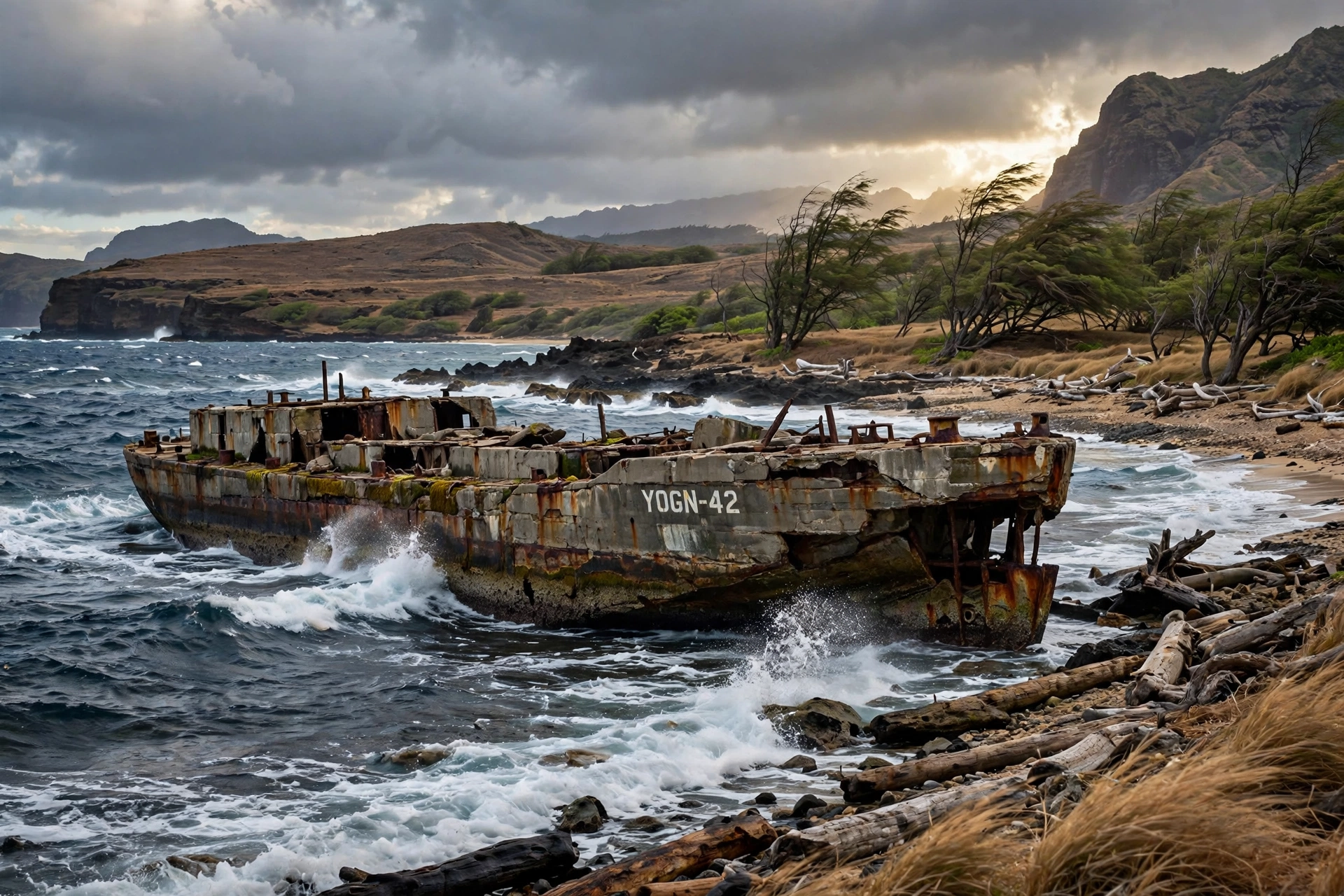
Kaiolohia, known to almost everyone as Shipwreck Beach, is the most famous beach on Lānaʻi that you should not swim at. This long north shore strand stretches for miles of light brown sand mixed with pebbles, driftwood, and rocky sections, backed by ironwood trees and fronted by open ocean. The beach earned its name honestly. The rusting hull of the YOGN-42, a concrete-hulled vessel built for the United States Navy in 1943 and deliberately sunk here after the Second World War, sits just offshore and is visible from the beach. Earlier wrecks include the Alderman Wood, lost in 1824, and the London, lost in 1826, which reportedly went down carrying gold and silver that has never been recovered. A dilapidated lighthouse stands near the beach as a reminder of how dangerous this stretch of coast has always been for ships.
What wrecked ships should tell swimmers is that the ocean here is powerful and unforgiving. Kaiolohia faces the open channel with strong currents, shore break, and winter swells, and there are no lifeguards and no safe swimming zones. Visitors come to walk the beach, photograph the wreck, beachcomb the remarkable quantities of driftwood and washed-up debris, and watch for whales in winter. The beach is reached by a dirt road that requires a four wheel drive vehicle, and the drive itself is part of the experience, crossing dry ranch land with views toward Molokaʻi. Bring everything you need, because there are no facilities at all, and let someone know your plans, because cell coverage is unreliable on the north side.
Polihua Beach
Polihua Beach is Lānaʻi’s wild northwest beach, a long stretch of sand at the end of a rough 4WD road near the Garden of the Gods. It is the most remote named beach on the island, and it feels like it. The beach is wide and empty, with views across the channel to Molokaʻi, and it is not unusual to be the only person there. Like Kaiolohia, Polihua faces open ocean with strong currents and no protection, so it is strictly a beach for walking, photography, and solitude, not for swimming. There are no facilities, no shade, and no lifeguards.
Getting to Polihua requires a genuine four wheel drive vehicle and comfort with unpaved roads. The Polihua Road crosses dry, rutted terrain, and conditions change with the weather, so do not attempt it after heavy rain. The remoteness is the point for the visitors who make the trip, but it also means self-sufficiency is mandatory: full tank of fuel, plenty of water, food, sun protection, and a plan shared with someone back in Lānaʻi City. Check current road conditions locally before setting out, since access can change.
Lōpā Beach
Lōpā Beach sits on the island’s southwest coast, another remote strand reached by rough dirt roads. It is a quiet, undeveloped beach with no facilities and no lifeguards, used mainly by local fishers and the occasional adventurous visitor. The ocean here is not suited to casual swimming, and snorkeling conditions are inconsistent. Lōpā is best understood as a destination for experienced 4WD drivers who want to see the island’s empty southwest shore rather than as a beach day in the conventional sense. If you go, apply the same self-sufficiency rules as Polihua: fuel, water, supplies, and a shared plan.
Naha Beach and the West Side Pockets
The west side of Lānaʻi holds a handful of small, little-visited beach pockets, including Naha Beach, reached via the back roads west of Lānaʻi City. These are local spots with minimal visitor infrastructure, no facilities, and no lifeguards. They can be pleasant for a quiet shoreline walk or for watching the sunset over the ocean, but they are not swimming destinations and information about current access is thin, so treat them as exploratory stops rather than planned beach days. Kaumālapaʻu on the west coast is a working harbor rather than a beach destination, though the sunset views from the harbor area are popular with locals. The honest summary of Lānaʻi’s minor beaches is this: if Hulopoʻe is your swimming beach and Kaiolohia is your walking beach, everything else is a bonus for travelers with a 4WD and a spirit of exploration.
Ocean Safety on Lānaʻi
Ocean safety on Lānaʻi starts with a fact that cannot be overstated: there are no lifeguards on any beach on the island. Not at Hulopoʻe, not anywhere. Every swimmer is entirely responsible for their own safety, which means checking conditions before entering the water, swimming with a buddy, and staying within your abilities. The calmest, most protected water on the island is at Hulopoʻe on a calm morning, and even there, conditions can change with wind and swell. If the water looks rough, if whitecaps are visible outside the bay, or if you are unsure, stay out.
The north shore beaches, Kaiolohia and Polihua, deserve special emphasis because their danger is not always obvious. These beaches face open ocean with powerful shore break, strong lateral currents, and rip currents that can pull even strong swimmers away from shore. Winter swells from North Pacific storms raise surf on all north-facing shores from roughly November through March, and large sets can arrive on otherwise calm-looking days. Never turn your back on the ocean on these beaches, keep children and weak swimmers well away from the waterline, and do not attempt to swim or snorkel at either beach under any conditions.
Reef and shoreline hazards apply even at Hulopoʻe. Sea urchins live in the rocky areas and tide pools, so reef shoes or careful foot placement matter when exploring outside the sandy swimming area. Coral cuts infect easily in tropical water, so treat any scrape promptly with clean water and antiseptic. Do not stand on coral, both to protect the reef and to protect your feet. Green sea turtles are common and are protected by federal law: give them at least ten feet of space and never touch, chase, or feed them. In winter, humpback whales pass through the channels around Lānaʻi, and federal rules require staying at least one hundred yards from whales in the water.
Remoteness is a safety factor of its own on Lānaʻi. The 4WD beaches have no cell coverage, no fresh water, no shade, and no other people to help in an emergency. Tell someone your exact plans and expected return time before driving to Kaiolohia, Polihua, or Lōpā, carry more water than you think you need, and keep your fuel tank well above half. Heat and sun exposure build fast on the dry north and west sides, where there is no shade at all. A basic first aid kit, a charged phone (even without signal, it works for photos and offline maps), and downloaded offline maps are sensible minimums for any remote beach trip.
Snorkeling on Lānaʻi
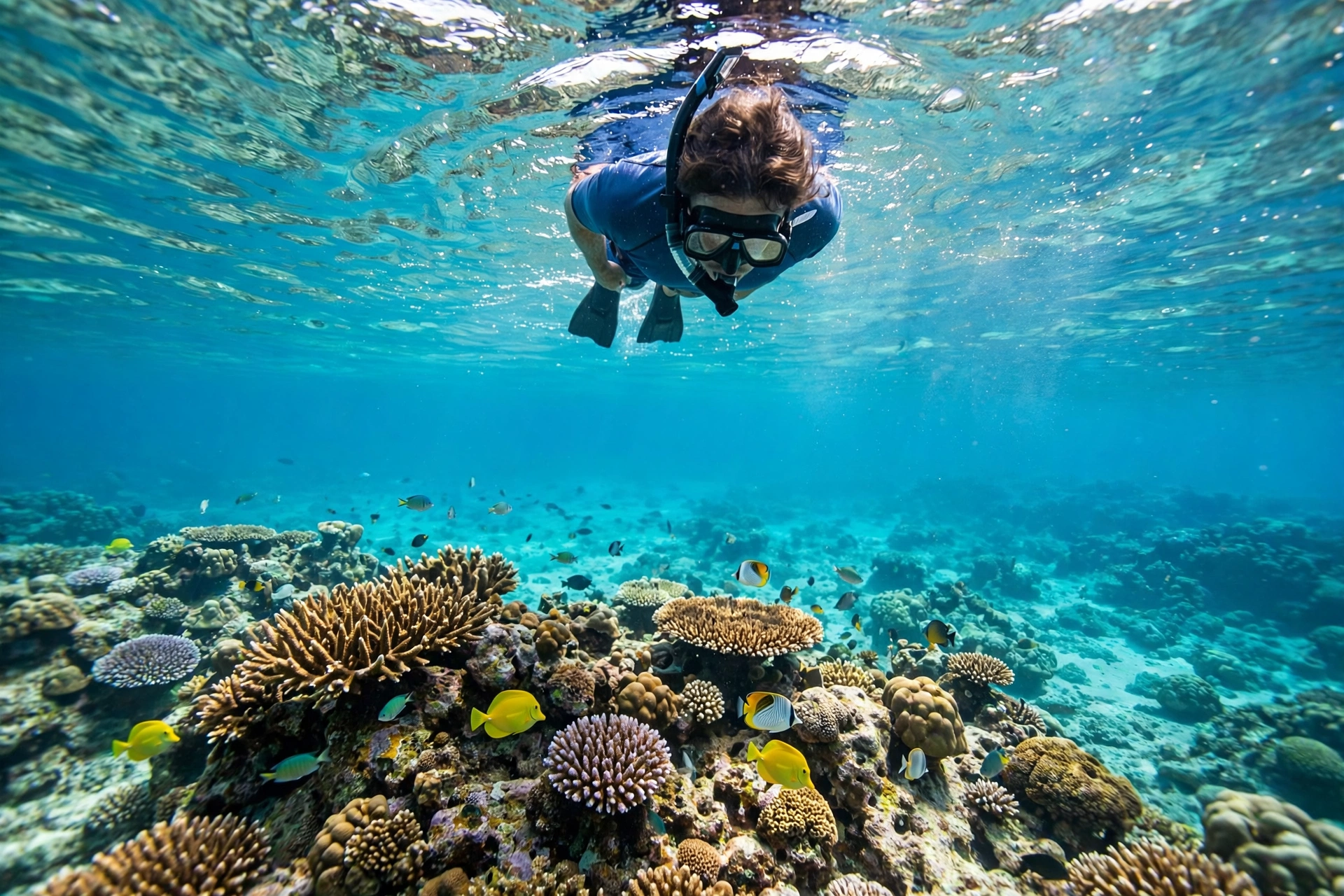
Snorkeling on Lānaʻi means Hulopoʻe Bay, and that is not a limitation so much as a concentration of quality. The bay’s Marine Life Conservation District protects the reef community offshore, and the result is some of the most rewarding shore snorkeling in the state for the effort required. The reef begins close to shore along the rocky margins of the bay, with coral heads, schooling reef fish, and frequent turtle encounters. Convict tangs, known locally as manini, move in shimmering schools over the reef, and parrotfish, triggerfish, and wrasse are common. The water clarity on calm mornings is excellent, and the protected status of the district keeps the fish populations healthy and approachable.
The MLCD rules are straightforward and worth knowing before you go in. Fishing, collecting, and taking any marine life are prohibited within the district boundaries, and the standard reef etiquette applies with extra weight here: look but do not touch, never stand or rest on coral, maintain horizontal buoyancy, and keep fins clear of the reef. Hawaiʻi’s sunscreen law prohibits oxybenzone and octinoxate in sunscreens sold in the state, and reef-safe sunscreen plus a rash guard is the responsible combination for snorkeling over living coral. Enter and exit over sand where possible rather than scrambling across reef rock.
Conditions matter more than anywhere else because there is no backup snorkeling beach. Go early in the morning before the trade winds pick up, ideally on a day with light winds island-wide. Summer months from April through October generally offer the calmest water at Hulopoʻe, while winter can bring enough south swell to cloud the water and make entry uncomfortable. If the water at Hulopoʻe is murky or surgy on a given day, there is no second option on the island, so build flexibility into your plans rather than forcing a snorkel in poor conditions. There are no snorkel gear rentals on the beach itself, so bring gear from Lānaʻi City or from Maui before the ferry crossing.
Access and Etiquette
Beach access on Lānaʻi divides cleanly into two categories. Hulopoʻe is easy: paved roads all the way, a short walk from the ferry harbor, county beach park facilities, and no access restrictions beyond normal park rules. Everything else requires planning. Kaiolohia, Polihua, and Lōpā are reached by dirt roads that demand a four wheel drive vehicle with good clearance, and rental agreements on Lānaʻi sometimes restrict where 4WD vehicles may go, so confirm your route is permitted before setting out. The island’s 4WD rental fleet is small, so reserve early if remote beaches are part of your plan.
Etiquette on Lānaʻi’s beaches follows the island’s general culture of quiet respect. Keep noise down, especially at remote beaches where sound carries and where you may be near private ranch land. Pack out everything you pack in, including food waste, because there is no trash service at the remote beaches and marine debris is already a visible problem on north shore strands like Kaiolohia. Do not stack rocks or build cairns, a practice that disturbs cultural sites and natural features. At Hulopoʻe, respect the Marine Life Conservation District boundaries and the tide pool areas, which are living ecosystems, not playgrounds.
Cultural sensitivity matters on an island where Native Hawaiian heritage is woven into daily life. Many coastal areas have cultural significance that is not marked with signs, so stay on established paths and roads, do not move or disturb stones or structures, and do not enter areas marked kapu or with no trespassing signs. If you are unsure whether an area is appropriate to visit, ask locally in Lānaʻi City before going. Supporting the island’s small economy, from its shops to its restaurants, is part of being a welcome visitor on an island of only a few thousand residents.
Best Time to Visit the Beaches
The beach calendar on Lānaʻi follows the island’s two-season pattern. From April through October, the weather is drier, the trade winds are steadier, and the south shore at Hulopoʻe is at its calmest, which makes these the best months for swimming and snorkeling. Mornings are reliably the calmest part of any day year-round, with winds typically building by midday, so plan water time early and land-based exploring for the afternoon. Water temperatures are comfortable for swimming without a wetsuit throughout the year.
From November through March, winter swells energize the north shore, making Kaiolohia and Polihua even more dramatic to look at and even less appropriate for entering the water. The south shore stays comparatively sheltered, though occasional south swells can stir up Hulopoʻe. Winter is also humpback whale season in the channels around Lānaʻi, and scanning the ocean from a north or west shore beach on a calm winter morning is one of the island’s great free experiences. Rain is rarely a beach-day problem on Lānaʻi, but the dirt roads to the remote beaches can become impassable after heavy rain, so check conditions before a 4WD beach trip in the wetter months.
What to Bring
Lānaʻi’s beaches reward preparation because the island does not provide much at the shoreline. For Hulopoʻe, bring snorkel gear, reef-safe sunscreen, a rash guard, water shoes for the tide pools, drinking water, food, and shade, since the beach has no vendors or rentals. For the remote beaches, add the 4WD essentials: a full tank of fuel, more water than you expect to need, a first aid kit, sun protection for shadeless terrain, offline maps downloaded in advance, and a charged phone. A dry bag protects valuables and electronics on any beach trip. If you plan to snorkel, a flotation aid is a sensible addition for anyone who is not a confident swimmer, especially given the absence of lifeguards. And for every beach on the island, a trash bag for packing out your own waste is non-negotiable.
Frequently Asked Questions
What is the best beach on Lānaʻi?
Hulopoʻe Beach at Mānele Bay is the island’s best and only true swimming beach, with white sand, calm protected water, snorkeling in a Marine Life Conservation District, tide pools, and the scenic backdrop of Puʻupehe. It is the default answer for swimming, snorkeling, families, and day-trippers, and there is no close second.
Are there lifeguards on Lānaʻi beaches?
No. There are no lifeguards on any beach on Lānaʻi, including Hulopoʻe. All swimming is at your own risk. Check conditions before entering the water, swim with a buddy, stay within your abilities, and stay out of the water when conditions look rough or uncertain.
Can you swim at Shipwreck Beach?
No. Kaiolohia, known as Shipwreck Beach, has strong currents, shore break, and no protected swimming areas. It is a beach for walking, photography, beachcombing, and whale watching, not for swimming or snorkeling. The shipwrecks offshore are evidence of how powerful the ocean is along this stretch of coast.
Is there good snorkeling on Lānaʻi?
Yes, at Hulopoʻe Bay. The Marine Life Conservation District offshore protects a healthy reef with coral heads, schooling reef fish, and regular green sea turtle sightings. Go on a calm morning for the clearest water, follow MLCD rules, and do not touch or stand on coral. There is no comparable second snorkeling beach on the island.
Do you need a four wheel drive vehicle for Lānaʻi beaches?
For Hulopoʻe, no: it is reached by paved road and a short walk from the ferry harbor. For Kaiolohia, Polihua, Lōpā, and the west side pockets, yes: these require a genuine 4WD vehicle on rough dirt roads. Confirm with your rental company that your planned routes are permitted, and reserve the limited 4WD fleet early.
Which Lānaʻi beach is closest to the ferry?
Hulopoʻe Beach. The ferry from Maui arrives at Mānele Small Boat Harbor, and Hulopoʻe is about a ten to fifteen minute walk from the harbor. This makes it the natural beach choice for day-trippers with limited time on the island.
Can you camp at Hulopoʻe Beach?
Camping at Hulopoʻe Beach Park is managed by the County of Maui, and non-resident camping has been suspended in recent years. Check the county’s current rules before making any overnight plans, and do not assume camping is available to visitors.
Which Lānaʻi beach is best for families with kids?
Hulopoʻe Beach, without question. It has the calmest water, the gentlest entry, restrooms and showers, picnic tables, shade trees, and tide pools for exploring. Just remember there are no lifeguards, so adults should supervise children closely in and near the water.
Related Guides
Planning more of Lānaʻi? Start with the Lānaʻi Travel Guide for the full island overview, then use the Lānaʻi Map to orient yourself and the Lānaʻi Hikes guide for trails like the Munro Trail and the Koloiki Ridge. For beach inspiration across the islands, see our guides to Maui beaches, Kauaʻi beaches, Molokaʻi beaches, and Hawaiʻi beaches.
Lānaʻi’s beaches ask for a different mindset than the famous strands of its neighbors. There is one beach for swimming, a handful for wandering, and long empty miles for simply standing at the edge of the island and watching the Pacific do what it has always done. Visitors who arrive expecting a resort beach menu will be disappointed. Visitors who arrive ready for quiet, for self-reliance, and for the particular beauty of an island that has not been arranged for their convenience will find Lānaʻi’s shoreline unlike anywhere else in Hawaiʻi.