Kauai, Hawaii: The Complete Guide to the Garden Island

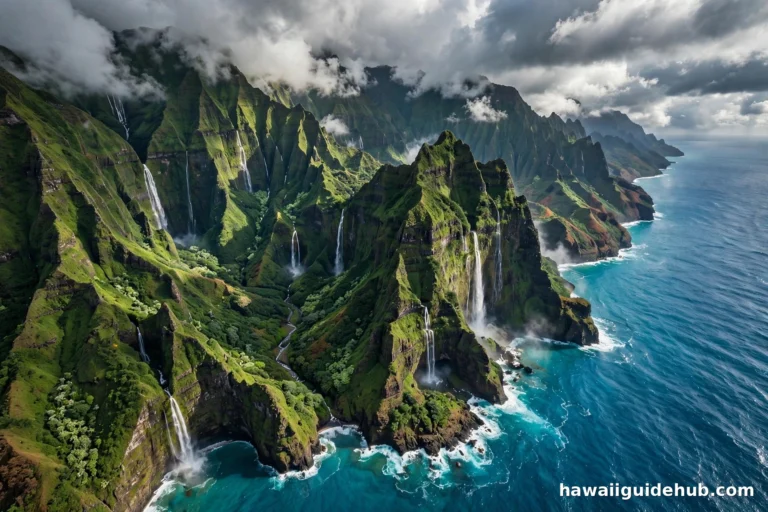
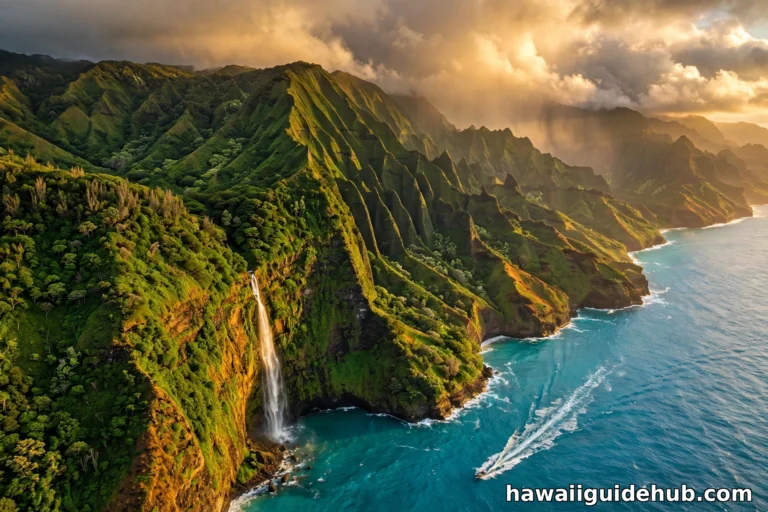
Kauaʻi, Hawaii is the oldest and northernmost of the main Hawaiian Islands, a place of emerald valleys, towering sea cliffs, and more raw natural drama per mile than anywhere else in the state. Known as the Garden Isle, it earns the name honestly. Rain feeds the island’s interior mountains, carving deep canyons and sending dozens of waterfalls over cliffs that drop straight into the Pacific.
This guide covers the whole island in one place: regions, beaches, hikes, weather, food, logistics, safety, and first-timer FAQs.
Kauai Hawaii at a Glance
| Question | Answer | Plan around it |
|---|---|---|
| Nickname | The Garden Isle | Expect green, lush, and occasionally very wet |
| Rank | Fourth largest of the main Hawaiian Islands, geologically the oldest | Older island, more eroded, more dramatic |
| Population | About 73,000 residents | Small-town Hawaiʻi, not city Hawaiʻi |
| Main airport | Līhuʻe Airport (LIH), the island’s only commercial airport | One airport simplifies everything |
| Biggest towns | Kapaʻa, Līhuʻe, Poʻipū, Hanalei, Waimea | Towns, not cities; plan dining accordingly |
| Signature sights | Nā Pali Coast, Waimea Canyon, Hanalei Bay, Wailua Falls | Spread across the island; do not cluster them in one day |
| Best for | Nature lovers, hikers, honeymooners, and travelers who want a slower Hawaiʻi | Come to slow down, not to pack days |
| How long to stay | Five to seven days for a first visit | Less than five and you will leave a canyon unhiked |
Where Kauai Is and What Makes It Different
Kauaʻi sits about 73 miles northwest of Oʻahu across the Kauaʻi Channel. It formed around five million years ago, which makes it the oldest of the major islands, and all that time gave wind and rain the chance to sculpt it into the most ruggedly beautiful island in the chain. The highest point is Kawaikini at 5,243 feet, while nearby Mount Waiʻaleʻale is famously one of the wettest spots on Earth, averaging around 450 inches of rain a year. That rain is the engine behind everything green on the island.
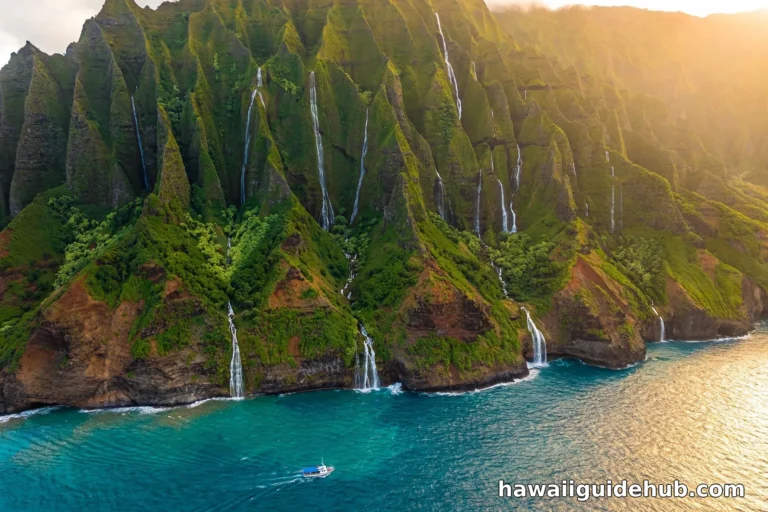
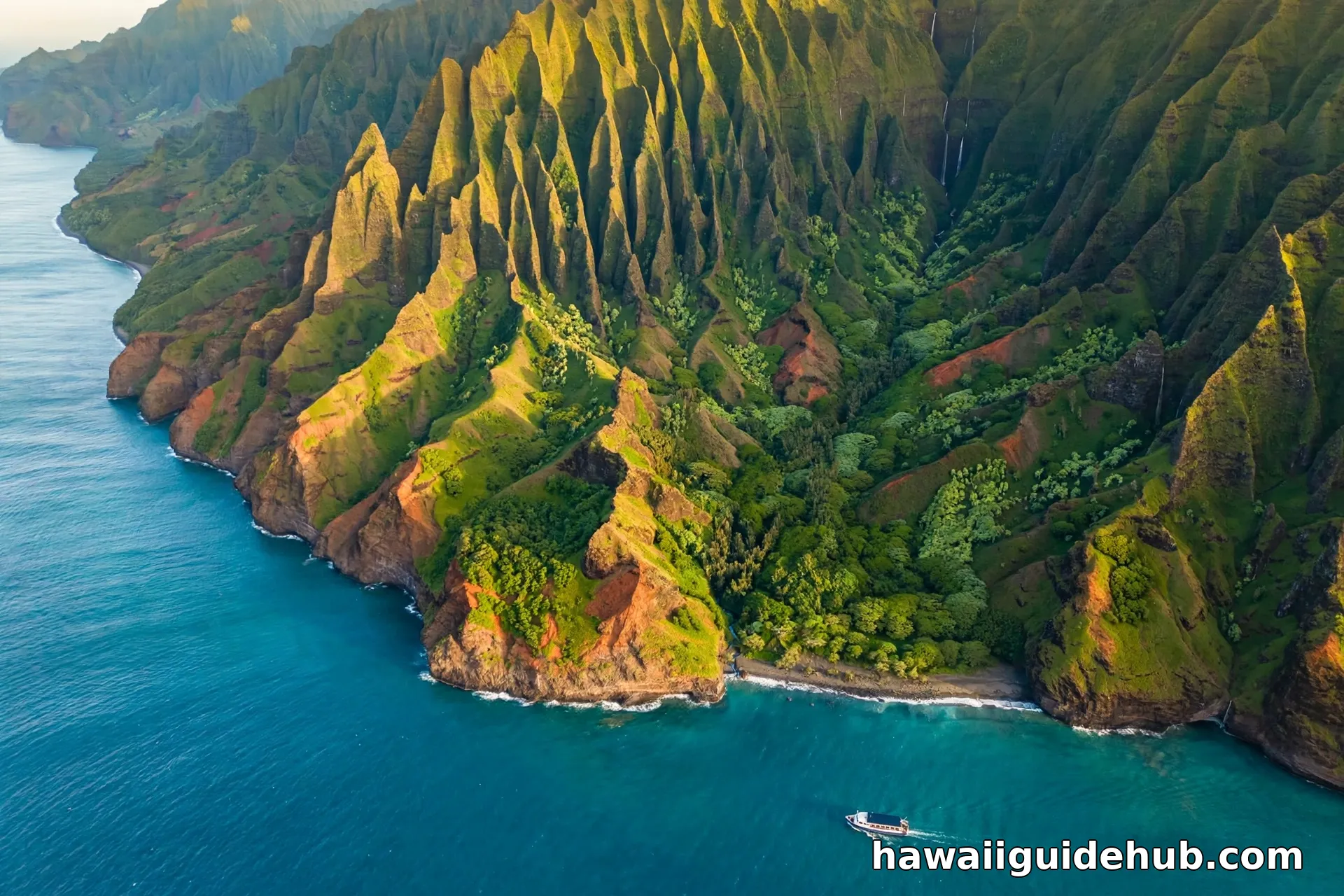
What sets Kauaʻi apart from the other islands is how undeveloped it feels. A long-standing county rule keeps buildings no taller than a coconut palm, so there are no high-rise resort towers anywhere on the island. The population is small, the pace is slow, and a full quarter of the northwest coastline, the Nā Pali Coast, has no road at all. You reach it only by boat, by helicopter, or on foot. For travelers choosing between islands, Kauaʻi is the pick when nature matters more than nightlife.
Getting to Kauai: Līhuʻe Airport
Every visitor arrives through Līhuʻe Airport (LIH) on the island’s southeast coast, the only commercial airport on Kauaʻi. It has direct flights from Honolulu and from several West Coast mainland cities, plus connections through Honolulu from everywhere else. The airport is small and easy to navigate. Rental car counters sit right across from the terminal, and most travelers are on the road within an hour of landing.
Book your rental car early, especially for summer and the winter holidays. Kauaʻi has limited bus service and almost no rideshare coverage outside the main towns, so a car is effectively required. There is no passenger ferry between the islands, so island hopping means flying through Honolulu.
Getting Around: The One Highway and Why You Cannot Drive Around the Island
Kauaʻi has essentially one main road. Highway 56 runs up the east side from Līhuʻe through Kapaʻa to Princeville and Hanalei, where it becomes Highway 560 and ends at Kēʻē Beach. Highway 50 runs west from Līhuʻe through the south shore towns to Waimea and ends at the edge of Waimea Canyon. The two highways never connect, because the Nā Pali Coast blocks the way. You cannot drive around the island, and planning your days by region saves a lot of backtracking.
Typical drive times from Līhuʻe run about 20 minutes to Kapaʻa, 30 minutes to Poʻipū, 45 minutes to Hanalei and Princeville, and 45 minutes to Waimea. Traffic concentrates around Kapaʻa during morning and evening rush hours, when a short drive can double. Start early for north shore day trips and you will dodge the worst of it.
The Regions of Kauai: North Shore, East Side, South Shore, and West Side
Kauaʻi divides naturally into four regions, and each has a distinct personality. Where you stay shapes your trip, so it pays to understand the differences before you book.
North Shore: Hanalei, Princeville, and the Nā Pali Gateway
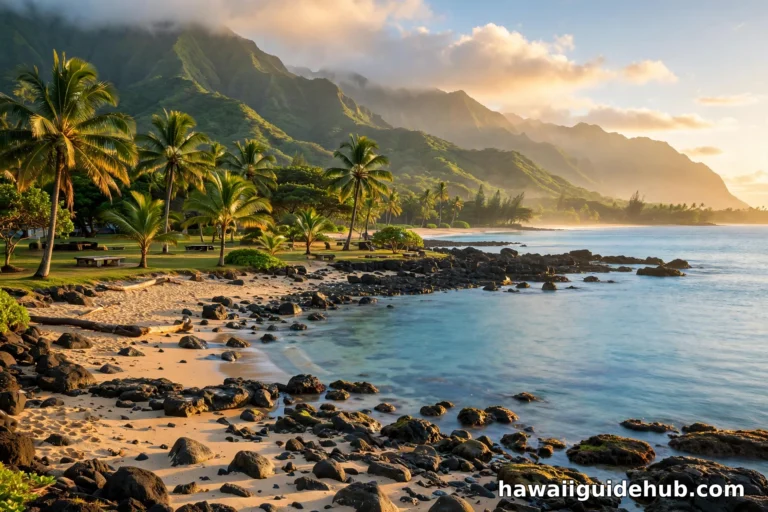
The north shore is Kauaʻi at its lushest and most dramatic. Hanalei is a small surf town wrapped around a two-mile crescent bay, with taro fields spreading inland beneath green mountain walls. Princeville sits on the cliffs above, home to resort condos and some of the island’s best sunset views. The road ends at Hāʻena State Park and Kēʻē Beach, the trailhead for the Kalalau Trail into the Nā Pali Coast. Note that nonresidents need an advance reservation for Hāʻena State Park entry, and summer books up fast.
The tradeoff for all that beauty is rain and winter surf. The north shore gets the most rain on the island, and from roughly October through March the surf can be enormous. Summer brings calmer water and the best north shore beach days of the year. For more on the area, see our guide to things to do on Kauai.
East Side: Kapaʻa and the Coconut Coast
Kapaʻa is the island’s largest town and its most affordable base, sitting on the Coconut Coast about 20 minutes north of the airport. The east side is a practical middle ground: central to everything, lined with local restaurants and shops, and home to the Wailua River, the only navigable river in Hawaii, plus roadside waterfalls like Wailua Falls and ʻŌpaekaʻa Falls. The coastline here is beautiful but rocky in places, so swimmers usually head north or south for the best beach days.
South Shore: Poʻipū and Sunny Beach Days
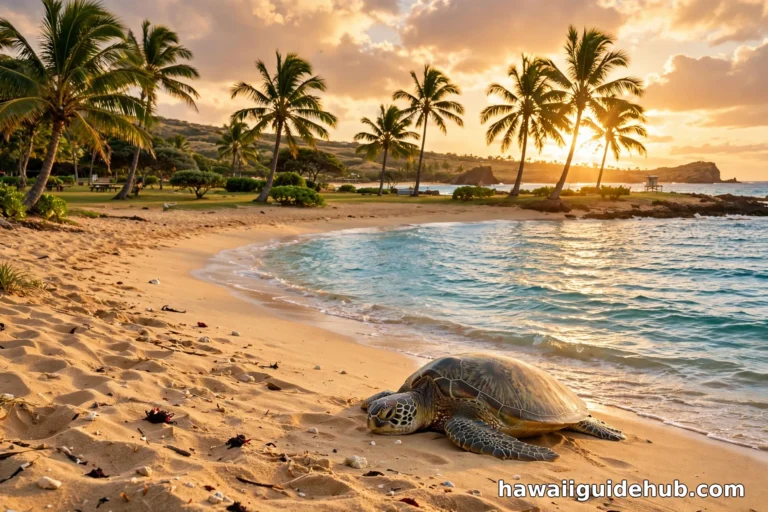
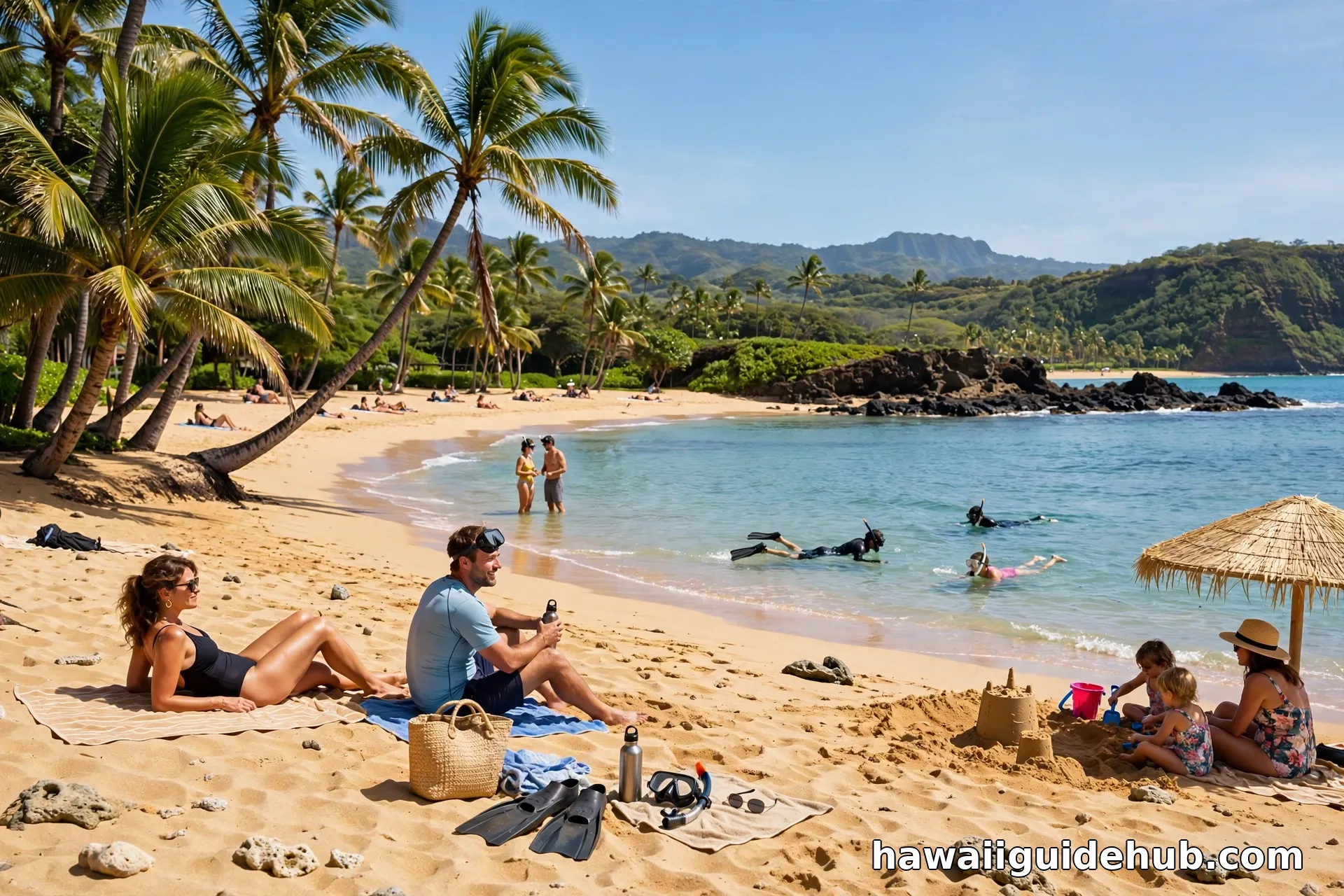
Poʻipū is Kauaʻi’s sunniest resort area and the safest bet for swimmers, especially in winter. Poʻipū Beach Park sits in front of a natural wading pool protected by a tombolo, making it one of the most family-friendly beaches on the island. Hawaiian monk seals haul out on the sand here regularly, and the snorkeling is excellent when the water is calm. Nearby Spouting Horn blows seawater through a lava tube, and the clifftop Māhāʻulepū Heritage Trail offers an easy coastal walk. Our complete guide to Poipu covers the area in detail.
West Side: Waimea, Waimea Canyon, and Local Hawaii
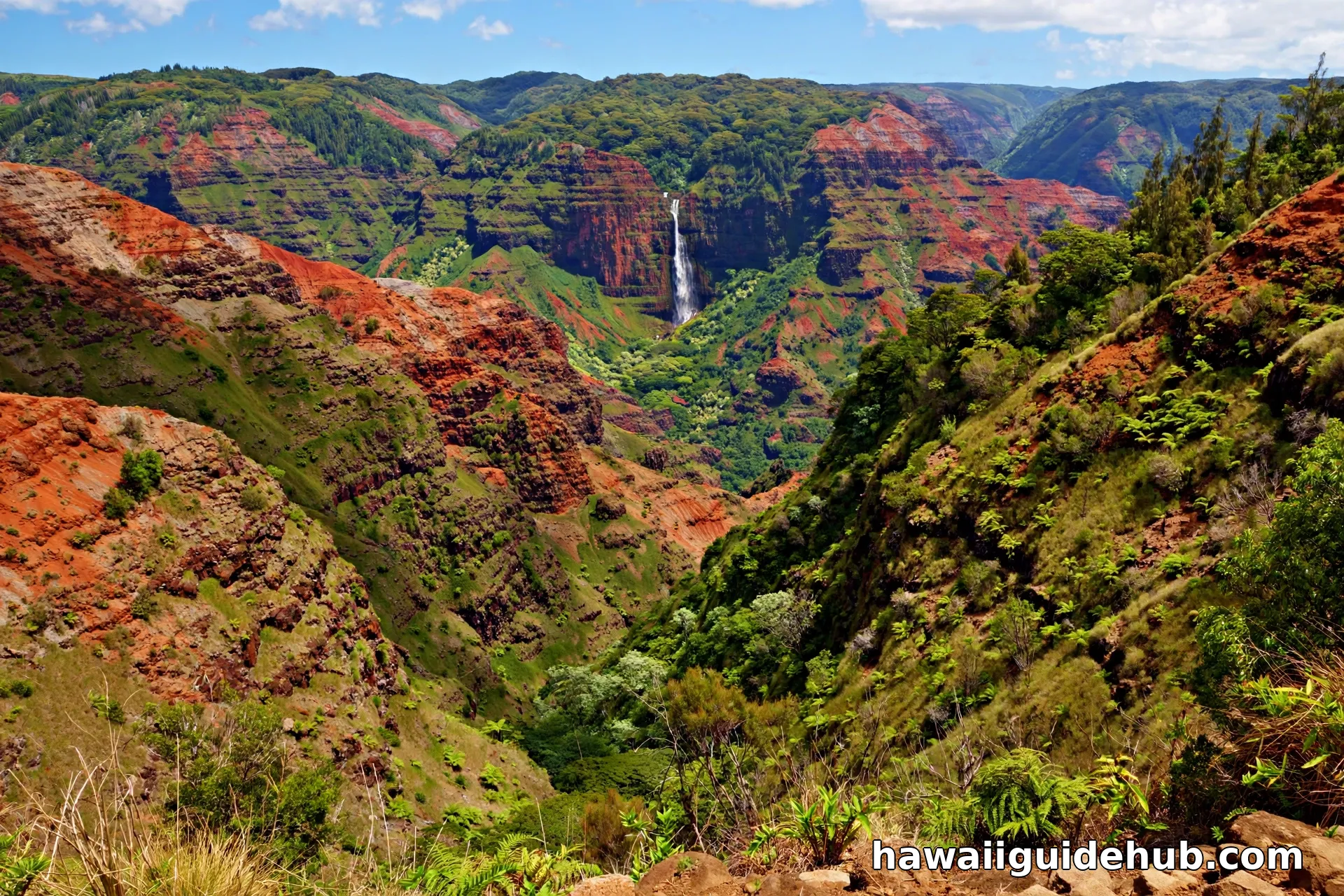
Waimea is where Captain James Cook first landed in Hawaiʻi in 1778, and the west side still feels like the island’s local heart. It is also the gateway to Waimea Canyon, the ten-mile-long, 3,000-foot-deep gorge called the Grand Canyon of the Pacific. The drive up Waimea Canyon Drive climbs from sea level to lookouts over red and green striped cliffs, ending at the Kalalau Lookout with views straight down into the Nā Pali wilderness. This is the driest, hottest part of the island, so bring water and sun protection. Our Waimea Canyon hiking guide covers the trails.
Best Beaches on Kauai
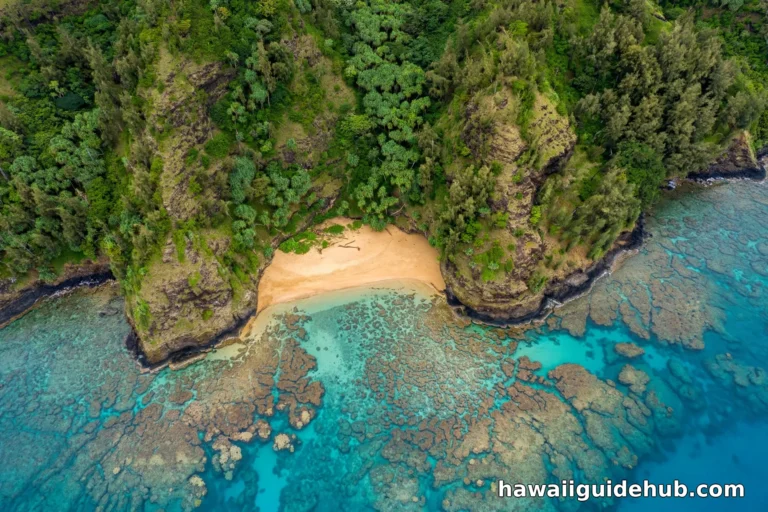
Kauaʻi’s beaches vary enormously by coast and season, and picking the right one for the day is a real skill. Hanalei Bay is the island’s signature beach, a huge crescent with mountain views, though winter surf often makes it a look-but-don’t-swim spot. Poʻipū Beach Park is the most dependable swimming beach year round, with lifeguards and protected water. Tunnels Beach (Makua) on the north shore has the island’s best snorkeling in summer, when the water goes glassy calm. Lydgate Beach Park near Kapaʻa has rock-enclosed lagoons that are perfect for small children.
The single most important beach rule on Kauaʻi is to respect the ocean. Conditions change with the swell, and beaches that are gentle in summer can be dangerous in winter. Swim at lifeguarded beaches and never turn your back on the ocean. For a ranked rundown, see our top swimming beaches on Kauai.
Hiking and Outdoor Adventures
Kauaʻi is Hawaii’s best hiking island by a wide margin. The Kalalau Trail along the Nā Pali Coast is the crown jewel: 11 miles one way to Kalalau Valley, with day hikers usually doing the first two miles to Hanakāpīʻai Beach. It requires fitness, real shoes, and an advance park reservation. In Waimea Canyon and Kōkeʻe State Park, trails like the Canyon Trail and the Awaʻawapuhi Trail lead to sweeping views with far less commitment. The Sleeping Giant (Nounou Mountain) trail near Kapaʻa is the island’s most popular moderate hike, with a payoff view over the east side.
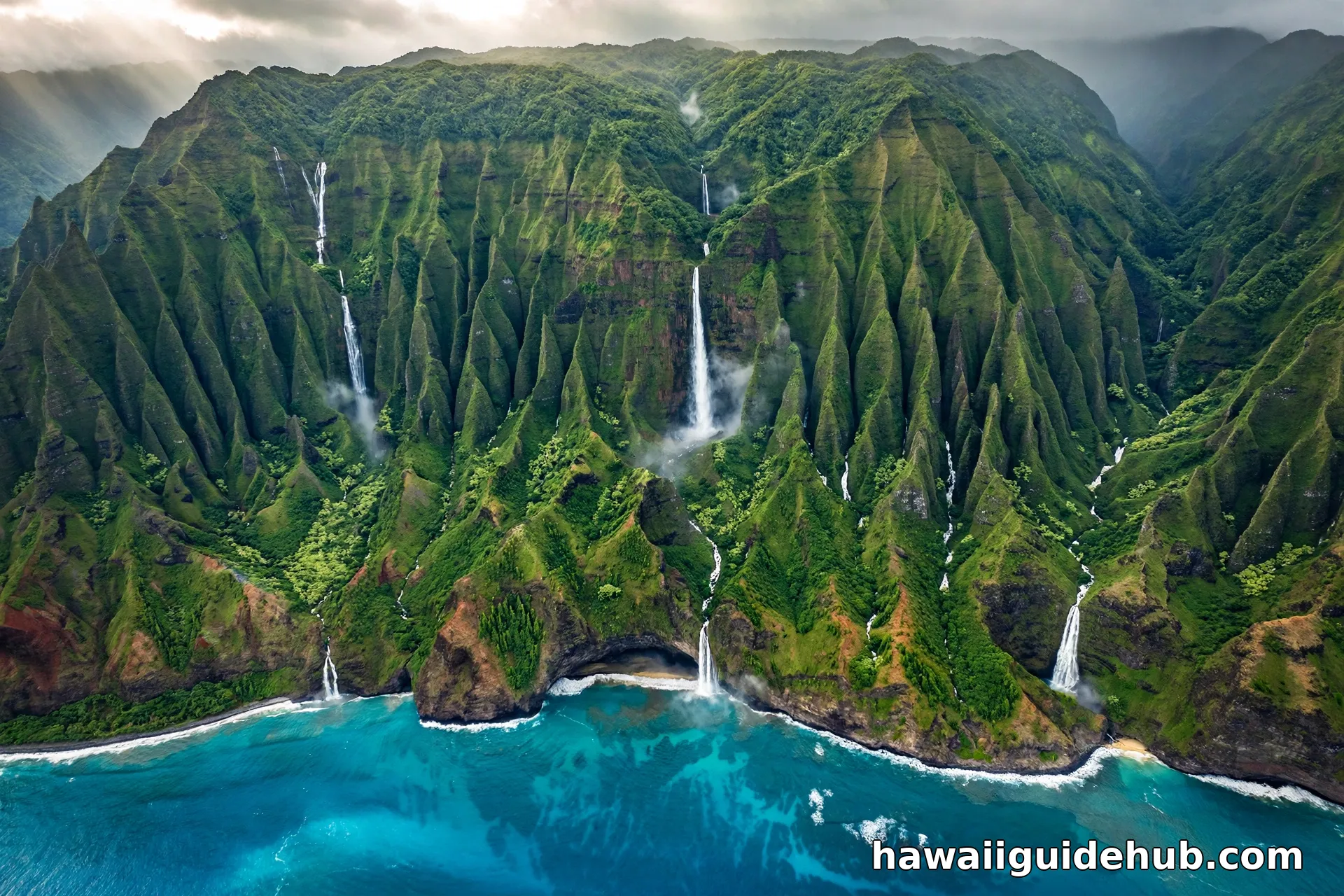
On the water, the Wailua River offers kayak trips to the Fern Grotto, and the Nā Pali Coast is best seen from a boat tour in summer, when the ocean is calm enough for the catamarans to run comfortably. Helicopter tours give the only complete view of the Nā Pali valleys and Mount Waiʻaleʻale’s waterfalls, though they are weather dependent. Winter is whale season, with humpbacks regularly spotted from shore lookouts between December and April.
Kauai Weather: What to Expect Month by Month
Kauaʻi’s weather is warm year round, with daytime highs typically in the high 70s to mid 80s Fahrenheit and nighttime lows in the 60s to low 70s. The island has two main seasons rather than four. Summer, roughly April through October, is drier and warmer, with calmer north shore surf and the best beach weather island-wide. Winter, roughly November through March, is wetter, with bigger surf on north and east facing shores and the best whale watching of the year.
Rain is the great variable. The north shore and the interior mountains can see rain in any month, while Poʻipū and the west side stay noticeably drier. Passing showers are normal and often brief. Pack a light rain jacket no matter when you visit, and plan canyon and ridge hikes for mornings, when conditions are usually clearest. For seasonal detail, our winter guide to Kauai breaks down what each month brings.
What to Eat on Kauai
Kauaʻi’s food scene leans local and casual. Poke bowls, plate lunches, and shave ice are the everyday staples, and the island’s farmers markets are among the best in the state for tropical fruit like apple bananas, white pineapple, and lilikoi. Kapaʻa and Hanalei have the densest clusters of food trucks and casual restaurants, while Poʻipū and Princeville hold the higher-end resort dining. The Kauaʻi coffee grown on the south shore is the largest coffee estate in the United States, and its visitor center makes an easy stop between Poʻipū and Waimea.
Two tips that matter. First, grocery prices run high, so stocking a condo kitchen for breakfasts and lunches saves real money over a week. Second, many beloved local spots keep limited hours or sell out early, so go for lunch rather than hoping for dinner.
Where to Stay on Kauai
First-timers usually do best picking one base for the whole trip, since driving between regions eats time. Poʻipū suits beach-first travelers and families who want reliable sun and swimming. Princeville and Hanalei suit scenery-first travelers who accept more rain in exchange for the island’s most dramatic setting. Kapaʻa suits budget-conscious travelers and anyone who wants to be central. Līhuʻe suits short stays and late arrivals, with the island’s best hotel value near the airport.
Vacation rentals and condos dominate outside the resort zones, and they are often better value than hotels for stays of five nights or more. Book six to nine months ahead for summer and the winter holidays, and confirm the cancellation policy before you commit.
Safety Tips for Kauai Visitors
Kauaʻi is safe in the usual travel sense, but nature here demands respect. Ocean safety comes first: check surf reports, swim at lifeguarded beaches, and stay out of the water when advisories are posted. Flash floods are the main hiking hazard, since rain in the mountains can turn calm streams into torrents within minutes, so skip stream crossings and narrow-valley trails during or after heavy rain.
Hawaiʻi state law bans sunscreens containing oxybenzone and octinoxate, so bring reef-safe sunscreen or buy it locally. Never approach monk seals or sea turtles; federal law requires keeping your distance, and Poʻipū volunteers rope off resting seals for good reason. Lock your rental car and keep valuables out of sight at trailheads.
Video: Kauai Travel Guide
A complete visual tour of the Garden Isle, from the Kalalau Trail to Waimea Canyon and the best beaches.
Frequently Asked Questions About Kauai, Hawaii
How many days do you need on Kauai?
Five to seven days is ideal for a first visit. That gives you time for the Nā Pali Coast, Waimea Canyon, a beach day on each side of the island that suits the season, and a buffer day for rain. Three to four days works if you focus on one or two regions, but you will leave with a long list for next time.
What is the best area to stay on Kauai?
It depends on your priorities. Poʻipū has the sunniest weather and most reliable swimming. Princeville and Hanalei have the most dramatic scenery. Kapaʻa is the most central and affordable. Most first-timers are happiest in Poʻipū or Princeville.
Can you drive around the entire island of Kauai?
No. The Nā Pali Coast has no road, so the highway system forms two dead ends: one at Kēʻē Beach on the north shore and one at Waimea Canyon on the west side. Plan your days by region to avoid long backtracking drives.
When is the best time to visit Kauai?
April through June and September through early November offer the best balance of pleasant weather, calmer surf, and lower prices. Summer is driest and best for north shore beaches. Winter brings the biggest surf, the most rain, and whale season.
Is Kauai expensive to visit?
Kauaʻi is moderately priced by Hawaii standards. Lodging is the biggest cost, followed by the rental car and food. Condos with kitchens, grocery breakfasts, and free activities like beaches and hiking keep a week-long trip reasonable. Expect to pay more than the mainland for nearly everything.
Do you need a reservation for Hāʻena State Park?
Yes, nonresidents must reserve park entry in advance through the official reservation system, choosing either a parking pass or the shuttle. Reservations sell out, especially in summer, so book as early as possible.
Kauaʻi, Hawaii rewards travelers who slow down. It is the island for sunrise over Hanalei Bay, for the long drive up to the Kalalau Lookout, for a shave ice in a beach town where nobody is in a hurry. Come with a rental car, a rain jacket, and an unhurried schedule, and the Garden Isle will give you the Hawaii you pictured before you arrived.