Hawaii Natives: Who the Native Hawaiians Are and How to Visit Respectfully

When people search for “hawaii natives,” they usually want to know the same thing: who are the original people of Hawaii, and what should visitors understand about them? The short answer is the Kānaka Maoli, the Native Hawaiians, Polynesian voyagers who settled these islands centuries before European contact and built one of the Pacific’s most sophisticated island societies. This is the single complete guide to Hawaii’s natives: who they are, where they came from, the history that shaped them, the culture they carry today, and how to visit their homeland with respect.
A note on language before we begin. “Native Hawaiian” and “Kānaka Maoli” refer to the Indigenous people of Hawaiʻi. “Hawaiian” alone can mean a resident of Hawaii of any background, and “local” usually means someone raised in Hawaii regardless of ancestry. Using the right terms is the first and easiest sign of respect.
Who Are the Native Hawaiians?
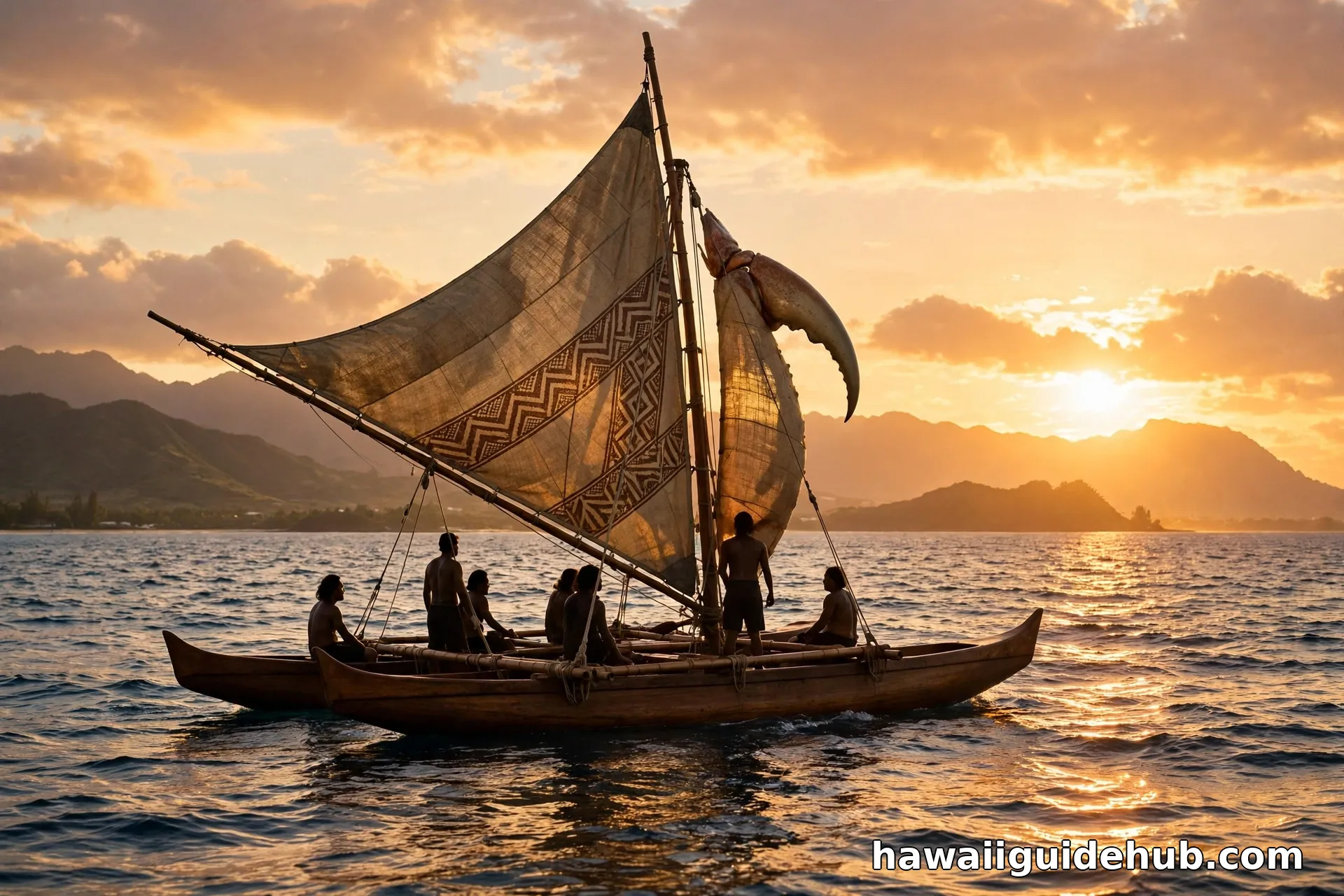
Native Hawaiians, or Kānaka Maoli, are the Indigenous Polynesian people of the Hawaiian Islands. Their ancestors sailed from the Society Islands region of Polynesia at least 800 years ago, navigating thousands of miles of open ocean by stars, swells, and bird flight. Cut off from their homeland by that vast distance, the settlers developed a distinct culture, language, and identity shaped entirely by these islands.
Before Western contact, Hawaiian society was highly organized. Chiefs (aliʻi), priests (kāhuna), and commoners (makaʻāinana) operated within a system of reciprocal obligations, and land was managed through the ahupuaʻa system, wedge-shaped divisions running from mountain to sea that gave each community access to everything it needed. Central to everything was ʻāina, the land, understood not as property but as an elder sibling to be cared for through mālama ʻāina, stewardship of the land.
What Visitors Get Wrong vs What Is True
An expert lens on the biggest misconceptions, corrected against the record:
| Common assumption | What the record shows | Source |
| Hawaii’s natives are a small vanished group | 527,000 people identified as Native Hawaiian in the 2010 census, alone or in combination | Per the 2010 U.S. Census |
| “Hawaiian” means anyone living in Hawaii | It properly means a Native Hawaiian; residents of any background are “Hawaii residents” or “locals” | Per Office of Hawaiian Affairs usage |
| Hawaiian culture is mostly performance for tourists | Hula, chant, voyaging, and language are living practices with lineages predating contact | Per Kamehameha Schools cultural research |
| The population was always small | Pre-contact estimates run 800,000 to 1,000,000; disease cut it to about 50,000 by the early 1800s | Per Kaholokula et al. 2009; census records |
| Aloha just means hello and goodbye | Aloha is an ethical framework of love, compassion, and mutual obligation | Per Native Hawaiian cultural practitioners |
A Brief History: From Voyagers to Kingdom to State
The arc of Native Hawaiian history runs from remarkable achievement through devastating loss to a powerful modern revival. Polynesian voyagers settled the islands centuries ago and built a self-sufficient civilization. In 1778, Captain James Cook’s arrival ended the islands’ isolation and began a cascade of change: foreign disease devastated the population, while sandalwood traders, whalers, and missionaries reshaped the economy and culture.
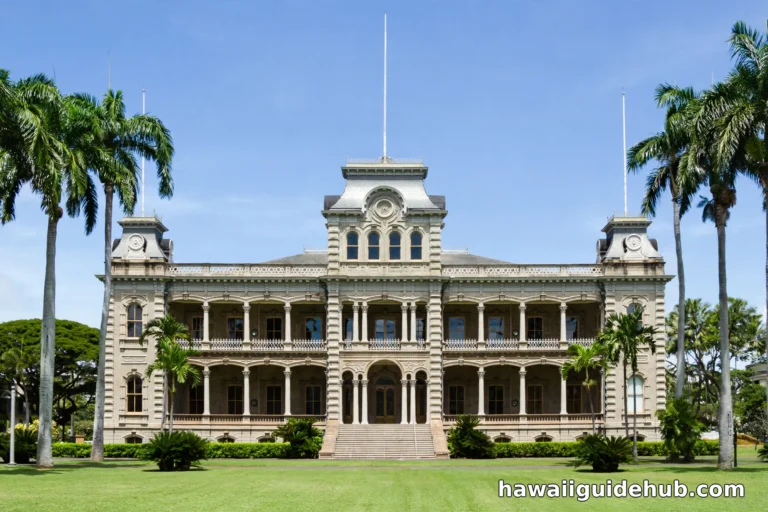
Kamehameha the Great unified the islands into the Hawaiian Kingdom by 1810, and the Kingdom became an internationally recognized nation with treaties, a constitution, and a monarchy. In 1893, American businessmen overthrew Queen Liliʻuokalani, the last monarch. The United States annexed the islands in 1898, and Hawaiʻi became the 50th state in 1959. The Hawaiian language was banned from public schools for nearly a century, a wound the culture is still healing.
The Hawaiian Renaissance of the 1970s reversed the decline. Language immersion schools brought ʻōlelo Hawaiʻi back to a new generation. The voyaging canoe Hōkūleʻa proved ancestral navigation worked by sailing to Tahiti and back without instruments. Hula, chant, and traditional arts flourished anew. Today, Native Hawaiian culture is not a relic but a living, growing force, and the sovereignty movement continues to seek greater autonomy. For the deeper story, read Hawaii’s history before statehood.
Core Values Visitors Should Understand
Three concepts unlock most of what you will encounter. Aloha is far more than a greeting; it is a way of being that calls for love, kindness, and responsibility toward others. Our guide to the true meaning of aloha goes deeper. ʻOhana means family in the broadest sense, including chosen family and community, with obligations that run both ways; see the significance of ʻohana. Mālama ʻāina, caring for the land, is the ethic behind everything from reef-safe sunscreen to staying on trails.
Spirituality remains woven through daily life. Many Native Hawaiians honor akua (gods and ancestors) and observe protocols at sacred sites, heiau (temples), and burial places. Native Hawaiian spirituality’s modern influence shapes attitudes you will meet everywhere, including the expectation that visitors treat sacred places with quiet respect rather than as photo backdrops.
Hula, Language, and Living Traditions
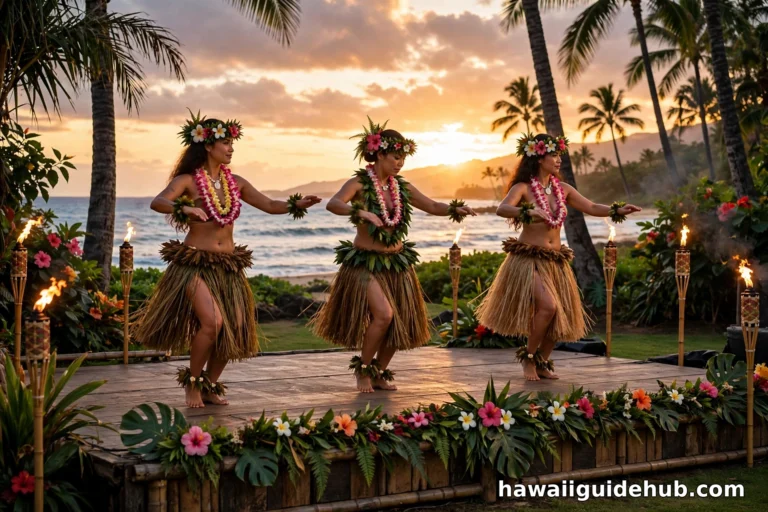
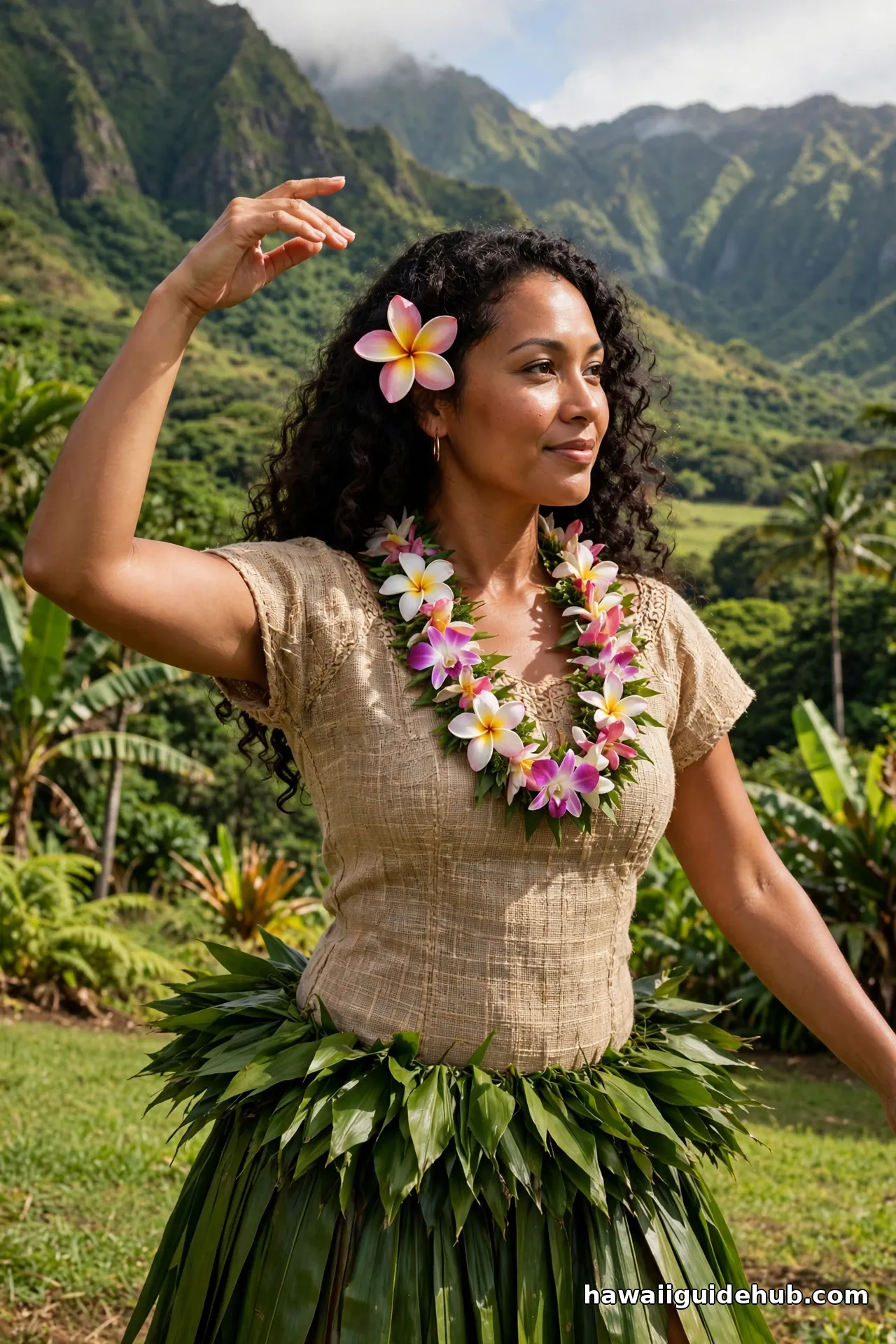
Hula is not entertainment that happens to be Hawaiian; it is Hawaiian history made visible. Every gesture carries meaning, telling genealogies, myths, and place histories through dance and chant (mele). The Merrie Monarch Festival in Hilo, held each spring, is the world’s premier hula competition and a profound cultural event, not a tourist show. If you attend a hula performance, watch with the attention you would give a storyteller, because that is what the dancer is.
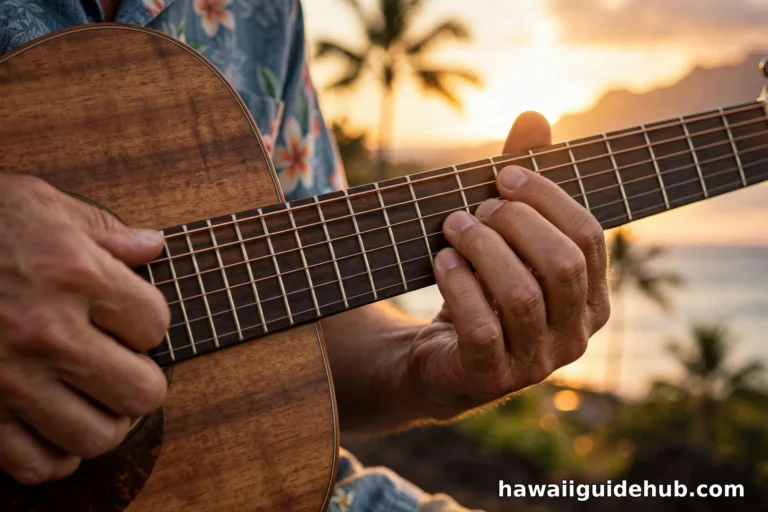
The Hawaiian language, ʻōlelo Hawaiʻi, was nearly lost and is now officially recognized alongside English. You will hear it in place names, greetings, and songs. Learning a few words, aloha, mahalo (thank you), ʻāina (land), is appreciated. Pronouncing them correctly, with the ʻokina glottal stops, matters more than using many of them. For the full picture of performance traditions, see Hawaiian traditions in hula, chant, and storytelling.
The Ahupuaʻa: How Ancient Hawaii Fed Itself
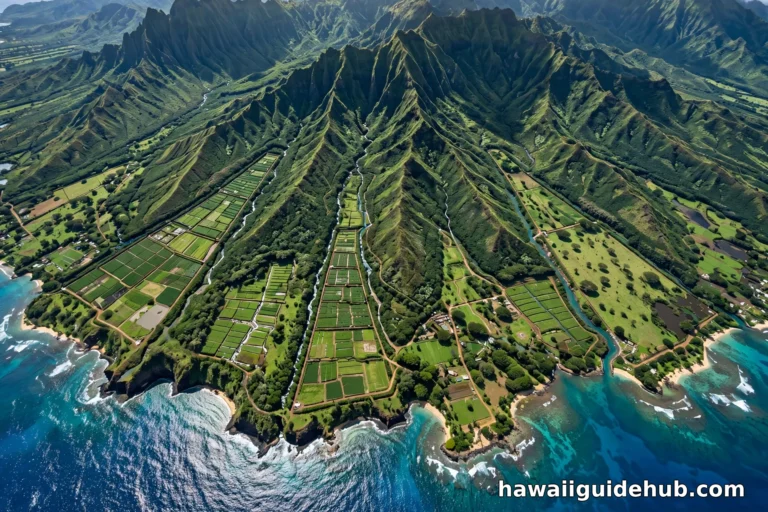
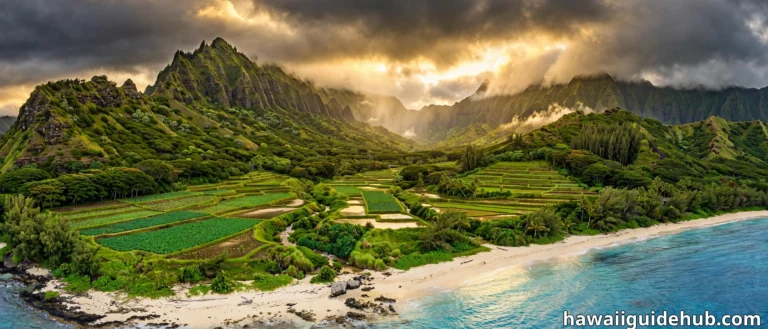
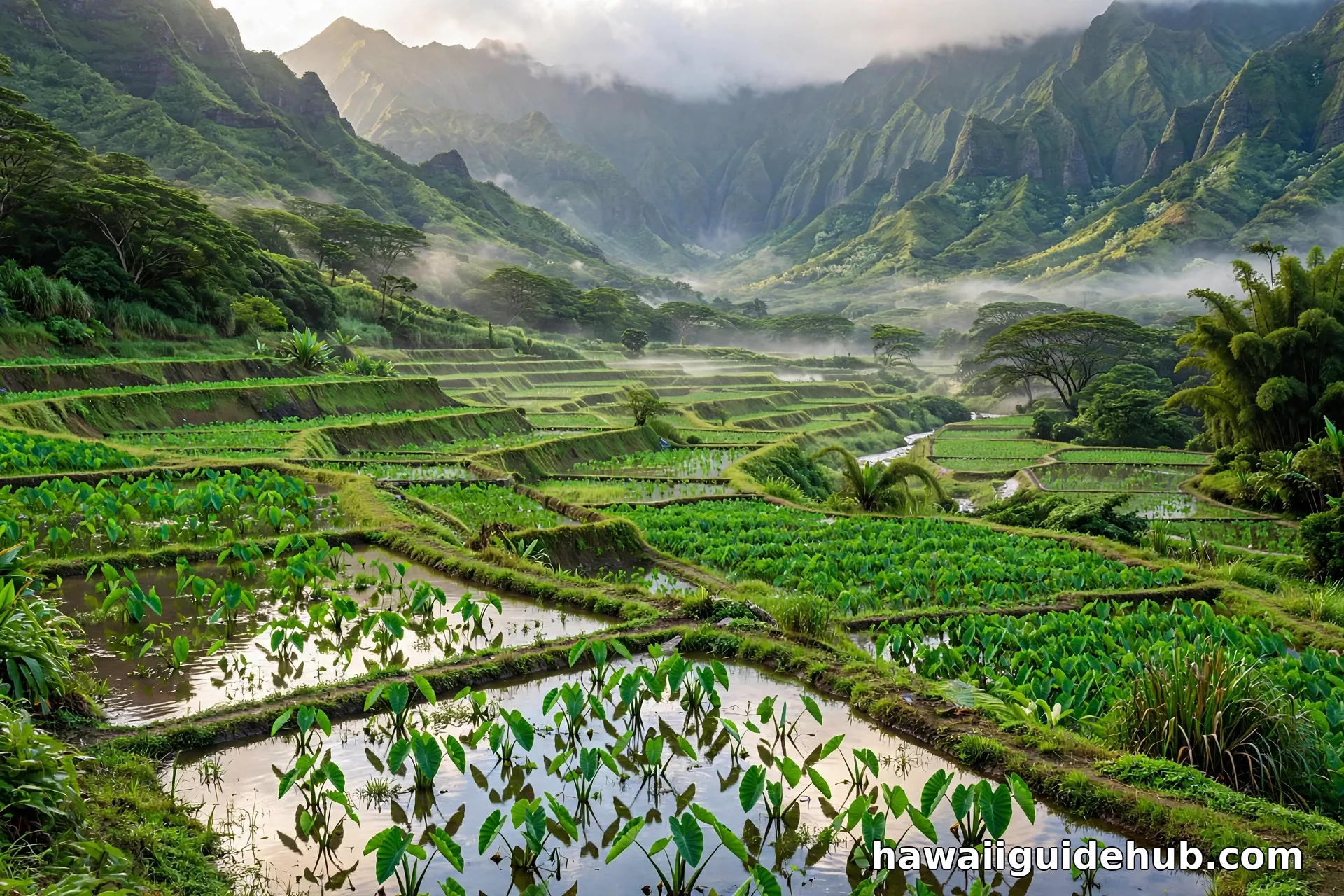
To grasp how remarkable Native Hawaiian society was, look at the ahupuaʻa. Each wedge of land ran from the mountain summits down through forests, farmland, and villages to the sea, including a slice of offshore reef. A single ahupuaʻa gave its people timber and birds from the uplands, taro and sweet potato from the lowlands, and fish from the shore and reef. Konohiki, land stewards, managed the flow of resources, and taxes were paid in produce rather than money. Historians estimate this system supported hundreds of thousands of people with no imports at all, a feat of sustainable engineering that modern planners still study.
The genius of the ahupuaʻa was its built-in fairness and resilience. Because every community held land in every ecological zone, no village could be cut off from food by drought, storm, or war in a single zone. Fishponds (loko iʻa), walled enclosures along the shore, farmed fish the way taro fields farmed plants, with some ponds covering hundreds of acres. The famous fishponds at places like Heʻeia on Oʻahu are being restored today by Native Hawaiian organizations, a literal rebuilding of ancestral food security.
Where Native Hawaiian Culture Thrives Today
Native Hawaiian culture is not a museum exhibit. It is most visible where Native Hawaiians live and lead. On every island you will find hula hālau (schools) training dancers from childhood, language immersion schools (Pūnana Leo and Kula Kaiapuni) raising fluent new speakers, and voyaging societies sailing traditional canoes between islands. The annual Merrie Monarch Festival in Hilo draws the world’s best hula dancers each spring, while events like the Prince Lot Hula Festival on Oʻahu and local makahiki celebrations keep seasonal traditions alive.
Native Hawaiian leadership is also prominent in conservation and land stewardship. Organizations led by Kānaka Maoli manage watershed restoration, protect native forests, and run cultural sites across the islands. When you visit a place like Waimea Valley on Oʻahu or the Limahuli Garden on Kauaʻi, you are often experiencing Native Hawaiian stewardship in action. Choosing tours and experiences run by Native Hawaiian guides and businesses is one of the most direct ways visitors can support the culture they came to see.
Sacred Places: Heiau and Burial Sites
Across the islands stand heiau, ancient Hawaiian temples ranging from simple stone platforms to massive structures like Puʻukoholā on the Big Island, built by Kamehameha the Great. Many heiau remain spiritually active for Native Hawaiians, places of prayer and ceremony, not ruins. The protocol is simple: stay outside rock walls and rope lines, keep voices low, do not move stones or leave offerings of your own devising, and never climb on the structures. The same applies to burial sites, which include sea caves, sand dunes, and cliff faces. Taking bones, artifacts, or even photos at some sites is deeply offensive and, in many cases, illegal under state and federal law.
If you are unsure whether a place is sacred, look for the signs: ti leaf plants, rock walls, offerings, or posted notices. When in doubt, treat the place as sacred. That instinct will never be wrong in Hawaiʻi.
How to Visit Respectfully: A Practical Guide
Respect in Hawaiʻi is practical, not abstract. Do not take rocks, sand, or coral; beyond park rules, many believe removing them invites misfortune. Stay on marked trails and out of roped-off sacred areas. Keep your distance from monk seals and sea turtles, which is federal law as well as cultural protocol. Ask before photographing cultural practitioners or ceremonies. Do not climb on heiau or enter burial caves. Use reef-safe sunscreen, pack out your trash, and give back if you can, through volunteer work or supporting Native Hawaiian-owned businesses.
Perhaps most important: listen more than you explain. If a local shares the history of a place, receive it as a gift rather than a tour script. The islands’ story includes real pain, from the overthrow to the language ban to the ongoing pressures of tourism and development. Acknowledging that history honestly is itself a form of respect.
Video: Aloha and Native Hawaiian Identity
A PBS short film on what aloha means to Native Hawaiians, at home and in the diaspora.
Frequently Asked Questions About Hawaii Natives
Who are the natives of Hawaii?
The Kānaka Maoli, or Native Hawaiians, the Indigenous Polynesian people whose ancestors settled the islands centuries before European contact. They are distinct from Hawaii residents of other backgrounds.
What does Kānaka Maoli mean?
It means the true or real people of Hawaiʻi, the term Native Hawaiians use for themselves. “Kanaka” is the singular, “kānaka” the plural.
How many Native Hawaiians are there today?
The 2010 U.S. Census counted about 527,000 people identifying as Native Hawaiian alone or in combination with other races, living in all 50 states. It was one of the fastest-growing groups that decade.
Is it okay to call someone “Hawaiian”?
Only if they are Native Hawaiian. For residents generally, “Hawaii resident” or “local” (for those raised here) is correct. When in doubt, just ask how someone identifies.
What is the Hawaiian sovereignty movement?
An ongoing movement seeking greater autonomy or independence for Native Hawaiians, rooted in the history of the 1893 overthrow of the Hawaiian Kingdom. It takes many forms, from political organizing to cultural revitalization, and visitors should treat it as a serious living issue rather than a historical footnote.
How can tourists support Native Hawaiian culture?
Learn the history before you arrive. Support Native Hawaiian-owned businesses and cultural practitioners. Attend authentic cultural events with respectful attention. Follow mālama ʻāina practices. And carry what you learn home: the most respectful souvenir is understanding.
Hawaii’s natives are not a chapter in a history book. They are half a million people carrying an ancient culture into the future, on islands their ancestors found by reading the stars. Visiting Hawaiʻi means visiting their homeland. Learn their names for themselves, understand what was taken and what survived, and move through the islands with the care the place deserves. That is what it means to be a good guest here. The islands will give you beauty beyond measure; the least and the most you can return is respect, freely given and deeply meant.