Hawaiian Music History: From Ancient Chant to Modern Sound

Hawaiian music is one of the world’s great musical traditions: from ancient chants that carried genealogy to the steel guitar that conquered global pop, the islands have repeatedly reinvented how music sounds. This guide traces Hawaiian music history: the chant era, missionary influence, the royal composers, the birth of the steel guitar and ukulele, hapa haole, slack key, and the modern renaissance.
This is the single complete guide to Hawaiian music history. It covers ancient oli and mele, missionary hymns, the royal songwriters, the steel guitar’s invention, the ukulele’s arrival, hapa haole, slack key guitar, the renaissance, and FAQs. Everything about Hawaiian music history lives on this one page.
The Beginning: Oli and Mele
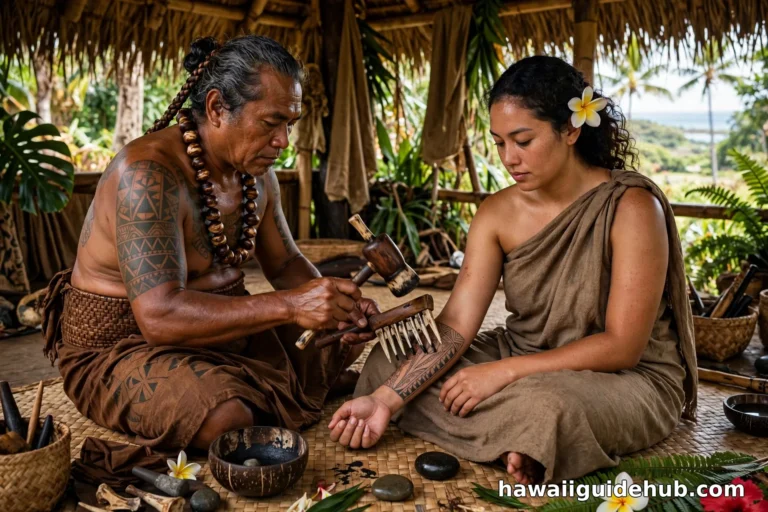
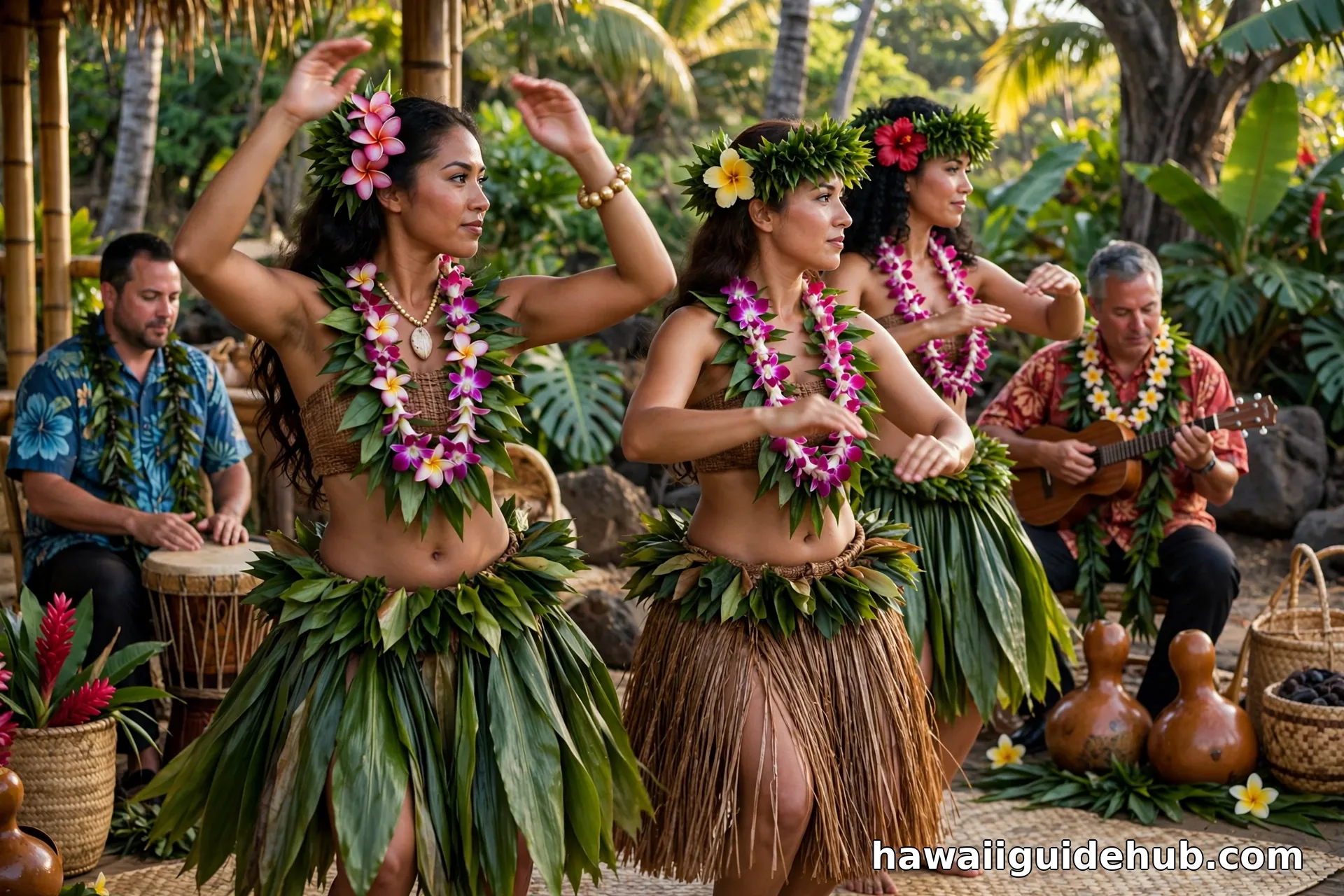
Before instruments, there was the voice: oli (chant) and mele (song-poetry) carried Hawaii’s history, genealogy, religion, and law. Chants were precise, powerful, and sacred: the Kumulipo creation chant runs over 2,000 lines. Hula was the visual companion, telling the stories the chants sang. This was music as memory: in a society without writing, the chant was the library. The tradition survives: contemporary chanters still perform the old mele with the old power.
Eras of Hawaiian Music
| Era | Sound | Key figures |
| Ancient (pre-1820) | Oli chant, hula, percussion | Anonymous master chanters |
| Missionary (1820-1870s) | Hymns in Hawaiian | Missionary translators |
| Royal (1870s-1890s) | Parlor songs, anthems | Lili’uokalani, Kalakaua |
| Steel guitar (1890s-1930s) | Sliding steel, sweet tone | Joseph Kekuku, Sol Ho’opi’i |
| Hapa haole (1920s-1950s) | English-language Hawaii songs | Royal Hawaiian Hotel era |
| Renaissance (1970s-present) | Roots revival, slack key | Gabby Pahinui, Keali’i Reichel |
The Missionaries’ Hymns
The missionaries brought hymns, and Hawaiians made them their own: translated into Hawaiian, sung in four-part harmony, the hymns became a foundation of modern Hawaiian music. The choral tradition they seeded is still strong in Hawaii’s churches. But the exchange went both ways: Hawaiian musical sensibilities transformed the hymns, and the hymn structures gave Hawaiian composers new forms. The missionary era’s musical legacy is complicated but undeniable: harmony itself.
The Royal Composers
Hawaii’s monarchs were musicians: King Kalakaua composed, and Queen Lili’uokalani wrote “Aloha ‘Oe,” the most famous Hawaiian song in the world. The royal court was a musical salon where Hawaiian and European traditions fused: parlor songs, anthems, and waltzes with Hawaiian soul. The monarchy’s overthrow gave the music poignancy: “Aloha ‘Oe,” written as a farewell, became an elegy for the kingdom. The royals’ songs are Hawaii’s classical canon.
The Steel Guitar: Hawaii’s Gift to the World
Around the 1890s, Joseph Kekuku, a schoolboy on O’ahu, discovered that sliding a steel bolt along guitar strings made a singing tone: the Hawaiian steel guitar was born. The sound swept the world: it became the voice of country music’s pedal steel, influenced blues and rock slide guitar, and defined “Hawaiian music” globally. Sol Ho’opi’i took it to Hollywood; the “Hawaii Calls” radio broadcasts carried it worldwide. Few inventions have traveled so far from such small beginnings.
The ‘Ukulele Arrives
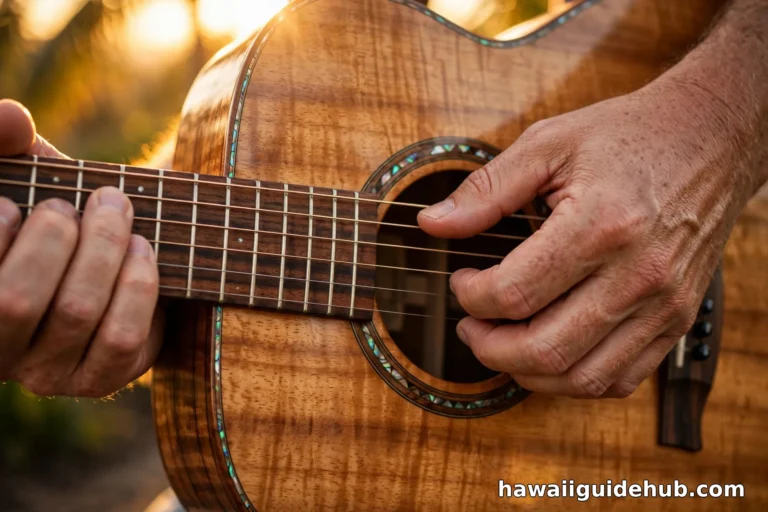
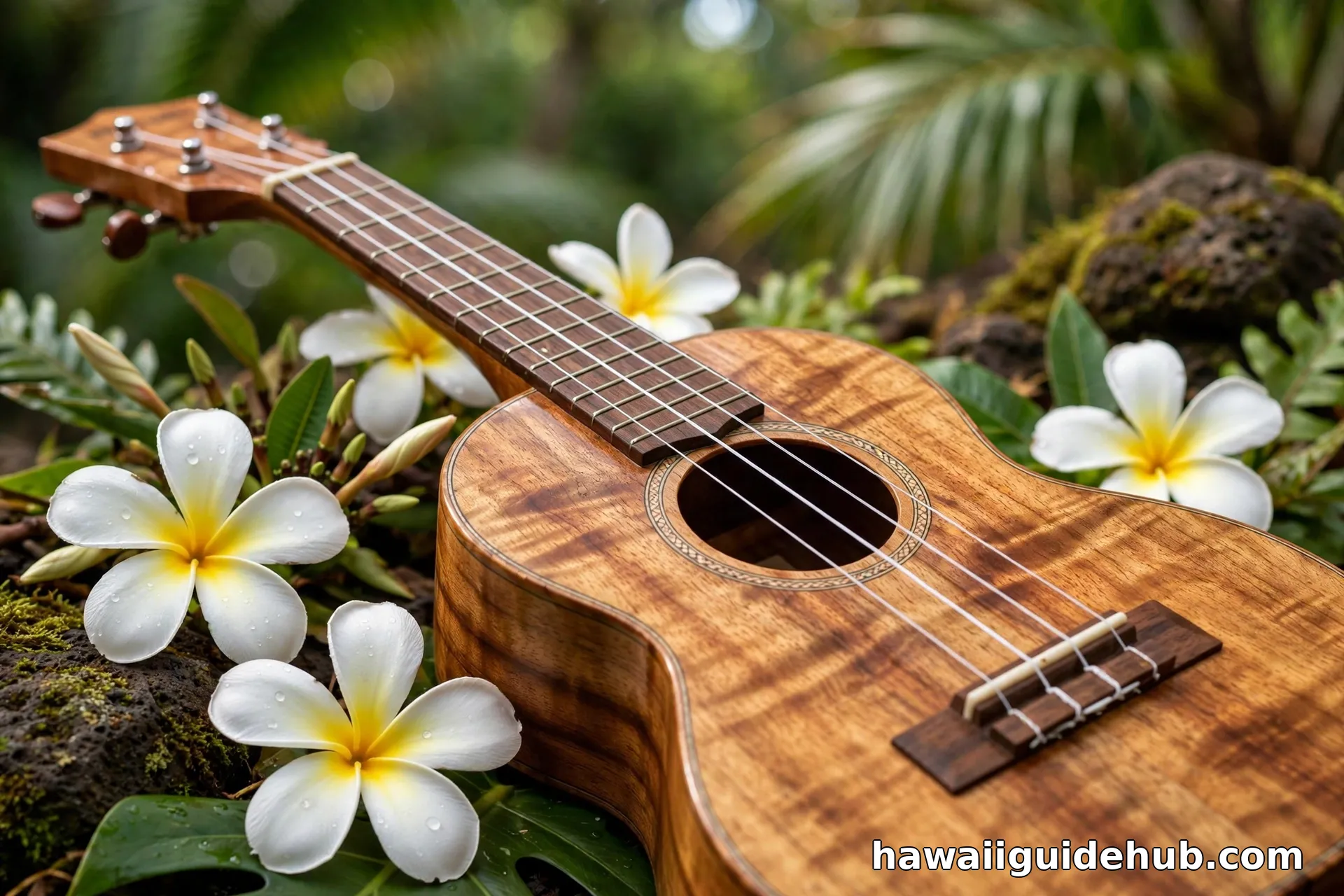
In 1879, Portuguese immigrants brought the braguinha to Hawaii: the small guitar Hawaiians called the ‘ukulele, “jumping flea,” for the players’ dancing fingers. King Kalakaua loved it, the court adopted it, and it became Hawaii’s global mascot. The ‘ukulele’s journey since: from vaudeville to Tiny Tim to Israel Kamakawiwo’ole’s “Over the Rainbow,” the best-selling Hawaiian song ever. Four strings, infinite aloha.
Slack Key: Ki Ho’alu
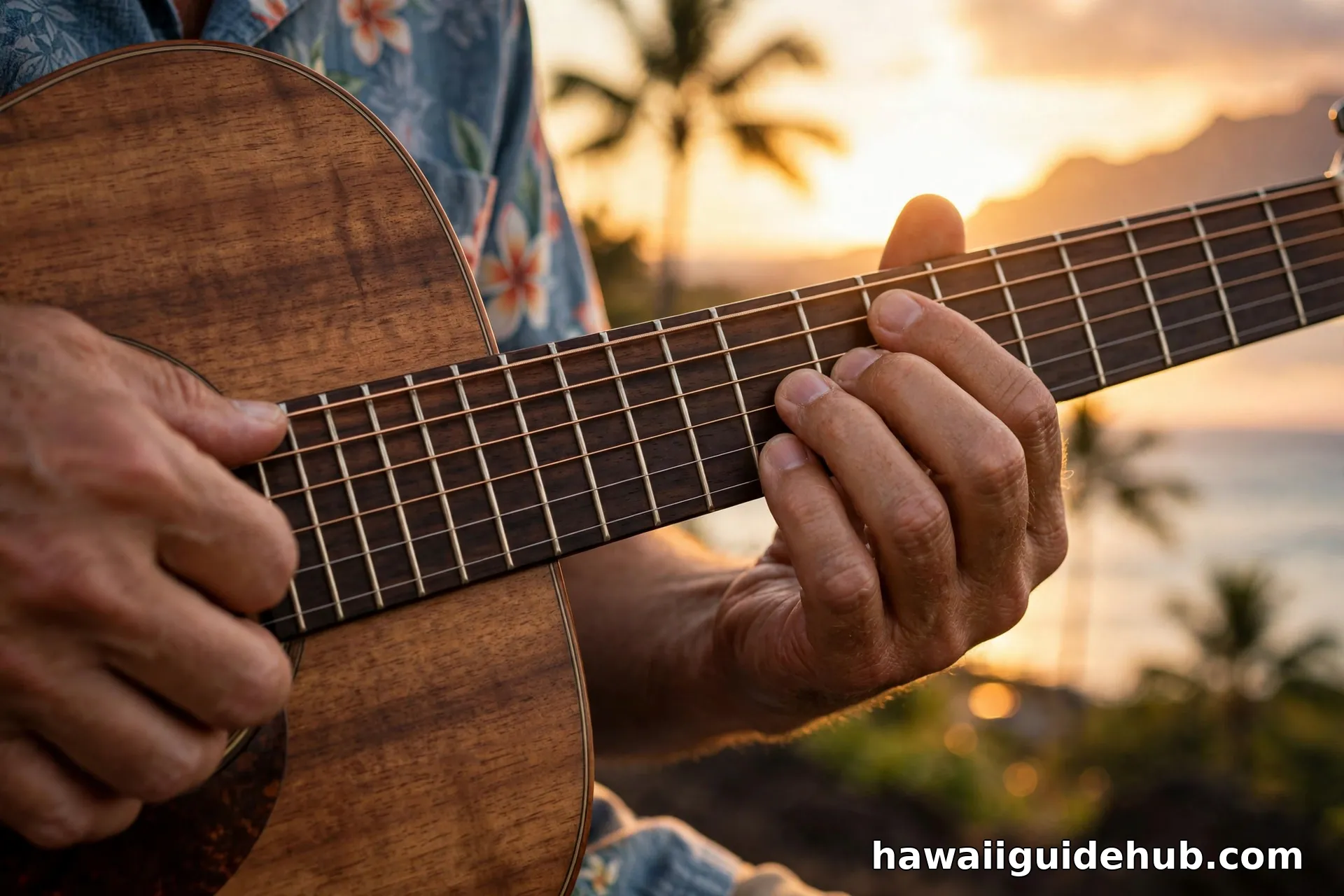
Slack key guitar (ki ho’alu) came with the paniolo: Mexican vaqueros brought guitars in the 1830s, and Hawaiians retuned (“slacked”) the strings to open tunings that suited their music. The tradition was long a family secret: tunings passed down privately, played at home. Masters like Gabby Pahinui, Raymond Kane, and Ledward Kaapana brought it public; the Dancing Cat Records series brought it global. Slack key is Hawaii’s most intimate music: sweet, complex, and deeply personal.
Hapa Haole and the Renaissance
The hapa haole era (1920s-1950s) gave the world English-language “Hawaiian” songs for tourists: sweet, sometimes stereotyped, commercially huge. The 1970s Hawaiian Renaissance pushed back: the Sons of Hawaii, Gabby Pahinui, and others reclaimed roots, language, and authenticity. The renaissance continues: Keali’i Reichel, Amy Hanaiali’i, and a new generation blend tradition with innovation. Hawaiian music today is both ancient and brand new: chant and hip-hop, slack key and jazz.
The Kumulipo: Music as Cosmology
The Kumulipo, Hawaii’s great creation chant, shows what music was for: over 2,000 lines tracing the universe from darkness to light, from coral polyps to chiefs. Chanted at births and ceremonies, it placed the listener in cosmic order. This wasn’t entertainment but ontology: the chant said what the world is. Modern performances still carry that weight. To hear the Kumulipo chanted properly is to hear the oldest Hawaiian music doing its oldest job: explaining everything.
Hawaii Calls: Radio to the World
From 1935 to 1975, “Hawaii Calls” broadcast Hawaiian music worldwide from Waikiki: steel guitars, sweet harmonies, and the surf sounds that defined the islands for generations. Barney Isaacs and others became global ambassadors through the show. For many mainlanders, Hawaii Calls was their first Hawaii: the music arrived before the tourists did. The broadcasts shaped the world’s idea of Hawaiian sound: romantic, swaying, impossibly sweet.
Israel Kamakawiwo’ole: The Voice
No modern figure looms larger than Israel Kamakawiwo’ole: Bruddah Iz, whose medley of “Over the Rainbow / What a Wonderful World” became one of the most-played songs in history. His voice, gentle and immense, carried Hawaiian music to billions. His 1997 funeral drew thousands; his ashes were scattered at Makua Beach. Iz proved Hawaiian music’s global power: a ukulele, a voice, and total sincerity can conquer the world.
The Merrie Monarch: Music’s Biggest Stage
Every Easter week, Hilo hosts the Merrie Monarch Festival: the world’s premier hula competition, named for Kalakaua, the “Merrie Monarch” who revived hula. The festival is music’s biggest stage too: chanters, musicians, and halau from everywhere compete and celebrate. It’s the annual gathering of the tradition’s keepers: ancient and modern, competitive and communal. If you love Hawaiian music, time a visit for Merrie Monarch week.
Na Hoku Hanohano: The Awards
Hawaii’s Grammys are the Na Hoku Hanohano Awards: honoring the islands’ musicians across genres, from traditional to contemporary. The awards track the tradition’s evolution: slack key masters, Jawaiian reggae artists, Hawaiian-language rappers, all celebrated together. Winning a Hoku is the local industry’s highest honor. The ceremony is a state of the union for Hawaiian music: who’s carrying it, where it’s going.
Where to Hear It Live
The music lives in performance: hotel lobbies with slack key duos, beach parks with kanikapila jams, the Waikiki Shell’s concerts, small venues like the Blue Note Hawaii. The best experiences are often free: a backyard party you get invited to, a beach jam you stumble into. Ask locals where the music is; follow the sound of the ‘ukulele. Hawaiian music heard live, under the stars, is the islands at their best.
Learning to Play
Want to learn? The ‘ukulele is the friendliest start: cheap, portable, and playable within hours. Slack key takes longer: the tunings are family secrets, but teachers share them now. Many shops offer lessons; many masters teach. Learning Hawaiian music is learning Hawaiian culture: the songs carry the language, the history, the values. Pick up an instrument and the islands will teach you the rest.
Jawaiian: Reggae Meets the Islands
In the 1980s, Hawaiian musicians fused reggae with island sounds: Jawaiian was born. Bands like the Green and J Boog carry it now; the sound is beach parties, backyard jams, and local radio. Purists grumbled; the kids danced. Jawaiian shows Hawaiian music’s adaptive genius: the tradition absorbs everything and stays Hawaiian. It’s the latest chapter in a thousand-year habit: take the world’s sounds, make them local.
The Paniolo Songs
The cowboys sang too: paniolo music blends Mexican, Hawaiian, and American folk into songs of ranch life. Slack key was the paniolo’s guitar; their songs told of cattle drives, Waimea nights, and the saddle life. Leabert Lindsey and others keep it alive. The paniolo repertoire is a reminder: Hawaiian music isn’t just beaches and luaus. It’s also horses, dust, and the high country.
Women of Hawaiian Music
The tradition’s women deserve their own verse: Queen Lili’uokalani the composer, Lena Machado the songbird, Genoa Keawe the voice of old Hawaii, Amy Hanaiali’i the modern master, Hapa’s mixed harmonies. Hawaiian music has always been women’s music too: the lullabies, the church harmonies, the hula chants. The future is female as well: young women are leading the language revival, the composition renaissance, and the global stage.
Watch: The Tradition of Ki Ho’alu | PBS Hawai’i
Hawaiian Music History FAQs
What is the oldest Hawaiian music?
Oli (chant) and mele (song-poetry): the vocal traditions that carried history, genealogy, and religion before European contact. Hula was their dance companion.
Who invented the steel guitar?
Joseph Kekuku, a Hawaiian schoolboy in the 1890s, discovered the sliding steel tone. The Hawaiian steel guitar went on to influence country, blues, and rock worldwide.
Where did the ‘ukulele come from?
Portuguese immigrants brought the braguinha in 1879; Hawaiians renamed it ‘ukulele (“jumping flea”). King Kalakaua’s patronage made it Hawaii’s emblem.
What is slack key guitar?
Ki ho’alu: a fingerpicked tradition using retuned (“slacked”) open tunings, developed from Mexican vaquero guitars in the 1830s. Masters include Gabby Pahinui and Ledward Kaapana.
Who wrote “Aloha ‘Oe”?
Queen Lili’uokalani, Hawaii’s last monarch. Written as a farewell song, it became the world’s most famous Hawaiian melody and an elegy for the kingdom.
The Music of the Islands
Hawaiian music is the islands’ autobiography: the chants remember the voyagers, the hymns remember the missionaries, the steel guitar remembers the inventors, the ‘ukulele remembers the immigrants, and slack key remembers the paniolo. Every era added a layer; none erased the others. Listen to it all: the ancient oli, the royal parlor songs, the sliding steel, the jumping flea. The music is Hawaii talking to itself across a thousand years: and it’s still got plenty to say. So listen widely and listen well. Start with the chant: find a recording of the Kumulipo and let the ancient voice wash over you. Move to the royals: play “Aloha ‘Oe” and hear a queen saying goodbye to her kingdom. Feel the steel: put on Sol Ho’opi’i and hear the sound that conquered the world. Strum the ‘ukulele: learn three chords and join the tradition. Sink into slack key: let Gabby Pahinui’s fingers tell you about the old Hawaii. And catch it live: the beach jam, the hotel duo, the Merrie Monarch stage. Every note is a history lesson; every song is an invitation. The islands have been singing for a thousand years. It’s time you listened. And when you do, you’ll hear something remarkable: a tradition that never broke. The chanters kept chanting through the missionary era. The steel players kept sliding through the wars. The slack key masters kept their tunings secret and then shared them with the world. The language came back; the music never left. That’s the real history here: not a series of eras but a single continuous song, sung by different voices across ten centuries. You’re hearing it now. Welcome to the chorus. One last thought: music is how Hawaii remembers, so learning the music is learning the memory. Every song you learn is a story you can carry; every chord is a connection to the people who played it before you. The ‘ukulele you strum connects you to the Portuguese immigrants, the steel guitar to Joseph Kekuku’s schoolboy experiment, the chant to the voyagers themselves. Play on. The tradition has room for everyone, and it’s been waiting for you for a thousand years, and it will wait a thousand more. E ho’omau: perpetuate. That’s the music’s final instruction, and its first, and every note in between. Mahalo for listening with your whole heart, the way the music deserves, from the very first ancient chant to the very last sweet slack key note ever played. For more island culture, see our volcanoes guide and Kauai guide.