Hawaii Cake Ideas: Haupia, Chantilly & Tropical Favorites

Hawaii’s cakes are as distinctive as its beaches: haupia cake with its coconut pudding layers, chantilly cake with its silky frosting and macadamia nuts, lilikoi chiffon bright with passion fruit, and guava cake in its pretty pink. Whether you are baking for a luau, a birthday, or just because, these are the cakes that taste like the islands. This guide covers Hawaii’s signature cakes, tropical flavors, and decorating ideas.
This page covers the signature Hawaii cakes, tropical flavors, decorating ideas, and FAQs. Everything about Hawaii cake ideas is on this one page.
The Short Answer
Hawaii’s signature cakes: haupia cake (white cake with coconut haupia filling, Liliha Bakery’s classic), chantilly cake (chocolate chiffon with chantilly frosting and toasted macadamia nuts), lilikoi chiffon (passion fruit), guava cake, and dobash (chocolate with dobash frosting). Tropical flavors to use: pineapple, coconut, lilikoi, guava, and macadamia nut. Decorate with fresh plumeria, monstera leaves, or a sunset ombre frosting.
Hawaii’s Signature Cakes
| Cake | Signature flavor | What makes it special |
| Haupia cake | Coconut | Haupia pudding layers; Liliha Bakery classic |
| Chantilly cake | Chocolate + chantilly | Silky frosting; toasted macadamia nuts |
| Lilikoi chiffon | Passion fruit | Light, tangy, bright yellow |
| Guava cake | Guava | Pretty pink; sweet-tart |
| Dobash | Chocolate | Rich dobash frosting; local favorite |
Haupia Cake: The Coconut Classic
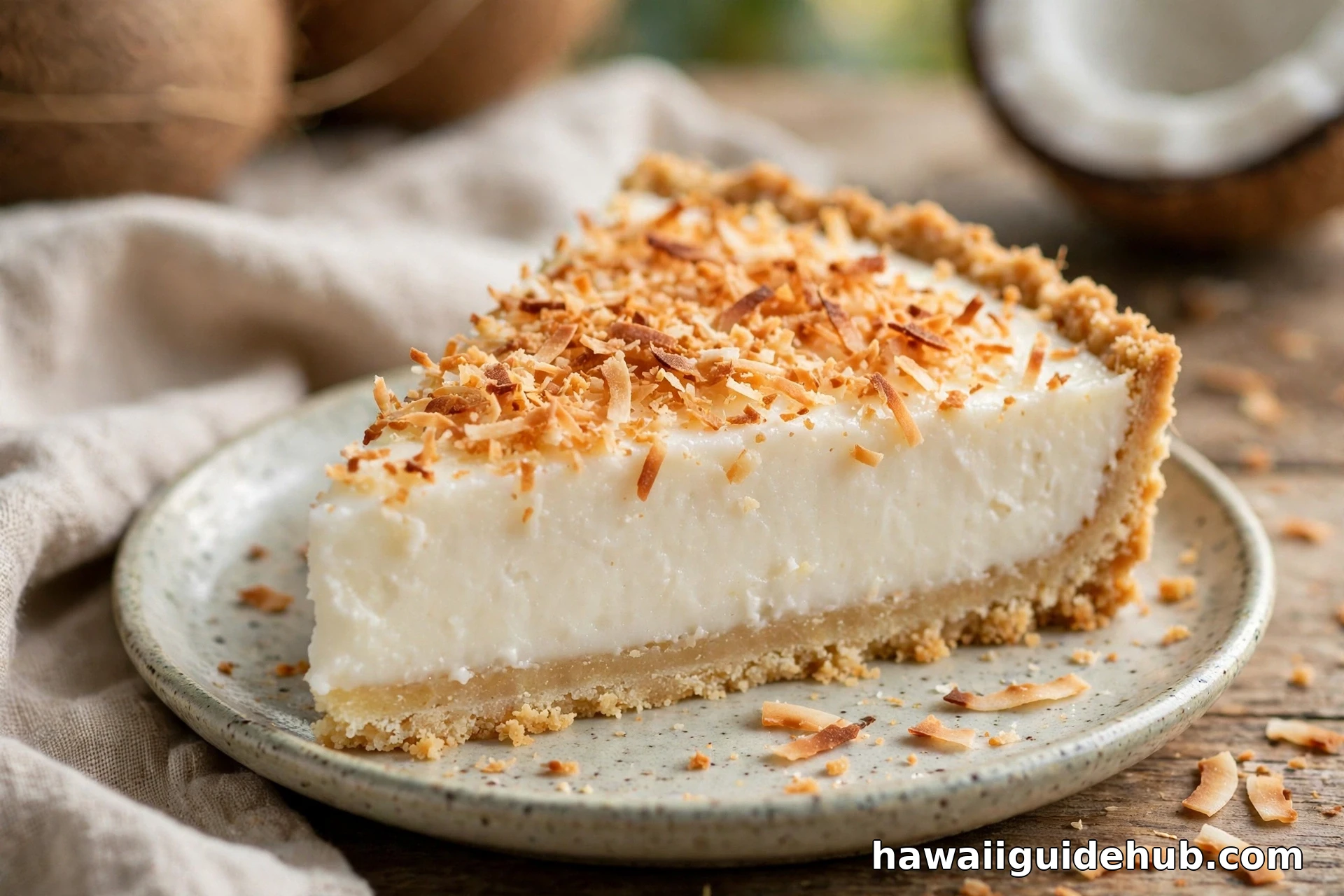
Haupia cake is Hawaii’s most beloved: white cake layered with haupia, the traditional coconut pudding made from coconut milk, sugar, and cornstarch. Liliha Bakery in Honolulu made it famous, and locals judge all others against it. The cake is light, not too sweet, crowned with toasted coconut. Make it at home with a white cake mix and homemade haupia filling: the filling takes minutes, the chilling takes patience. Serve cold: haupia cake is a refrigerator cake, and it is best icy.
Chantilly Cake: Hawaii’s Chocolate Legend
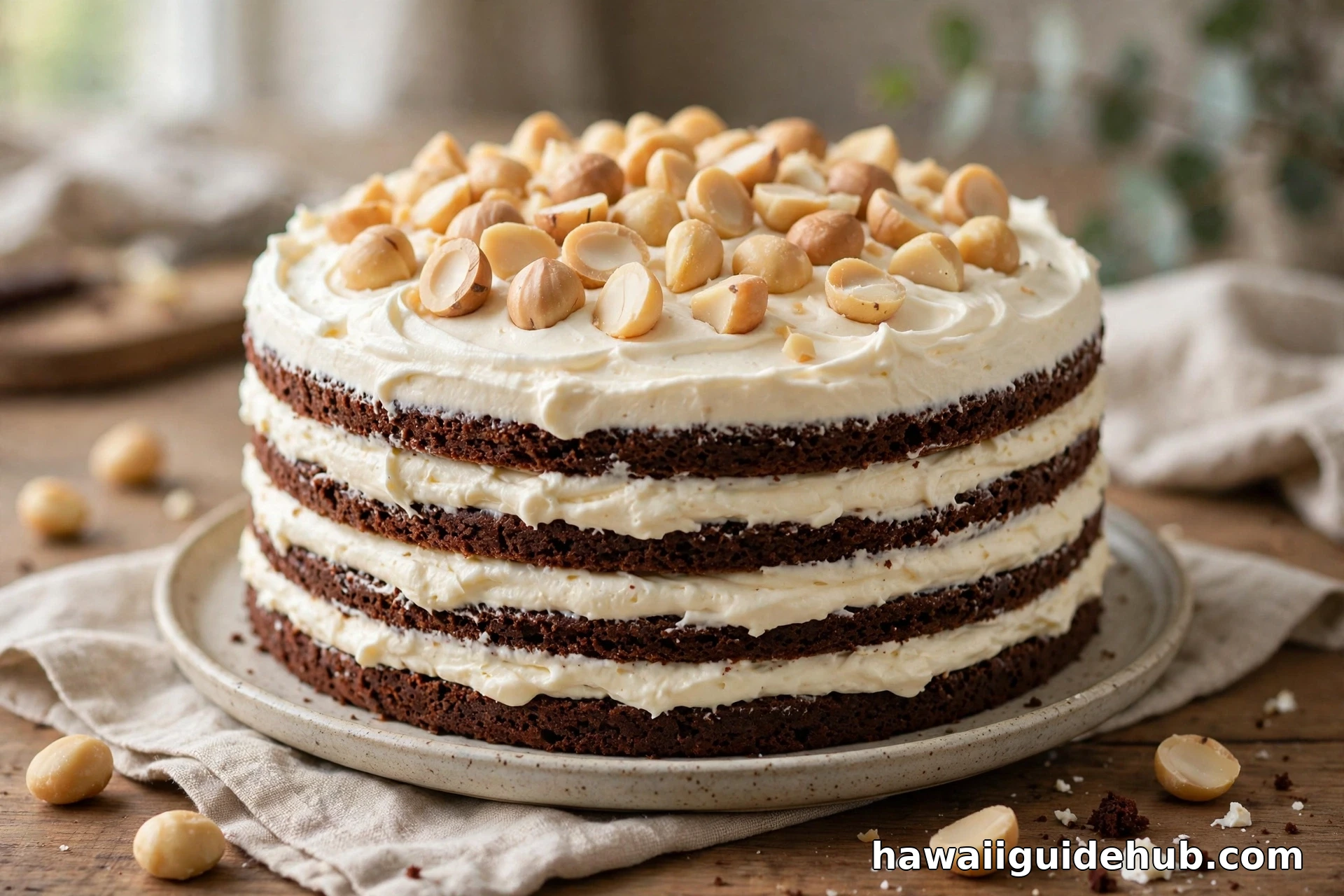
Chantilly cake is the celebration cake of Hawaii: chocolate chiffon layers with chantilly frosting (a cooked frosting of evaporated milk, butter, sugar, and egg yolks) and a shower of toasted macadamia nuts. It is rich but not heavy, sweet but not cloying. Every Hawaii bakery has its version; every local has a favorite. The frosting is the star: silky, buttery, and utterly unlike mainland buttercream. This is the cake for birthdays that matter.
Tropical Flavors to Bake With
The Hawaiian flavor palette: pineapple (crushed in the batter, rings on top), coconut (milk, flakes, haupia), lilikoi/passion fruit (curd, glaze, chiffon), guava (pink cake, guava gel frosting), mango, and macadamia nuts (in the batter, on top, everywhere). Combine them: pineapple-coconut, lilikoi-guava, chocolate-macadamia. The rule: tropical flavors love lightness. Chiffon and sponge cakes carry fruit flavors better than dense butter cakes. Let the fruit be the star.
Decorating Ideas
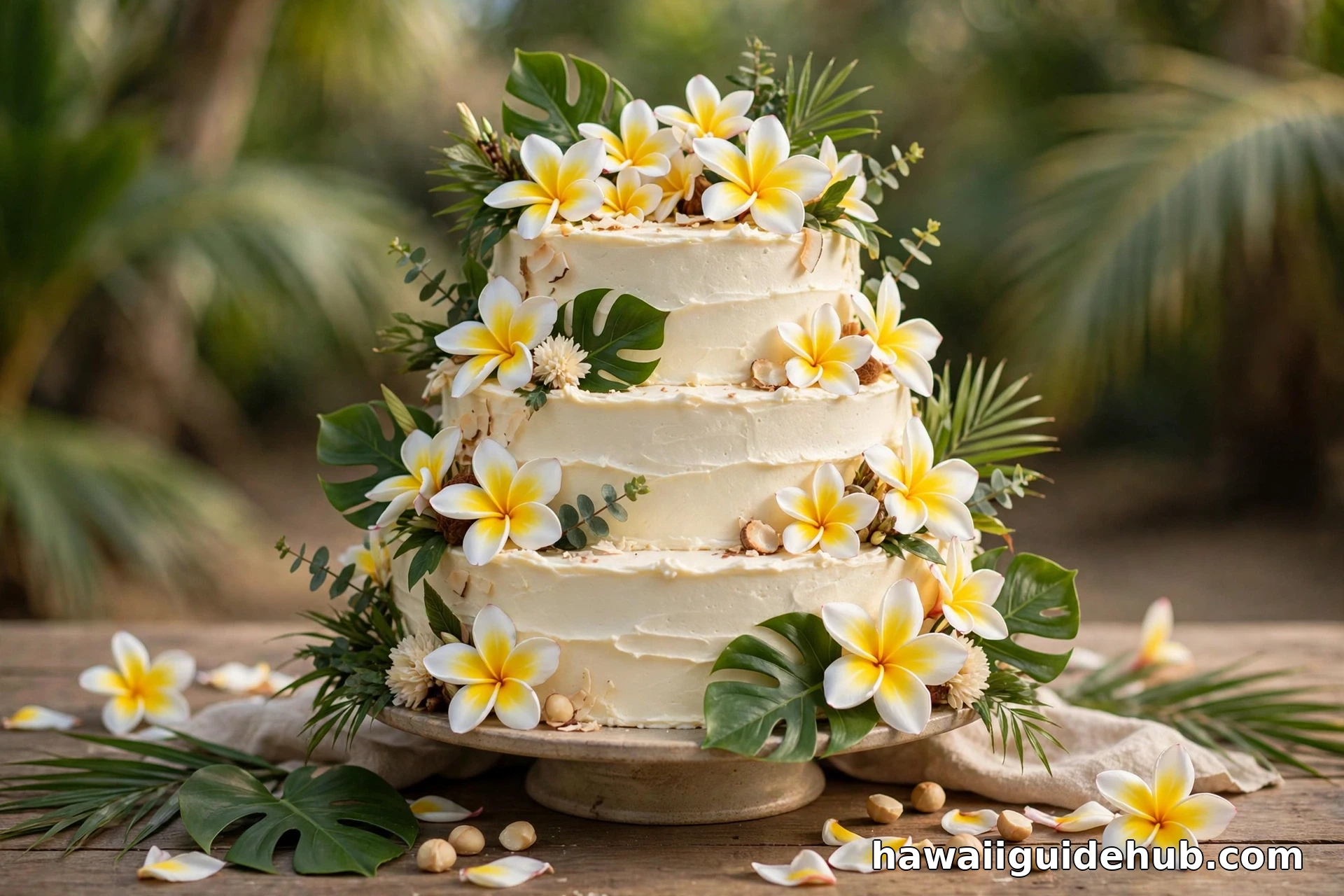
Decorate like the islands: fresh plumeria and orchids on top (food-safe placement), monstera leaves around the base, toasted coconut as “sand,” a sunset ombre frosting in pink-orange-yellow, or an island jelly cake with blue gelatin “ocean.” Edible flowers (hibiscus, orchids) are the easiest tropical upgrade: a plain white cake becomes Hawaiian with a ring of fresh blooms. Keep it simple: the flowers do the work.
Cakes for Occasions
Birthdays: chantilly or a tropical confetti cake with pineapple in the batter. Luaus: haupia cake (serve chilled) or a sheet cake with tropical fruit. Weddings: a tiered cake with plumeria and monstera, lilikoi or guava filling. Graduations: the school colors in ombre frosting with a lei of fresh flowers on top. Baby luaus (the Hawaiian first-birthday tradition): a smash cake plus a haupia sheet cake for the crowd. Every occasion has its cake; in Hawaii, the cake is part of the celebration’s identity.
For Hawaii celebrations, see Hawaiian traditions: hula, chanting, and storytelling, the significance of ohana, and Hawaii’s history before the 50th star.
The Island Jelly Cake
The island cake is the showstopper: a chocolate cake surrounded by blue gelatin “ocean,” decorated to look like a miniature tropical island. It went viral for a reason: sliced open, it reveals the island rising from the sea. It is a project (gelatin work takes patience), but the payoff is a cake nobody forgets. Perfect for ocean lovers’ birthdays. The technique: bake the cake, set it in a ring mold, pour tinted gelatin around it. Plan ahead: it needs hours to set.
Pineapple Upside-Down Cake
The pineapple upside-down cake is the retro Hawaiian classic: caramelized pineapple rings and cherries baked into the top (which becomes the bottom). Hawaii grew the pineapples; the mainland invented the cake; the islands adopted it. Use fresh pineapple if you can: the flavor is brighter than canned. Serve warm with vanilla ice cream. It is old-fashioned in the best way: the cake equivalent of a warm welcome.
Guava Cake
Guava cake is the pretty one: pink guava gel frosting over light cake, sweet-tart and unmistakably Hawaiian. Guava grows wild across the islands, and its perfume defines the cake. The color is natural: no food coloring needed. It is lighter than chantilly, fruitier than haupia: the choice for those who find chocolate too heavy for the tropics. A guava cake on the table says Hawaii without a word.
Dobash Cake
Dobash is the local chocolate cake: a rich chocolate layer cake with dobash frosting, a cooked chocolate frosting that is fudgy and intense. It is the cake of Hawaii childhood birthdays, potlucks, and bake sales. Less famous than chantilly, equally beloved. The frosting sets with a slight sheen: glossy, dark, and serious about chocolate. If chantilly is the tuxedo, dobash is the favorite old shirt: comfortable and perfect.
Lilikoi Chiffon
Lilikoi chiffon is sunshine in cake form: airy chiffon brightened with passion fruit. The tartness cuts the sweetness; the aroma is pure tropics. It is the lightest of the Hawaiian cakes: the one you eat after a big meal and somehow have room for. Lilikoi curd between the layers, lilikoi glaze on top. If you only bake one Hawaiian cake, make this one taste like the islands at their brightest.
Butter Mochi Cake
Butter mochi is Hawaii’s chewy, buttery, coconutty bar cake: made with mochiko (sweet rice flour), it has a custardy chew unlike any mainland cake. Cut in squares, served at every potluck. It is technically simple (one bowl, one pan) and endlessly adaptable: add lilikoi, chocolate, or ube. Not a layer cake, but a Hawaii cake idea in the truest sense: the islands’ most democratic dessert.
Baking Tips for Tropical Cakes
Tropical baking tips: drain crushed pineapple well (excess juice makes gummy cake); chill haupia cakes thoroughly (they are refrigerator cakes); toast coconut and macadamia nuts before using (the flavor difference is huge); use room-temperature ingredients for chiffon; and in Hawaii’s humidity, store frosted cakes in the fridge. High humidity is the enemy of crisp meringue: choose buttercream or cooked frostings on humid days.
Where to Buy in Hawaii
On Oahu: Liliha Bakery for haupia and chantilly (the originals). Most local bakeries and many grocery bakeries (Foodland, Times) carry haupia and chantilly cakes. On the neighbor islands: ask at local bakeries: every island has its chantilly champion. Farmers markets sometimes have lilikoi chiffon. When in doubt, follow the locals: the bakery with the line is the bakery with the cake.
Cupcakes, Hawaiian Style
Do not overlook cupcakes: haupia-filled, lilikoi-glazed, or chantilly-frosted with a macadamia on top. They are portion-perfect for parties, easier to transport than layer cakes, and every guest gets the good frosting-to-cake ratio. A dozen mixed tropical cupcakes (haupia, lilikoi, guava, chantilly) is a tasting flight of Hawaii. Bakeries sell them by the dozen: the easiest way to sample everything.
Haupia vs Coconut Cream: Know the Difference
Haupia is not coconut cream pie filling: it is firmer, less sweet, and made with cornstarch (or traditionally arrowroot), not eggs or dairy. Coconut cream is richer and softer. Haupia holds its shape in layers; it slices cleanly. If your “haupia” tastes like pudding cups, it is not haupia: real haupia is delicate, with the clean flavor of coconut milk. The distinction matters to locals: get it right.
Gluten-Free and Vegan Options
Good news: butter mochi is naturally gluten-free (mochiko is rice flour). Haupia is naturally vegan and gluten-free. For layer cakes, gluten-free flour blends work well in chiffon-style recipes. Vegan chantilly-style frosting is trickier (the classic uses egg yolks and butter), but coconut-whipped frostings are a fine tropical substitute. Hawaii’s flavors adapt: the fruit does not care about your dietary restrictions.
Cake for a Luau: Feeding a Crowd
Luaus mean crowds: bake sheet cakes, not layer cakes. A haupia sheet cake serves 24; a chantilly sheet cake serves 30. Sheet cakes are easier to transport, easier to cut, and just as delicious. Decorate simply: toasted coconut, fresh flowers, a dusting of powdered sugar. The luau table is abundant: the cake should be generous, not precious. Make two flavors: the crowd will thank you.
Storing and Transporting
Haupia and chantilly cakes must be refrigerated: the fillings are perishable. Transport in a cooler or an air-conditioned car: Hawaii’s heat melts frosting fast. Let refrigerated cake sit 20-30 minutes before serving (cold mutes flavor). Fresh-flower decorations go on at the last minute: heat wilts them. The cake that arrives intact is the cake that was planned for: Hawaii’s climate is part of the recipe.
How Hawaii Got Its Cakes
Hawaii’s cakes are immigrant stories: Portuguese sweet bread traditions, Japanese mochi techniques, American layer cakes, and native Hawaiian flavors (coconut, taro) all met in the plantation era and produced something new. Haupia came from Polynesia; chantilly from European frosting traditions via local bakeries; butter mochi from Japanese-American home bakers. The result is a dessert culture found nowhere else: familiar forms, island soul. Every slice is history you can eat.
Pairing Cake with Hawaiian Coffee
The perfect partner: Kona coffee. Its smooth, low-acid richness cuts the sweetness of chantilly and complements coconut beautifully. Serve haupia cake with iced coffee, chantilly with a hot Kona pour-over, lilikoi chiffon with a macadamia-nut latte. Hawaii grows world-class coffee: the cake-and-coffee pairing is the islands’ answer to wine and cheese. Do not skip it.
The Day-After Cake
Here is a secret: haupia and chantilly cakes are better on day two. The flavors meld overnight; the haupia sets firmer; the chantilly soaks into the chiffon. Refrigerate covered, and the next-day slice is the baker’s reward. Haupia cake keeps 3-4 days refrigerated; chantilly 3 days; butter mochi a week at room temperature (if it lasts). The only problem with Hawaiian cake is that there is never enough left to test this theory.
The Presentation: Serving Like a Local
Presentation matters: serve on a banana leaf-lined platter, garnish with fresh orchids, and cut generous slices (Hawaii portions are not shy). For parties, label the flavors: guests love knowing they are eating lilikoi. And always serve with coffee: the pairing is non-negotiable. A beautiful cake served beautifully is the whole point: in Hawaii, dessert is hospitality made visible.
Video: How to Make Chantilly Cake
Chantilly cake: Hawaii’s favorite chocolate cake, step by step.
Frequently Asked Questions
What is haupia cake?
White cake layered with haupia (coconut pudding), topped with toasted coconut. Liliha Bakery’s classic.
What is chantilly cake?
Chocolate chiffon with cooked chantilly frosting and toasted macadamia nuts. Hawaii’s celebration cake.
What flavors are Hawaiian cakes?
Pineapple, coconut, lilikoi (passion fruit), guava, mango, and macadamia nut.
Can I use fresh flowers on a cake?
Yes: plumeria, orchids, and hibiscus are popular. Use food-safe placement (stems wrapped, not in the frosting).
What is lilikoi?
Passion fruit: tart, aromatic, bright yellow. A favorite Hawaiian cake flavor.
Where can I buy haupia cake in Hawaii?
Liliha Bakery in Honolulu is the most famous; most local bakeries make versions.
Hawaii cake ideas are the islands on a plate: coconut, chocolate, passion fruit, and flowers. Bake the haupia cake for tradition, the chantilly for celebration, the lilikoi chiffon for brightness. Decorate with what grows outside your door. And always make enough: in Hawaii, cake is community, and community always shows up hungry. Chill haupia-based cakes well; the coconut sets firmer and slices cleaner when cold.