Hawaii Big Island Vacation: The Complete Planning Guide

The Big Island is not one vacation but several: a volcano expedition, a beach holiday, a waterfall road trip, and a stargazing pilgrimage, all on one island bigger than all the others combined. At over 4,000 square miles, the island of Hawaii demands a plan: stay on the wrong side and you will spend your vacation driving. This is the complete Big Island vacation guide: where to stay, Kona versus Hilo, the top things to do, sample itineraries, and the practical details that make or break the trip.
This page covers the island’s regions, where to stay, Kona vs Hilo, how many days you need, the top experiences, sample itineraries, driving and logistics, budget, best time to visit, and FAQs. Everything about a Big Island vacation is on this one page.
The Short Answer
Base on the Kona (west) side for sunshine, beaches, snorkeling, and resorts; add 1-2 nights on the Hilo (east) side for Hawaii Volcanoes National Park and waterfalls. You need at least 5 days, ideally 7. A rental car is essential. Fly into Kona (KOA) for beach trips, consider flying out of Hilo (ITO) for open-jaw itineraries. The island is 2.5 hours tip to tip with no traffic, so plan one region per day.
Know the Island: Four Regions
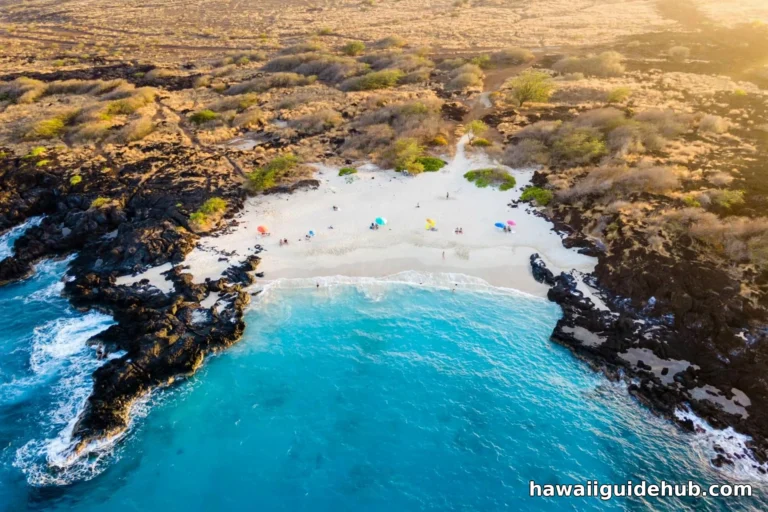
Think of the Big Island in four parts. The Kona side (west) is the dry, sunny economic center: Kailua-Kona town, the Kohala Coast resorts, the best snorkeling, manta rays, and coffee country. The Hilo side (east) is the wet, lush, local-feeling side: waterfalls, rainforests, the Hilo town charm, and the gateway to the volcano. The north (Kohala, Waimea, Hamakua) is ranch country and dramatic valleys. The south (Kaʻu) is remote: South Point, black and green sand beaches, and the volcano’s southern flank. Group your days by region and the island becomes manageable.
Kona Side vs Hilo Side: Where to Base
| Factor | Kona side (west) | Hilo side (east) |
| Weather | Dry and sunny, resort weather | Wet and lush, rain likely daily |
| Beaches | The island’s best: Hapuna, Mauna Kea | Few; black sand and rocky shores |
| Volcano access | 2+ hours each way | 45 minutes to the park |
| Waterfalls | None nearby | Akaka, Rainbow, Hamakua coast |
| Dining and nightlife | Most restaurants, bars, luaus | Local spots, quieter evenings |
| Budget | Pricier, especially Kohala resorts | Cheaper hotels and rentals |
The standard advice, and it is correct: most first-timers base on the Kona side and add 1-2 nights in Hilo or Volcano Village for the park. With 5+ nights, a split stay saves two exhausting cross-island drives. Open-jaw flights, into Kona and out of Hilo, turn the transfer into a one-way adventure. See the best things to do in Kona and the best things to do on the Big Island.
The Experiences You Came For
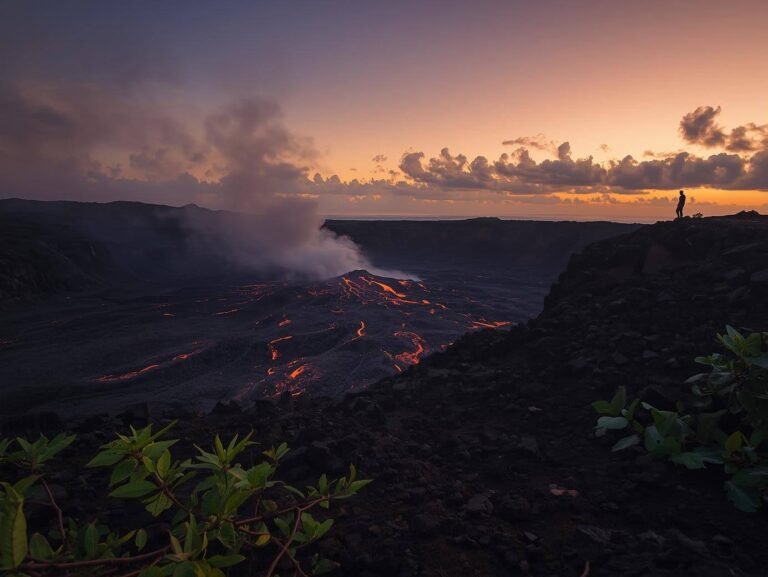
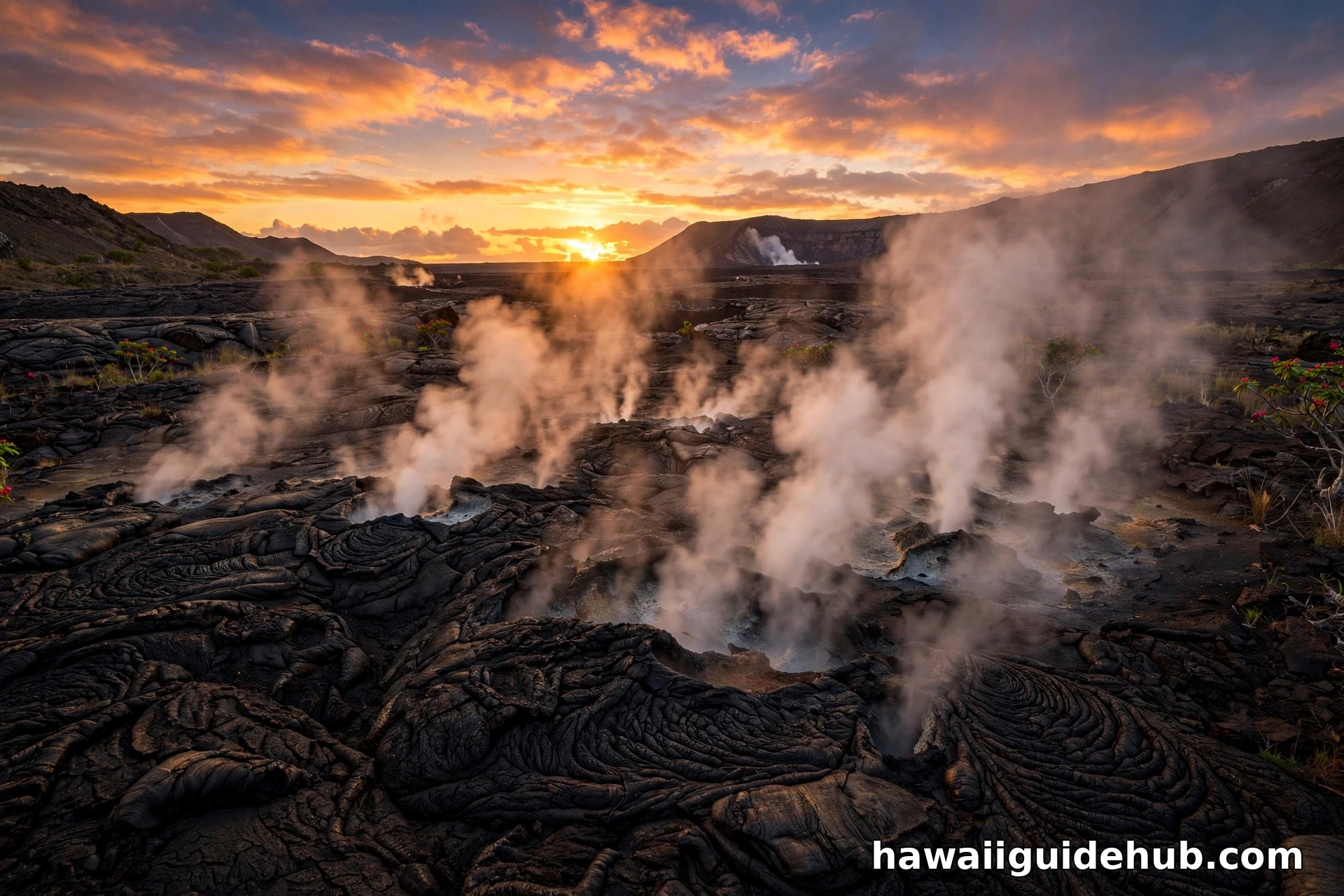
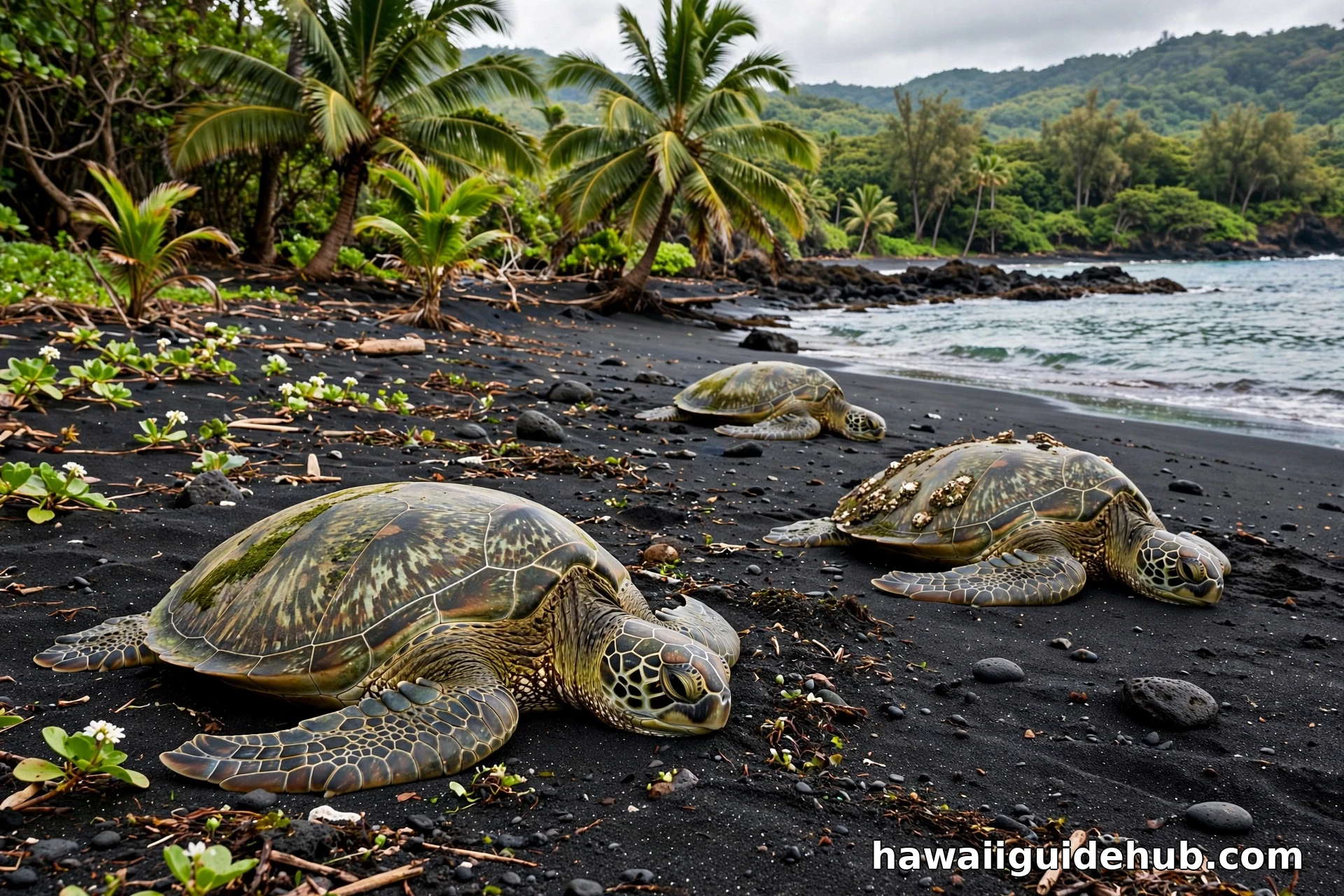
Hawaii Volcanoes National Park is the headline: an active volcano you can walk on, with steam vents, lava tubes, and the Kilauea Iki crater trail. Check eruption status before you go; the volcano cycles through active and quiet phases. The manta ray night snorkel off Kona is the island’s most magical experience: giant rays barrel-rolling inches below you in the lights. Snorkeling at Two Step (Honaunau Bay) and Captain Cook, the black sand beach at Punaluʻu with its basking turtles, Akaka Falls (442 feet), Waipio Valley lookout, Mauna Kea stargazing, Kona coffee farm tours, and Papakolea green sand beach round out the essential list. See five things to do in Hawaii Volcanoes National Park and the manta ray night snorkel.
Sample 7-Day Itinerary
Day 1: arrive Kona, settle in, sunset on Aliʻi Drive. Day 2: Kona town, coffee farm tour, Two Step snorkeling. Day 3: Kohala Coast beach day (Hapuna) or Puʻuhonua o Honaunau plus snorkeling. Day 4: drive south: Punaluʻu black sand beach, then Volcano Village; night at the park if the volcano glows. Day 5: full day Hawaii Volcanoes National Park, overnight Volcano or Hilo. Day 6: Hilo waterfalls (Rainbow, Akaka), Hilo town and farmers market. Day 7: Hamakua coast and Waipio Valley lookout, fly out of Hilo or drive back to Kona. Adjust the pace to yours: this island rewards slowness.
Driving: The Island’s Real Currency
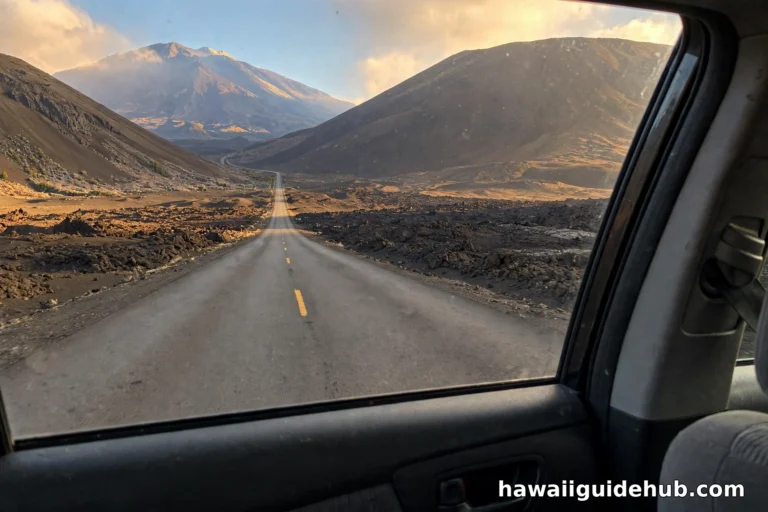
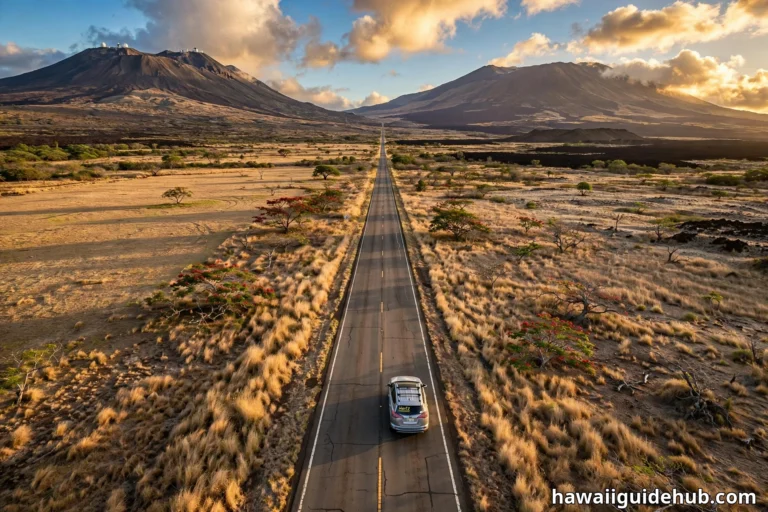
A rental car is non-negotiable: there is no useful public transit for visitors. The island is 2.5 hours tip to tip with no traffic, and Kona to the volcano is about 2 hours. Gas up before remote drives: the south and the Saddle Road have long empty stretches. The Saddle Road (Route 200) between Kona and Hilo is now fully paved and legal for rental cars, cutting cross-island time. Mauna Kea’s summit requires 4WD past the visitor station and is not for every rental: check your contract. Download offline maps; cell service dies in the island’s folds.
Budget: What It Costs
The Big Island is the most affordable of the four main islands at every tier. A mid-range 7-night trip for two typically lands between $4,000 and $7,500 all in: flights, hotel, car, food, activities. Kohala Coast resorts push higher; Hilo hotels and vacation rentals pull lower. Groceries at Costco in Kona cut food costs dramatically: restaurant prices are high island-wide. The national park pass, beach parking, and most waterfalls are cheap or free; the manta snorkel and luaus are the big-ticket activities.
Best Time to Visit
The Big Island is year-round, but shoulder seasons (April-May, September-October) bring the best mix of weather, prices, and crowds. Winter (December-March) is whale season and peak prices. Summer is dry and busy. The Kona side is reliably sunny in any month; the Hilo side is reliably rainy in every month, so pack the rain jacket regardless. Volcano viewing has no season: check the USGS eruption status before planning around it.
The Kona Coffee Trail
Kona coffee grows only on the volcanic slopes of the Kona district, and the farm tours are a Big Island essential. Dozens of small farms along the upland roads offer free or cheap tours: walk the orchards, watch the roasting, and taste the difference between a $8 cup and the real thing. Buy beans at the farm: they are fresher and often cheaper than in town. The coffee belt runs roughly from Holualoa to Kealakekua, an easy half-day loop from Kailua-Kona. Go in the morning when the roasters are running.
Mauna Kea: From Beach to Stars
Mauna Kea is the tallest mountain on earth measured from its ocean base, and its summit hosts world-class observatories above 40 percent of the atmosphere. The visitor station at 9,200 feet offers free stargazing programs; the summit at 13,800 feet requires 4WD, warm clothing (it can be below freezing), and respect for the mountain’s cultural sacredness. Go for sunset, stay for the stars: the Milky Way from the visitor station is a legitimate life highlight. Check road and weather status before driving up.
The Hamakua Coast Drive
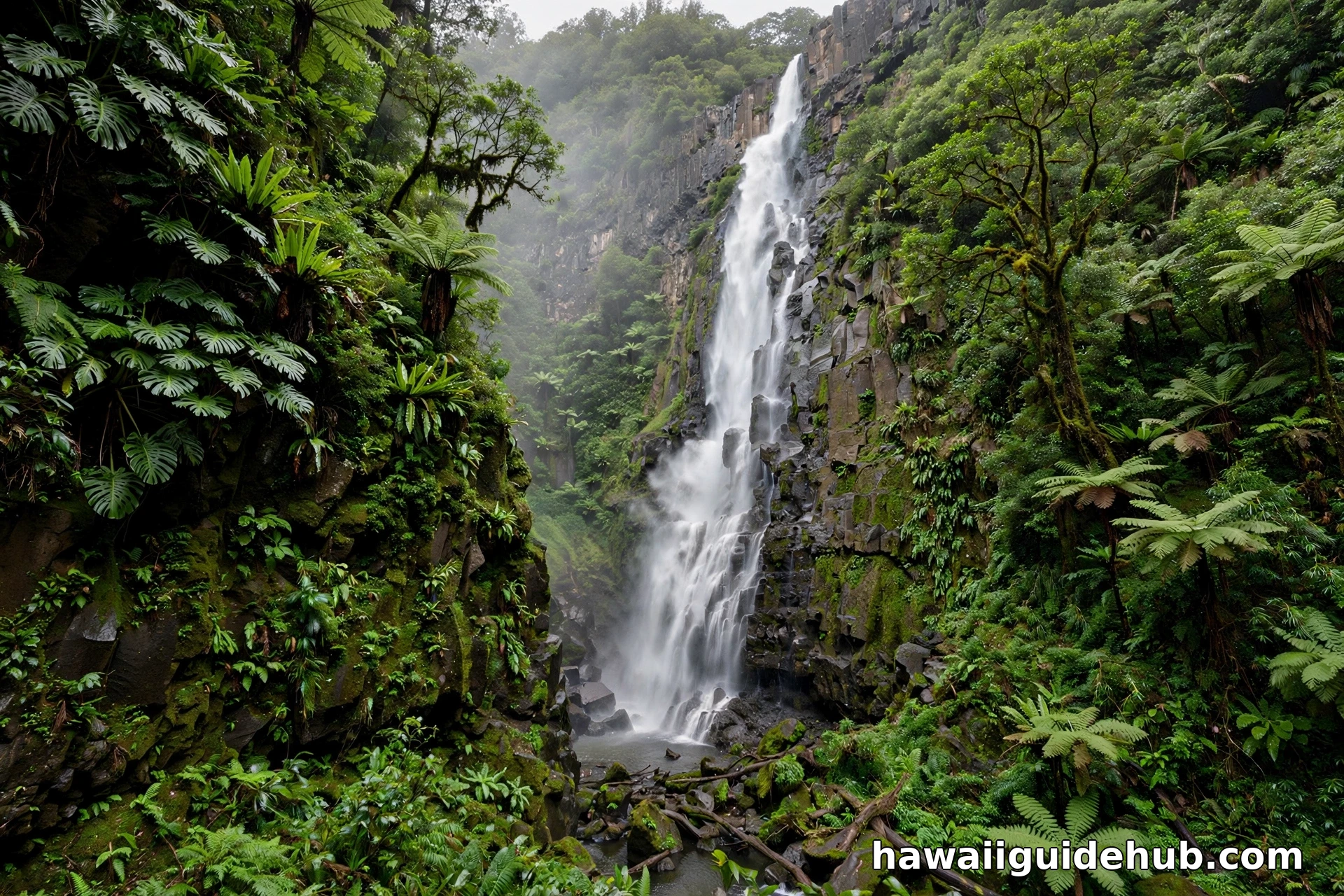
The drive north from Hilo along the Hamakua Coast is the island’s prettiest road: mile after mile of sea cliffs, gulches, and waterfalls, with the ocean glittering to the right. Stop at Akaka Falls State Park (the 442-foot falls plus a smaller kahuna falls on an easy loop), the Hawaii Tropical Bioreserve, and the tiny towns of Honokaa and Laupahoehoe. Tex Drive-In in Honokaa serves the famous malasadas, hot Portuguese donuts that justify the detour alone. This is a full slow day: do not rush it.
Waipio and Pololu: The Valley Lookouts
The Big Island’s great valleys are seen from above: Waipio Valley lookout at the end of the Hamakua road, and Pololu Valley lookout in North Kohala. Both frame impossibly green valleys falling to black sand beaches, with waterfalls threading the cliffs. The roads down into the valleys are extremely steep, restricted, and culturally sensitive: enjoy the lookouts, take the photos, and respect the closures. These are among the most photographed views in Hawaii for good reason.
South Point and Green Sand Beach
Ka Lae, South Point, is the southernmost point in the United States: windswept cliffs where Polynesian voyagers first landed. Nearby Papakolea is one of only four green sand beaches in the world, colored by olivine crystals. Reaching it requires a hot 2.5-mile hike each way across a lava field: bring water, sun protection, and good shoes, and skip the unofficial truck rides that damage the land. The payoff is a beach that genuinely glows green. Combine with Punaluʻu black sand beach for the full south-coast color tour.
Where to Eat
Eat like the island: poke from the grocery or a dedicated poke shop, plate lunches, malasadas, Kona coffee, and tropical fruit from the Hilo farmers market. Kailua-Kona has the most restaurants; Hilo has the most local flavor per dollar. The Hilo farmers market is a daily feast of exotic fruit. Food trucks cluster at beaches and towns. Budget for high prices at sit-down restaurants: the Costco run on arrival day is a Big Island tradition for good reason.
Packing for Two Climates
The Big Island packs 8 of the world’s 13 climate zones, and your suitcase should show it. Beach gear for the Kona side, a rain jacket for the Hilo side, warm layers for the volcano (4,000 feet, often 60s and misty) and Mauna Kea (freezing at the summit). Hiking shoes for lava fields and waterfall trails, water shoes for rocky entries. Sunscreen and a hat everywhere: the sun at the equator-adjacent latitudes is fierce. Pack for the mountain and the beach in the same day: you will use both.
Volcano Viewing: Managing Expectations
Kilauea is one of the world’s most active volcanoes, but “active” does not mean “erupting on your dates.” The volcano cycles: fountaining episodes, quiet pauses, crater glow, steam. Check the USGS Hawaiian Volcano Observatory updates in the week before your trip and the morning of your park day. Even without an eruption, the park is extraordinary: steam vents, the sulfurous crater overlooks, lava tubes, and landscapes that look like another planet. An eruption is a bonus, not the baseline. Plan the park day regardless.
The Big Island with Kids
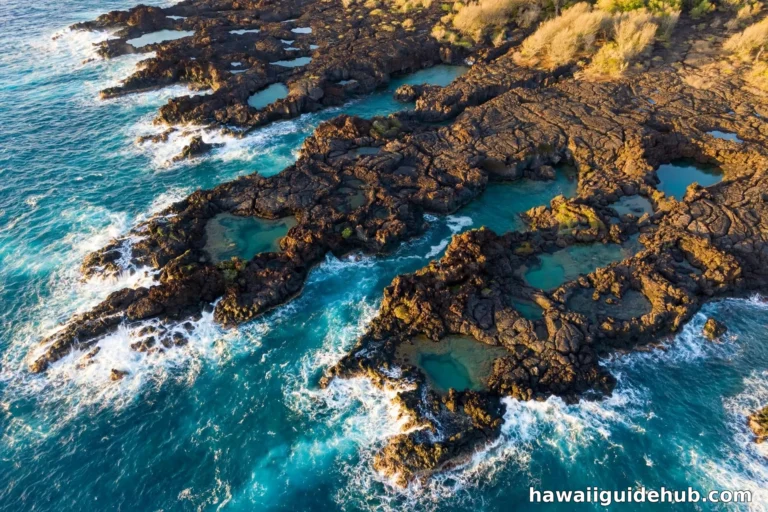
The Big Island is superb with kids: turtles on black sand, waterfalls on easy trails, the volcano’s otherworldly landscapes, and tide pools full of life. Base on the Kona side for calmer logistics, keep drive days short, and build in beach time between adventures. The manta snorkel usually has age minimums, but daytime snorkeling at calm bays works for young swimmers. Volcano Village’s cool nights are a hit with kids who have only known beach heat. Bring the rain jackets and let them get muddy.
Video: 7 Days on the Big Island
Seven days across the Big Island: volcanoes, waterfalls, beaches, and food.
Frequently Asked Questions
How many days do you need on the Big Island?
Minimum 5, ideally 7. Less than that and you will spend the trip driving.
Should I stay in Kona or Hilo?
Kona for sunshine and beaches, Hilo for volcanoes and waterfalls. With 5+ nights, split the stay.
Do I need a rental car on the Big Island?
Yes, absolutely. The island is huge and there is no visitor transit alternative.
Should I fly into Kona or Hilo?
Kona (KOA) for beach vacations; consider flying into Kona and out of Hilo (ITO) for one-way itineraries.
Is the volcano erupting right now?
It varies: check the USGS Hawaiian Volcano Observatory status before your trip.
What is the Big Island best known for?
Active volcanoes, manta ray night snorkeling, Kona coffee, black sand beaches, and the most varied landscape in Hawaii.
The Big Island rewards the traveler who plans around its size instead of fighting it: one region a day, a split stay, and time to let the volcano set the schedule. Do that, and the island of Hawaii gives you the most complete Hawaiian vacation there is: fire and water, desert and rainforest, beach mornings and stargazing nights, all in a single unforgettable week.