The Green Flash at Sunset in Hawaii: Where and How to See It

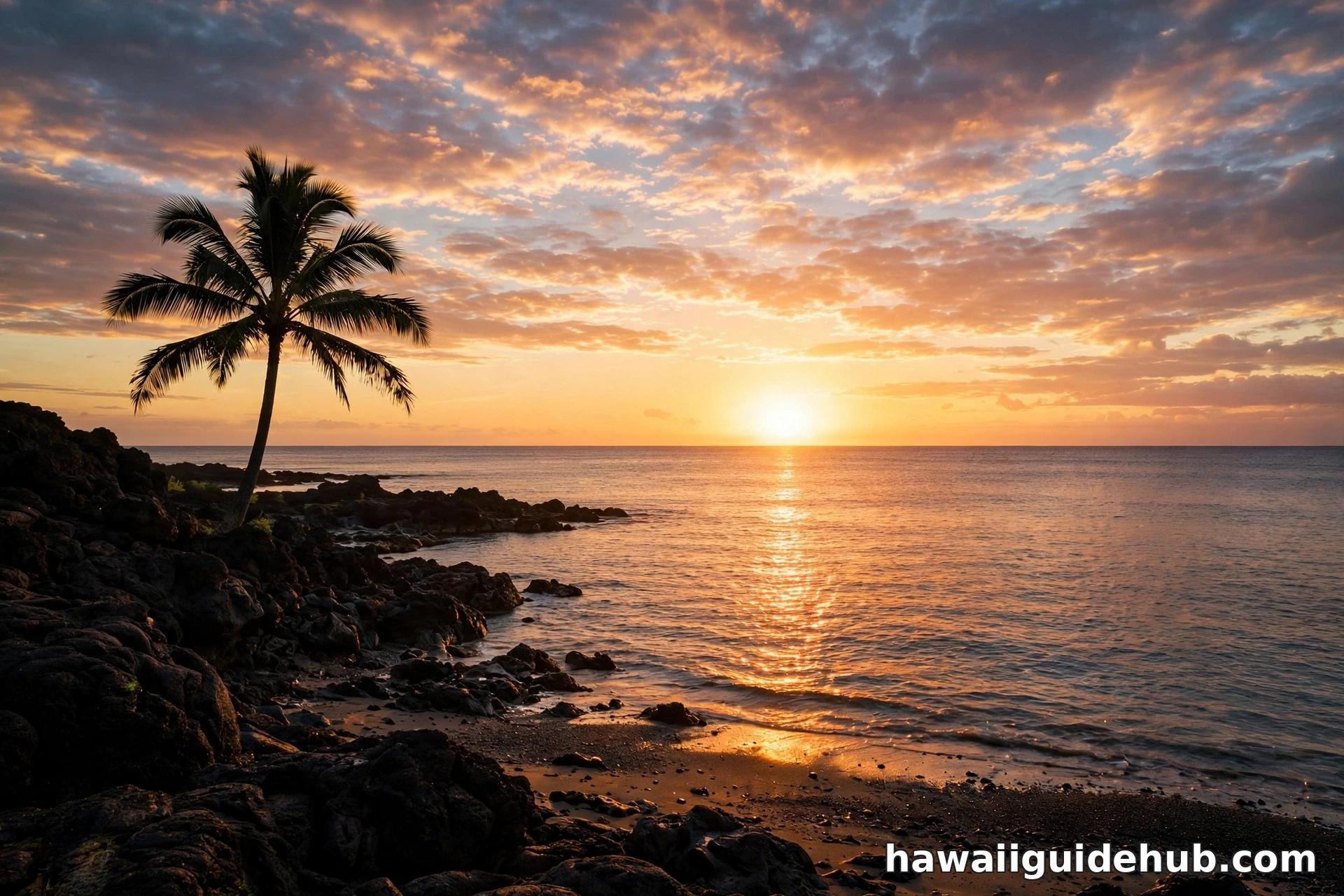
There is a moment at the end of a perfect Hawaiian sunset when the last sliver of the sun seems to hesitate on the edge of the ocean. If the air is clear and your timing is right, that sliver can flash a brilliant emerald green for a second or two before it disappears. Locals call it the green flash, and Hawaiʻi is one of the best places on Earth to see it.
This guide explains what the green flash is, the science behind it, why Hawaiʻi offers some of the finest viewing conditions in the world, where to watch on each island, and the practical steps that give you the best shot at catching one. It also answers the questions visitors ask most, including whether the so-called “dew flash” is a real thing.
What Is the Green Flash?
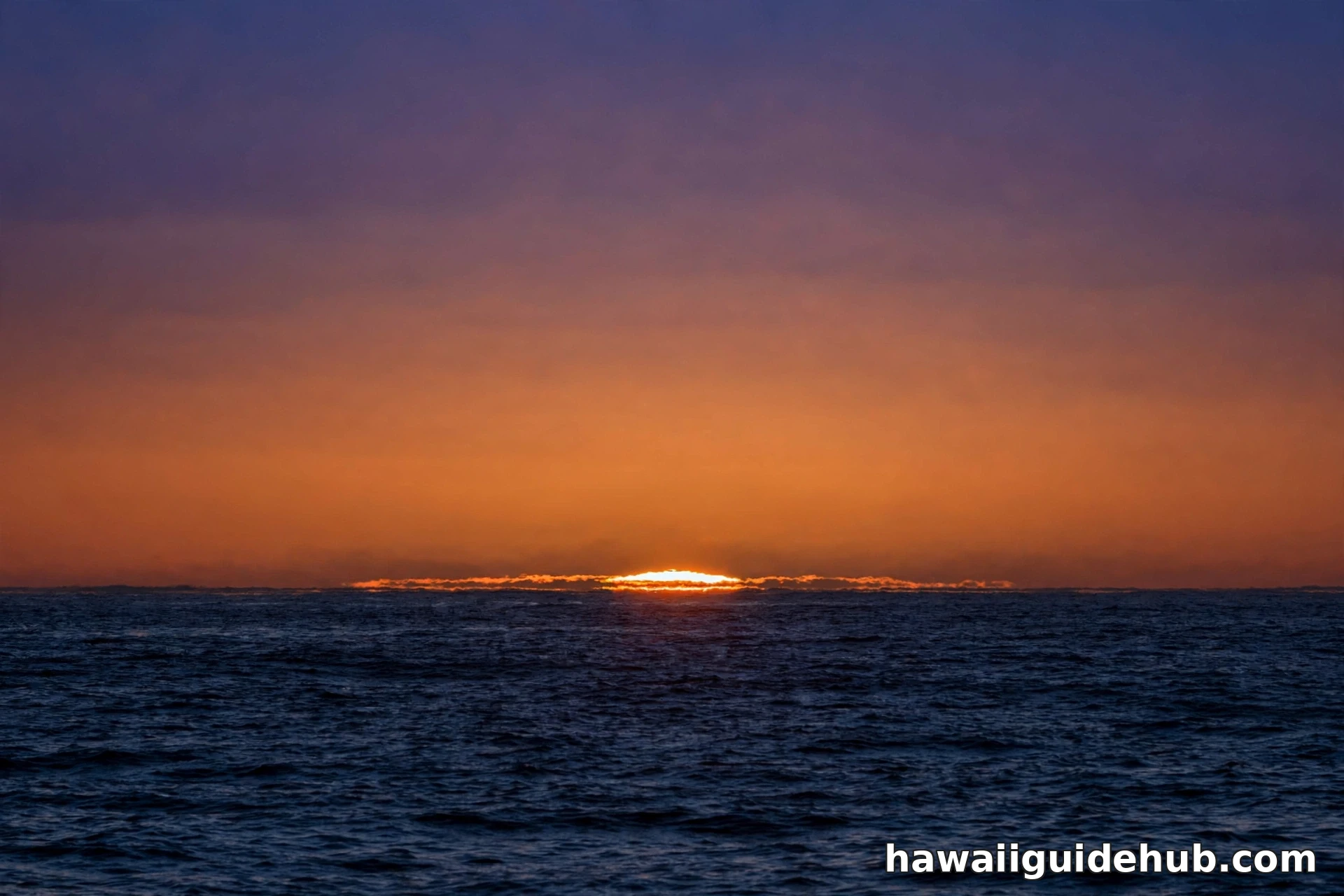
The green flash is a real optical phenomenon that occurs at the exact moment the sun crosses the horizon. As the last of the sun’s disk sinks below the ocean, its upper rim can briefly appear green, sometimes as a small spot and rarely as a short green ray shooting upward. The whole event usually lasts no more than one or two seconds.
The cause is a combination of two effects in the atmosphere. First, the air acts like a weak prism, bending sunlight and separating it into colors as the sun sits low in the sky. Red and orange light, with their longer wavelengths, dominate ordinary sunsets. Second, a mirage effect near the horizon, caused by layers of air at different temperatures, can magnify the thin upper edge of the sun’s image. When the red portion of the sun has fully set and only the top of the green portion remains visible, you get the flash. Scientists recognize four types: the inferior-mirage flash, the mock-mirage flash, the sub-duct flash, and the green ray. The inferior-mirage flash, the kind most people see with the naked eye, is the best understood of the four.
The phenomenon is not limited to the sun. Under the right conditions, a green flash can also appear with the moon and bright planets such as Venus and Jupiter near the horizon. It was first photographed in color in 1960 by D.J.K. O’Connell at the Vatican Observatory, and it famously inspired Jules Verne’s 1882 novel The Green Ray, in which the heroine travels across Scotland chasing the phenomenon. Verne’s charming conceit was that seeing the green ray grants the viewer a clearer understanding of their own feelings.
Why Hawaiʻi Is One of the Best Places in the World to See It
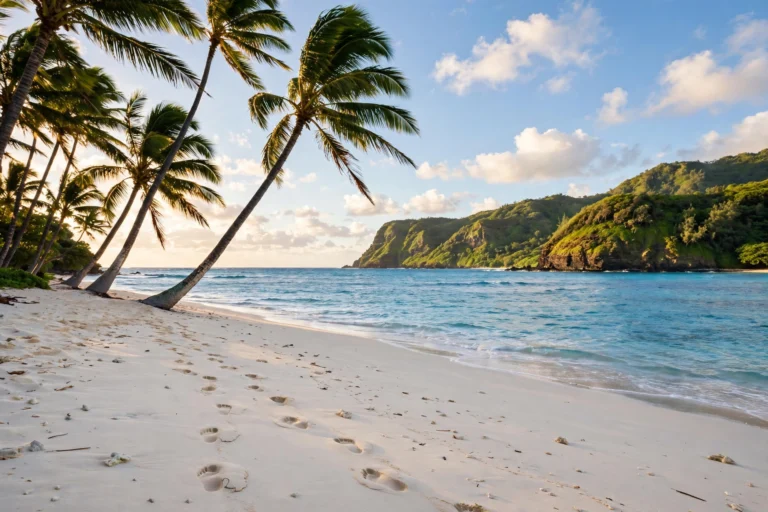
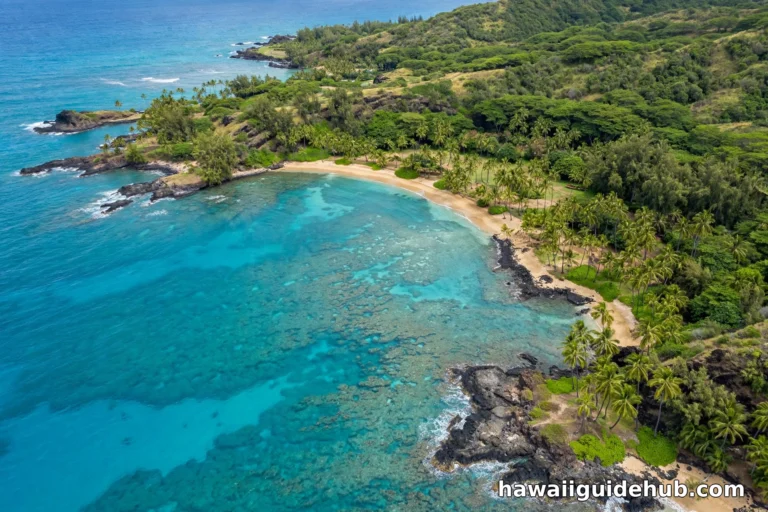
Green flashes can technically be seen from any coastline with a clear horizon, but Hawaiʻi stacks the odds in your favor for several reasons. The islands sit in the middle of the Pacific with thousands of miles of open ocean to the west, giving you the flat, unobstructed horizon the phenomenon demands. Trade winds sweep haze and pollution offshore for much of the year, and the islands’ air is famously clean. West-facing beaches, which Hawaiʻi has in abundance, put you in exactly the right position at sunset.
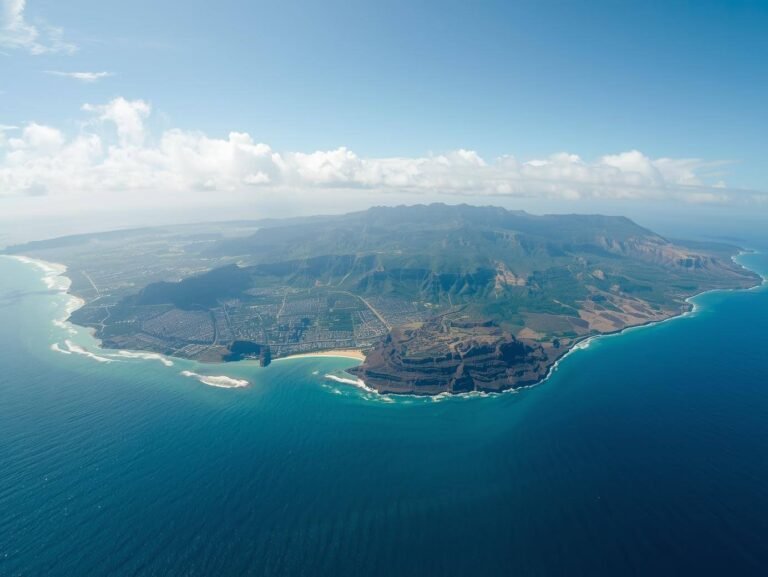
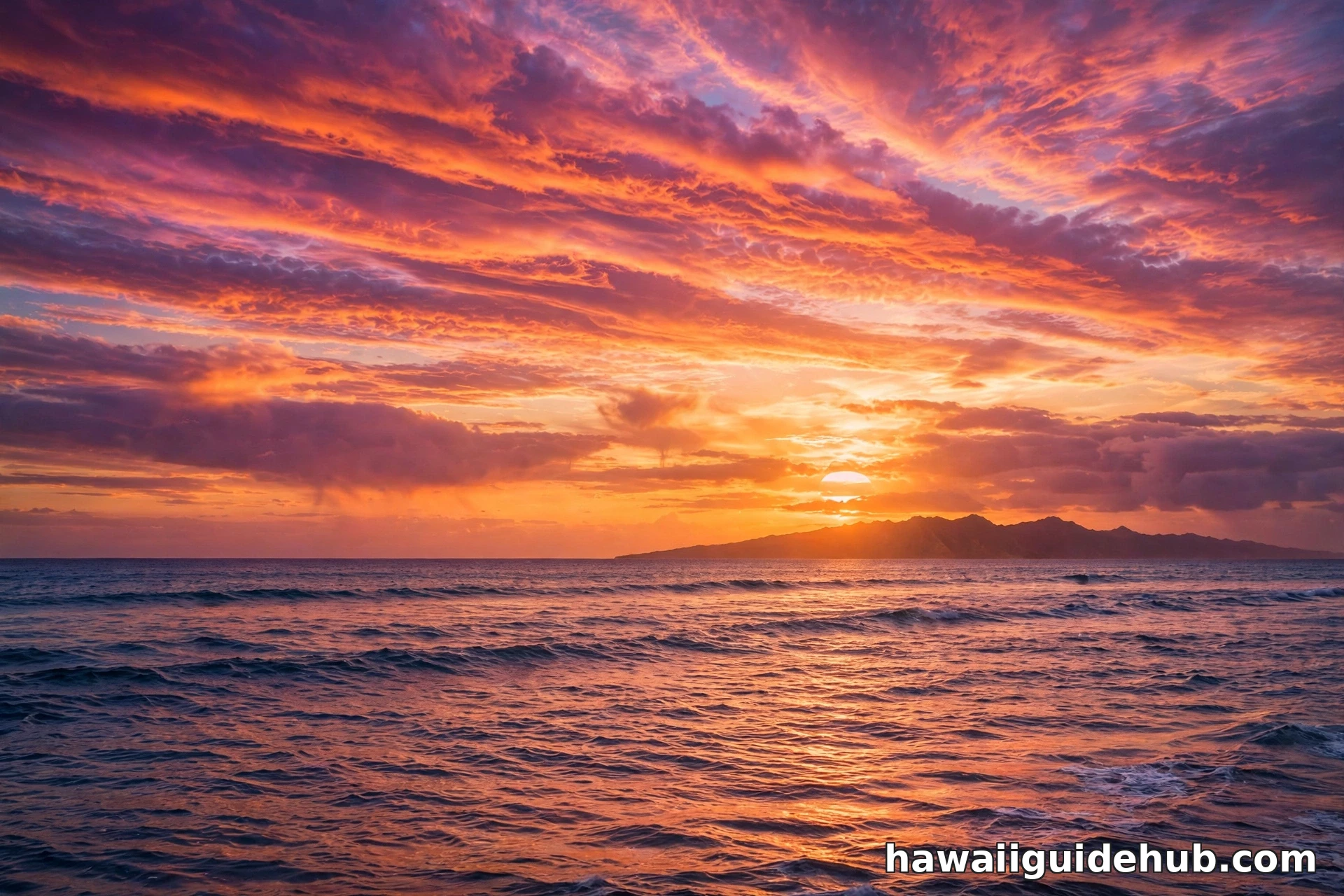
Maui earns special mention. Its long west-facing coastline, from Kāʻanapali down through the Kamaʻole beaches, combines a clean ocean horizon with reliably clear evening air, and the island is frequently cited as one of the finest green flash locations anywhere. That said, every major island offers excellent viewing if you pick the right spot. If you are still deciding where to base your trip, our guide to the best island in Hawaiʻi for first-time visitors can help you weigh the options.
Where to See the Green Flash in Hawaiʻi: Island by Island
You do not need a famous viewpoint. Any west-facing beach with a clear view of the ocean horizon can deliver a green flash on the right evening. The table below lists proven areas on each island to get you started.
| Island | Best viewing spots | Why it works | Boost your odds |
|---|---|---|---|
| Maui | Kāʻanapali Beach, Kamaʻole Beach Parks, Lahaina shoreline | Long west-facing coast, clean air, classic trade-wind clearing | Pick an evening after a breezy, clear day |
| Oʻahu | West side beaches, Kaʻena Point, Makapuʻu Point lookout | Unobstructed ocean horizon; Kaʻena Point is the island’s western tip | Kaʻena Point puts you at the island’s far western edge |
| Big Island | Kailua-Kona coast, Kohala beaches | Dry leeward coast with frequent clear evenings | The Kona coast clears most reliably |
| Kauaʻi | West side beaches near Waimea and Kekaha | Open horizon over the Pacific with little development | Fewer crowds watching the same sunset |
| Molokaʻi and Lānaʻi | West-facing shorelines | Very low light pollution and haze | Darkest skies of any option here |
Elevation helps too. A beach works perfectly well, but a coastal cliff or a high lanai gives you a slightly longer line of sight to the horizon. Sunset catamaran cruises off Waikīkī, Lahaina, and Kona also put you offshore with nothing between you and the horizon, though you are on a fixed schedule and cannot linger if the clouds roll in. Maui’s west coast remains the classic choice, and there are plenty of reasons to visit Maui beyond its sunsets.
How to Actually See It: The Technique
Seeing a green flash is mostly about preparation and patience. Follow these steps on any clear evening.
1. Arrive early and read the sky
Get to your spot at least 20 minutes before sunset. Scan the horizon where the sun will set. If there are clouds sitting on the horizon line, or a band of haze, your odds drop sharply. The clearest evenings often follow a brief rain shower that has washed the air clean, which is one more reason to understand what time of year it rains in Hawaiʻi and how showers typically clear by evening.
2. Wear sunglasses until the last minutes, then take them off
It is tempting to keep sunglasses on for comfort, but they dull the very thing you are trying to see. Wear them while the sun is high, then remove them for the final few minutes as the sun approaches the horizon.
3. Do not stare at the sun
This is the safety rule that matters most. Do not fix your gaze on the bright sun while it is still well above the horizon. Instead, glance away and check back as the disk nears the water. Only in the final moments, when the sun is dimmed by the thick air near the horizon, should you watch it directly. Never look at the sun through binoculars or a camera viewfinder without proper solar filters.
4. Watch the sun’s upper edge, and do not blink
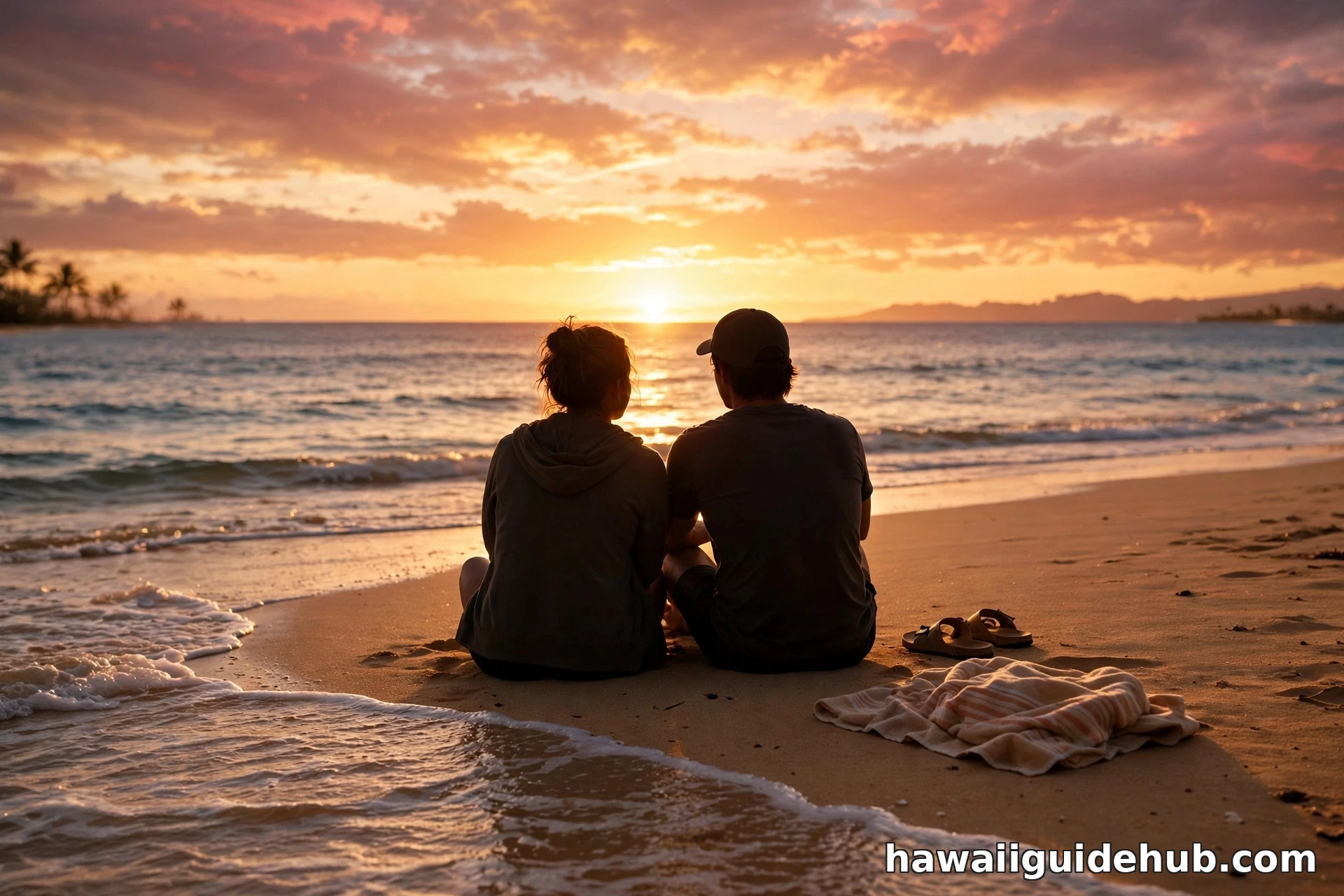
As the last sliver of the sun touches the ocean, keep your eyes locked on its upper rim. The flash appears just above that rim the instant the red disk disappears. It lasts one to two seconds. If you blink, you will miss it. Many first-time viewers report seeing it only on their third or fourth attempt, so treat every sunset as practice.
Sunset vs. Sunrise: Which Is Better?
Both work, but sunset is far more practical. At sunrise you must know exactly where the sun will appear and be in position before it rises, which involves more guesswork. At sunset you can watch the whole approach and time the final moment precisely. Most successful green flash photographs are taken at sunset for this reason. If you are visiting from the East Coast and waking up at 4 a.m. with jet lag anyway, a sunrise attempt from an east-facing shore costs you nothing, but plan your serious efforts for the evening.
Photographing the Green Flash
Capturing the flash on camera is harder than seeing it with your eyes. Use a tripod and frame the horizon well before sunset. A moderate telephoto lens helps, but never point an unfiltered telephoto lens at the bright sun. Shoot in burst mode or record video through the final 30 seconds so you do not have to time a single shutter press. Many photographers report that the flash shows up more clearly in video frames than they perceived in the moment. Review your footage frame by frame afterward; the green edge often appears for just two or three frames.
Green Flash by the Numbers
Common Mistakes That Ruin Your Chances
Most failed attempts come down to a short list of avoidable errors. Watching from behind a headland or buildings instead of an open horizon is the biggest one; the sun must set over water, not land. Giving up when the sky looks dramatic is another; a spectacular cloudy sunset is beautiful, but clouds on the horizon block the flash. Wearing sunglasses through the finale, looking away at the wrong second, and trying only once are the other classic mistakes. The observers who see green flashes regularly share one trait: they watch the sunset every clear evening they can.
Watch a Real Green Flash on Video
This remarkable footage, featured by NASA’s Astronomy Picture of the Day, was captured off the coast of Hawaiʻi’s Big Island. Watch the sun’s upper edge in the final seconds.
Frequently Asked Questions
Is the green flash real or a myth?
It is completely real and well documented by scientists. The green flash is a combination of atmospheric refraction, which separates sunlight into colors like a prism, and a mirage effect near the horizon that magnifies the sun’s thin upper edge. It has been photographed many times, including in footage captured off the Big Island of Hawaiʻi.
What is the “dew flash” in Hawaiʻi?
There is no documented optical phenomenon called the “dew flash.” The term appears to be a misspelling or mishearing of “green flash” that shows up in search queries. If you searched for “dew flash Hawaiʻi,” the green flash described in this guide is almost certainly what you are looking for.
Can you see the green flash with the naked eye?
Yes. The common inferior-mirage flash is visible to the naked eye under the right conditions. You do not need special equipment, just a clear ocean horizon, clean air, and good timing. Binoculars can help, but never use them to stare at the bright sun.
What time of year is best for the green flash in Hawaiʻi?
Hawaiʻi offers good conditions year-round, with the most reliable viewing from April through October when trade winds keep the air clear and rain showers pass quickly. Winter can also work beautifully on calm, clear evenings. There is no single best month; a clear horizon matters far more than the calendar.
How long does the green flash last?
Usually one to two seconds. Rare sub-duct flashes, where the setting sun takes on an hourglass shape, can show green for up to about 15 seconds, but those are exceptional. At Hawaiʻi’s latitude the flash rarely lasts longer than a second or two, which is why you must be watching the horizon already when it happens.
Is it safe to look at the sunset when watching for the green flash?
Watching the sun near the horizon is generally safe once it is dimmed by the thick layer of air, but you should not stare at the bright sun while it is still high. Glance away and check back as it nears the water, and never look through binoculars, a telescope, or a camera viewfinder at the sun without proper solar filtration.
The green flash rewards the patient. Pick a west-facing beach, check that the horizon is clear, settle in before sunset, and watch the sun’s upper edge without blinking. You may not catch it on your first evening, or your fifth, but Hawaiʻi gives you more chances than almost anywhere else on Earth. And even on the evenings the flash does not appear, you will have watched one of the finest sunsets in the world. For ideas on filling the rest of your days, see our guide to the best things to do on the Big Island, whose Kona coast is one of the state’s most reliable green flash vantage points.