Big Island Hawaii for Solo Travelers: The Independent Guide

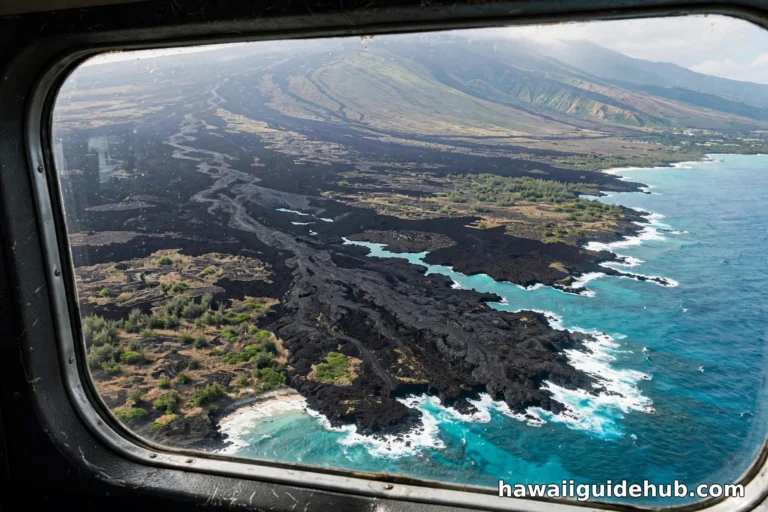
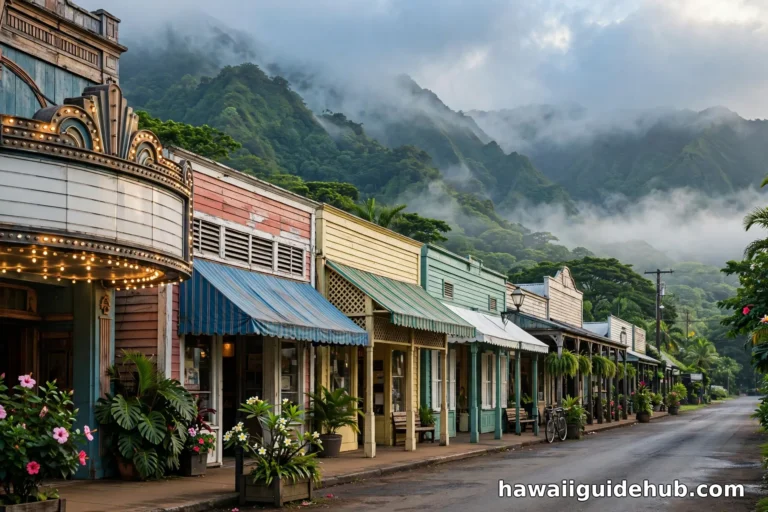
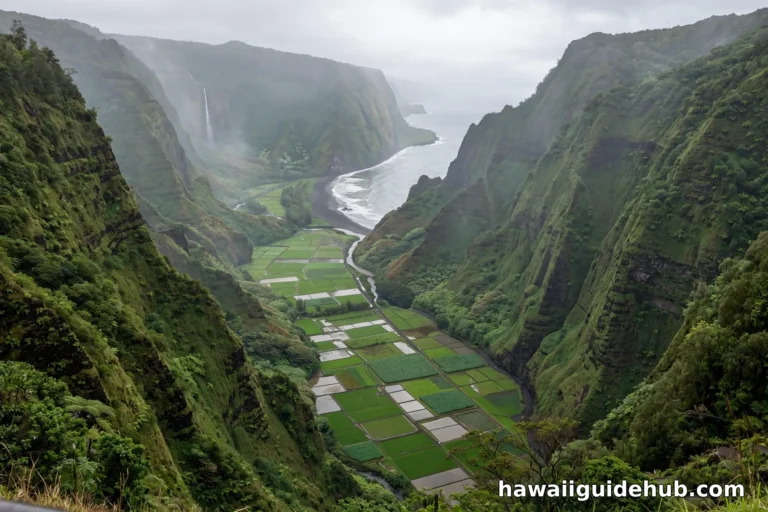
The Big Island of Hawaiʻi is one of the best places in America to travel alone. It is big enough that you will never feel watched, safe enough that a solo sunset walk feels relaxing instead of risky, and varied enough that every day can look completely different. Volcanoes, black sand beaches, rainforest waterfalls, and the clearest night skies in the country are all on one island, and you get to choose all of it yourself.
This is the single complete guide to the Big Island for solo travelers. It covers safety honestly, how to get around alone, the best solo adventures, where eating by yourself feels completely normal, what a solo trip really costs, and how to meet people if you want company. If you have searched for anything about big island hawaii for solo travelers, traveling alone in Hawaii, or solo trip planning for Hawaiʻi Island, the answers are all here on this one page. For the full activity picture, start with our guide to the best things to do on the Big Island of Hawaii.
Big Island Solo Travel at a Glance
| The transport truth | Rental car is essential; the free Hele-On bus exists but is too sparse for most itineraries |
| The money truth | You pay full per-vehicle fees and the whole rental car; budget accordingly |
| The safety truth | Very good by US standards; standard big-city awareness is enough |
| The social base | Kailua-Kona: walkable waterfront, hostels, group activities, nightlife |
| The budget base | Hilo: cheaper stays, waterfalls, volcano access |
| The must-dos | Hawai’i Volcanoes National Park, manta ray night snorkel, Mauna Kea stargazing |
| The daylight rule | About 11 hours in winter, 13 hours in summer; plan hikes to finish before dark |
| The coverage warning | Good in towns, patchy or absent in Volcano, Saddle Road, and remote coasts |
| The emergency plan | 911 island-wide; main hospitals in Kealakekua (Kona side) and Hilo |
| When to go | April to May and September to October for thinner crowds and lower prices |
Is the Big Island Safe for Solo Travelers?
Yes. The Big Island is a rural, low-key island where violent crime against visitors is rare, and solo travelers, including solo women, routinely report feeling comfortable. That said, solo travel anywhere rewards the same habits. Tell someone your plan before a hike, including which trail and when you expect to return. Do not leave valuables visible in a rental car at trailheads or beaches; break-ins are the most common crime visitors encounter. Lock your car, take your bag with you or leave it empty and open, and park in busy areas.
The ocean deserves more respect than the people do. Swim only at lifeguarded beaches, never turn your back on the surf, and do not snorkel alone in remote spots. If you want ocean time without a buddy, join a group snorkel or the manta ray night snorkel, where guides and fellow travelers surround you. At night, stick to well-lit areas in Kailua-Kona village and Hilo town, the same as you would at home.
Getting Around Solo: You Need a Car
This is the least negotiable part of a Big Island solo trip. The island is about 4,000 square miles, and the good stuff is spread across all of it. A rental car gives you the freedom that makes solo travel great: leave when you want, stop where you want, change plans mid-drive. Book the smallest car that fits your luggage, since you are only packing for one, and you will save on both the rental and gas.
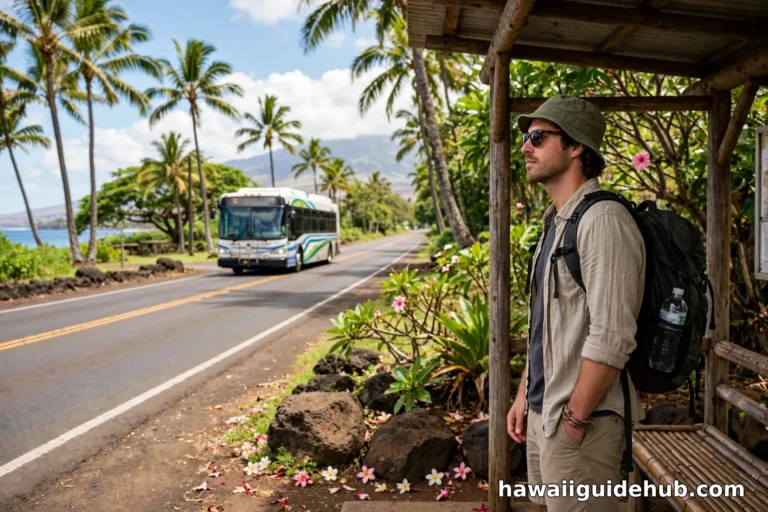
The Hele-On bus is genuinely free and covers the whole island, with routes like the Red Line from Hilo to Volcano and the Blue Line from Hilo to Kona. But departures run only a few times a day, so it works for a single planned day trip, not a flexible solo itinerary. Kailua-Kona’s village core along Aliʻi Drive is walkable, with beaches, restaurants, and shops in a compact strip, which makes it the best car-light base. Realistic drive times to memorize: Kailua-Kona to Hawaiʻi Volcanoes National Park is 96 miles and 2 to 2.5 hours each way; Hilo to the park is 30 miles and about 45 minutes; Kona airport to Kailua-Kona is 15 minutes; Kailua-Kona to Hāpuna Beach is about 30 minutes.
The Best Solo Adventures on the Big Island
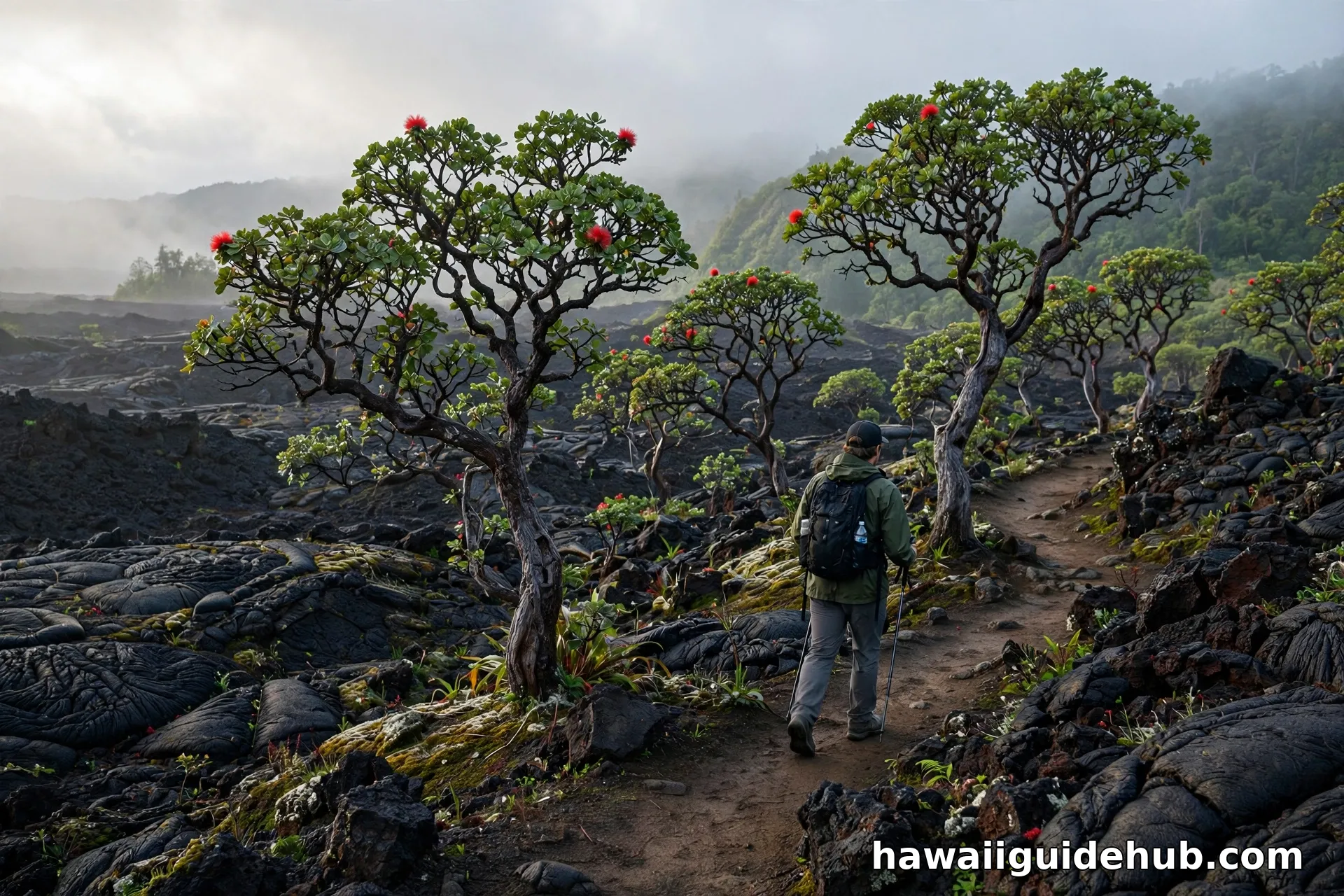
Solo travel shines at activities where groups slow you down. Hawaiʻi Volcanoes National Park is the top pick: arrive at the Kīlauea Visitor Center when it opens at 9 AM, join a free ranger talk, walk the Sulphur Banks and Steam Vents, and descend into Thurston Lava Tube before the crowds. Confident solo hikers love the Kīlauea Iki Trail, a 3-mile loop across a crater floor, but go early, carry two liters of water, and stay on the marked route. Entry is $30 per vehicle for 7 days, and our guide to the best things to do in Hawaiʻi Volcanoes National Park maps the whole day.
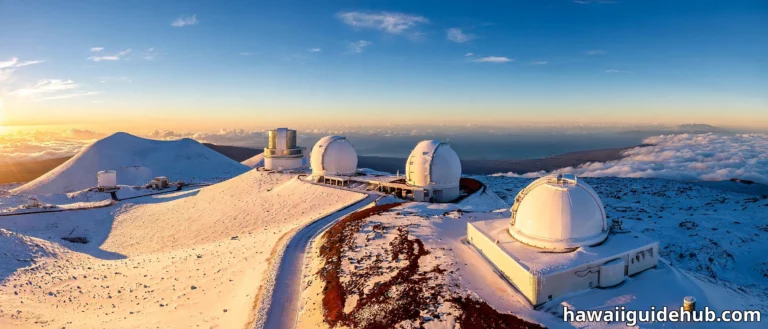
The manta ray night snorkel in Kona is the single best bookable experience for a solo traveler. You float in a group holding a lit surfboard while giant manta rays barrel-roll inches below you, and the shared wonder makes it the easiest place on the island to strike up a conversation. Mauna Kea stargazing is the other essential: drive to the Visitor Information Station at 9,200 feet for the free evening programs, acclimate 30 minutes, and remember the 4WD rule and the altitude restrictions above the station. For trail ideas beyond the park, see our guide to outdoor adventures in Hawaii.
Solo Dining: Where Eating Alone Feels Great
Hawaiʻi has one of the most solo-diner-friendly food cultures in the United States. Counter service is everywhere: poke bowls, plate lunches, and shave ice are meant to be eaten casually, often at a counter or a picnic table. The Hilo Farmers Market is a perfect solo lunch, with tropical fruit, hot food stalls, and crafts to browse for an hour. Food truck gatherings around Kona and Waimea let you graze without ever feeling like the odd one out.
For sit-down dinners, Kailua-Kona’s waterfront restaurants are used to solo travelers and will seat you at the bar or a lanai table with an ocean view. Kona coffee farm tastings, many of them free, are another natural solo stop: you join a small group, learn something, and nobody notices or cares that you arrived alone. Bring a book or a journal and the whole island becomes your dining room.
Meeting People as a Solo Traveler
Solo does not have to mean solitary. Hostels and guesthouses in Kailua-Kona and Hilo are the natural social hubs, with communal kitchens and lanais where travelers swap plans every evening. Group activities do the introducing for you: the manta ray snorkel, guided volcano hikes, surf lessons at Kahaluʻu, and coffee farm tours all put you shoulder to shoulder with other travelers.
Ranger programs in the national park are underrated for this. A free guided walk gathers twenty curious strangers for an hour, and the shared experience of standing at a steaming crater is a better icebreaker than any hostel bar. If you prefer quiet, the island respects that too. Plenty of solo travelers spend a week speaking to almost no one and call it the best trip of their lives.
Daylight Hours: Plan Around the Sun
Solo travelers should plan outdoor days around daylight more carefully than groups do, because there is no one to hike out with you after dark. Hawaiʻi’s day length swings from about 11 hours in winter to 13 hours in summer. In November the sun sets around 5:45 PM, so a volcano hike must start early. In July you have light until after 7 PM. The chart below shows real 2026 sunrise and sunset times for Kailua-Kona. Rule of thumb: be off remote trails a full hour before sunset, and never start a backcountry hike after 2 PM in winter.
What Solo Travel Costs on the Big Island
Solo travel costs more per person than splitting everything two ways, and the Big Island has a few specific pinch points. Park entry is per vehicle, not per person: you pay the full $30 for Hawaiʻi Volcanoes National Park alone. The rental car is entirely yours. Restaurant bills have no one to split. On the other hand, you can book the cheapest room, eat poke bowls for dinner without negotiation, and skip every overpriced activity that does not interest you.
Money-saving moves that actually work: stay in Hilo or a Kona hostel instead of a resort, cook breakfast and pack trail lunches from a grocery stop, and time your trip for the shoulder seasons. Our guide to the cheapest time of year to visit Hawaii breaks down when flights and stays drop. A realistic mid-range solo budget runs $200 to $300 per day including car, stay, food, and one paid activity, less if you camp or hostel-hop.
Solo Safety Checklist
Before every hike: text someone your trail name and expected return time, and text again when you are out. On the road: keep your gas tank above half on Saddle Road and in Kaʻū, where stations are far apart. At the beach: swim at lifeguarded beaches during guard hours, and never leave your bag unattended while you swim. At night: well-lit village areas are fine; empty beaches and remote pullouts are not the place for a solo midnight walk. Always: carry more water than you think you need, download offline maps before leaving town, and trust your instincts about people and places.
The Best Time of Year to Travel Solo
Timing matters more for solo travelers than for groups, because you feel crowds and prices directly. Winter, from December through March, brings the biggest surf on the west side, the shortest days, and the highest prices, but also whale season and a lively social scene in Kona. Summer brings long evenings, calmer morning oceans, and the warmest water, along with peak family crowds at the famous beaches.
The sweet spots are April to early June and September to October. Flights and stays cost less, the beaches are quieter, and the weather is reliably good on the Kona side. September has an extra solo advantage: the summer crowds have left, the ocean is at its warmest, and sunset still comes late enough for a full day of exploring. Whenever you go, book your rental car early, because solo travelers feel a sold-out car market more than anyone.
Video: Hawaii Alone with No Plan
Watch a solo traveler start on the Big Island with no plan and end up above the clouds at the Mauna Kea summit for sunset.
Frequently Asked Questions
Is the Big Island good for solo travelers?
Yes, it is one of the best US destinations for a first solo trip. It is safe, English-speaking, easy to navigate by car, and full of activities that are better alone, like sunrise hikes and stargazing. The only real requirement is a rental car.
Is it safe to hike alone in Hawaiʻi Volcanoes National Park?
The popular front-country trails and overlooks are fine alone during the day. Stay on marked trails, carry water, tell someone your plan, and skip remote backcountry routes unless you are experienced and equipped. Start early enough to finish well before dark.
Can I do the Big Island without a car as a solo traveler?
It is possible but limiting. The free Hele-On bus connects major towns a few times daily, and Kailua-Kona village is walkable, but you will miss the volcano park, the best beaches, and Mauna Kea without a car. For a solo trip, the freedom of a rental car is worth the cost.
Where should a solo traveler stay on the Big Island?
Kailua-Kona for walkability, social hostels, restaurants, and group activities. Hilo for lower prices and quick volcano and waterfall access. Split the trip between both if you have a week.
How many days do I need alone on the Big Island?
Five days covers the essentials: two beach days, one volcano day, one Hilo waterfall day, and one flex day. Seven days lets you slow down, add Mauna Kea, and take a rest day, which solo travelers need more than they expect.
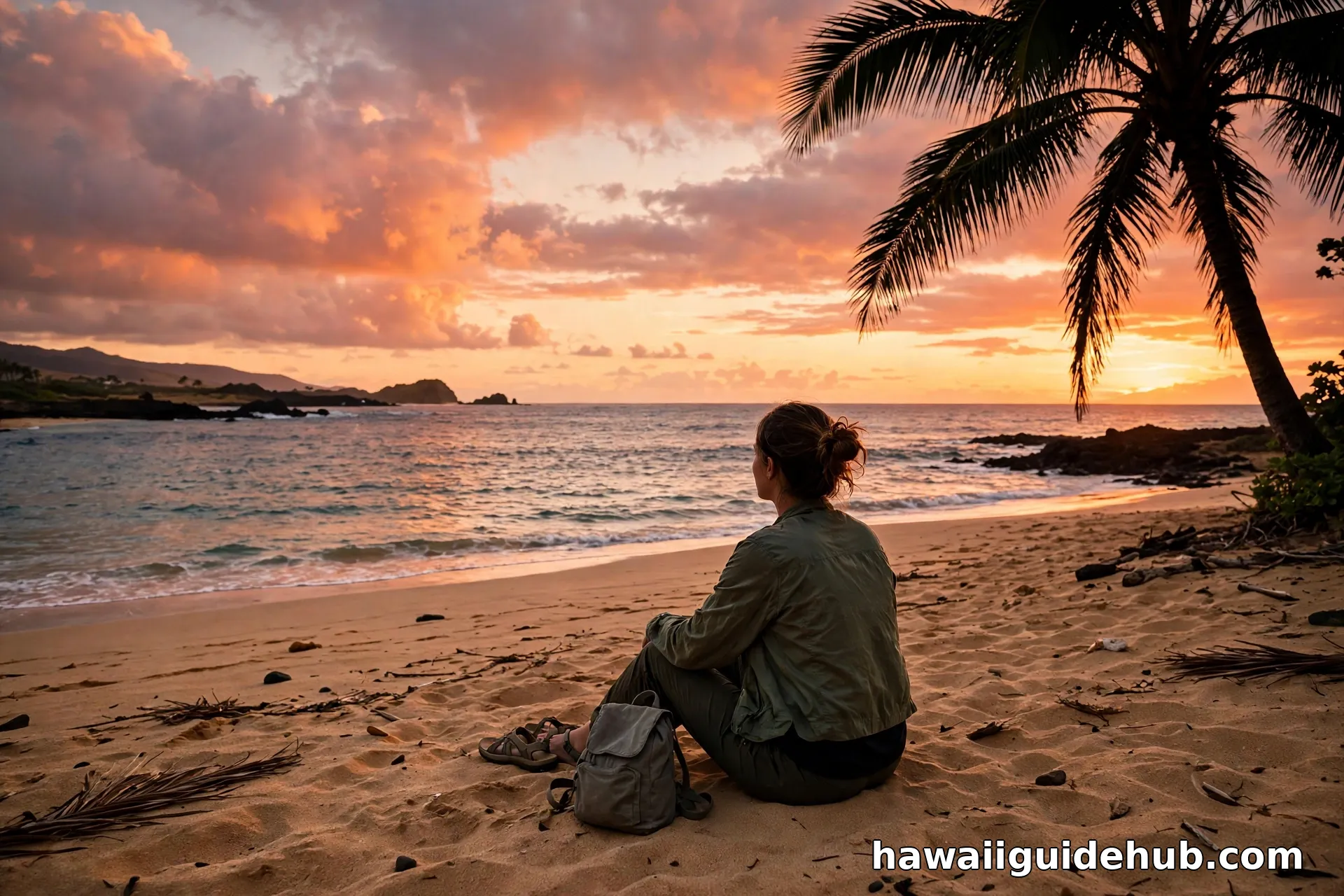
The Big Island is the rare destination that gets better alone. Nobody votes against your 5 AM volcano sunrise, nobody rushes your third hour at the tidepools, and every sunset is exactly where you chose to watch it. Plan for daylight, respect the ocean, and the island handles the rest.