Best Things to Do on Each Hawaiian Island

Hawaiʻi is not one destination. It is six distinct islands, each with its own personality, landscapes, and rhythm. First-time visitors often ask which island to choose, but the better question is what kind of trip you want. This guide walks through the best things to do on each Hawaiian island so you can pick the right one, or plan a trip that combines two.
The six main islands open to visitors are Oʻahu, Maui, Kauaʻi, Hawaiʻi Island (the Big Island), Molokaʻi, and Lānaʻi. Niʻihau and Kahoʻolawe are off limits to most travelers. Each island below gets its own section with the experiences that define it.
Oʻahu: The Gathering Place
Oʻahu is where most visitors land, and it earns its nickname. About a million people call it home, and it packs city life, history, legendary surf, and quiet country roads into one island. If you want variety, start here. Our guide for first-time visitors explains why Oʻahu is the easiest island to plan.
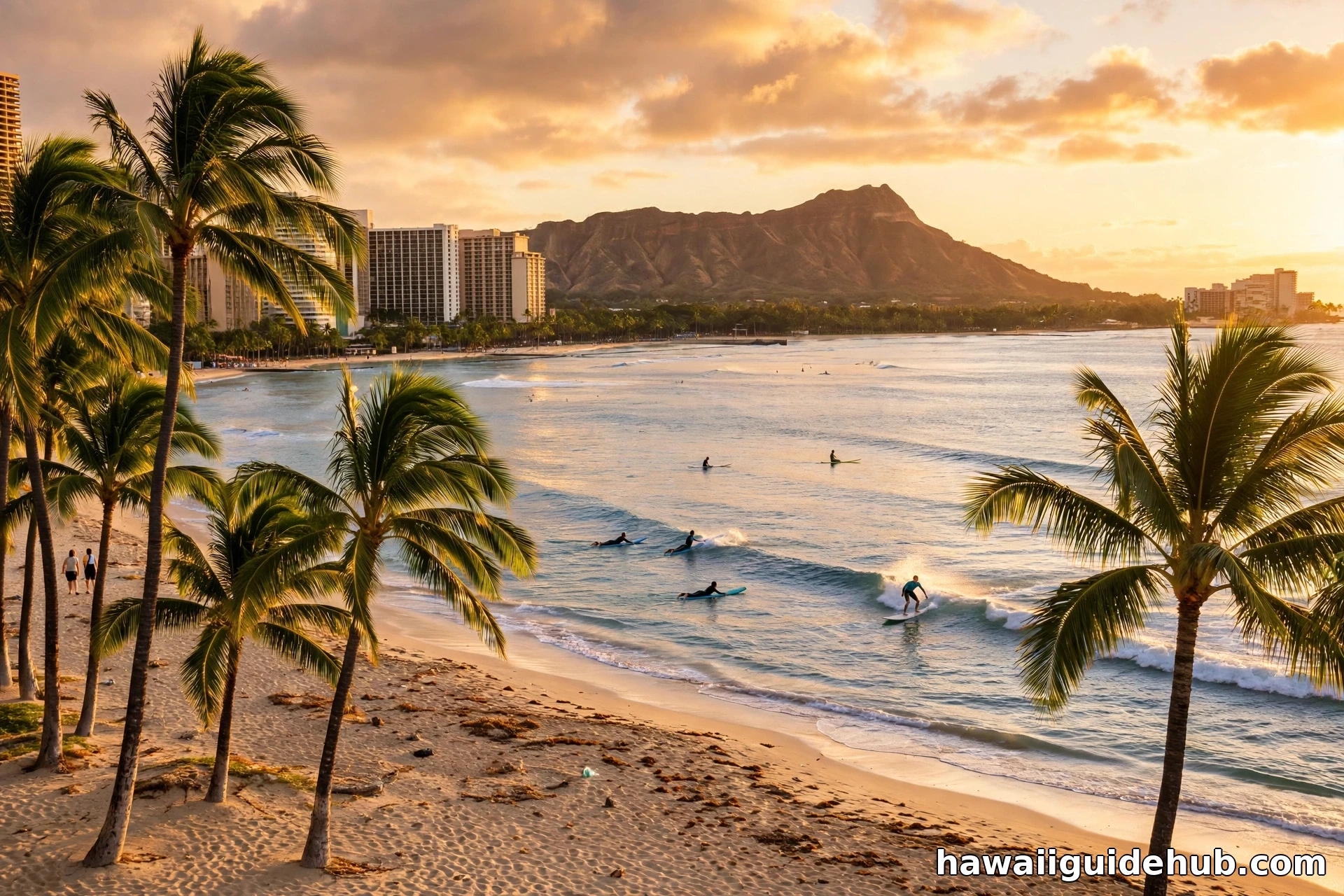
Waikīkī is the obvious first stop. The two-mile beach is where modern surfing was born, and the gentle rolling waves are perfect for a first lesson. Behind the beach, Kalākaua Avenue runs through the densest collection of shops and restaurants in the state. Walk 15 minutes east and you reach Kapiʻolani Park, the Honolulu Zoo, and the Waikīkī Aquarium.
History runs deep here. The USS Arizona Memorial at Pearl Harbor honors the 1,177 crew members lost on December 7, 1941. Programs are free but the $1 reservation fee applies, and tickets release 8 weeks ahead on Recreation.gov. Pair it with the Battleship Missouri and the Pacific Fleet Submarine Museum for a full day.
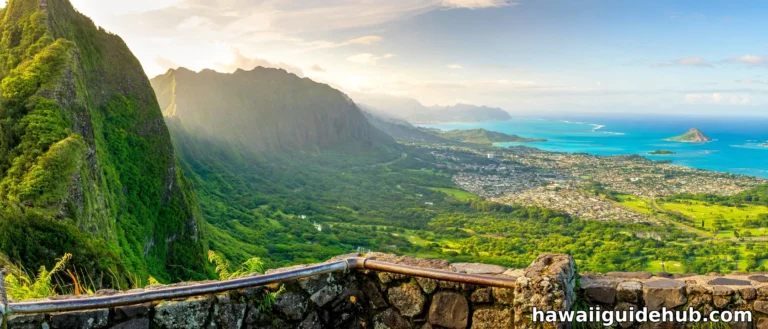
For views, hike Diamond Head State Monument at sunrise. Non-residents need a reservation made up to 30 days ahead, and entry is $5 per person. The 0.8-mile trail climbs 560 feet to a summit with a sweeping view of Waikīkī and the south shore. On the windward side, the Lanikai Pillbox hike and the Byodo-In Temple offer quieter mornings.
The North Shore of Oʻahu is a different world. In winter, Banzai Pipeline and Waimea Bay produce some of the largest surfable waves on Earth. In summer, the same beaches turn calm and swimmable. The town of Haleʻiwa anchors the area with shrimp trucks, shave ice, and surf shops.
Maui: The Valley Isle
Maui is the classic Hawaiʻi vacation. It has the best beaches in the state, a volcano you can drive to the top of, and the most famous road trip in the Pacific. It is also the most resort-heavy island, so it suits travelers who want comfort with their adventure. See our reasons to visit Maui for the full case.
The Road to Hāna is the signature experience. The 64-mile highway from Kahului to Hāna packs roughly 620 curves and 59 bridges, many of them single lane. Budget a full day. Stops include Twin Falls, the Garden of Eden Arboretum, Waiʻānapanapa State Park with its black sand beach, and the Seven Sacred Pools at ʻOheʻo Gulch. Leave Kahului by 7 or 8 in the morning to beat the crowds.
Haleakalā National Park is the other must-do. The summit sits at 10,023 feet, and sunrise from the crater rim is one of the most famous views in Hawaiʻi. Sunrise visits require a reservation made up to 60 days ahead on Recreation.gov. If you miss sunrise, go for sunset instead. No reservation is needed, the light is just as good, and you can stargaze after dark at one of the best night-sky sites in the country.
For beaches, the south and west shores win. Kāʻanapali Beach has the famous cliff-diving ceremony at Puʻu Kekaʻa. Wailea Beach and ʻUlua Beach offer calm snorkeling. In winter, humpback whales migrate to the Auʻau Channel between Maui and Lānaʻi, and whale-watching boats leave from Lahaina Harbor from December through April.
Upcountry Maui is the island many visitors miss. The town of Makawao keeps its paniolo cowboy roots, the Aliʻi Kula Lavender Farm blooms in summer, and the Surfing Goat Dairy makes excellent goat cheese. It is a 30-minute drive from the beach resorts and feels like a different island.
Kauaʻi: The Garden Isle
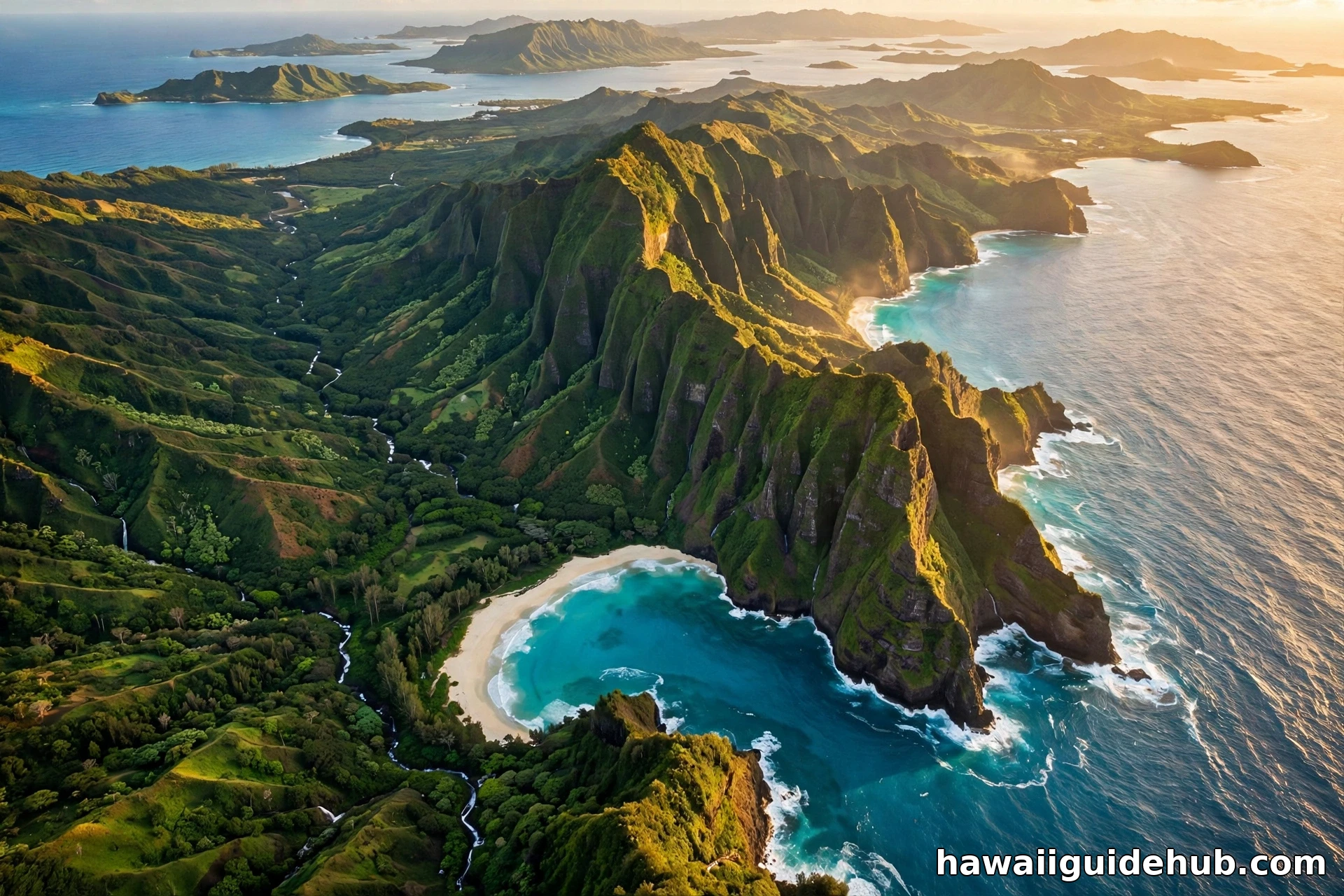
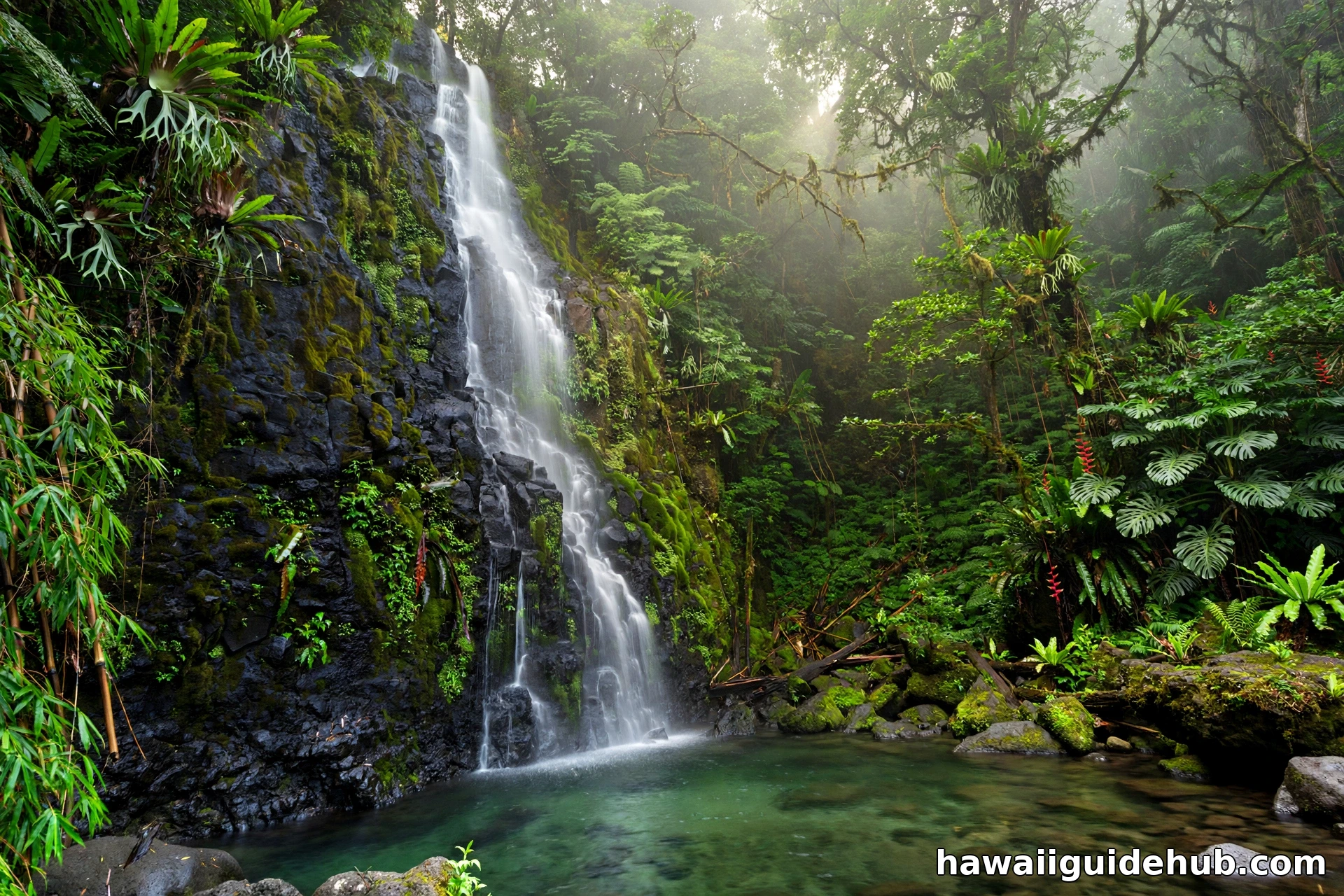
Kauaʻi is the oldest and greenest of the main islands, and it shows. Annual rainfall in the interior exceeds 400 inches in places, feeding the waterfalls and emerald valleys that make this the most dramatic landscape in the state. If raw natural beauty is your priority, Kauaʻi is hard to beat.
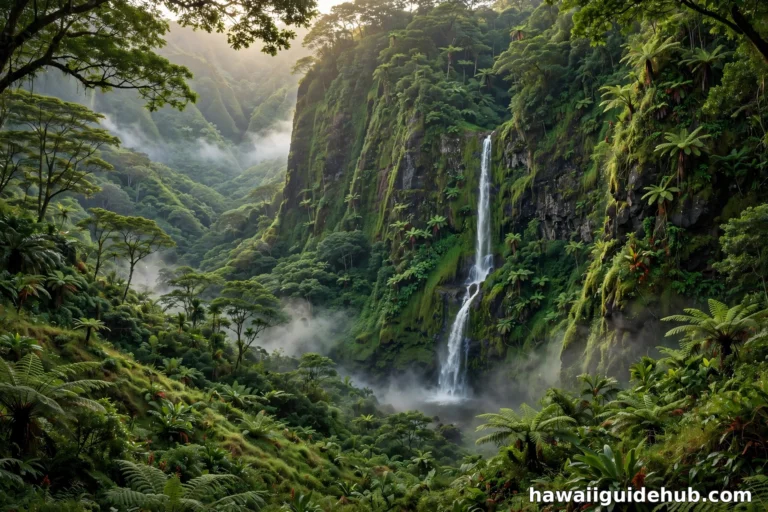
The Nā Pali Coast is the headline. Seventeen miles of 4,000-foot sea cliffs, sea caves, and hidden valleys with no road access. You can see it three ways: a boat tour from Port Allen, a helicopter flight from Līhuʻe, or the Kalalau Trail. The trail requires a permit and the first two miles to Hanakāpīʻai Beach are the most popular day hike in the state. Check current park status before planning, as trail access has faced closures.
Waimea Canyon is the second wonder. Called the Grand Canyon of the Pacific, it stretches 14 miles long and drops 3,600 feet deep. Waimea Canyon Drive climbs from the town of Waimea to lookouts at Puʻu Hinahina and Kalalau. Go in the morning before clouds build over the canyon.
The north shore towns of Hanalei and Princeville offer the island’s prettiest beaches. Hanalei Bay is a two-mile crescent backed by taro fields and waterfalls. Tunnels Beach has the best snorkeling on the island when the summer surf is calm. On the south shore, Poʻipū Beach is the most reliable swimming beach year round, and the nearby Spouting Horn blowhole puts on a free show.
Kauaʻi moves slowly. There are no buildings taller than a coconut tree, nightlife is minimal, and the single main highway can back up. That is exactly the point. Come here to hike, kayak the Wailua River, and watch the sunset without a crowd.
Hawaiʻi Island: The Big Island
The Big Island is bigger than all the other islands combined, and it contains 8 of the world’s 13 climate zones. You can stand on a black sand beach in the morning, walk through a rainforest at noon, and stargaze above the clouds at night. It is the island for travelers who want the most variety per mile. Our guide to the best things to do on the Big Island goes deeper.
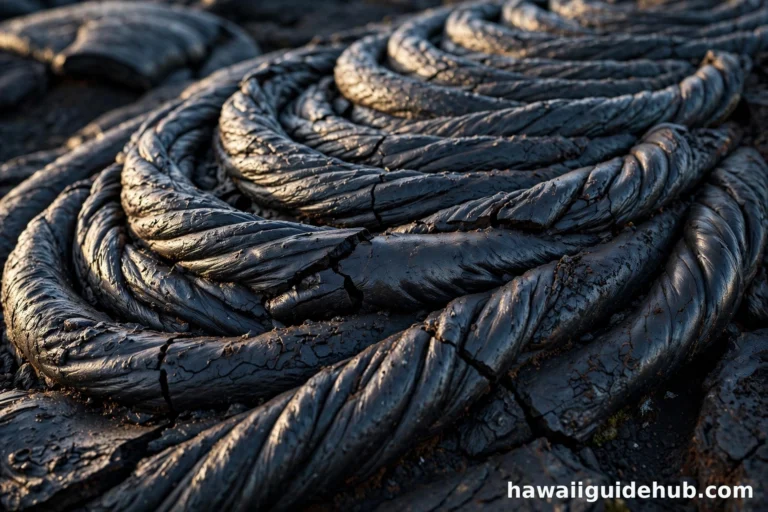
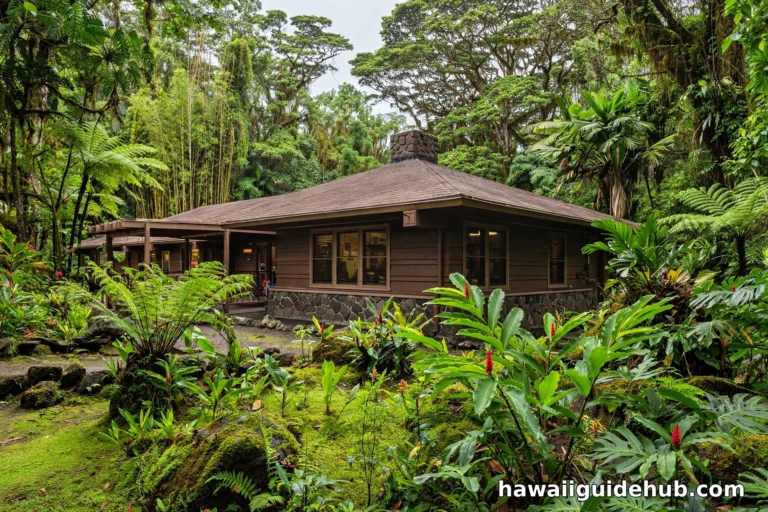
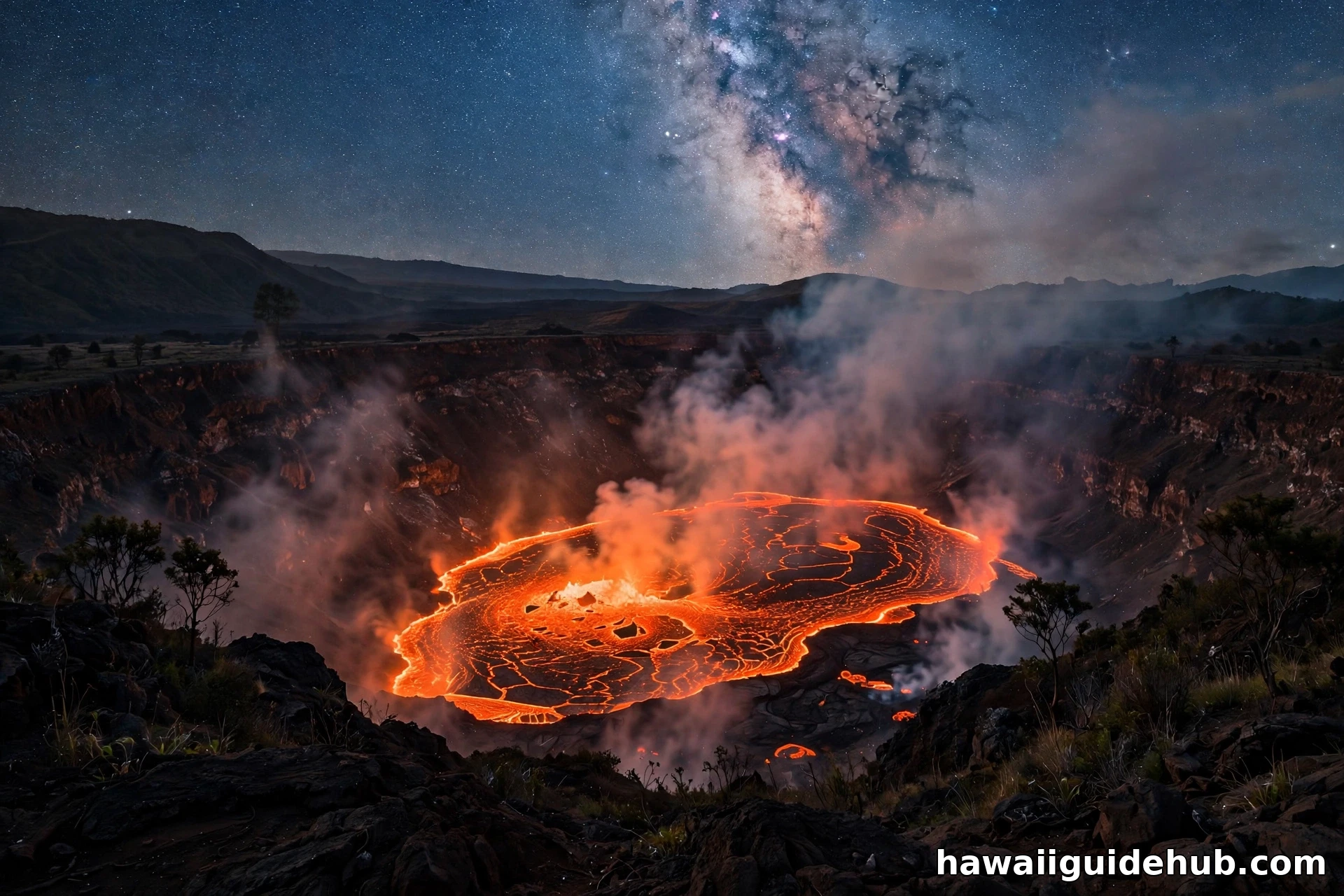
Hawaiʻi Volcanoes National Park is the reason most people come. Kīlauea is one of the most active volcanoes on Earth, and the park lets you walk across solidified lava fields, peer into steaming craters, and drive the Chain of Craters Road down to the sea. Check the National Park Service website for current eruption status before visiting, as activity changes frequently.
The Kona coast on the west side is the sunny side. Morning manta ray snorkeling, afternoon coffee farm tours in the Kona coffee belt, and evening sunsets at Hapuna Beach. The historic town of Kailua-Kona has the best restaurant scene on the island. On the east side, Hilo gets the rain and keeps the waterfalls. ʻAkaka Falls State Park has a 442-foot cascade on an easy paved loop, and Rainbow Falls sits minutes from downtown Hilo.
For something truly unique, drive to the summit of Mauna Kea. At 13,803 feet, it is the tallest mountain in the world measured from its ocean base. The summit hosts world-class observatories, and the sunset and stargazing programs are unforgettable. The road requires a 4WD vehicle past the visitor station, and altitude affects everyone, so take it slow.
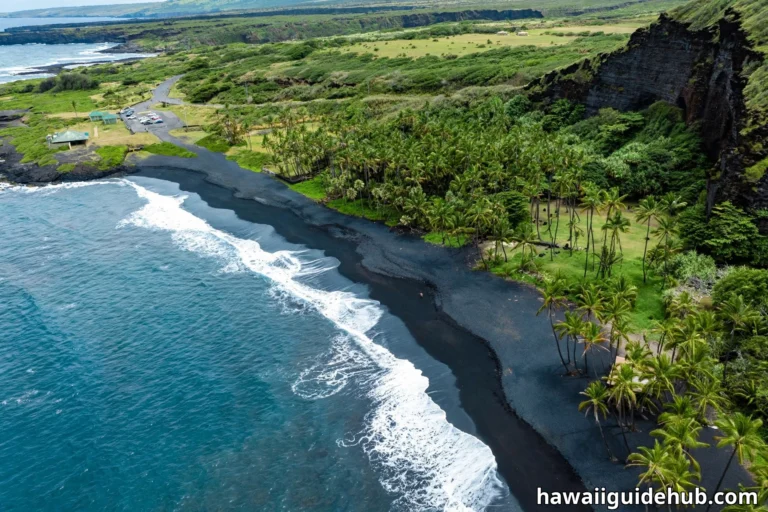
The Big Island also has Hawaiʻi’s most unusual beaches. Punaluʻu Black Sand Beach is the best place to see basking honu (green sea turtles). Papakōlea Green Sand Beach near South Point requires a hike but rewards with one of only four green sand beaches in the world.
Molokaʻi: The Friendly Isle
Molokaʻi is the least visited of the main islands, and residents intend to keep it that way. There are no traffic lights, no high-rises, and no big resorts. What there is: the tallest sea cliffs in the world, a powerful history, and a community that values quiet over crowds.
Kalaupapa National Historical Park is the defining site. The remote peninsula was a settlement for people with Hansen’s disease (leprosy) starting in 1866, and the story of Father Damien and the patients who lived there is deeply moving. Access is by mule ride or hike down the 3.5-mile trail with 26 switchbacks, and visits require a booked tour. The park suspended some tour operations in recent years, so verify current access before planning.
The rest of the island rewards slow travel. Halawa Valley on the east end has ancient heiau (temples) and two towering waterfalls. Pāpōhaku Beach on the west end is one of the longest white sand beaches in the state and often empty. Saturday morning at the Kaunakakai farmers market is the social event of the week.
Molokaʻi is not for everyone. Dining options are limited, activities are few, and the island asks visitors to respect its pace. But for travelers seeking the Hawaiʻi of decades past, nothing else comes close.
Lānaʻi: The Pineapple Isle
Lānaʻi was once the world’s largest pineapple plantation. Today it is Hawaiʻi’s most exclusive island, home to about 3,000 residents and two Four Seasons resorts. Most visitors come for seclusion, and the island delivers it completely.
Hulopoʻe Bay is the island’s best beach, a protected marine reserve with excellent snorkeling and frequent spinner dolphin sightings. Nearby, the tide pools at the Puʻupehe (Sweetheart Rock) overlook are worth the short hike. Shipwreck Beach on the north shore is named for the rusting WWII vessel offshore and is a favorite for beachcombing.
The Garden of the Gods (Keahiakawelo) is a strange and beautiful landscape of red rock formations and boulders scattered across a Martian plain. The Munro Trail climbs through Cook pine forests to Lānaʻihale, the island’s highest point at 3,370 feet, with views to Maui, Molokaʻi, and on clear days Oʻahu.
Lānaʻi works as a day trip from Maui (the ferry from Lahaina takes 45 minutes) or as a multi-day escape. There is no interisland airport service from outside Maui, so plan accordingly. It is the most expensive island to visit and the least developed, which is precisely its appeal.
Choosing Your Islands
Most visitors pick one or two islands. Five days per island is the minimum to do one justice. Ten days split between two islands is the sweet spot for a first trip. The classic pairings are Oʻahu and Maui (variety plus the classic resort experience) or Maui and Kauaʻi (beaches plus raw nature).
Interisland flights take 30 to 45 minutes and run frequently on Hawaiian Airlines and Southwest. Book early for the best prices. If you are island hopping, put the most active island first and the most relaxing one last.
Reserve the big-ticket items before you fly. Pearl Harbor programs, Haleakalā sunrise, Diamond Head, and Hanauma Bay all require advance reservations. Rental cars sell out in peak season, so book yours the moment your flights are set. And try the must-try local dishes on whichever island you choose, from poke to malasadas to shave ice.
See the Islands on Video
Watch this overview comparing Oʻahu, Maui, Kauaʻi, and the Big Island to help you decide which fits your trip.
Frequently Asked Questions
How many Hawaiian islands can you visit?
Six islands welcome visitors: Oʻahu, Maui, Kauaʻi, Hawaiʻi Island, Molokaʻi, and Lānaʻi. Niʻihau is privately owned and Kahoʻolawe is uninhabited and off limits.
Which Hawaiian island is best for first-time visitors?
Oʻahu offers the most variety and the easiest logistics, while Maui delivers the classic resort vacation. Either is an excellent first choice.
Can you visit two Hawaiian islands in one trip?
Yes, and many travelers do. Allow at least five days per island. Interisland flights take under an hour, but pack travel days with buffer time.
What is the cheapest Hawaiian island to visit?
Oʻahu is generally the most affordable thanks to competition among hotels and the most flight options. Molokaʻi and Lānaʻi are the most expensive per day.
Which island has the best beaches in Hawaiʻi?
Maui wins for consistently swimmable beaches. Kauaʻi has the most dramatic scenery, and the Big Island has the most unusual sand colors.
Do you need a car on every island?
Yes, except in Waikīkī where you can walk and use transit. Every other island requires a rental car to reach the best sights.
Each Hawaiian island rewards a different kind of traveler. Oʻahu gives you history and variety, Maui gives you the postcard vacation, Kauaʻi gives you wilderness, the Big Island gives you volcanoes and scale, Molokaʻi gives you quiet, and Lānaʻi gives you seclusion. Pick the one that matches your trip, and the islands will do the rest.