ʻAlula Beach: Kona’s Hidden Dog-Friendly Cove

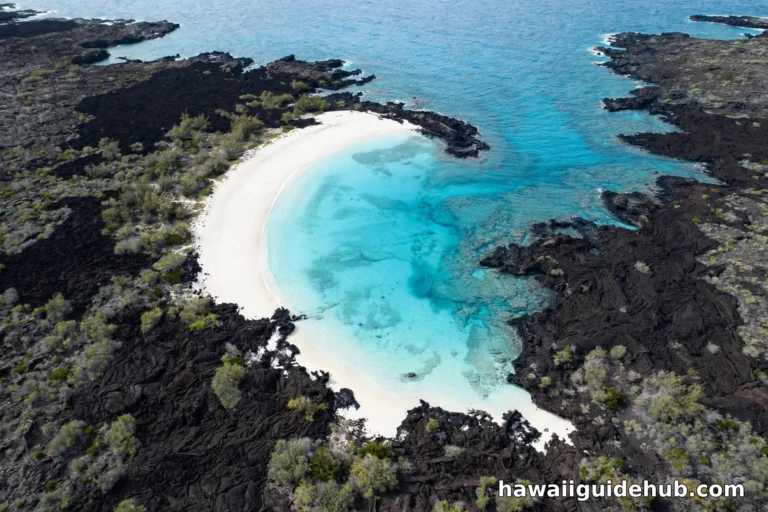
ʻAlula Beach is the Kona coast’s open secret: a small pocket of white sand tucked into black lava rock just south of Honokōhau Harbor, where the water stays calm enough for an easy swim and the snorkeling rewards anyone who brings a mask. Locals know it as the dog beach, divers know it as the shore entry to the Honokōhau dive site, and most visitors to Kailua-Kona drive right past it without ever knowing it is there.
This guide is the single complete resource for ʻAlula Beach, covering alula beach kona in the same place. It covers location and access, parking, facilities, swimming and snorkeling conditions, seasonal ocean changes, hazards, the dog-friendly rules, the national historical park next door, and answers to the questions visitors ask most. Everything about alula beach is gathered here in one URL.
ʻAlula Beach at a Glance
| The good | The fine print |
|---|---|
| Dogs allowed off leash | No lifeguards |
| Protected cove, calm most of the year | No facilities at the beach; restrooms are at the harbor |
| Small cove of white sand mixed with lava rock; good snorkeling in calm conditions over rocky walls | Free entry; free parking at the harbor lots |
Where ʻAlula Beach Is
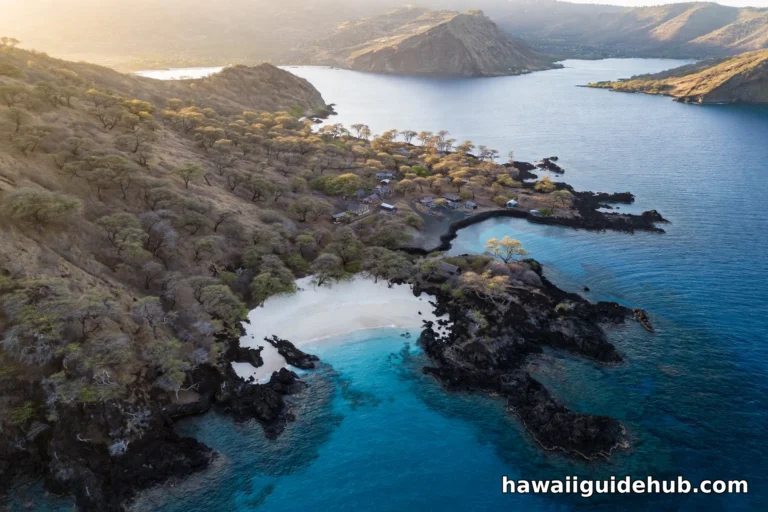
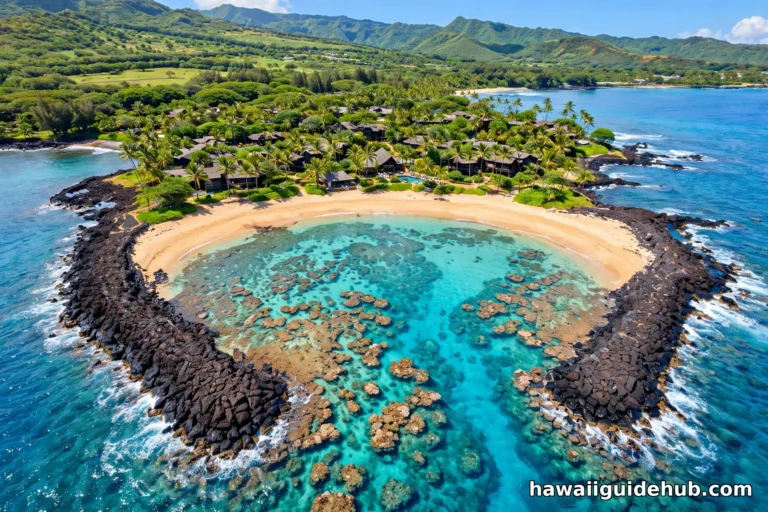
ʻAlula Beach sits at the southern end of Honokōhau Small Boat Harbor, about midway between Kailua-Kona town and the Kona airport on the Big Island’s west coast. The beach occupies a small cove in the lava shoreline, and its setting is what makes it special: to the north lies the busy harbor, while the coast in both directions belongs to Kaloko-Honokōhau National Historical Park, the 1,160-acre preserve where the National Park Service protects ancestral Hawaiian fishponds, heiau and coastal settlements.
The beach goes by several names. Fishermen and divers call the offshore water the Honokōhau dive site. Dog owners call the whole beach the Kona Dog Beach, because it is one of the only places on this stretch of coast where dogs can legally run off leash. Some older guides call it Crescent Beach for the curve of its sand. Whatever name you use, locals will know the spot: the little cove at the end of the harbor road.
The shoreline here is also part of a much older route. The Ala Kahakai National Historic Trail, a 175-mile trail system that once linked coastal Hawaiian communities around the island, passes along this stretch of the Kona coast through Kaloko-Honokōhau. Walking the park’s coastal trail from near ʻAlula, you are following the same shoreline path that Hawaiians used for centuries to travel between fishing grounds and settlements.
Getting There and Parking
From Kailua-Kona, drive north on Highway 19 (Queen Kaʻahumanu Highway) and turn left onto Kealakehe Parkway, also signed as Harbor Road, between mile markers 97 and 98. Follow the parkway west past the harbor docks to the south parking area near the harbor entrance and park there; parking is free. From the lot, walk south away from the harbor along the shoreline road, then take the short, somewhat rugged trail left over the lava down to the cove. The walk takes only a few minutes, but wear sturdy sandals or water shoes: the lava is sharp.
There are no signs pointing to ʻAlula from the highway, which is why it stays quiet. If you reach the harbor’s north lot and the trail to ʻAiʻōpio Beach, you have gone too far north. If you are unsure, ask at the harbor: everyone who works there knows the dog beach.
Swimming and Snorkeling
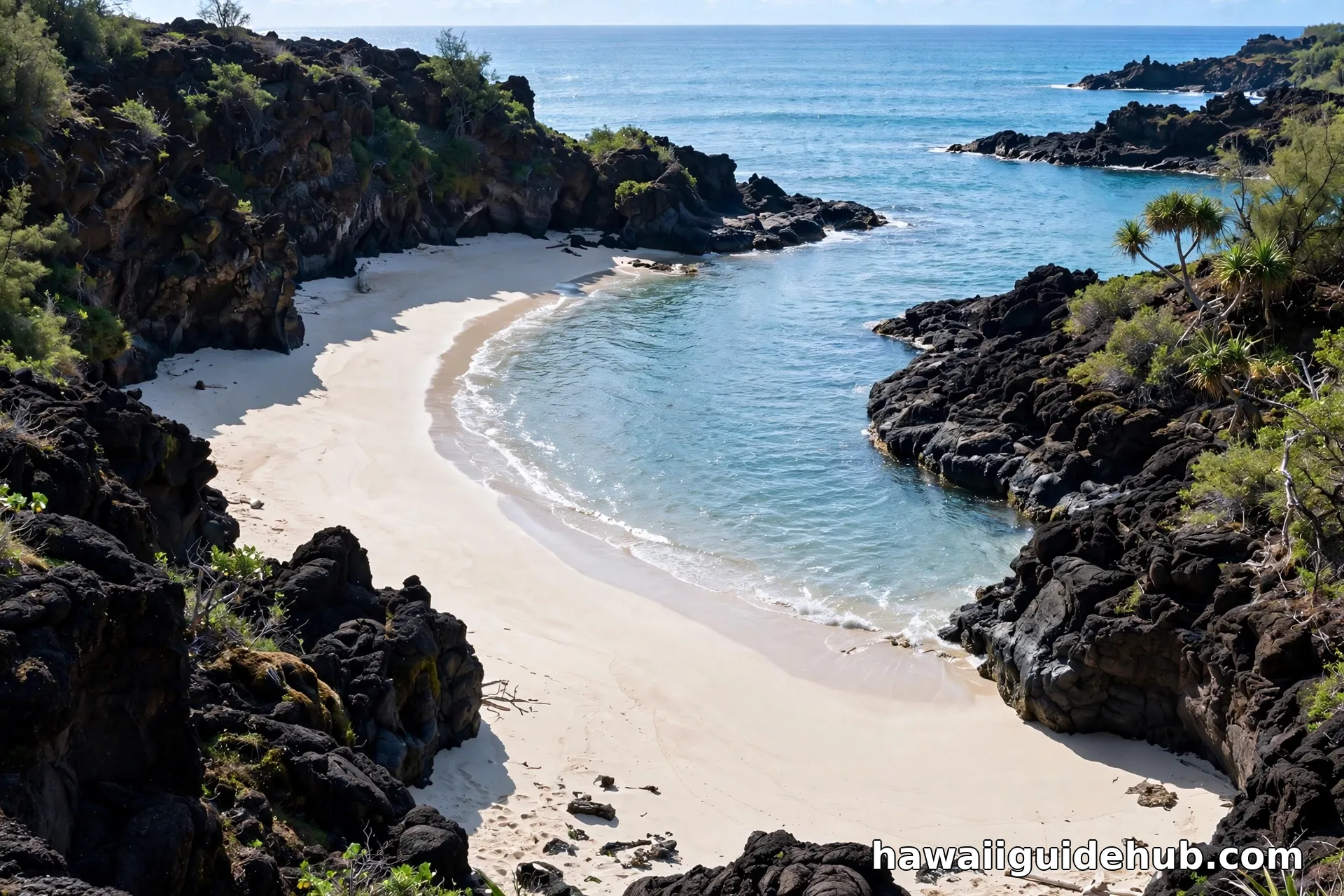
Swimming is the main event at ʻAlula. The cove’s shape and the offshore rock walls shelter it from the open-ocean surge, so the water is calm and swimmable most of the year. The beach surface is a mix of sand and pebbles with a lot of black lava around the edges, but there is one good sandy entry into the water: walk in there rather than scrambling over the rocks. The water is clearest in the morning before the afternoon breeze picks up.
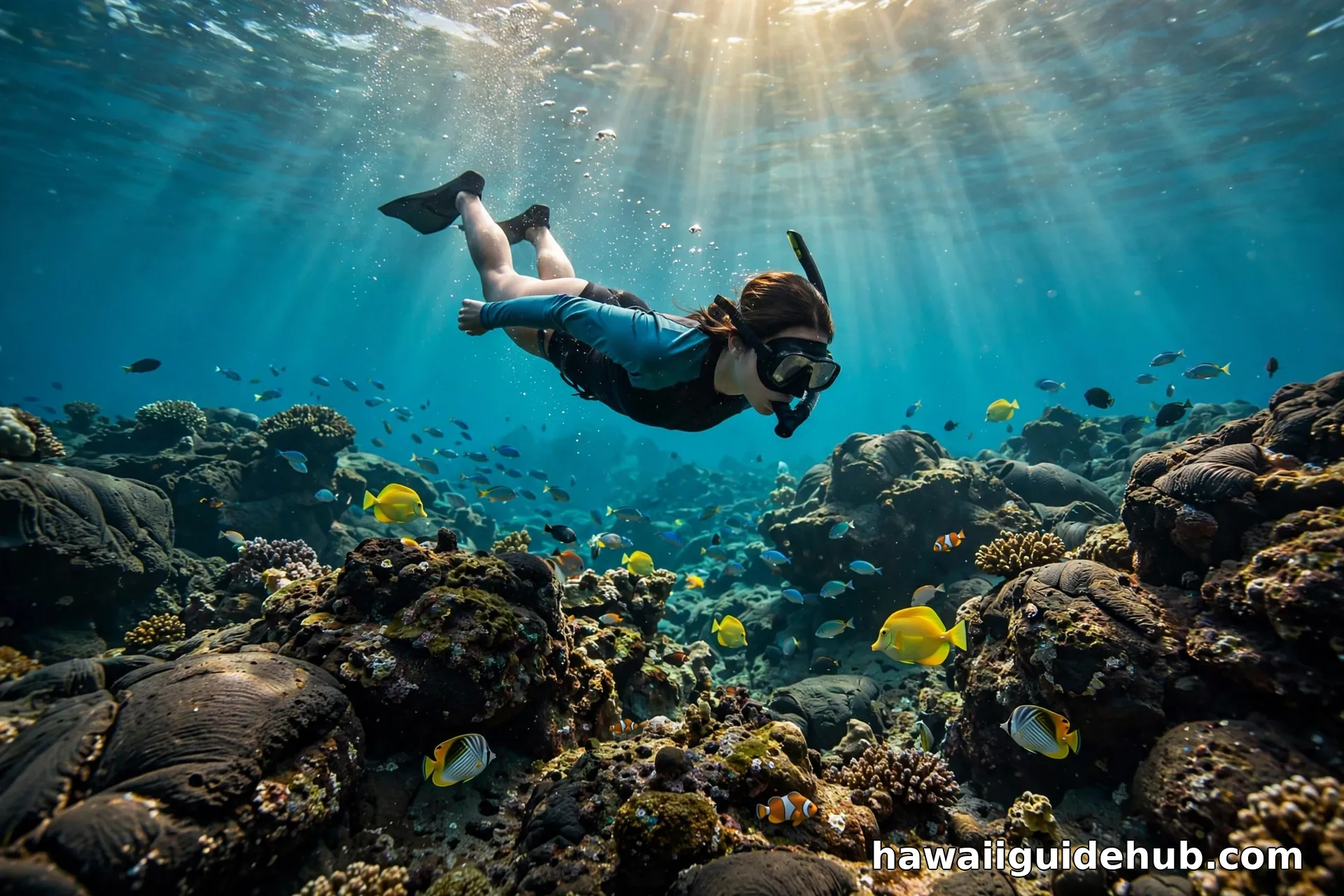
Snorkeling is good when the water is calm. Just offshore, dark boulders and rock walls drop to about 45 feet, and the walls create a natural shelter where colorful reef fish gather. Work your way out through the shallows before swimming toward the deeper rock formations, and stay aware of boat traffic near the harbor channel. Divers use ʻAlula as a shore-diving entry to the Honokōhau site, which tells you the underwater terrain is interesting, but this is an unguided spot: know your limits, never snorkel alone, and skip it when the surf is up.
The marine life rewards a slow pace. Hawaiian green sea turtles cruise the Kona coast and often pass through the cove, and the reef holds the usual Kona cast: yellow tang, Moorish idols, parrotfish and the occasional eagle ray in deeper water. Watch from a respectful distance and never touch turtles or coral. Early morning is when the water is clearest and the animals most active, another reason to beat the crowds to the beach.
Seasonal Ocean Conditions
The Kona coast is at its calmest from late spring through early fall, when the trade winds are steady and the big winter swells stay away. Summer is prime ʻAlula season: flat water, warm temperatures and the best snorkeling visibility. Winter brings larger surf to west-facing shores and the occasional Kona storm with winds from the south, which can make the cove choppy and push surge over the lava shelf. The beach is still visitable in winter, but check the surf forecast and be ready to enjoy it from the sand if the water is rough.
Water temperature stays comfortable year round, generally in the mid 70s to low 80s Fahrenheit. Air temperatures run warm and the Kona sun is strong, with very little shade at the cove itself, so morning visits are the most comfortable.
Kona also has its own daily rhythm worth knowing. Mornings are typically calm and clear, while afternoons can bring a light onshore breeze and building clouds over the uplands. This pattern is why every Kona local plans ocean time before lunch: the flattest water, the clearest snorkeling and the easiest parking all happen in the morning window.
The Dog Beach Rules
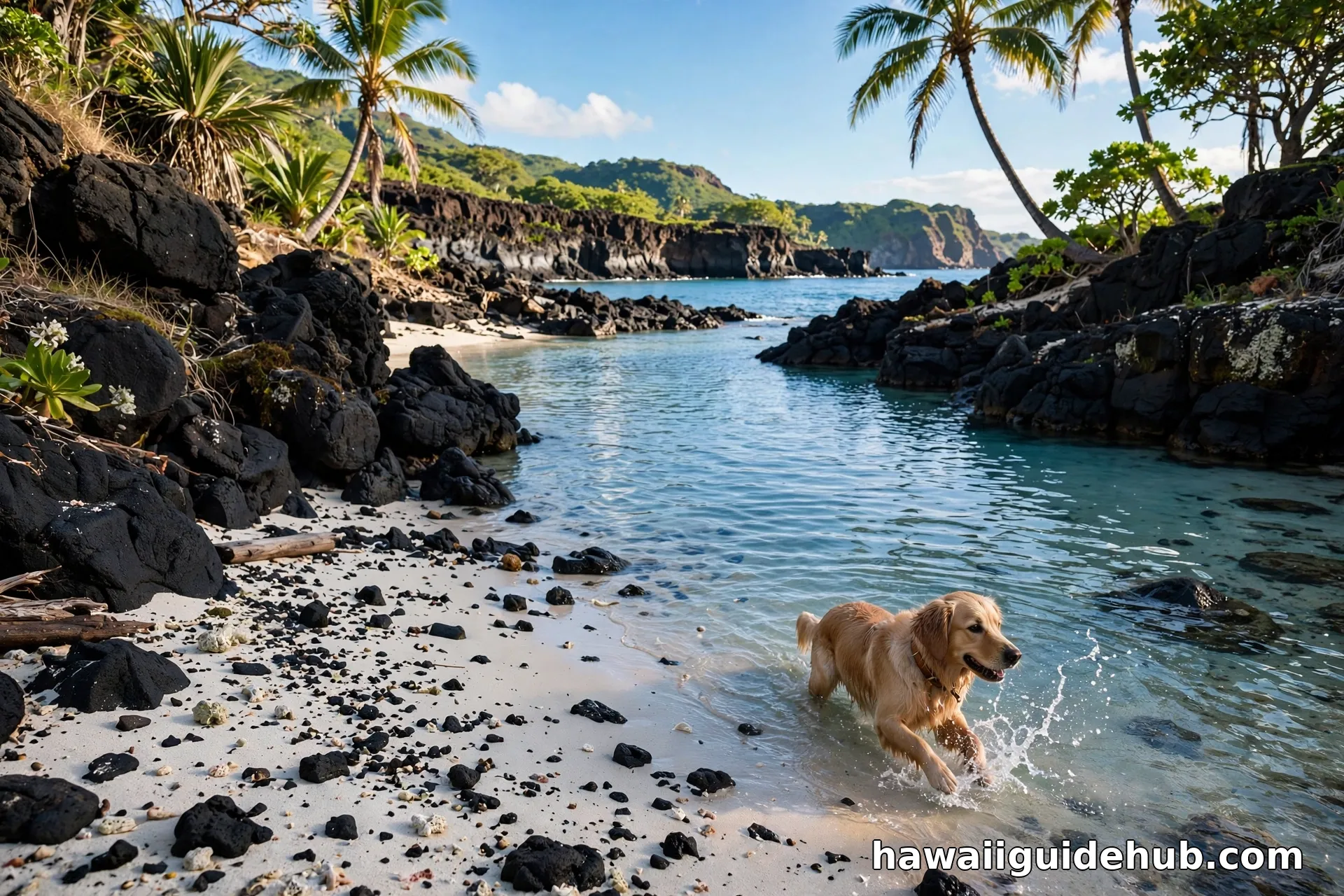
ʻAlula is the rare Kona beach where dogs are welcome off leash, and on any given morning you will find local dogs swimming, fetching and socializing while their owners wade nearby. If you bring a dog, keep it under voice control, clean up after it, and keep it away from anyone who is clearly uncomfortable. If you do not love dogs, this is useful to know in advance: the beach is small, the dogs are enthusiastic, and there is no dog-free zone. Most visitors find the scene charming rather than chaotic, but set your expectations accordingly.
Facilities, Hazards and Safety
Come prepared: there are no facilities at ʻAlula Beach itself. No restrooms, no showers, no drinking water, no trash cans, and no lifeguards. Restrooms are available at the harbor. Bring water, reef-safe sunscreen, water shoes for the lava, and a bag for all your trash, because pack-in-pack-out is the rule here.
The hazards are the standard Kona-coast set. Sharp lava rock on the trail and shoreline demands footwear. Sea urchins live in the rocky areas, so shuffle rather than step. There is no lifeguard, so swim conservatively and watch for changing conditions. And respect the cultural landscape: this coastline holds heiau, fishponds and burial sites. Leave lava rocks where they are, do not stack or move stones, and stay on established paths near cultural features.
Best plan: arrive before 9:00 AM for the calmest water, the easiest parking and often the whole cove to yourself. Snorkel the morning, then walk north into Kaloko-Honokōhau National Historical Park to see the ʻAiʻōpio fishpond and the ancient coastal trail in the cooler part of the day. The park is free and the contrast between the beach morning and the cultural landscape is the best version of this corner of Kona.
Kaloko-Honokōhau National Historical Park Next Door
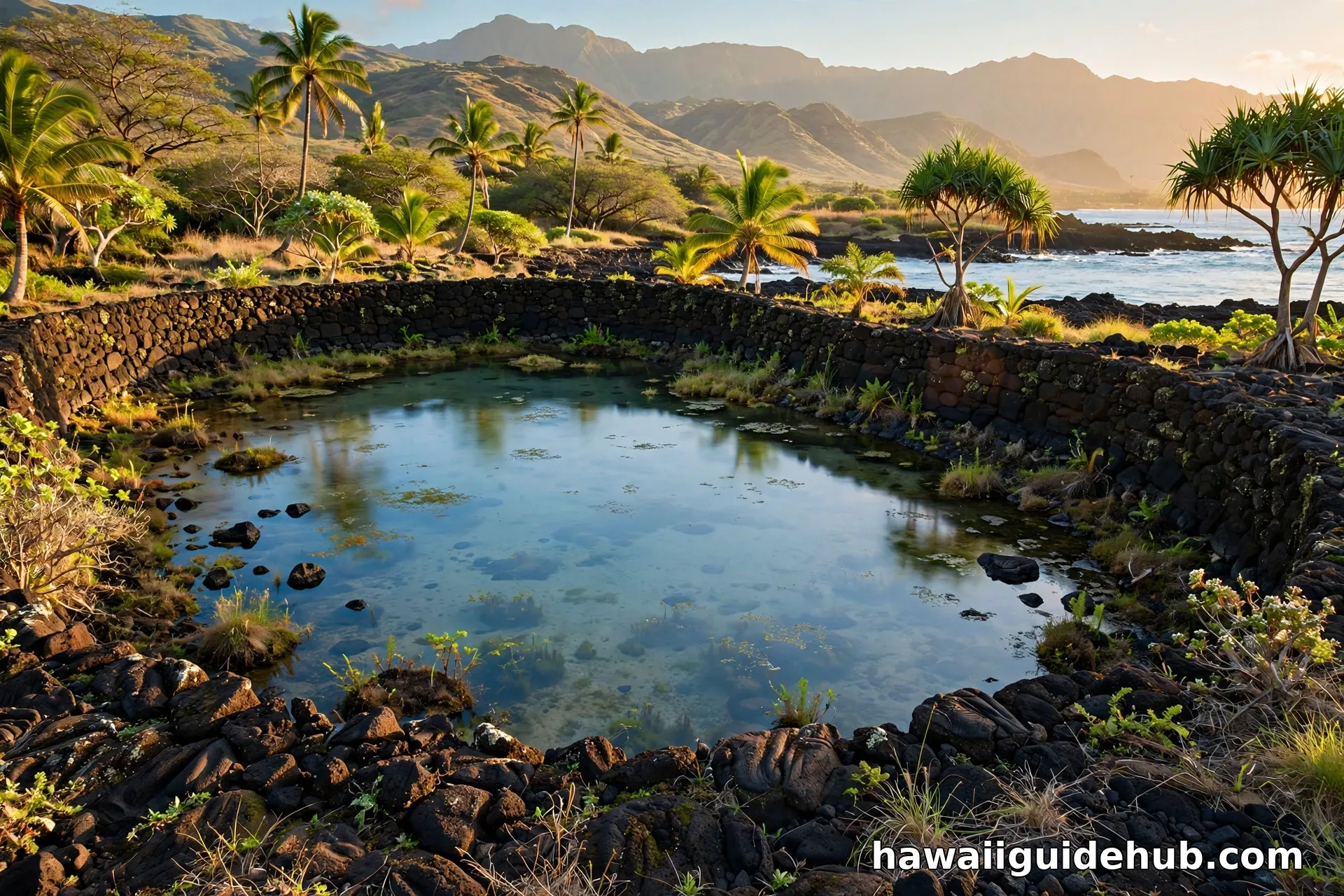
Do not leave without walking into the national historical park. Kaloko-Honokōhau preserves the lands that sustained ancestral Hawaiians on this lava coast, including the massive Kaloko and ʻAiʻōpio fishponds, or loko iʻa, that trapped fish for harvest centuries ago. The park’s coastal trail passes petroglyphs, heiau and quiet beaches, and its brackish anchialine pools shelter tiny native shrimp found nowhere else. Entry is free, and the visitor contact station can orient you. Pairing the park with ʻAlula turns a beach stop into a full Kona-coast morning.
Nearby Alternatives
If ʻAlula’s dog scene or its lack of facilities is not for you, the harbor’s north side offers ʻAiʻōpio Beach, a sandy, usually calm swimming beach with a trail connection into the national park and a better setup for families. For full facilities and lifeguards, the resort beaches of the Kohala coast to the north, like Hapuna, are the polished alternative. For wider planning, the best things to do on the Big Island guide covers the island’s top sights. And for Big Island trip planning beyond the beach, the best things to do in Kona guide covers the wider area.
What to Bring
ʻAlula rewards the prepared and punishes the casual. Pack reef-safe sunscreen, because the Kona sun reflects off the water and there is almost no shade. Bring water shoes for the sharp lava on the trail and shoreline, plus a rash guard if you snorkel over the reef. Carry at least a liter of drinking water per person, a hat, and a dry bag for your phone and keys. Snorkel gear is essential if you want to explore the reef, since there are no rentals at the beach. And bring a trash bag: with no bins at the cove, everything you carry in must come back out with you.
Frequently Asked Questions
Is ʻAlula Beach good for snorkeling?
Yes, in calm conditions. The sheltered cove and offshore rock walls hold colorful reef fish, and the water is clearest on calm summer mornings. Skip it when the surf is up, and never snorkel alone at an unguarded beach.
Can dogs go to ʻAlula Beach?
Yes. ʻAlula is known as the Kona Dog Beach because dogs are allowed off leash here, which is rare on this coast. Keep your dog under voice control and clean up after it.
Are there lifeguards and restrooms at ʻAlula Beach?
No lifeguards and no facilities at the beach itself. Restrooms are available at Honokōhau Harbor nearby. Bring water, sun protection and water shoes, and pack out all trash.
How do I find ʻAlula Beach?
Drive north from Kailua-Kona on Highway 19, turn left onto Kealakehe Parkway between mile markers 97 and 98, park in the harbor’s south lot, and walk south along the shore to the short lava trail down to the cove. There are no highway signs for the beach.
Is ʻAlula Beach good for kids?
It can be, with supervision. The protected cove is calmer than most Kona beaches, and kids love watching the dogs. But there is no lifeguard, the lava rock is sharp underfoot, and the trail down is rugged, so it suits confident families better than toddlers. Bring water shoes and keep children in the sandy entry area.
Is ʻAlula Beach free?
Yes. There is no entry fee and parking at the harbor is free. The adjacent Kaloko-Honokōhau National Historical Park is also free to enter.
ʻAlula Beach is not the Big Island’s most famous beach, and that is exactly its charm. A quiet cove, calm water, good snorkeling, happy dogs, and a thousand years of Hawaiian history next door, all for the price of a short walk from a free parking lot. Go early, bring what you need, respect the cultural landscape, and enjoy one of Kona’s best-kept secrets.