Hawaii Islands Vacation: How to Plan the Perfect Trip

Planning a Hawaiʻi islands vacation is mostly about making three decisions well: which island (or islands) to visit, how long to stay, and how much to spend. Get those three right and almost everything else falls into place. Get them wrong and you can spend a fortune hopping between airports while the vacation you pictured keeps slipping away.
This is the single complete guide to planning a Hawaiʻi islands vacation. It covers how the main islands differ, how to match an island to your travel style, realistic trip costs, how long to stay and whether to split your trip, the best times to go, getting between islands, the mistakes first timers make, a planning checklist, and answers to the most common questions.
Hawaiʻi Islands Vacation at a Glance
| Best trip length | 7 to 10 days for one island; 10 to 14 days for two |
| Islands most visitors choose | Oʻahu, Maui, the Island of Hawaiʻi, Kauaʻi |
| Flight from the US West Coast | About 5 to 6 hours nonstop (Los Angeles to Honolulu is 2,556 miles) |
| Flights between islands | 30 to 45 minutes in the air, on Hawaiian Airlines or Southwest |
| Average visitor spending | About $246 per person per day (Hawaiʻi Tourism Authority) |
| Peak season | Mid December through March, plus June through August |
| Best value months | April, May, September, October, early November |
| Biggest planning mistake | Trying to visit three or more islands in one week |
The Islands You Can Actually Visit
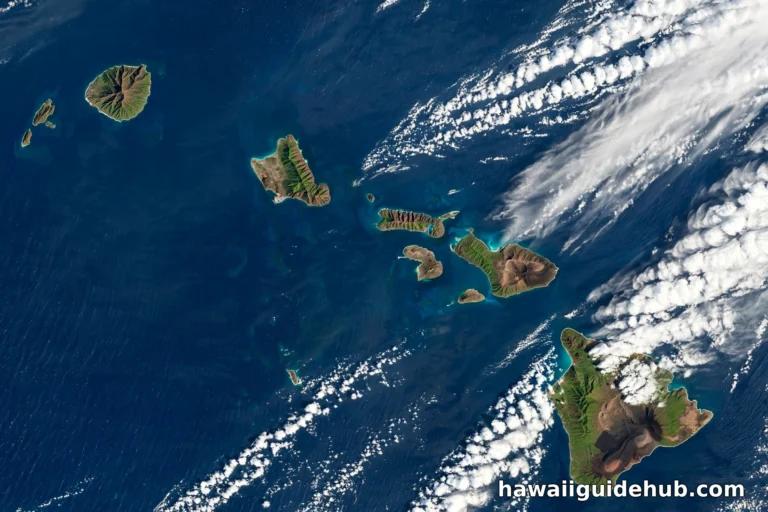
Hawaiʻi has eight main islands, but only six welcome overnight visitors. Niʻihau is privately owned and closed to the public, and Kahoʻolawe is uninhabited and reserved for Native Hawaiian cultural restoration. That leaves Oʻahu, Maui, the Island of Hawaiʻi (the Big Island), Kauaʻi, Lānaʻi, and Molokaʻi. Nearly all visitors choose among the first four, and each one delivers a genuinely different vacation.
Oʻahu: The Gathering Place
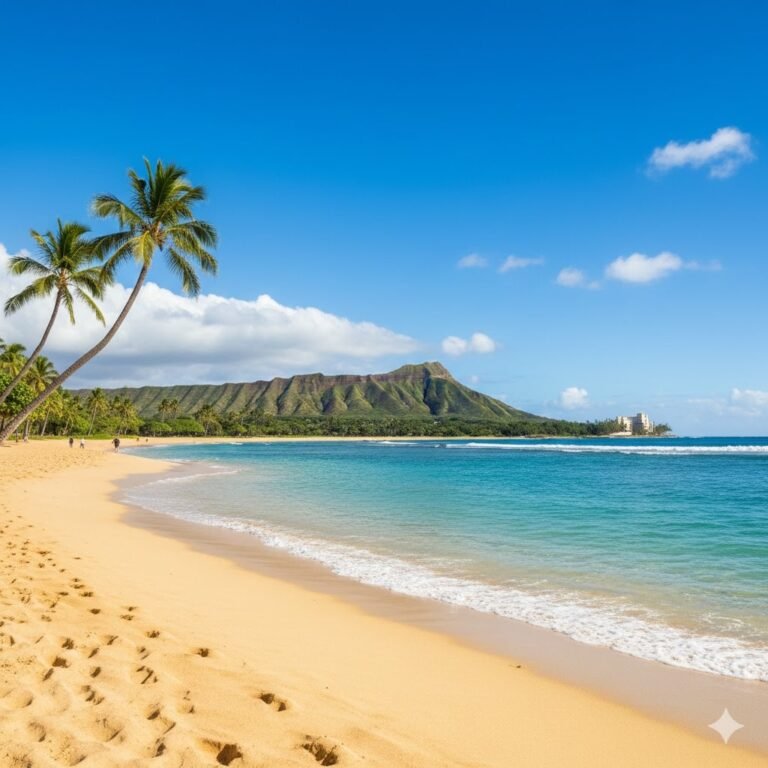
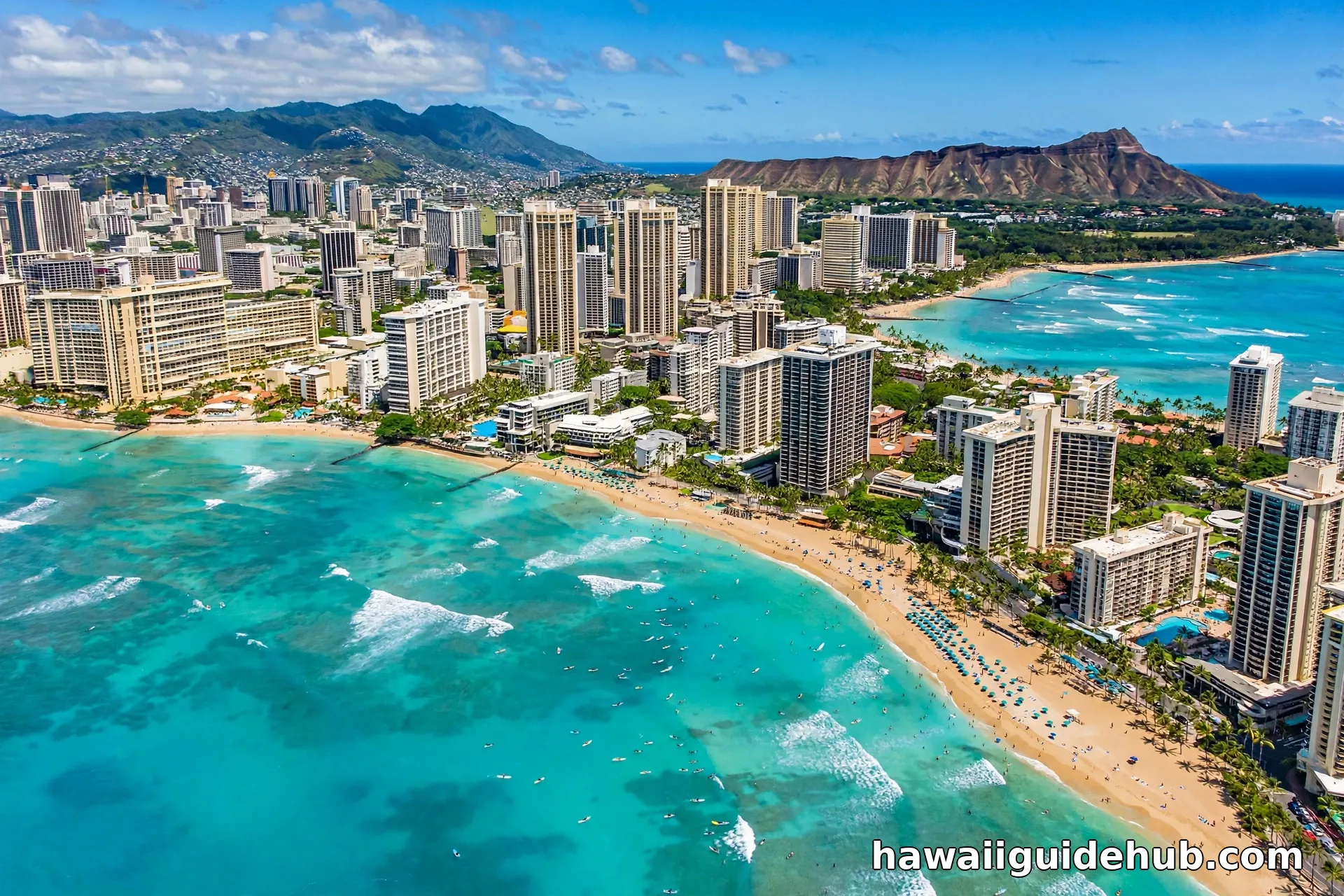
Oʻahu is home to about a million residents, the state capital Honolulu, and world famous Waikīkī. It packs the most variety into the smallest of the four main islands: big city dining and shopping, the history of Pearl Harbor and ʻIolani Palace, legendary surf towns on the North Shore, and easy day hikes like Diamond Head. It is also the cheapest island to reach, since nearly every flight from the mainland lands at Honolulu International Airport first.
Maui: The Valley Isle
Maui is the classic honeymoon island, and it earns the reputation. The Road to Hāna winds past waterfalls and black sand beaches, Haleakalā rises 10,023 feet above the clouds for sunrise and sunset, and the resort coasts of Kāʻanapali and Wailea hold some of the best beaches in the state. In winter, the waters off Lahaina and Māʻalaea fill with humpback whales.

Island of Hawaiʻi: The Big Island
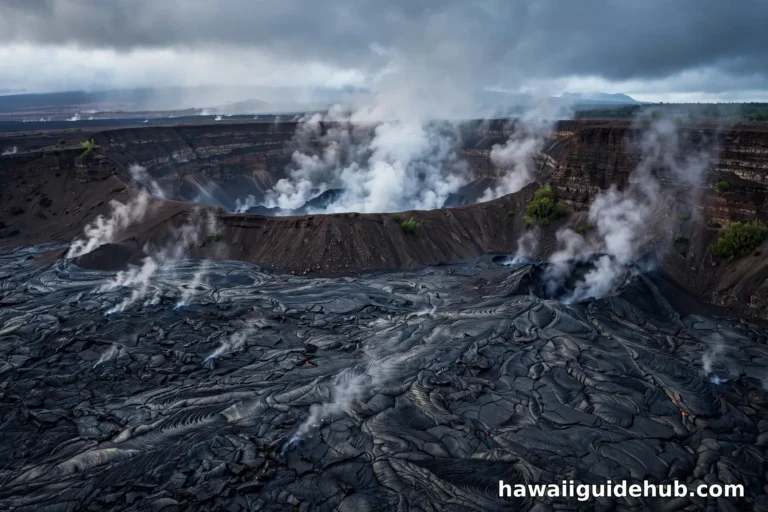
The Big Island is bigger than all the other main islands combined, and it feels like several destinations in one. Hawaiʻi Volcanoes National Park protects Kīlauea, one of the most active volcanoes on earth, while the Kona coast offers sunny beaches and the famous manta ray night snorkel. The island holds 8 of the world’s 13 climate zones, from tropical rainforest to the summit of Mauna Kea at 13,803 feet. Choose the Big Island for dramatic landscapes and room to roam, and plan on a rental car and longer drive times here than anywhere else.
Kauaʻi: The Garden Isle
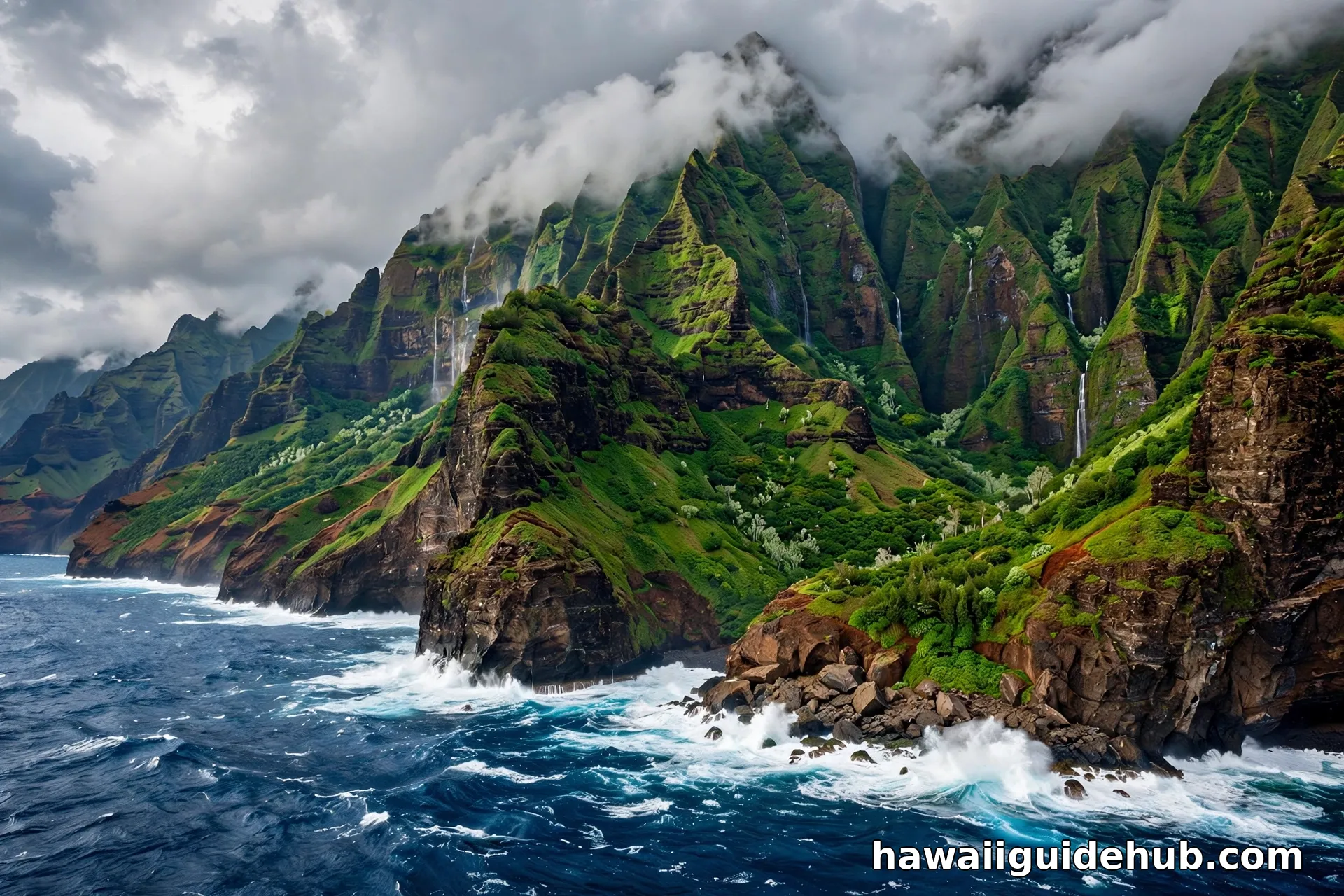
Kauaʻi is the oldest and, many say, the most beautiful of the main islands. The Nā Pali Coast’s fluted cliffs, Waimea Canyon’s red walls, and waterfalls like Wailua Falls give it a lush, wild character the other islands cannot match. It is quieter and less built up, with no building taller than a coconut palm by county law. Kauaʻi is perfect for hikers, nature lovers, and anyone who wants Hawaiʻi at its greenest. It rains more here than on the other islands, especially on the north shore, which is exactly why it looks the way it does.
Lānaʻi and Molokaʻi: The Quiet Islands
Lānaʻi and Molokaʻi are for travelers who have been to Hawaiʻi before and want something deeper. Lānaʻi is small and exclusive, home to two luxury resorts and the surreal rock formations of Keahiakawelo (Garden of the Gods). Molokaʻi is the least visited of the accessible islands, with a strong Native Hawaiian community and the towering sea cliffs of the north shore. Both are reached by small plane or, for Lānaʻi, a ferry from Maui. They are wonderful second or third trip choices, not first trips.
How to Choose the Right Island for Your Trip
Match the island to the trip you actually want. A few honest rules of thumb cover most travelers.
First trip to Hawaiʻi: pick Oʻahu or Maui. Oʻahu gives you the most to do with the least driving, plus the easiest logistics. Maui gives you the classic postcard Hawaiʻi with beaches, the Road to Hāna, and Haleakalā. For help narrowing it down, our guide to the best island in Hawaii for first time visitors walks through the decision in detail.
Families with kids: Oʻahu is the easiest, with calm Waikīkī beaches, the Honolulu Zoo, Pearl Harbor, and short hikes. Maui runs a close second with its calm west side beaches and the Maui Ocean Center aquarium.
Couples and honeymoons: Maui is the traditional choice, and Kauaʻi is the romantic dark horse. Both have the scenery, the sunsets, and the resort options that make a trip feel special.
Adventure travelers: the Big Island wins on sheer variety, with volcanoes, lava fields, high altitude stargazing, and the manta ray night dive. Kauaʻi wins for hiking and raw scenery.
Travelers on a budget: Oʻahu is the most affordable main island. It has the cheapest flights, the most hotel competition, the best public bus system (TheBus reaches most sights), and plenty of free beaches and hikes. See our breakdown of the cheapest time of year to visit Hawaii to stretch your dollars further.
One Island or Two? How Long to Stay
The golden rule of Hawaiʻi trip planning: one island per week, roughly. A 7 day trip belongs on a single island. With 10 to 14 days, two islands work beautifully. Three islands in one trip is almost always a mistake, because every island change burns most of a day on packing, airport lines, the interisland flight, picking up a new rental car, and checking in again.
Interisland flights are short, typically 30 to 45 minutes in the air between Honolulu and Kahului, Kona, or Līhuʻe, and Hawaiian Airlines and Southwest both fly the routes many times a day. But the total transfer still eats 4 to 5 hours door to door. Popular pairings are Oʻahu with Maui, Oʻahu with the Big Island, and Maui with Kauaʻi.
What a Hawaiʻi Vacation Really Costs
Hawaiʻi is one of the most expensive beach destinations in the United States, and honest budgeting starts with the official numbers. The Hawaiʻi Tourism Authority reports that the average visitor spends about $246 per person per day, with lodging the biggest slice at roughly $117, followed by food and drinks at about $49. Hotel room rates average close to $400 a night statewide, and lodging taxes add nearly 20 percent on top of the quoted rate (11 percent state transient accommodations tax, 3 percent county tax, and 4.5 percent general excise tax).
| Budget style | Per person, per day | What it looks like |
| Budget | $250 to $350 | Hostel or budget hotel, groceries and plate lunches, free beaches and hikes, TheBus on Oʻahu |
| Mid range | $450 to $650 | 3 star hotel or condo, rental car, mix of restaurants and groceries, a few paid tours |
| Comfortable | $650 to $900 | Beachfront resort, daily dining out, snorkel or boat tours, interisland flight |
| Luxury | $1,000+ | 5 star resort, fine dining, helicopter tour, private experiences |
You can pull costs down without ruining the trip. Book flights 2 to 4 months out and watch for fare sales from the West Coast, where round trips regularly drop under $400. Stay in a condo with a kitchen and eat breakfast and some dinners in. Rent snorkel gear for the week instead of paying per tour. And build your itinerary around free highlights, because Hawaiʻi’s best beaches, scenic drives, and many hikes cost nothing at all.
The Best and Worst Times to Visit Hawaiʻi
Hawaiʻi’s weather is famously steady: daytime highs run about 80 to 88°F year round, with the ocean between 75 and 82°F. What changes with the seasons is not really the weather but the crowds, the prices, and the surf. Winter (mid December through March) brings the biggest swells, whale season, and the highest prices. Summer (June through August) brings family crowds and high prices.
| Season | Crowds and prices | What is special |
| Mid Dec to Mar | Highest prices, biggest crowds | Humpback whales, big wave surf on the North Shore, festive atmosphere |
| Apr to May | Moderate, good value | Warm weather, thinner crowds, wildflowers |
| Jun to Aug | High prices, family crowds | Calmest ocean on the north shores, best snorkeling up north |
| Sep to early Nov | Lowest crowds, best deals | Warm ocean, quiet beaches, shoulder season rates |
Rain is a microclimate question, not a seasonal one. The windward (east) sides of every island are wetter than the leeward (west) sides in every month. Our guide to what time of year it rains in Hawaii breaks it down island by island.
Getting to Hawaiʻi and Between the Islands
Nearly every visitor arrives by air. Nonstop flights connect Honolulu with dozens of mainland cities, and there are also nonstops to Kahului (Maui), Kona (Big Island), and Līhuʻe (Kauaʻi) from West Coast hubs. The Los Angeles to Honolulu route covers 2,556 miles and takes about 5 and a half hours westbound, closer to 5 hours coming home with the tailwind. Hawaiʻi is 3 hours behind Pacific Daylight Time and 2 hours behind Pacific Standard Time.
Once you are here, interisland flights on Hawaiian Airlines and Southwest connect the islands in 30 to 45 minutes of air time, with fares that often run $60 to $120 each way when booked ahead. A rental car is close to essential on every island except parts of Oʻahu; book it the moment your flights are set, since Hawaiʻi’s rental fleets sell out in peak periods and prices spike.
7 Mistakes First Timers Make on a Hawaiʻi Vacation
1. Island hopping too much. Three islands in seven days means you spend the trip in airports. Pick one island for a week, two for ten days or more.
2. Underestimating drive times. The Big Island looks small on a map; driving from Kona to Hawaiʻi Volcanoes National Park takes over 2 hours each way. Build real drive times into every day.
3. Skipping the rental car reservation. Hawaiʻi regularly runs short of rental cars in peak season. Book when you book flights, and recheck prices later since you can usually rebook cheaper.
4. Forgetting the sun. The UV index hits extreme levels even on cloudy days, and the sun near the equator burns fast. Reef safe sunscreen, a hat, and water are daily essentials.
5. Ignoring ocean safety. More visitors get in trouble in the ocean than anywhere else in Hawaiʻi. Swim at lifeguarded beaches, check surf reports, and never turn your back on the ocean. Winter surf on north shores is for experts only.
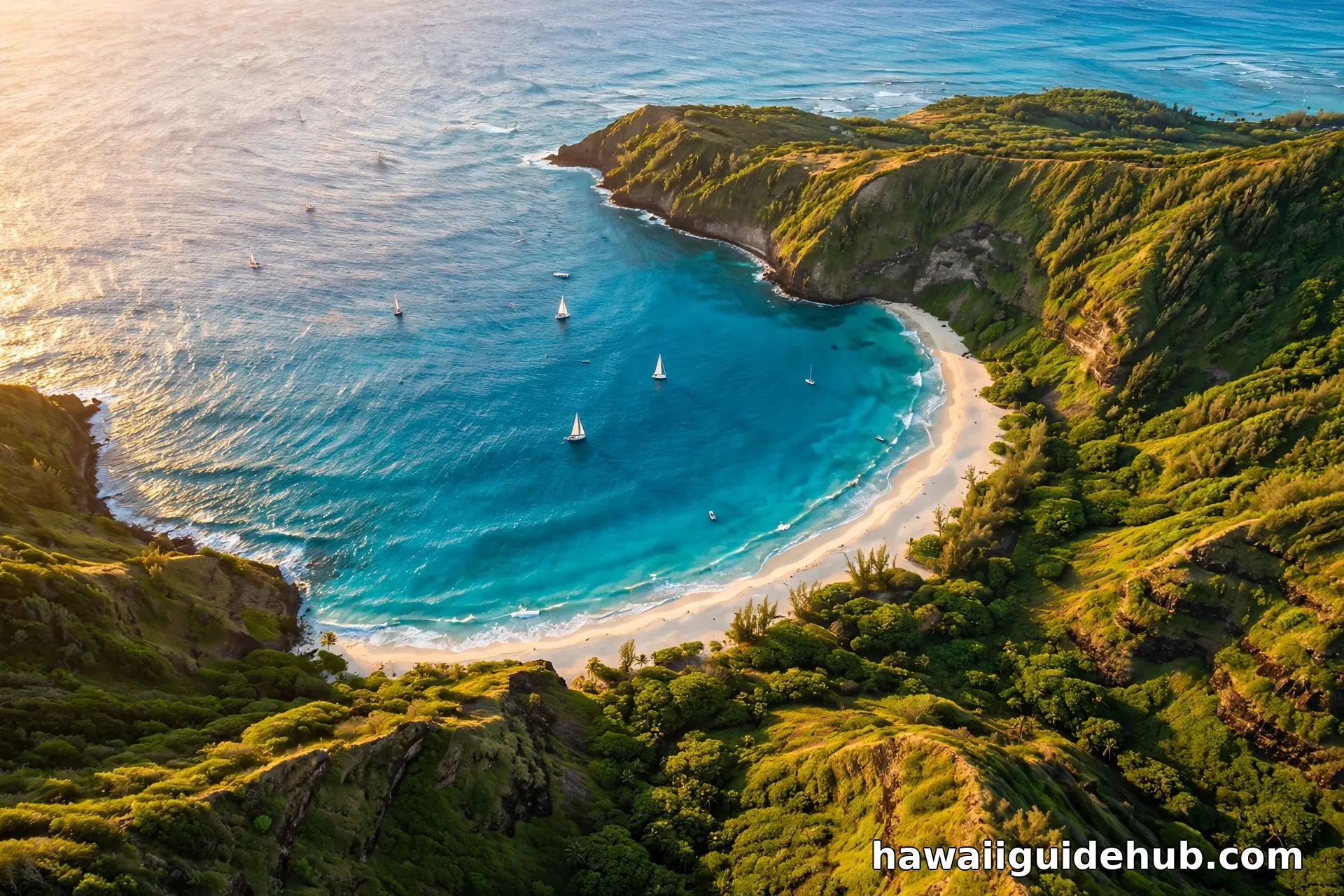
6. Not booking popular sights ahead. Pearl Harbor tickets, Haleakalā sunrise reservations, Hānauma Bay entry, and popular luaus all sell out. Reserve the big ones weeks before you fly.
7. Planning every minute. Leave unscheduled beach and exploring time. Some of the best Hawaiʻi days are the ones where you follow a road that looked interesting.
Your Hawaiʻi Vacation Planning Checklist
Work through these steps in order and the logistics take care of themselves.
- 6+ months out: pick your island(s) and dates; set a realistic budget using the table above.
- 3 to 4 months out: book flights, rental car, and accommodations.
- 2 months out: book interisland flights and big ticket sights (Pearl Harbor, Haleakalā sunrise, luaus, popular tours).
- 1 month out: make dinner reservations for special nights; check state park reservation rules for your island.
- 1 week out: check surf and weather; pack reef safe sunscreen, light layers, and water shoes.
- Arrival day: pick up the car, stop for groceries, and watch the sunset. You are on island time now.
Video: How to Explore Hawaii’s Islands Without Overspending
Budget strategies for seeing the islands without breaking the bank.
Frequently Asked Questions
How many days do you need for a Hawaiʻi vacation?
Seven days is the practical minimum for one island, giving you 5 to 6 full days after travel. Ten to fourteen days lets you comfortably visit two islands. Anything shorter than 5 days means you lose too much of the trip to flying.
Which Hawaiian island is the best for a first visit?
Oʻahu and Maui are the best first trip islands. Oʻahu offers the most variety, history, and value with the easiest logistics. Maui offers the classic tropical beach vacation with the Road to Hāna and Haleakalā.
How much does a Hawaiʻi islands vacation cost?
A mid range trip runs about $450 to $650 per person per day, or roughly $3,500 to $5,000 per person for a week including flights from the West Coast. Budget travelers can manage $250 to $350 a day with condos, groceries, and free activities, while luxury trips easily pass $1,000 a day.
Is it better to visit one island or two?
One island for trips of 7 days or less; two islands for 10 days or more. Each island change costs you most of a day in transit, so two islands in a week leaves you with barely 2 full days on the second island. The Big Island and Kauaʻi pair well with Oʻahu or Maui.
What is the cheapest month to visit Hawaiʻi?
September through early November and late April through early June are the cheapest windows, with lower hotel rates and airfares and thinner crowds. Mid December through March and June through August are the most expensive. For detail, see our guide to the cheapest time of year to visit Hawaii.
Do you need a passport to visit Hawaiʻi?
No. Hawaiʻi is the 50th US state, so US citizens need only a government issued photo ID (a REAL ID compliant license for domestic flights). International visitors need a passport and, depending on nationality, a visa or ESTA authorization.
A Hawaiʻi islands vacation rewards the traveler who plans the big decisions and stays loose on the small ones. Choose the island that fits your travel style, give it enough days to breathe, and budget honestly. Plan it this way and you will come home already thinking about which island to visit next.