Why Is It Called the Big Island of Hawaii? The Real Story Behind the Name

If you have ever wondered why everyone calls it the Big Island of Hawaii, the answer is refreshingly simple: it is big. Really big. The island officially named Hawaiʻi is so much larger than every other island in the state that calling it the Big Island became the easiest way to avoid confusion. But behind that plain nickname sits a more interesting story about an official name, a recent vote to change it, old Hawaiian names, and a few misconceptions that trip up even seasoned travelers.
This is the single complete guide to the big island hawaii name. It explains the island’s official name, why the nickname stuck, the 2025 vote that made headlines, the island’s other names, where the word Hawaiʻi itself comes from, and the mix-ups visitors should avoid. Everything about the name, on one page.
The Big Island Name at a Glance
| The question | The answer | The takeaway |
|---|---|---|
| Official name | Hawaiʻi (simplified from “Island of Hawaiʻi” by a December 2025 board vote) | The paperwork now matches what locals say |
| Common nickname | The Big Island | Use it; everyone does |
| Other Hawaiian names | Moku o Keawe; also called the Orchid Isle | Older names, still heard |
| Why “Big Island” | At 4,028 square miles it is larger than all the other Hawaiian Islands combined | The nickname is a measurement, not marketing |
| Island vs state | The island of Hawaiʻi and the state of Hawaiʻi share the same name, which is exactly why the nickname exists | Say “the Big Island” and there is no confusion |
| What it is NOT called | Kona and Hilo are districts and towns, not the island’s name | “I’m going to Kona” means the west side, not the island |
The Short Answer: Why “Big Island”?
The island’s official name is Hawaiʻi, which is also the name of the entire state. Saying “I’m going to Hawaii” could mean the state, any island, or this specific island, and that ambiguity is a daily headache for travelers, airlines, and hotels. Calling it the Big Island solves the problem instantly. It is descriptive, unmistakable, and honest: at 4,028 square miles, the island holds about 63 percent of the Hawaiian archipelago’s total landmass, and every other major island could fit inside it with room to spare.
The nickname was never official and never elegant. It was useful, and usefulness is why it stuck. Travelers say it, locals say it, and the visitor industry uses it alongside the proper name. When someone says “the Big Island,” every Hawaii traveler knows exactly which island they mean, with no follow-up questions required.
The Official Name: From “Island of Hawaiʻi” to “Hawaiʻi”
For most of modern history, the island’s formal name was the “Island of Hawaiʻi,” often shortened to Hawaiʻi Island in everyday use. That mouthful existed for one reason: to distinguish the island from the state. Every other island in the chain goes by a single name, Oʻahu, Maui, Kauaʻi, and the board responsible for standardizing place names decided this one should too.
At its December 10, 2025 meeting, the Hawaiʻi Board on Geographic Names voted to change the official name from “Island of Hawaiʻi” to simply “Hawaiʻi,” bringing it in line with every other island in the state. Board members described the change as a matter of consistency and cultural respect, honoring the island’s proper name rather than treating it as an exception. The decision was set to go to the federal board for review, a process expected to take about a year.
What does this mean for travelers? Practically nothing changes. Locals and visitors can still say the Big Island, and everyone will understand. But you will increasingly see the island introduced as Hawaiʻi Island by the visitor industry, with the nickname kept alongside it as a helpful clarifier rather than abandoned.
How Big Is the Big Island, Really?
The numbers justify the nickname. The island covers 4,028 square miles, making it the largest island in the United States, bigger than the state of Connecticut and nearly twice the size of Delaware. All the other Hawaiian Islands combined total about 2,384 square miles, so they could fit inside the Big Island nearly twice over. Oʻahu, the most populated island, is less than one seventh its size.
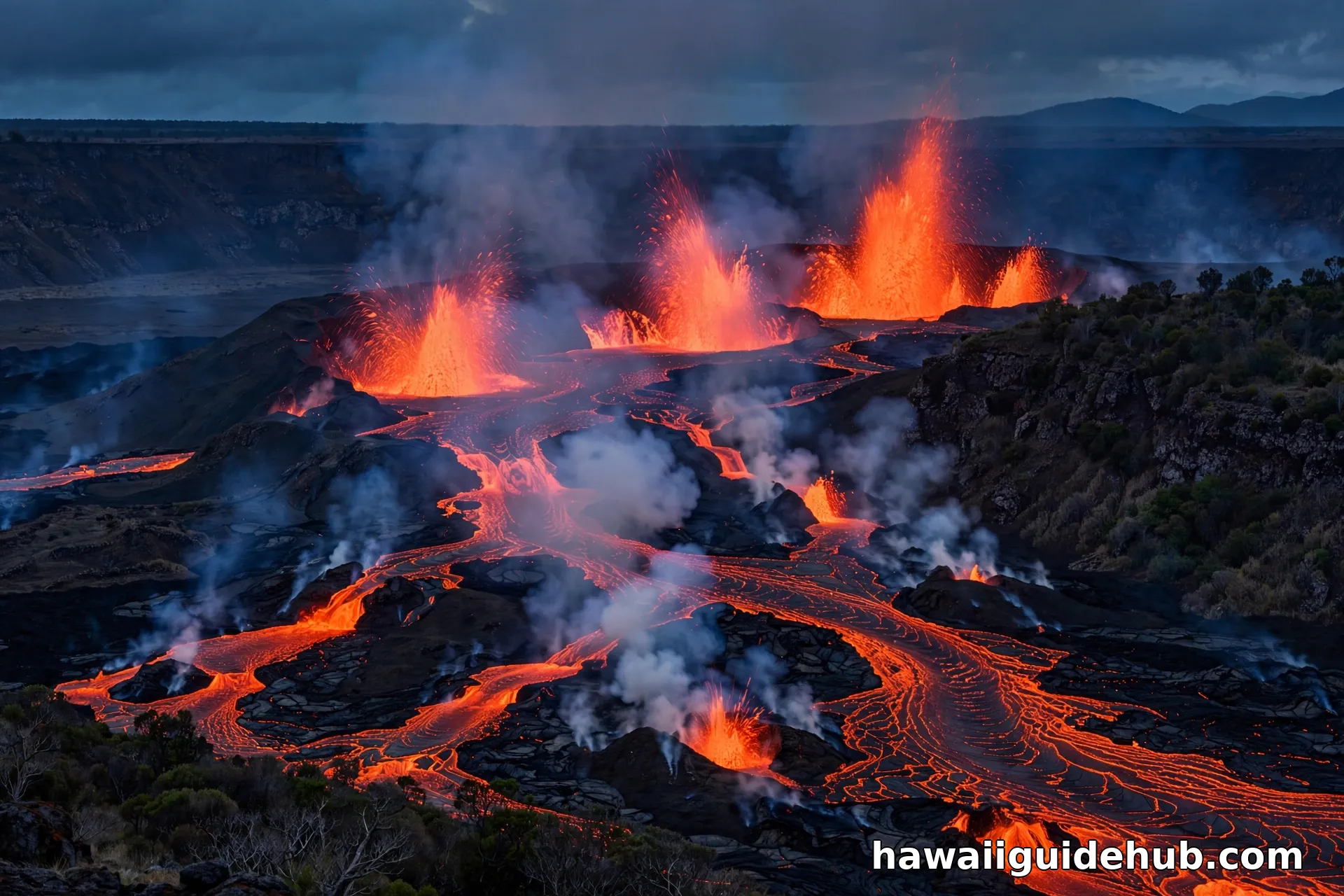
It is also still growing. Kīlauea, one of the world’s most active volcanoes, has added new land to the island’s coastline in recent decades as lava flows reached the ocean and cooled into new earth. The island is the youngest in the Hawaiian chain and the only one still being built by active volcanism, which means the Big Island is, very literally, getting bigger.
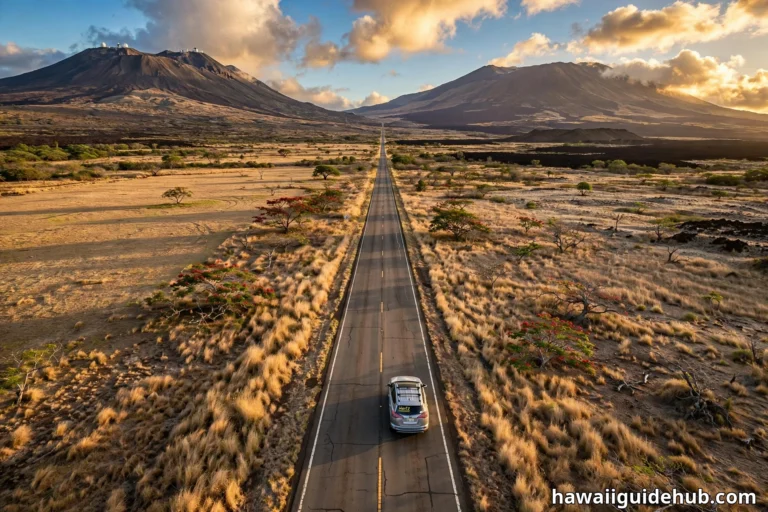
Size shapes the travel experience too. The island is so large that driving from Kona on the west side to Hilo on the east side takes about two hours, and the two towns sit in completely different climate zones. Visitors are often surprised that one island can hold snow-capped summits, black sand beaches, rainforests, and near-desert lava fields. Our guide to the best things to do on the Big Island shows how much ground there is to cover.
The Island’s Other Names: Moku o Keawe and the Orchid Isle
Big Island is the nickname outsiders know, but the island has older names. In Hawaiian it is sometimes called Moku o Keawe. The word keawe carries several meanings, including a reference to the Southern Cross and the name of an ancient chief. You will see Moku o Keawe used in cultural contexts and local media, and recognizing it marks you as a traveler who has done some homework.
The island is also called the Orchid Isle, a tourism-era nickname that nods to the flowers grown commercially on the island’s wet east side. It never caught on the way Big Island did, but you will still spot it in older guidebooks and on some local business names.
Where Does the Name “Hawaiʻi” Come From?
The deeper question is where Hawaiʻi itself comes from. According to Hawaiian tradition, the islands were discovered by the Polynesian navigator Hawaiʻiloa, who named the largest island after himself and gave the other islands the names of his children. Linguists connect Hawaiʻi to Hawaiki, the ancestral homeland named in the oral traditions of many Polynesian peoples, from which the first voyagers are said to have sailed.
The name is pronounced “hah-VY-ee,” with the ʻokina, the glottal stop marked by the reversed apostrophe, between the two i’s at the end. Getting the pronunciation right is a small sign of respect that locals genuinely appreciate. The state name follows the same spelling and pronunciation, which brings us back to the original confusion that made “Big Island” necessary in the first place.
Common Misconceptions About the Name
Three mix-ups come up constantly, and clearing them up will make you sound like you know the island before you land.
“Kona” Is Not the Island’s Name
Kona is a district on the island’s sunny west side, and Kailua-Kona is its largest town. Because so many visitors fly into Kona International Airport (KOA) and stay on the Kona coast, many leave believing Kona is the island. It is not. Kona is roughly one slice of an island with eight major districts, and saying “I’m going to Kona” tells a local only which side of the island you mean. Our guide to things to do in Kona covers that region specifically.
“Hilo” Is Not the Island’s Name Either
Hilo is the island’s largest town and the county seat, sitting on the lush, rainy east side. Visitors who fly into Hilo International Airport (ITO) sometimes make the same mistake in reverse. Hilo and Kona are about two hours apart by road, and confusing them when booking hotels or flights can wreck an itinerary. Always check which airport your plans assume.
The Big Island Is Not a City or a Separate State
First-time planners occasionally treat “Big Island” as a city to navigate to, or assume it must be its own state. It is an island within the state of Hawaiʻi, governed as Hawaiʻi County, which has no incorporated cities at all. The 2020 census counted about 200,629 residents across the whole island, most living in and around Hilo and Kailua-Kona.
What Do Locals Actually Call It?
Ask a resident and you will hear both. Many longtime locals say “the Big Island” without a second thought, especially when talking to visitors, because it communicates instantly. In local media and cultural settings you will more often hear “Hawaiʻi Island,” and the visitor industry has been shifting toward that phrasing for years. Nobody will correct you for saying Big Island. It is the rare nickname that locals embrace because it does a genuine job.
The one phrasing to avoid is calling the whole island “Kona” or “Hilo,” which marks you as a newcomer faster than anything else. And when writing about the island, remember that Hawaiʻi with the ʻokina is the correct spelling of both the island and the state.
Why the Name Matters for Your Trip
Understanding the name is genuinely practical. When you search for hotels, tours, or flights, results labeled “Hawaii” might mean the state, the island, or nothing specific, while “Big Island” or “Hawaiʻi Island” narrows it to the right place. When you book, double check whether you are flying into Kona (KOA) on the west side or Hilo (ITO) on the east side, since they serve opposite ends of a very large island. And when you tell people back home where you went, “the Big Island of Hawaiʻi” needs no further explanation, which is exactly why the name exists.
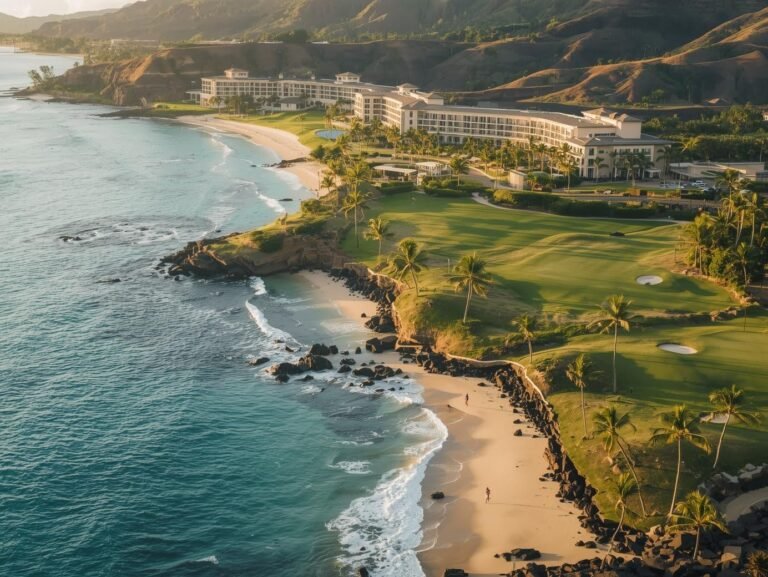
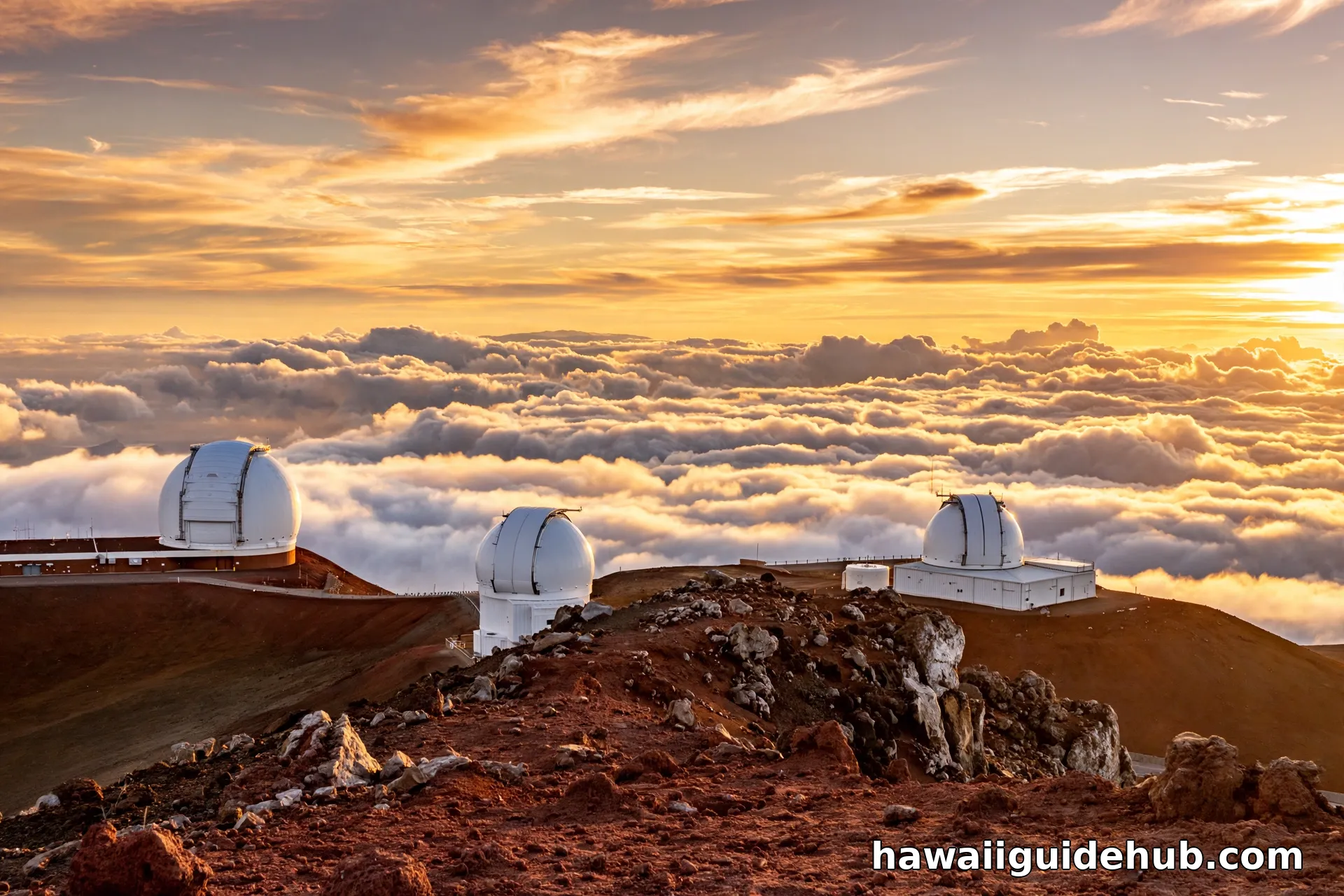
For trip planning, start with Hawaiʻi Volcanoes National Park, the island’s signature sight, and Waikoloa on the sunny Kohala coast. Between the volcanoes, the observatories, the black sand beaches, and the coffee country, the island earns its nickname in every direction.
Video: The Big Island Name Change Explained
Local news coverage of the proposal to change the island’s official name from “Island of Hawaiʻi” to “Hawaiʻi.”
Frequently Asked Questions About the Big Island Name
What is the official name of the Big Island?
The official name is now Hawaiʻi. In December 2025, the Hawaiʻi Board on Geographic Names voted to simplify it from “Island of Hawaiʻi” to “Hawaiʻi,” matching every other island in the state. “Big Island” remains the widely used nickname.
Why is it called the Big Island instead of Hawaii?
Because “Hawaii” is also the name of the state, the nickname removes all ambiguity. At 4,028 square miles, larger than all the other islands combined, the description fits perfectly and every traveler instantly knows which island is meant.
Is Kona the same as the Big Island?
No. Kona is a district on the west side of the island, and Kailua-Kona is its main town. The island itself is Hawaiʻi, nicknamed the Big Island. Kona is one part of it, known for sunny weather, coffee farms, and resorts.
What does Moku o Keawe mean?
Moku o Keawe is a traditional Hawaiian name for the island of Hawaiʻi. The word keawe has several meanings, including the Southern Cross constellation and the name of an ancient chief. It appears in cultural contexts and local usage.
How do you pronounce Hawaiʻi?
It is pronounced “hah-VY-ee,” with a glottal stop, the ʻokina, between the final two vowels. The same pronunciation applies to both the island and the state.
Is the Big Island the biggest island in the US?
Yes. At 4,028 square miles, the island of Hawaiʻi is the largest island in the United States, bigger than every other Hawaiian island combined and still growing thanks to Kīlauea’s lava flows.
The Big Island of Hawaii earned its nickname the honest way: by being big. Whether you call it the Big Island, Hawaiʻi Island, or simply Hawaiʻi, you are talking about the largest, youngest, and most geologically dramatic island in the American chain. Use the nickname freely, pronounce the real name correctly, and never call the whole island Kona. Do that, and you will fit right in.