4-Day Big Island Itinerary: The Perfect 4 Days in Hawaiʻi

Four days on the Big Island of Hawaiʻi is enough to see the island’s greatest hits without feeling rushed, as long as you plan around one unavoidable fact: this island is huge. At over 4,000 square miles, Hawaiʻi Island is bigger than all the other Hawaiian islands combined, and the drives between regions are real. A smart 4-day itinerary groups each day by region so you spend your time exploring, not backtracking across the island.
This itinerary assumes you fly into Ellison Onizuka Kona International Airport (KOA), base yourself in Kailua-Kona for all four nights, and rent a car. That is the simplest setup for a first visit, and it keeps hotel changes to zero. Each day below is built around a single region, with realistic drive times, honest advice about what to skip, and the practical details that make the difference between a great trip and a tiring one.
Before You Go: The Ground Rules
A rental car is not optional on the Big Island. Public transit exists but will not get you to the volcano, the waterfalls, or the coffee farms on any reasonable schedule. Book your car early, especially for winter and summer travel, because the Kona airport rental lots do sell out.
Base yourself in Kailua-Kona. It has the most hotels, restaurants, and grocery stores, the driest weather, and the best central location for this itinerary. Hilo is wonderful but rainier, and splitting your stay between two towns eats half a day in packing and driving. One base, four days, zero hotel changes.
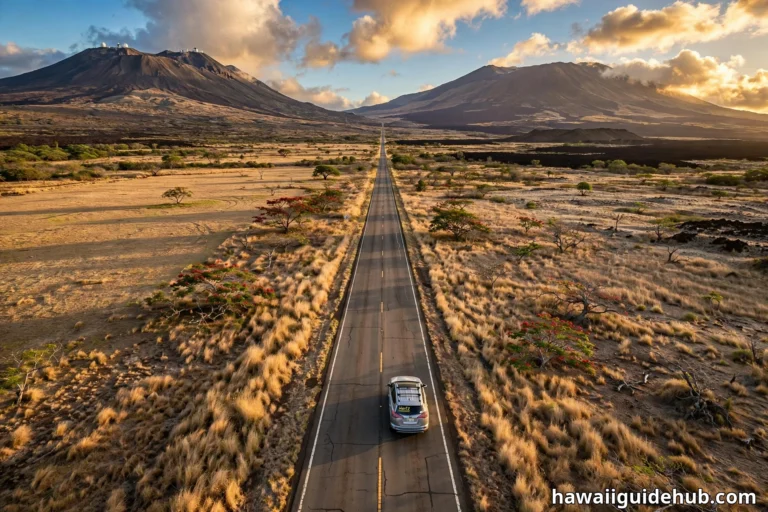
Respect the drive times. Kona to Hawaiʻi Volcanoes National Park takes about two to two and a half hours each way. Kona to Hilo takes about two hours via the Saddle Road (Route 200). These are not guesses; they are the reality of island driving, and every day below is planned around them. Start early on your two long-drive days and you will be fine.
Day 1: Arrive in Kona and Settle In
Day one is intentionally easy. You land, you get your car, you check in, and you let the island come to you. After a long flight, the worst thing you can do is try to cram in a major attraction.
Start with a drive into Kailua-Kona town, about 20 minutes south of the airport. Park near Aliʻi Drive and walk the historic waterfront. Huliheʻe Palace, the former vacation home of Hawaiian royalty, sits right on the water and is worth a look from the outside even if you skip the interior tour. The Mokuʻaikaua Church across the street is the oldest Christian church in Hawaiʻi, built in 1837 from lava rock and coral mortar.
For lunch, grab poke or a plate lunch in town. Kona has excellent poke counters, and a plate lunch with rice, mac salad, and your choice of protein is the definitive first meal on the island. Spend the afternoon browsing the shops on Aliʻi Drive or just sitting by the water watching the waves hit the seawall.
In the late afternoon, head to Magic Sands Beach (White Sands Beach) or Old Kona Airport State Recreation Area for your first sunset. Both face due west. Then have dinner in town. Kona’s restaurant scene ranges from food trucks to upscale oceanfront dining, and almost everything is better with the sound of the surf nearby.
Practical note: stop at a grocery store on day one. A cooler, water, snacks, and reef-safe sunscreen bought now will save you money and hassle for the rest of the trip.
Day 2: Kona Coffee and the South Kona Coast
Day two stays close to Kona but packs in two of the island’s signature experiences: Kona coffee and the sacred south Kona coast.
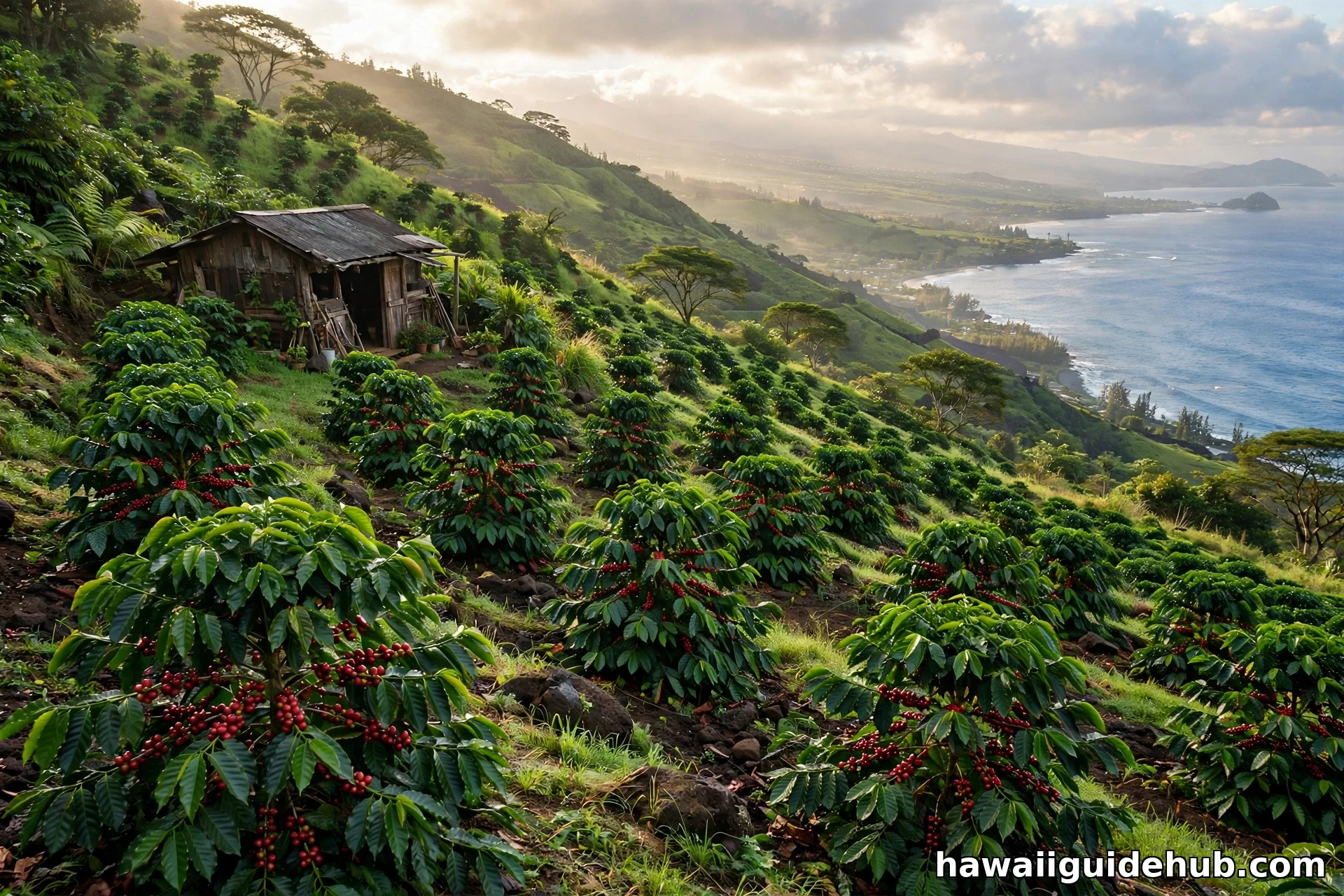
Start your morning at a Kona coffee farm. The Kona coffee belt runs along the slopes of Hualālai above Kailua-Kona, and many farms offer free tours with tastings. You will walk through the orchard, see how the cherries are picked and roasted, and taste the difference that the volcanic soil and microclimate make. Most tours take about 45 minutes to an hour. Go early in the day when it is cooler on the slopes.
After the coffee farm, drive south on Highway 11 toward Puʻuhonua o Hōnaunau National Historical Park, about 45 minutes from Kona. This is one of the most culturally significant places in Hawaiʻi. For centuries, this was a puʻuhonua, a place of refuge where those who broke kapu (sacred law) could find safety and forgiveness. The massive stone wall, the reconstructed hale, and the fierce kiʻi (carved wooden images) make it one of the most atmospheric historic sites in the islands. Entrance is $20 per vehicle, good for seven days. The park is open daily from 7 AM to sunset, with the visitor center open 8:30 AM to 4:30 PM. Plan on one to two hours.
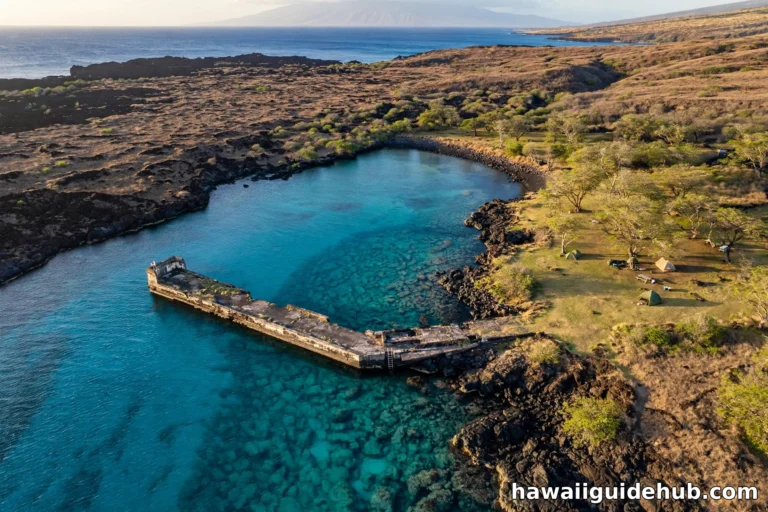
Right next to the park is Hōnaunau Bay, known locally as Two Step, one of the best shore snorkeling spots on the island. The entry is literally two natural lava steps into some of the clearest water in Hawaiʻi, with coral heads, tropical fish, and frequent sea turtle sightings. Bring your own snorkel gear or rent it in Kona before you drive down. An hour or two here is the perfect cool-down after the historical park.
Drive back to Kona for dinner. If you still have energy, the sunset manta ray snorkel tours depart from Honokōhau Harbor in the evening, but that is a splurge best booked in advance.
Day 3: Hawaiʻi Volcanoes National Park
This is the big day, and it deserves a full one. Leave Kona by 7:30 or 8:00 AM to arrive at the park by 10:00. The drive takes about two to two and a half hours via Highway 11 through South Kona and Kaʻū.
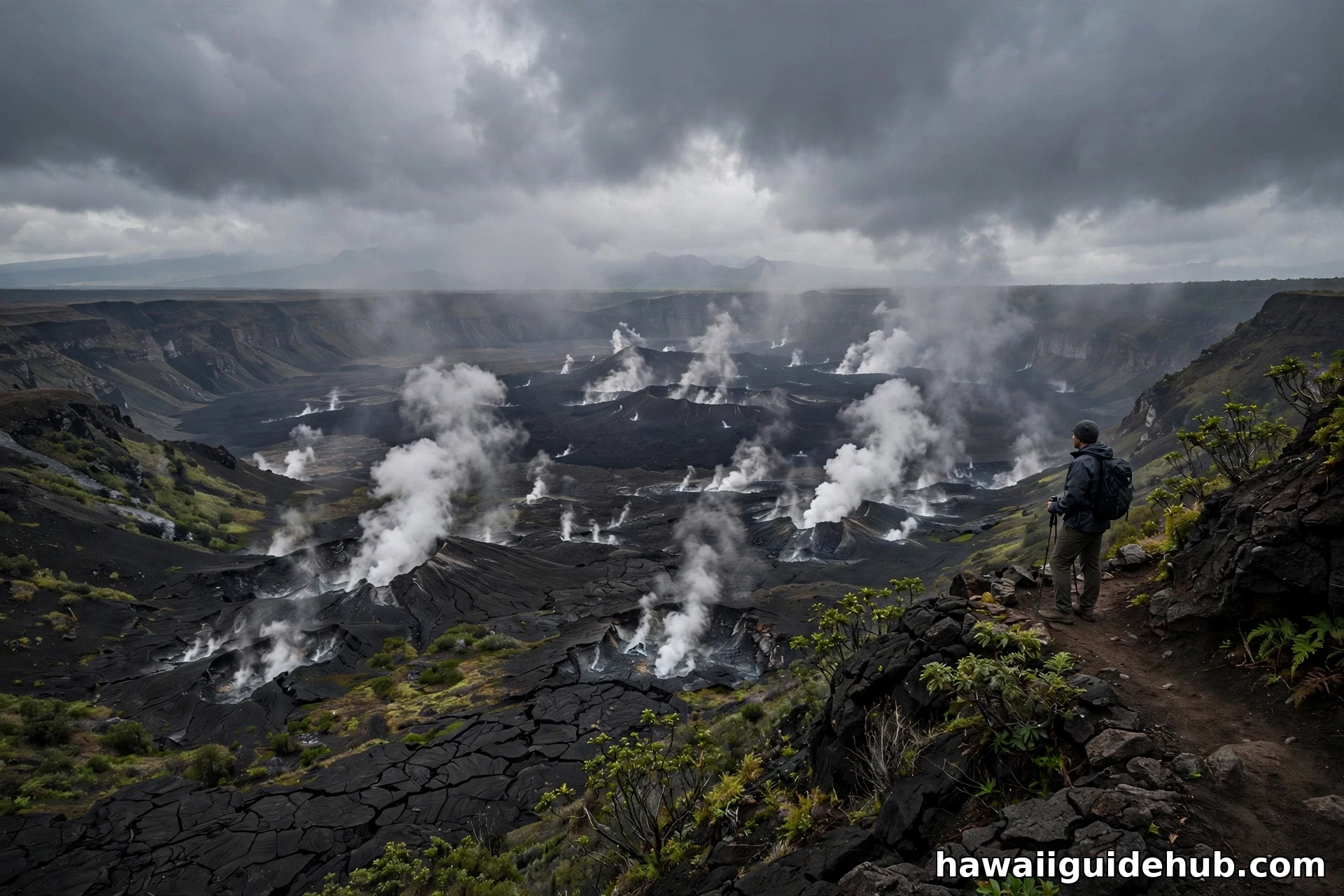
Entrance is $30 per vehicle, valid for seven consecutive days, and the park is open 24 hours a day. No reservation is needed. Pay by credit or debit card at the gate; cash is no longer accepted. Your first stop should be the Kīlauea Visitor Center (open 9 AM to 5 PM) to check current conditions, eruption viewing options, and any trail closures. Kīlauea has been erupting episodically, so conditions change. The rangers will tell you exactly where to go for the best experience that day.
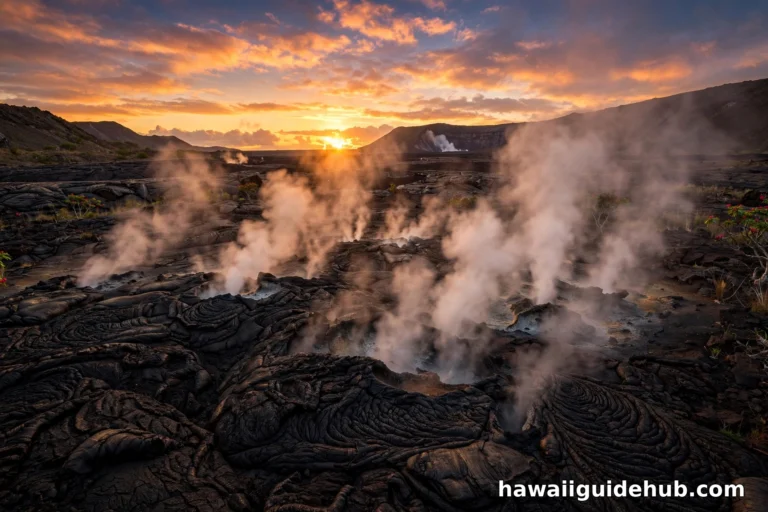
The essential stops: the steam vents along Crater Rim Drive, where groundwater seeps down to hot rock and returns as pure vapor. The Kīlauea Iki Overlook, which looks across a crater you can actually hike into. The Nāhuku lava tube (also called Thurston Lava Tube), a 600-foot cave formed by flowing lava; arrive before 10 AM or after 3 PM to avoid the worst crowds. And Chain of Craters Road, the 19-mile drive down to the coast past old lava flows, craters, and petroglyph fields. Give the road at least two hours round trip with stops.
If you are up for a hike, the Kīlauea Iki Trail is the one to do. It descends 400 feet through rainforest to the crater floor, crosses the solidified lava lake, and climbs back out the other side. The full loop is about 3.3 miles and takes two to three hours. Wear closed-toe shoes and bring water; the crater floor is exposed and hot.
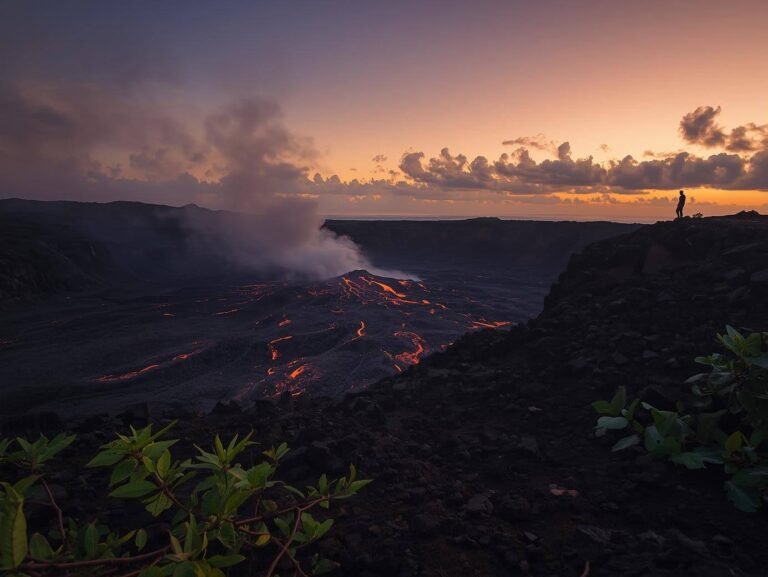
Stay for sunset if you can. The glow from Halemaʻumaʻu crater after dark, when the volcano is active, is one of the great sights in all of Hawaiʻi. Bring a jacket; the summit sits at 4,000 feet and gets genuinely cold after dark. Then make the long drive back to Kona. It is a big day, but it is the day you will remember most.
Day 4: Hilo Side Waterfalls and the Drive Back
Your last full day crosses to the wet, green windward side of the island. Leave Kona by 8:00 AM via the Saddle Road (Route 200) and reach Hilo in about two hours.
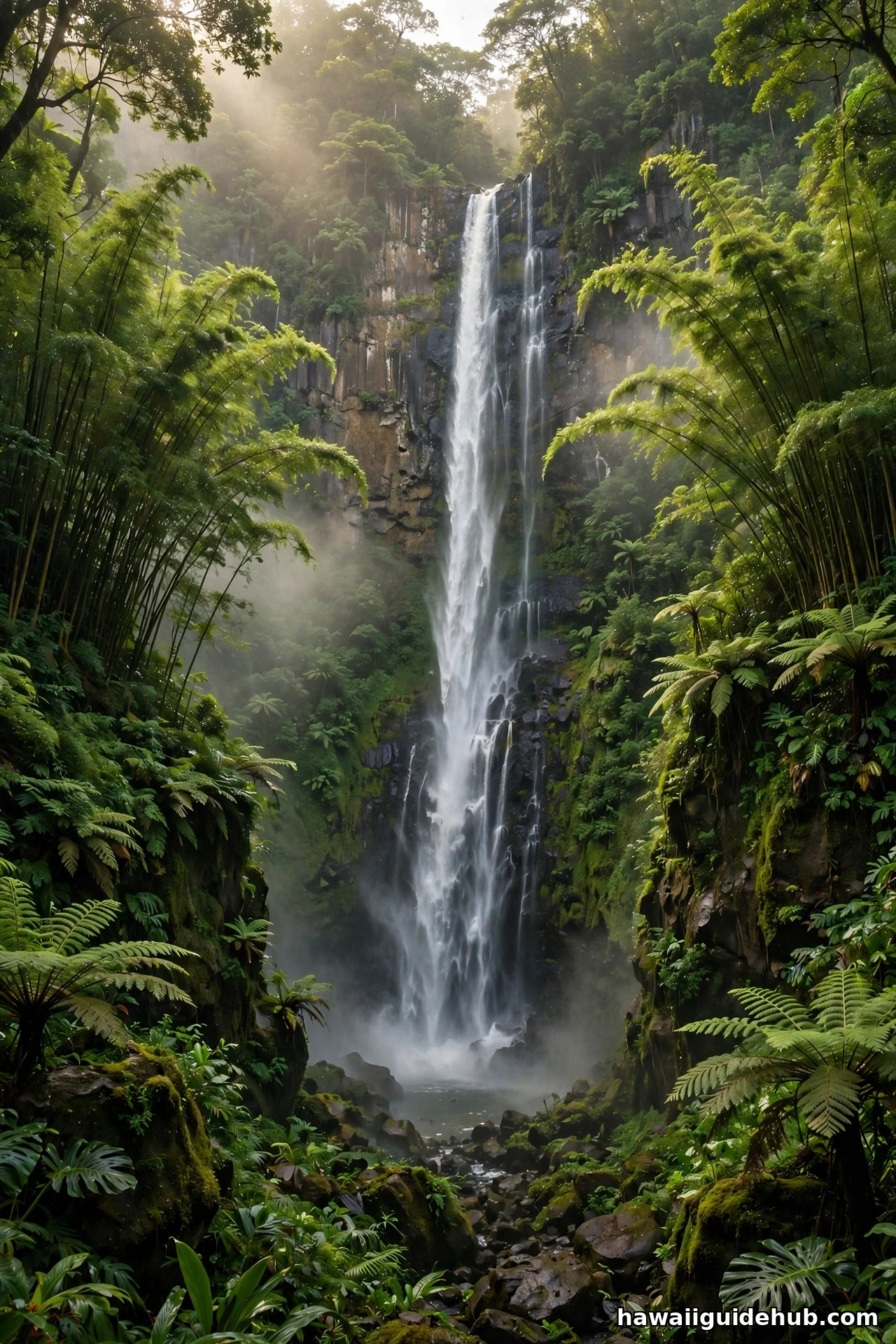
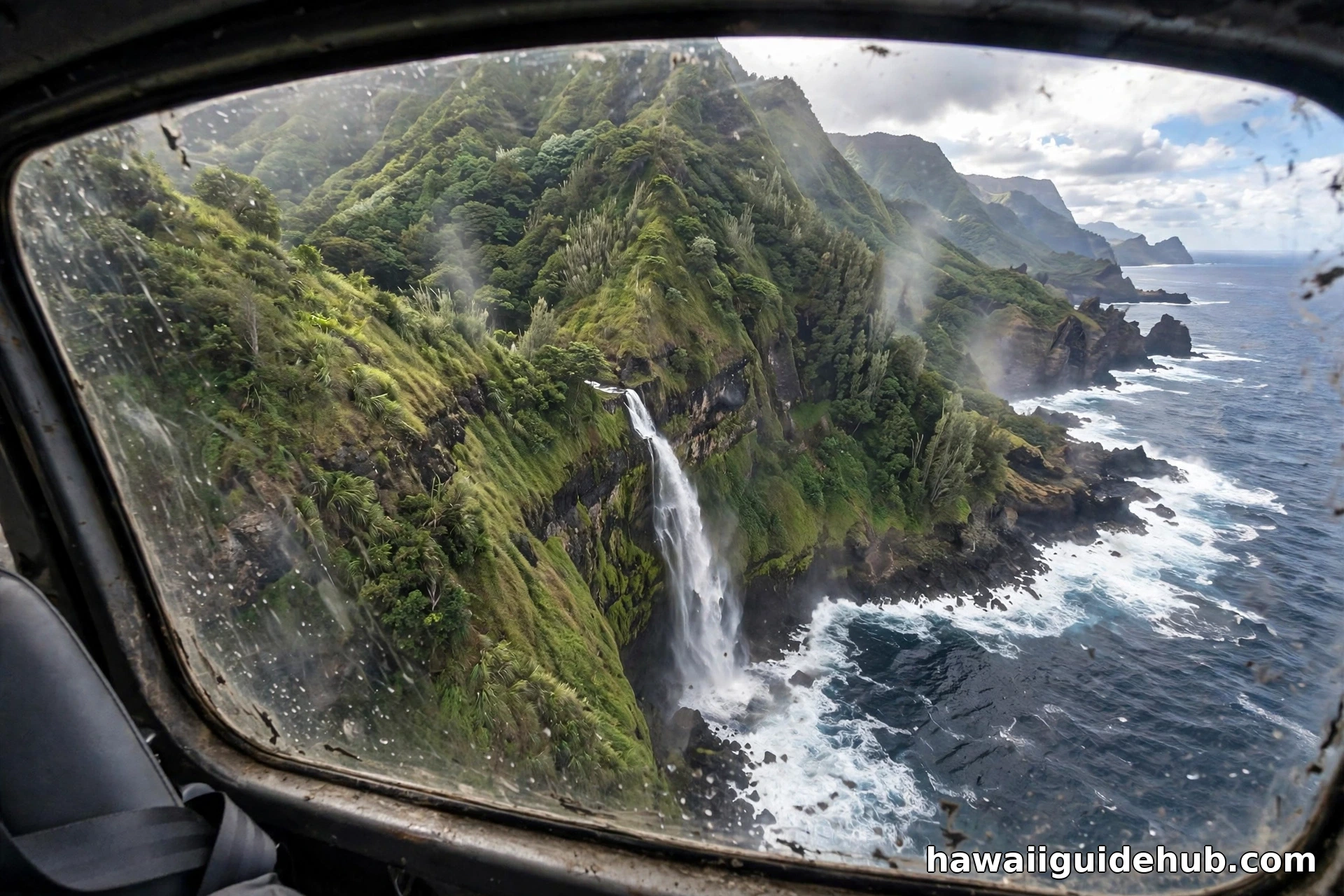
Your first stop is ʻAkaka Falls State Park, about 25 minutes north of Hilo. The 442-foot ʻAkaka Falls plunges into a gorge wrapped in rainforest, and the paved 0.4-mile loop trail is one of the easiest high-reward walks in Hawaiʻi. Non-residents pay $5 per person plus $10 for parking, credit card only, and no reservations are needed. The park is open 8:30 AM to 5:00 PM. Go in the morning for the best light on the falls.
On the drive to or from ʻAkaka Falls, stop at Tex Drive-In in Honokaʻa for malasadas, the Portuguese doughnuts that are a Big Island institution. They are made fresh to order, and the drive-through line moves fast.
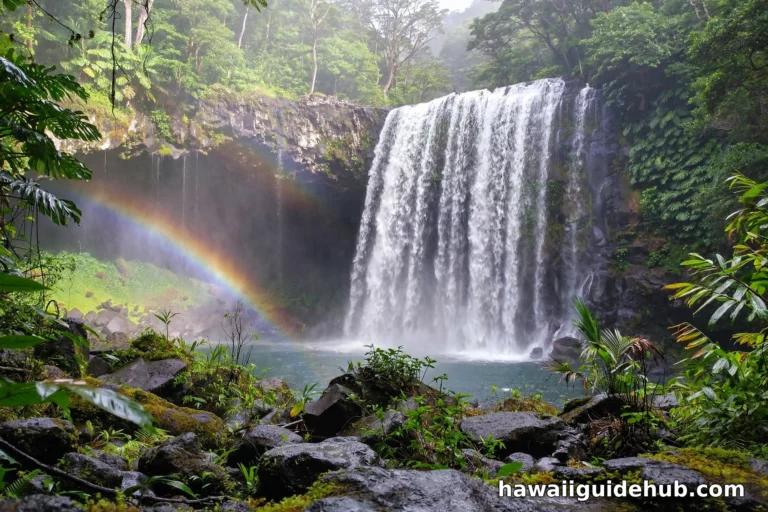
Back in Hilo, visit Rainbow Falls (Waiānuenue) in Wailuku River State Park. This 80-foot waterfall is minutes from downtown Hilo, free to visit, and famous for the rainbows that appear in its mist on sunny mornings. It is a completely different experience from ʻAkaka Falls and worth the short detour.
Spend your remaining time in Hilo town. The Hilo Farmers Market is one of the best in Hawaiʻi for tropical fruit, and downtown has a charming old-Hawaiʻi feel with local shops and bakeries. Have an early dinner in Hilo or grab food for the road, then drive back to Kona via the Saddle Road in about two hours. If your flight leaves the next morning, you are perfectly positioned.
Your 4 Days at a Glance
| Day | Region and focus | Why this order works |
|---|---|---|
| Day 1 | Kailua-Kona: Aliʻi Drive, Huliheʻe Palace, sunset beach, grocery run | Settle-in day: minimal driving by design |
| Day 2 | South Kona: Kona coffee farm, Puʻuhonua o Hōnaunau, Two Step snorkeling | About 2 hours of driving total; back in Kona for the night |
| Day 3 | Volcano: the national park, Kilauea Iki, lava tube, Chain of Craters Road | The long day: about 5 hours of driving total, so start early |
| Day 4 | Hilo side: ʻAkaka Falls, Tex Drive-In, Rainbow Falls, Hilo town | About 4.5 hours total via Saddle Road; ends near the airport side |
Practical Tips That Make or Break This Trip
Pack for two climates. Kona is hot and dry; the volcano summit and Hilo side are cool and wet. A light rain jacket and a warm layer are essential, not optional. You will use both.
Buy the Hawaiʻi Tri-Park Pass if you visit both national park sites. At $55, it covers Hawaiʻi Volcanoes National Park and Puʻuhonua o Hōnaunau (plus Haleakalā on Maui) for a full year, saving you money over the two separate $30 and $20 vehicle fees.
Download offline maps before you leave Kona. Cell service disappears on the Saddle Road, around the volcano, and along parts of the Hilo coast. Your navigation should not depend on a signal.
The most common mistake is underestimating drive times and overpacking days. This itinerary works because each day has one region and built-in breathing room. If a day feels too full, cut a stop rather than rushing all of them. The island rewards slow travelers.
See the Big Island on Video
Watch this 4-day Big Island trip to get a feel for the island’s highlights, from the volcano to Kona coffee to black sand beaches, before you plan your own days.
Frequently Asked Questions
Is 4 days enough for the Big Island?
Four days covers the island’s greatest hits: Kona town, a coffee farm, Puʻuhonua o Hōnaunau, Hawaiʻi Volcanoes National Park, and the Hilo waterfalls. You will not see everything, but you will not feel cheated either. Five to seven days lets you slow down and add the Kohala coast, Waipiʻo Valley lookout, or a manta ray snorkel.
Should I stay in Kona or Hilo?
For a 4-day trip, stay in Kona all four nights. It has the driest weather, the most dining and lodging options, and the best central position for this itinerary. Splitting your stay costs you half a day in packing and driving for very little gain on a short trip.
Do I need a 4WD vehicle?
No. Every stop in this itinerary is reachable by a standard rental car on paved roads. The Saddle Road is a modern highway. Do not take a rental car off-road or down to Waipiʻo Valley; both violate most rental agreements.
How much does this itinerary cost in park fees?
Budget $50 per vehicle total: $30 for Hawaiʻi Volcanoes National Park (7-day pass) and $20 for Puʻuhonua o Hōnaunau (7-day pass). ʻAkaka Falls costs $5 per person plus $10 parking. The $55 Hawaiʻi Tri-Park Pass covers both national park sites for a year and saves money if you visit both.
What is the best time of year for this itinerary?
This itinerary works year-round. Winter (December through March) brings whale season and bigger surf but higher prices. Spring and fall offer the best balance of weather, prices, and crowds. The Hilo side is rainier than Kona in every season, so pack the rain jacket regardless.
Can I do the volcano as a half day?
You can, but you should not. The drive alone is four to five hours round trip from Kona. A half day in the park means rushing past the best stops. Give the volcano a full day; it is the single most unique thing on the island.
A 4-day Big Island trip done this way gives you the island’s full range: dry Kona mornings, a working coffee farm, one of the most sacred historic sites in Hawaiʻi, an active volcano, and the waterfalls of the rainy Hilo side. The drives are long but the payoff is an island that contains nearly every climate on earth, all within a few hours of your hotel.