Best Loco Moco: Where to Find Hawaiʻi’s Iconic Comfort Food

Four ingredients, one bowl, zero pretension: white rice, a hamburger patty, a fried egg and brown gravy. Loco moco is Hawaiʻi’s definitive comfort food, invented in Hilo in 1949 and loved on every island since. It is cheap, filling and deeply local, and finding the best version is a delicious excuse to explore the Big Island’s diners, drive-ins and plate-lunch counters.
This guide is the single complete resource for best loco moco, covering loco moco hawaii in the same place. It covers what loco moco is, the 1949 Hilo origin story, the anatomy of the dish, popular variations, the best loco moco spots on the Big Island, how to order, prices, nutrition notes, and FAQs. Everything about best loco moco is gathered here in one URL.
Best Loco Moco at a Glance
| The fact | The detail | Why it matters |
|---|---|---|
| What it is | Rice, hamburger patty, fried egg, brown gravy | Four humble parts; the gravy ties them together |
| Invented | 1949, Lincoln Grill, Hilo, by Richard and Nancy Inouye | A postwar local invention, not an ancient Hawaiian dish |
| The name | For a teenager nicknamed “Crazy” (loco) | Teen slang, not Spanish class |
| Where to eat it best | Hilo, the birthplace; Cafe 100 alone has 30+ variations | Pilgrimage optional, but Hilo does it best |
| Typical price | About $9 to $18 | Plate-lunch prices, not restaurant prices |
What Is Loco Moco
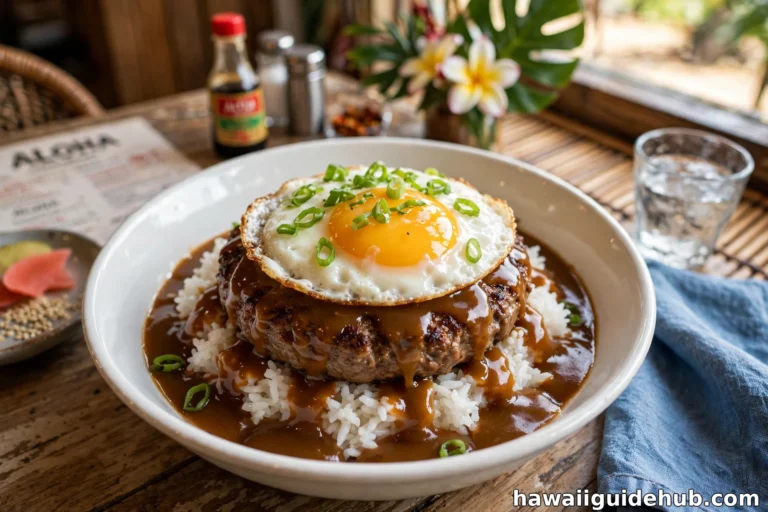
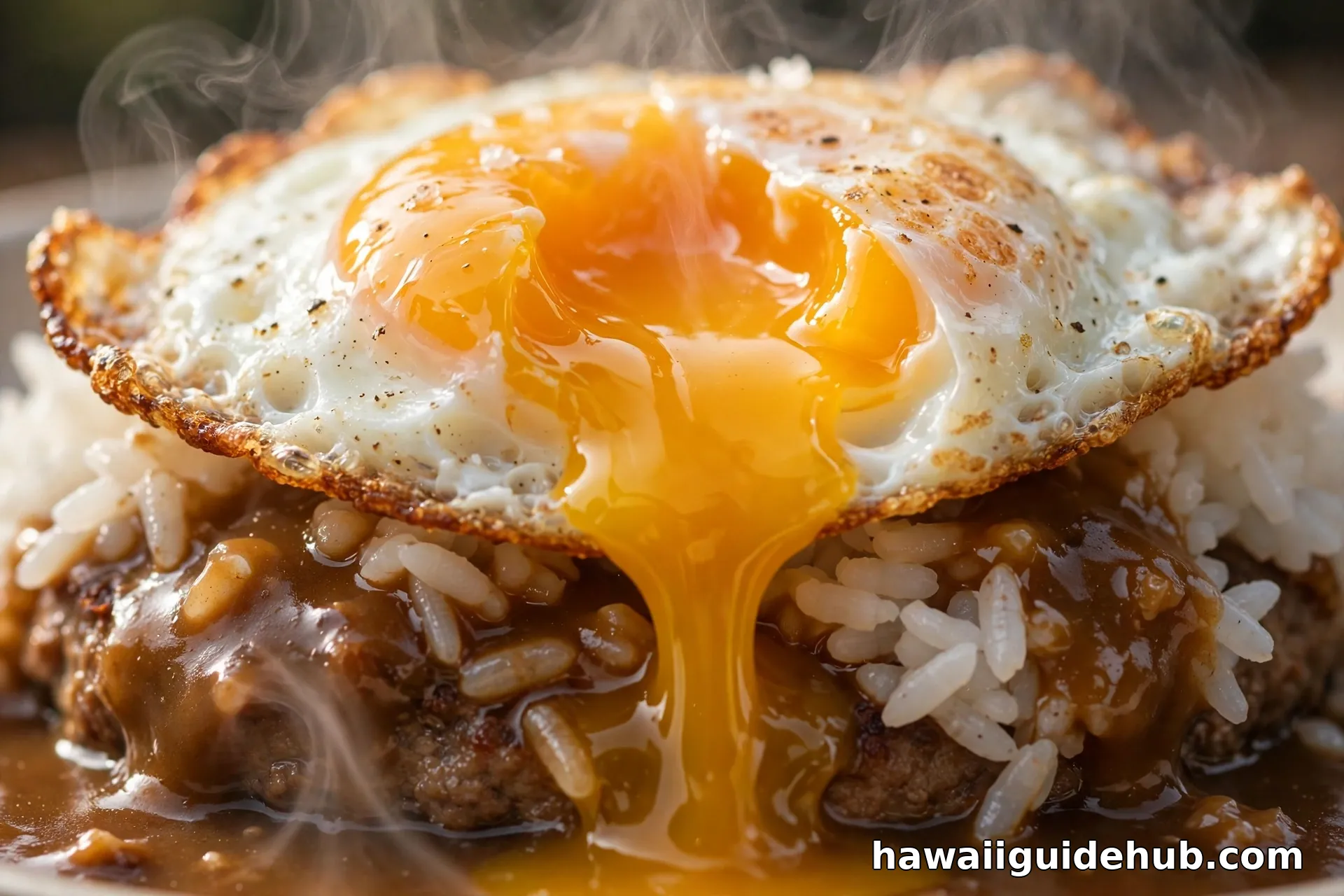
At its simplest, loco moco is a bowl of hot white rice topped with a hamburger patty, a sunny-side-up fried egg and a generous pour of brown gravy. The gravy soaks into the rice, the runny yolk enriches everything, and the patty anchors it all. It is plate lunch distilled to its essence: hearty, savory and unapologetically filling. Every diner in Hawaiʻi serves some version, and the quality of the gravy separates the great from the merely good.
The 1949 Hilo Origin Story
Loco moco was born at the Lincoln Grill in Hilo in 1949. Richard and Nancy Inouye ran the restaurant across from Lincoln Park, and a group of teenagers from the Lincoln Wreckers sports club hung out there after football games. The kids wanted something cheap, filling, fast and different from a sandwich. Nancy put rice in a bowl, topped it with a hamburger patty and poured brown gravy over it. The fried egg came later.
The name came from the kids themselves. One member, George Okimoto, was nicknamed Crazy for his antics, and George Takahashi, who was studying Spanish at Hilo High School, suggested loco, Spanish for crazy. They tacked on moco because it rhymed with loco and sounded good. The Lincoln Grill sat across from Lincoln Park in downtown Hilo, in the postwar years when the town’s social life revolved around its schools, its sports clubs and its small restaurants. The grill closed in the 1960s, but the dish it created became one of Hawaiʻi’s most recognizable foods, as iconic as the taco is to Mexico.
Anatomy of a Great Loco Moco
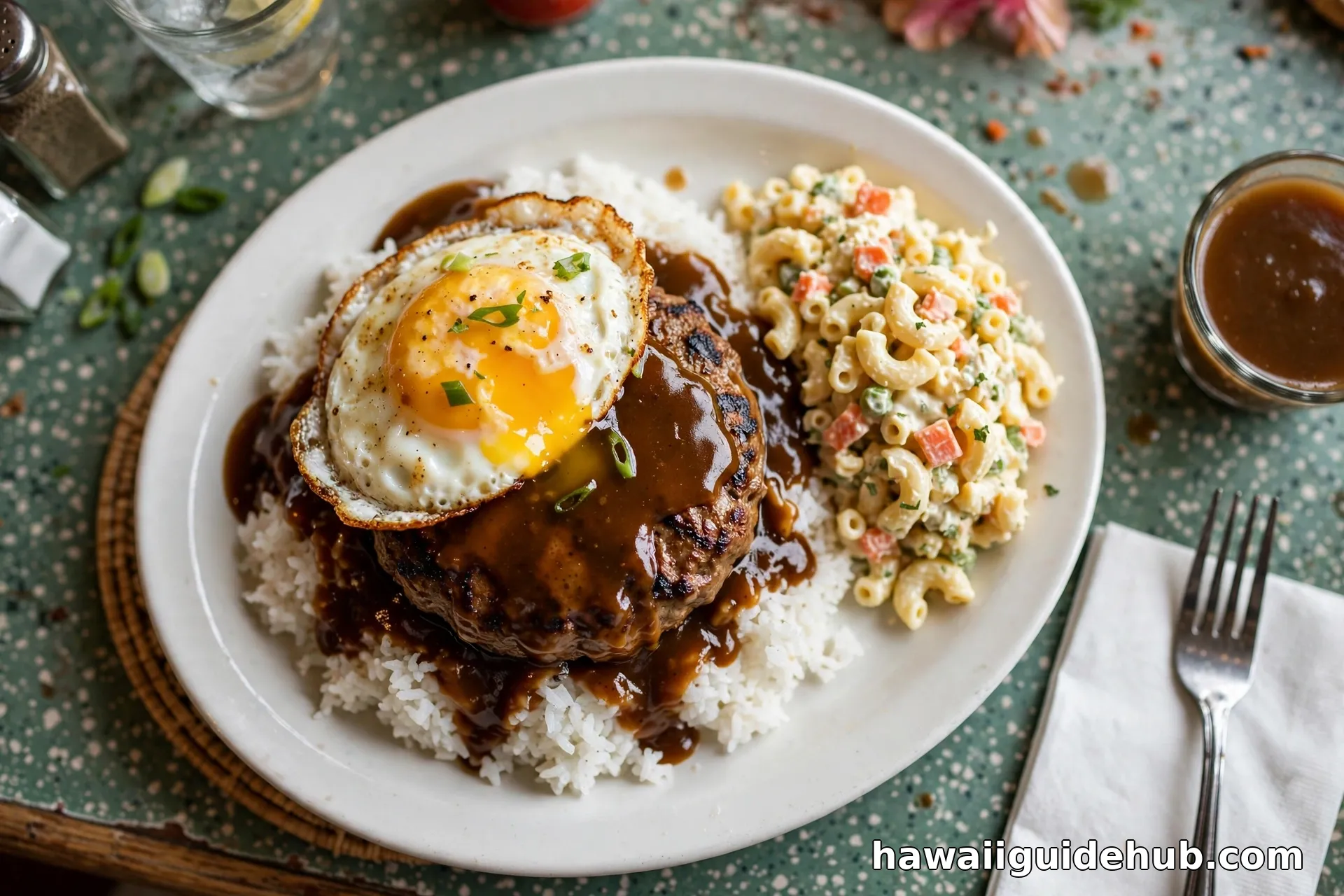
Each layer matters. The rice should be hot and freshly steamed, the foundation that absorbs the gravy. The patty should be seasoned and juicy, not a dry afterthought. The egg is best sunny-side up with a runny yolk that becomes a second sauce. And the gravy, the soul of the dish, should be rich, savory and plentiful: brown gravy in the Hilo style, deeply flavored, ladled generously. A great loco moco eats as one unified dish, not four separate parts.
Popular Variations
Hawaiʻi has spent 75 years riffing on the formula. The protein swaps are endless: kalua pork, teriyaki chicken, spam, Portuguese sausage, fried chicken cutlet, mahi mahi and even tofu all appear as the patty layer. The Super Loco piles on extra everything. Breakfast versions swap in breakfast sausage. Some shops offer a chicken-fried-steak style moco or a seafood moco with shrimp. Cafe 100 in Hilo famously serves more than 30 varieties, which tells you everything about how personal this dish has become.
The variations follow local taste. Portuguese sausage moco nods to the islands’ Portuguese plantation heritage. The chicken katsu moco brings Japanese comfort food into the bowl. Ahi or mahi moco lightens the dish for those who want the format without the beef. And the loco moco burger, a deconstructed take served between buns, appears on creative menus. Purists stick to the original, but the variations are how the dish stays alive.
Best Loco Moco in Hilo
Cafe 100
The pilgrimage site. Cafe 100 at 969 Kilauea Avenue has been serving since 1948 and calls itself the home of loco moco, offering more than 30 varieties from the classic to the Super Loco to the Kilauea Loco. You order at the window and eat at outdoor tables under a covered pavilion, old-Hilo style. Prices are famously low, a regular runs around $9.50 and even the loaded Super Loco stays under $20. If you eat one loco moco in Hawaiʻi, eat it here.
Hawaiian Style Cafe, Hilo
The Hilo branch at 681 Manono Street brings the Waimea original’s giant-portion philosophy to the east side. The Da Big Mok loco moco is exactly what it sounds like, and the portions across the menu are famously shareable. Come hungry, consider splitting, and save room: the haupia pancakes are legendary too.
Best Loco Moco in Waimea and Kona
Hawaiian Style Cafe, Waimea
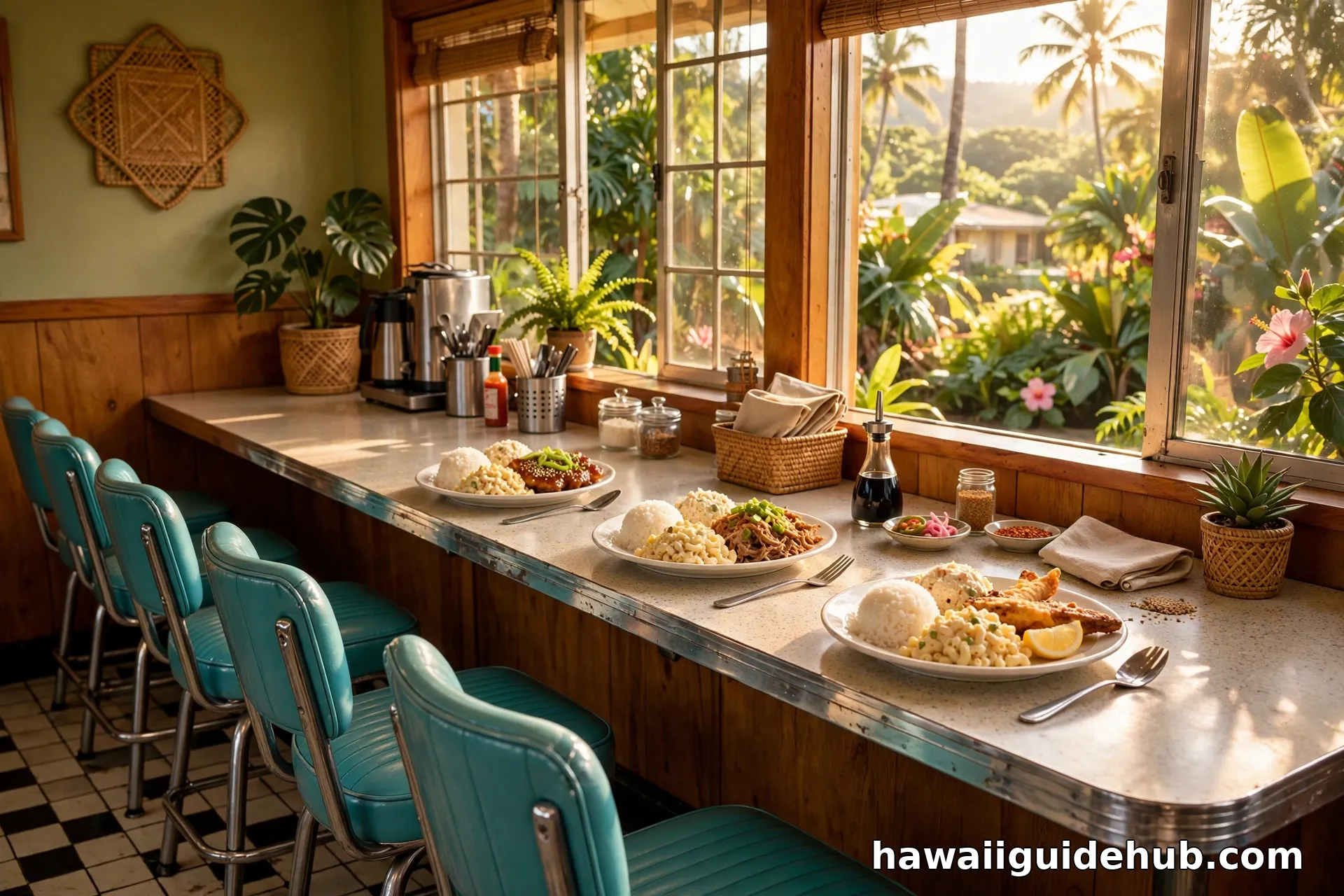
The original at 65-1290 Kawaihae Road in Waimea is a Big Island institution, famous for pancakes the size of a medium pizza and a loyal local crowd. The loco moco here is massive, comforting and cheap, the full paniolo-country diner experience. Arrive early: the breakfast rush is real and worth it. If your trip centers on the west side, the best things to do in Kona guide helps you plan around your meals.
Ordering tip: your first loco moco should be the classic: beef patty, white rice, fried egg, brown gravy. Once you know the baseline, branch into the variations. And ask for the yolk runny; a fully set yolk is a missed opportunity.
When Locals Eat It
Loco moco is an all-day dish. At breakfast, it arrives with the morning crowd at diners like Hawaiian Style Cafe, where it competes with pancakes the size of hubcaps. At lunch, it is the working person’s plate: fast, cheap and filling. And late at night, it is legendary hangover and post-shift food, the savory answer to a long day. Some of the best loco moco experiences happen after dark at unassuming drive-ins. For more after-hours eating, the best late-night eats in Hawaiʻi guide covers where the islands go when the kitchens stay open late.
How to Order and What It Costs
Loco moco is diner food, so ordering is simple: pick your protein, pick your size, and specify the egg. Most spots offer regular and large or super sizes; the large is genuinely large. If you are new to the dish, start with the regular: even that is a full meal. Ask about the gravy style if you are curious; some shops make a darker, beefier gravy while others go lighter and peppery, and regulars have fierce loyalties. Extra gravy on the side is often free or cheap, and it is worth it. Expect to pay about $9 to $14 for a regular and $15 to $20 for the loaded versions at sit-down spots. Old-school windows like Cafe 100 run cheaper. Mac salad or tossed salad on the side is common. This is not a dish that benefits from overthinking: point at the classic and enjoy.
Loco Moco Beyond the Big Island
The dish belongs to all of Hawaiʻi now. On Oʻahu, Zippy’s, the beloved local chain, serves a famous chili-frank and loco moco lineup, and Rainbow Drive-In is another classic stop. Maui’s Da Kitchen does a loaded version that has appeared on food television. But the Big Island, and Hilo in particular, remains the spiritual home: this is where it was invented, and the concentration of great versions here is unmatched. Plan a dedicated moco crawl if you can: one classic at Cafe 100, one giant at Hawaiian Style Cafe, and you will understand the dish better than any article can explain. For more island eating, the culinary journey through Hawaiʻi covers the other must-try local dishes.
Loco Moco and Local Culture
Loco moco is more than a menu item; it is a marker of local identity. Hawaiʻi residents measure diners by their moco, debate gravy thickness with sports-level intensity, and introduce visitors to the islands through that first bowl. It belongs to the same family as plate lunch, saimin and manapua: foods born from plantation-era mixing, perfected in mom-and-pop shops, and carried into the present by loyalty rather than marketing. When you order a loco moco in Hilo, you are participating in a tradition that has fed the town for three generations.
Making Loco Moco at Home
You can absolutely make loco moco at home, and it is a forgiving dish. Cook white rice and keep it hot. Season ground beef simply with salt, pepper and a little soy sauce, form patties and sear them hard. For the gravy, use the fond in the pan: add butter and flour or cornstarch, whisk in beef stock, and season with soy sauce and Worcestershire until it tastes rich and savory. Fry eggs sunny-side up. Assemble rice, patty, egg, then ladle the gravy over everything. The whole thing takes about 30 minutes. It will not taste exactly like Cafe 100, nothing does, but it will scratch the itch until your next Big Island trip.
Nutrition Notes
Loco moco is comfort food, not health food, and it does not pretend otherwise. A standard homemade version runs around 560 calories with substantial protein, while restaurant portions, especially the super sizes, can run well over 1,000 calories with high sodium. Nobody eats loco moco for the macros. Eat it as the indulgence it is, walk it off on a Hilo waterfront stroll, and balance the day’s other meals. Some shops offer brown rice or smaller patties if you ask. Splitting a super-size moco between two people is also a legitimate strategy; you get the full experience without the food coma, and you will have room for shave ice after.
Frequently Asked Questions
What is loco moco made of?
White rice topped with a hamburger patty, a fried egg and brown gravy. The egg is traditionally sunny-side up with a runny yolk.
Where was loco moco invented?
At the Lincoln Grill in Hilo, Hawaiʻi, in 1949, by owners Richard and Nancy Inouye, for teenagers from the Lincoln Wreckers sports club.
What does loco moco mean?
The teenagers named it after a member nicknamed Crazy; loco is Spanish for crazy, suggested by a student studying Spanish, and moco was added because it rhymed. Spanish speakers note it amusingly reads as “crazy mucus,” which is not the intent.
Where is the best loco moco on the Big Island?
Cafe 100 in Hilo is the classic pilgrimage, with 30+ varieties and low prices. Hawaiian Style Cafe in Waimea and Hilo does the giant-portion Da Big Mok version.
Is loco moco served all day?
At most diners and drive-ins, yes. It works as breakfast, lunch, dinner and late-night food, which is part of its appeal. Individual shops have their own hours, so check before you go.
What is the difference between loco moco and plate lunch?
Plate lunch is the broader format: rice, mac salad and an entree on a divided plate. Loco moco is a specific bowl dish of rice, patty, egg and gravy. Many shops serve both, and the two traditions overlap constantly.
How much does loco moco cost?
About $9 to $14 for a regular and $15 to $20 for loaded or super sizes. Old-school spots like Cafe 100 are cheaper.
Loco moco is Hawaiʻi on a plate: humble ingredients, multicultural roots and a story that starts with hungry teenagers in Hilo. Eat the classic first, respect the gravy, and do not skip the Big Island’s diners. Seventy-five years after Nancy Inouye filled that first bowl, it still hits exactly right every time.