Things to Do Near Lihue: Kauai’s Historic Harbor Town

Lihue is the town most Kauai visitors pass through without really seeing. It is where your plane lands, where you pick up your rental car, and where you probably drive straight out of on your way to Poipu or Hanalei. That is a mistake. Lihue is the county seat and commercial heart of Kauai, and tucked between the government buildings and shopping centers is a genuine island town with a deep plantation history, one of the best museums in Hawaii, a working rum distillery on a historic estate, and the island’s main harbor and prettiest town beach.
This is the single complete guide to things to do near Lihue. It covers the town’s orientation and neighborhoods, what Lihue is known for, how to get around, the beaches and outdoor spots within easy reach, where to eat, practical logistics like parking and weather, and the nearby places that pair naturally with a Lihue day. Everything about visiting Lihue town lives on this one page.
Lihue at a Glance
| Decision | The answer |
|---|---|
| Why stop | Kauaʻi’s county seat and commercial center: history, local food, a rainy-day plan, or your first or last day on the island |
| How long | Half a day for the highlights; a full day with nearby Wailua |
| How to get around | Rental car is easiest; The Kauai Bus covers the main routes |
| Don’t miss | Kauai Museum, Kilohana Plantation, Nawiliwili Harbor, Kalapaki Beach |
| Weather | Warm year round; wetter December through March; highs in the low to mid 80s |
| Where it is | Southeast Kauaʻi, on Nawiliwili Bay; Lihue Airport (LIH) sits on the north edge of town |
Where Lihue Is and How It Is Laid Out
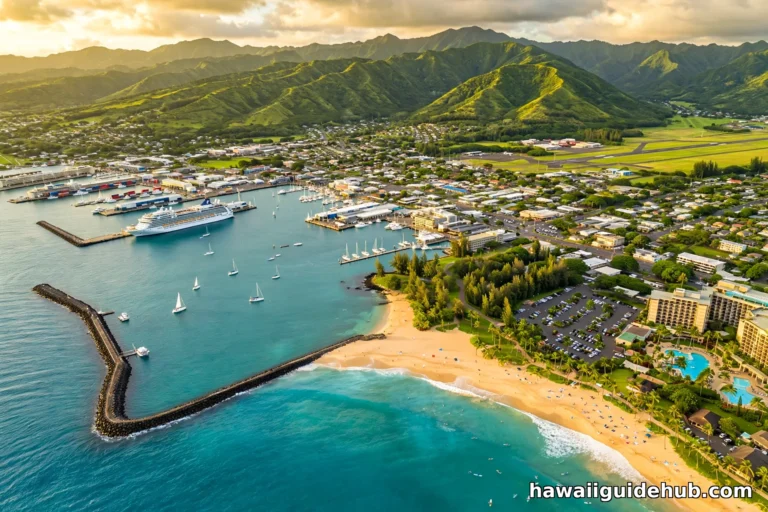
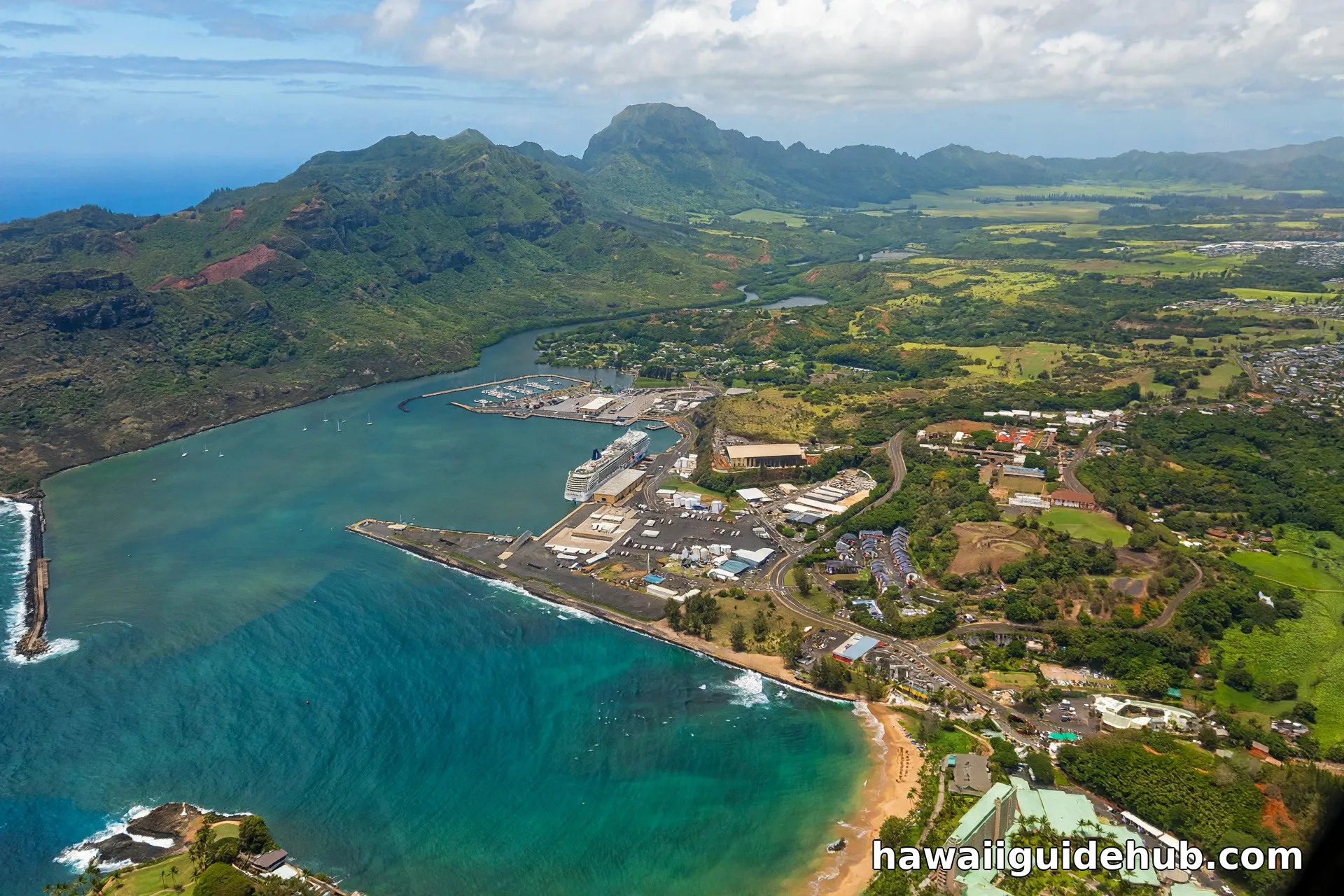
Lihue sits on the southeast shore of Kauai, wrapped around Nawiliwili Bay. Lihue Airport (LIH) is on the north side of town, about five minutes from the town center, which makes Lihue the natural first and last stop on almost every Kauai trip. The main highways meet here: Kuhio Highway (Route 56) runs north toward Wailua and the east side, Kaumualii Highway (Route 50) runs west and south toward Poipu and Waimea, and Rice Street forms the historic downtown spine.
The town has a few distinct areas worth knowing. Downtown Lihue, along Rice Street, holds the county buildings, the Kauai Museum, and small local shops. The harbor area around Nawiliwili centers on the port, Kalapaki Beach, and the resort and golf properties on the bay. West of downtown, the Kilohana area around Kaumualii Highway holds the historic plantation estate, the shopping centers, and most of the town’s big-box stores. Nothing in Lihue is more than about ten minutes from anything else, which is part of its charm as a base for errands and exploring.
What Lihue Is Known For
Lihue’s story starts earlier than most visitors guess. In 1837 the Royal Governor Kaikioewa designated Lihue as the governing seat of Kauai, moving the administrative center from Waimea. The Lihue Plantation, founded in 1849, turned the town into a sugar hub that drew immigrant workers from around the world. In 1905 Lihue was officially recognized as the county seat, a role it still holds. The plantation era ended decades ago, but its fingerprints are everywhere: in the historic buildings on Rice Street, the plantation-era architecture, and the multicultural food scene.
Today Lihue is known as the working town of Kauai rather than a resort destination. That is exactly why it rewards a visit. Prices are local, the food is aimed at residents rather than tourists, and the history on display, at the museum and the plantation sites, is the real story of the island rather than a polished version of it.
Top Things to Do in Lihue
Kauai Museum
The Kauai Museum on Rice Street is the single best indoor activity in Lihue and one of the finest small museums in Hawaii. Its exhibits trace the island from volcanic formation through the Hawaiian monarchy, the plantation era, and modern Kauai, with artifacts, photographs, and art that give real context to everything else you will see on the island. Plan on about two hours. It is also the perfect rainy-day backup, and Kauai gets plenty of rainy days.
Kilohana Plantation
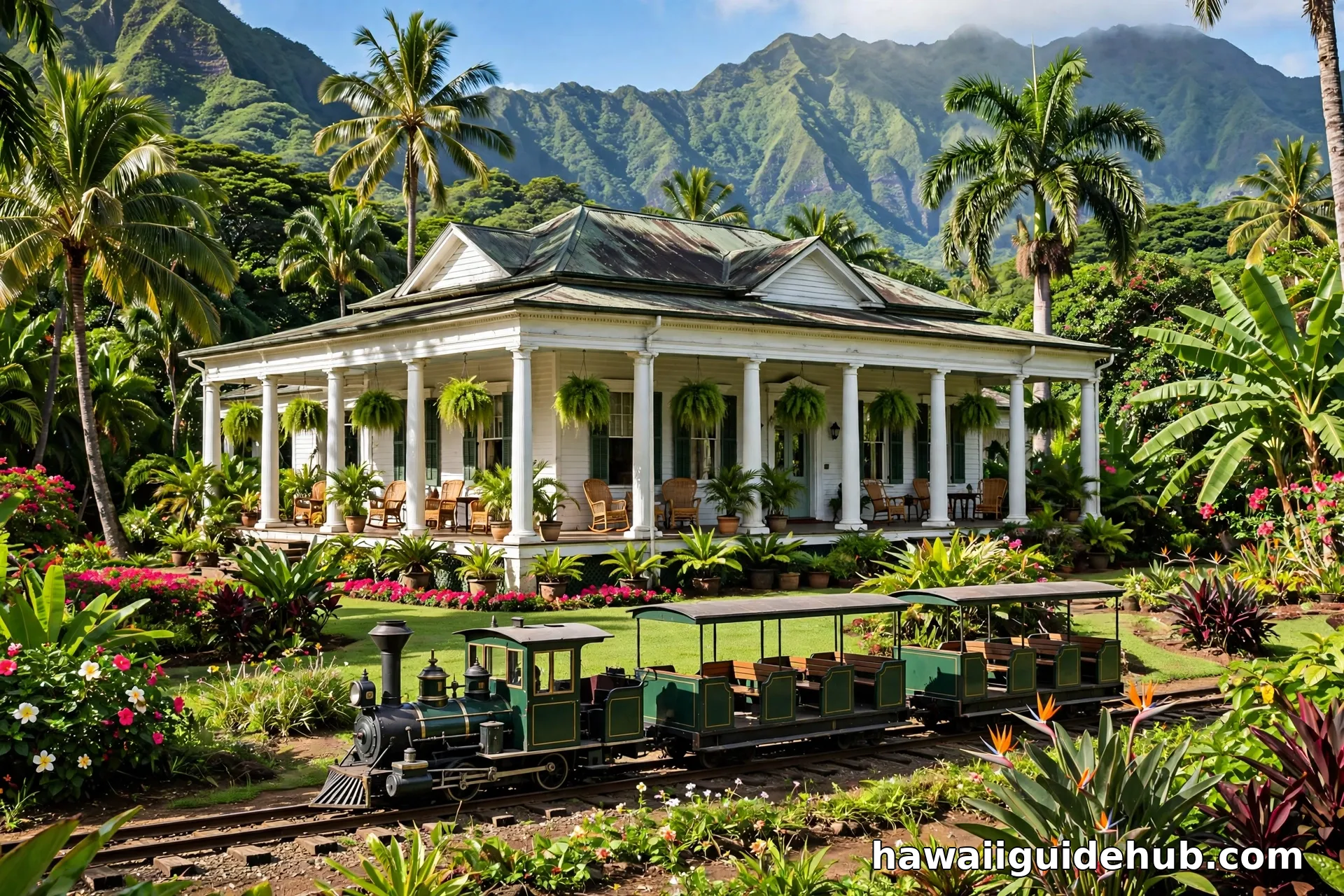
Kilohana is a restored 1930s plantation estate on Kaumualii Highway that now houses shops, galleries, restaurants, and the Koloa Rum Company distillery and tasting room. The centerpiece is the plantation manor house itself, and a narrated train ride loops through the surrounding working farm. Even if you do not ride the train, the grounds are worth a stroll, and the rum tasting is one of the more fun hours you can spend in Lihue.
Grove Farm Sugar Plantation Museum
For a deeper look at plantation life, the Grove Farm museum on Nawiliwili Road preserves the homestead of one of Kauai’s early sugar pioneers. Guided tours walk through the original plantation house, workers’ housing, and farm buildings. Tour days and times are limited, so check the schedule before you go.
Nawiliwili Harbor and Kalapaki Beach
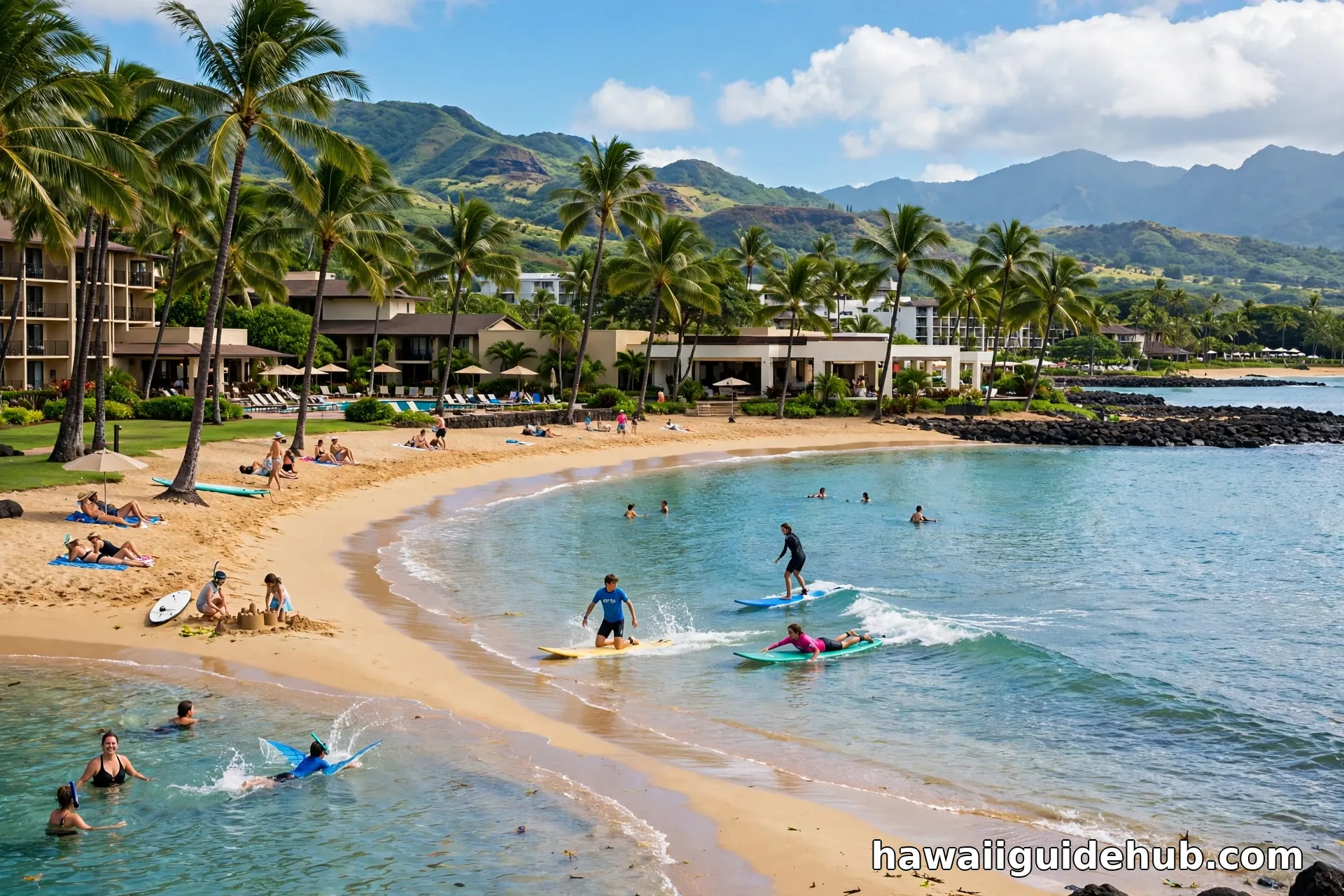
Nawiliwili is Kauai’s main commercial harbor and its cruise ship port, and it is worth a visit even if you are not sailing. Watch the harbor activity, walk the jetty, and then cross to Kalapaki Beach, the crescent of sand fronting the bay. Kalapaki is a protected, family-friendly beach that is good for swimming, beginner surfing, and bodyboarding, with restaurants and shops steps from the sand. It is the easiest beach day you can have on Kauai.
Menehune Fishpond (Alekoko)
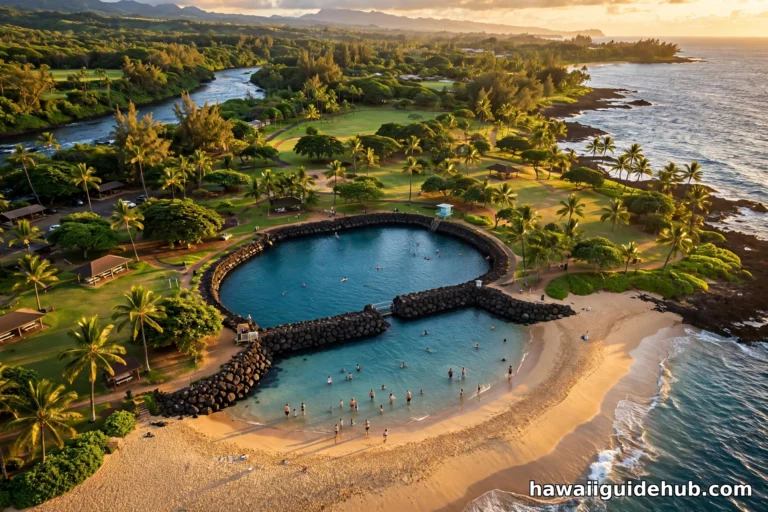
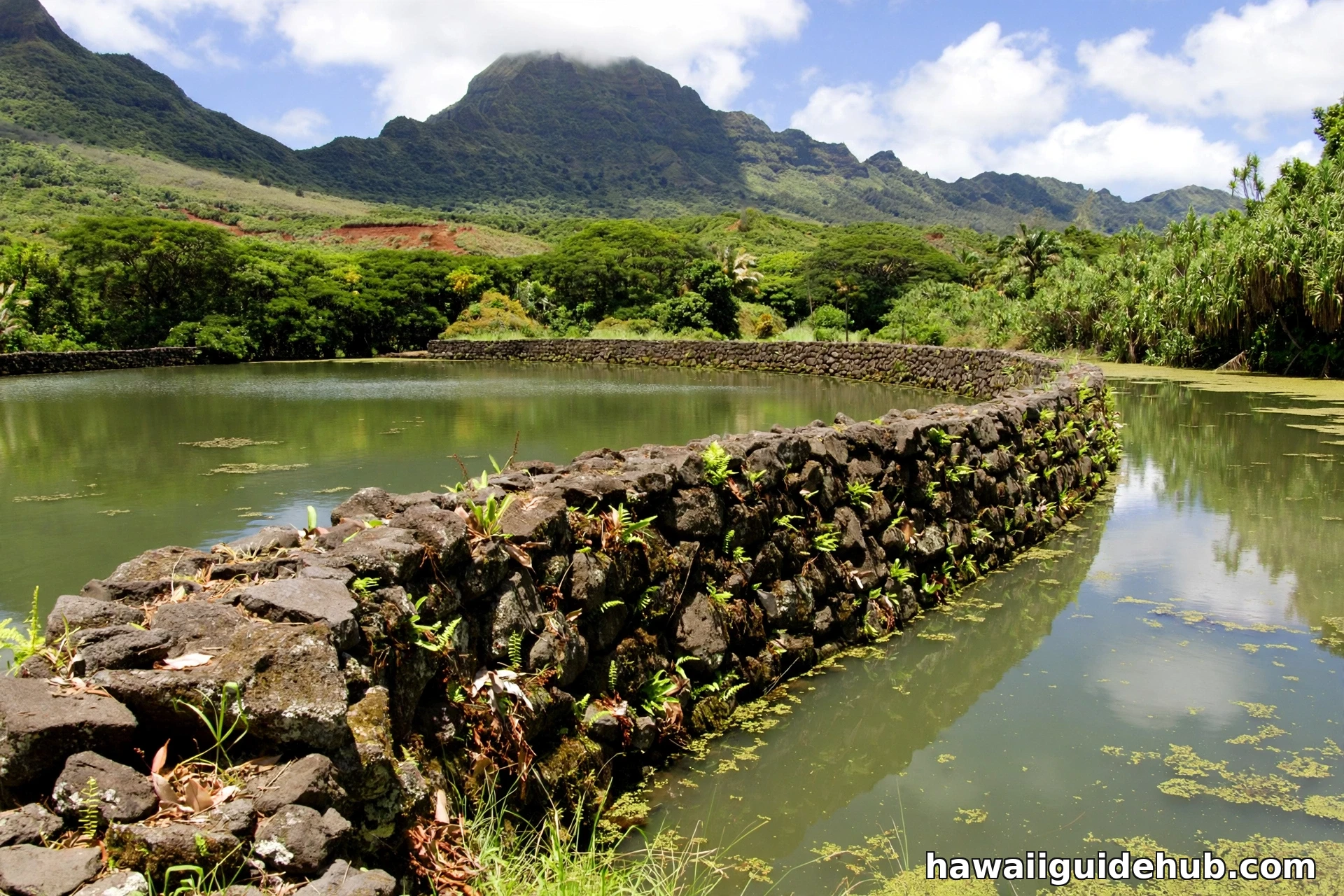
Just south of Lihue near Niumalu, the Alekoko Fishpond is an ancient Hawaiian aquaculture site, a walled fishpond traditionally credited in legend to the Menehune, the mythical skilled people of Hawaii. The best view is from the overlook on Hulemalu Road. It is a quick stop, but it connects you to a thousand years of Hawaiian engineering.
Ninini Point Lighthouse
At the mouth of Nawiliwili Bay, the Ninini Point lighthouse station is a scenic spot for ocean views and, in winter, whale watching from shore. Access is via a short walk, and the point feels wonderfully removed from the town just minutes away.
Beaches and Outdoors Near Lihue
Lihue itself is not a beach resort town, but the shoreline around it offers plenty. Kalapaki Beach is the town beach and the obvious choice for swimming. Just east, the Huleia National Wildlife Refuge protects a river valley that is prime bird habitat; it is best appreciated from the water on a guided kayak tour or from overlooks, since public land access is limited.
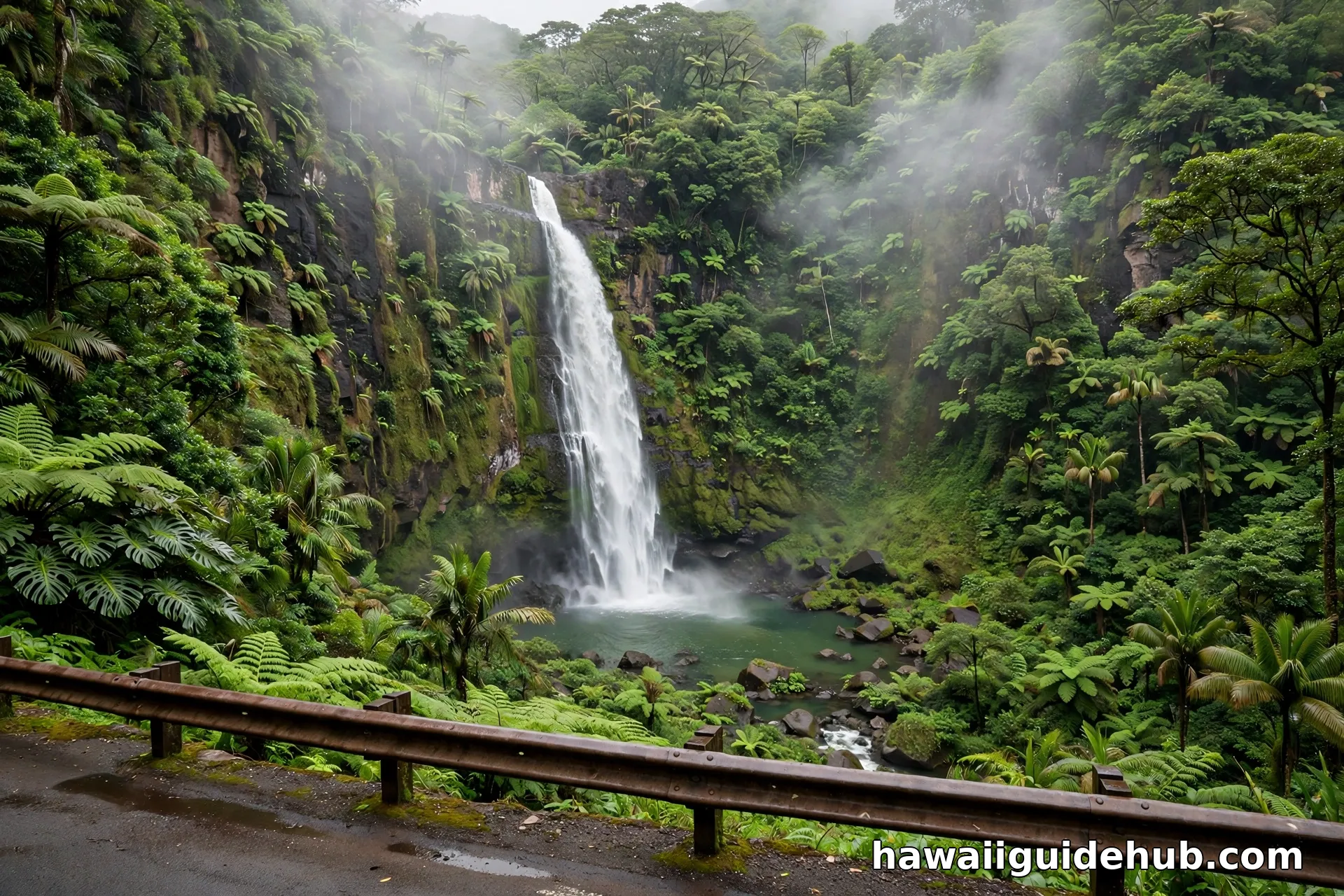
A short drive north on Kuhio Highway puts you in Wailua, technically the next town over but functionally part of the Lihue area for visitors. Wailua Falls, the 80-foot waterfall visible from the roadside lookout, is about 15 minutes from downtown Lihue. The Wailua River area also offers kayaking and boat tours to the Fern Grotto.
Golfers have two well-regarded courses near town, the Ocean Course at Hokuala and Puakea Golf Course.
Where to Eat in Lihue
Lihue’s food scene is local, unpretentious, and excellent. Hamura Saimin on Kress Street is an institution, a no-frills counter serving Hawaii’s beloved noodle soup since 1976, famous for its lilikoi chiffon pie. For plate lunch, the town has several longtime local favorites. The Kukui Grove Center area holds the island’s main mall with familiar and local eateries, and the harbor area around Kalapaki has restaurants with bay views. The Kauai Beer Company on Rice Street pours locally brewed beer in a restored historic building.
Because Lihue is where residents actually eat, prices run lower than in the resort areas, and the portions run generous. If you are picking up supplies, the town also has the island’s Costco and major grocery stores, making it the practical provisioning stop before heading to a vacation rental.
Getting Around Lihue
A rental car is by far the easiest way to see Lihue and its surroundings, and most visitors pick theirs up at LIH on arrival. Parking downtown is generally easy and free in lots, though Rice Street itself can be busy on weekday mornings. The Kauai Bus, the county’s public bus system, runs routes through Lihue connecting to Wailua, Kapa’a, and the south shore, and it is a workable backup if you are staying in town without a car. Rideshares operate on Kauai but can be slow to arrive outside the main tourist corridors.
Lihue Weather and When to Visit
Lihue is warm year round, with daytime highs typically in the low to mid 80s Fahrenheit and nighttime lows in the mid 60s to low 70s. The southeast shore is drier than Kauai’s north shore but wetter than Poipu. Winter, from December through March, brings more rain and the occasional multi-day soaker; this is when the museum and indoor activities earn their keep. April through June and September through November tend to offer the most pleasant balance of warmth and sunshine. Trade winds keep things comfortable most afternoons.
Practical Tips for Visiting Lihue
Use Lihue strategically. It is the ideal first-day stop: land, collect your bags, eat a real local meal, visit the museum for island context, stock up on groceries, and then drive on to your base. It is equally good on the last day, with the airport minutes away and the harbor and beach to fill a final morning.
Safety-wise, Lihue is a normal working town. Lock your car, do not leave valuables visible, and use the same common sense you would anywhere. At Kalapaki Beach, swim near the lifeguarded areas and respect any posted warnings; even protected bays can have strong currents after heavy rain. For harbor boat tours, book with licensed operators and check cancellation policies during winter swells.
Nearby Places to Pair With Lihue
Lihue’s central location makes it a natural hub for day trips. Wailua and Kapa’a are 10 to 20 minutes north, with waterfalls, river activities, and a lively small-town strip. Poipu and the south shore are about 25 to 30 minutes south, with the island’s most reliably sunny beaches. Waimea Canyon and the west side are about an hour west, a full but very doable day trip. Hanalei and the north shore run 45 minutes to an hour north, depending on traffic through the Wailua and Kapa’a corridor.
Video: Kauai Top 10, Including Lihue Highlights
A video tour of Kauai’s top sights, including Wailua Falls and the Kauai Museum in the Lihue area.
Frequently Asked Questions
Is Lihue worth visiting, or should I just drive through?
Lihue is worth at least half a day. The Kauai Museum alone justifies the stop, and Kilohana Plantation, Kalapaki Beach, and the local food scene round out a genuinely enjoyable day. It is also the most practical town on the island for groceries, supplies, and services.
How far is Lihue from Poipu and Hanalei?
Poipu is about 25 to 30 minutes south of Lihue by car. Hanalei is about 45 minutes to an hour north, depending on traffic. Both are easy day trips from a Lihue base, which is why some budget-conscious travelers stay in Lihue and explore from there.
Can you walk around Lihue?
Downtown Lihue around Rice Street is walkable, and the harbor and Kalapaki Beach area is pleasant on foot. But the town as a whole is spread out, and sights like Kilohana Plantation and the Menehune Fishpond require a car or bus.
What is there to do in Lihue when it rains?
The Kauai Museum is the top rainy-day pick, followed by the shops and rum tasting at Kilohana Plantation, the Kukui Grove Center mall and movie theater, and a long lunch at a local restaurant. Rain in Lihue often passes in bursts, so an indoor morning can easily become a beach afternoon.
Is Kalapaki Beach good for swimming?
Yes, Kalapaki is one of the most swimmable beaches near Lihue. The bay is protected, the entry is sandy, and lifeguards are posted. It is also popular for beginner surf lessons. As with any Hawaii beach, check conditions and heed posted warnings.
Lihue will never be the town on the postcard, and that is precisely its value. It is where Kauai actually lives: the history, the government, the harbor, the food that residents eat. Give it half a day at the start of your trip and you will understand the island better than any resort beach could teach you. Then drive on to the scenery with context the scenery alone cannot provide. For the wider island, see our guide to things to do on Kauai.