Best Poke in Hawaii: Where to Find It, How to Order and What to Know

If there is one dish that captures the flavor of the islands in a single bowl, it is poke. Cubes of cold, fresh fish tossed with a simple seasoning and scooped over warm rice or eaten straight from the container. Locals grab it from supermarket counters on the way to the beach. Visitors plan whole afternoons around finding the best version. It is casual, it is deeply traditional, and when it is done right, it is one of the best things you will eat in Hawaiʻi.
What Poke Actually Is
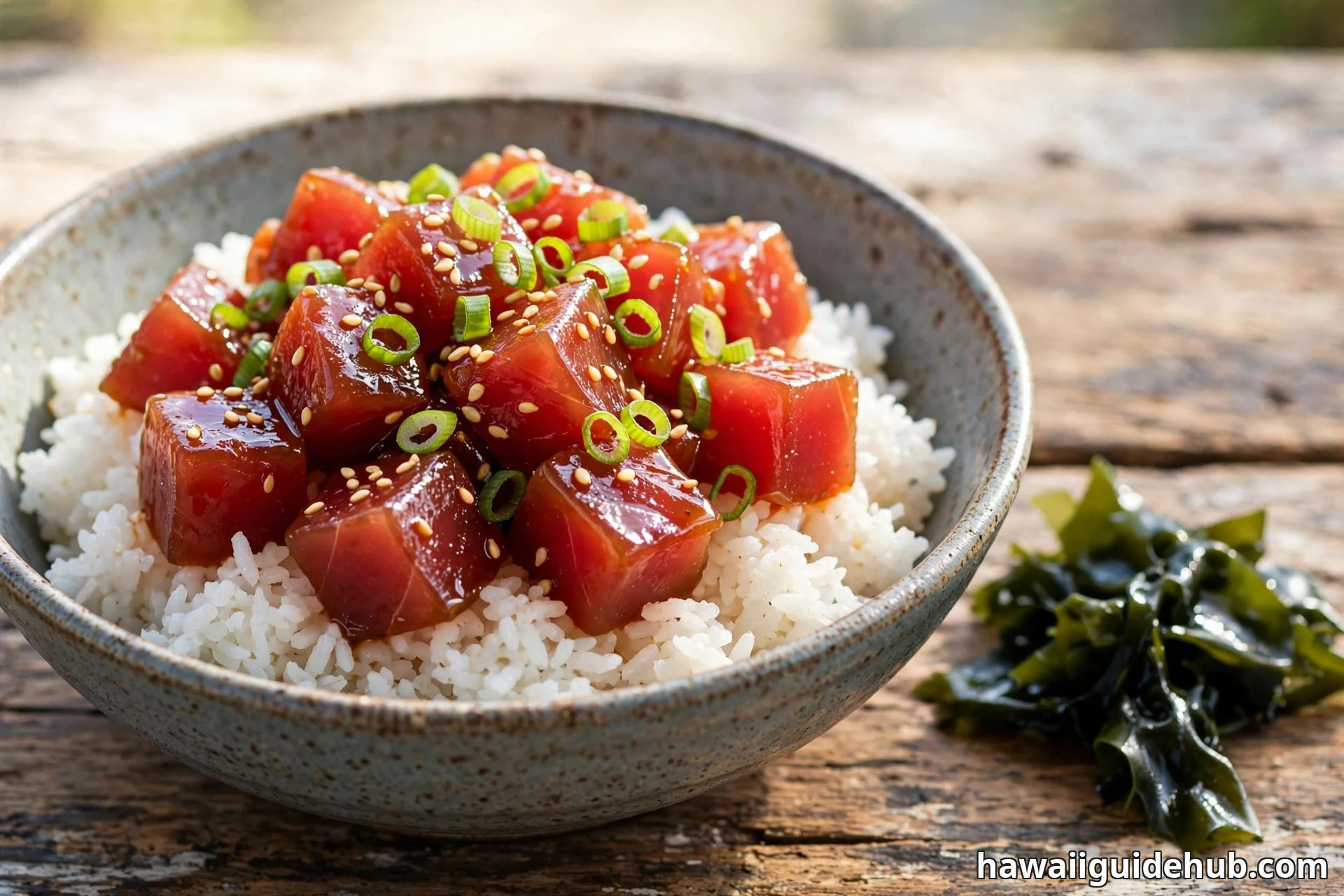
The word poke is pronounced “poh-kay,” and in Hawaiian it means to slice or cut crosswise into pieces. That is the entire method in a nutshell. Fresh raw fish is cut into bite-sized cubes, tossed with seasoning, and served. No cooking, no complicated technique, no hiding behind heavy sauces. The dish lives or dies on the quality of the fish and the balance of the seasoning.
The classic protein is ahi, the yellowfin tuna that Hawaiʻi’s waters are famous for. You will also see aku (skipjack tuna), tako (octopus), and occasionally hamachi (yellowtail) or even smoked marlin. But ahi is the soul of the dish, and most of the best poke counters in the state build their whole reputation around how they treat their tuna.
A bowl of poke usually comes over steamed white rice, though brown rice and greens are common at modern shops. Some locals skip the rice entirely and buy poke by the pound from a deli counter, pairing it with chips or crackers for a beach picnic. Both approaches are completely correct.
The Story Behind the Dish
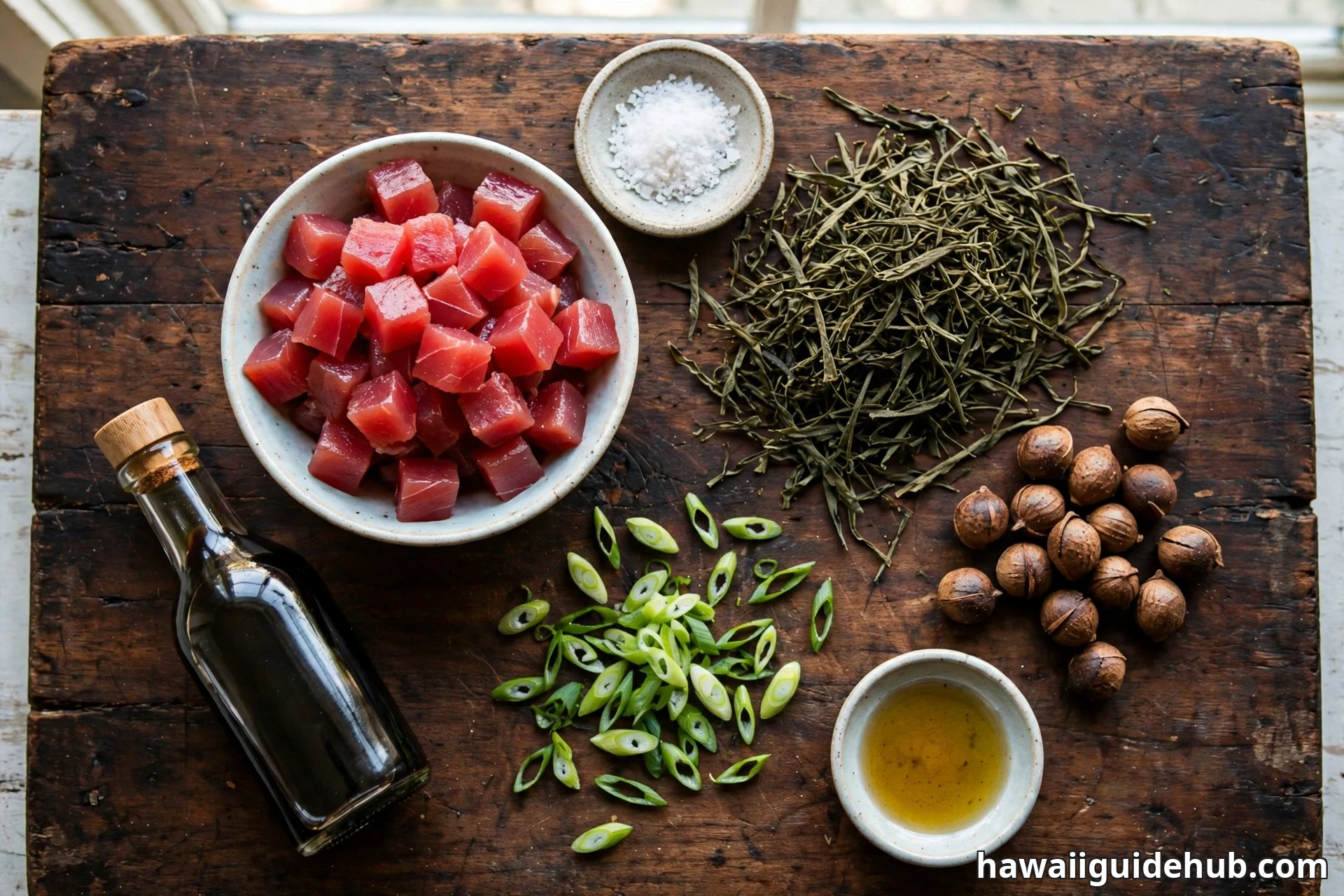
Poke is older than Hawaiʻi’s plantation era, older than statehood, older than almost everything else on the modern Hawaiian plate. Long before contact with the outside world, Native Hawaiian fishermen were cutting their catch into pieces and seasoning it with what the islands provided: sea salt, limu (seaweed), and crushed kukui nut. It was fisherman’s food, practical and fresh, eaten with poi or on its own.
As waves of immigrants arrived in the 1800s and 1900s to work the sugar plantations, they brought their own flavors. Japanese cooks introduced shoyu and sesame oil. Korean families added gochujang and spicy marinades. Chinese influences showed up in ginger and scallion preparations. Poke absorbed all of it without losing its identity, and that fusion is exactly why today’s poke counters offer everything from traditional limu ahi to spicy mayo tuna.
What never changed is poke’s place in island life. It is the dish that shows up at potlucks, beach days, birthday parties, and family gatherings. It is celebratory food and everyday food at the same time.
What Makes Great Poke
Three things separate great poke from average poke: the fish, the cut, and the seasoning.
The fish. Freshness is everything. The best poke counters get their fish daily, often from local auctions or direct from fishermen. Great ahi should look glossy and deep red, smell like clean ocean air with no fishy odor, and feel firm but yielding. If the fish looks dull or smells off, walk away. Hawaiʻi has too many good options to settle.
The cut. The cubes should be even and generous, roughly three-quarter inch to an inch. Even cubes mean even seasoning in every bite. Tiny, mushy pieces suggest the fish was cut too far in advance or wasn’t top quality to begin with.
The seasoning. This is where Hawaiʻi’s poke culture really shines. The seasoning should complement the fish, not bury it. A great shoyu poke tastes first like tuna, then like the savory-sweet shoyu blend, then like the sesame oil and onion in the background. If all you taste is sauce, the fish was not good enough to carry the dish.
The Classic Poke Styles You Will See
Poke Styles at a Glance
| Style | Signature mix | Heat level | Order it when |
|---|---|---|---|
| Shoyu Ahi | Ahi, shoyu, sesame oil, onion | None; savory | You want the classic first order |
| Spicy Ahi | Ahi, spicy mayo or chili sauce | Mild to medium | You like creamy heat |
| Limu Poke | Ahi, limu seaweed, sea salt, inamona | None; briny | You want the traditional taste |
| Tako Poke | Octopus, shoyu, sesame | None; chewy | You want texture over fish |
Shoyu Ahi
The benchmark. Ahi cubes tossed with shoyu (soy sauce), sesame oil, sliced onions or green onions, and sometimes a pinch of chili. Simple, balanced, and the best test of any poke shop’s quality. If a place nails shoyu ahi, everything else on the counter is probably excellent too.
Spicy Ahi
Ahi mixed with a spicy mayo or chili-based sauce. This is the crowd favorite, creamy and fiery, and the style most mainland visitors know best. Hawaiʻi’s versions tend to be better balanced than the mainland copies, with the heat supporting rather than overwhelming the fish.
Limu Poke
The traditionalist’s choice. Fresh ahi tossed with limu (native seaweed), sea salt, and sometimes inamona (roasted, ground kukui nut). This is the closest to what Native Hawaiian fishermen were eating centuries ago, and it has a briny, oceanic depth that the soy-based styles cannot match.
Wasabi and Other Shoyu Variations
Wasabi ahi brings a sharp, nose-tingling heat. Miso ahi adds a fermented, savory richness. Oyster sauce and ponzu versions show up too. These are all variations on the shoyu theme, and trying several side by side is one of the great pleasures of a poke counter visit.
Tako Poke
Octopus poke, chewy and satisfying, usually in a shoyu or kimchi-style marinade. Tako is a different texture experience entirely, and the shops that do it well have a devoted following.
Smoked and Specialty Poke
Smoked ahi and smoked marlin show up at select counters, with a deep, savory flavor that stands apart from the fresh-fish styles. You will also spot seasonal or creative specials, like furikake-crusted preparations or avocado-topped bowls.
Where to Find the Best Poke on Oʻahu
Oʻahu has the deepest poke bench in the state, from legendary old-school counters to supermarket cases that locals defend with surprising passion.
Ono Seafood in Kapahulu is the name that comes up first in any “best poke” argument on Oʻahu. A tiny, no-frills shop where the shoyu ahi and spicy ahi are the stuff of local legend. It is grab-and-go only, so take your bowl to a nearby park or beach.
Maguro Brothers, with locations in Chinatown and Waikīkī, is known for ultra-fresh ahi and also offers hamachi and tako options for those who want to branch out. The bowls run a little smaller, but the quality is consistently top tier.
Fresh Catch in Kaimuki and Kāneʻohe is the variety play, with a wide range from Hawaiian-style to spicy Korean-influenced blends, plus generous portions.
Alicia’s Market in Kalihi has been a family-run local institution since the 1940s. Their poke has personality, including spicy wasabi and smoked tako options, and the whole market experience feels like a step into real local Oʻahu.
Do not overlook the supermarkets. Foodland sells excellent poke by the pound at locations across the island, and many locals will tell you it is their regular stop. Kahuku Superette on the North Shore is a humble-looking convenience store with a poke case in the back that has developed a cult following, especially for the sweet onion shoyu. For more ideas on planning your island food stops, see our guide to must-try local dishes in Hawaii.
Where to Find the Best Poke on the Big Island
The Big Island’s poke scene is anchored by Kona on the west side and Hilo on the east, with working fish markets that have been serving locals for generations.
Da Poke Shack in Kailua-Kona is consistently rated among the best poke spots in all of Hawaiʻi. Ultra-fresh fish, expertly seasoned, in a casual beachfront setting. It sells out early, so go before noon.
Umekes Fish Market Bar & Grill, also in Kona, is part fish market and part restaurant. They source locally and pile fresh ahi over rice with sides like seaweed salad. Their poke nachos are worth trying if you are feeling adventurous.
Suisan Fish Market on Hilo Bay has been serving the east side since 1907. The poke counter offers a dazzling selection, from traditional shoyu to spicy and wasabi styles, all in a historic working fish market.
Pau Hana Poke in Kona is the value pick, with big portions and affordable prices that have built a loyal local following. And KTA Super Stores, the beloved Big Island grocery chain, is a genuine local go-to for fresh poke, including spicy ahi and limu styles.
Where to Find the Best Poke on Maui
Maui’s poke culture has its own quirks, including the beloved tradition of buying poke at a liquor store.
Tamura’s Fine Wine & Liquors in Kīhei sounds like an unlikely poke destination until you see the fresh fish counter in the back. Order by the half or full pound, choose from a wide range of marinades, and take it to the beach. The garlic poke and ninja-style poke have devoted fans.
South Maui Fish Co. and The Fish Market Maui are the small-counter fish shops where locals go for genuinely fresh, well-made poke. These are the kinds of places where the person behind the counter can tell you exactly what boat the fish came off.
And of course, Foodland locations across Maui offer the same excellent by-the-pound poke that Oʻahu locals love. Before you plan your Maui food itinerary, check our reasons to visit Maui for the full picture of what the island offers.
Where to Find the Best Poke on Kauaʻi
Kauaʻi’s poke scene is smaller but mighty, centered on a few legendary counters.
Koloa Fish Market in Kōloa town is the island’s most famous poke stop. The tuna poke bowl is the standout, ultra-fresh and deeply satisfying, in a no-frills grab-and-go setting. Go early, because the good stuff sells out, and be ready for limited parking at peak lunch hours.
Pono Market in Kapaʻa is another local favorite with excellent poke. And the Hanalei Dolphin fish market on the north shore is worth the drive for its fresh selection.
If you are still deciding which island fits your trip, our guide for first-time visitors breaks down what each island does best.
How to Order Poke Like a Local
🐟 Local Tip
Order several quarter pounds instead of one big container so you can taste three or four styles in one visit.
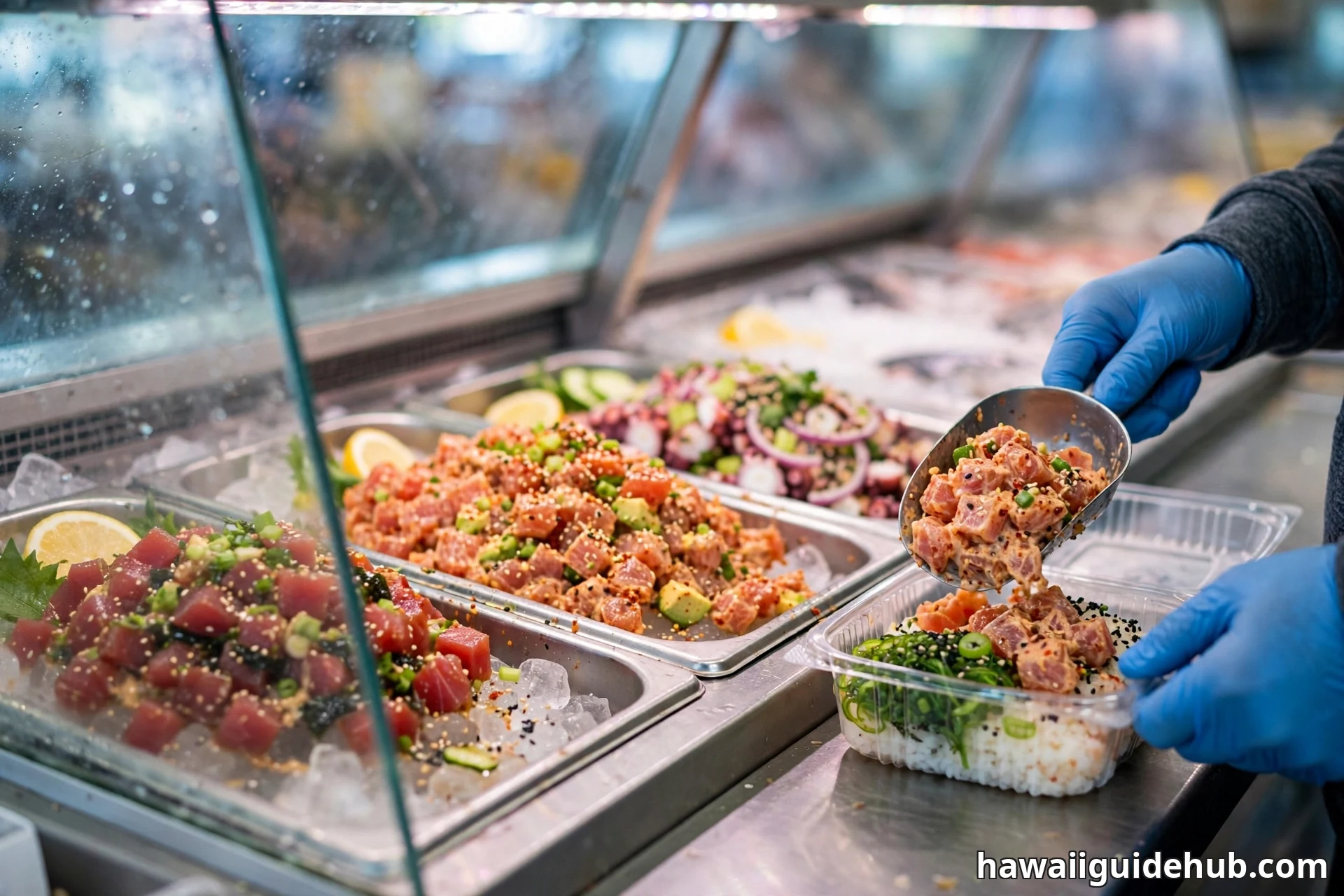
Order by weight. At fish markets and deli counters, poke is sold by the quarter, half, or full pound. A half pound is a generous single serving. Ordering several quarter-pound portions is the smart move if you want to taste multiple styles.
Go early. The best counters sell out, sometimes by early afternoon. Da Poke Shack, Koloa Fish Market, and Ono Seafood are all known for running out of the popular styles. Morning is the golden window.
Start with shoyu ahi. It is the truest measure of a shop’s quality. Once you have your baseline, branch out to the spicy, limu, and specialty styles.
Try the grocery store. Some of the best poke in Hawaiʻi comes from supermarket counters. Foodland, KTA, and even Costco locations in the islands sell genuinely good poke at great prices. Do not let the setting fool you.
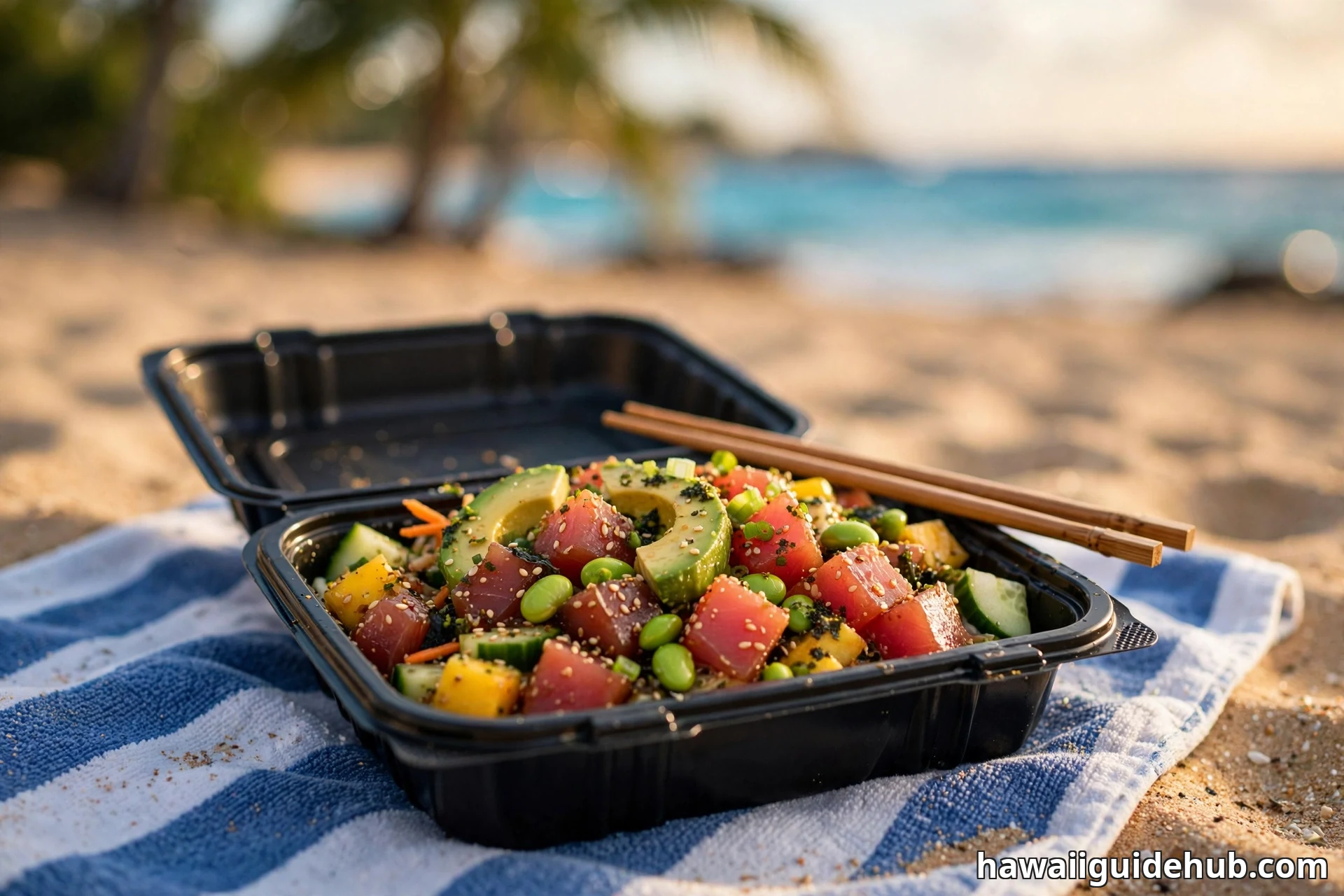
Have a beach plan. Most of the best poke spots are takeout only, with no seating. Grab your container, pick up some rice or chips, and head for the nearest beach or park. That is the authentic Hawaiʻi poke experience.
Our guide to outdoor adventures in Hawaii has you covered, whatever the weather. If you are wondering when it rains in Hawaii, plan your beach-poke days accordingly.
Freshness and Food Safety
Poke is raw fish, so a few common-sense rules apply. Buy from reputable shops with high turnover, the kind where the case is constantly being refilled. The fish should look glossy and smell clean, never fishy or sour. Keep your poke cold, especially on a hot beach day. A small cooler or insulated bag makes all the difference.
Eat your poke the day you buy it. This is not a leftovers dish. If you somehow end up with extra, it is best used within a day, kept refrigerated. And if you are pregnant or have a condition that makes raw fish risky, talk to your doctor before diving in.
Frequently Asked Questions
How do you pronounce poke?
It is pronounced “poh-kay,” with two syllables. The single-syllable “poke” (like poking someone) is the most common mainland mistake, and locals will notice.
What is the most popular poke in Hawaii?
Shoyu ahi is the classic and the benchmark by which shops are judged. Spicy ahi is the most popular with visitors. Limu ahi is the traditionalist’s favorite and the closest to the original Hawaiian preparation.
Is poke healthy?
Poke is high in protein and omega-3 fatty acids, and the basic preparations are relatively light. The calorie count climbs with mayo-based sauces, fried toppings, and large rice portions. A simple shoyu or limu poke over rice is a genuinely nutritious meal.
Can you eat poke the next day?
It is best eaten the day it is made. Refrigerated poke is generally fine the next day if kept properly cold, but the texture and flavor decline. This is a buy-it-fresh, eat-it-fresh dish.
What is the difference between poke and sashimi?
Both feature raw fish, but sashimi is sliced thin and served plain or with minimal accompaniment, while poke is cubed and tossed with seasoning. Poke is a complete seasoned dish; sashimi is the fish itself, presented simply.
Do you need to tip at a poke counter?
At takeout counters and grocery delis, tipping is not expected, though a tip jar is common. At sit-down restaurants serving poke bowls, standard restaurant tipping applies.
The Last Word on Poke
Poke is one of those rare dishes that is both completely casual and deeply rooted in culture. It started as a fisherman’s practical lunch and became the food that Hawaiʻi reaches for at every celebration. The best version is not necessarily the fanciest or the most expensive. It is the one made that morning from fish you can taste the ocean in, seasoned with restraint, and eaten somewhere beautiful.
Try the shoyu ahi first, wherever you land. Then try everything else. With poke counters on every island and new styles to discover at each one, the search for your personal favorite is one of the most delicious parts of any Hawaiʻi trip.