Nāpili Bay Beach: Maui’s Calm Crescent for Snorkeling, Turtles and Sunsets

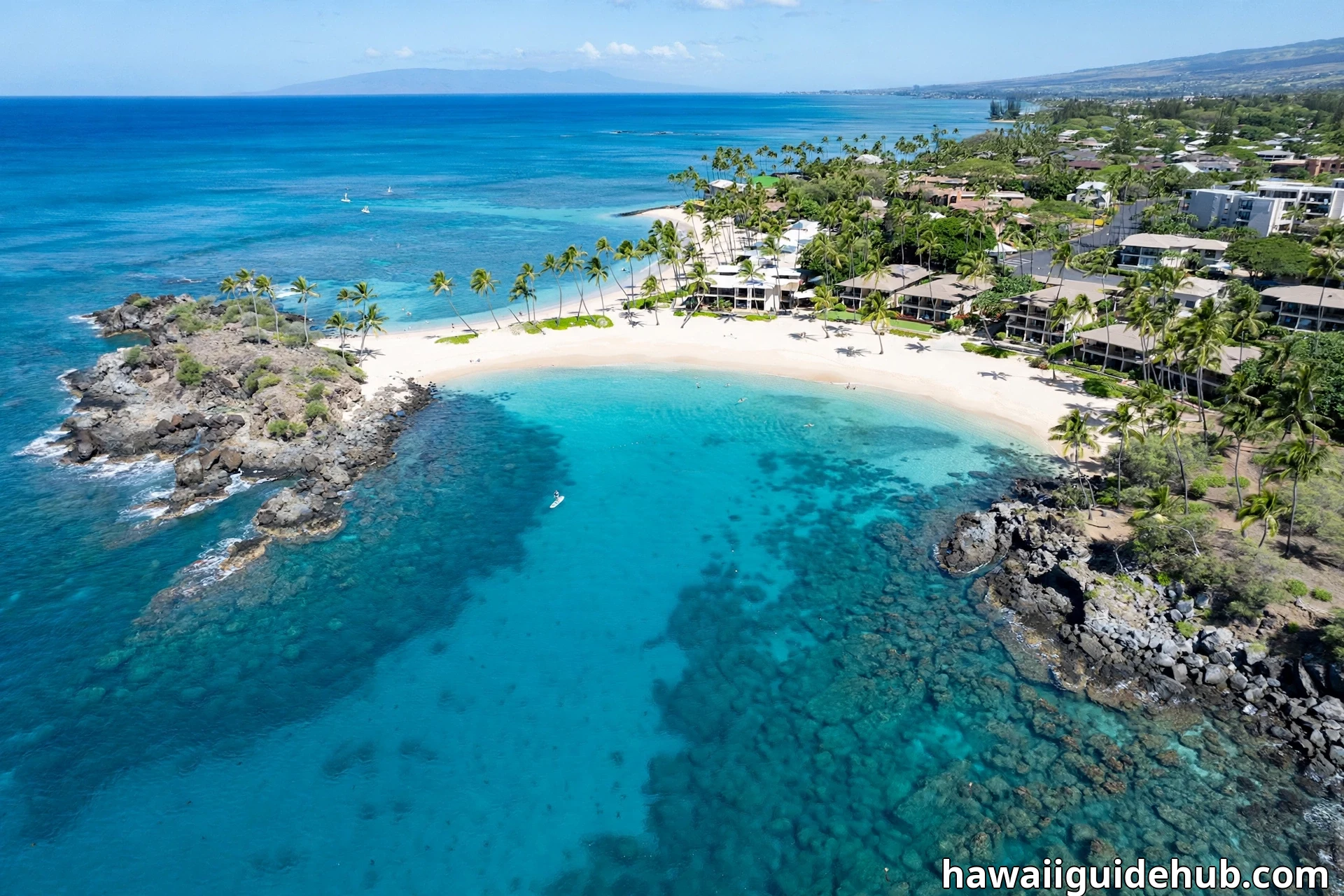
There are beaches you visit once for the photo, and there are beaches you return to year after year because they quietly become your favorite. Nāpili Bay belongs firmly in the second group. Tucked between the resort buzz of Kāʻanapali and the manicured calm of Kapalua on Maui’s northwest coast, this small crescent of white sand has a way of winning people over slowly: the water is usually calm, the snorkeling is genuinely good, sea turtles cruise the rocky edges, and the whole place feels like a neighborhood beach that happens to sit in paradise.
The condos and small resorts lining the shore fill with repeat visitors who plan their whole year around a week at Nāpili. But it is easy to miss if you are driving the main highway with somewhere else in mind.
Where Nāpili Bay Sits on Maui
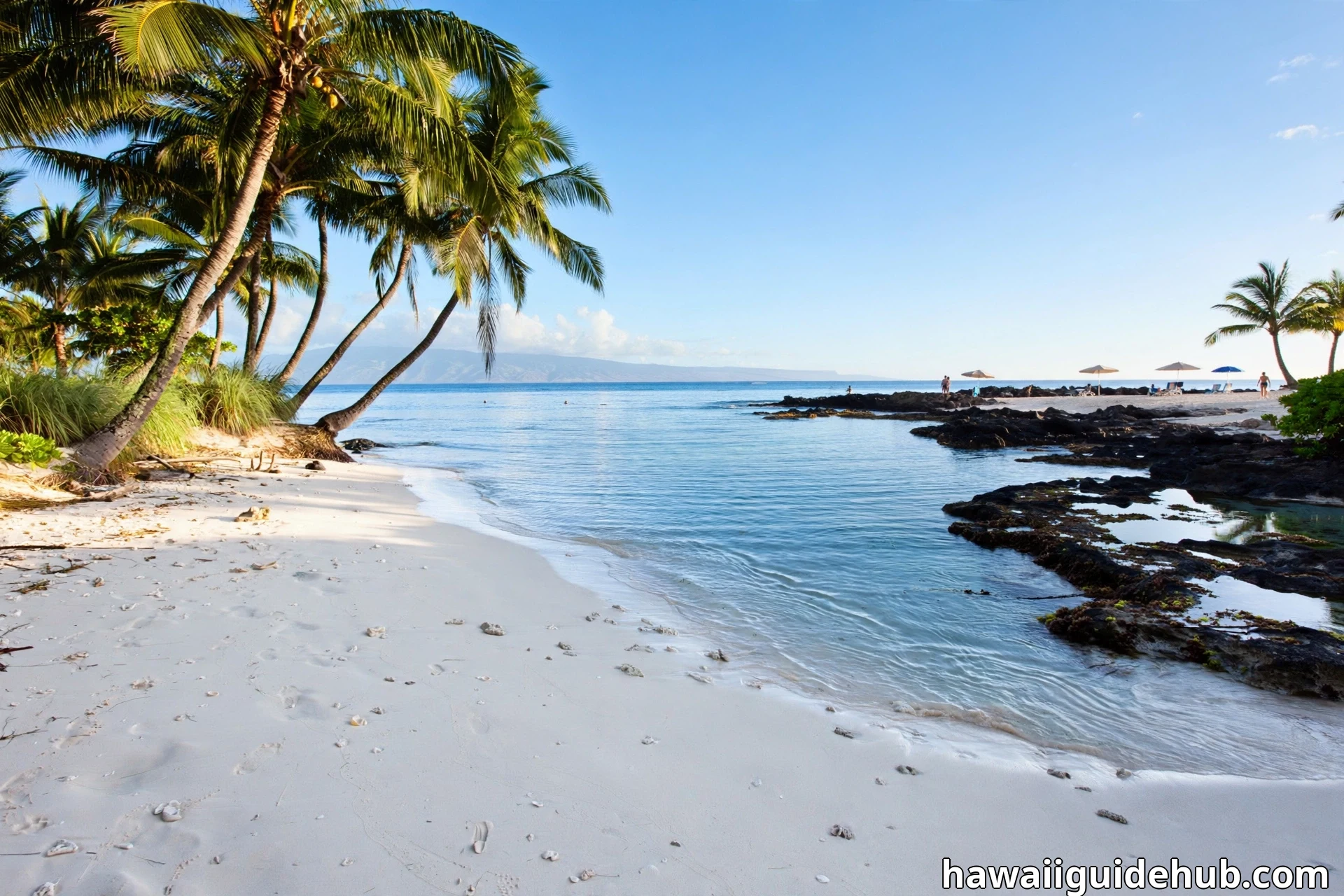
Nāpili Bay sits on Maui’s northwest coast, roughly five miles north of Kāʻanapali and just south of Kapalua. The bay faces west, opening toward the islands of Molokaʻi and Lānaʻi, so the sun drops straight into the ocean at the end of the day.
The beach itself is a compact crescent, sheltered at both ends by rocky points and fronted by a long stretch of soft white sand. Unlike the big resort beaches to the south, Nāpili feels residential. Low-rise condos, a couple of small resorts, and a handful of restaurants line the shore, and the whole scene has a relaxed, lived-in quality.
Getting to Nāpili Bay
Getting to Nāpili Bay is straightforward once you know the landmarks. From Highway 30 heading north past Kāʻanapali, turn left onto Napilihau Street, then right onto Lower Honoapiʻilani Road. From there you have three ways to reach the sand.
The first is Napili Place, a small side street off Lower Honoapiʻilani Road where you can park along the curb and follow the public access path at the far end down to the beach. The second is Hui Drive, one street north, which dead-ends near the shore and has its own access path roughly in the middle of the street. The third is parking along Lower Honoapiʻilani Road itself, across from the Napili Kai Beach Resort, and walking through to the beach.
All three access points are marked, and every beach in Hawaiʻi below the high-water mark is public, so you have every right to be there. The resorts sit on the land behind the sand, not on the sand itself.
Parking at Nāpili Bay: The Honest Version
Let us be direct: parking is the one real drawback of Nāpili Bay. There is no public parking lot for the beach. What exists is free street parking on Napili Place and Hui Drive, a scattering of spots along Lower Honoapiʻilani Road, and a small alley with a few dozen stalls near The Gazebo restaurant.
On a busy day those spots fill early. If you want a painless arrival, get there before about 8 in the morning or come back after 2 in the afternoon, when the morning crowd starts to thin.
A few practical rules make the whole thing smoother. Park only where it is clearly legal, never block driveways or narrow the road for passing cars, and do not leave valuables visible in your vehicle. If you are dining at the Sea House restaurant, you can use its lot while you eat, but that is a dining privilege, not beach parking. Visitors who would rather skip the hunt entirely sometimes park at the Kapalua Bay lot on Bay Club Drive next door and walk over, though that is a longer stroll.
The Beach Itself
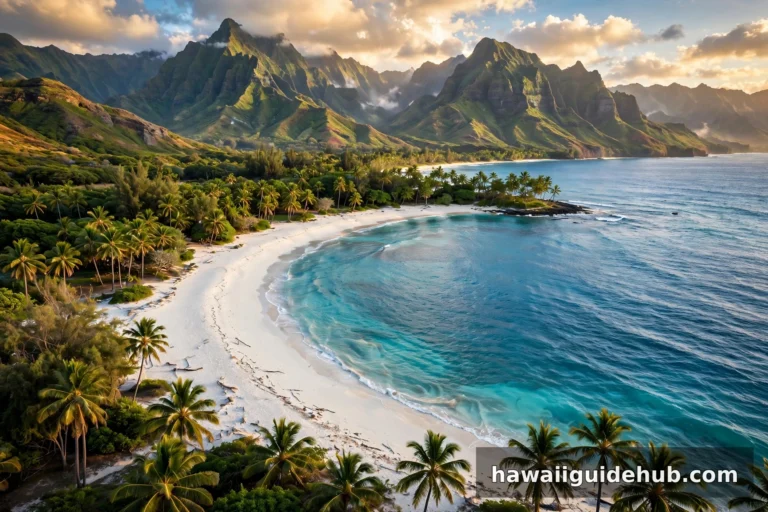
Nāpili Bay is a genuinely lovely beach: a wide crescent of pale sand, coconut palms leaning over the shore, and water that shifts from turquoise at the edges to deep blue in the middle. The bay is protected by reefs sitting about a hundred feet out, which keeps the inside water calm on most summer days.
The swimming is easy. The bottom slopes gently, the sand in the middle of the bay is clean and free of rocks, and the water stays shallow enough for kids to splash comfortably near shore. There is a rock shelf with a shore break in the middle of the bay, so the calmest swimming tends to be in the stretches between the rocky points and the center. Take a minute to watch the water before you go in, and you will quickly see where the easy entries are.
Winter changes the equation. From roughly November through March, northwest swells can wrap into the bay and turn the shoreline into a steep shore break with rip currents near the points. On those days the beach shifts from swimming spot to spectator sport. If waves are breaking inside the bay or the water looks brown and churned, stay out and enjoy the show from the sand.
Snorkeling at Nāpili Bay
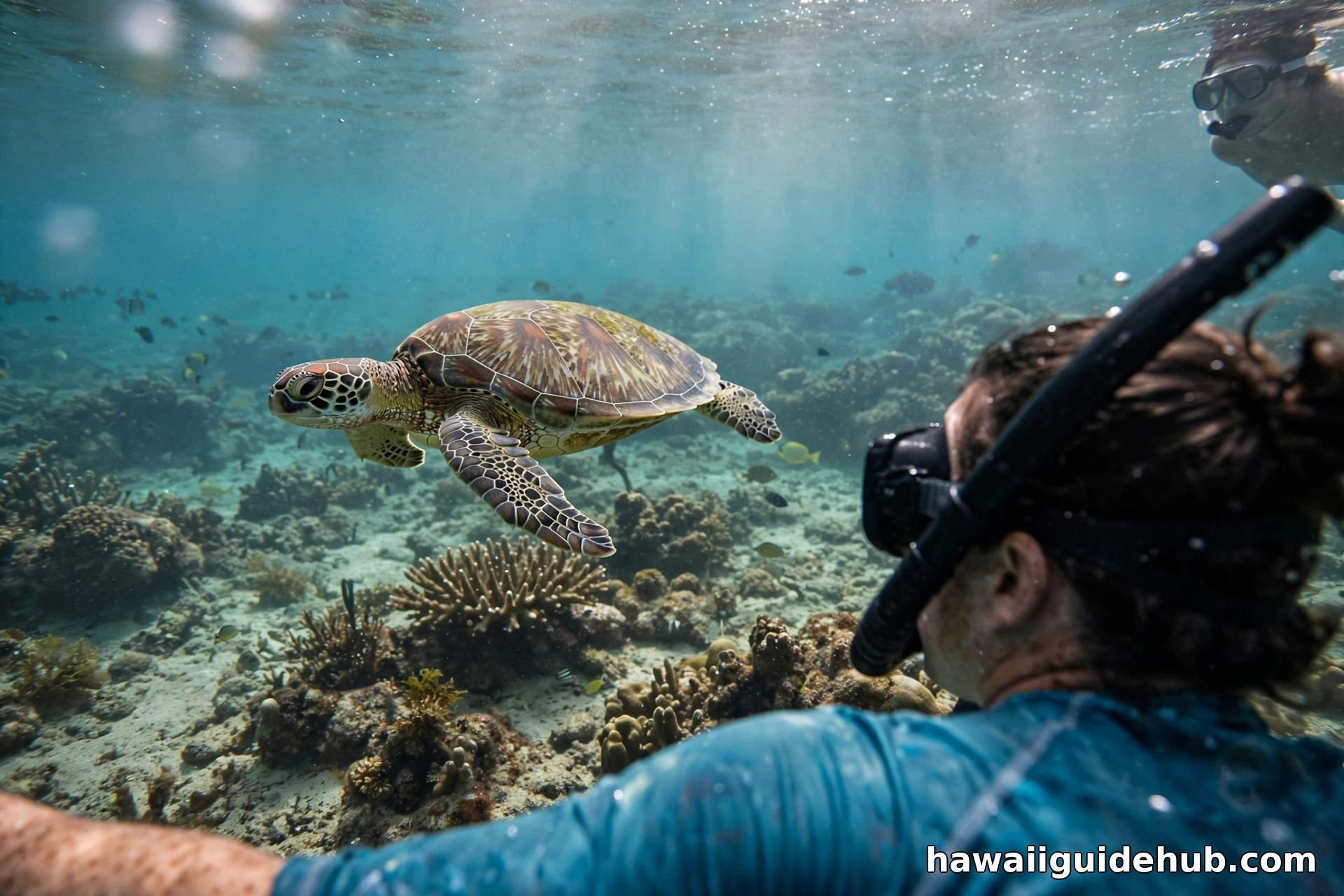
Snorkeling is the main event at Nāpili Bay, and in the right conditions it ranks among the best easy-access snorkeling on Maui. The coral gardens cluster around the rocky points at each end of the crescent, with clean sand in the middle, so the strategy is simple: enter from the sand and swim toward either point.
Where to Enter the Water
The south (left) side of the bay, further out from shore, tends to offer the best snorkeling. Visibility can be cloudy right at the shoreline but clears as you swim out. The north end can also be good on a calm day. There are attractive tide pools at the south end of the beach that are worth exploring at low water, and the reef running parallel to the shore, roughly 50 to 80 meters out, holds plenty of life.
For the full experience, strong swimmers sometimes continue around the southern point to neighboring Honokeana Cove. There is no beach there and the entry is rocky, but the cove is a known sea turtle hangout when the ocean is calm. If there are waves in the cove, skip it entirely.
What You Will See
Expect the classic Hawaiian reef cast: wrasses, Moorish idols, convict tangs, parrotfish, and the occasional eagle ray gliding past. Day octopuses forage along the rocks, most often on the right-hand side of the bay. Green sea turtles, honu, are regulars along the rocky margins at both points.
Give every turtle at least 10 feet of space, in the water and on the sand. Do not touch, chase, feed, or block a turtle’s path. Our sea turtle etiquette guide walks through the full set of rules, and they matter here because the turtles are such a big part of what makes this bay special. If you want to know what else swims these reefs, our guide to Hawaiʻi’s iconic marine species covers the fish, rays, and reef creatures you are likely to meet.
Swimming and Ocean Safety
Nāpili Bay has no lifeguard and no lifeguard tower, so you are swimming at your own risk and your own judgment matters. In calm summer conditions it is one of the gentler swimming bays on West Maui, which is exactly why families love it. But conditions change, and the bay deserves respect.
Check the surf before you swim. If you want a lifeguarded beach nearby, D.T. Fleming Beach Park just past Kapalua has lifeguards on duty and is a short drive north. At Nāpili itself, swim with a buddy, keep kids within arm’s reach, and stay out of the water when the surf is up. Paddleboarders should be careful about drifting too far from shore: the afternoon trade winds, especially in summer, can be strong outside the bay and make the paddle back genuinely difficult.
Reef-safe sunscreen is the right call here, as it is everywhere in Hawaiʻi. Standard chemical sunscreens damage coral, so mineral-based, reef-safe formulas protect both your skin and the place you came to see.
Facilities: What Is (and Is Not) Here
Set your expectations correctly and you will not be disappointed. Nāpili Bay has several outdoor beach showers for rinsing off the sand, including one on Hui Drive and another in front of the Napili Kai Beach Resort. What it does not have is public restrooms. The workaround regulars know: buying a drink or a snack at the beachfront Sea House restaurant gets you access to their facilities.
You will not find a snorkel rental shack on the sand either. There is a Snorkel Bob’s in Napili Village on Lower Honoapiʻilani Road, and unless you are snorkeling for a single day, renting gear near where you are staying for the whole trip is usually the better value. If you are planning a full week of reef time, our guide to outdoor adventures in Hawaiʻi has practical advice on gearing up for snorkeling and diving across the islands.
Within easy walking distance of the sand you will find restaurants, a small general store, and the essentials.
Where to Eat Near Nāpili Bay
Two restaurants on the bay are worth planning around. The Sea House sits directly on the beach inside the Napili Kai Beach Resort, serving island-style food and tropical cocktails with the sand practically at your table. Its afternoon happy hour, with discounted pupus, is a fine way to close out a beach day.
The Gazebo, perched on the point between Nāpili Bay and Honokeana Cove, is famous for breakfast. People talk about it the way they talk about a beloved relative: the pancakes, the ocean view, the line out the door. Go early, put your name down, and watch the bay wake up while you wait. It is one of those Maui experiences that earns its reputation.
The Best Time to Visit Nāpili Bay
Early morning is the golden window. The water is at its calmest and clearest, the light is soft, and you have the best shot at a parking spot. By mid-morning the beach fills with families and the snorkeling traffic picks up, though the bay rarely feels packed the way Kāʻanapali can.
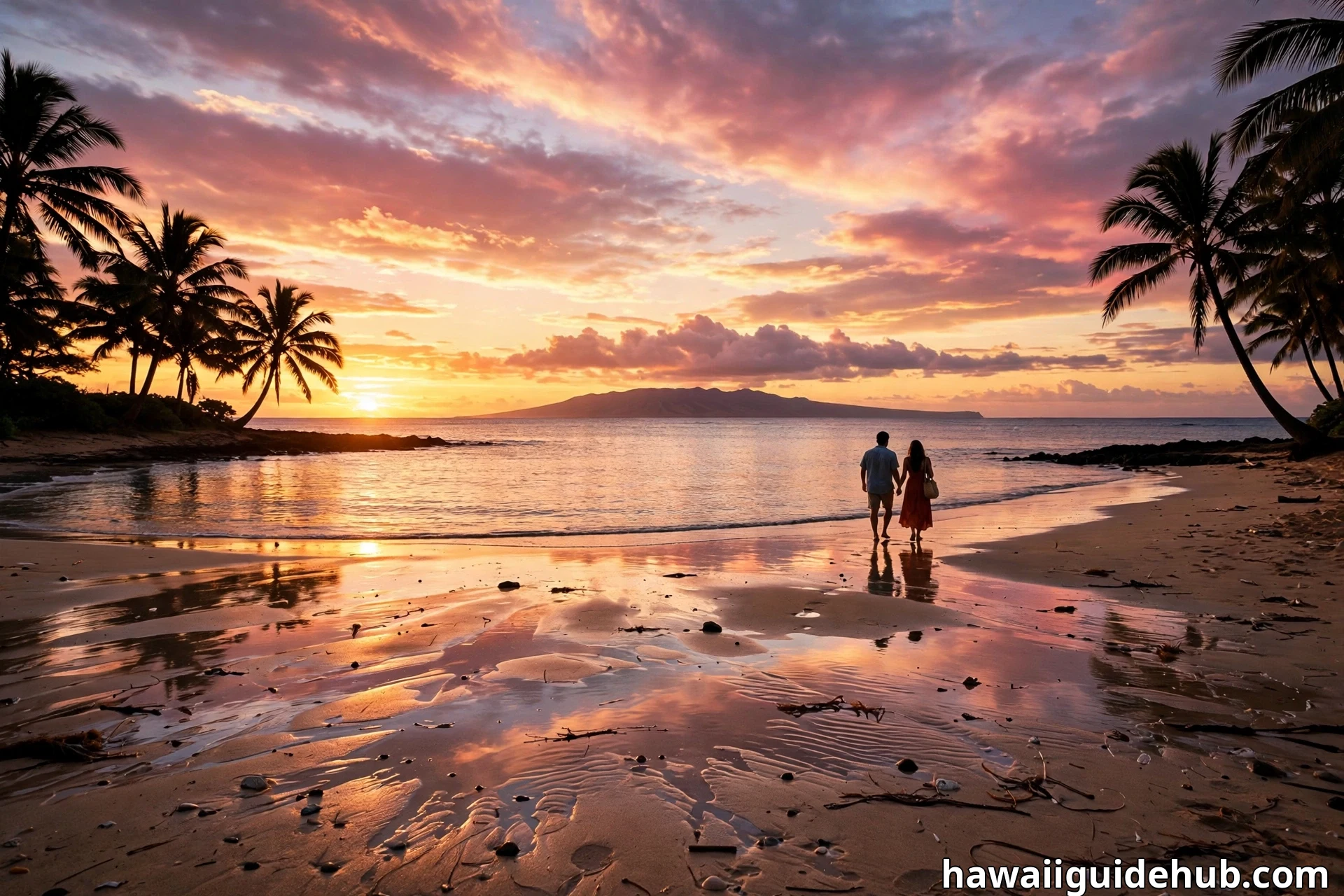
Late afternoon into sunset is the other magic hour. The bay faces due west, so the sun sinks straight into the ocean, often with Molokaʻi silhouetted on the horizon. Bring a light layer; the breeze picks up as the sun drops.
Seasonally, summer brings the calmest swimming and the clearest snorkeling. Winter brings bigger surf, and while that can shut down the snorkeling, it opens a different show: from December through April, humpback whales pass offshore, and Nāpili Bay is a fine place to watch for spouts and breaches from the sand. Our guide to the best places to visit in Maui in winter covers whale season and the other cold-month highlights.
See Nāpili Bay on Video
Before you go, it helps to see the bay from the air. This short video tours Nāpili Bay Beach with snorkeling footage, sea turtles, and a look at the reef that runs along the bay.
Nearby Stops Worth Your Time
Nāpili Bay sits in the middle of one of Maui’s best beach-hopping stretches, and it pairs beautifully with the stops around it. Just north, Kapalua Bay offers another gorgeous crescent with excellent snorkeling and easier parking, and the Kapalua Coastal Trail runs along the shoreline past tide pools, the Cliff House, and Dragon’s Teeth at Makaluapuna Point. Our reasons to visit Maui roundup puts this whole northwest coast in context.
Honolua Bay, a short drive further north, is a marine preserve with some of the finest summer snorkeling on the island, though it has no beach to speak of and winter surf turns it into a surf break. South of Nāpili, the long sweep of Kāʻanapali offers resort amenities, the cliff diving ceremony at Black Rock, and Kahekili Beach Park for more reef snorkeling.
Each of these is close enough that you can sample two or three in a day.
Practical Tips for Your Visit
Arrive early for parking and calm water. Bring everything you need for the day, since there are no beach vendors: water, snacks, reef-safe sunscreen, towels, and shade if you burn easily. There is limited natural shade on the sand.
Snorkel gear can be rented nearby, but fins, mask, and a rash guard from home save money over a week. Water shoes help around the rocky points and tide pools. And if you are visiting in winter, check the surf forecast before committing to a snorkel day.
Finally, treat the place the way the regulars do. Pack out everything you bring, give the turtles their space, and keep the noise down in the early morning. Nāpili Bay has stayed special because the people who love it look after it.
Nāpili Bay FAQs
Is Nāpili Bay good for beginners?
Yes. In calm summer conditions it is one of the friendliest snorkeling and swimming beaches on West Maui, with easy sandy entries and gentle water inside the bay. Winter surf is a different story, so check conditions.
Is there a lifeguard at Nāpili Bay?
No. There is no lifeguard tower and no lifeguard on duty. The nearest lifeguarded beach is D.T. Fleming Beach Park, a short drive north past Kapalua.
Can you see sea turtles at Nāpili Bay?
Regularly. Green sea turtles feed along the rocky points at both ends of the bay and around Honokeana Cove. Stay at least 10 feet away and never touch or chase them.
Where do you park for Nāpili Bay?
There is no public lot. Use free street parking on Napili Place and Hui Drive, or spots along Lower Honoapiʻilani Road. Arrive before 8 a.m. or after 2 p.m. for the easiest parking.
Are there restrooms at Nāpili Bay?
No public restrooms. There are outdoor beach showers for rinsing off. The Sea House restaurant makes its restrooms available to customers.
Is Nāpili Bay good at sunset?
Excellent. The bay faces due west, and on a clear evening the sun drops straight into the ocean with Molokaʻi on the horizon. It is one of the prettiest sunset spots on this side of Maui.
Nāpili Bay does not try to impress you all at once. It wins you over the way the best beaches do: calm water in the morning, a turtle gliding past your mask at midday, and the sun melting into the Pacific at dusk. Come early, park with patience, snorkel the points, and stay for the sunset.