Pohole Salad: Hawaii’s Wild Fern Shoot Pupu and How to Make It

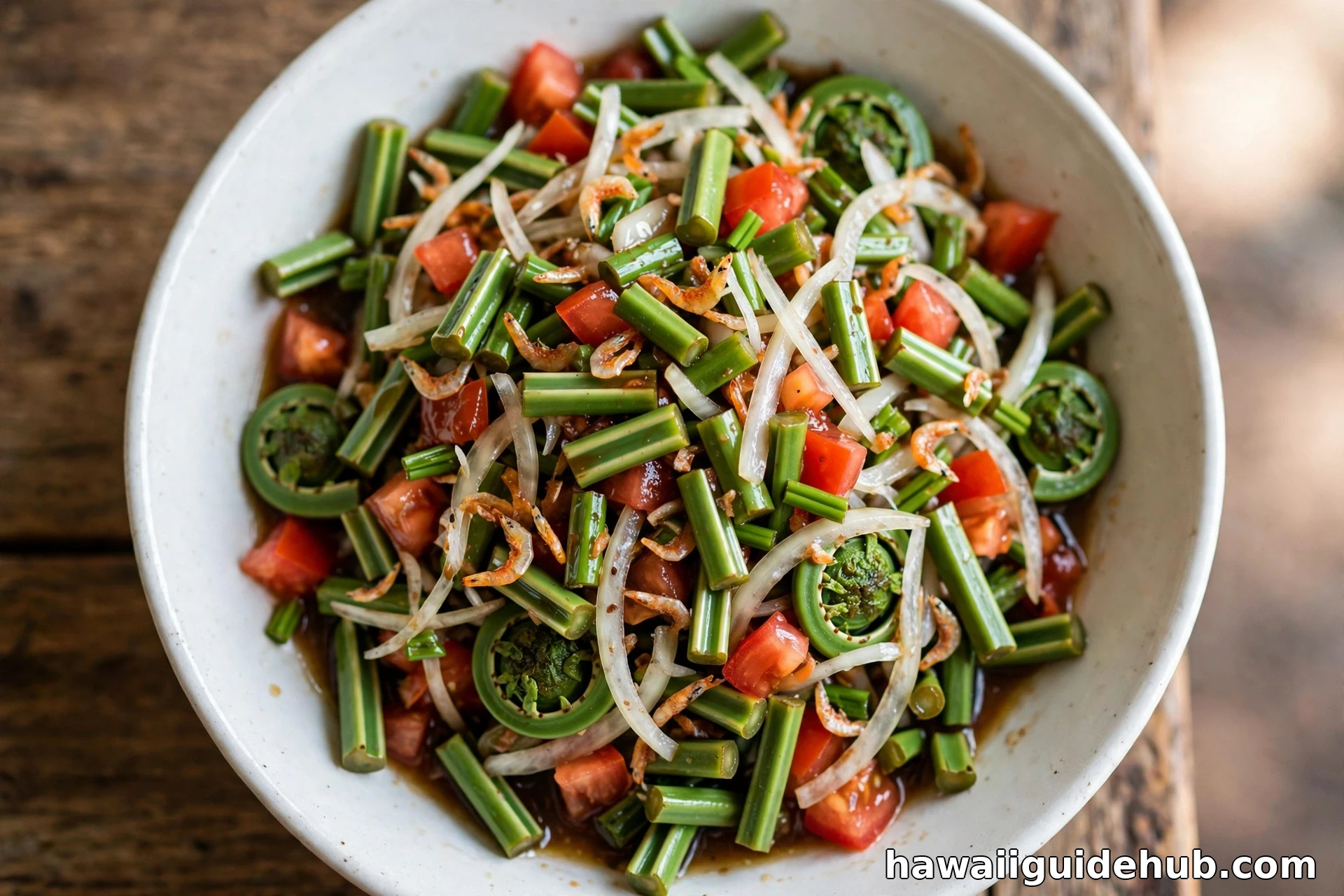
There is a dish that shows up at nearly every lūʻau, potluck, and family gathering in Hawaiʻi, yet most visitors have never heard of it. It is bright green, cool, crunchy, and tossed in a sweet and savory dressing with dried shrimp and cuttlefish. The star ingredient is not a vegetable you can buy at a mainland supermarket. It is the young, coiled shoot of a wild fern, gathered by hand from the damp forests of the islands. This is pohole salad, and once you taste it, you will understand why locals guard their foraging spots like family secrets.
Whether you call it pohole or hōʻio depends on which island you are standing on, but the dish is the same: blanched fern shoots, crisp vegetables, and a shoyu based dressing that hits every note from salty to sweet. This guide covers everything about pohole salad, from the fern itself to foraging, the classic recipe, and where to find it ready made across the islands.
What Is Pohole?
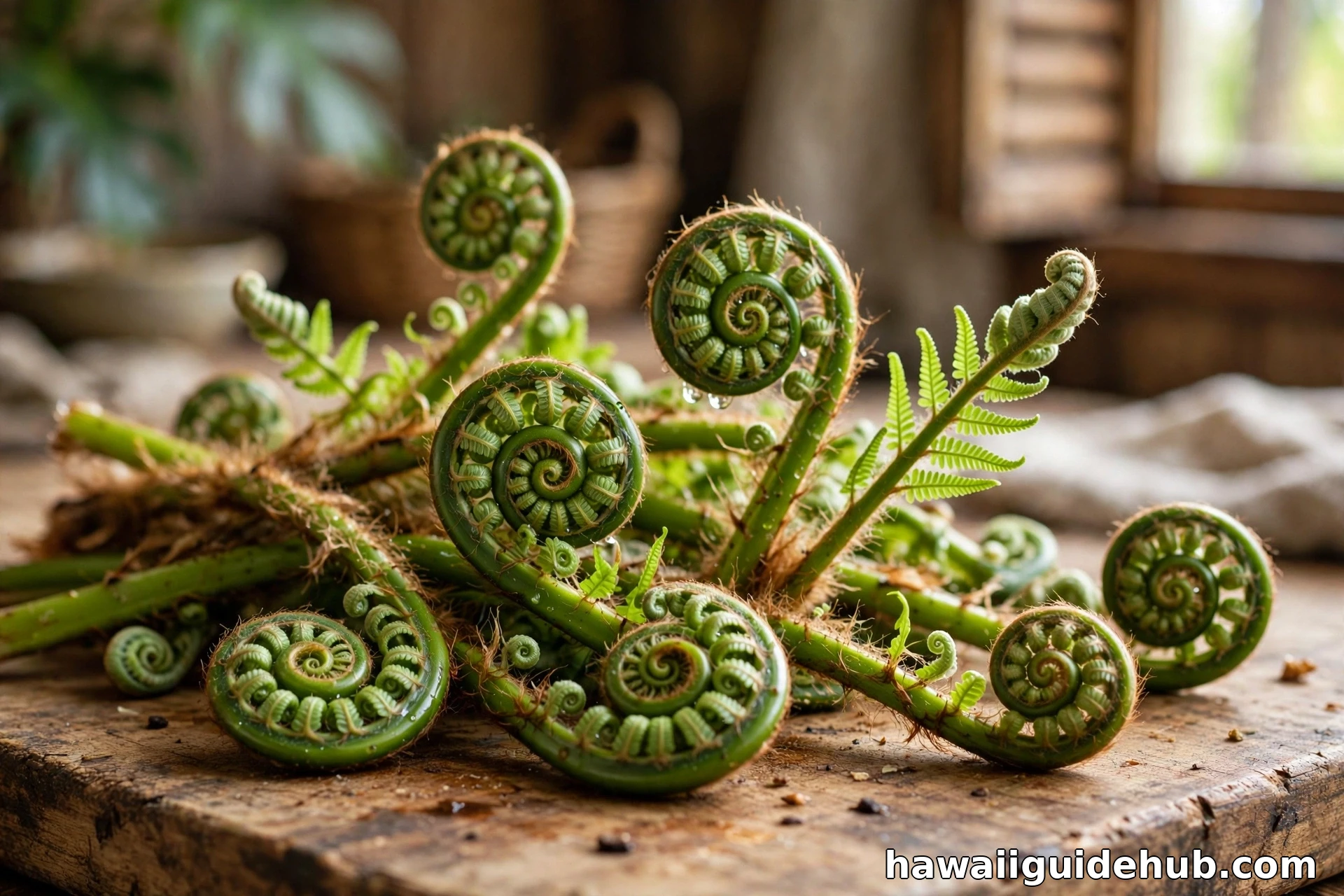
Pohole (pronounced poh-HOH-leh) is the young, unfurled shoot of an edible fern that grows wild in the tropical forests of Hawaiʻi. On Maui it is called pohole, while on the Big Island, Oʻahu, and Kauaʻi it goes by hōʻio (pronounced hoh-EE-oh). Both names describe the same thing: the tender, tightly coiled fiddlehead of the Diplazium fern, sometimes called the vegetable fern.
The mature plant can grow fronds three to six feet long, but only the young shoots are eaten. They are harvested when they are six to nine inches tall, still coiled or just beginning to unfurl. Timing matters. The shoots have the best flavor and texture when picked within about two weeks of emerging, before the frond opens fully and turns tough.
Unlike the fiddlehead ferns of the mainland United States, which appear for only a few weeks each spring, pohole is available year round in Hawaiʻi. The islands’ warm, wet climate keeps the ferns producing new shoots in every season, which is one reason the salad became such a staple of local food culture. Whenever there is a gathering, there is pohole salad.
What Does Pohole Taste Like?
If you have eaten fiddlehead ferns on the mainland, pohole will feel familiar but a little gentler. The flavor is often described as buttery and sweet with a nutty edge, somewhere between asparagus and okra. The texture is the real draw: a satisfying crunch that holds up even after blanching, with a slight chewiness that makes the salad feel substantial.
Pohole is mostly water, like most fresh greens, and it carries iron, calcium, magnesium, potassium, fiber, and vitamin C. It is a light, clean tasting green that takes on the flavors of whatever dressing you toss it in, which is exactly why the classic salad preparation works so well.
A Short History of Pohole in Hawaiʻi
Ferns were among the very first plants to colonize the Hawaiian Islands, arriving as spores carried on the wind long before people ever set foot on the islands. Around 200 varieties of ferns grow across the islands today, and they are woven deep into Hawaiian culture, from legend to lei to food.
Native Hawaiians gathered wild foods from the forests for centuries, and edible ferns were part of that tradition. The young shoots were eaten fresh or cooked, a reliable green in a landscape where cultivated vegetables were limited. When plantation era immigrants arrived from Japan, China, Korea, and the Philippines, they brought their own love of wild greens and pickled vegetables, and pohole fit right into the emerging local food culture.
Today pohole salad sits comfortably alongside lomi lomi salmon and huli huli chicken on the list of dishes that define Hawaiʻi’s food. You will find it at plate lunch counters, poke shops, farmers markets, and okazuya delis. It is the kind of dish aunties bring to potlucks in big recycled tubs, and the kind of dish visitors remember long after they fly home.
Where to Find Pohole
If you are not foraging it yourself, the easiest place to find fresh pohole is at farmers markets across the islands, especially on the Big Island and Maui, where vendors sell bundles of the green shoots. Look for shoots that are bright green, firm, and tightly coiled or just starting to unfurl. Avoid any that look yellowed, slimy, or fully opened.
Many plate lunch spots and poke shops sell pohole salad ready made by the pound. On Oʻahu’s Windward side, the Waiahole Poi Factory is famous for its hōʻio salad, made with ferns gathered in Waiahole Valley. It is worth a stop if you are driving the Windward coast and want to taste the dish the way locals make it.
Some grocery stores in Hawaiʻi carry pohole in the produce section, usually in plastic bags near the other local greens. If you see it, buy it. Freshness matters with fern shoots, and they are best used within a few days of purchase. Store them in the refrigerator in a dry container with a damp cloth over the top, and they should keep for about a week.
Foraging Your Own Pohole
Foraging pohole is a beloved local pastime, but it comes with responsibilities. The ferns grow in moist, shaded areas: stream banks, gulches, wet forest understories, and roadside ditches on the windward sides of the islands. They like the same damp, shady spots where you would expect ferns to thrive.
Only pick the young shoots, six to nine inches tall, and take no more than a third of the shoots from any single clump so the plant can keep producing. This is the sustainable harvest rule that experienced foragers follow, and it keeps the patches healthy year after year. Snap or cut the shoot cleanly rather than tearing it.
A few important cautions. Never forage on private land without permission, and never pick in state parks or reserves where gathering plants is prohibited. Rinse the shoots thoroughly and rub off the fine brown hairs on the stems before cooking. And while pohole is the edible variety, not every fern shoot in the forest is safe to eat, so go with someone who knows what they are picking until you can identify the plant confidently yourself.
The Classic Pohole Salad Recipe
This is the traditional home style recipe, the one you will find at potlucks and family gatherings. It is simple, fast, and endlessly adjustable. The whole thing comes together in about 15 minutes once your water is boiling.
Ingredients
- 1 pound fresh pohole (hōʻio) fern shoots
- 1/2 sweet onion, thinly sliced (Maui onion if you can get it)
- 2 small roma tomatoes, diced
- 1/4 cup dried ika (cuttlefish), cut into thin strips
- 1/4 cup dried shrimp
- 2 tablespoons shoyu (soy sauce)
- 2 tablespoons rice wine vinegar
- 2 tablespoons granulated sugar
- 1 tablespoon sesame oil
Instructions
- Rinse the pohole under clean running water and rub off any small hair fibers on the shoots. Cut into 1 inch pieces.
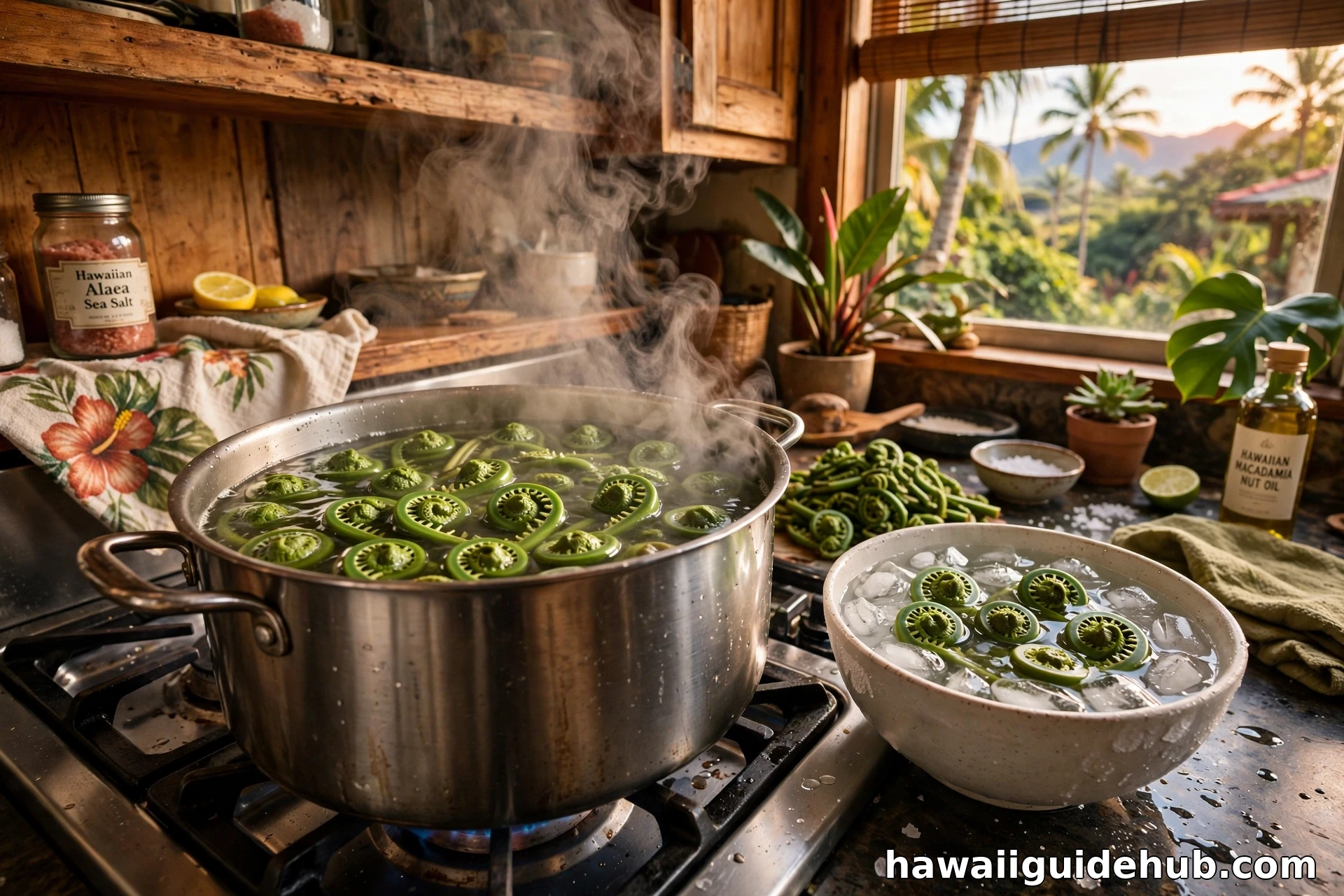
- Fill a large bowl with ice and water to make an ice bath. Set it aside.
- Bring a large pot of water to a rolling boil. Add the cut pohole and blanch for 1 to 2 minutes, until bright green and just tender.
- Immediately transfer the pohole to the ice bath to stop the cooking. Drain well and pat dry.
- In a large bowl, combine the blanched pohole, sliced onion, diced tomato, dried ika, and dried shrimp.
- In a small bowl, whisk together the shoyu, rice wine vinegar, sugar, and sesame oil until the sugar dissolves.
- Pour the dressing over the salad and toss gently to combine. Chill for at least 30 minutes before serving so the flavors meld.
This makes about 2 quarts, enough for a crowd. The salad keeps in the refrigerator for two to three days, though the texture is best on the first day.
The Dressing: Sweet, Salty, and Nutty
The classic pohole salad dressing is a study in balance. Shoyu brings salt and umami. Rice wine vinegar brings brightness. Sugar rounds everything out. Sesame oil adds a nutty richness that ties the whole bowl together. It is the same sweet salty logic behind many of Hawaiʻi’s must-try local dishes, where Japanese, Chinese, and Filipino influences meet island ingredients.
Some families add a splash of patis (fish sauce) or a few slices of fresh ginger to the dressing. Others swap the sugar for a little mirin. The dried ika and dried shrimp are not just garnish. They rehydrate slightly in the dressing and release a deep, savory seafood flavor into every bite. If you cannot find dried ika, dried squid or extra dried shrimp works, and the salad is still excellent without them for a vegetarian version.
Tips for the Best Pohole Salad
Use a sweet onion, not a yellow or red one. The onion goes in raw, so a sharp onion will overpower the delicate fern flavor. Maui onions are the gold standard, but any sweet onion works.
Do not overcook the pohole. One to two minutes in boiling water is enough. You want the shoots bright green and still crunchy. The ice bath is not optional. It locks in the color and stops the cooking instantly.
Dry the pohole well after blanching. Water clinging to the shoots will dilute the dressing. A salad spinner works, or just spread the shoots on a clean kitchen towel and pat them dry.
Let the salad chill before serving. Thirty minutes in the refrigerator lets the dressing soak into the ferns and softens the raw onion just enough. Some cooks swear it tastes even better the next day.
Taste and adjust. Every brand of shoyu has a different salt level, so start with the recipe amounts and add more vinegar, sugar, or shoyu to suit your palate.
Variations Worth Trying
Warm Sautéed Pohole
Not every pohole dish is a cold salad. Try sautéing blanched shoots in a hot wok with garlic, a splash of shoyu, and a drizzle of oyster sauce. It takes five minutes and makes a great hot side dish for grilled fish or any plate lunch style meal.
Pohole with Tako
Some chefs pair pohole with braised octopus (tako) for a fancier take, tossing the fern shoots with lime, fish sauce, macadamia nuts, coconut flakes, and sesame seeds. It is a restaurant style upgrade that keeps the soul of the original dish.
Spicy Pohole Salad
Add sliced Hawaiian chili peppers or a spoonful of chili crisp to the dressing for heat. The sweetness of the dressing handles spice beautifully.
Vegan Pohole Salad
Skip the dried ika and dried shrimp and add toasted macadamia nuts and sesame seeds instead. Use a vegan friendly shoyu and you have a fully plant based version that loses nothing.
What to Serve with Pohole Salad
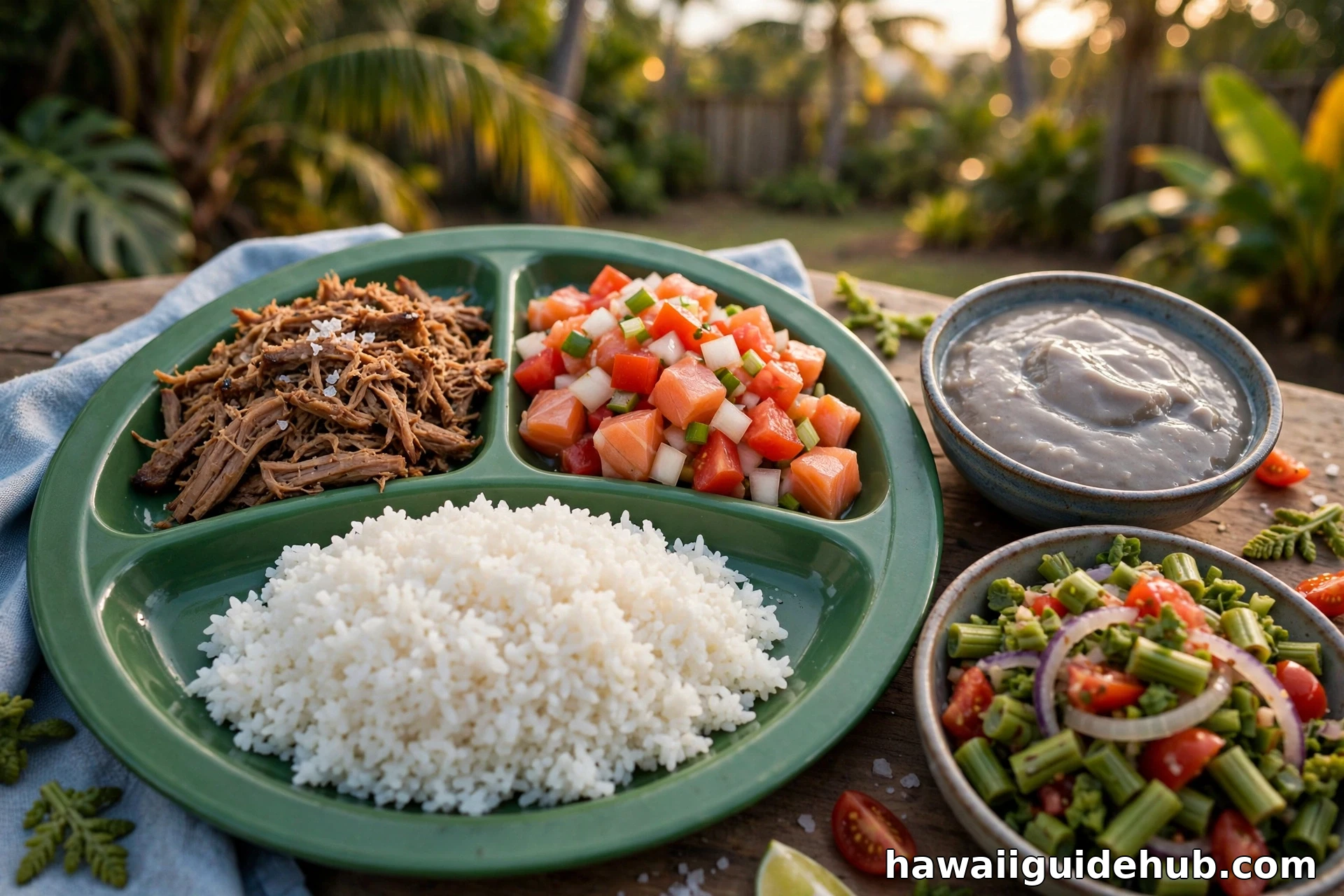
Pohole salad is a pupu (appetizer) or side dish, and it shines next to rich, savory mains. Serve it with kalua pig, lūʻau stew, chicken long rice, or grilled huli huli chicken. The cool crunch and bright dressing cut through fatty, smoky flavors perfectly.
For a full local style spread, pair it with poi, lomi lomi salmon, haupia for dessert, and you have the bones of a lūʻau plate. If you are exploring Hawaiʻi’s late-night food scene, you will sometimes spot pohole salad in okazuya cases next to the fried noodles and tempura, ready to round out a midnight plate.
Nutrition Notes
Pohole is a genuinely healthy green. It is low in calories, high in water content, and provides iron, potassium, calcium, magnesium, fiber, and vitamin C. The classic salad preparation adds sodium from the shoyu and dried seafood, so if you are watching salt, use low sodium shoyu and go lighter on the dried shrimp. The base vegetable itself is as clean as greens get.
Frequently Asked Questions
Is pohole the same as hōʻio?
Yes. Pohole is the Maui name and hōʻio is the name used on the Big Island, Oʻahu, and Kauaʻi. They refer to the same edible fern shoots.
Can you eat pohole raw?
Traditionally pohole is always blanched before eating. Blanching for one to two minutes softens the shoots, brightens the color, and is the standard preparation in every recipe. Do not eat large quantities of uncooked fern shoots.
Where can visitors buy pohole salad?
Look for it at farmers markets, poke shops, okazuya delis, and plate lunch counters across the islands. On Oʻahu, the Waiahole Poi Factory is a well known spot for hōʻio salad. Many grocery stores in Hawaiʻi also sell it pre made in the deli section.
How long does pohole salad keep?
Stored in an airtight container in the refrigerator, pohole salad keeps for two to three days. The texture is crunchiest on day one. Give it a gentle toss before serving leftovers.
What is dried ika?
Dried ika is dried cuttlefish, a common seasoning ingredient in Hawaiʻi’s local cooking. It is sold in bags at most Hawaiʻi grocery stores, usually near the dried shrimp and other dried seafood. It adds a savory, slightly sweet seafood depth to the salad.
See It Made: Pohole Salad on Video
Pohole salad is one of those dishes that tells the story of Hawaiʻi in a single bowl: native ingredients, immigrant influences, and the kind of simple, honest cooking that feeds a crowd. Whether you forage the shoots yourself, pick up a bag at the farmers market, or grab a tub from your favorite poke shop, you are tasting something that has been part of island life for generations. For a deeper look at the islands’ edible plants, see our guide to native Hawaiian fruits, and keep exploring the flavors that make Hawaiʻi’s food culture unlike anywhere else.