Is March a Good Time to Visit Hawaii? Weather, Whales, and Honest Advice

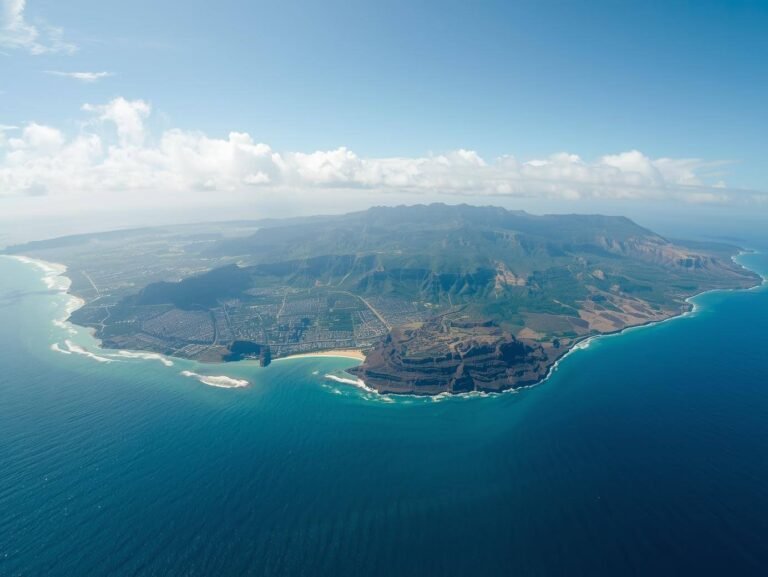
Is March a good time to visit Hawaii? For many travelers, the answer is a confident yes. March sits at the tail end of the islands’ winter season, which means you get the best of two worlds: humpback whales are still here in near-peak numbers, and the holiday crowds have long gone home. Days are warm, the ocean is inviting, and one of Oahu’s biggest cultural festivals fills Waikiki with music and color.
That said, March is not perfect for everyone. It is one of the wetter months on the windward coasts, the ocean is at its coolest, and spring break can bump up prices for a week or two. This guide gives you the honest picture: March weather by the numbers, what whale season really looks like, the festivals worth planning around, and who will love a March trip most.
March Weather in Hawaii at a Glance
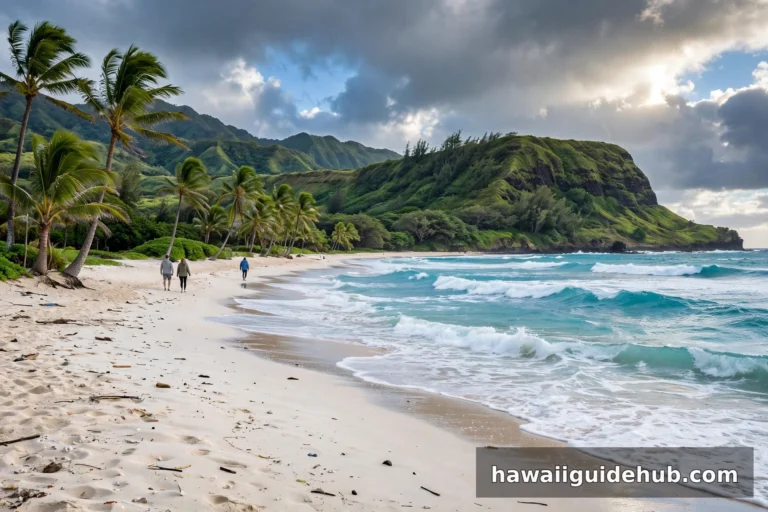
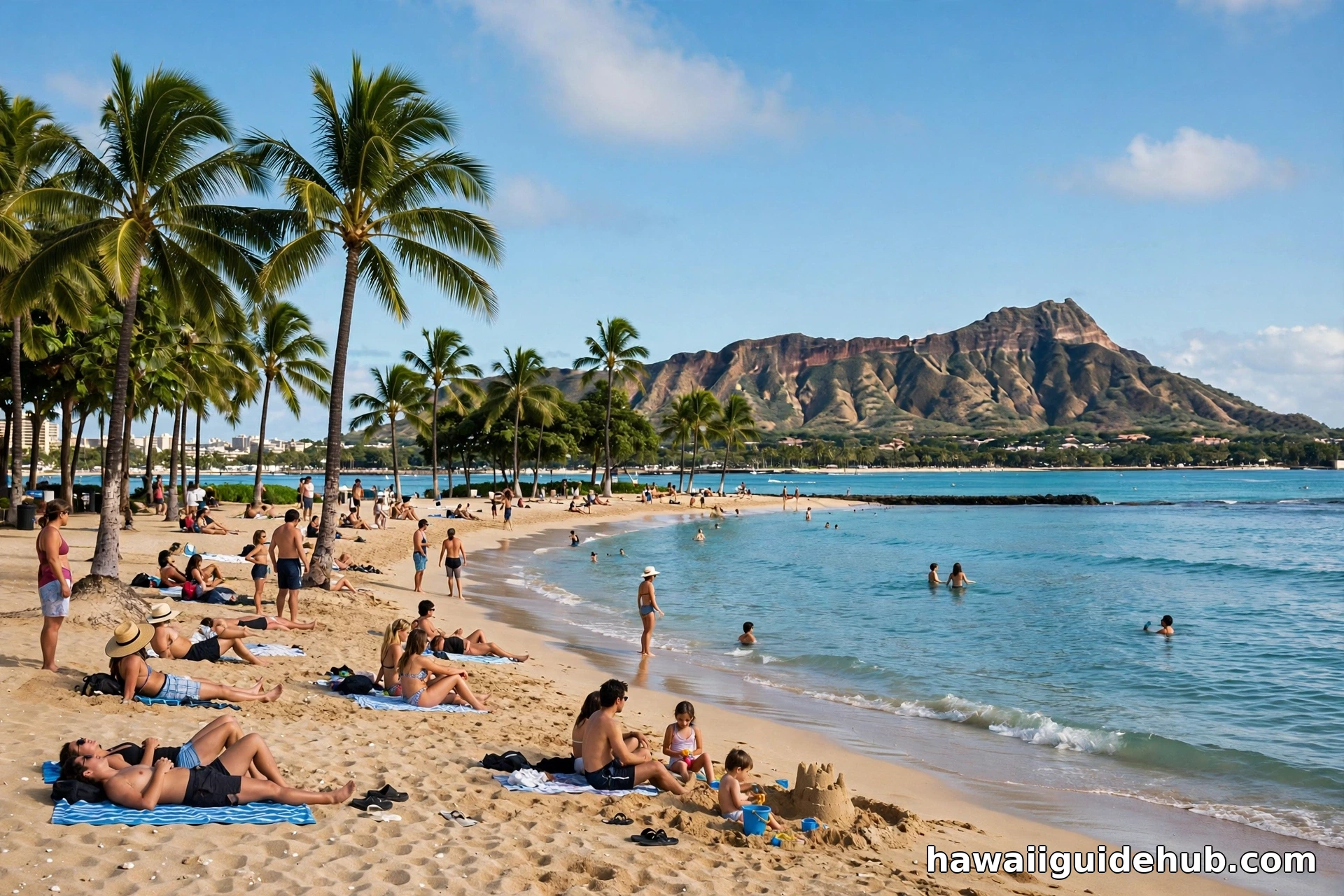
March weather in Hawaii is what most mainlanders picture when they dream of the islands, with a few caveats. Daytime highs in Honolulu average around 81 degrees Fahrenheit, according to NOAA’s 1991-2020 climate normals, with overnight lows near 68. Trade winds keep the afternoons comfortable, and humidity is moderate. You will be in shorts and a t-shirt all day, though a light layer earns its place in your bag for breezy evenings.
The honest caveat is rain. March is one of the wetter months of the year in Hawaii, with Honolulu averaging close to 3 inches. Before that number worries you, know that most of it falls as brief showers on the windward (northeastern) sides of the islands and in the mountains. The leeward coasts, where most resorts sit, stay much drier. A typical March day on the sunny side means blue skies with a passing cloud or two, not a washout.
The ocean in March averages around 76 degrees, the coolest water of the year. Most visitors swim happily without a wetsuit, but if you chill easily, a thin rash guard or wetsuit top makes longer snorkel sessions much more pleasant. Daylight runs about 12 hours, with nearly equal day and night around the spring equinox. The UV index still hits 9 to 10 at midday, so reef-safe sunscreen is non-negotiable even when clouds drift overhead. Hawaii’s sunscreen law bans oxybenzone and octinoxate, so check your bottle before you pack it.
Whale Season: March’s Main Event
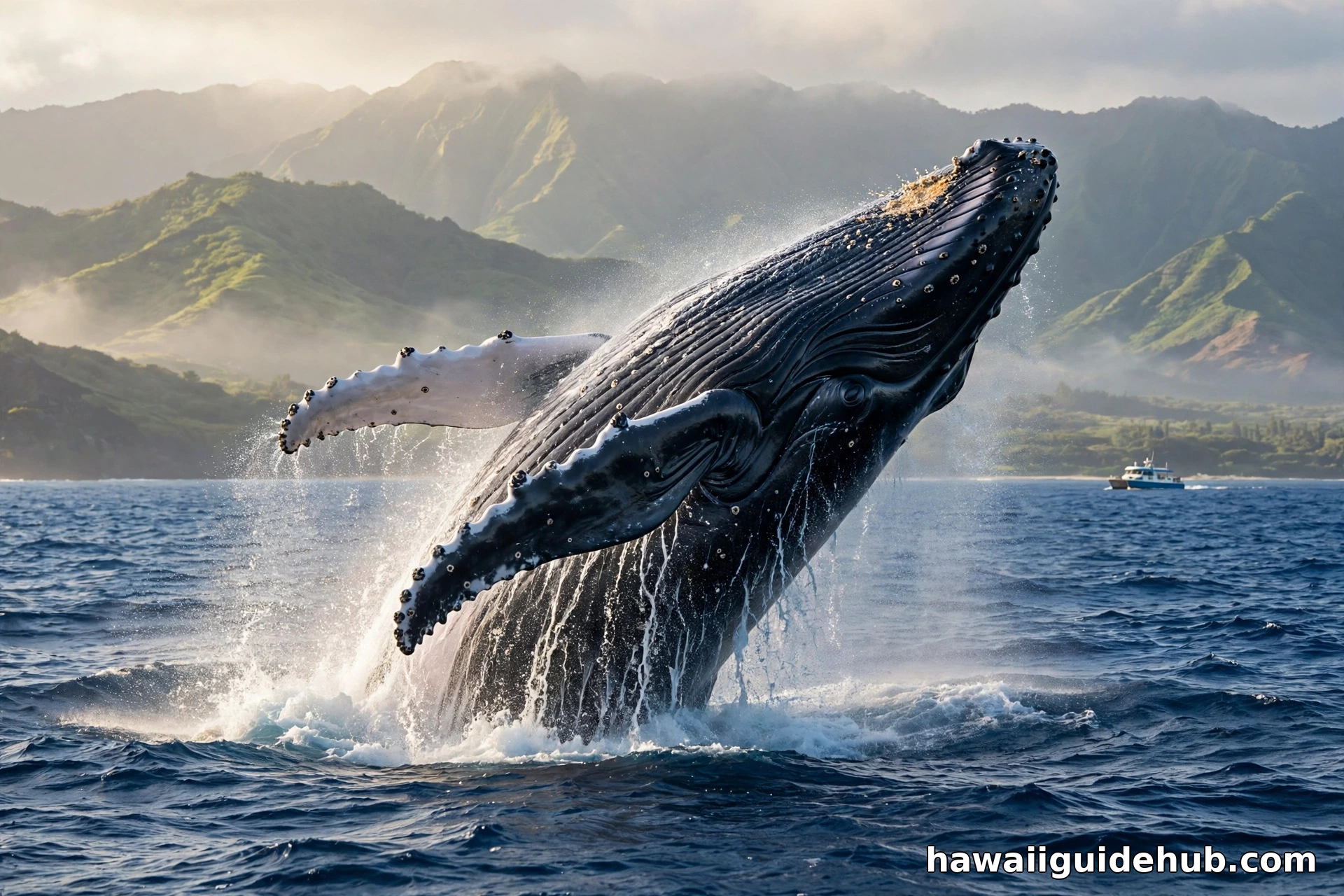
If there is one reason March stands out, it is the whales. Humpback whale season in Hawaii generally runs from November through May, and NOAA places the peak of whale abundance from January through March. March is your last reliable month to see them in big numbers before they begin the long migration back to Alaska.
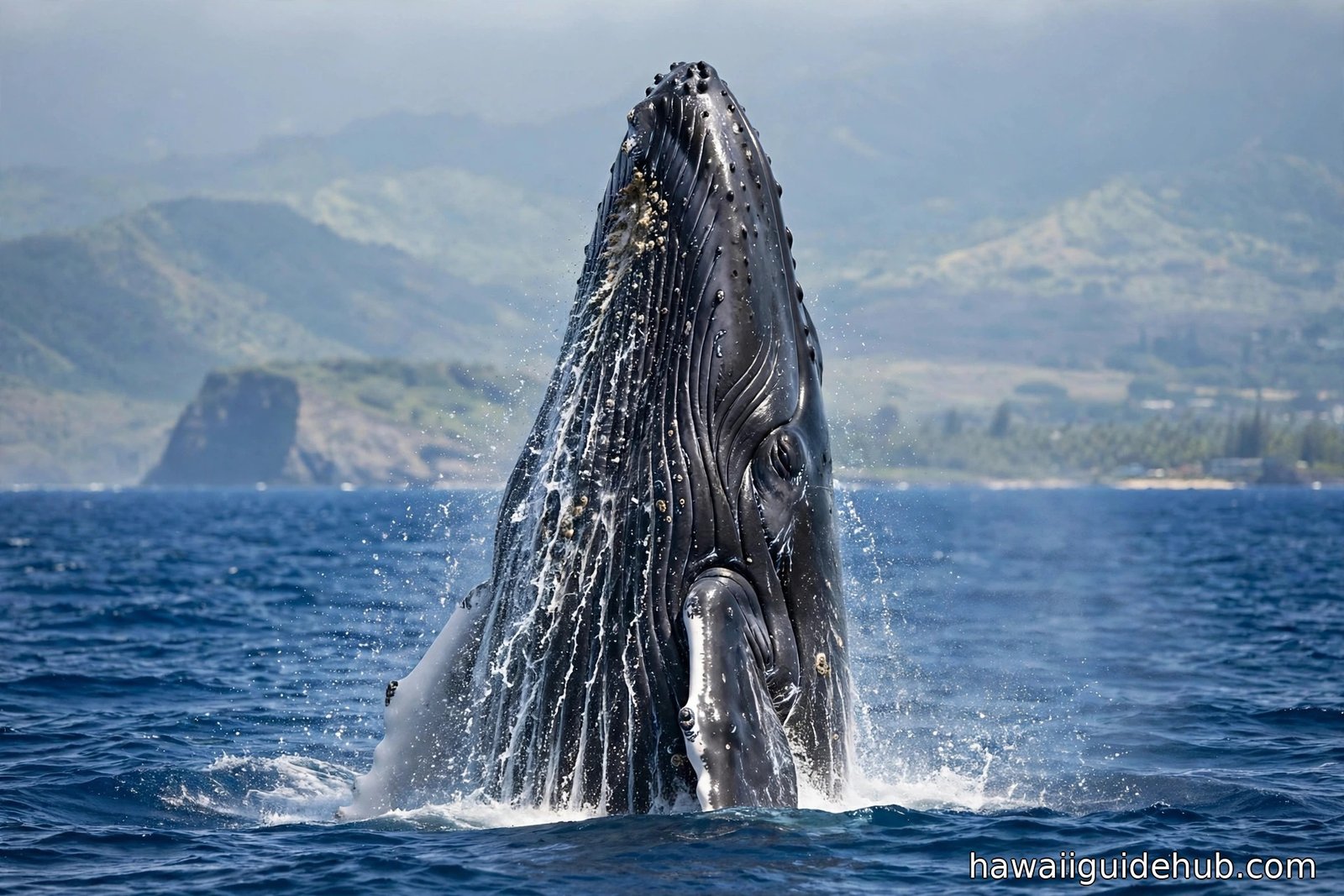
Maui is the undisputed capital of whale watching. The shallow, sheltered Auau Channel between Maui, Lanai, and Molokai is one of the most important humpback habitats in the North Pacific, and on a good March morning you can spot blows and breaches from shore, no boat required. That said, a dedicated whale watching cruise gets you closer to the action, with naturalists on board to explain the breaching, tail slapping, and singing you are witnessing.
A few rules keep both you and the whales safe. Federal regulations prohibit approaching within 100 yards of a humpback whale in Hawaii waters, and that applies to everyone: boats, kayakers, paddle boarders, and swimmers. If a whale approaches you, which does happen, stay put and enjoy the moment. Book whale tours early in March, since this is the tail end of the season and the best boats fill up. For more on the islands’ remarkable ocean wildlife, see our guide to Hawaii’s marine life.
Crowds and Prices in March
March crowds are a tale of two halves. Early March is relatively calm, with the winter holiday rush long over and summer still months away. Then spring break arrives, usually spanning mid to late March, and visitor numbers jump. Hotels and flights cost more during those weeks, and popular restaurants and tours book up faster.
The practical move is simple. If your dates are flexible, aim for the first two weeks of March for the best combination of availability and value. If you are locked into spring break, book accommodations and rental cars as early as you can, and reserve whale watching tours and popular luaus well ahead. Prices in March sit in the mid-range overall: below the summer peak and the Christmas high season, but above the quieter fall shoulder months. Travelers planning their first trip should also read our first-time visitors guide to pick the right island.
March Festivals and Events
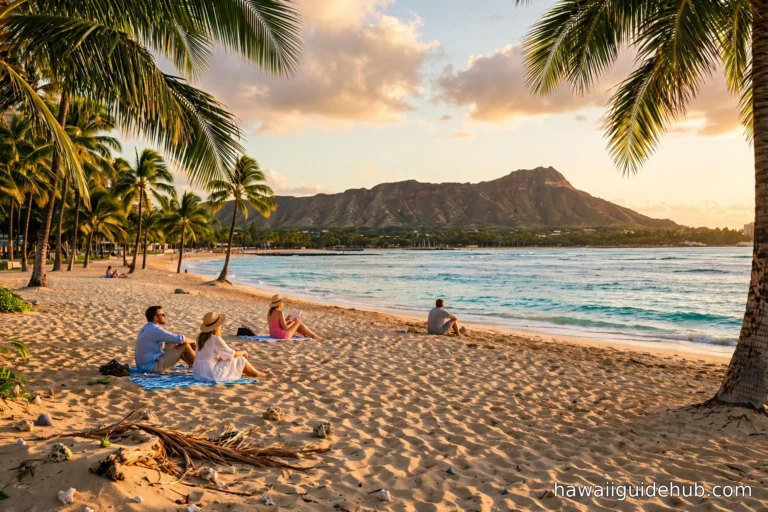
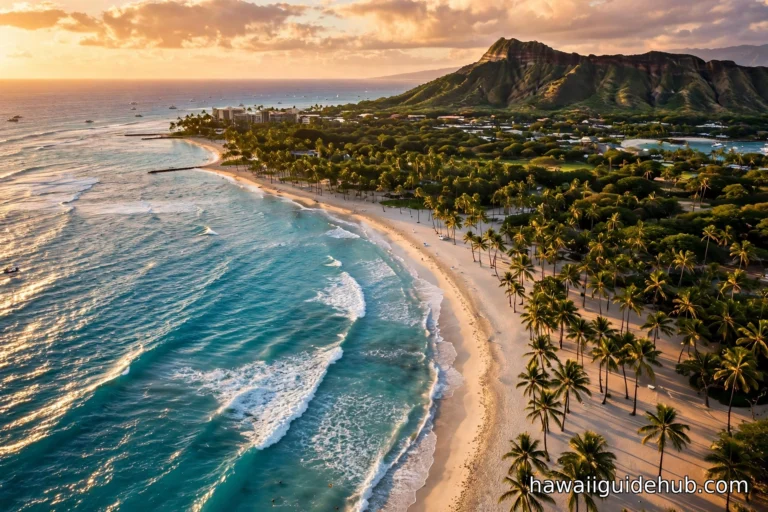
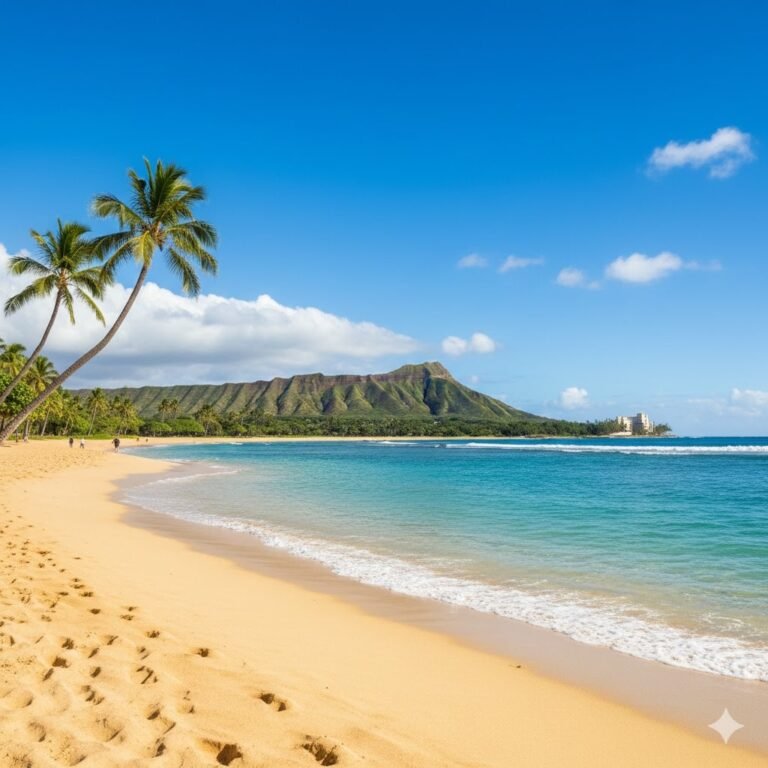
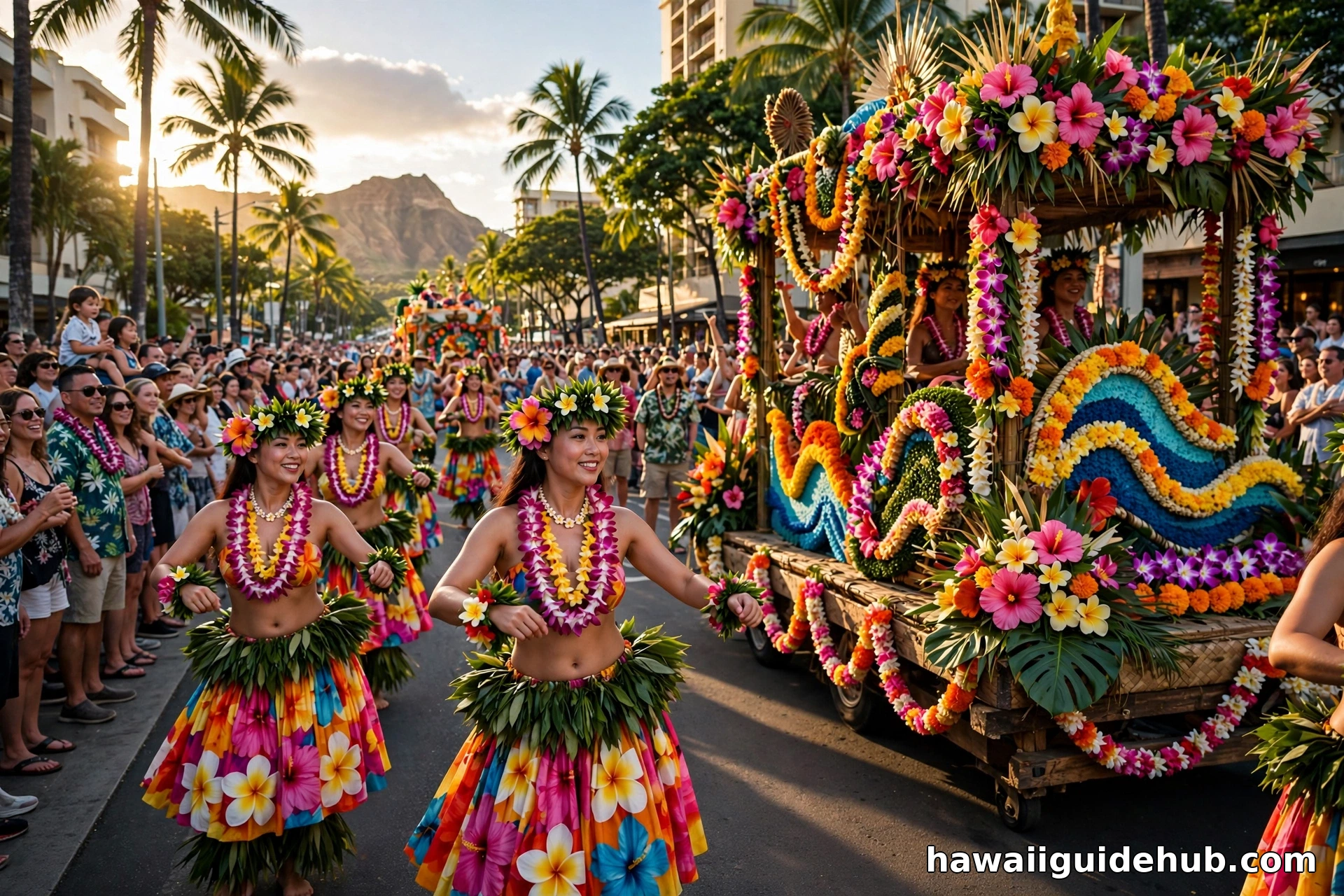
March brings one of Hawaii’s signature cultural celebrations. The Honolulu Festival, held annually in March, is a weekend-long celebration of Pacific Rim culture with performances, exhibits, and crafts from Hawaii, Japan, Tahiti, the Philippines, Korea, China, Taiwan, and beyond. The centerpiece is the Grand Parade down Kalakaua Avenue through Waikiki, followed by the spectacular Nagaoka Fireworks Show over Waikiki Beach. It is free, family friendly, and a genuine window into the cultural connections that shape modern Hawaii.
On Maui, March is whale festival season. Lahaina has traditionally hosted the Ocean Arts Festival in March, a free celebration of the humpback migration with art, music, hula, and marine education activities. Check local listings before you go, since event schedules can shift. Kauai honors Prince Kuhio with cultural celebrations in March as well, including hula, canoe events, and craft fairs. If festivals matter to your trip, a quick check of each island’s event calendar a month out is worth the effort.
What to Do in Hawaii in March
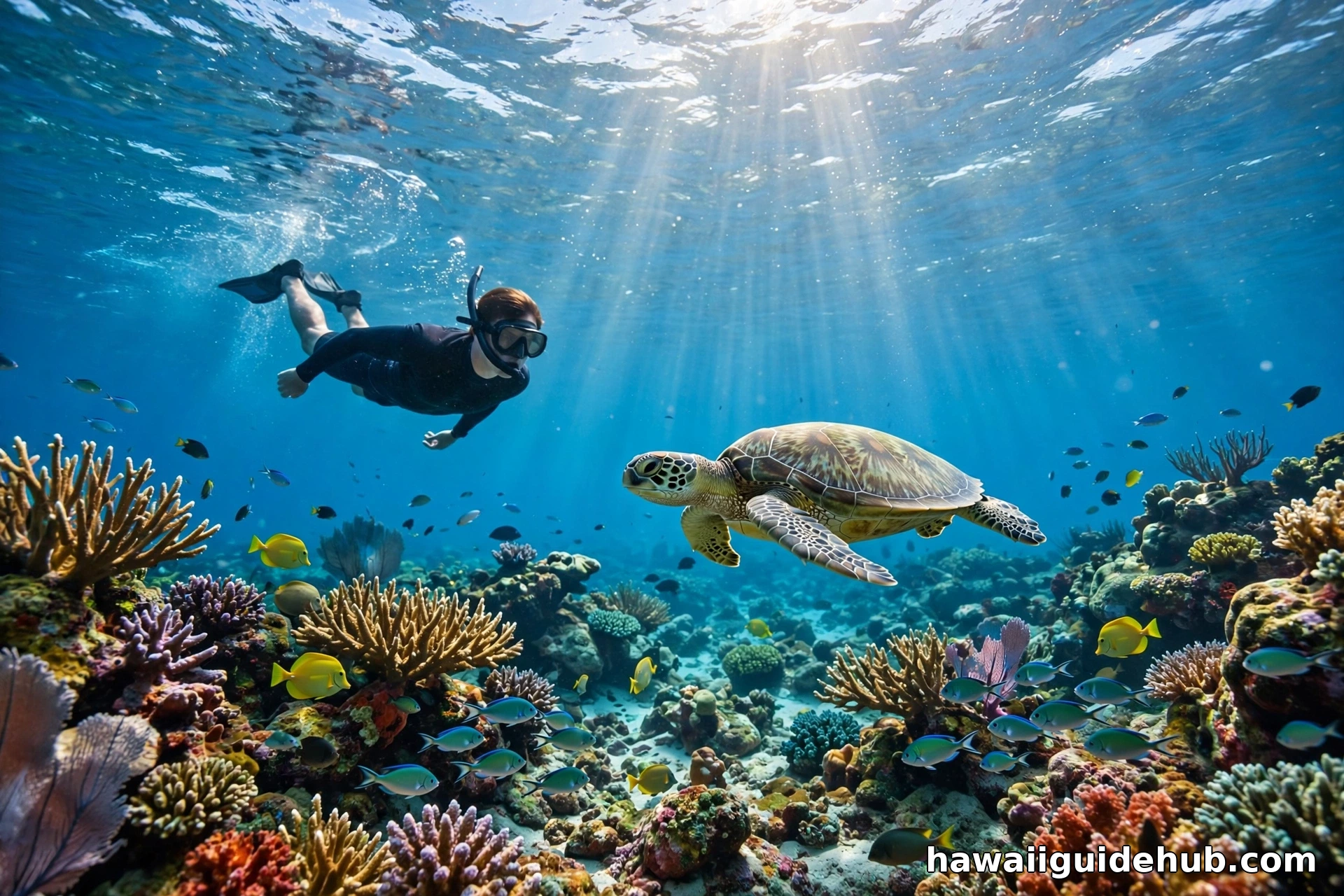
March is a strong month for almost everything Hawaii is famous for. Snorkeling is excellent on the leeward coasts, where the water is calmest; the year’s coolest ocean temperatures are a fair trade for visibility that is often superb. Surfing splits by coast: the famous North Shore winter swells are fading but can still deliver, while the south shores start waking up. Hiking is glorious in March, with green valleys at their lushest after winter rains and temperatures that make even midday trails pleasant.
Whale watching deserves its own line on every March itinerary, whether from a boat off Maui or from a shoreline lookout with binoculars. Waterfalls run fuller than in summer thanks to winter rains, which makes waterfall hikes and scenic drives especially rewarding. Golf, helicopter tours, luaus, and stargazing all run normally. The one seasonal note: the biggest winter surf contests are over, so if your dream is watching 30-foot waves at Pipeline, aim for December through February instead.
Each island has its own March flavor. Oahu pairs the Honolulu Festival with classic Waikiki beach days; our Oahu island guide covers the must-sees. Maui is the whale watching pick, and these reasons to visit Maui still hold in March. Kauai is at its greenest and most dramatic, perfect if waterfalls top your list; start with the best things to do on Kauai.
What to Pack for March
Packing for March is easy, with one extra item. The daytime uniform is shorts, t-shirts, swimwear, and sandals. Add a light jacket or sweater for evenings, air-conditioned restaurants, and higher elevations; Haleakala at sunrise and the Big Island’s volcano viewpoints can feel genuinely chilly. A compact rain jacket is smarter than an umbrella for those brief windward showers.
Reef-safe sunscreen is essential year round, and March’s high UV index makes it doubly so. Water shoes help on rocky entries and lava shorelines. If you plan serious snorkeling, consider bringing or renting a thin wetsuit top. And if whale watching is on your list, pack binoculars; even a compact pair transforms a distant spout into a real sighting.
March by Island: Quick Take
Oahu in March offers the most eventful calendar, with the Honolulu Festival headlining, plus reliable beach weather in Waikiki and the south shore. Maui is the whale watching champion, with the calmest mornings best for spotting humpbacks in the Auau Channel. The Big Island gives you the most climate variety in a single day, from Kona’s sunny coast to cool upcountry towns, and March is a fine month for the volcanoes and coffee country alike.
Kauai in March is breathtakingly green, with waterfalls at their most powerful, though the north shore sees more rain and rougher surf than in summer. Lanai and Molokai are quieter than ever in March, ideal if seclusion is the goal. Wherever you go, the leeward (western and southern) coasts are your best bet for the driest March weather.
How March Compares to Other Months
Context helps. Compared with the deep winter months of December through February, March is a touch warmer and noticeably less crowded once spring break passes. Whale numbers are nearly as good as the January and February peak, but hotel rates have started to ease. Compared with April and May, March is slightly cooler and wetter, but it wins decisively on whales, since most humpbacks have departed by late April.
Against the summer months of June through August, March trades hotter beach weather and the calmest ocean for whale season and lower prices. Summer brings the warmest water and the driest leeward coasts, but also peak crowds and peak rates. If your vacation must include both perfect beach days and whales, March is the closest thing to having it all.
One more comparison worth making: March versus the fall shoulder season of September through November. Fall is drier, quieter, and cheaper, with the warmest ocean of the year. But fall has no whales and fewer festivals. Choose March if wildlife and culture top your list; choose fall if your priorities are empty beaches and the lowest prices.
Tips for Getting the Most Out of March
A few practical moves make a March trip smoother. Book whale watching for the morning, when the ocean is calmest and the light is best for spotting blows on the horizon. Mornings also beat the afternoon trade winds, which can chop up the water by midday. If you are staying on the windward side to save money, plan beach days for the leeward coast and keep a flexible attitude about brief showers.
For the Honolulu Festival, check the official schedule a few weeks out and plan to arrive early for the Grand Parade; Kalakaua Avenue fills up fast. The Nagaoka Fireworks Show caps the weekend, and the beachfront viewing spots go quickly. On any island, carry a light rain layer in your daypack even when the morning looks perfect. Hawaiian weather changes fast, especially near the mountains, and being prepared is the difference between a minor detour and a ruined afternoon.
Who Should Visit in March, and Who Might Wait
March is ideal for whale lovers, festival goers, and anyone who wants warm weather without summer crowds or prices. It suits first-time visitors who want a bit of everything, and it is a lovely choice for couples and families traveling outside the peak summer window. Photographers get lush landscapes, dramatic clouds, and breaching whales.
You might prefer another month if your top priority is the hottest, driest beach weather; late spring and summer win there. Surfers chasing the biggest North Shore waves should come earlier in winter. And if you want the absolute lowest prices and thinnest crowds, the fall shoulder season is quieter than March. But for most travelers, March’s mix of whales, festivals, and mild weather is hard to beat.
Watch: Humpback Whales Off Maui
Nothing sells a March trip like seeing what the whale season actually looks like. This video captures an unforgettable whale watching encounter off West Maui, the kind of close-up moment March visitors hope for.
The Honest Bottom Line on March
March is one of the most rewarding months to visit Hawaii, and the reasons are specific: humpback whales at near-peak abundance, the Honolulu Festival filling Waikiki with culture, warm days without summer’s intensity, and prices that have settled from the winter highs. The trade-offs are real but manageable: occasional rain, the year’s coolest ocean water, and a spring break bump in crowds.
If whales are on your bucket list, March may be your single best month, pairing peak sightings with thinner crowds than January and February. Pack a light layer, bring reef-safe sunscreen, plan ahead since whale tours sell out early, and leave room in your itinerary for at least one slow morning watching the horizon. March in Hawaii rewards travelers who know what the month does best, and now you do.