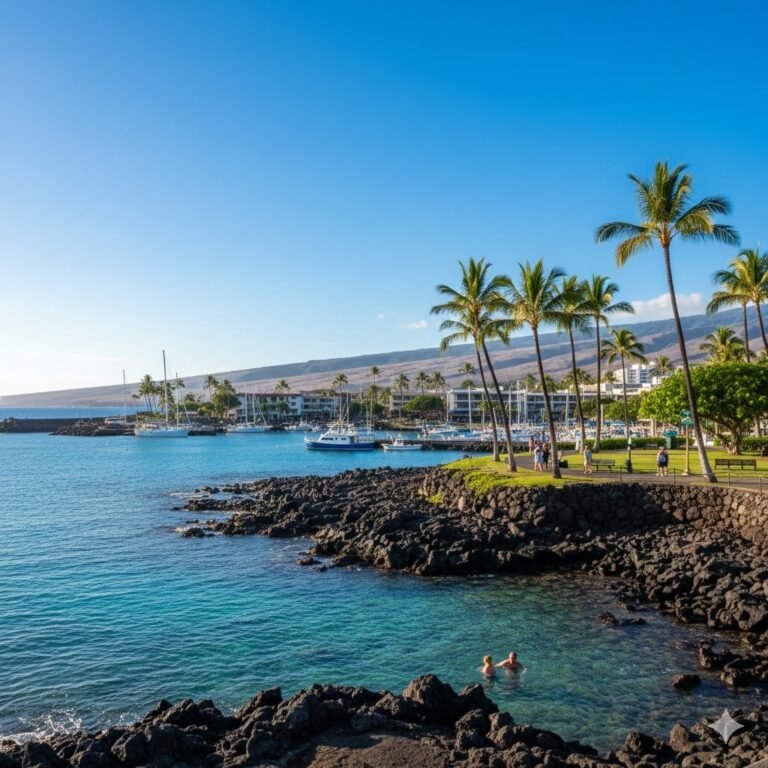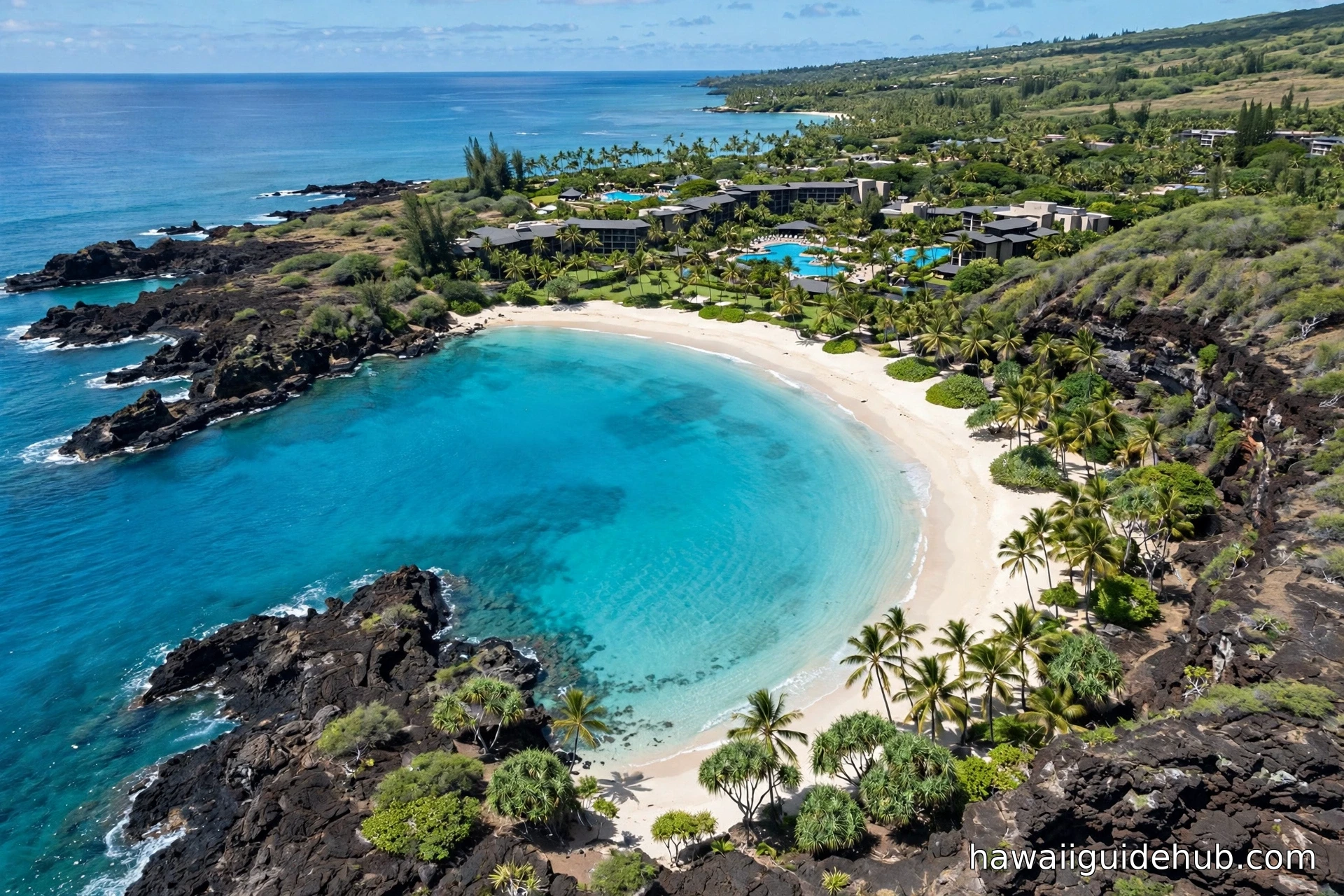
The Kohala Coast: Big Island’s Sunny Side of Beaches and History

There is a stretch of the Big Island where it almost never rains, where the sand stays white and the water stays that impossible shade of blue-green, and where some of the most expensive hotel rooms in Hawaii sit within walking distance of a 3,000-year-old rock carving. That is the Kohala Coast. It runs along the northwestern shore of the island, roughly from Kawaihae up past Waikoloa to the Mauna Kea Resort, and it has quietly become the island’s answer to the question of where to go when you want the beach to simply cooperate.
What makes this coast unusual is not just the weather, though the weather is the headline. It is the density of things worth doing packed into about twenty miles of shoreline: the island’s best swimming beach, its most photographed cove, the largest concentration of ancient petroglyphs in the Pacific, and a string of bays where green sea turtles show up like they have standing reservations. This guide covers all of it in one place.
Where the Kohala Coast Sits, and Why the Sun Never Leaves
The Kohala Coast occupies the leeward side of the Big Island, in the South Kohala district. The trade winds that soak Hilo and the Hamakua Coast on the windward side drop their moisture on the island’s tall volcanoes long before they reach here. The result is a rain shadow that keeps the coast dry and sunny for most of the year, with daytime temperatures typically in the low to mid 80s and ocean water warm enough to swim in every month.
The land itself tells an older story. The coast takes its name from Kohala volcano, the oldest of the five volcanoes that built the Island of Hawaii and the only one considered extinct. Its oldest exposed lavas are about 460,000 years old, and it last erupted roughly 120,000 years ago, according to the USGS and the Smithsonian’s Global Volcanism Program. The newer resorts and golf courses sit on much younger lava from Mauna Kea and Hualalai, but the bones of the coast are ancient.
Getting here is straightforward. The coast is about a 20 to 30 minute drive north of Kona International Airport on Highway 19, the Queen Kaahumanu Highway. Most visitors base themselves in Waikoloa, at one of the resorts, or in the town of Waimea a short drive inland. A rental car is essentially required; this is not a place built for walking between sights.
Hapuna Beach: The Big Island’s Best All-Around Beach
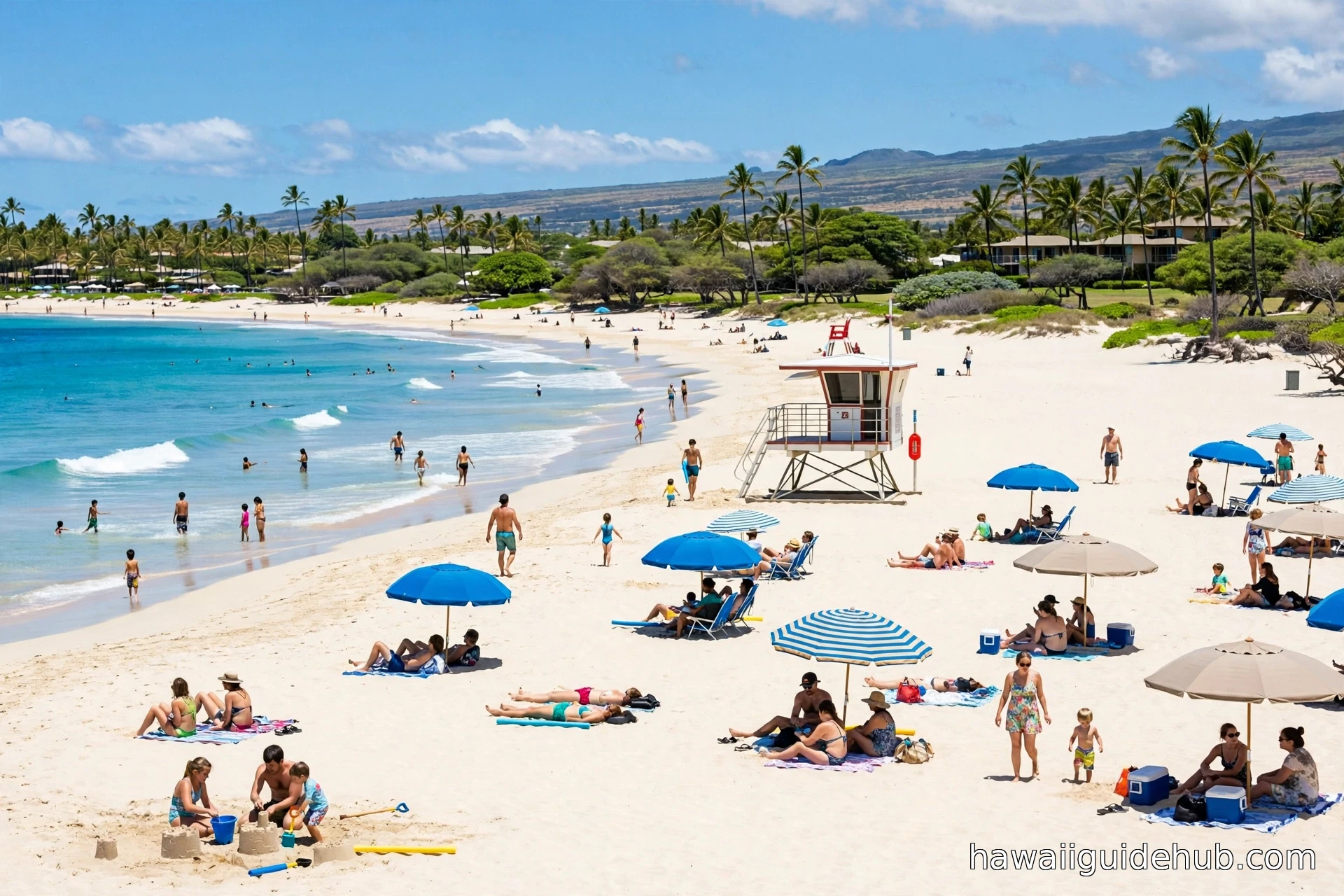
If you visit one beach on the Kohala Coast, local advice points here first. Hapuna Beach State Recreation Area holds the largest white sand beach on the Big Island, about a half mile of it, and it is the rare Hawaiian beach that works for almost everyone: gentle enough entry for kids near the middle, decent bodysurfing at the south end when the swell is up, and snorkeling around the lava outcrops at either edge.
The state park covers 62 acres and comes with the facilities that make a beach day easy: lifeguards on duty, restrooms, outdoor showers, shaded picnic pavilions, and a food concession. There is a day-use parking fee, and the park also rents simple cabins for overnight stays, though those book out well in advance. The park’s address is Old Puako Road, and it sits just off Highway 19 between the Waikoloa and Mauna Kea resort turnoffs.
One walk worth knowing about starts here. The Ala Kahakai National Historic Trail, a coastal footpath with roots in ancient Hawaiian travel routes, runs along this shoreline. The section from Hapuna north to Mauna Kea Beach is a pleasant shoreline stroll of under a mile each way, and it is the easiest way to reach the next beach on this list without fighting for parking.
Mauna Kea Beach: The One You Have to Earn
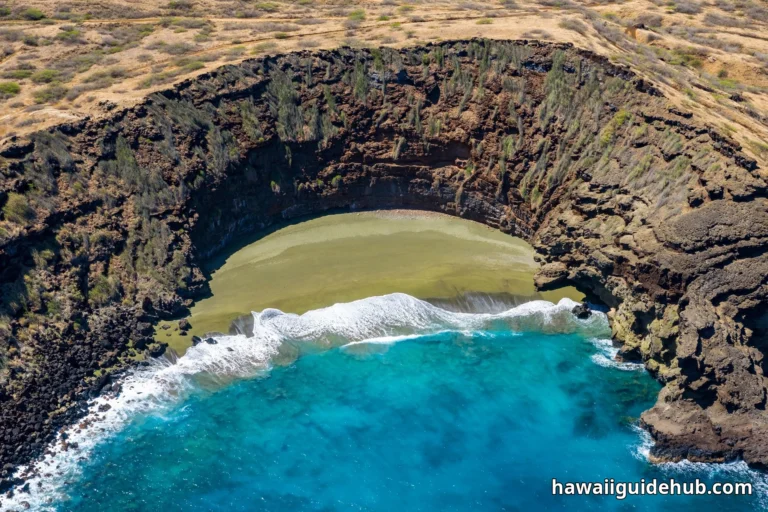
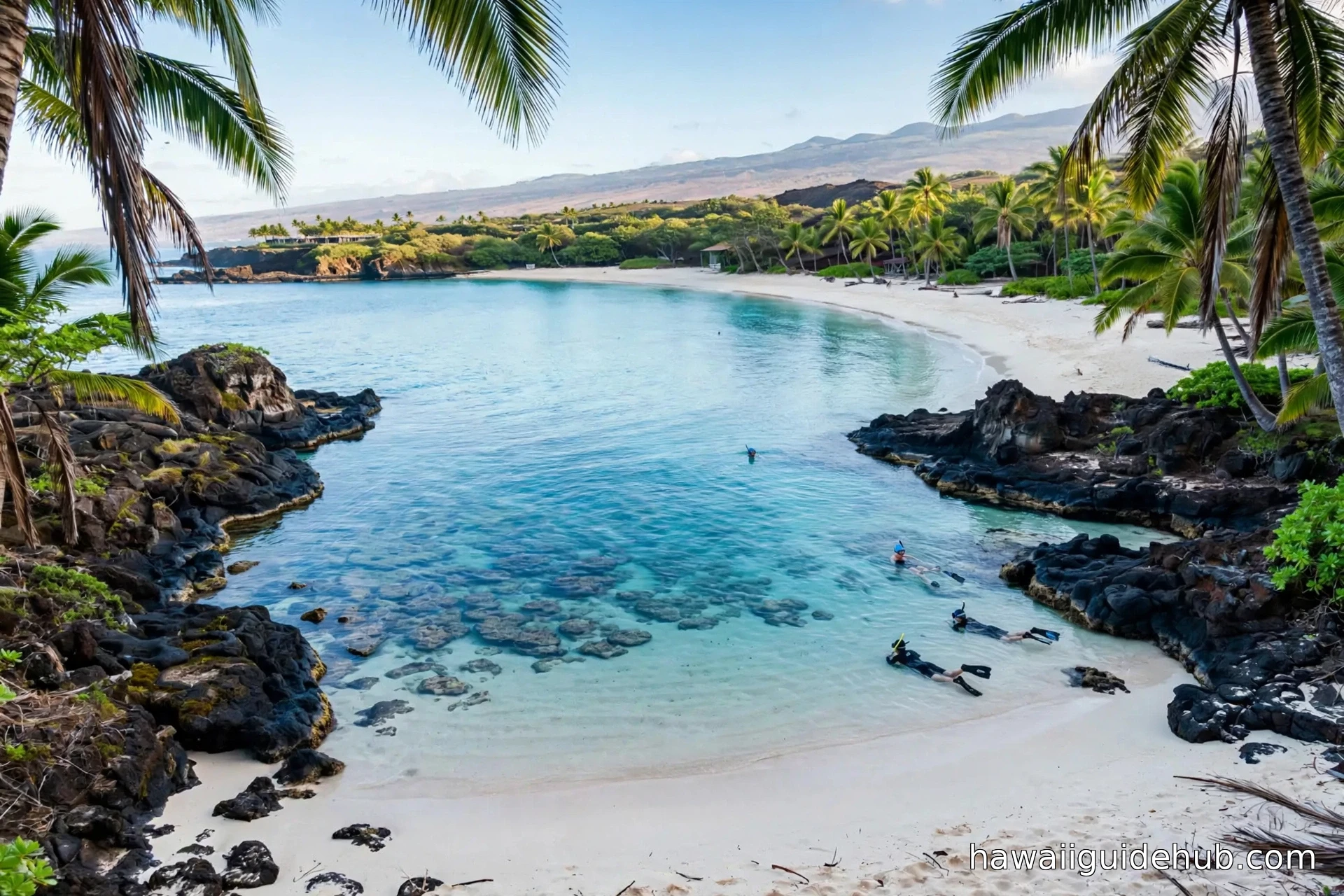
Kaunaʻoa Bay, better known as Mauna Kea Beach, is the cove that shows up on “world’s best beaches” lists with suspicious regularity. A coastal scientist’s annual ranking placed it eighth in the United States in 2026. The beach itself is a near-perfect crescent of white sand between two lava points, with calm, clear water in summer and reef at both ends that makes for excellent snorkeling when conditions are right.
Here is the catch, and it is worth understanding before you go. The beach is public, as every beach in Hawaii is, but the parking lot belongs to the Mauna Kea Beach Hotel. The hotel sets aside a small number of stalls, about 40, for visitors who are not staying there. They fill early. Plan to arrive before 8:30 in the morning, stop at the resort’s security gate off Highway 19 at mile marker 68, and ask for a public beach parking pass. If the stalls are gone, the gate staff will tell you, and your backup plan is Hapuna Beach a mile south, or the coastal trail walk from Hapuna.
Winter changes the equation at Kaunaʻoa Bay. Summer is the calm season. In winter the surf builds and the shore break can turn dangerous, with strong rip currents. Check conditions before entering the water, and if the waves look serious, admire the bay from the sand. Bring your own snorkel gear and food; the beach club’s complimentary equipment is for hotel guests, and the hotel’s beachside restaurant, while excellent, charges resort prices.
Anaehoʻomalu Bay: Where the Coast Goes to Unwind
Anaehoʻomalu Bay, which everyone calls A-Bay, is the working heart of the Waikoloa Beach Resort shoreline. It is not the most dramatic beach on the coast, but it may be the most useful one: calm water protected by a reef, easy entry, good snorkeling along the edges, paddleboard and kayak rentals nearby, and some of the coast’s best sunset views looking west over the water.
This is also where Hawaiian green sea turtles, honu, are most reliably seen by casual visitors. They rest on the sand at the edges of the bay and cruise the shallows. Federal and state law protects them; stay at least 10 feet away, never touch or feed them, and give a resting turtle a wide berth. Our guide to Hawaiian green sea turtle conservation and snorkeling etiquette covers the rules in detail.
Behind the bay, the resort area rewards a wander. The Kings’ Shops and Queens’ Marketplace offer the coast’s main concentration of restaurants and stores, and a short marked trail near the Kings’ Shops leads through a field of ancient petroglyphs, a smaller and easier alternative to the Puako preserve for travelers short on time. The resort’s coastal walkway, part of the Ala Kahakai trail system, runs for miles in either direction.
Waialea Bay and the Quieter Corners
Between the headline beaches sit the coves that regulars prefer. Waialea Bay, known locally as Beach 69 for the telephone pole that once marked its turnoff, is a small protected bay with good snorkeling on its north side and a fraction of Hapuna’s crowds. It has restrooms and showers but limited parking, so arrive early on weekends.
Just south of the resort bustle, the Puako community fronts a rugged shoreline of tide pools and small pocket beaches rather than long sand. It is better for exploring than swimming, and it sits beside the petroglyph preserve covered below. Holoholokai Beach Park, at the end of the road past Mauna Lani, has shaded picnic tables, restrooms, and a rocky shoreline where local fishermen work the surf. None of these spots will appear on a postcard, which is exactly the point.
Older Than the Resorts: Petroglyphs, Fishponds and Ancient Trails
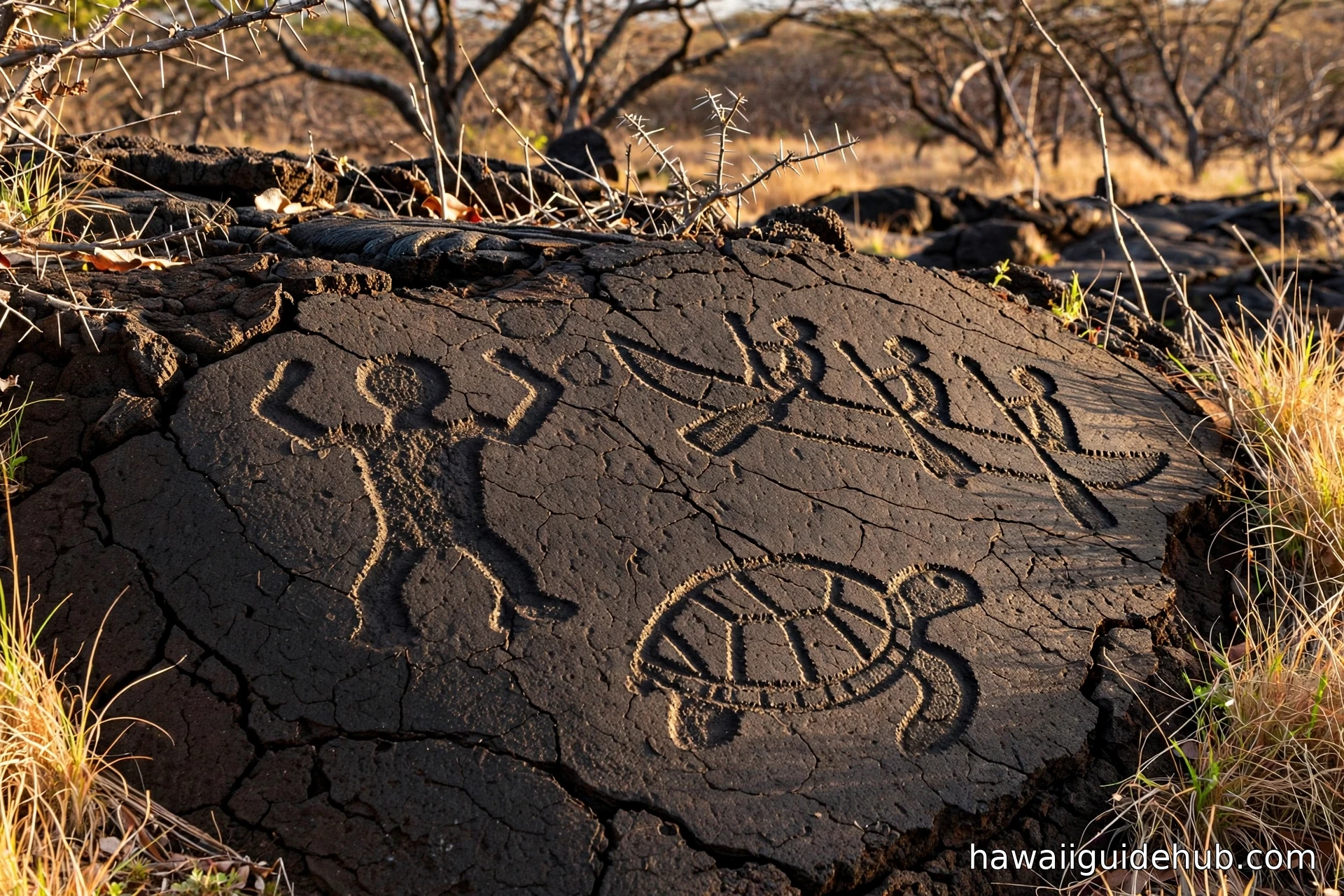
The Kohala Coast’s beaches get the photographs, but its oldest attractions are carved in stone. The Puako Petroglyph Archaeological Preserve protects 223 acres of lava fields holding more than 3,000 ancient Hawaiian rock carvings, the largest such concentration in the Pacific. The kiʻi pohaku, images in stone, depict human figures, turtles, canoe paddlers, sails, and abstract symbols, some connected to birth rituals and family records.
Reach the preserve via the Malama Trail, which begins at Holoholokai Beach Park near the Mauna Lani resort. The trail runs about a mile each way through kiawe woodland and rough lava, so wear closed shoes, carry water, and allow at least an hour. Replica carvings near the trailhead show what to look for. Stay on the marked path and never touch, trace, or step on the real carvings; oils from skin and the pressure of feet damage them permanently.
Near Mauna Lani, the Kalahuipuaʻa fishponds show another side of old Hawaii: ancient aquaculture, walled ponds where Hawaiians raised fish centuries before the resorts arrived. And threading past all of it, the Ala Kahakai National Historic Trail follows the coastline for miles, connecting beaches, fishing grounds, and historic sites along a route Hawaiians have walked for generations. Even a short section, like the Hapuna to Mauna Kea stretch, adds a layer of history to a beach day. For more on the island’s wider sights, see our guide to the best things to do on the Big Island.
The Resort Question: Where to Stay
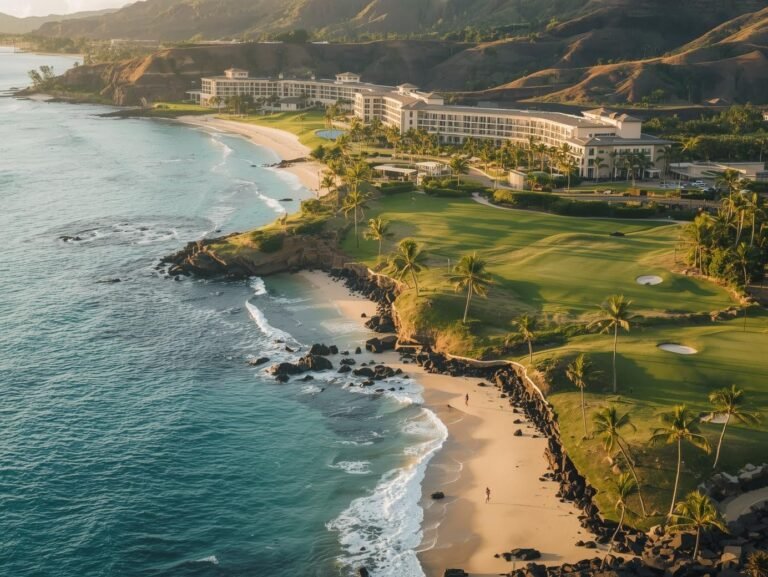
The Kohala Coast is Hawaii’s luxury resort shoreline, and where you stay shapes the trip. Three resort areas anchor the coast. Waikoloa Beach Resort is the largest and most self-contained, with the Hilton Waikoloa Village, the Waikoloa Beach Marriott, vacation condos, two golf courses, and the main shopping and dining. It suits travelers who want everything within reach.
The Mauna Kea Resort, a few miles north, is the historic one. Its beachfront hotel opened in the 1960s and set the template for Hawaiian luxury; it holds Kaunaʻoa Bay and the Hapuna Beach-adjacent Westin. Mauna Lani, to the south, is quieter and more spread out, known for its fishponds, petroglyph trails, and a more low-key version of resort life.
Prices reflect the setting: expect resort rates well above island averages, plus parking and resort fees at most properties. Travelers watching their budget often stay in Waikoloa Village, the residential town a few miles inland, or in Waimea, where vacation rentals and smaller inns cost less and the drive to the beaches runs 20 to 30 minutes. Book beachfront properties early for winter months, when demand peaks.
When to Go and How to Get Around
The honest answer on timing is that the Kohala Coast works year-round. Summer brings the calmest ocean conditions, ideal for snorkeling at Kaunaʻoa Bay and A-Bay. Winter brings bigger surf on north-facing shores, whale season offshore from roughly December through April, and the year’s highest hotel rates. Rain is rarely the deciding factor; this is the dry side of the island in every season.
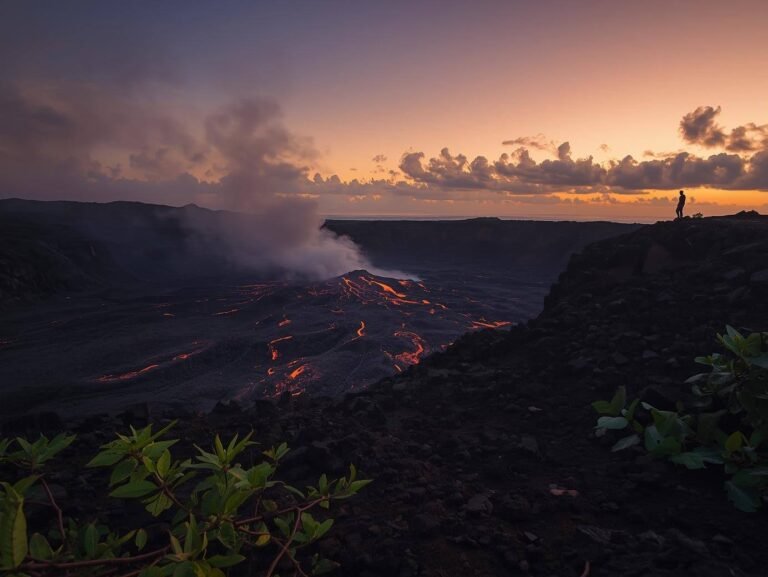
A rental car is not optional here. The coast’s sights spread along Highway 19 with resort turnoffs several miles apart, and there is no meaningful public transit between beaches. From Kona International Airport, the drive to Waikoloa takes about 25 minutes. Fill the tank in Waikoloa or Waimea; gas stations thin out along the resort roads. If your plans include the volcano, note that Hawai’i Volcanoes National Park is a two to three hour drive each way, best done as a full day trip or an overnight.
Know Before You Go
A few practical notes make the difference between a good beach day and a great one. The sun on this coast is serious: reapply reef-safe sunscreen often, wear a hat, and do not underestimate the UV even on breezy days. Bring more water than you think you need, especially for the petroglyph trail and the coastal walks, where shade is scarce.
Ocean conditions deserve respect. Check the daily surf forecast before swimming, particularly in winter, and never turn your back on the ocean at rocky shorelines. Snorkel with a buddy, stay inside the bays, and keep clear of coral; standing on reef kills the living coral underneath. Our guide to snorkeling with Hawaii’s marine life has more on doing it well.
For hikers, the coastal trails reward early starts before the heat builds. The island’s hiking and outdoor adventures extend well beyond the shoreline if you want more. And one last local courtesy: the 40 public stalls at Mauna Kea Beach exist because of an access agreement. Arrive early, park only in marked stalls, and leave the beach cleaner than you found it, and the arrangement keeps working for everyone.
The Kohala Coast does not ask visitors to choose between a beach vacation and a real sense of place. The same afternoon can hold a morning snorkel over a reef, a midday walk past thousand-year-old carvings, and a sunset watched from sand that the ancient Hawaiians walked too. Few coastlines anywhere pack that much into twenty miles, and fewer still do it under this much sun.