Mermaid Caves on Oahu: Coastal Hazards and Safer Planning

Mermaid Caves is the name commonly used for coastal cave formations along Nānākuli on Oahu’s west coast. Photographs of blue water beneath the rock can make the site look like a quiet swimming pool. It is an exposed coastal feature with serious hazards, and this guide does not recommend entering the caves.
Low tide, a sunny forecast or the presence of other visitors does not establish that entry is safe. Choose an established beach or viewpoint appropriate for the conditions instead of building an itinerary around climbing into a sea cave.
Why Mermaid Caves Requires Particular Caution
An April 2026 Hawaii House committee report describes serious injuries, near drownings and fatalities at the Nānākuli formations. It identifies sudden wave surge, unpredictable conditions, limited visibility and the lack of a safe exit as concerns at confined coastal features.
The report also explains why a destination label on a navigation app can mislead people into assuming that a place is suitable for recreation. A map pin, a visitor review or a photograph is not a safety assessment, an access permit or evidence of a maintained route.
Hawaii Ocean Safety’s shoreline guidance advises against climbing onto shoreline rocks, ledges, crevices and cavernous areas. Wet surfaces can cause falls, and waves can sweep people into the ocean. These hazards matter even when you have no intention of swimming.
Why Low Tide Does Not Make Cave Entry Safe
Tide predictions describe changing water levels; they do not guarantee the size or timing of waves at a cave opening. Swell and individual wave sets can still send water into a confined space. A lower predicted tide therefore does not provide a dependable window for climbing in and out.
Likewise, a lull between waves is not proof that the ocean will remain calm. A route that looks manageable from above can become difficult to leave. Do not use an online rule such as “arrive one hour before low tide” as a safety instruction.
The National Weather Service Honolulu marine forecasts provide surf and weather information for planning coastal activities. They are regional forecasts, not a certification that a particular cave or rocky ledge is safe. Follow closures, barriers and instructions from local safety personnel.

Common Assumptions That Can Lead to Trouble
“Other people are going in.” Another person’s decision does not establish the conditions, their experience or whether they can get out. Following a crowd or someone who appears familiar with the site is not a substitute for an appropriate, managed destination.
“I am a strong swimmer.” Swimming ability does not prevent a fall, a head injury or being struck against rock. A confined coastal space also presents different problems from an ordinary swim in open water.
“Shoes and a flashlight will make it manageable.” Equipment cannot remove wave surge or create a reliable exit. Footwear, a waterproof bag, a ladder or a companion should not be treated as a reason to attempt cave entry.
“Summer or morning is always calm.” Conditions vary from day to day and between shorelines. Neither a season nor a time of day guarantees a safe visit. An attractive photograph records one moment, not the conditions you will encounter.
Plan a West Oahu Day Without Cave Entry
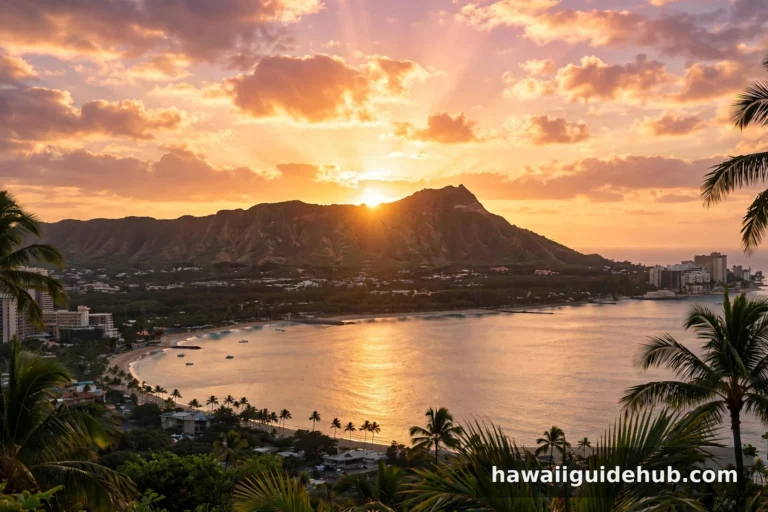
Start with the kind of day you actually want: a picnic, time at a suitable beach, a coastal view or wildlife observation from land. Then choose a managed location with the facilities and conditions that match your group. You do not need a cave visit to enjoy the west coast.
For a swimming outing, use Hawaii Ocean Safety’s beach-selection guidance, choose a lifeguarded beach and ask the lifeguard about conditions before entering. A beach name or a general travel description should never be read as a guarantee of safe swimming.
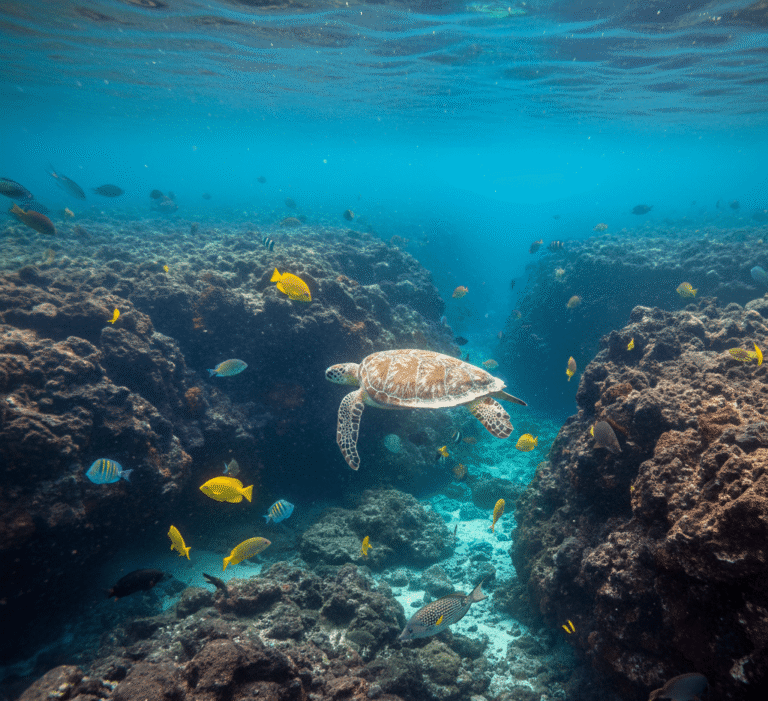
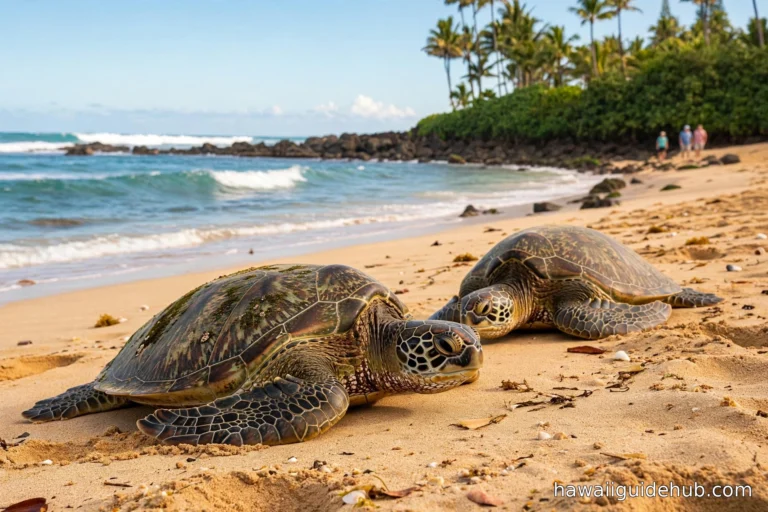
If you are interested in marine life, our guide to seeing turtles from shore on Oahu explains observation without seeking an in-water encounter. Wildlife sightings remain unpredictable, and animals need undisturbed space.
Keep the schedule flexible. Road conditions, parking, closures and ocean conditions may change the day’s options. Have a land-based alternative and avoid making a risky coastal stop feel necessary because it is already on the itinerary.
Photography Without Entering a Hazardous Area
A photograph is not worth climbing into an opening, stepping past a barrier or standing on a wave-washed ledge. Choose an established viewing area, stay back from edges and keep watching the ocean. Do not turn your back to breaking waves while posing or concentrating on a screen.
Do not assume dry-looking rock is beyond the reach of the sea. Avoid approaching a cave opening for a better angle. If the desired picture depends on an unsafe position, choose another composition or leave the camera packed away.
Respect Nānākuli and the Coast
Nānākuli is a living community. Park only where allowed, keep access clear, respect homes and private property, and avoid treating residents as informal guides to a hidden attraction. An online shortcut does not establish a public route.
Leave rocks, sand, coral and other natural materials where they are. Take rubbish away, keep noise considerate and avoid disturbing wildlife. Do not add markings, move rocks or install equipment to make a coastal opening easier to reach.
The name “Mermaid Caves” should not be treated as evidence of a traditional Hawaiian story. Cultural and place-name claims need reliable local sources; a romantic explanation repeated online is not enough to establish their origin.
If Someone Is in Trouble
If someone is swept into the ocean or needs rescue, call 911 immediately and describe the location and what happened. Move yourself to a safe place and follow the dispatcher’s instructions. Hawaii Ocean Safety specifically warns against jumping in to attempt a rescue when someone has been swept away.
Do not enter the cave or water to retrieve a phone, camera or other belongings. Keep access clear for emergency personnel. A first-aid kit is useful for ordinary travel, but it does not make a hazardous coastal activity safe.
Questions About Visiting Mermaid Caves
Is Mermaid Caves a suitable family swimming stop? This guide does not recommend cave entry for a family outing. Choose a lifeguarded beach suited to current conditions and the abilities of everyone in your group.
Can I rely on a tide chart or a tour listing? Neither proves that access is safe. Tide predictions do not remove wave hazards, and a commercial listing does not override restrictions or change the physical risks.
What should I check before any coastal outing? Check current access notices, surf and weather, available lifeguards, parking and the needs of your group. Use our family snorkeling preparation guide when considering an alternative water activity, and choose a land activity whenever conditions or readiness are uncertain.